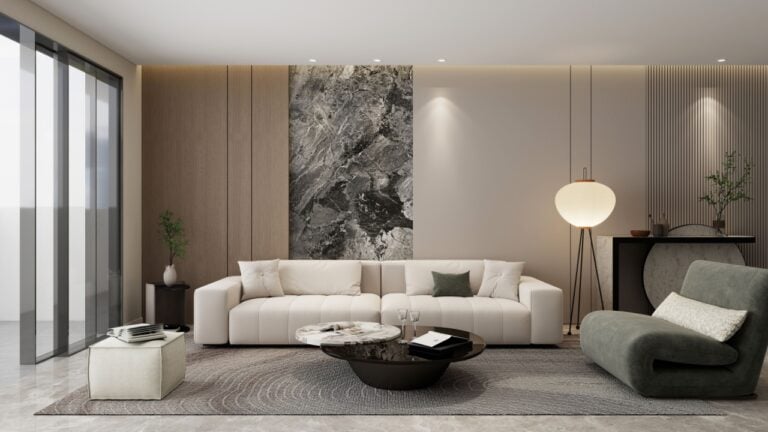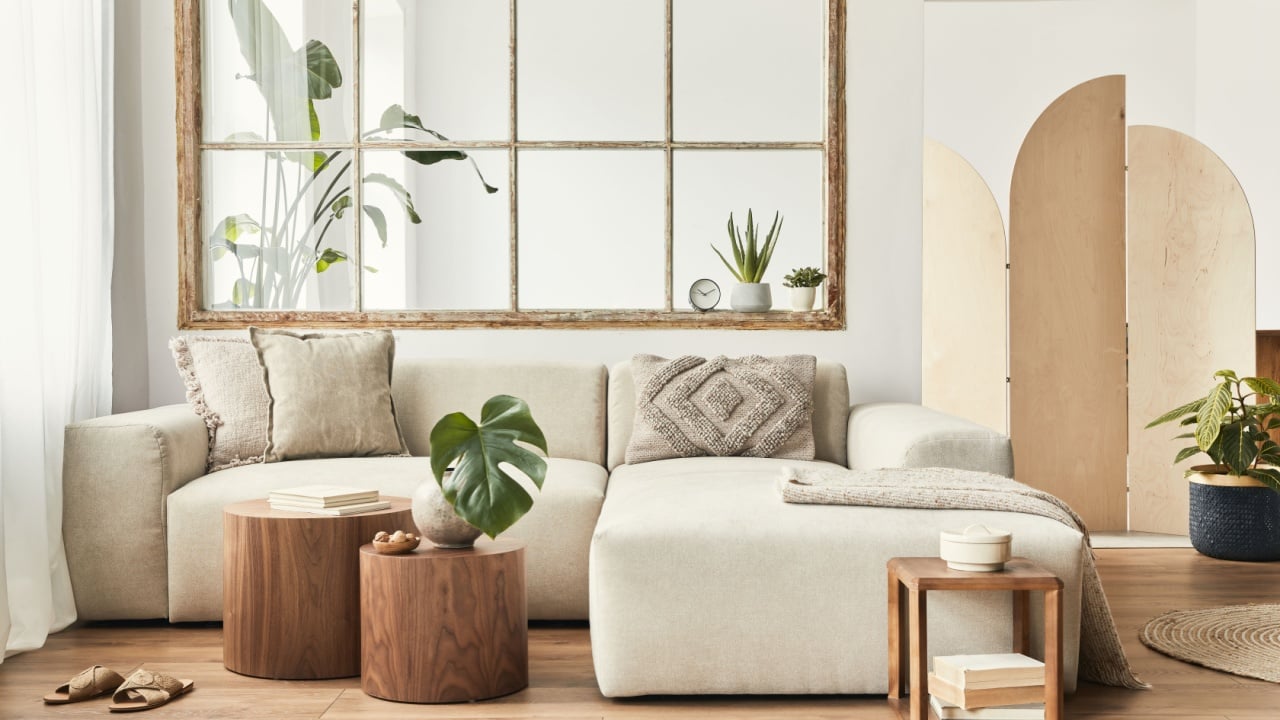
7 Home Design Tricks to Bring Neutrals Together
Beige often gets a bad reputation. People hear “neutral home decor” and immediately picture a bland, uninspired box devoid of character. But that assumption misses the mark entirely. A neutral palette offers a sophisticated backdrop that allows architecture and furniture to shine without the visual noise of bold colors. It provides a sense of calm that bright hues struggle to replicate.
When executed correctly, a neutral room feels curated and expensive. It isn’t about playing it safe; it is about playing it smart. By focusing on texture, form, and light, you can create a space that feels dynamic and full of life. Here is how to master the art of neutral design without putting anyone to sleep.
1. Establish a Dimensional Base
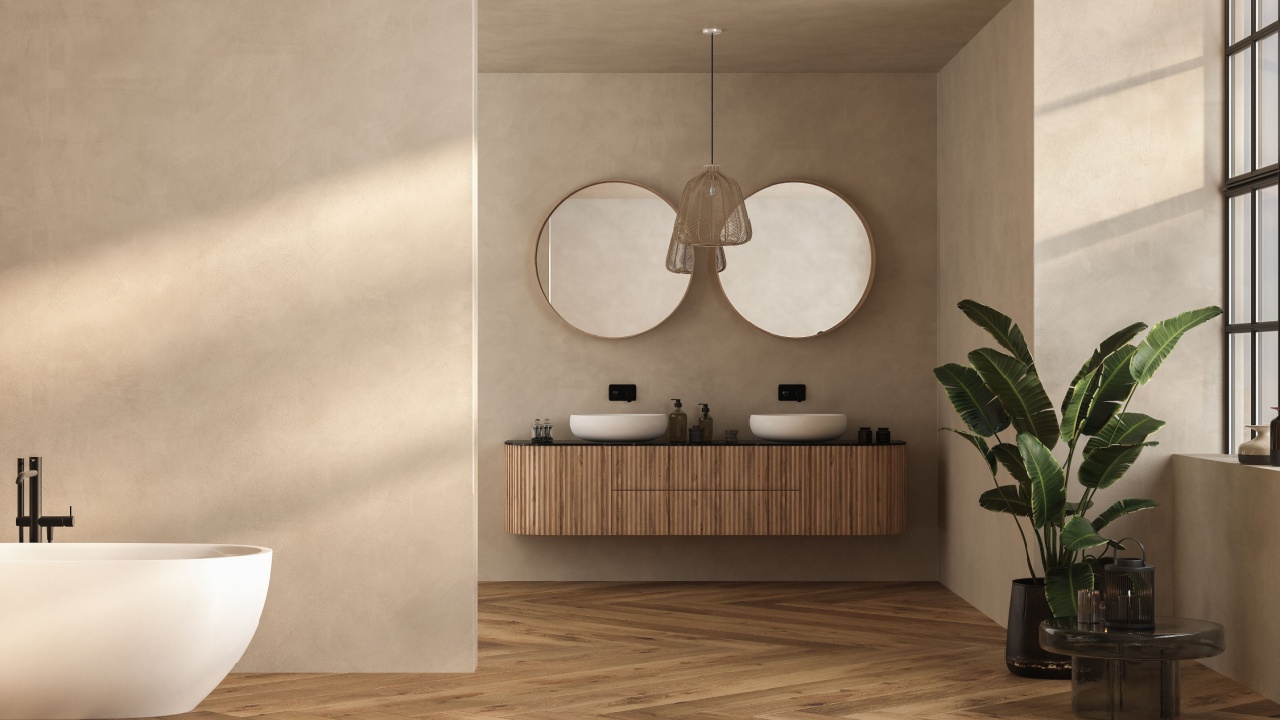
A successful neutral room starts with the right foundation. While white walls are a classic choice, they are not the only option. Consider the vast spectrum of “new neutrals” available today, such as mushroom, greige, or soft terracotta. These shades offer more depth than a standard builder’s beige and change character as the sun moves across the sky.
When selecting paint or flooring, pay close attention to undertones. A grey with a blue undertone will feel crisp and cool, while a grey with a yellow undertone reads warmer and softer. Keeping your large surfaces (walls, rugs, and sofas) within the same temperature family creates a cohesive look that feels intentional rather than accidental.
2. Texture Is Paramount
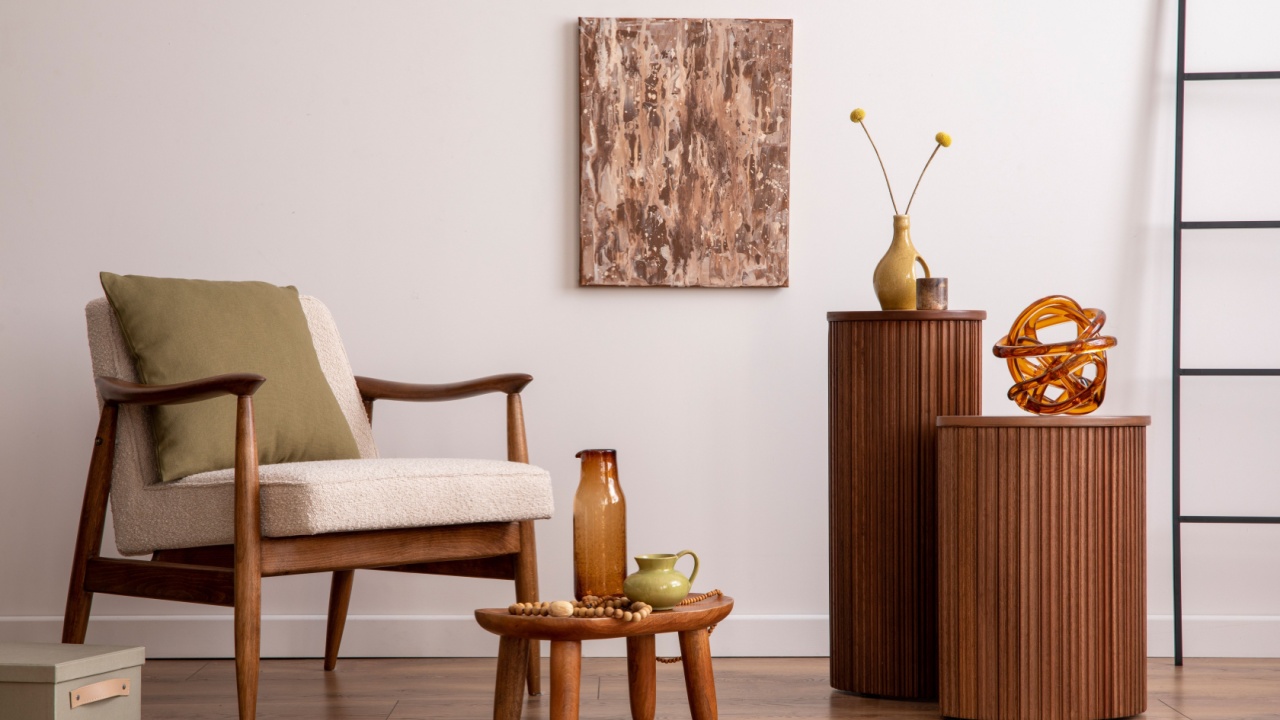
Without the distraction of bright colors, your eyes naturally seek out other details. This is where texture becomes your most valuable tool. A room filled with flat, smooth surfaces will feel one-dimensional.
To combat this, mix materials that beg to be touched. Pair a nubby bouclé armchair with a sleek marble side table, or throw a chunky knit blanket over a smooth leather sofa.
Natural materials are particularly effective here. Unfinished wood, woven seagrass, and raw linen add organic imperfections that make a space feel lived-in and approachable.
3. Master Tonal Layering

Don’t confuse monochromatic with monotone. Layering various shades of the same color adds sophistication and depth. For example, a cream-colored room can feature everything from light alabaster to deep oatmeal, creating a harmonious yet complex space.
This gradient of similar tones adds movement and signals a carefully considered design. Use the 60-30-10 rule. Your dominant shade should cover 60% of the room (walls), a secondary shade 30% (rugs), and an accent shade the final 10% (pillows).
4. Introduce Sculptural Silhouettes

When your color palette is muted, focus on shape. Furniture with interesting profiles and distinct silhouettes becomes the focal point. For example, choose a sofa with a curved back or a round coffee table.
Geometric forms and architectural lines, like an arched floor lamp or a unique vase, act as art. These shapes break up the monotony and add an avant-garde edge. Vintage pieces often have unique craftsmanship and lines not found in modern items, adding instant character.
5. Anchor With Dark Accents
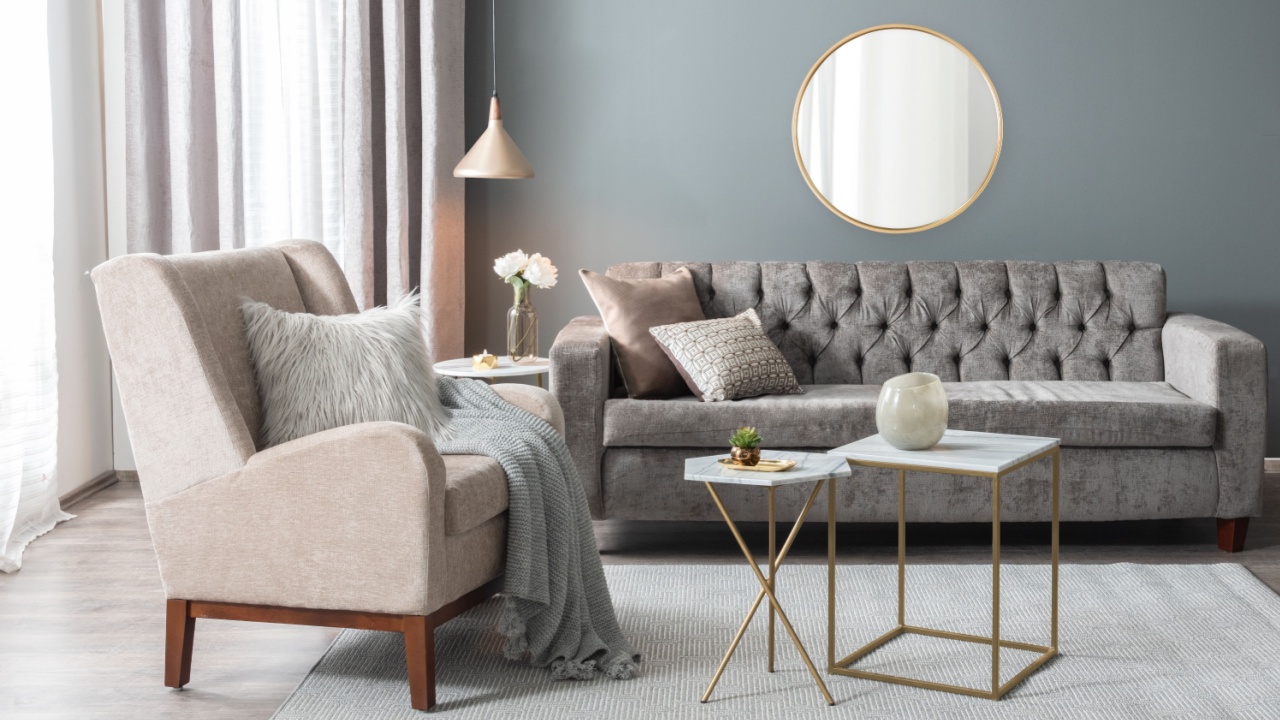
Every room needs a moment of contrast to ground it. Without a touch of darkness, light neutral rooms can feel like they are floating away. Incorporating small hits of black, charcoal, or dark bronze acts as an anchor, giving the eye a place to rest and defining the edges of the room.
This does not mean you need to paint a feature wall black. Subtle additions work wonders. Picture frames, curtain rods, lamp bases, or even a singular dark side chair can provide enough contrast to make the lighter elements pop. It sharpens the entire look and prevents the design from feeling washed out.
6. Treat Lighting as Decor
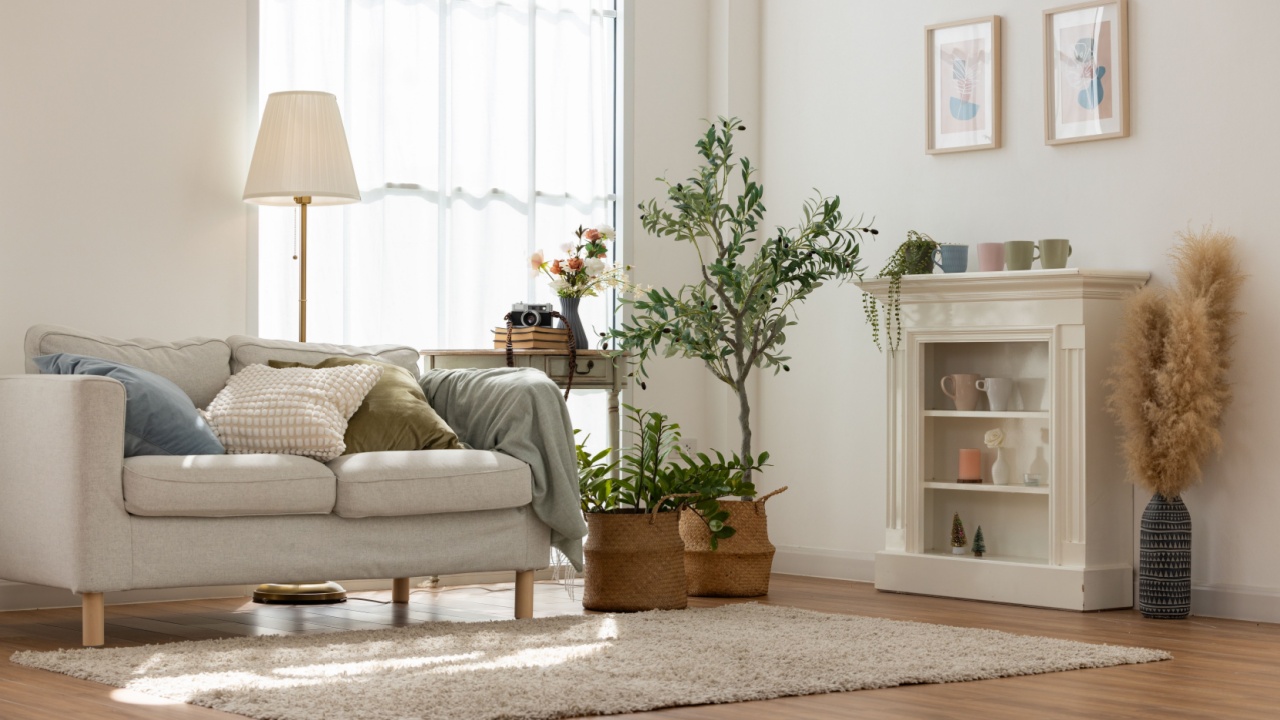
Lighting is functional, yes, but in a neutral home, it is also a major decorative element. A brass chandelier or a ceramic table lamp adds a new material finish and a new shape to the mix.
Beyond the fixtures themselves, the quality of light matters immensely. Cool, blue-tinted bulbs can make neutral walls look sterile and hospital-like. Opt for warm bulbs (2700K-3000K) to enhance the natural warmth of wood and beige tones. Layer your lighting sources—overhead, task, and ambient—to create pockets of shadow and light that emphasize the textures you have carefully selected.
7. Rotate Accessories for Freshness
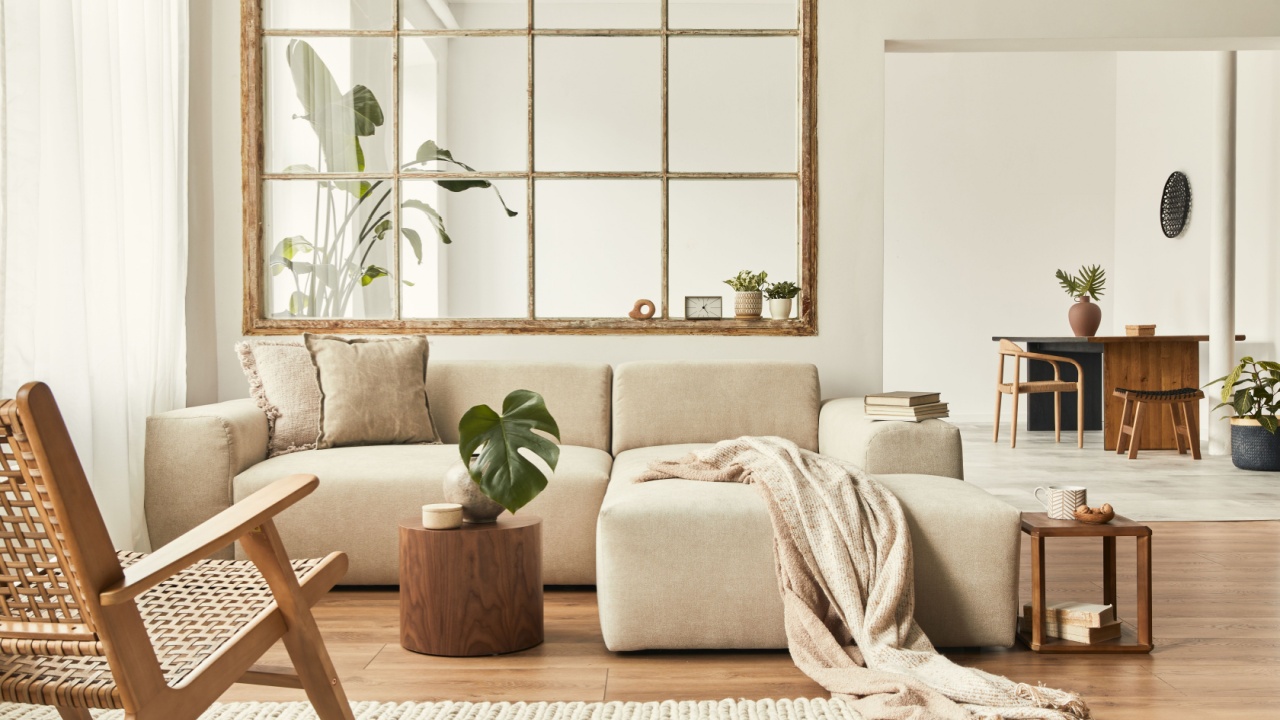
One of the greatest benefits of a neutral backdrop is its adaptability. It serves as a blank canvas that allows you to easily refresh the look of your home without a major renovation. You can completely change the mood of a room simply by swapping out accessories.
In the warmer months, you might lean into lighter linens, dried florals, and glass objects. As the weather cools, bring in heavier wool throws, dark ceramics, and wood accents. Because the “bones” of the room are neutral, these small shifts feel significant and keep the design feeling fresh year-round.
Ready to Transform Your Home?
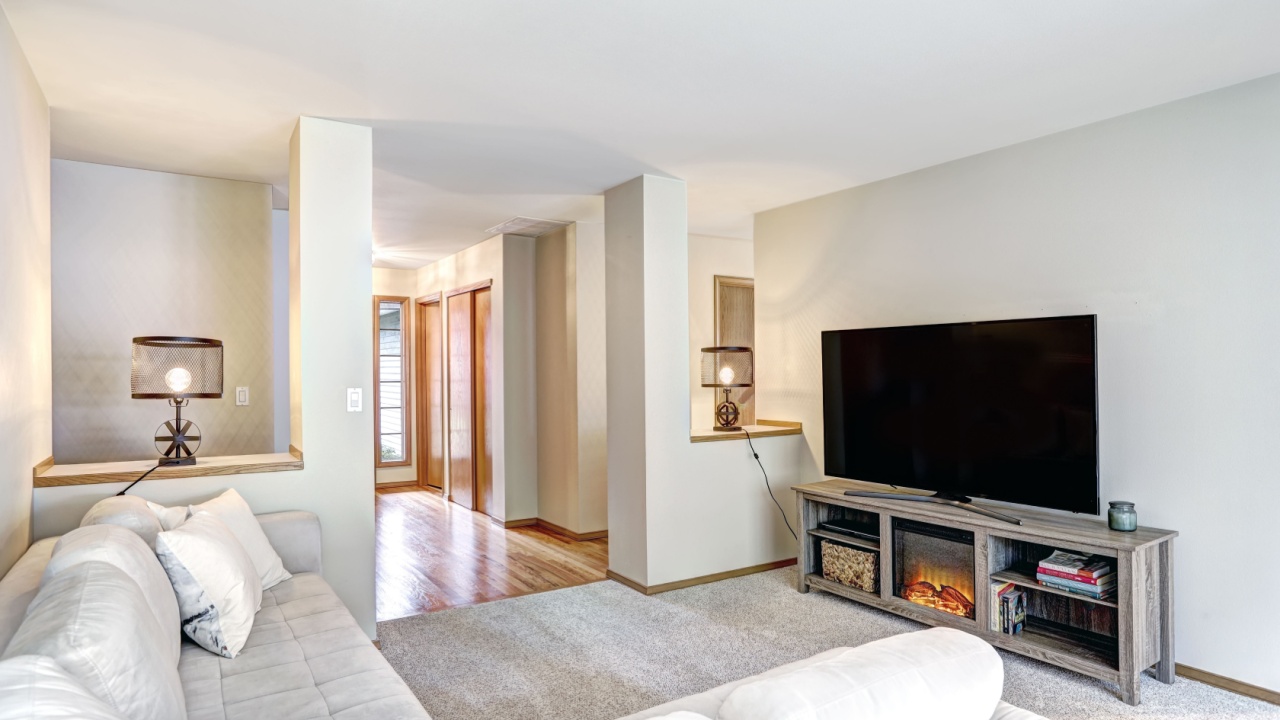
Embracing a neutral palette is the first step toward creating a home that feels timeless and serene. All you need is to focus on texture, shape, and contrast; you can design a space that is anything but boring.