6 Foods Worth Stocking in the Kitchen for Their Anti-Aging Properties
Getting older is a funny thing; the transition from skipping up the stairs to making a guttural sound every time you bend down to tie your shoes is fast. You might even find yourself squinting at a menu in a well-lit restaurant. While we can’t exactly rewind the clock (who would want to go through high school again?), we can influence how our bodies handle the journey.
Your local grocery store holds more power to help you age better than you might imagine. The produce aisle is basically a superhero training ground for your body. Nature has packed certain foods with compounds that combat inflammation, protect your skin, and keep your brain from feeling like it’s full of cotton balls.
This article highlights six specific foods to add to your grocery list this month. You will discover the science behind why they are so effective and get simple ideas for how to incorporate them into your meals.
1. Sweet Potatoes
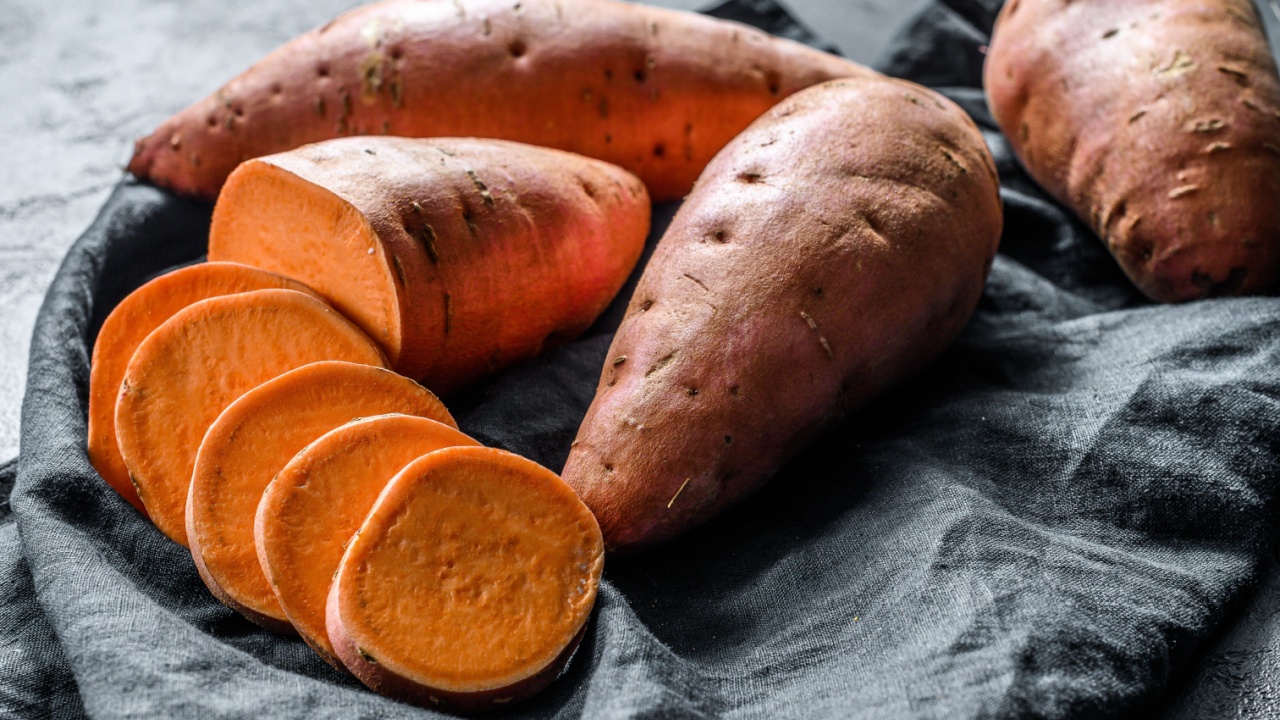
Sweet potatoes are a true nutritional gift for skin that’s seen a few summers. These vibrant orange tubers are loaded with beta-carotene, an antioxidant your body cleverly converts into vitamin A. Vitamin A is crucial for restoring skin elasticity and promoting the turnover of skin cells. This process helps soften the look of fine lines and gives your complexion a healthy, vibrant appearance.
Simply roasting them with a little olive oil or baking them whole brings out their natural sweetness without any sugary additions. The beta-carotene also works as a sort of internal sunscreen, helping to protect skin cells from sun damage, a major contributor to premature aging. You also get a significant amount of fiber with each serving.
2. Dark Chocolate

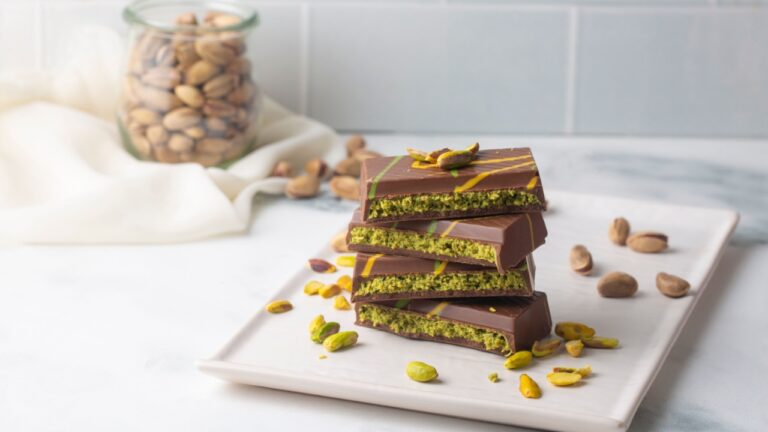
Here it is, the news we were all hoping for: chocolate is good for you. Well, a specific kind is. Dark chocolate with a high cocoa content offers impressive benefits for your heart and circulation. The cocoa bean is rich in compounds called flavanols. These substances help your arteries relax, which improves blood flow and can lead to lower blood pressure. Proper circulation is what gets oxygen and nutrients to every corner of your body, including your brain and skin.
The catch is that you have to choose wisely. Your favorite milk chocolate bar is likely full of sugar and dairy, which cancel out the benefits. You need to look for bars with at least 70% cocoa content. The higher the percentage, the more flavanols you get and the more potent the effects.
3. Oranges
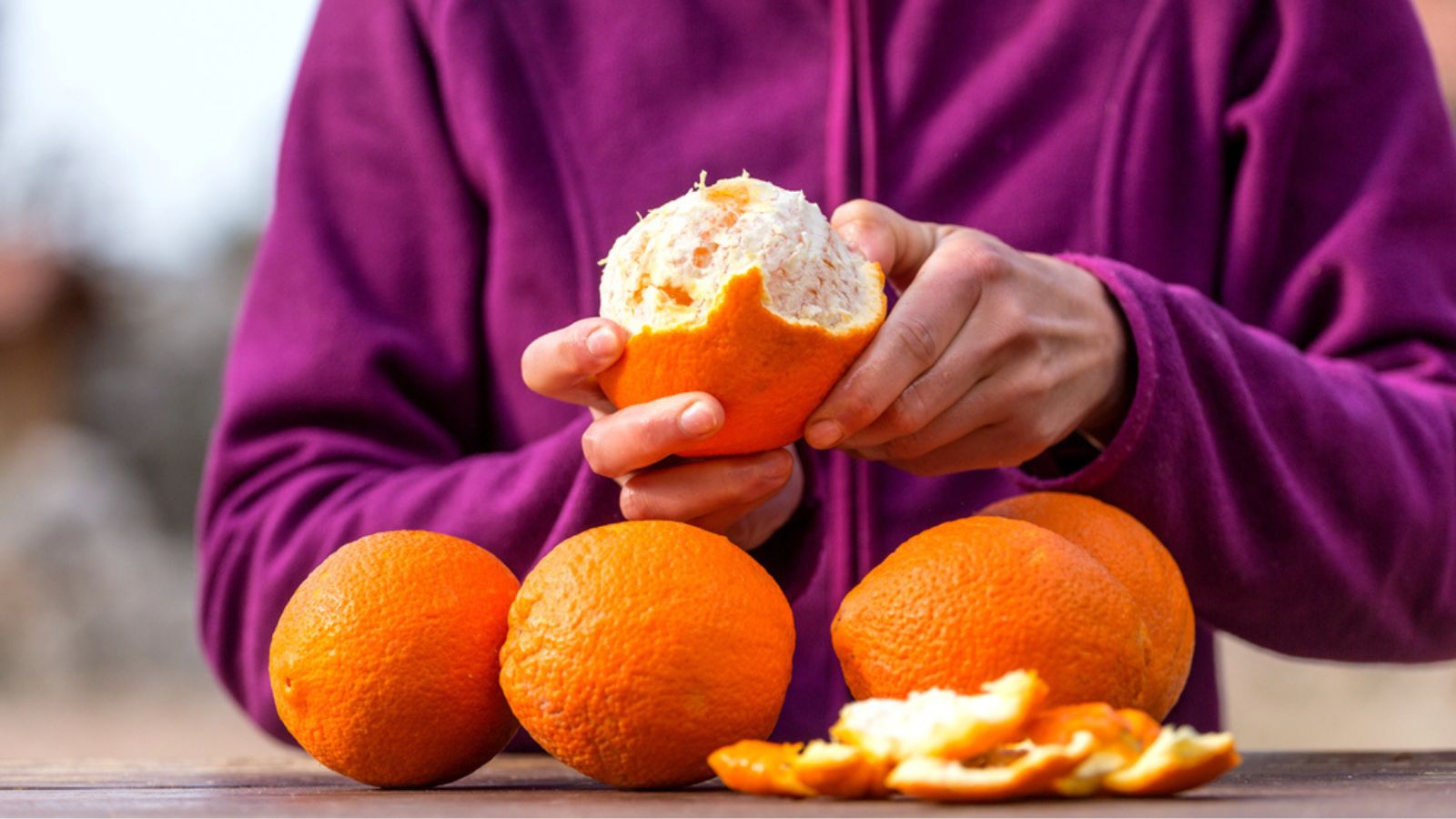
Oranges are so much more than a halftime snack at a kids’ soccer game. They are famously packed with vitamin C, which is essential for producing collagen. Collagen is the protein that acts like scaffolding for your skin, keeping it firm and structured. As we get older, our natural collagen production takes a nosedive, leading to sagging and wrinkles. Consuming vitamin C-rich foods like oranges helps give your body the building blocks it needs to make more.
Beyond looks, vitamin C is a cornerstone of a healthy immune system. Our immune responses can weaken with age, making us more susceptible to getting sick. Keeping vitamin C levels up helps your body defend itself more efficiently. Oranges also have a high water content, which is a frequently overlooked aspect of healthy aging. Staying properly hydrated keeps your joints lubricated and helps maintain your energy levels throughout the day.
4. Butternut Squash
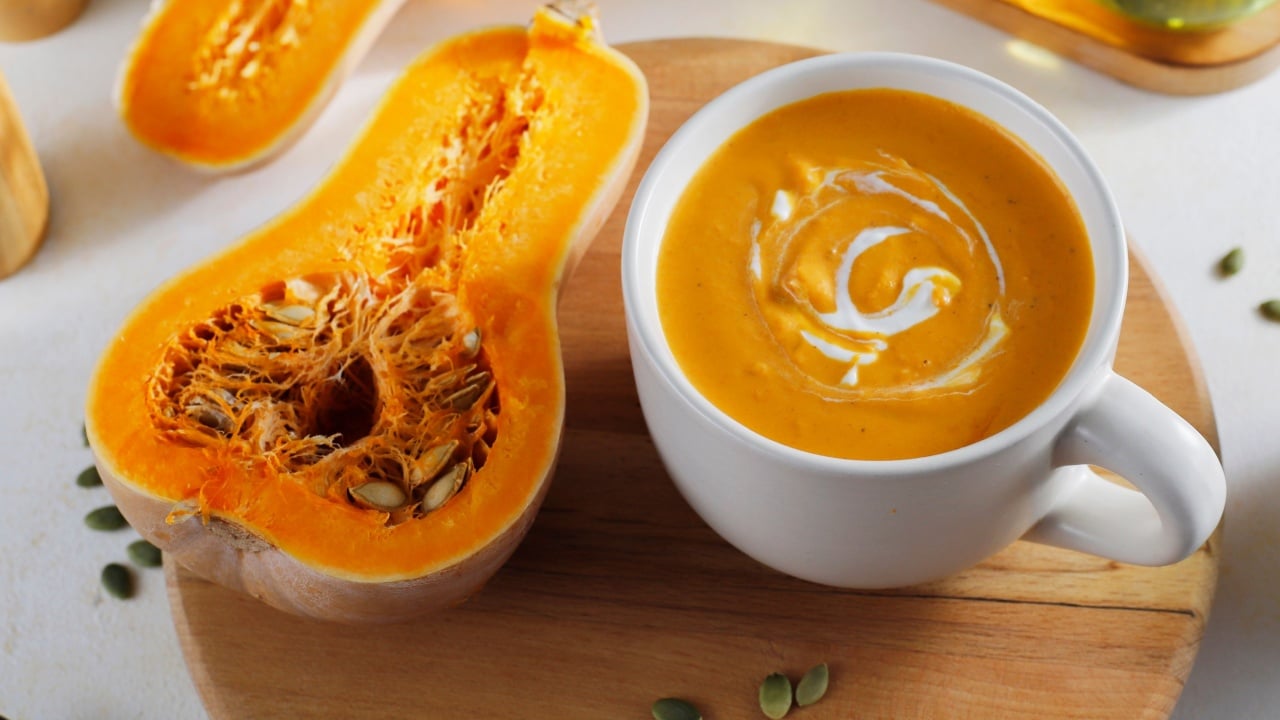
Butternut squash is another brightly colored vegetable that deserves a permanent spot in your fall and winter kitchen rotation. It is rich in carotenoids, specifically lutein and zeaxanthin. These two antioxidants gather in your eyes, where they act as a filter against harmful light waves. Age-related macular degeneration is a serious concern for many older adults, and eating foods with lutein and zeaxanthin can help preserve your vision.
This squash also provides a good amount of potassium. Potassium helps manage blood pressure by balancing out the effects of sodium. Maintaining healthy blood pressure reduces the strain on your heart and arteries over the long term. Thanks to its fiber content, butternut squash is quite filling. It roasts into a creamy, sweet side dish and makes a fantastic base for soups. Its natural sweetness makes it an easy sell, even for those who claim they don’t like vegetables.
5. Pomegranates
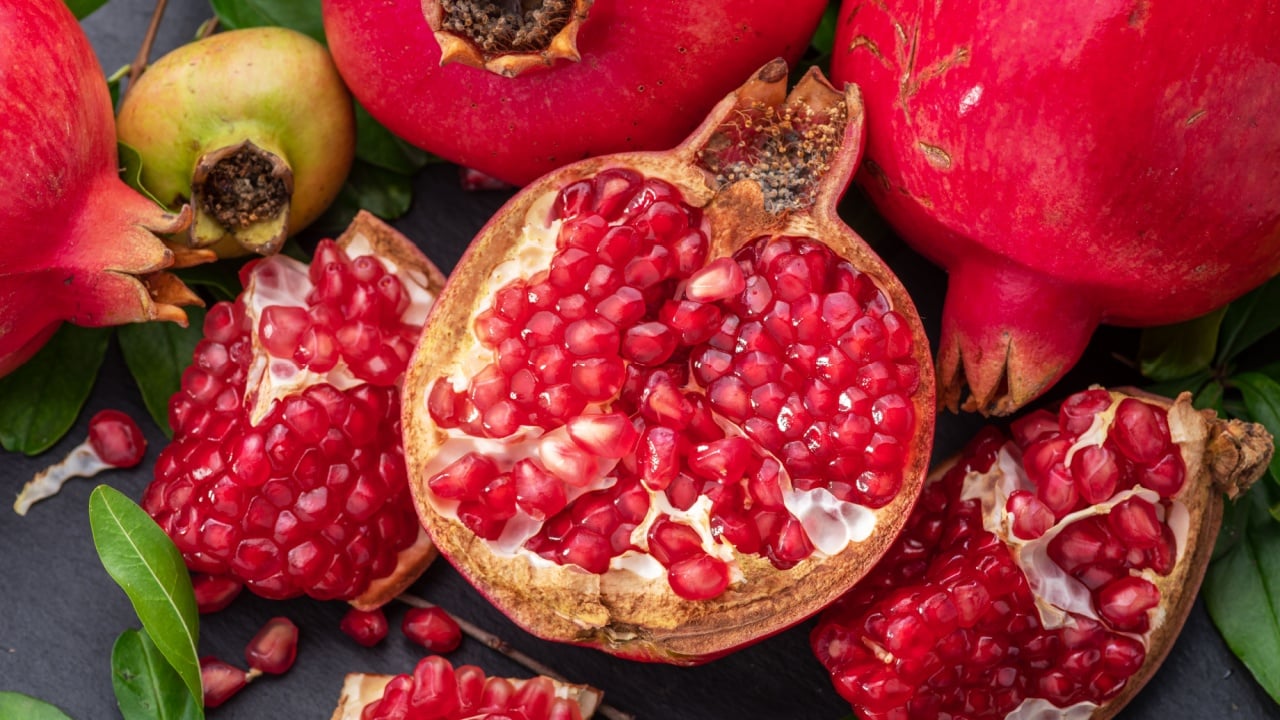
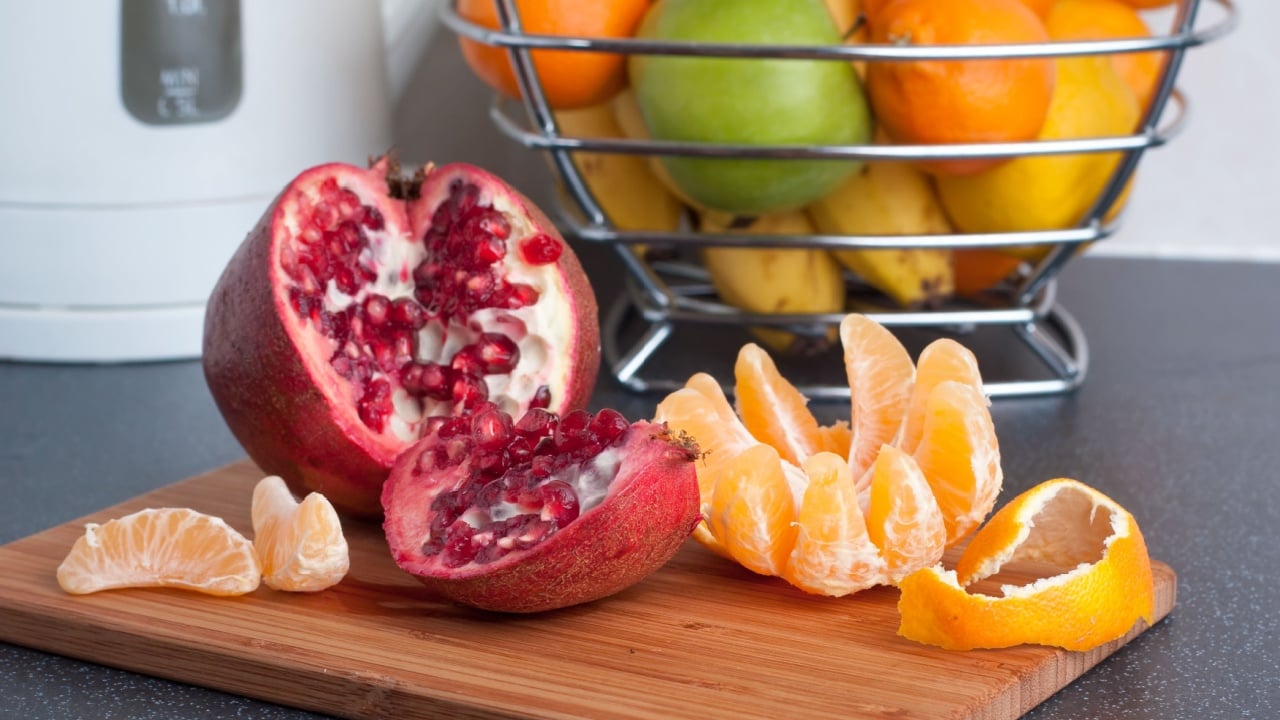
Pomegranates are a bit of work, but the payoff is huge. These jewel-like fruits contain punicalagins, incredibly powerful antioxidants found in the juice and peel. These compounds have strong anti-inflammatory properties. Chronic inflammation is a driving force behind many age-related conditions, from heart disease to cognitive decline. Anything you can do to reduce inflammation is a major step toward healthier aging.
Another compound in pomegranates, called ellagic acid, may help protect your existing collagen from breaking down. This helps maintain your skin’s texture and firmness. Some fascinating research also points to a substance called urolithin A, produced when our gut bacteria metabolize compounds from pomegranates. This substance appears to help rejuvenate our cellular power plants, the mitochondria. Better-functioning mitochondria mean more energy and improved muscle function. Sprinkle the seeds, or arils, over yogurt, oatmeal, or salads.
6. Brussels Sprouts
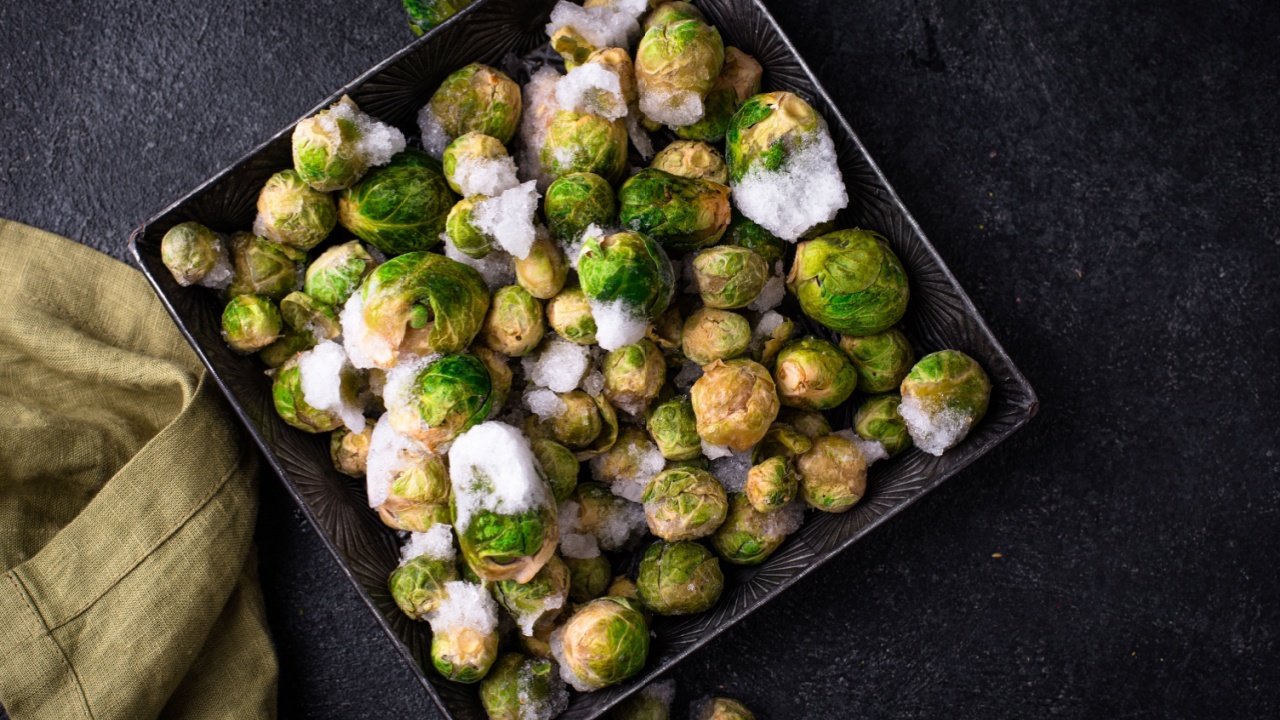
Brussels sprouts have been the subject of dinner-table jokes for generations. Most of us remember them as boiled, mushy, and vaguely unpleasant. But when they are roasted or sautéed, they transform into something nutty and delicious. More importantly, they belong to the cruciferous family of vegetables, a group renowned for its health-promoting properties.
These little cabbages are loaded with vitamin K. This vitamin is vital for bone health because it helps the body regulate calcium. Maintaining bone density becomes a top priority as we age to help prevent fractures and osteoporosis. Brussels sprouts also contain a sulfur-rich compound called sulforaphane. This compound may support heart health and brain function by activating the body’s own antioxidant defenses.
What to Do Now

Knowing which foods are good for you is one thing; consistently eating them is another. Go to the store this week with a small mission in mind. Buy just one or two foods from this list that you don’t normally eat. If you always grab oranges, maybe get a pomegranate this time. If sweet potatoes are already a favorite, try the butternut squash.
Change happens in small, manageable increments. Try roasting a big pan of Brussels sprouts and squash on a Sunday to have on hand for lunches all week. Keep a quality bar of dark chocolate in the pantry for when a craving strikes. These minor adjustments to your shopping list will eventually become habits. Your body will respond to the influx of these powerful nutrients.