6 Home Designs That Never Turn Out as Expected
Some home design ideas seem like a great fit until daily life sets in, then the snags start to show up. It’s easy to get caught up in a trend only to realize it doesn’t actually work for a busy household, little kids, muddy shoes, or that beloved family dog.
Here are six popular home designs that often sound better than they actually feel day to day. Each section unpacks why these choices tend to disappoint, along with helpful tips for making choices that bring both style and lasting comfort to your space.
1. Sliding Barn Doors
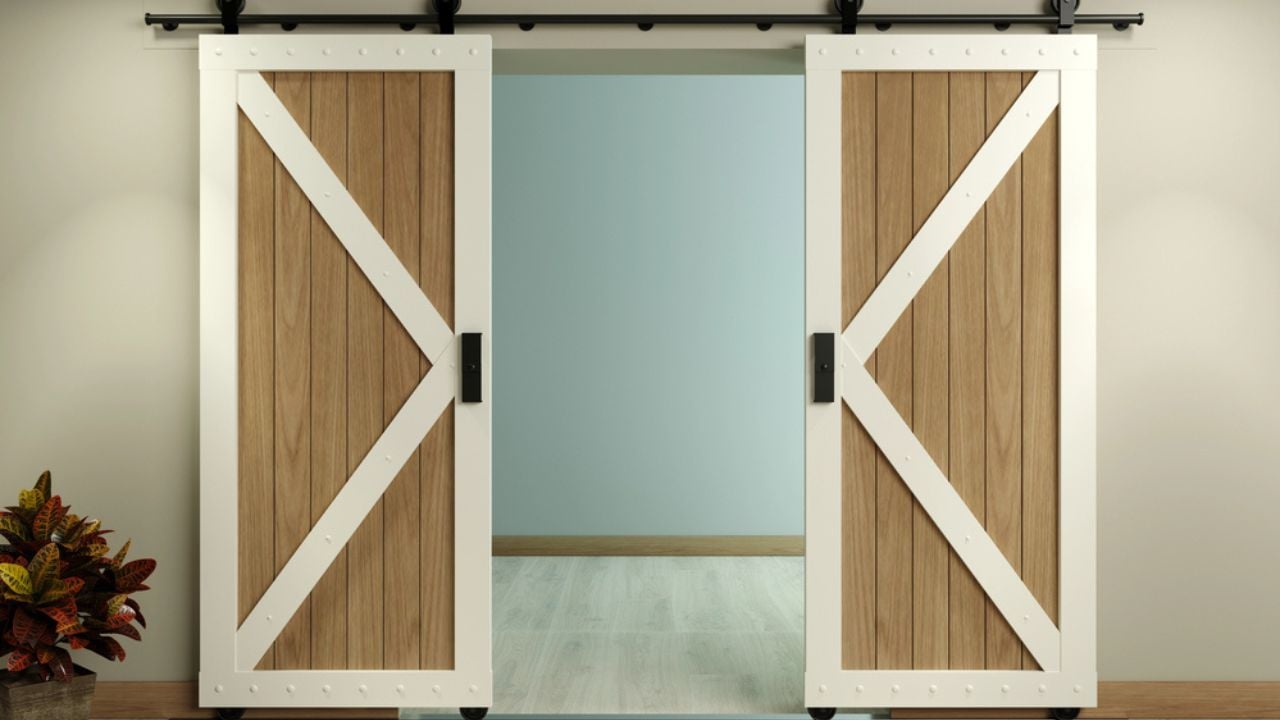
Sliding barn doors have a rustic charm that appeals to many. They save space where a swinging door would be awkward and add a strong visual element. The problem is that they offer almost no privacy. The gaps around the door mean they do little to block sound or light. This makes them a poor choice for bedrooms, bathrooms, or any space where separation is needed.
These doors are also heavy and require a sturdy wall for mounting the track system. Installation can be complicated, and if not done correctly, the door can be difficult to slide or even become a safety hazard. While they can work for a pantry or a closet in a low-traffic area, their practical limitations make them a frequent regret for more essential rooms.
2. All-White Interiors
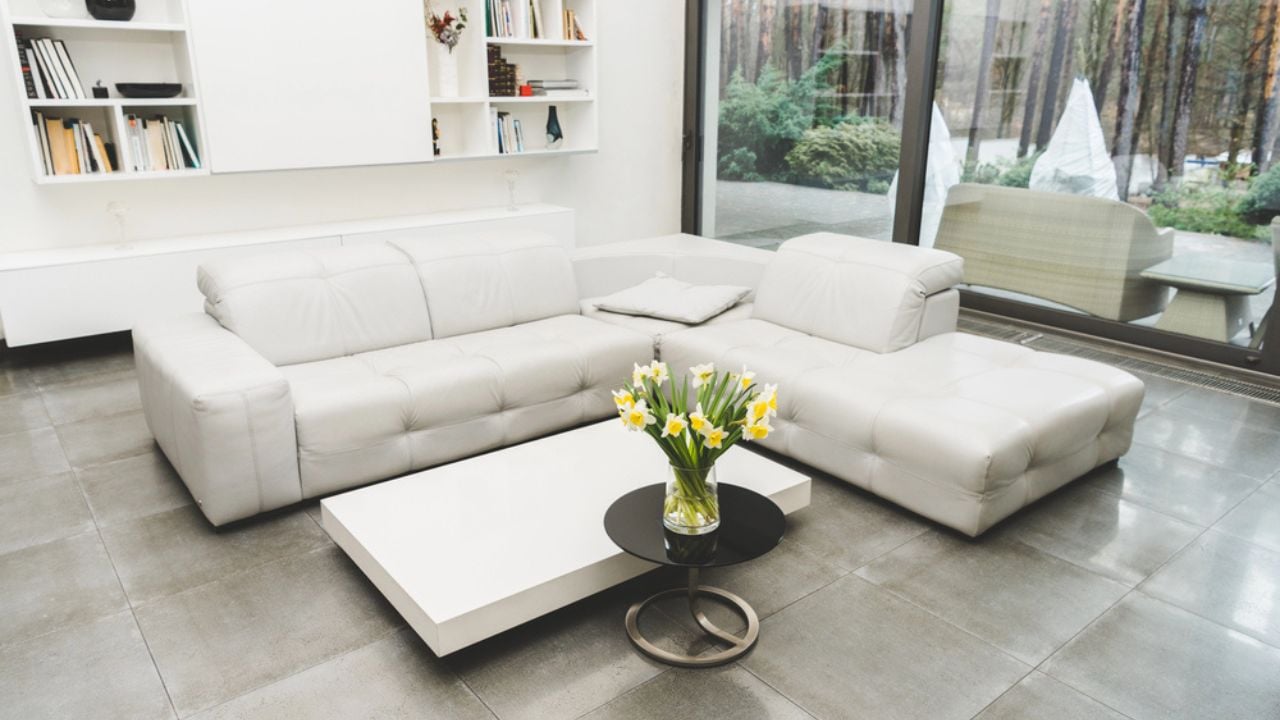
A completely white interior can look clean, bright, and minimalist in photos. The reality of living in an all-white space is much different. Every speck of dust, pet hair, and smudge becomes highly visible, turning daily life into a constant cleaning session. It can be a difficult environment for households with children or pets.
Beyond the maintenance, a room without any color variation can feel sterile and unwelcoming. It lacks the depth and personality that different tones and textures provide. Instead of a calming retreat, an all-white space can end up feeling more like a clinical laboratory. Introducing 90s wood tones, soft grays, or subtle accent colors can preserve a bright feel while making the space more livable and visually interesting.
3. Themed Room Overload
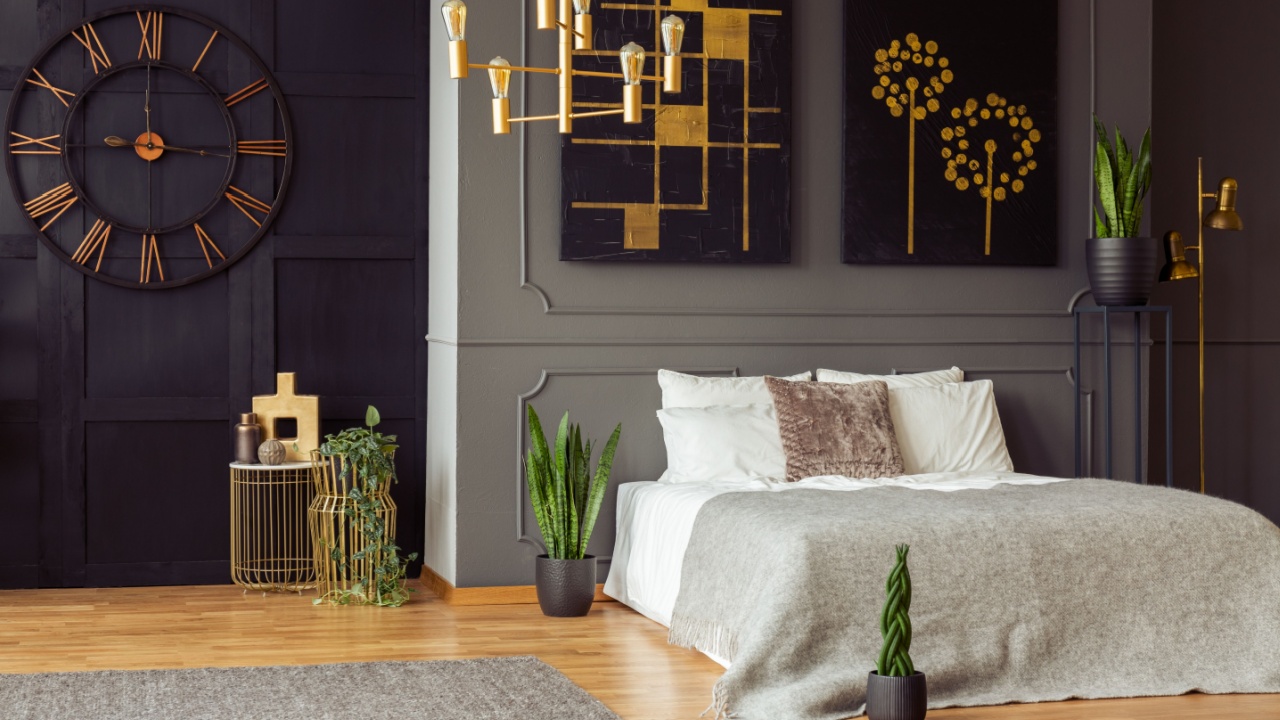
Decorating a room around a single, specific theme, like a nautical bathroom or a Parisian-inspired bedroom, can be a fun idea. However, it is very easy to go too far. When every single item, from the curtains to the soap dish, reinforces the theme, the result is often kitschy and restrictive. It can look more like a movie set than a comfortable living space.
A heavily themed room also dates quickly. What feels stylish today can look tired in a few years, requiring a complete redesign. Experts say that a more sustainable approach is to incorporate subtle nods to a style you love. You can use a color palette, a few key accessories, or a piece of art to suggest a theme without overwhelming the room.
4. Overly Formal Dining Rooms
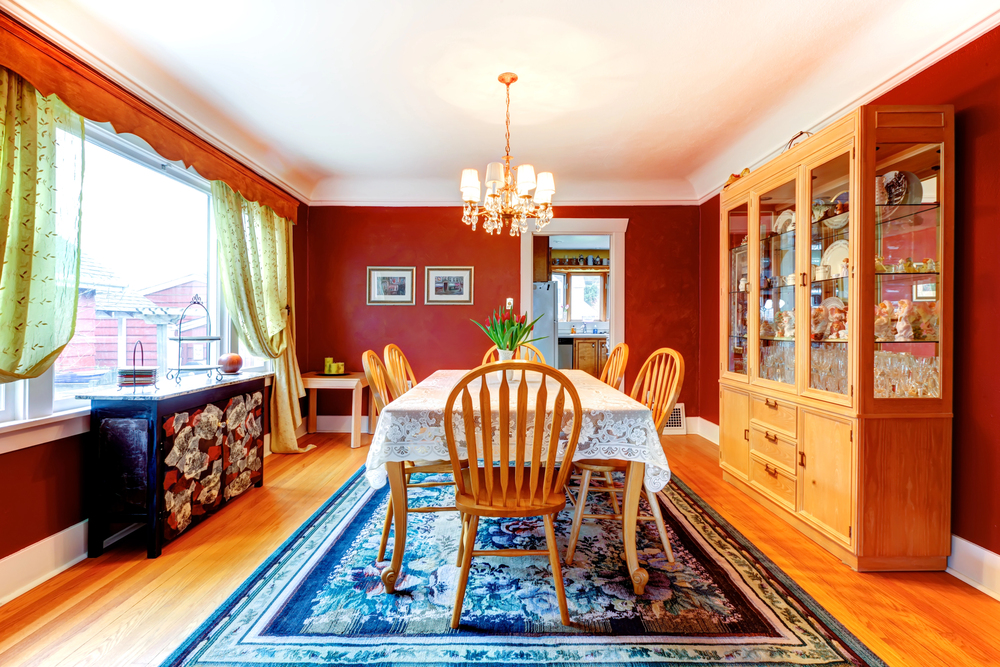
The traditional formal dining room is a space reserved for special occasions. For the rest of the year, it sits empty and unused. In modern homes, where space is often at a premium, dedicating an entire room to an infrequent activity is impractical. These rooms can feel stiff and uninviting, discouraging everyday use.
A better approach is to design a flexible dining area. This could be a space that opens up to the kitchen or living room, making it feel more integrated with daily life. Using a sturdy, comfortable dining set encourages the family to use the table for homework, games, or casual meals. This transforms the area from a forgotten room into a functional and central part of the home.
5. Low Microwave Placement

Placing a microwave below the counter is a common strategy to free up counter space and create a streamlined look. While it achieves a clean aesthetic, it is ergonomically flawed. This placement requires you to constantly bend or squat to use the appliance, which is inconvenient and can be a strain on your back. It is especially awkward when handling hot dishes.
This location also poses a safety risk in homes with small children, who may be able to reach the controls or open the door. A more practical solution is to place the microwave at a comfortable height. An over-the-range model or a dedicated shelf within your cabinetry are better options that balance aesthetics with accessibility and safety.
6. Bathrooms Made of One Material
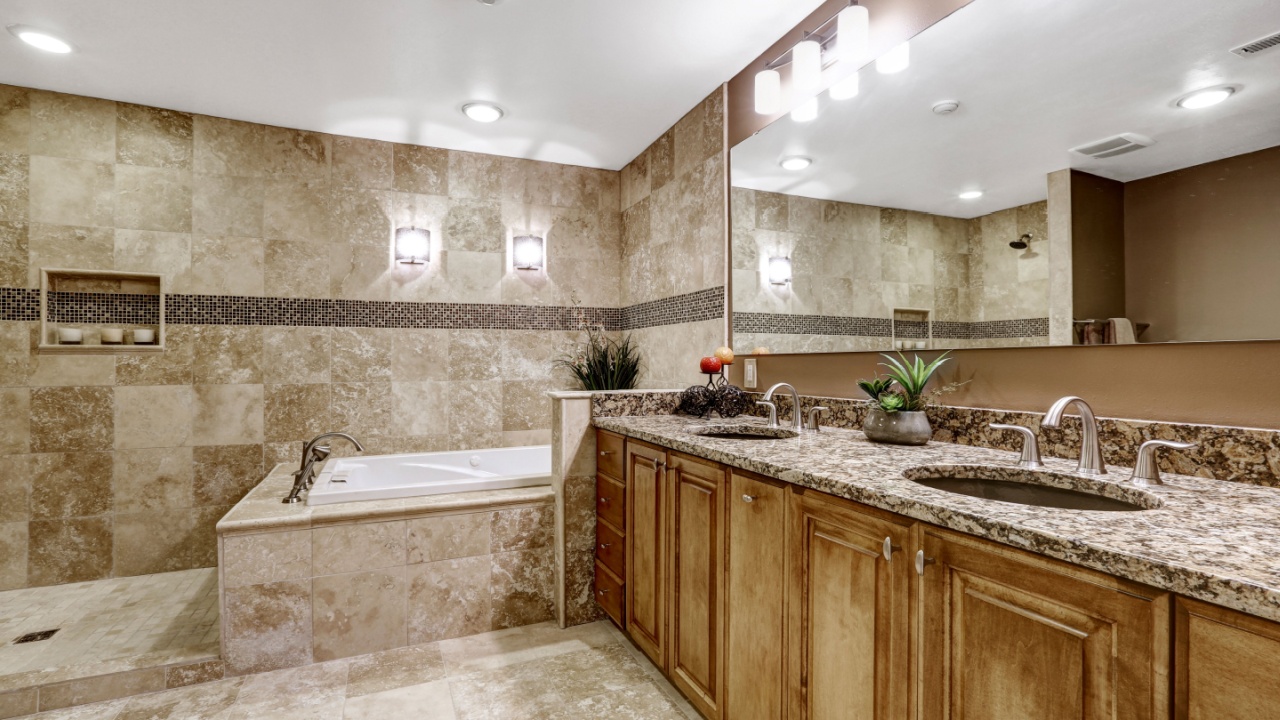
Using a single material, like marble or a specific tile, for every surface in a bathroom can create a dramatic, seamless look. The intention is to appear luxurious and cohesive. The effect, however, is often monotonous and overwhelming. The lack of contrast makes the space feel flat and can even create a disorienting, cavern-like atmosphere.
This design choice also presents practical issues. The material chosen might be perfect for a vanity top, but too slippery for the floor. Maintenance can also be a challenge, as a material that is easy to clean on a wall may be difficult to maintain in a high-moisture shower. Introducing complementary materials for the floor, walls, and countertop adds visual interest, texture, and improved functionality to the space.
Making Smart Design Choices

Bringing a vision to life at home is rewarding, but it can involve plenty of decisions. Trends are everywhere, tempting anyone who wants to refresh a space, but what really matters is how each choice fits daily routines. Pause to picture what it’s like to clean, use, and move through each room. Consider what will make life smoother for everyone under your roof, both now and as your needs grow. Prioritizing comfort and easy upkeep leads to surroundings that genuinely support your family.
Read more
34 Home Designs That Real People Love to Hate
12 Home Designs That Look Outdated and People Completely Regret