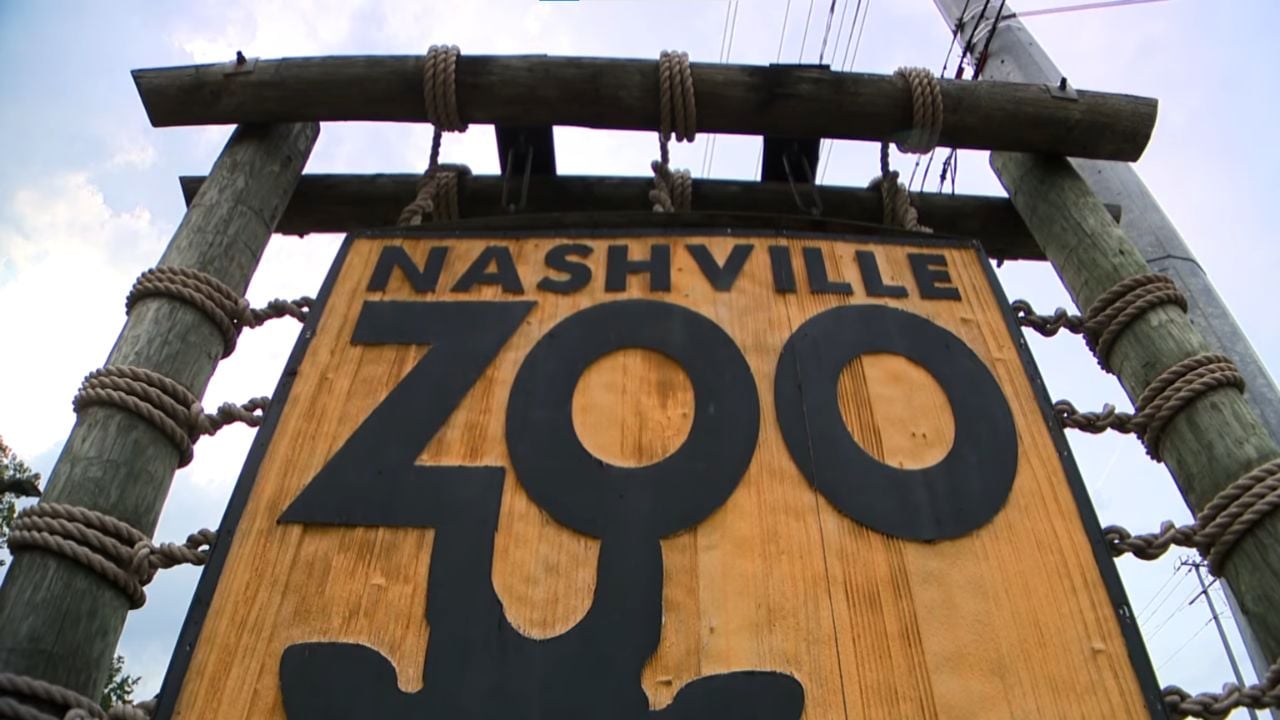
Nashville Neighbors Fear A Proposed Data Center Could Change Life Near The Zoo
A proposed data center near the Nashville Zoo has become a neighborhood fight for residents who say the project could bring industrial-scale noise, water, power, and lighting questions close to homes around Grassmere Park.
NewsChannel 5 reported that neighbors near the proposed site have been asking what a large data center would mean for daily life in South Nashville. Dylan Oglesby, who lives near the area with his family, told the station that the longer they have lived there, the more they see themselves staying and putting down roots.
Oglesby said the project feels like “a step too far” toward industrializing a part of town that was not built for that use. The proposal has also drawn opposition from Nashville Zoo leaders, who say a data center next to the zoo could affect animals, visitors, staff, and nearby residents.
DC BLOX, the company behind the proposal, says it can address public concerns. Metro Nashville, meanwhile, is still considering broader zoning rules for data centers across Davidson County.
Neighbors Say the Facility Would Be Too Close to Homes and the Zoo
NewsChannel 5 reported that Oglesby’s home could soon be close to the proposed facility in Grassmere Park. At a recent city meeting, speakers raised concerns about environmental risks, noise, and strain on local resources, according to the station.
For nearby homeowners, the questions are the kind that affect daily life: whether cooling equipment would be heard at night, whether operational lighting would spill beyond the site, how much water and electricity the facility would require, and whether future data centers could be allowed near homes, schools, parks, or the zoo without clearer rules in place.
The proposal remains pending. Axios reported that DC BLOX had applied for city permits but had not finalized the land purchase as of its report.
The Zoo Says Noise, Light, Water, and Power Are the Risks
Nashville Zoo posted a public statement opposing the project, saying its top priority is protecting animals and their environment while also considering visitors, staff, and nearby neighbors.
The zoo says the proposed facility would sit on land abutting the zoo and span about 69,000 square feet on a 23.5-acre lot. In its statement, the zoo said public permit information points to two more buildings, a substation, and support structures, with at least 50 megawatts of power use.
The zoo raised concerns about noise, light pollution, water quality, and sensitive animals and conservation programs. Other coverage has also noted public opposition and petition activity around the proposal, but the zoo’s claims should stay attributed because the project’s actual impacts have not been measured at the site.
DC BLOX Says It Can Limit the Impact
DC BLOX told NewsChannel 5 that its design would limit noise, reduce water intake, and avoid extra costs for the community. A spokesperson also said the company wants to work with zoo leadership and address public concerns.
The dispute is still about a proposed facility, not an operating data center already producing measurable neighborhood effects. Opponents are pointing to possible impacts; the company says the design can reduce them.
Reports on the proposal have also described closed-loop or waterless cooling, noise controls, and light mitigation as part of the company’s response. Homeowners near any proposed data center should look for those details in writing, including equipment placement, generator testing schedules, lighting plans, water-use estimates, power-demand filings, stormwater plans, and any required neighborhood buffers.
Metro Is Still Deciding the Rules for Data Centers
The Nashville fight is unfolding while Metro leaders consider new zoning rules for data centers. BL2026-1391 would add data-center definitions and operating conditions to the zoning code, including rules tied to size, power demand, water systems, noise, lighting, generators, and distance from sensitive uses.
Under the draft text, large data centers would not be allowed on parcels within 2,640 feet of a residential use, daycare, religious institution, community education use, park, zoo, or another data center. The proposal also defines a data-center campus as a contiguous data-center development totaling at least 500,000 square feet or using more than 100 megawatts of power, and says that use would not be permitted in Davidson County.
Spectrum News reported that after hours of public comment, the Metro Planning Commission tabled a vote on the restrictions and deferred further discussion until June 25, when commissioners may consider a moratorium instead. NewsChannel 5 reported that the planning commission is expected to make a recommendation before Metro Council takes a July 7 vote.
Until Metro acts, residents near the Nashville Zoo are watching both the DC BLOX proposal and the wider zoning debate. The questions they want answered are specific: how close the facility would be to homes and animal habitats, how much water and power it would use, how loud its equipment and generators would be, and what limits would apply before similar projects move into other neighborhoods.