Homeowners Say Hidden Pipe Leaks Are Wrecking Their Houses Years After Move-In
Homeowners in Georgia and other states say water pipes hidden inside walls and ceilings have started leaking years after move-in, leaving them with stained drywall, damaged floors, opened walls, and expensive repair bills.
An Atlanta News First investigation focused on complaints involving Uponor PEX pipes. Homeowners told the station that leaks appeared years after they bought or moved into their homes, including some houses that were new at the time of purchase.
Uponor denies a systemic issue. The company told Atlanta News First that its PEX piping has a very low in-field failure rate, is manufactured under strict quality controls, and is tested and certified for safety and reliability.
The allegations have not been proven in court. Homeowners do not need to resolve the litigation to take the practical step the investigation points to: document leaks early, preserve pipe markings, and get plumber findings in writing before damaged walls or ceilings are repaired.
Some Homeowners Said Leaks Started Years Later
Atlanta News First reported that Erica Skolnick and several neighbors shared photos and documents showing similar leaks in their townhomes. They said the pipes failed about five years after they moved in.
In Canton, Georgia, Stephen Nagorny and neighbors also reported leaks involving Uponor PEX pipes. Their homes were new when they moved in, but the leaks began five to eight years later, according to the station.
Pipe leaks behind walls can damage more than the visible spot where water finally appears. Moisture can move through insulation, subflooring, ceilings, cabinets, trim, and framing before a homeowner sees a stain or a soft patch underfoot.
Lawsuits Point to Uponor PEX, but the Company Denies a Systemic Issue
Atlanta News First said court records showed home and business owners in at least 10 states had filed federal lawsuits against Uponor, alleging that its PEX pipes prematurely deteriorated and cracked.
Reuters reported in April that homeowners across several states had filed at least six proposed class actions involving Uponor PEX plastic water pipes installed between 2010 and 2021. Reuters reported that Uponor denied wrongdoing and said the allegations were false and unfounded.
That denial should stay high in the story. The lawsuits contain allegations, not final findings, and Uponor has said performance can be affected by operating and environmental conditions, including pressure, temperature exposure, and other system components.
Quiet Leak Clues Can Show Up Before Water Pours Through a Ceiling
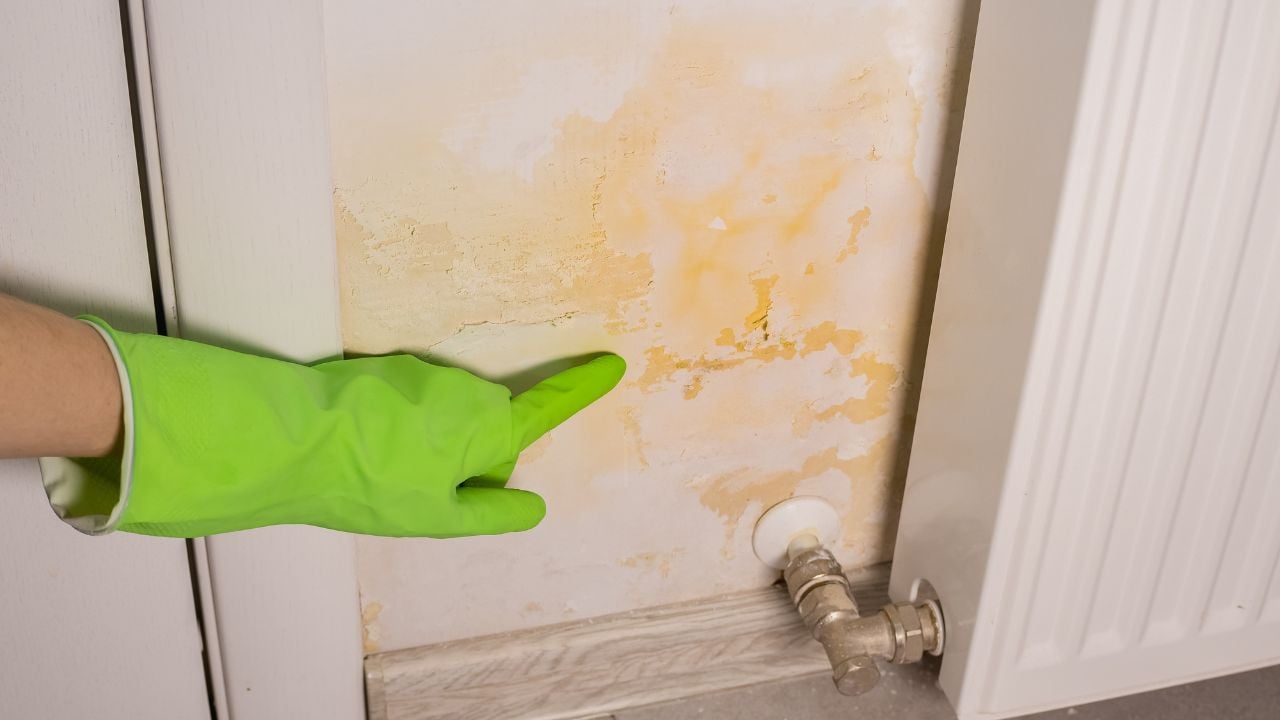
Hidden plumbing leaks do not always begin with water pouring through drywall. Early signs can include a new ceiling stain, warped flooring, bubbling paint, damp baseboards, soft drywall, musty smells, recurring cabinet moisture, or a water bill that suddenly rises without a clear explanation.
The EPA’s WaterSense program says homeowners can check the water meter before and after a two-hour period when no water is being used. If the meter changes, the home probably has a leak somewhere.
That meter test does not identify the pipe brand or prove what caused the leak. It can help a homeowner decide whether to call a plumber before a small hidden leak becomes ceiling damage, flooring damage, mold concern, or a larger insurance problem.
Document the Pipe, Damage, and Repair Before Evidence Disappears
Homeowners who suspect a pipe problem should photograph stains, damaged drywall, opened wall cavities, flooring damage, ceiling damage, removed pipe sections, invoices, plumber reports, water bills, and warranty information before repairs erase the evidence.
They should also ask the plumber to identify the pipe brand, photograph visible markings on the pipe, keep removed sections if possible, and put repair findings in writing. Useful notes can include where the leak occurred, whether the pipe was hot or cold water, whether fittings were involved, water pressure if tested, water heater settings if relevant, and whether the plumber saw cracking, brittleness, discoloration, or installation concerns.
Those records can matter for an insurance claim, builder dispute, warranty claim, homeowners association issue, or legal complaint. They can also help a second plumber, contractor, adjuster, or attorney understand what was found before the wall was closed again.
Homeowners who find unexplained stains, warped floors, bubbling paint, or rising water bills should start with photos, the water meter, and a licensed plumber’s written findings before the damaged area is repaired and the pipe markings disappear.