A Family of 8 Rare Owls Has Moved Into Manhattan and Birdwatchers Can’t Believe It
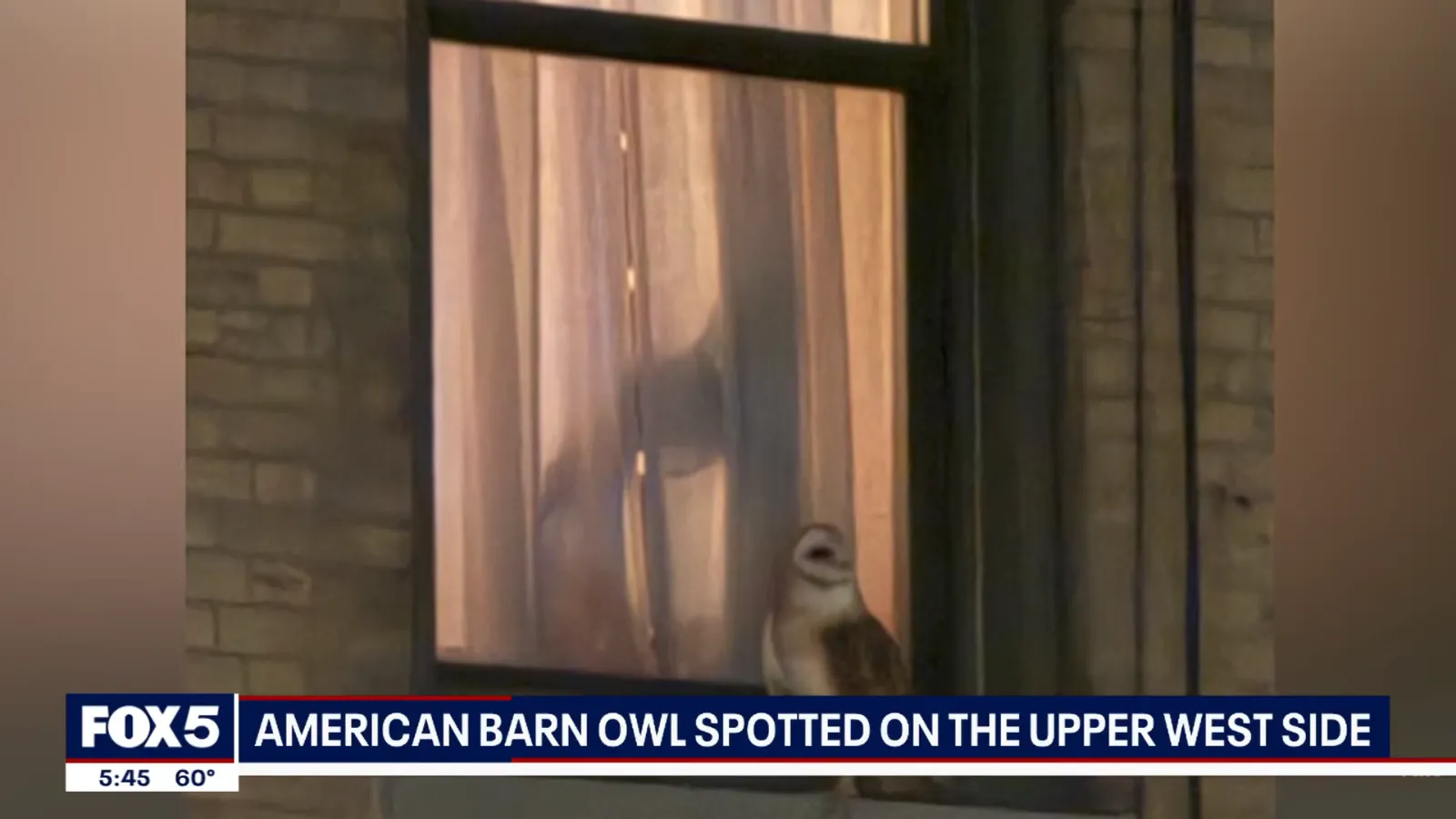
New York City’s Upper West Side has some unexpected new residents, and they’re drawing crowds after dark. A family of barn owls has taken up residence in a neighborhood water tower, in what bird experts believe could be Manhattan’s first documented nesting of the species in modern history.
The unusual visitors include two adults and as many as six young owls, an extraordinary sight in a city where barn owls are considered extremely rare.
Their arrival has turned an ordinary neighborhood fixture into a nighttime attraction, with birdwatchers gathering to glimpse the birds emerging from their unlikely home, as reported by Smithsonian Magazine.
The discovery is especially encouraging given the species’ long decline in New York, although the owls face some serious dangers in their new urban surroundings.
Mysterious Screeches Lead Residents to a Family of Owls
Embedded media follows. Please allow a moment for it to load.
The discovery began with an unfamiliar sound. In September, Upper West Side resident Elisabeth Williams and her husband started hearing loud screeches outside their apartment, eventually identifying the calls with the Merlin bird identification app.
Williams photographed one of the birds Oct. 3 and nicknamed it Scotty, according to the West Side Rag.
As more people investigated, it became clear Scotty wasn’t alone. Birdwatcher David Barrett, who runs the Manhattan Bird Alert account on X, photographed two adults and up to six younger owls using an opening in a water tower near West 76th Street and Central Park West.
The family has since become a neighborhood attraction. According to CBS News New York, the young birds have begun taking short flights around the tower at night while the adults hunt for food.
Barn owls are nocturnal hunters known for their pale, heart-shaped faces and eerie calls. Unlike many familiar owl species, they don’t make the traditional hooting sound, instead producing harsh screeches.
Flighty Plans to Reshape History
The owls’ appearance is especially meaningful and powerful given their history in New York. According to the New York State Department of Environmental Conservation, barn owls have experienced substantial declines in the state, where they live near the northern edge of their natural range.
The department’s species assessment found that the number of breeding bird survey blocks recording barn owls fell by 78% between the early 1980s and early 2000s. Habitat loss and declining availability of suitable nesting sites have contributed to their difficulties.
Jessica Wilson, executive director of the NYC Bird Alliance, welcomed the Manhattan nesting discovery during an interview with CBS News New York.
“The presence of a nest right in the middle of the country’s biggest city is really exciting,” she mused.
She also warned that eating poisoned rodents could put the birds at risk.
The danger is particularly relevant in a city with a history of high-profile owl deaths. Flaco, the Eurasian eagle-owl that escaped the Central Park Zoo, died in 2024 after striking a building. Testing also revealed exposure to multiple rodenticides.
“Rats in New York City are often poisoned by rodenticide, meant to kill the rats,” Wilson explained. “But actually what it does is kill the predators that feed on those rats. And if barn owls are eating several rats a day, they are likely to fall prey to this horrible death.”
The Upper West Side family offers a rare opportunity to see barn owls raising their young in the middle of Manhattan. Their presence also highlights the importance of protecting the wildlife that has found ways to survive alongside the city’s millions of residents.