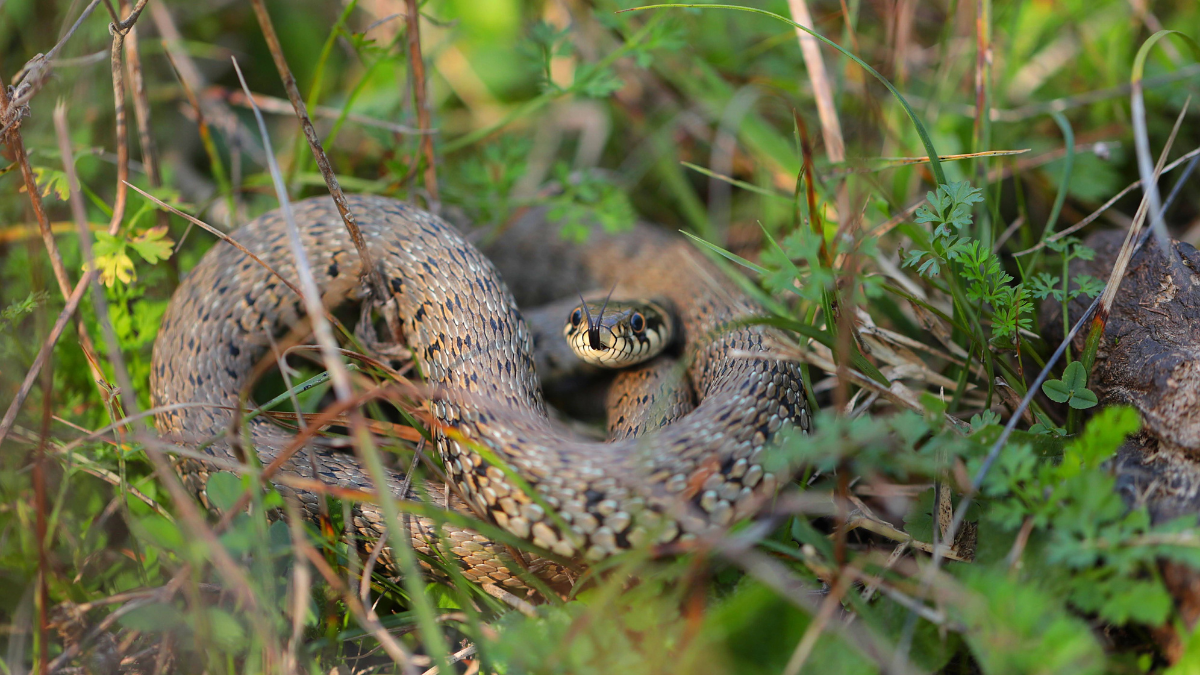
A Georgia School District Canceled Classes to Check Every Single Campus for Snakes
The Hancock County School District in East Georgia ended the first week of school early and closed all schools after three snake sightings. Additionally, a possibly venomous snake was reportedly seen inside a building. The district told families and staff that schools would be closed because of an environmental safety issue. Interim Superintendent Latrasha Palmer said she ordered inspections of every campus, not just one school, as reported by CBS News.
Two black snakes were seen outside one school’s grounds. When a snake was reported inside a building, Palmer said she acted quickly to find out what kind it was. After learning it could be venomous, she brought in a licensed environmental specialist to inspect every school in the district for more.
Palmer called the closures a safety decision. She explained that she wanted a full inspection of all campuses because the district is in a rural area. Further, its buildings are about 30 to 40 years old. The district wanted to confirm there were no snakes or other animals inside before students came back.
The inspection covered more than just snakes. Palmer said the district had also dealt with squirrels before, so officials decided to check for all types of wildlife. The district returned to a normal schedule on Monday, August 10, as inspectors eventually found the buildings were safe. Specialists will continue monitoring the campuses, however, for an additional period of time.
Why Snakes Get Into Older Rural School Buildings
Older school buildings in rural areas are more likely to have problems with snakes and other wildlife entering them. Buildings that are 30 to 40 years old can develop gaps around the foundation, utility lines, and crawl spaces. Those can let snakes and small animals get inside as they search for food, shade, or shelter. Schools in the East Georgia countryside are close to fields, brush, and woods where snakes live, so animals don’t have far to go to find a way in.
Finding snakes can also mean there’s another problem. Snakes go where their food is, so if they’re coming inside, there may already be rodents in the building. Earlier squirrel problems suggested that different animals have found ways in. Sealing up those gaps and dealing with rodents is the long-term solution, so the inspection is not just a quick fix.
What a District Weighs Before Closing Over Wildlife
Closing schools because of an animal sighting is a tough decision. In this case, the main concern was the chance of a venomous snake being inside where children are. Most snakes people see are harmless and just pass by, so seeing one outside usually wouldn’t lead to canceling classes. The risk becomes much higher if a possibly venomous snake is found inside a building with people, since a bite to a child is a serious emergency.
Unexpected closures can always disrupt routines, make parents find extra childcare, and add to the daily costs of having kids. Districts have to balance that disruption with the risk of sending students back before the buildings are checked. Here, the superintendent decided that having a licensed specialist inspect every school was worth missing a few days, and schools would reopen once they were confirmed safe. Since no additional snakes or animals were found, kids got to go back to school, and parents felt safe sending them there.