Gardening Experts Are Sounding the Alarm on AI Tips That Could Ruin Your Garden
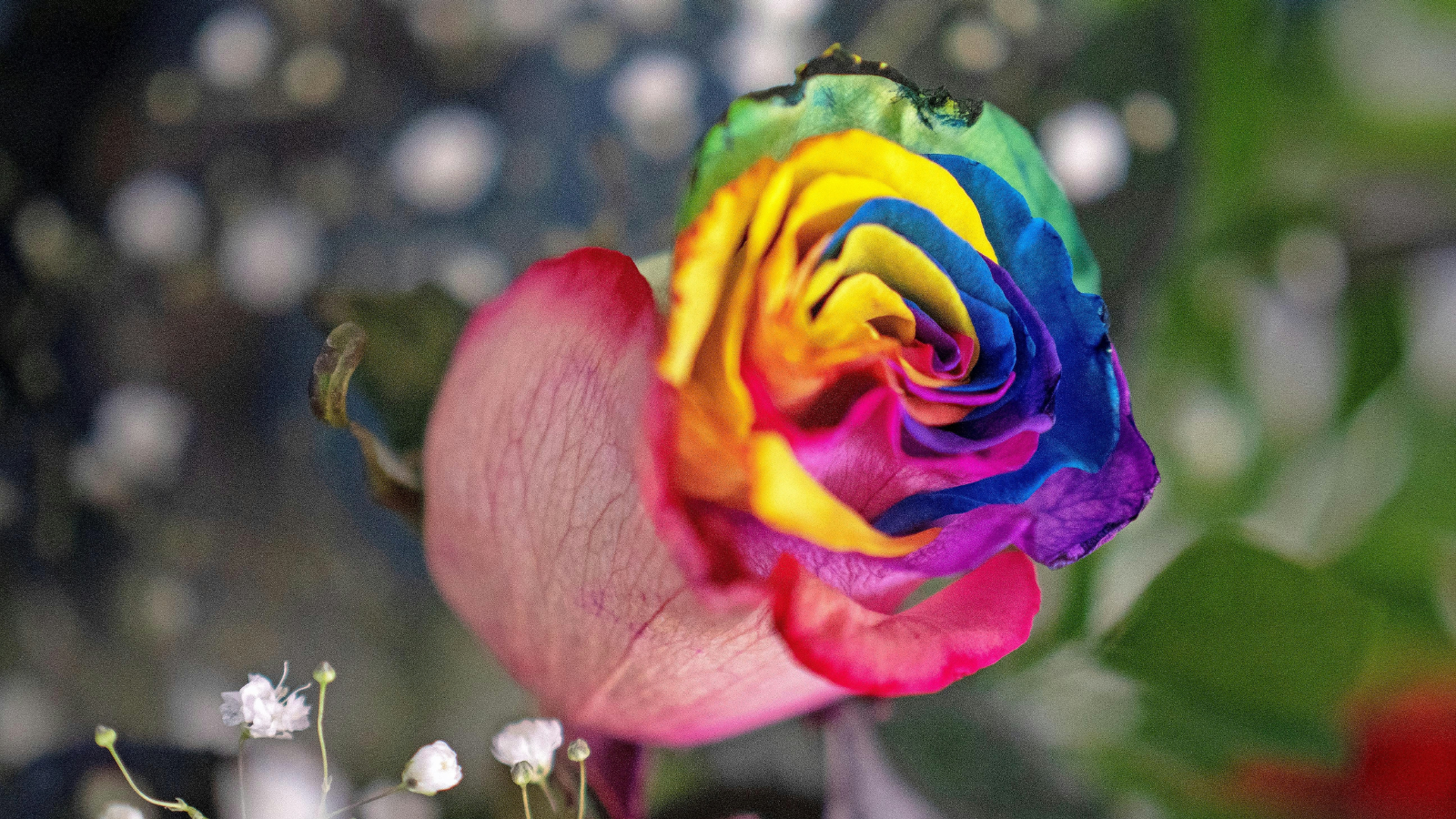
Petals dyed a whole spectrum of iridescent hues, roses perpetually dappled in morning dew… It’s the stuff of a gardener’s dreams, complete with all the advice for achieving this dreamlike landscape. One problem: the plant may not exist, and the advice can be downright harmful to real plant life.
AI-generated garden images, videos, and advice are becoming increasingly difficult to distinguish from the real deal, and this dilemma forces gardeners to sort through fake plants, risky hacks, and recommendations that may be completely wrong for their yards.
In a June 19 article, Good Housekeeping explored warnings from horticulturists and gardening professionals who say artificially generated content is making old gardening misinformation easier to produce and spread.
The consequences can be more annoying than catastrophic—wasted seeds, dead plants, or money spent on something that never existed. However, experts say the larger problem is that beginners may have little reason to realize the polished advice in front of them is wrong.
AI Can Get the Plant Right and the Garden Wrong
Some misinformation is easy to recognize once you know what to look for. Good Housekeeping cites blue hostas and rainbow roses among plants promoted online despite not actually existing, while horticulturist Stacey Hirvela points to supposed tricks such as using pennies to turn hydrangeas blue or treating Epsom salts as a cure-all fertilizer.
The University of Florida’s UF/IFAS Extension has chronicled the same problem. Its gardening program says AI-generated images of plants of unusual size, color, or shape are being used to sell seeds for plants that do not exist, with nursery owners reporting customers asking for varieties they have seen online.
Other advice can be wrong in subtler ways. As written in Good Housekeeping, Justin Hancock, a horticulturist with Costa Farms, notes that advice appropriate for one hardiness zone may be unsuitable in another. “Or,” he went on, “advice could be accurate for one species, but totally off for another species in that same genus.”
University of Idaho Extension educator Bracken Henderson made a similar point in an April 12 article from East Idaho News. AI can overlook soil, elevation, microclimates, and local frost patterns, he notes, meaning a proposed planting schedule could work perfectly in the Midwest and fail in eastern Idaho.
If the Garden Looks Too Perfect, Look Twice
One clue may be perfection itself. Good Housekeeping quotes gardener and author Gary Pilarchik describing AI videos filled with unnaturally symmetrical vegetables and positively spotless containers. Hirvela recommends being suspicious of plants with out-of-this-world features.
UF/IFAS recommends checking dubious plants for a formal botanical name and seeing whether reputable nurseries or plant databases recognize them. Details such as missing stems or leaves blending unnaturally into flowers can also give generated images away.
For gardening advice, Henderson recommends treating AI as a starting point rather than the final authority. Local Extension offices, university publications, and other research-based sources can help verify recommendations, particularly before making decisions involving chemicals, plant health, or safety.
That does not mean AI has no place in the garden, experts allow. Gardeners cited by Good Housekeeping say it can help brainstorm planting ideas, explain basic concepts, and—to an extent—assist with plant identification.
“AI-based plant ID apps have come a long way since they debuted,” says Hirvela, “and while they still aren’t perfect, they do a surprisingly good job these days.”
Verification is an important follow-up step to ensure a garden that flourishes for a long time.