Lakefront Residents Say Blue-Green Algae Is Showing Up More Often Near Their Homes
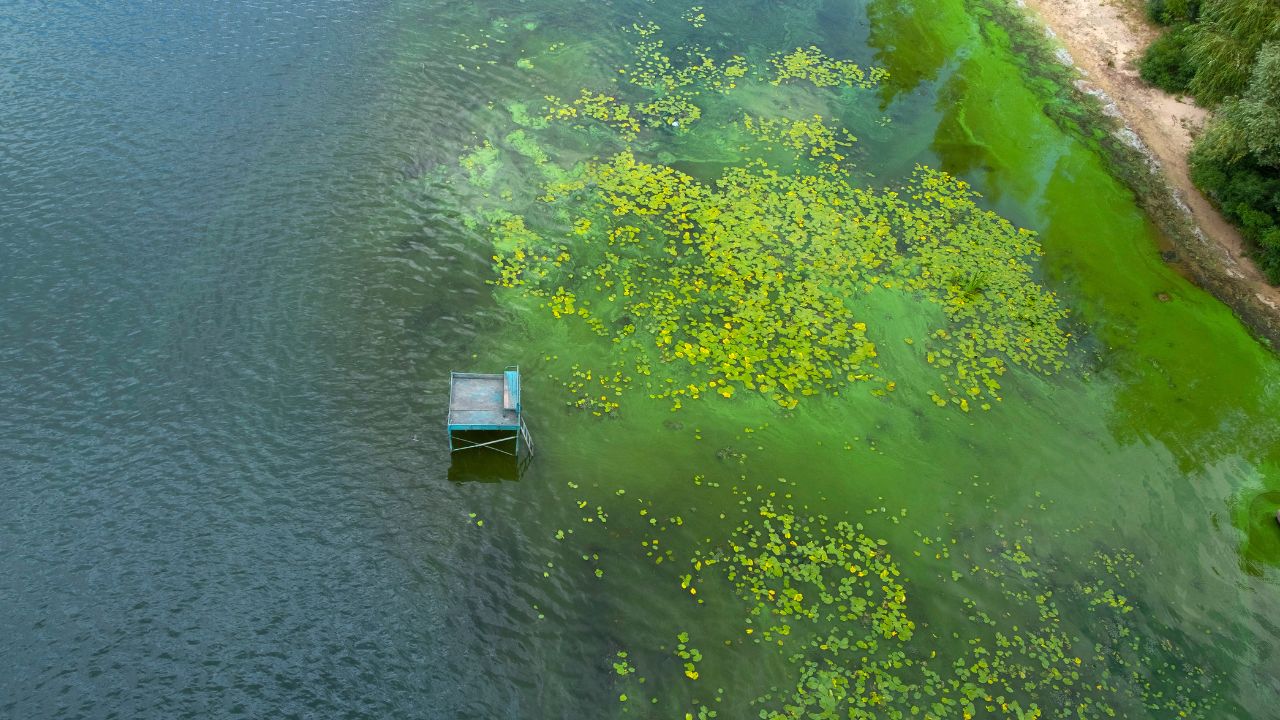
Blue-green algae is already showing up on Lake Monona, and some people living near the North Shore say the blooms are appearing more often than they used to.
Cyanobacteria, commonly known as blue-green algae, can build up in bays and shallow water. When conditions line up, some blooms can produce toxins that make people, pets, and wildlife sick, according to WMTV.
Mari Anne Lilchfield, an 84-year-old Lake Monona homeowner, told the station she has tried to protect her backyard shoreline, but the algae and invasive buildup have become too much to handle alone.
For people who live along lakes, a bloom can change the way the whole backyard feels. Water that once looked inviting can suddenly affect docks, pets, children, shoreline cleanup, outdoor smells, and whether anyone feels comfortable stepping near the edge.
Residents Say the Shoreline Looks Worse This Year
Lilchfield told WMTV that everyone who loves Lake Monona and Lake Mendota should be concerned. She said the problem is not going to stop at one shoreline. Allen May, a Monona condo owner, said the algae looks different and more severe this year.
He described more debris and a strong smell near the water, telling the station it smelled “like a pig farm.”
Rain and Still Sunny Days Can Feed Blooms
Scientists told WMTV that this year’s weather has helped set the stage for blooms, with rain followed by still, sunny days creating conditions that allow cyanobacteria to grow.
Public Health Madison & Dane County tells swimmers to look at the water before getting in because conditions can change quickly, and a test result may not reflect current conditions.
The health department also advises people to avoid contact with blue-green algae blooms, which may look blue-green, green, reddish-purple, or brown and can make the water murky.
Dogs Should Stay Out of Suspicious Water
Прикажи ову објаву у апликацији Instagram
The Wisconsin DNR says people should contact a doctor or the Wisconsin Poison Center if they have symptoms after exposure, including stomach cramps, diarrhea, vomiting, headache, fever, muscle weakness, or trouble breathing.
Pets need extra caution around shoreline scum, stagnant water, and discolored patches near docks or beaches.
The DNR says pet owners should contact a veterinarian right away if an animal has symptoms such as seizures, vomiting, or diarrhea after contact with surface water.
Lakefront Homes Need a Daily Water Check
The EPA tells dog owners not to let pets drink or swim in water that looks slimy, foamy, scummy, matted, oddly colored, paint-like, or foul-smelling.
The CDC also advises keeping pets and livestock out of water with possible cyanobacterial blooms and washing animals with clean water if they go in or near suspicious water.
For lakefront homeowners, that check belongs near the start of the day, before the dog runs down to the water, children head toward the dock, or anyone starts cleaning along the shoreline. If the water looks wrong, smells bad, or has scum gathered near the edge, the safer choice is to stay out and keep pets away.