June Is Actually the Best Month to Plant: Here’s What to Put in the Ground Right Now
If you walked past a garden center last weekend and thought, “It’s too late for me,” you’ve already fallen for the most expensive gardening myth in America.
The Memorial Day planting deadline is not a law of nature. It is a piece of inherited gardening lore that causes millions of people to abandon their garden plans every single June, right when the conditions are actually best. The truth, confirmed by seed experts and extension researchers alike, is that warm soil speeds up germination, which means seeds you sow right now in June will often sprout faster than seeds you planted back in cold, wet May. The window didn’t close; it just got better.
This matters more than ever in 2026. According to data from Garden City Harvest, gardeners working plots as small as 15 by 15 feet save an average of $400 per year on groceries. A quarter of those gardeners trim $20 to $25 off their grocery bill every single week. With food prices still elevated, every week you delay planting is money left on the table, and in some cases, more than you’d expect.
Why June Is Actually the Best Month to Plant
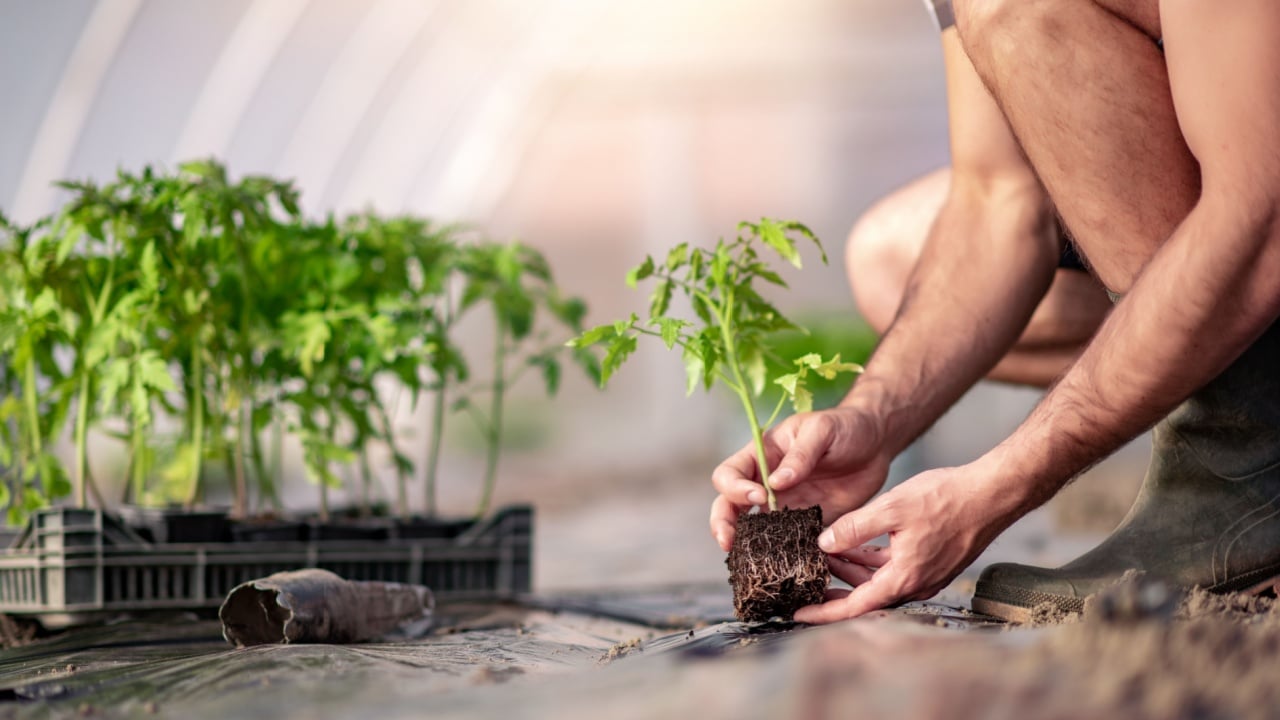
Soil temperature, not air temperature, is the most important factor that controls germination. In early May, even after the last frost has passed, soil temperatures across most of the country are still in the 50s and low 60s°F. Bean seeds, for example, germinate best at soil temperatures between 60°F and 85°F. By June, soil in most regions has crossed comfortably into that sweet spot. The result is that beans sown in June can sprout in as few as five to seven days, compared to ten to fourteen days for May-sown seeds.
As Renee’s Garden notes, the “Memorial Day deadline” is arbitrary: each season is different, and many summer producers grow more quickly from seed planted in early summer when the soil is warm and teeming with life. Gardeners who plant in June often catch up to, and occasionally outproduce, those who started in May, simply because their seeds get a faster, stronger start.
What follows is a list of the 10 crops and flowers worth planting right now in June, chosen for their speed, their yield, and their ability to keep your garden full and productive all the way through September.
1. Beans: Harvestable in as Few as 35 Days
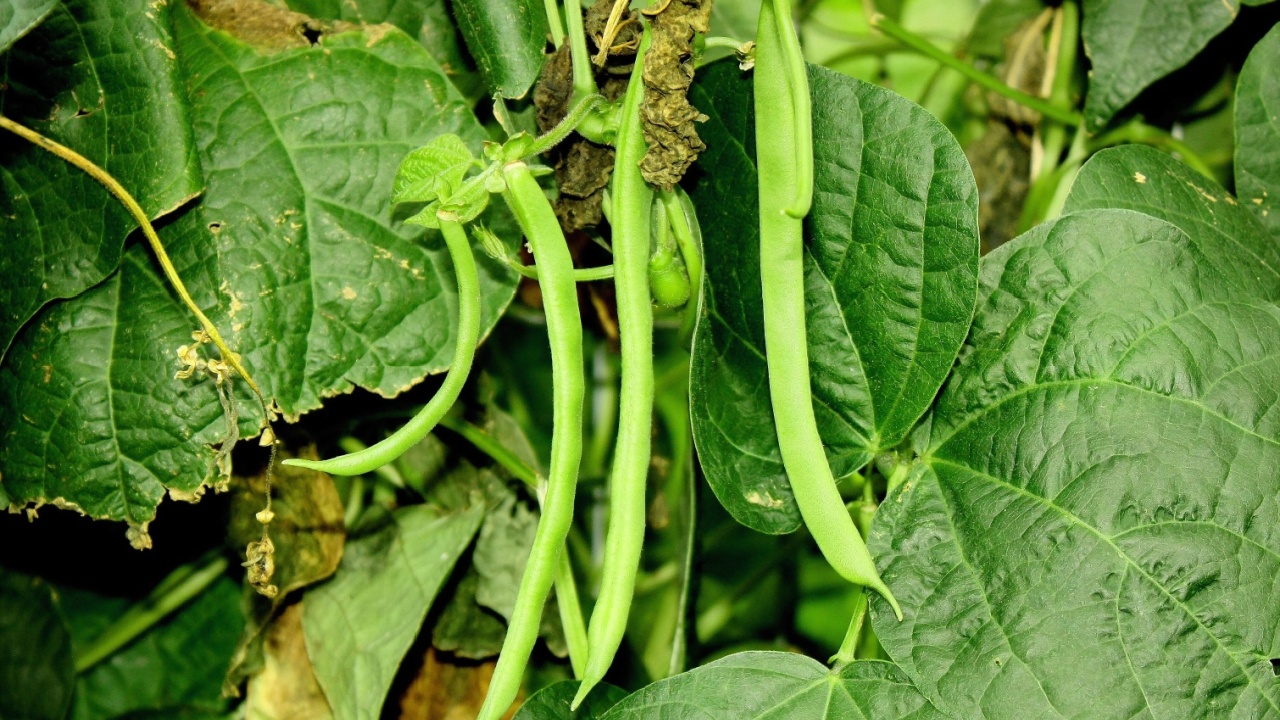
No crop rewards June planting more reliably than beans. Bush beans germinate quickly in warm soil, can be harvested in as few as 35 days with the right variety, and ask almost nothing of the gardener in return.
The Old Farmer’s Almanac has long recommended succession-sowing bush beans every two to three weeks through the summer for a continuous harvest; a technique most home gardeners never use, and one that turns a single planting into months of fresh green beans. Sow a short row this week and another row three weeks from now, and you’ll be picking beans well into September. At $3–$4 per pound at the grocery store, even a modest 10-foot row can save you $30 or more over a summer.
2. Cucumbers: Up to 20 Fruits Per Plant
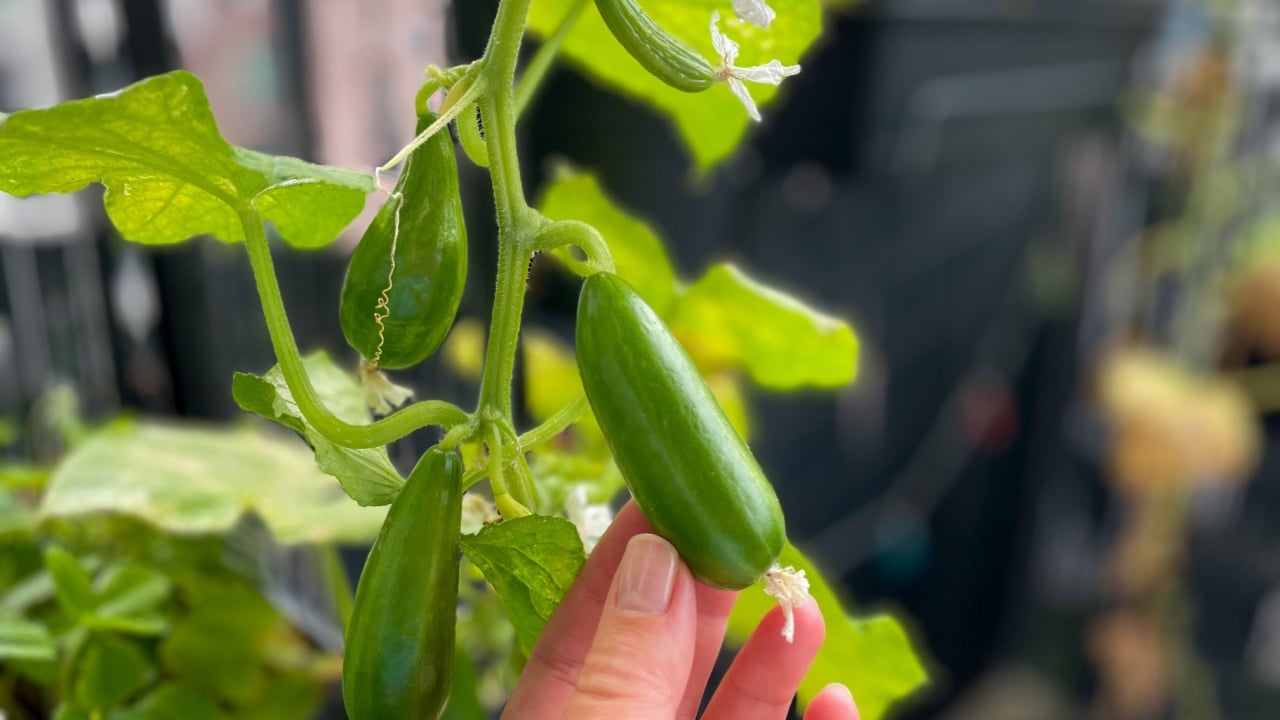
A single cucumber vine planted in June can yield 15 to 20 cucumbers over the course of the season, enough to keep up with summer salads, pickling, and still have extras for neighbors. Space is the only real variable: vine cucumbers produce more and taste better, but bush varieties like Spacemaster 80 are excellent for smaller beds and containers. Plant them next to your beans and let marigolds anchor the corner; they will deter the cucumber beetles, the biggest threat to this crop all summer.
3. Zucchini and Summer Squash: One Plant Is Probably Enough
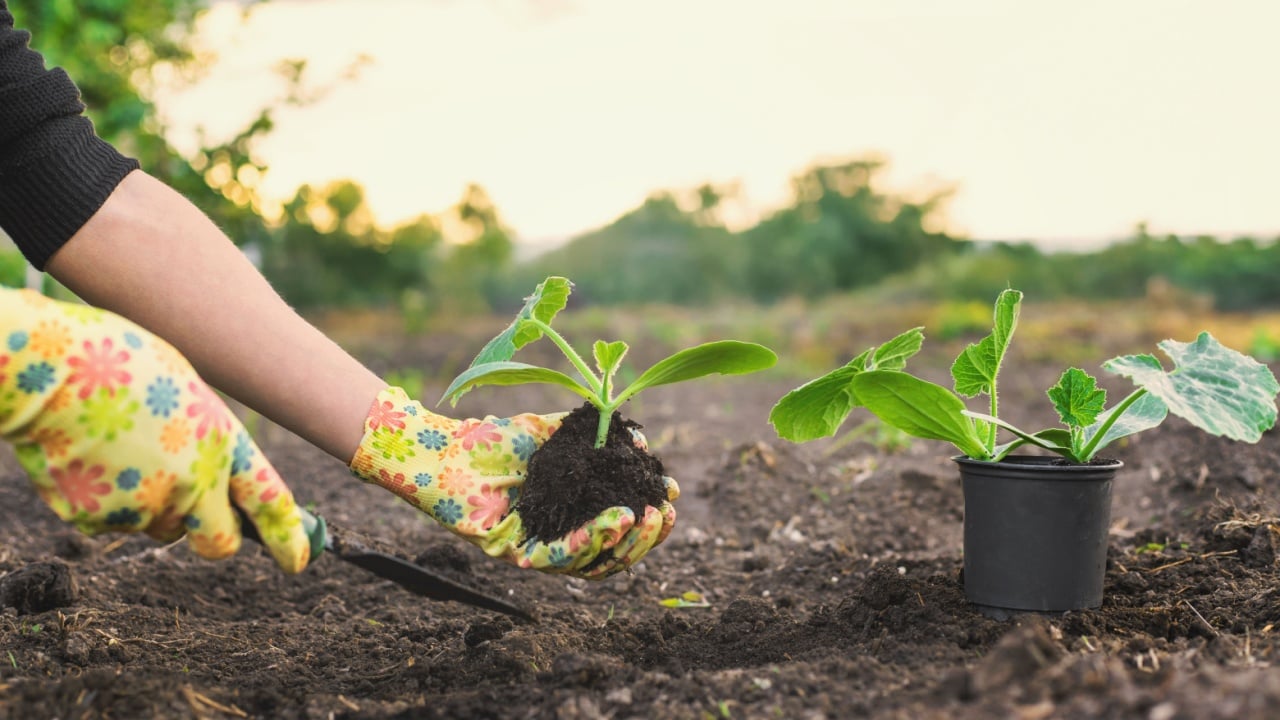
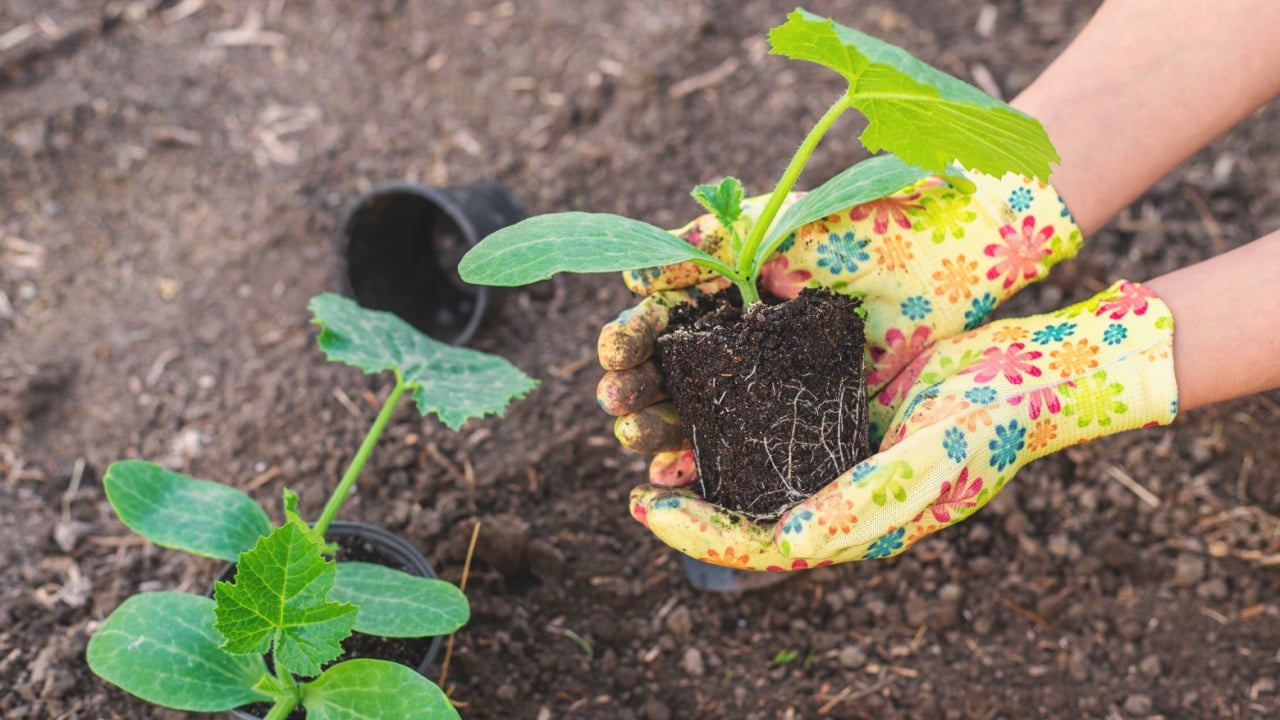
This is the insider truth that nursery professionals rarely tell you at the register: two zucchini plants will produce more summer squash than most families can eat, freeze, or give away. Three will have you quietly leaving bags on neighbors’ porches. Plant one hill of zucchini and one of summer squash in June, and you will have squash on the table by mid-July. Sow seeds directly into warm, amended soil, water deeply, and then largely leave them alone. The payoff here is speed: while tomatoes planted in June take months to produce, squash will reward you within six to eight weeks.
4. Fresh Herbs: The Highest Return on Investment in Your Garden
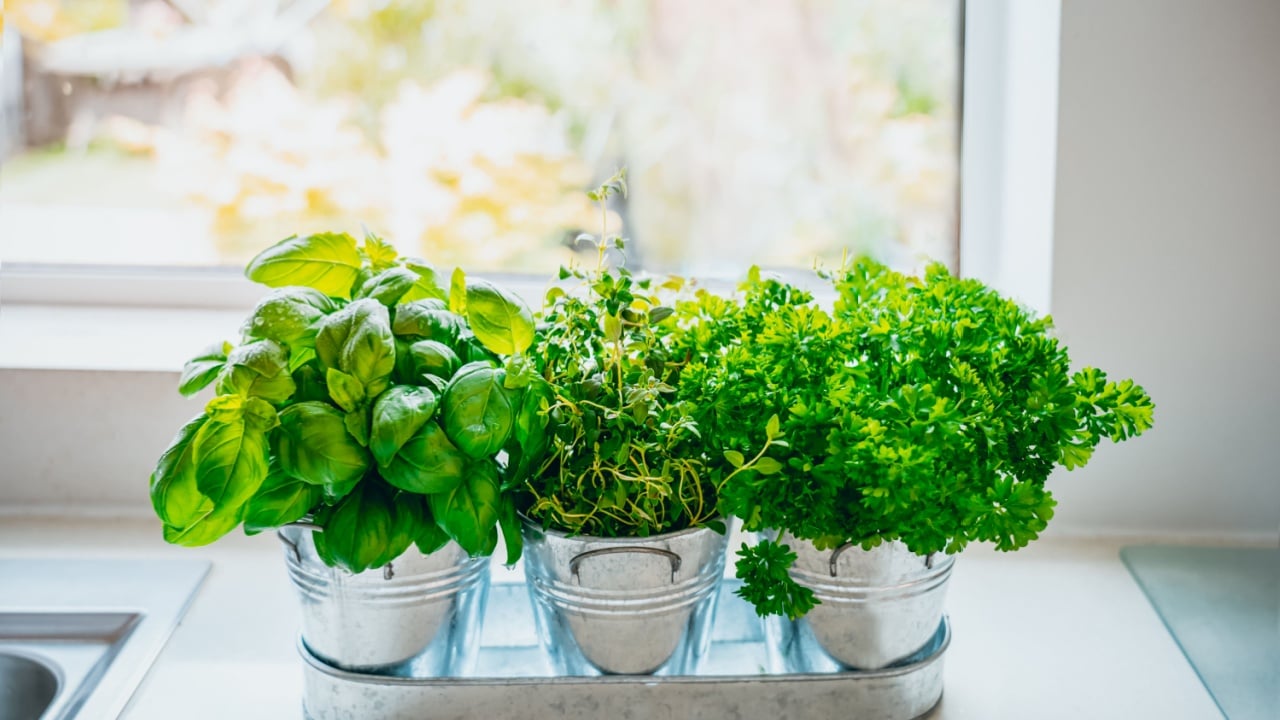
No other category of planting matches herbs for the savings-to-space ratio. A small bunch of fresh basil at the grocery store typically costs $3 or more and wilts within days. A single basil plant costs $2 at a garden center, produces armfuls of leaves all summer, and takes up about as much room as a coffee cup.
According to Bonnie Plants, fresh herbs rank among the most expensive produce-section items per ounce, yet they are among the cheapest and simplest crops to grow at home. Even better, invest $20 in perennial herb plants like rosemary, thyme, chives, and oregano, and they return every year, compounding your savings with zero additional investment.
5. Marigolds: The Protector Every June Garden Needs
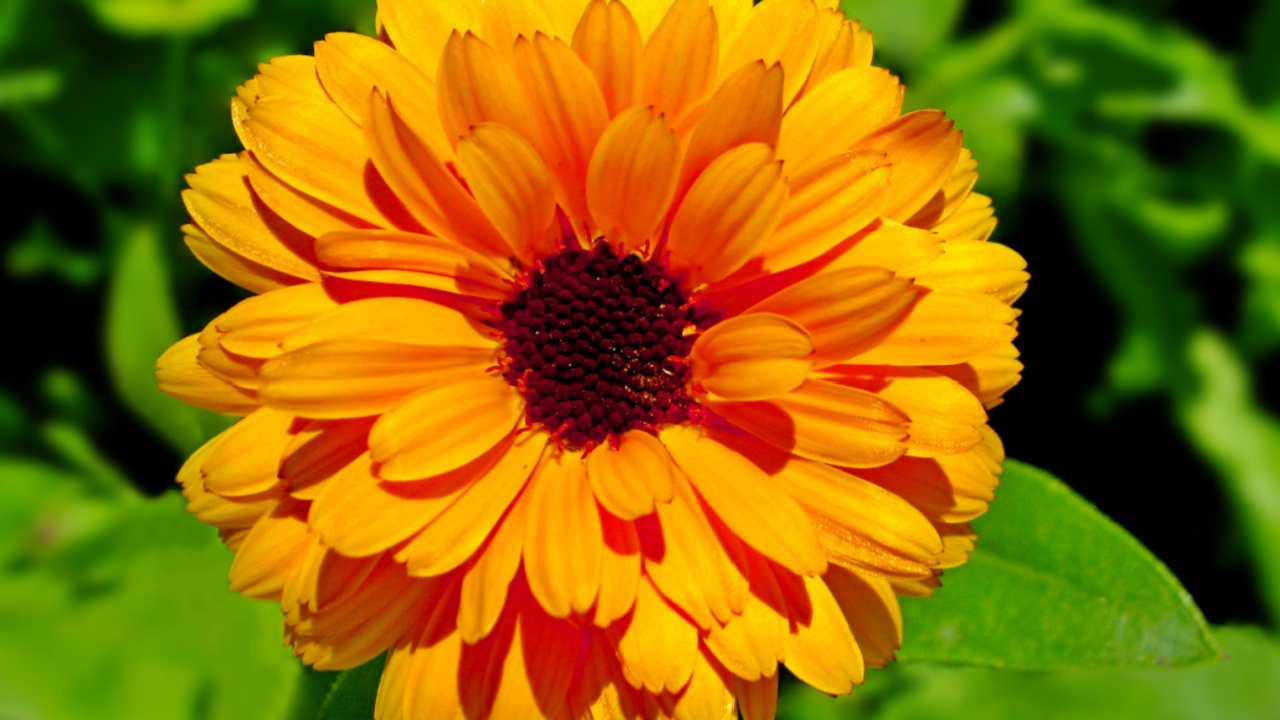
Marigolds do not just add color; they emit a scent that repels aphids, whiteflies, and squash bugs, and they attract the beneficial insects that keep pest populations in check. Plant them as a border around your vegetable beds and among your cucumbers, squash, and tomatoes.
Marigolds are deer-resistant, drought-tolerant, and bloom continuously from planting through first frost. Seed-direct now in June and expect blooms within 45 to 50 days. They cost almost nothing from seed and replace expensive organic pest sprays that can run $15 to $25 a bottle.
6. Zinnias and Sunflowers: Plant Now, Bloom All Summer and Fall
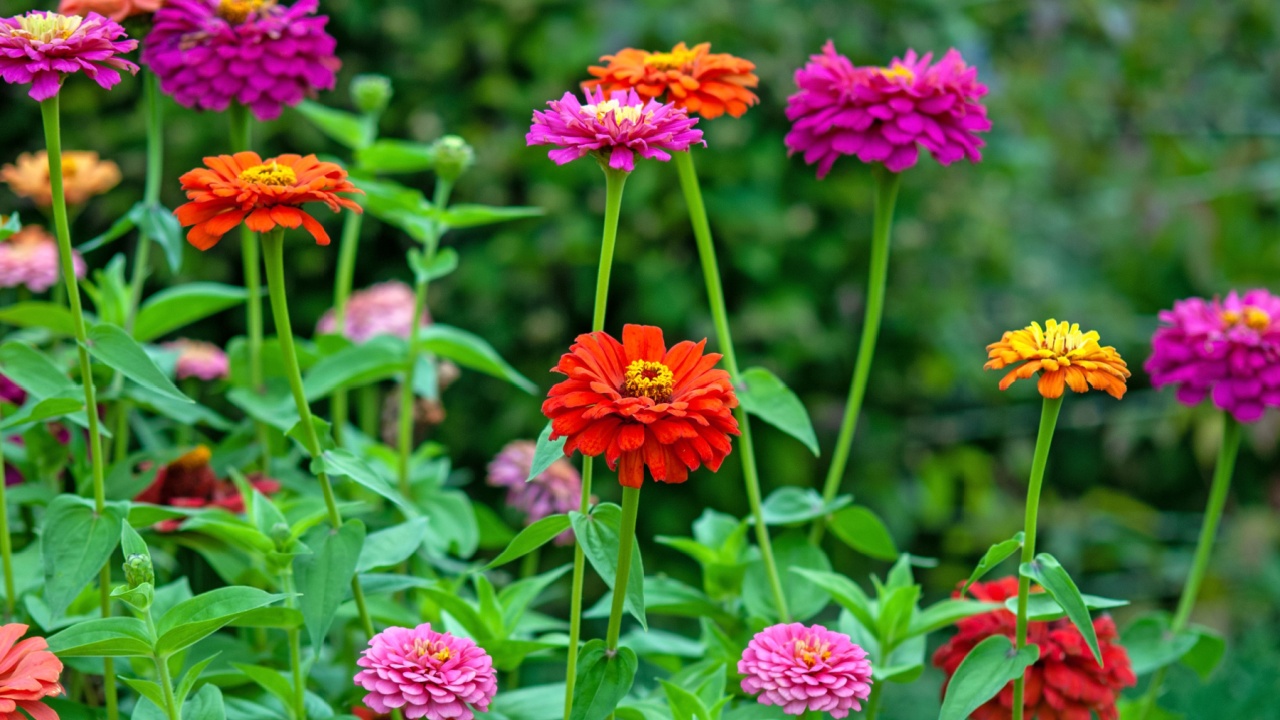
Zinnia flowers in just 60 to 70 days from seed, making a June planting exactly right for an August and September bloom season when most spring flowers have long since faded. The more you cut them, the more they produce: a single row of zinnias can supply fresh-cut flowers for the house every week at no additional cost beyond the seed packet.
Sunflowers planted in June take 70 to 100 days; stagger two or three plantings every two weeks, and you can have sunflowers from August through October. Both self-seed readily, meaning next year’s flowers may cost you nothing at all.
7. Pumpkins: June Is the Right Window

Most gardeners assume pumpkins are a fall planting. They are not.
Pumpkins take 90 to 120 days to mature, which means a Halloween-ready pumpkin patch requires a June start. Plant pumpkin seeds in a sunny, spacious spot now, and they will be ready for an October harvest. Wait until August, and you will be looking at green pumpkins on the vine come November. According to UC Cooperative Extension, June is the correct timing for fall-harvest pumpkins in most temperate regions. This is the counterintuitive insight most gardeners never hear until they’ve already missed the window once.
8. Sweet Potatoes: The Perfect Crop for Busy Gardeners
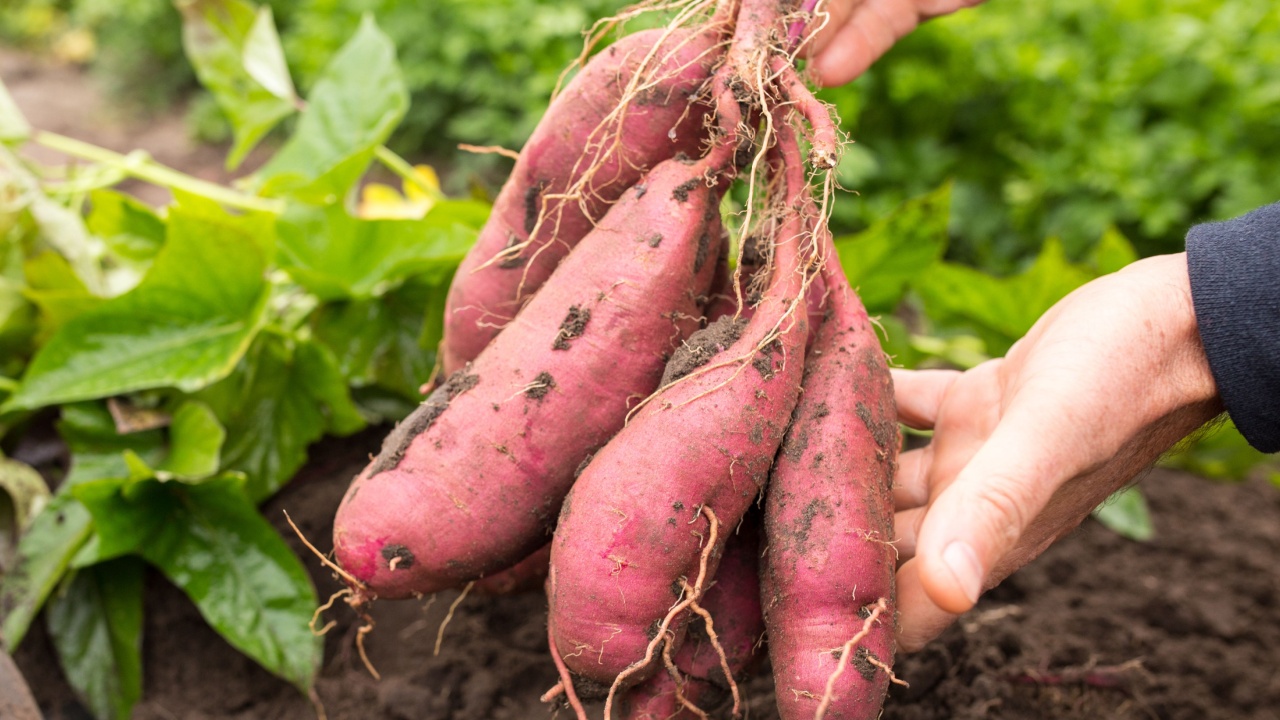
Sweet potatoes are grown from slips rather than seeds, and they are the closest thing gardening offers to a set-it-and-forget-it crop. They love summer heat, require minimal watering once established, and can be left in the ground until you are ready to harvest them in early fall. They are ideal for gardeners who travel during the summer months; no daily maintenance is required once the slips are settled in.
A 10-foot row of sweet potatoes yields 10 to 20 pounds of nutritious tubers that store for months without refrigeration, replacing $20 to $40 in grocery spending.
9. Carrots and Beets: Plant by Mid-June for a Late Summer Harvest
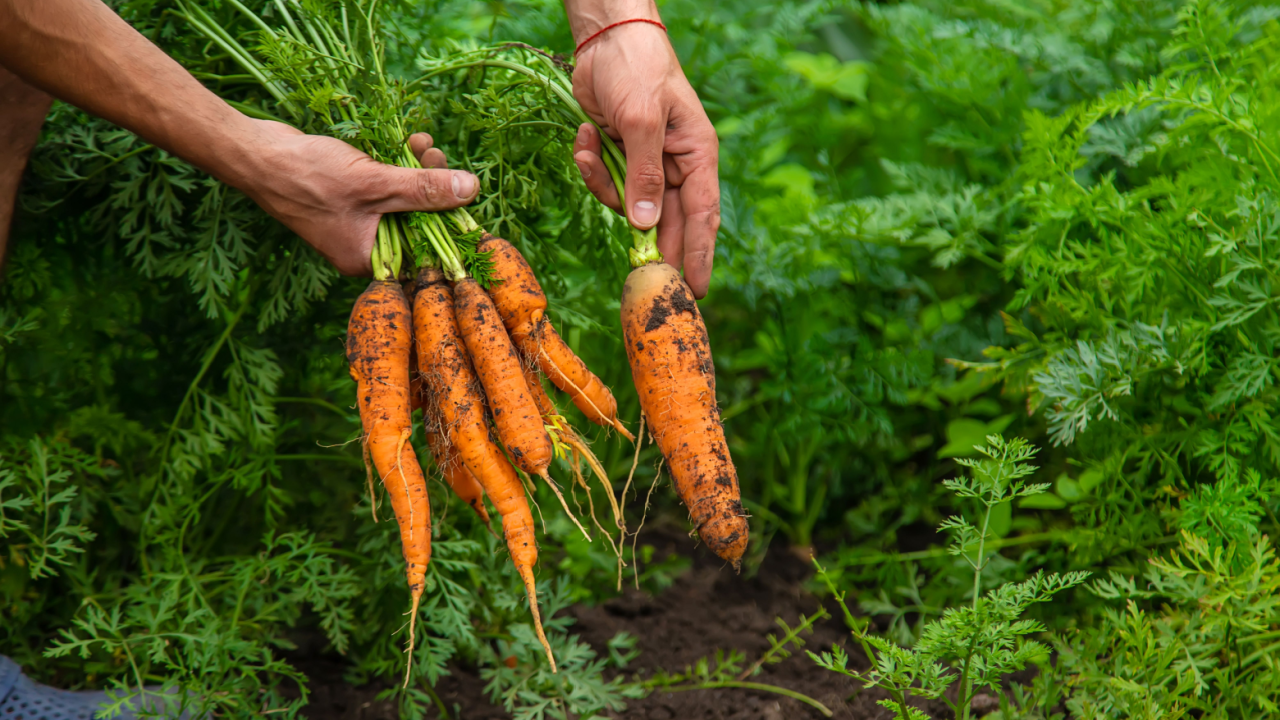
Both carrots and beets sown by mid-June will be ready for harvest in late August or September, and both can be left in the ground as living storage until you need them. Beets pull double duty: the roots are the familiar grocery staple, but the greens are entirely edible and more nutritious than the root itself, according to the USDA‘s nutrient database. A packet of carrot seeds costing $2 can yield 300 or more carrots if conditions are right. Water consistently during germination, as dry soil is the main threat to carrot seeds in hot weather, and thin seedlings to prevent overcrowding.
10. Cosmos and Nasturtiums: The No-Fuss Flowers That Give Back
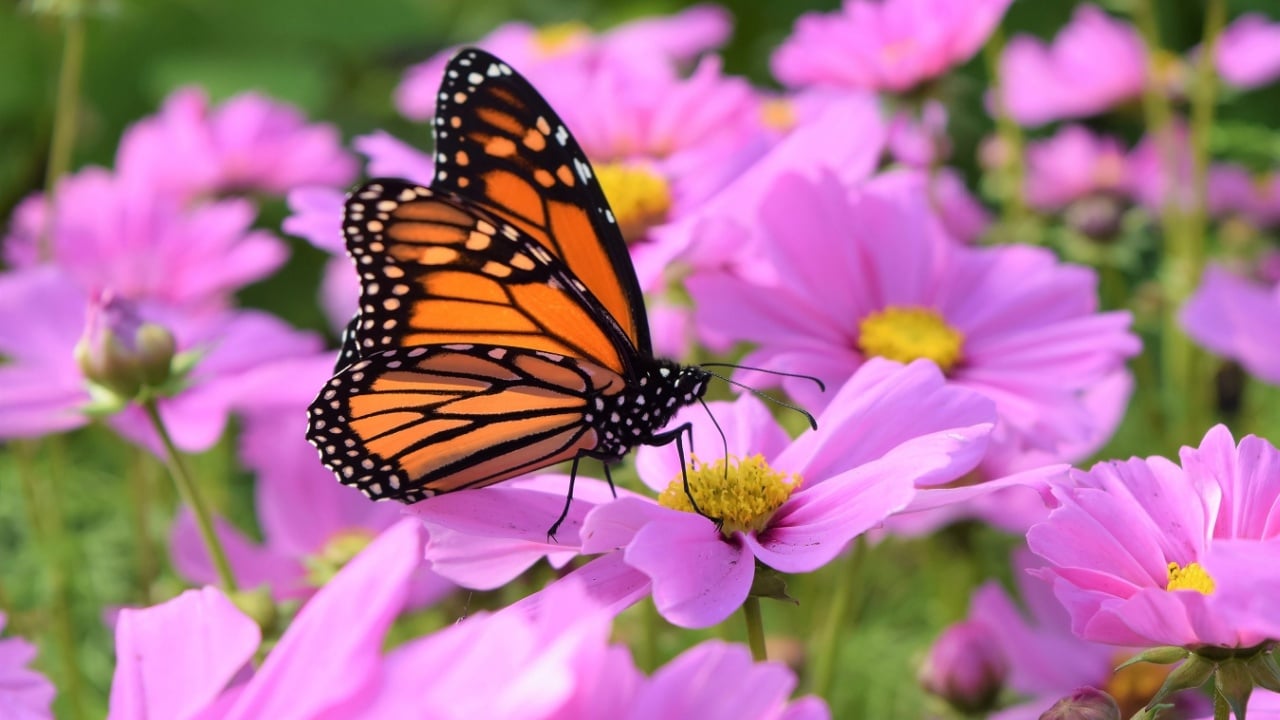
Cosmos are the easiest June flowers to grow: drought-tolerant, heat-loving, fast-blooming, and self-seeding. They attract pollinators throughout summer and bloom in shades from white to deep magenta.
Nasturtiums earn their place not just for color but for edibility; both the flowers and the leaves are peppery and delicious in salads, making them a functional food crop as well as an ornamental. Both reseed prolifically, meaning a one-time $2 seed investment can supply flowers for years. Plant either one in empty beds to suppress weeds and keep the soil covered through summer and fall.
June Planting Is Not a Second Chance. It Is the Main Event.
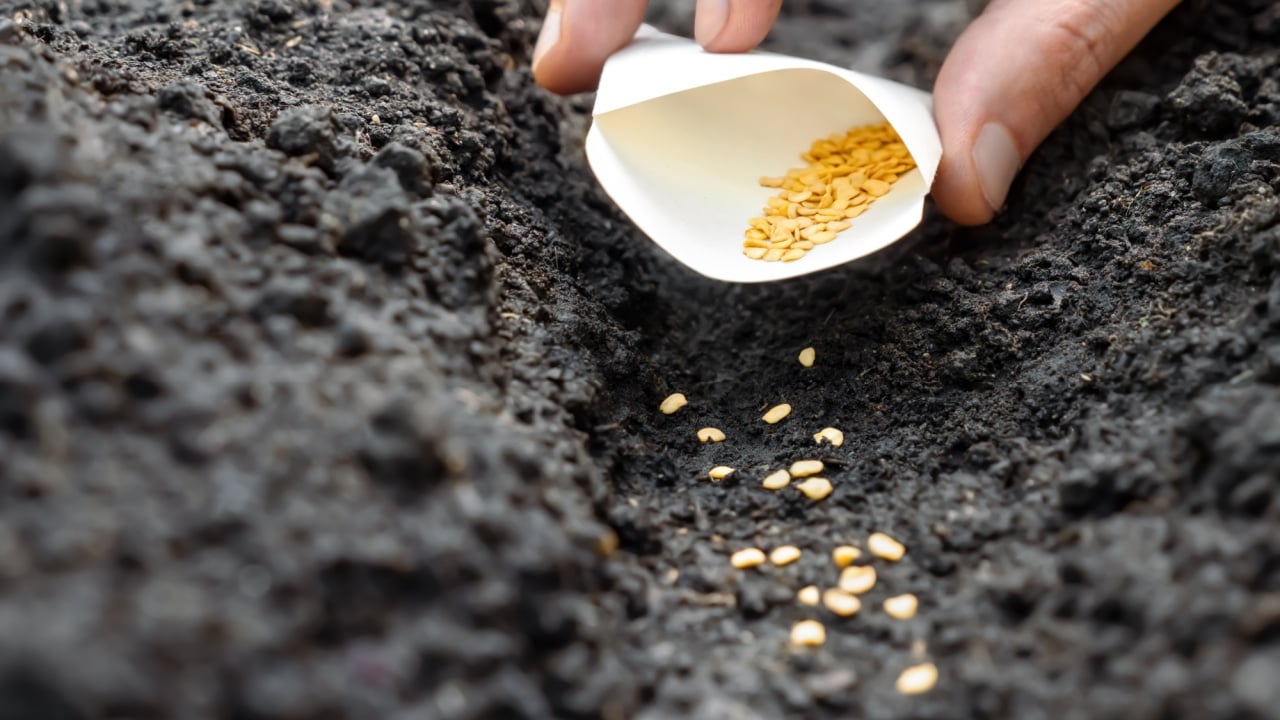
The gardeners with the most productive yards in August are rarely the ones who had everything in the ground by May 31. They are the ones who kept planting in June, who sowed another row of beans when they had five minutes, who dropped a zinnia seed into every empty corner. The Memorial Day myth has cost American gardeners untold seasons of homegrown food. Don’t let it cost you one more summer.
Start with one or two plants from this list this weekend. Basil and a packet of bean seeds are a $4 investment and less than an hour of work. By July, you’ll be wondering why you ever stopped at Memorial Day.
Read more:
Direct Sow These 9 Seeds in June Before the Window Closes for Good
June Is National Pollinator Month. Are You Accidentally Harming the Bees You Want to Help?