
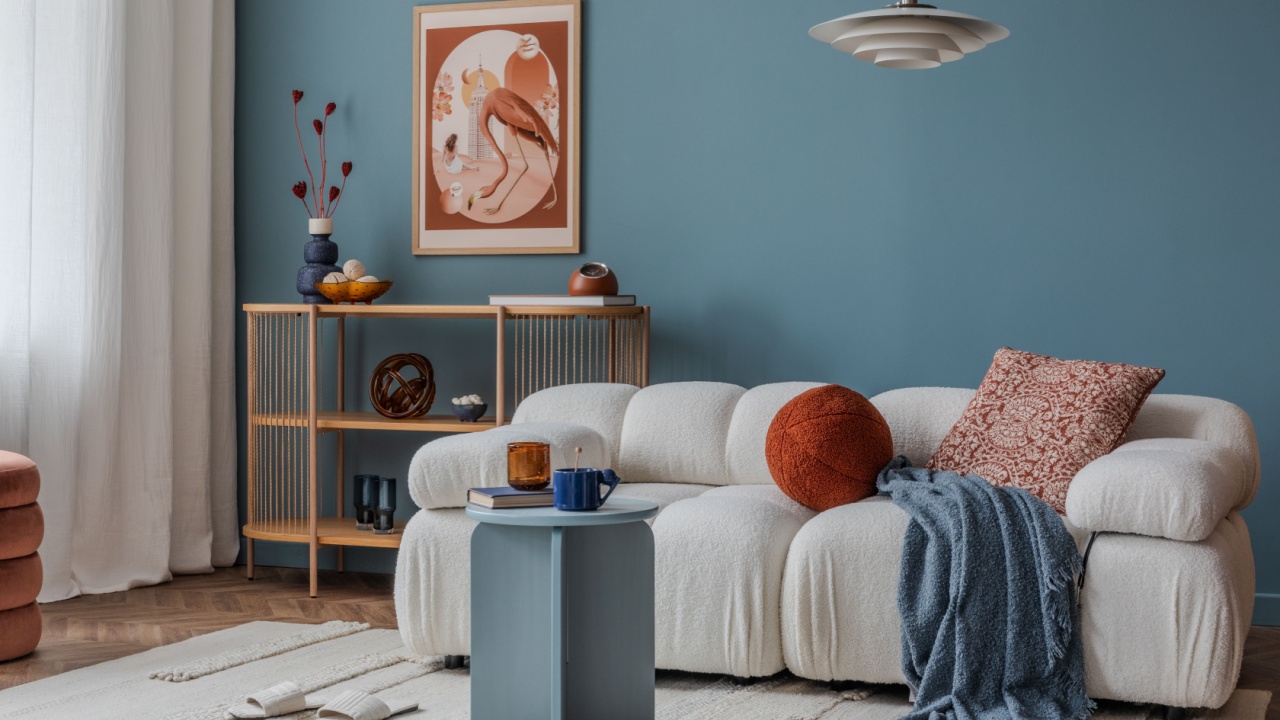
15 Tips to Pull Off Maximalism
Minimalism had its moment, with its clean lines and fifty shades of beige. It was a nice, quiet time. But for those of us whose personalities can’t be contained by a single, sad-looking ficus in an empty room, there’s a more expressive style calling our name. Maximalism is the celebration of abundance, color, and personal history.
This approach is a layered, story-rich alternative to sparse interiors. It’s a design philosophy where “more is more” is the guiding principle, but it requires a careful hand to look curated rather than chaotic. If you are looking to incorporate maximalism into your space, here are 15 tips to help you achieve it.
1. Start with a Bold Wall Color
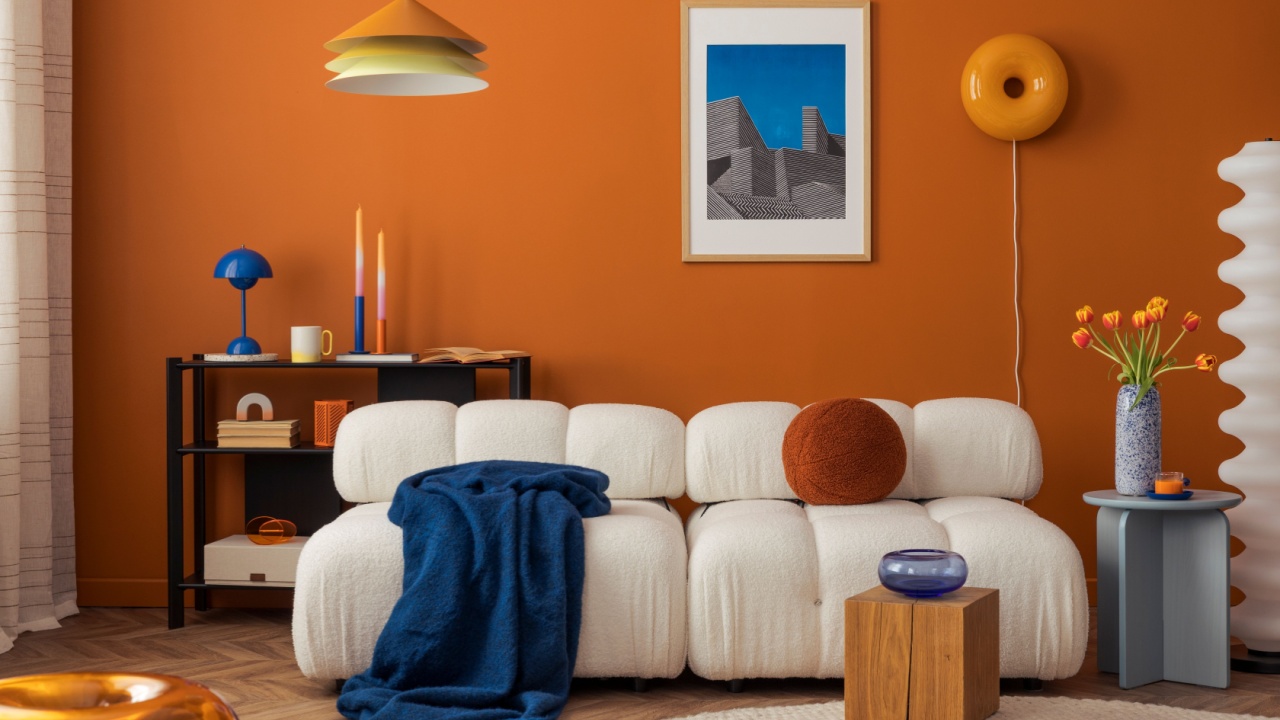
Neutrals can step aside for a moment. A powerful way to set a maximalist tone is by coating your walls in a rich, saturated color. Deep blues, vibrant emeralds, or even a warm terracotta can create an immersive backdrop for your collections. Painting is a relatively low-cost, high-impact change that instantly defines the room’s mood. A bold color makes a statement and provides a canvas that makes everything else you add to the room pop.
Quick Glance:
- How to Do It: Select a shade that speaks to you and complements the natural light in your space. Don’t forget the fifth wall; painting the ceiling the same color or a complementary one can make the room feel like a complete jewel box.
- Keep in Mind: Darker colors can absorb light, so balance them with good artificial lighting and reflective surfaces like mirrors. Always test a swatch on your wall before committing to a gallon.
2. Collect What You Love
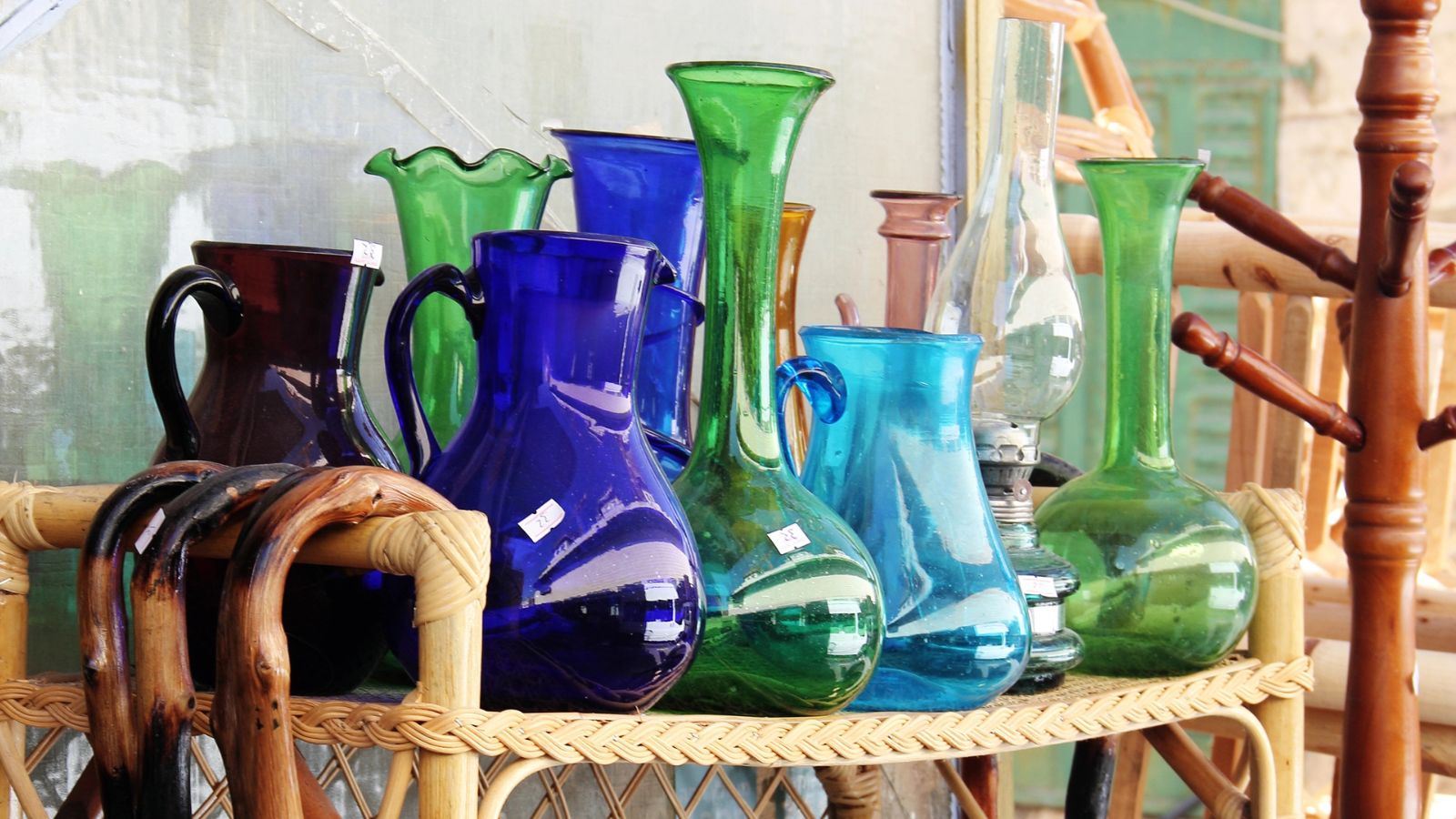
Maximalism is deeply personal. It’s built from a foundation of items that hold meaning and tell your story. Instead of buying generic decor to fill a space, focus on gathering pieces over time that you genuinely connect with. This could be anything from vintage postcards and ceramics to inherited furniture and souvenirs from your travels. The result is a home that feels like a scrapbook of your life, not a catalog showroom.
Quick Glance:
- How to Do It: Be patient. Building a meaningful collection takes time. Visit flea markets, antique shops, and art fairs. Support local artists. Let your collection evolve organically with your tastes and experiences.
- Keep in Mind: A collection doesn’t need to be expensive. It just needs to be authentic to you. Group similar items together for greater impact, like a cluster of unique vases on a mantle.
3. Layer Your Decor
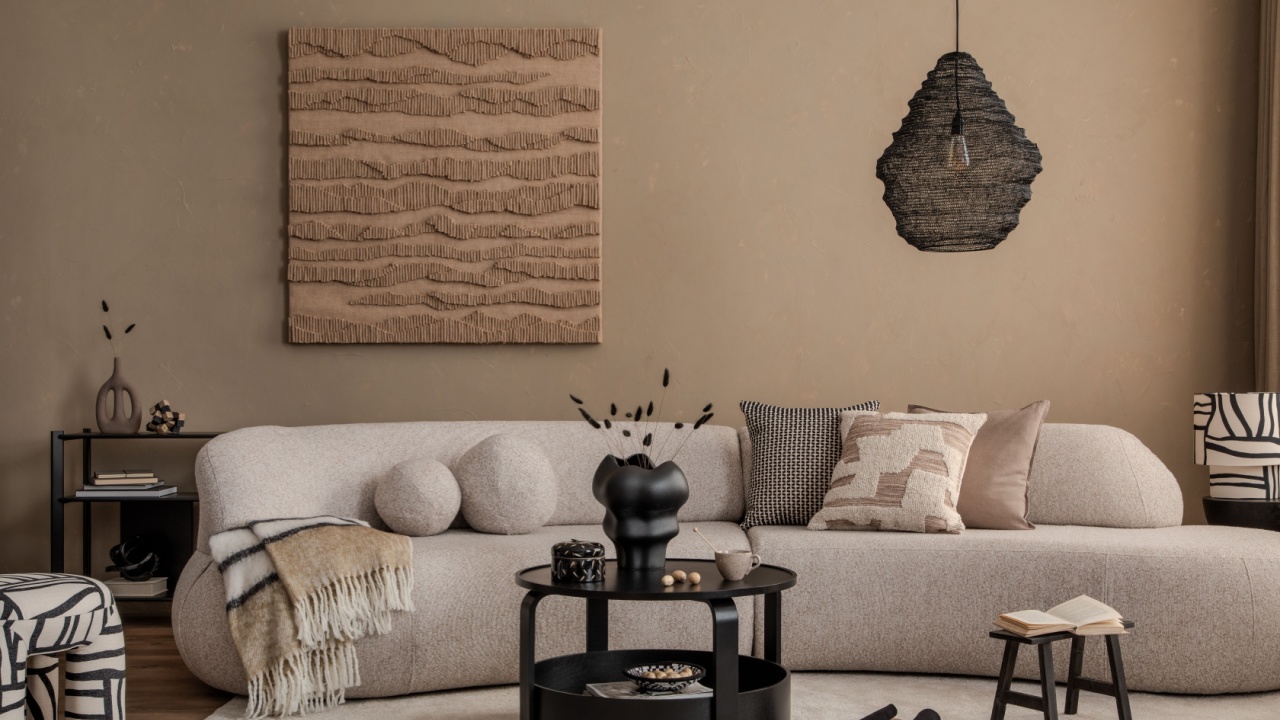
Depth is a fundamental component of a maximalist interior. Look at decorating your room like getting dressed for a chilly day; you need layers. This means stacking items to create visual interest and texture. A bare coffee table becomes a point of interest with a stack of art books, a scented candle, and a small plant. A plain sofa is transformed with a mix of pillows and a draped throw blanket.
Quick Glance:
- How to Do It: Start with a base, like a rug. Add furniture. Then, layer smaller items. Place a tray on an ottoman, stack books, and arrange decorative objects on top. On a bed, use multiple pillows and blankets of varying textures.
- Keep in Mind: Layering adds a sense of history and comfort to a room. It makes a space feel lived-in and thoughtfully assembled.
4. Introduce Statement Wallpaper
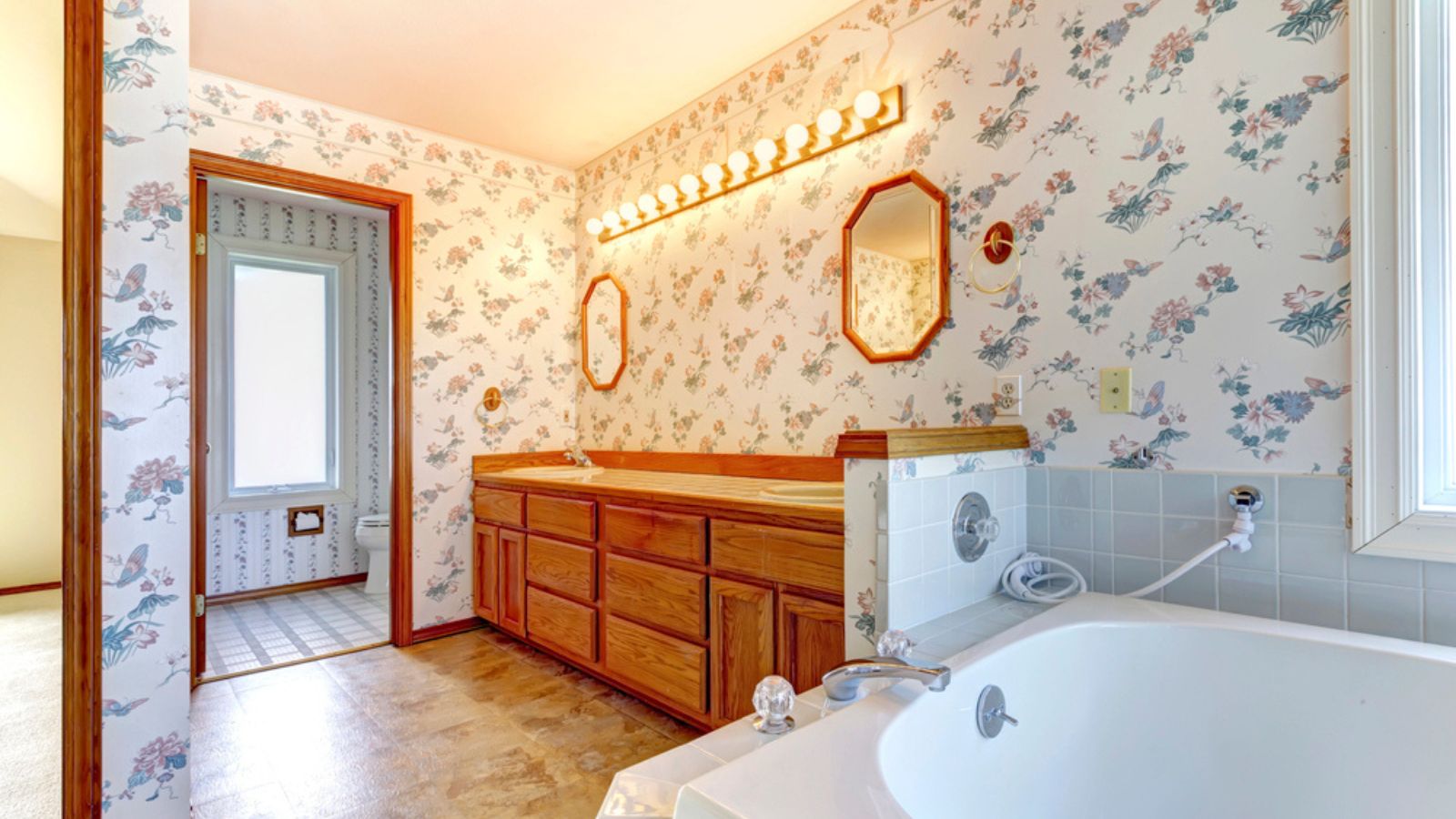
For an immediate dose of personality, nothing beats statement wallpaper. Whether you cover an entire room or create an accent wall, a bold pattern can be the central design element that ties everything together. From large-scale florals and geometric prints to whimsical Chinoiserie, wallpaper adds pattern, color, and texture all at once. It’s a commitment, but the payoff is a room with undeniable character.
Quick Glance:
- How to Do It: Choose a pattern that excites you. For a less permanent option, consider peel-and-stick wallpaper, which is great for renters or those who like to change their minds. Apply it to a feature wall, the back of a bookshelf, or even a ceiling.
- Keep in Mind: If your wallpaper is very busy, you might want to balance it with simpler patterns or solid colors elsewhere in the room. Or don’t. It’s your space.
5. Create a Gallery Wall
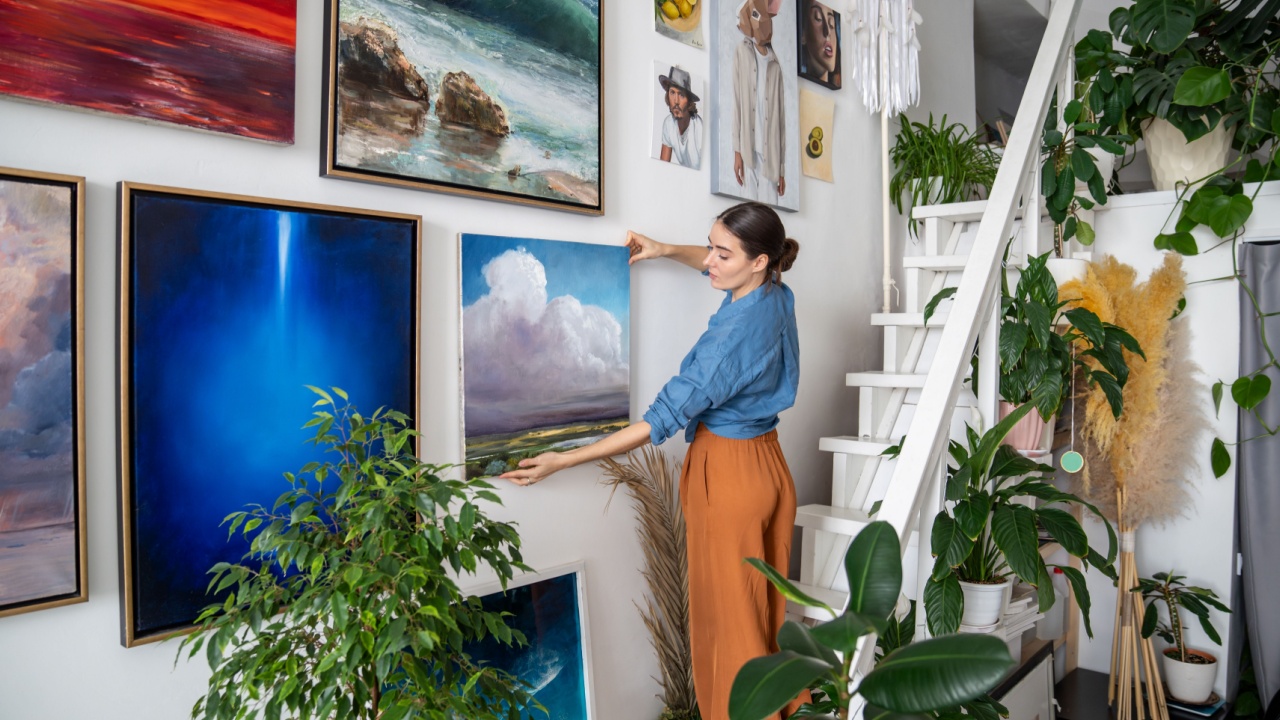
A gallery wall is the ultimate maximalist move. It turns a blank wall into a focal point and a visual diary. Forget perfectly aligned, matching frames. The beauty of a maximalist gallery wall is in its eclectic and organic arrangement. Mix different frame styles, sizes, and materials. Combine paintings, prints, photographs, and even three-dimensional objects like small mirrors or plates.
Quick Glance:
- How to Do It: Lay out your arrangement on the floor first to get a sense of spacing and balance. Start with the largest piece and build outwards. A good tip is to maintain a somewhat consistent distance between frames, even if the frames themselves are different.
- Keep in Mind: Your art doesn’t have to be expensive. Frame beautiful wrapping paper, children’s drawings, or vintage book pages. The collection should reflect your personality.
6. Embrace Bold Furniture
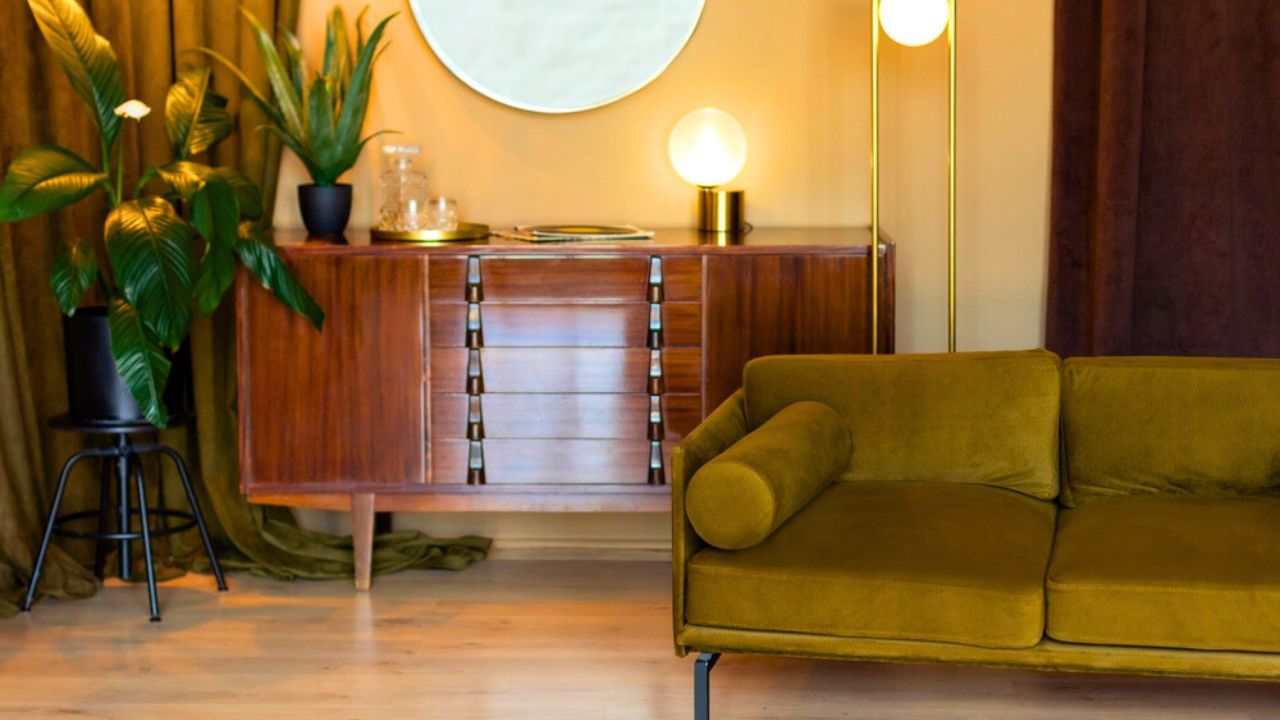
Your furniture doesn’t have to be shy. A jewel-toned velvet sofa, a brightly lacquered cabinet, or a patterned armchair can serve as a stunning anchor piece in a maximalist room. Choosing furniture in rich colors and interesting textures adds another layer of visual richness. Look for pieces with unique silhouettes and details that stand out.
Quick Glance:
- How to Do It: You don’t need every piece of furniture to scream for attention. Select one or two main pieces to carry the bold color or pattern, and then complement them with more subdued (but still interesting) items.
- Keep in Mind: Upholstery is a great way to bring in color and texture. A vintage sofa can be given a new life with a bold, modern fabric.
7. Mix Patterns Liberally

In a maximalist world, stripes, florals, plaids, and animal prints can all live together in harmony. The trick to mixing patterns without creating a visual headache is to vary the scale. Combine a large-scale pattern with a medium-scale one and a small-scale one. This creates a hierarchy and allows each pattern to have its own moment.
Quick Glance:
- How to Do It: Stick to a cohesive color palette to unite the different patterns. For example, you could mix a blue-and-white striped rug with a floral pillow that has touches of blue, and a small-print geometric curtain that is also in the blue family.
- Keep in Mind: Incorporate patterns through textiles like curtains, rugs, pillows, and upholstery. Even floor tiles or a kitchen backsplash can be an opportunity for pattern play.
8. Find a Common “Red Thread”
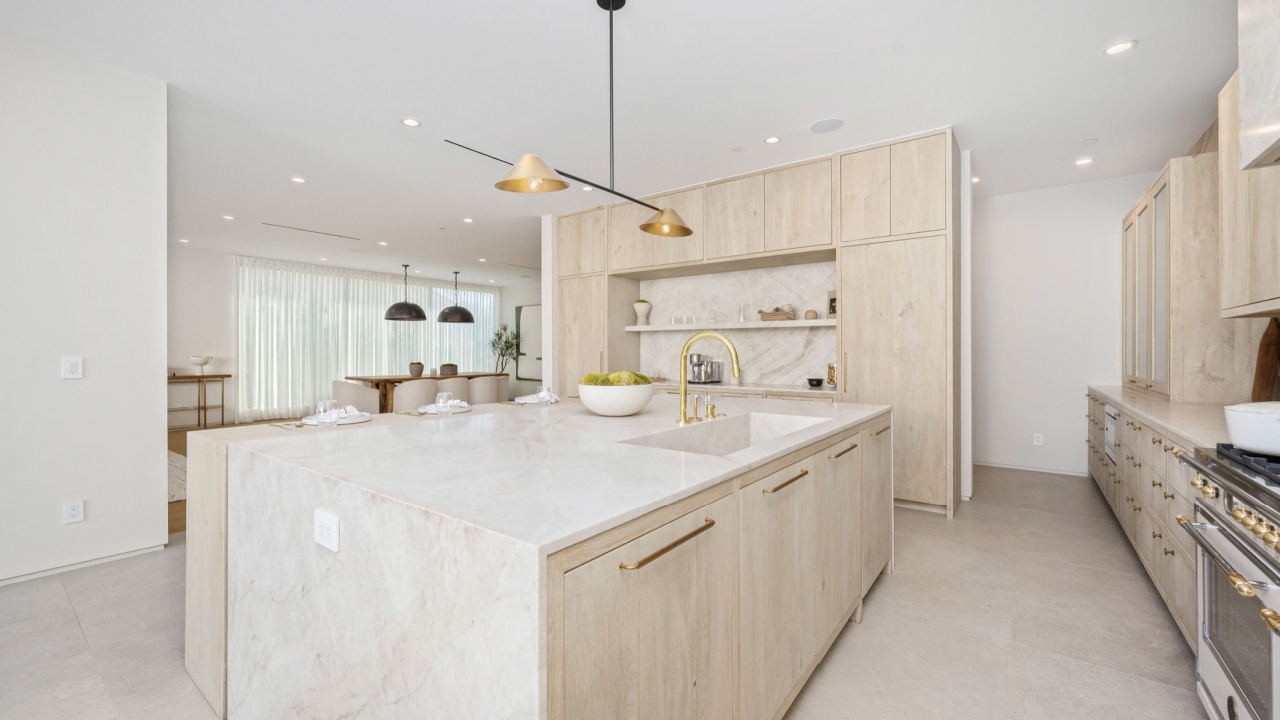
While maximalism celebrates abundance, it isn’t about chaos. To keep your design from feeling random and overwhelming, establish some form of consistency. This common “red thread” pulls the entire room together and makes the eclectic mix feel intentional. It could be a recurring color, a specific metallic finish (like brass), or a repeated motif (like birds or a certain type of flower).
Quick Glance:
- How to Do It: Choose one or two colors and sprinkle them throughout the room in various shades and applications. Or decide that all your hardware and metal accents will be gold. This repetition creates a subtle rhythm that is pleasing to the eye.
- Keep in Mind: This unifying element is what separates thoughtful maximalism from simple hoarding. It’s the glue that holds your beautiful, busy room together.
9. Don’t Neglect Textural Variety

A room that’s interesting to look at should also be interesting to touch. Texture adds a tactile dimension that makes a space feel rich and inviting. Mix smooth surfaces with rough ones, soft with hard. Think of a plush velvet sofa, a shaggy wool rug, a smooth marble tabletop, and a rough-hewn wooden stool all in the same space. These contrasts stimulate the senses and add depth.
Quick Glance:
- How to Do It: Layer different textiles: silk, linen, wool, and faux fur. Incorporate materials like wood, metal, stone, and wicker. Even plants add a natural, living texture.
- Keep in Mind: Texture is especially important in a monochromatic or limited-color-palette room, where it can provide the necessary variation to keep things interesting.
10. Light It Up with Unique Fixtures
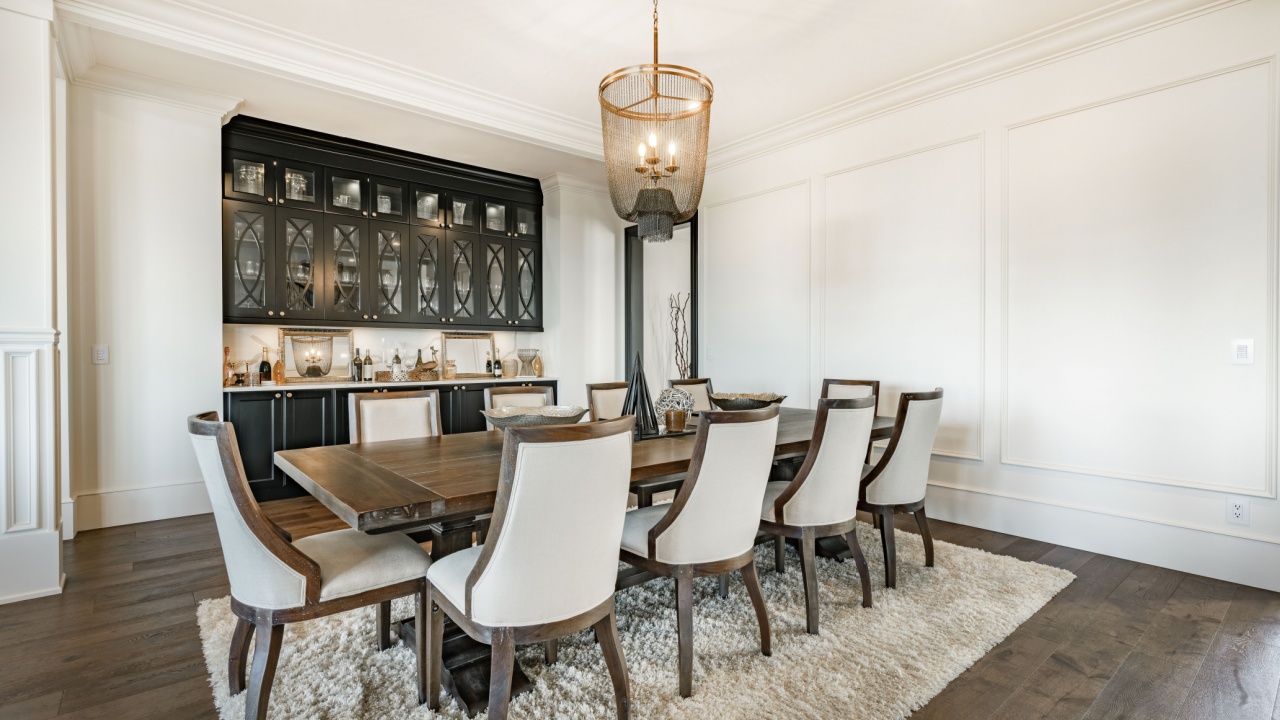
Standard-issue ceiling lights have no place in a maximalist home. Lighting fixtures are another opportunity for sculptural, statement-making design. Look for dramatic chandeliers, quirky table lamps, or colorful floor lamps. Good lighting is functional, but great lighting is a piece of art. Layering your lighting sources—ambient, task, and accent—also helps to highlight different areas of your room and create a warm, inviting atmosphere.
Quick Glance:
- How to Do It: A large, ornate chandelier can serve as the centerpiece of a room. Hunt for vintage lamps at thrift stores for one-of-a-kind finds. Don’t be afraid to mix and match lamp styles.
- Keep in Mind: Use dimmer switches to control the mood. Bright light is great for tasks, but a soft glow is perfect for creating a cozy, intimate setting in the evening.
11. Say Yes to Statement Rugs
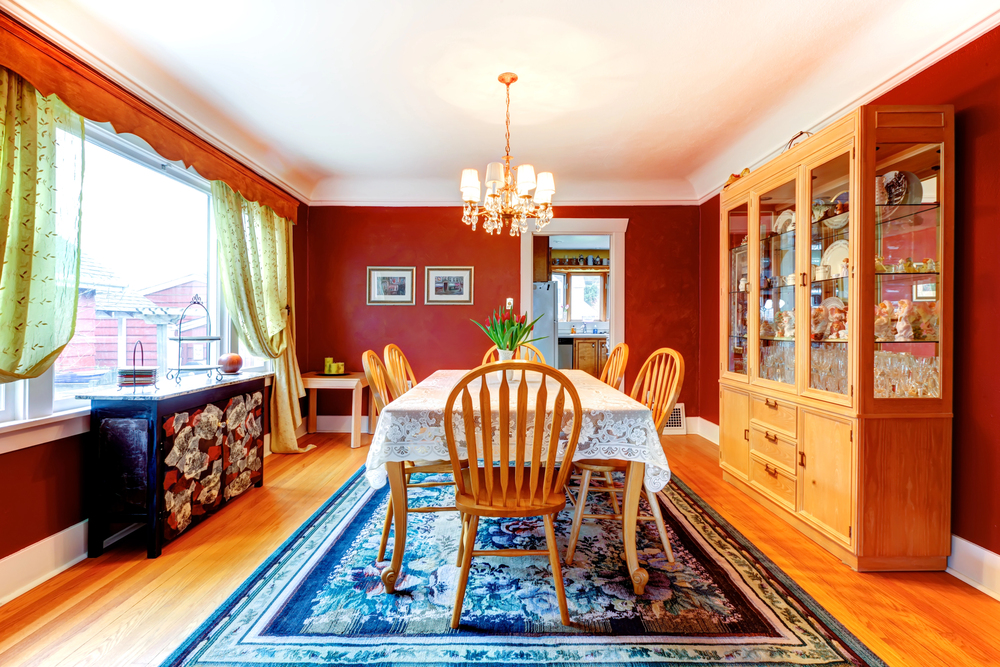
The floor is your fifth wall, so give it the attention it deserves with statement rugs. A bold, patterned rug can anchor a room and define a seating area. It’s also a fantastic way to introduce color and pattern from the ground up. Persian and oriental rugs are a classic choice for maximalist interiors because of their intricate patterns and rich color palettes, but a contemporary abstract or geometric rug can work just as well.
Quick Glance:
- How to Do It: Don’t be afraid to layer rugs. Placing a smaller, more colorful rug on top of a larger, neutral one (like a jute or sisal) can add texture and define a specific zone.
- Keep in Mind: Make sure the rug is large enough for the space. In a living room, at least the front legs of your sofa and chairs should be on the rug to make the area feel connected.
12. Bring the Outdoors In

Plants are a maximalist’s best friend. They add life, color, and a beautiful, organic element to a room. Grouping plants of different sizes, shapes, and leaf patterns can create a lush, jungle-like effect. Suspend them from the ceiling, place them on shelves, and use large floor plants to fill empty corners. They purify the air and bring a sense of vitality that artificial decor can’t replicate.
Quick Glance:
- How to Do It: Mix large fiddle-leaf figs with trailing pothos and spiky snake plants. Use interesting pots and planters to add another layer of decoration.
- Keep in Mind: Be realistic about your ability to care for plants. If you don’t have a green thumb, there are many beautiful and convincing faux plants available that require zero maintenance.
13. Accessorize with Meaning
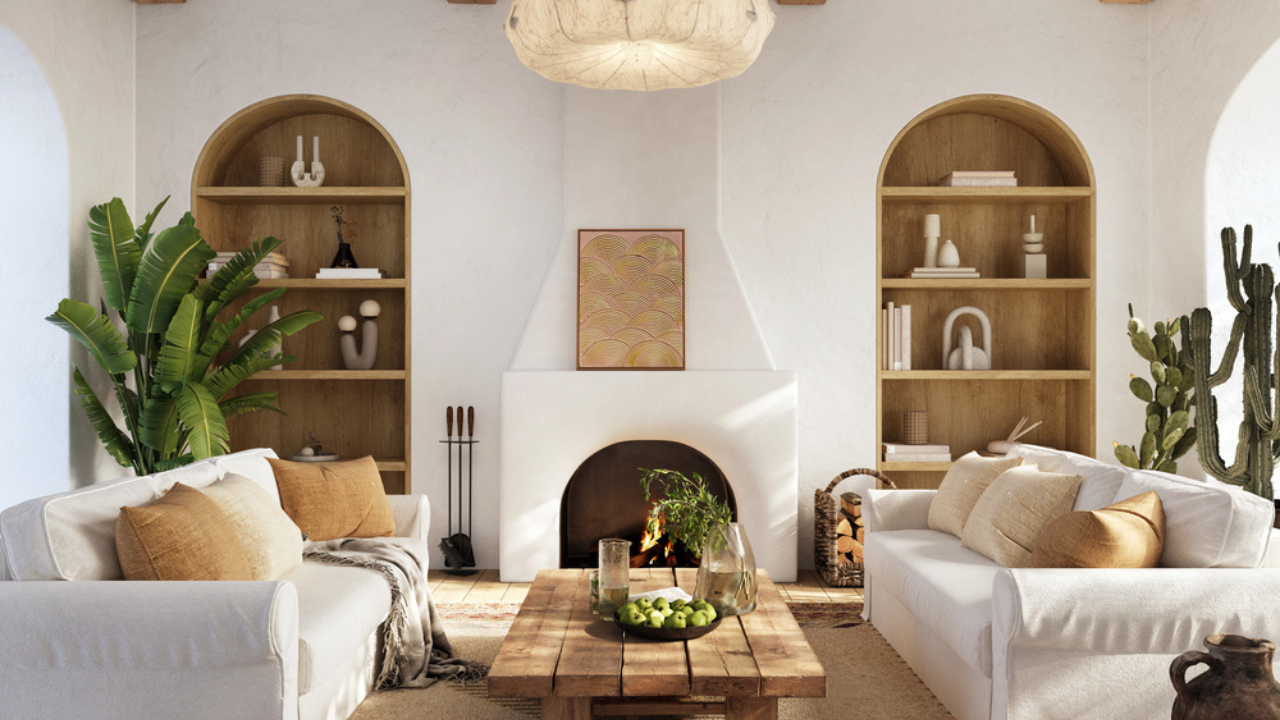
The final layer of a maximalist room is the accessories, and this is where the personality truly shines. These are the small objects that fill your shelves, tables, and walls. Choose items that are meaningful, interesting, or just plain beautiful to you. This is not about adding clutter for the sake of it; it’s about curating a display of objects that tell a story.
Quick Glance:
- How to Do It: Group items in vignettes. On a bookshelf, mix books with framed photos, small sculptures, and decorative boxes. A collection of colorful glass bottles on a windowsill can catch the light beautifully.
- Keep in Mind: Edit your collections periodically. It’s alright to rotate items in and out of storage to keep your displays feeling fresh and prevent them from becoming overwhelming.
14. Let Your Books Shine
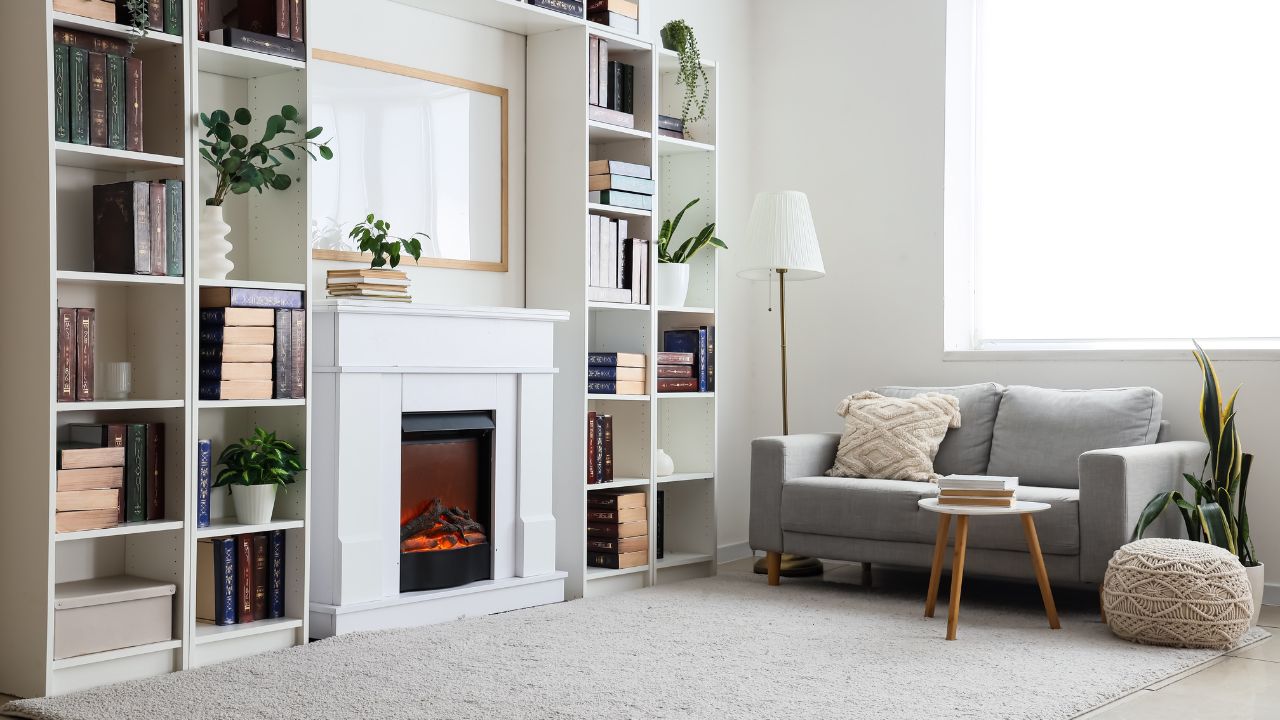
Books are not just for reading; they are beautiful decorative objects in their own right. Create a reading nook you love. A well-stocked bookshelf adds intelligence, color, and texture to a room. Don’t hide your paperbacks away. Stack them horizontally to create platforms for other objects, or arrange them by color for a vibrant visual statement. Overflowing bookshelves are a sign of a curious mind and a well-loved home.
Quick Glance:
- How to Do It: Mix vertical and horizontal stacks on your shelves for a more dynamic look. Let books spill onto side tables, coffee tables, and even the floor in neat piles.
- Keep in Mind: Books add a wonderful, lived-in quality. They are a simple and often inexpensive way to add mass and color to your decor.
15. Go for Tidy Maximalism

The core idea is abundance, but the most successful maximalist interiors are still curated. Good maximalism strikes a balance between expressive richness and visual harmony. Every so often, step back and do a gentle edit: remove or rotate pieces that no longer feel meaningful.
Instead of letting every corner overflow, give your displays room to breathe and let negative space play a role. If an object no longer brings you joy, or if a corner starts to feel too crowded, it’s okay to remove something. Trust your eye to decide what stays and what goes.
Quick Glance:
- How to Do It: Take a photo of your room. Sometimes seeing it in two dimensions helps you spot what’s working and what isn’t. Ask yourself if every item has a “home” and a purpose, even if that purpose is simply to be beautiful.
- Keep in Mind: Maximalism is a dynamic and evolving style. Your home should grow and change with you. The editing process is part of the journey.
Make Your Rules
Maximalism is not about following strict rules; it’s about developing your own. The best way to start is to stop worrying about what matches and begin collecting what you love. Begin with one corner of one room. Maybe it’s a bookshelf. Empty it, and then fill it only with books and objects that make you happy. Don’t aim for perfection. Aim for personality. Build a gallery wall with art that speaks to you, find a rug that makes you want to dance, and paint a wall a color that makes your heart sing. Your home should be your sanctuary and your stage, so give yourself permission to fill it with a life well-lived.


