15 Inspiring Winter Garden Ideas
Winter winds down a lot of things, and often, it feels like the curtains have closed on your backyard stage. The vibrant colors fade, the busy pollinators depart, and a quiet stillness settles in. But a garden’s story doesn’t have to end with the first frost.
The winter months offer a unique opportunity to cultivate beauty, structure, and even a surprising amount of life. You don’t need to fight the season and wait longingly for spring; instead, embrace winter’s distinct character and create a landscape that remains captivating all year round (and plan for the next!).
Here are 15 inspiring winter ideas to keep you busy and your garden thriving.
1. Plan for Winter Vegetables
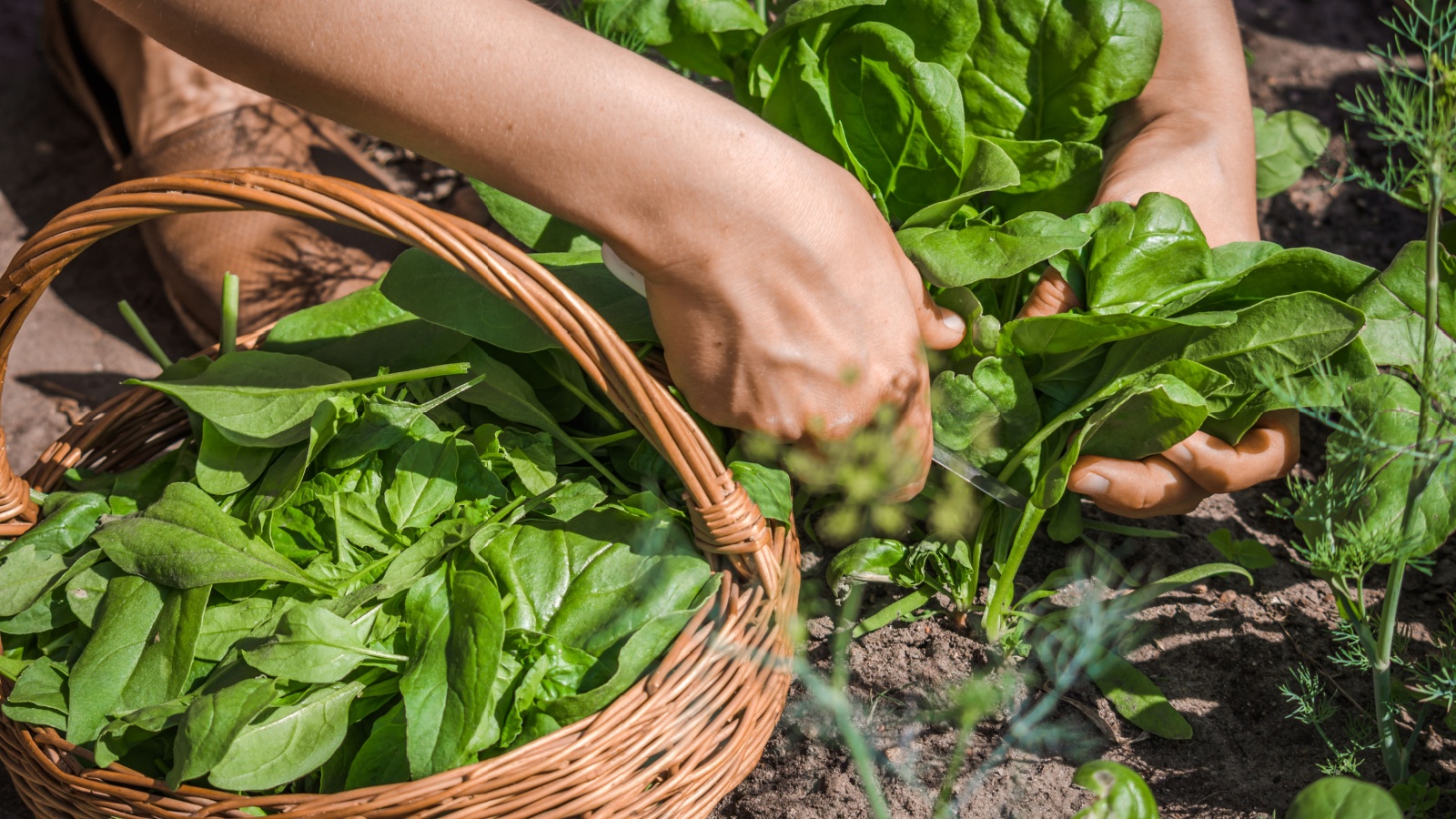
A productive garden doesn’t need to shut down completely. Many vegetables thrive in cooler temperatures, offering fresh flavors when you least expect them. Growing a winter vegetable patch provides delicious, homegrown produce and keeps the soil active and healthy. Certain root vegetables and leafy greens become sweeter and more tender after a light frost.
- Why it’s a good option: Extends your harvest season, reduces grocery bills, and adds welcome green to a dormant landscape.
- Good choices: Kale, spinach, leeks, parsnips, carrots, Swiss chard, and Brussels sprouts.
- Care tips: Plant in late summer or early fall. Use cold frames, hoop houses, or a thick layer of mulch (like straw or shredded leaves) to protect plants from harsh freezes and temperature swings. Ensure good drainage to prevent roots from sitting in cold, wet soil.
2. Introduce Evergreen Structure
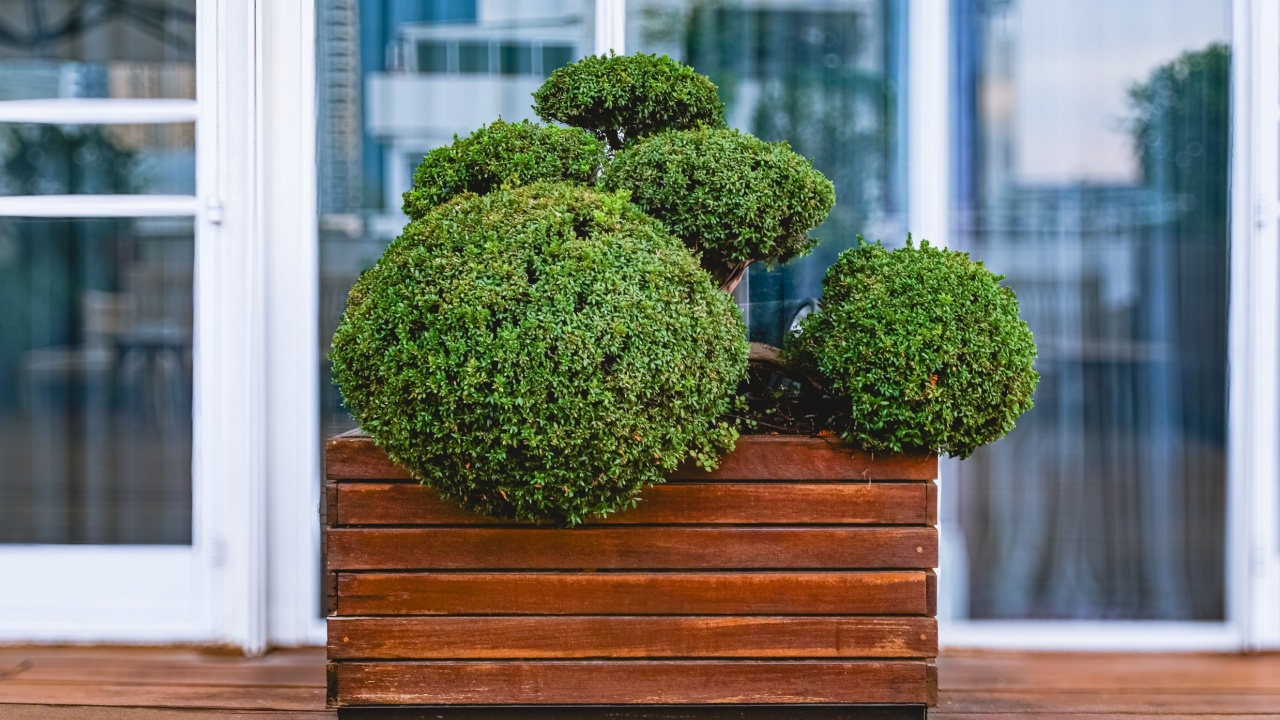
Evergreens are the backbone of a winter garden. When deciduous trees and perennials have disappeared, these steadfast plants provide essential color, texture, and form. They create a living framework that catches snow beautifully and offers shelter for birds. Their presence ensures the garden never looks completely bare.
- Why it’s a good option: Provides year-round visual interest and creates a solid foundation for your garden design.
- Good choices: Boxwood for formal hedges, dwarf conifers for small spaces, holly for festive color, and arborvitae for privacy screens.
- Care tips: Most evergreens prefer well-drained soil. Water them deeply in the autumn before the ground freezes, especially newly planted ones. This helps them stay hydrated through the dry winter air.
3. Light Up the Landscape
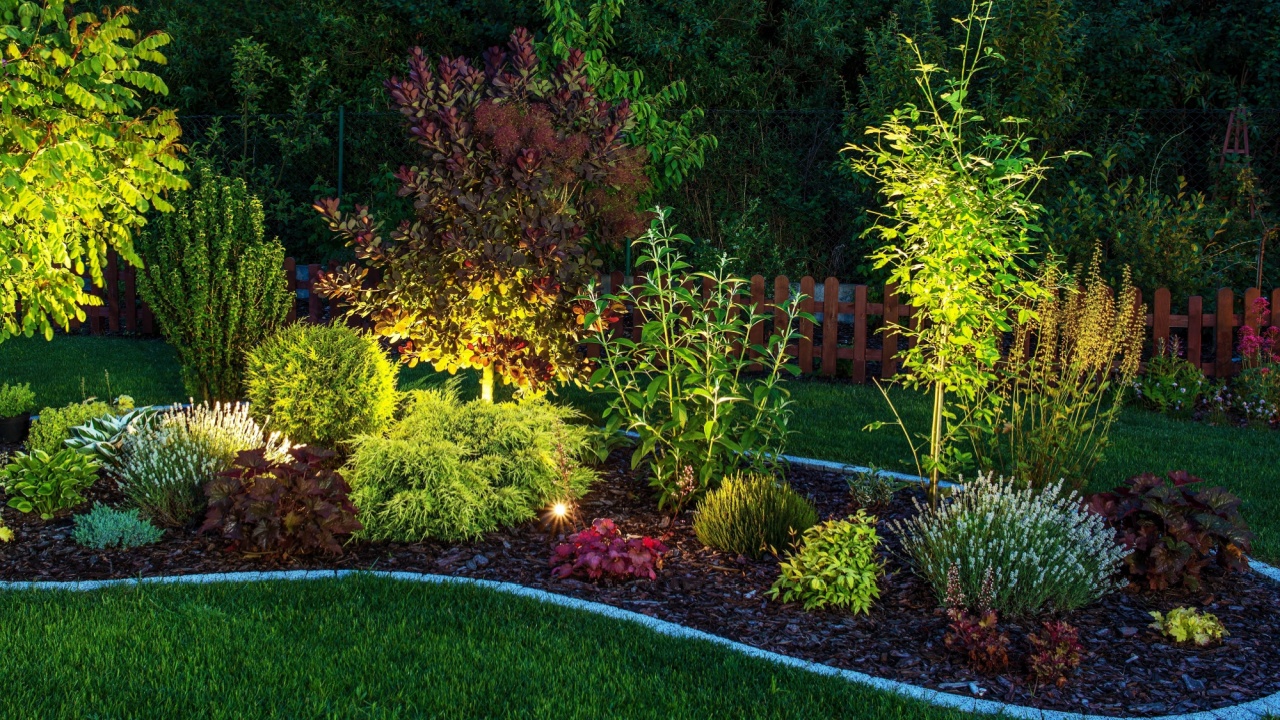
As daylight hours shorten, landscape lighting can transform a garden from a dark, empty space into a magical wonderland. Strategically placed lights highlight interesting textures, cast dramatic shadows, and create a warm, welcoming glow. It’s a simple way to appreciate the garden’s structure long after the sun has set.
- Why it’s a good option: Extends the time you can enjoy your garden and enhances safety by illuminating paths and steps.
- Good choices: Uplighting for trees, path lights for walkways, and spotlights for focal points like sculptures or interesting bark.
- Care Tips: Opt for low-voltage LED lights for enhanced energy efficiency and longer lifespan. Use a timer to automate when the lights turn on and off. Ensure all fixtures and cords are rated for outdoor use to withstand winter weather.
4. Attract Winter Birds
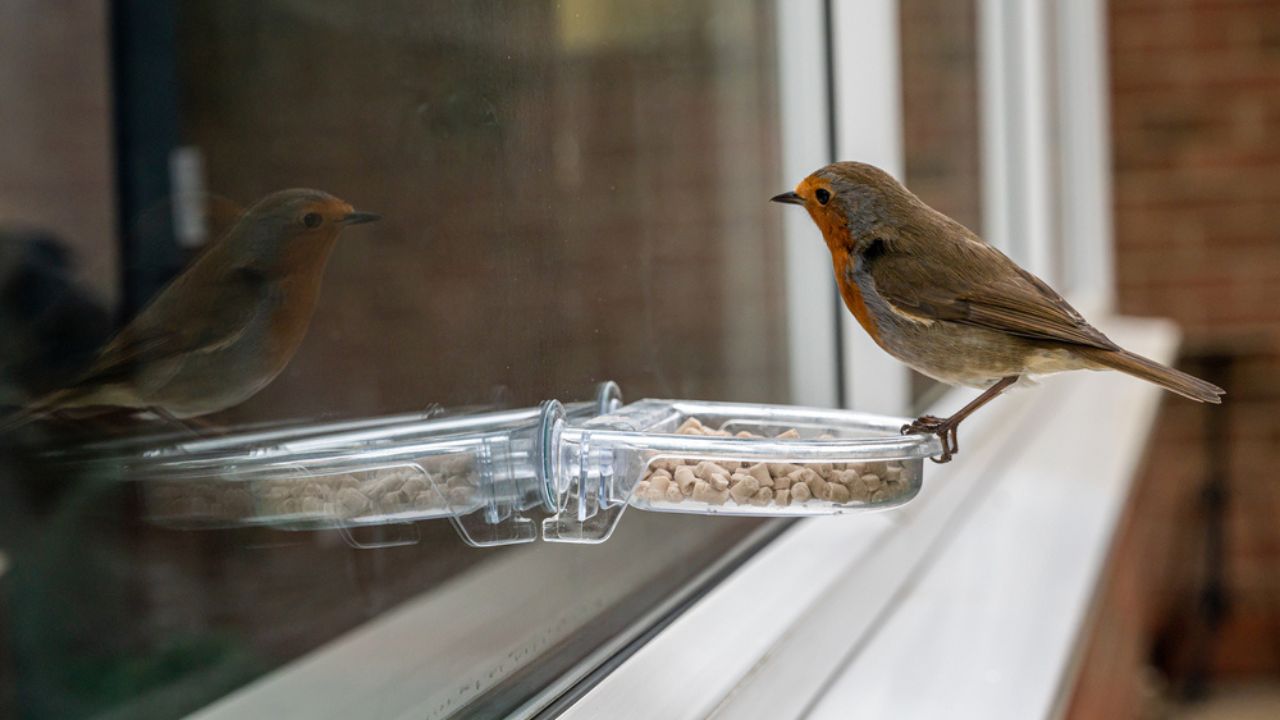
Inviting birds into your garden brings movement, color, and cheerful sounds to the quiet winter landscape. Providing food, water, and shelter turns your yard into a vital habitat for feathered friends when natural resources are scarce. Watching them flit between branches is a delightful winter pastime. Check with your local extension office for bird-safe feeder placement and cleaning practices.
- Why it’s a good option: Supports local wildlife and adds life and activity to your garden during its quietest season.
- Good choices: A suet feeder for woodpeckers and nuthatches, a tube feeder with black oil sunflower seeds for a wide variety of birds, and a heated birdbath to provide a crucial water source.
- Care tips: Place feeders where you can see them from a window, but also near shrubs or trees to offer birds protection from predators. Keep feeders clean to prevent the spread of disease, and ensure the birdbath remains filled.
5. Incorporate Winter-Flowering Plants
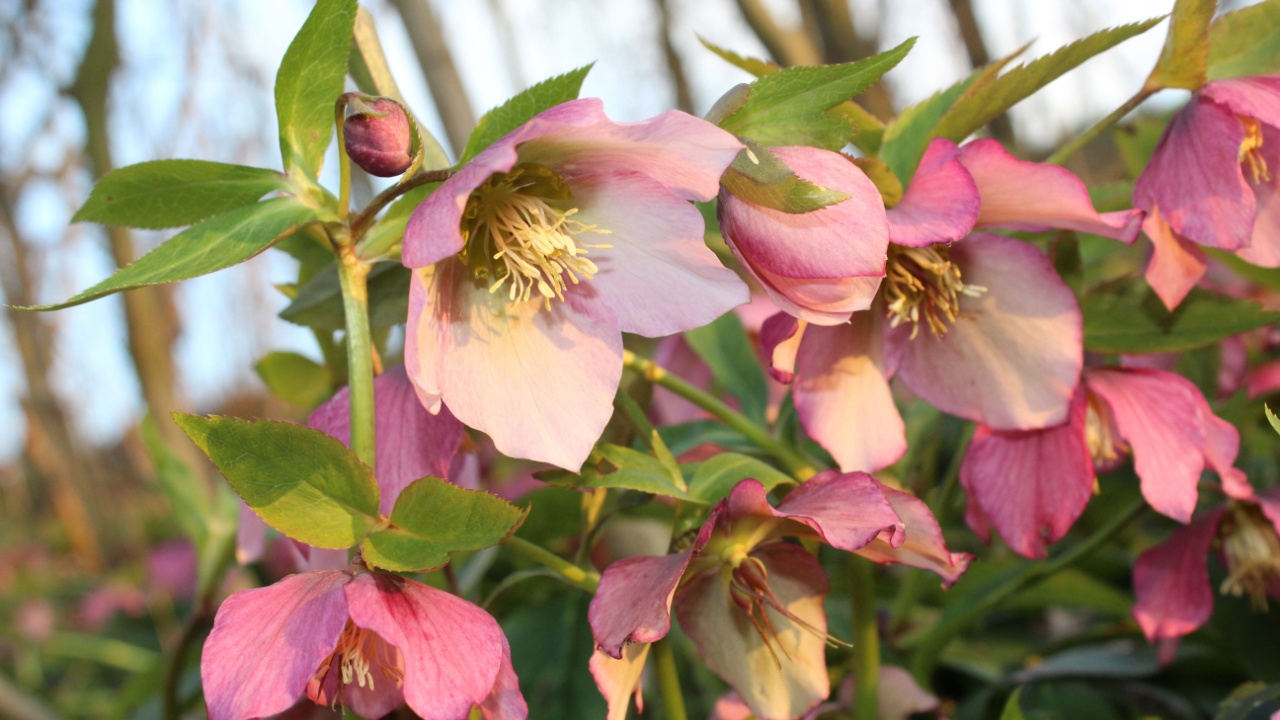
Flowers in winter? Absolutely. Several hardy perennials and shrubs are adapted to bloom in the cold, bringing unexpected color and fragrance to the garden. These tough bloomers offer a welcome surprise and a reminder that life persists even on the coldest days.
- Why it’s a good option: Adds spots of bright color and sometimes sweet scents to an otherwise muted palette.
- Good choices: Hellebores (Lenten Rose), winter jasmine, witch hazel, and camellias (in appropriate zones).
- Care tips: Plant in a location protected from harsh winter winds. Hellebores appreciate rich, well-drained soil in a partly shaded spot. Witch hazel offers wonderful fragrance and interesting, spidery blooms.
6. Build a Cold Frame
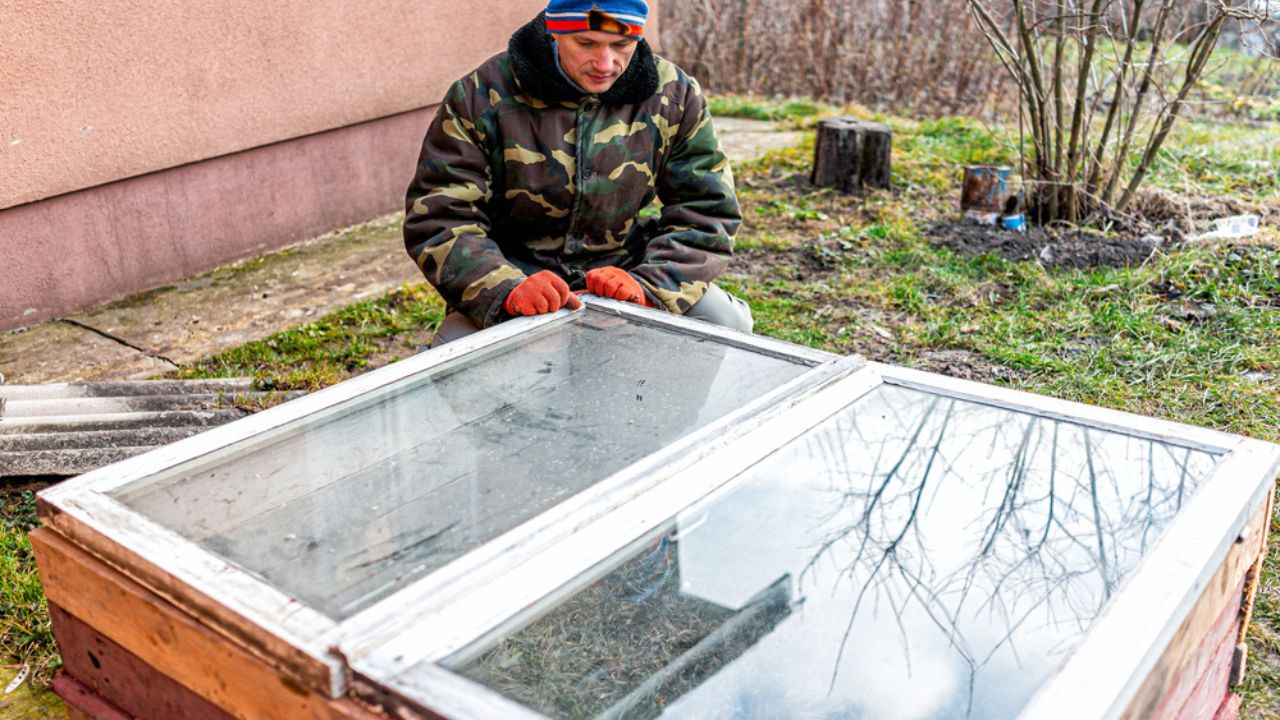
A cold frame is essentially a mini-greenhouse that sits on the ground. It’s a bottomless box with a transparent lid that traps solar heat and protects plants from wind, snow, and extreme cold. This simple structure is perfect for hardening off seedlings in spring and extending the growing season for cool-weather crops in fall and winter.
- Why it’s a good option: An affordable way to grow fresh greens year-round and get a head start on spring planting.
- Good choices: Ideal for growing lettuce, spinach, arugula, and other hardy salad greens through the winter.
- Care tips: Position the cold frame in a sunny, south-facing location. Remember to vent it on sunny days, even in winter, as the internal temperature can get hot enough to cook your plants. A simple stick can prop the lid open.
7. Focus on Interesting Bark and Stems

When leaves are gone, the underlying structure of plants is revealed. Many trees and shrubs boast colorful or textured bark that becomes a primary feature in winter. Choosing plants for their winter skeletons adds another layer of design interest that shines when other plants are dormant.
- Why it’s a good option: Creates a striking visual appeal and texture that is only visible in winter.
- Good choices: Red-twig or yellow-twig dogwood, paperbark maple, river birch, and coral bark Japanese maple.
- Care tips: To encourage the brightest color on dogwood stems, prune out the oldest third of the stems in early spring. This stimulates the growth of new, more vibrant shoots.
8. Add Garden Art and Structures

Man-made elements can become focal points in the winter garden. A trellis, an empty urn, a stone bench, or a sculpture takes on new prominence when not competing with summer foliage. These structures provide height, form, and a sense of permanence in the landscape.
- Why it’s a good option: Provides year-round interest and personality, giving the eye a place to rest.
- Good choices: A sturdy arbor, a decorative birdhouse, a metal sculpture, or a collection of elegant pottery.
- Care tips: Choose materials that can withstand winter moisture and freeze-thaw cycles, such as stone, metal, or high-quality cast concrete. Protect delicate terra cotta pots by storing them in a garage or shed.
9. Utilize Window Boxes for Winter Displays
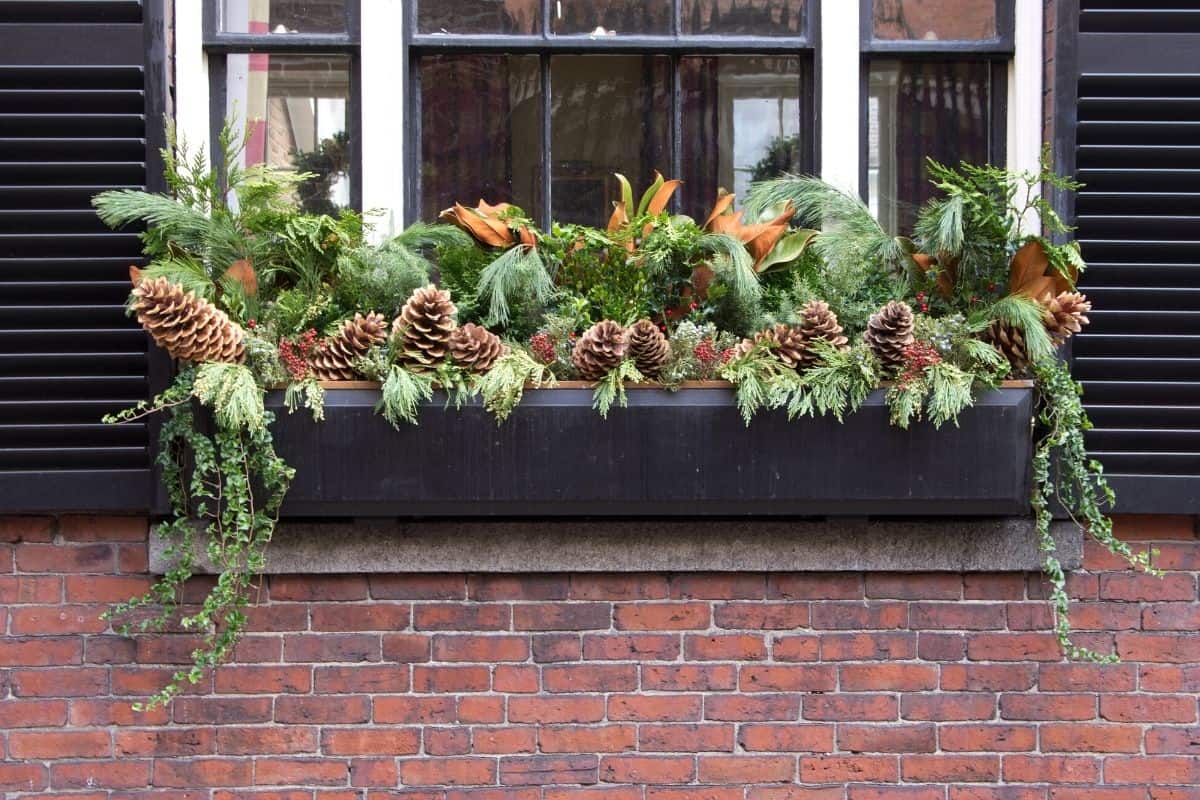
Window boxes don’t need to sit empty all winter. They can be filled with a beautiful arrangement of evergreen cuttings, colorful twigs, pinecones, and hardy plants. This creates a small, elevated garden that you can enjoy up close from inside your home.
- Why it’s a good option: Brings the garden’s beauty right to your window, adding cheer to both the interior and exterior of your home.
- Good choices: Dwarf evergreens like Alberta spruce, small boxwoods, trailing ivy, and cuttings of holly and red-twig dogwood.
- Care tips: Ensure the window box has good drainage. Water the arrangement well after planting and check it periodically during winter thaws, as container plants can dry out.
10. Plant an Indoor Herb Garden

For those who miss the taste of fresh herbs, an indoor herb garden is the perfect winter project. A sunny windowsill can provide enough light for several culinary favorites, giving you fresh flavor for cooking all season long.
- Why it’s a good option: Provides fresh, fragrant herbs for cooking and brings greenery indoors.
- Good choices: Parsley, rosemary, thyme, chives, mint, and oregano are all good candidates for indoor growing.
- Care tips: Use pots with drainage holes and a quality potting mix. Most herbs need at least six hours of direct sunlight per day, so a south-facing window is ideal. Water when the top inch of soil feels dry.
11. Leave Perennials with Good Structure
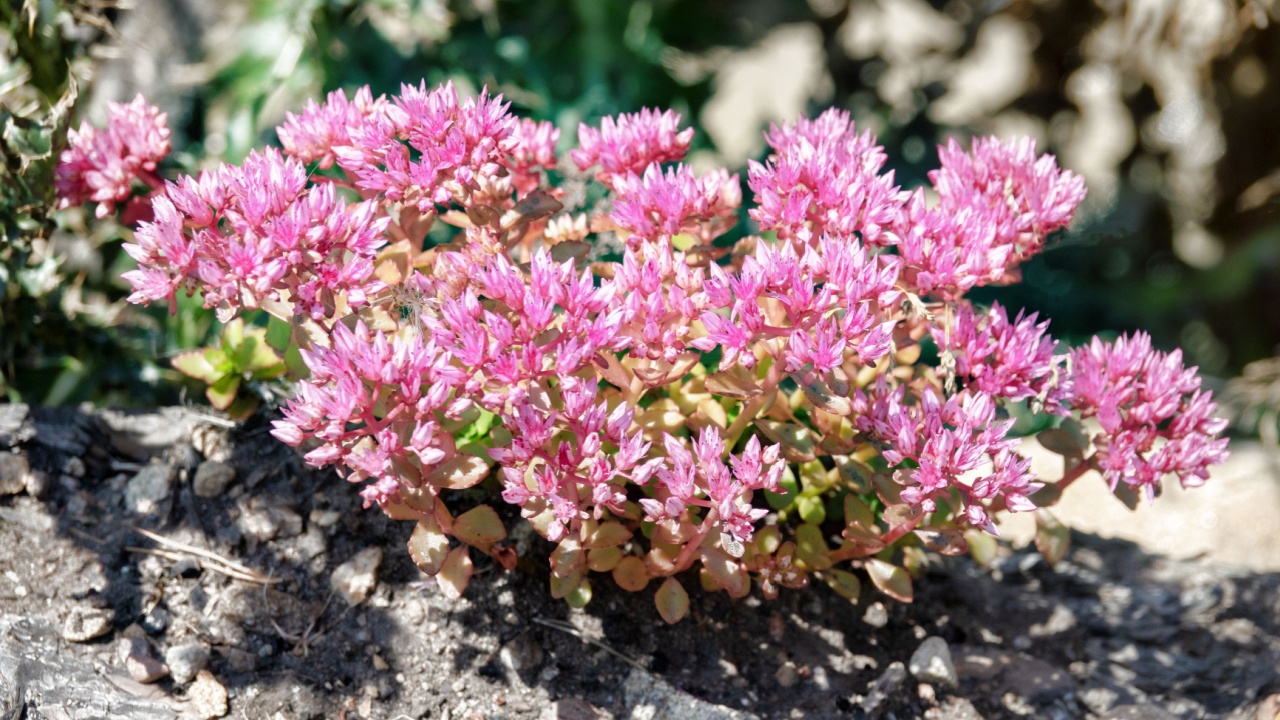
While it’s tempting to cut everything back in the fall, some perennials have sturdy seed heads and stems that look wonderful in the winter. They catch the frost and snow, creating beautiful, intricate patterns. These standing stems also provide shelter for insects and seeds for birds.
- Why it’s a good option: Creates natural, textural beauty and provides a food source for wildlife.
- Good choices: Coneflowers (Echinacea), Black-Eyed Susans (Rudbeckia), sedums, and ornamental grasses.
- Care tips: Simply leave them standing after they finish blooming. The cleanup can wait until early spring, just before new growth emerges. This approach supports a healthier garden ecosystem.
12. Force Bulbs for Indoor Blooms

Forcing bulbs is the process of tricking them into blooming indoors ahead of their natural schedule. It’s a wonderful way to bring the scent and color of spring into your home during the darkest days of winter. A pot of fragrant paperwhites or colorful tulips can be a powerful mood-lifter.
- Why it’s a good option: Provides a fun gardening project and beautiful, fragrant flowers to enjoy inside.
- Good choices: Paperwhites, amaryllis, hyacinths, and tulips. Paperwhites and amaryllis do not require a chilling period, making them the easiest to start with.
- Care tips: Follow specific instructions for each bulb type. Most require a period of cold, dark storage to simulate winter before being brought into a warm, bright room to bloom.
13. Create a Living Fence

A living fence or hedge made of evergreens does more than mark a property line. It acts as a windbreak, reduces noise, provides privacy, and creates a lush, green backdrop for the entire garden year-round. In winter, its solid presence is especially valuable.
- Why it’s a good option: A beautiful, functional, and eco-friendly alternative to a traditional fence.
- Good choices: Arborvitae, yew, juniper, and holly all make excellent evergreen hedges.
- Care tips: Research the mature size of the plant to ensure it fits your space. Prune annually to maintain the desired shape and density. Water well before the ground freezes.
14. Embrace Ornamental Grasses

Ornamental grasses are stars of the four-season garden. Their graceful forms, feathery plumes, and subtle wheat-like colors persist through winter, adding texture and movement. They sway in the wind and look particularly stunning when dusted with frost or snow.
- Why it’s a good option: Provides texture, motion, and sound, and requires very little maintenance.
- Good choices: Feather reed grass (Calamagrostis), switchgrass (Panicum), and little bluestem (Schizachyrium).
- Care tips: Leave the grasses standing all winter for visual interest. Cut them back to a few inches above the ground in late winter or early spring before new shoots appear.
15. Mulch Your Garden Beds
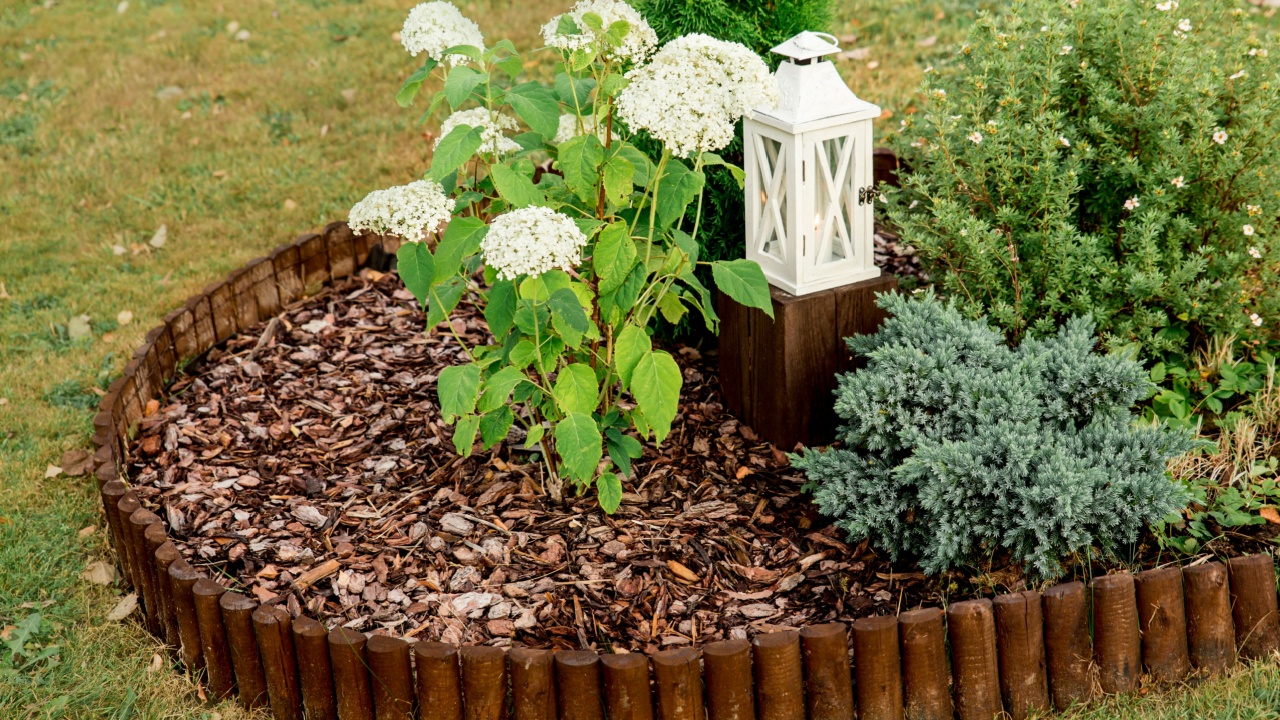
A fresh layer of mulch is not just a summer task. Applying mulch in late fall after the ground has cooled helps to insulate the soil. This protects plant roots from the damaging effects of repeated freezing and thawing cycles. It also gives the garden a neat, tidy appearance through the winter.
- Why it’s a good option: Protects plants, suppresses winter weeds, and improves soil health over time.
- Good choices: Shredded bark, wood chips, pine straw, or shredded leaves.
- Care tips: Apply a 2 to 3-inch layer of mulch around the base of perennials, shrubs, and trees, but avoid piling it directly against the stems or trunk, which can encourage rot.
Getting Your Garden Winter-Ready

A thoughtful winter garden turns a season of dormancy into one of subtle beauty and quiet observation. Begin by assessing your space and deciding which of these ideas resonates most. You can start with one or two additions, like a bird feeder and some evergreen cuttings in a pot. Each small step will help you build a landscape that offers joy and interest through all four seasons.