15 Ingenious Ways to Squirrel-Proof a Bird Feeder
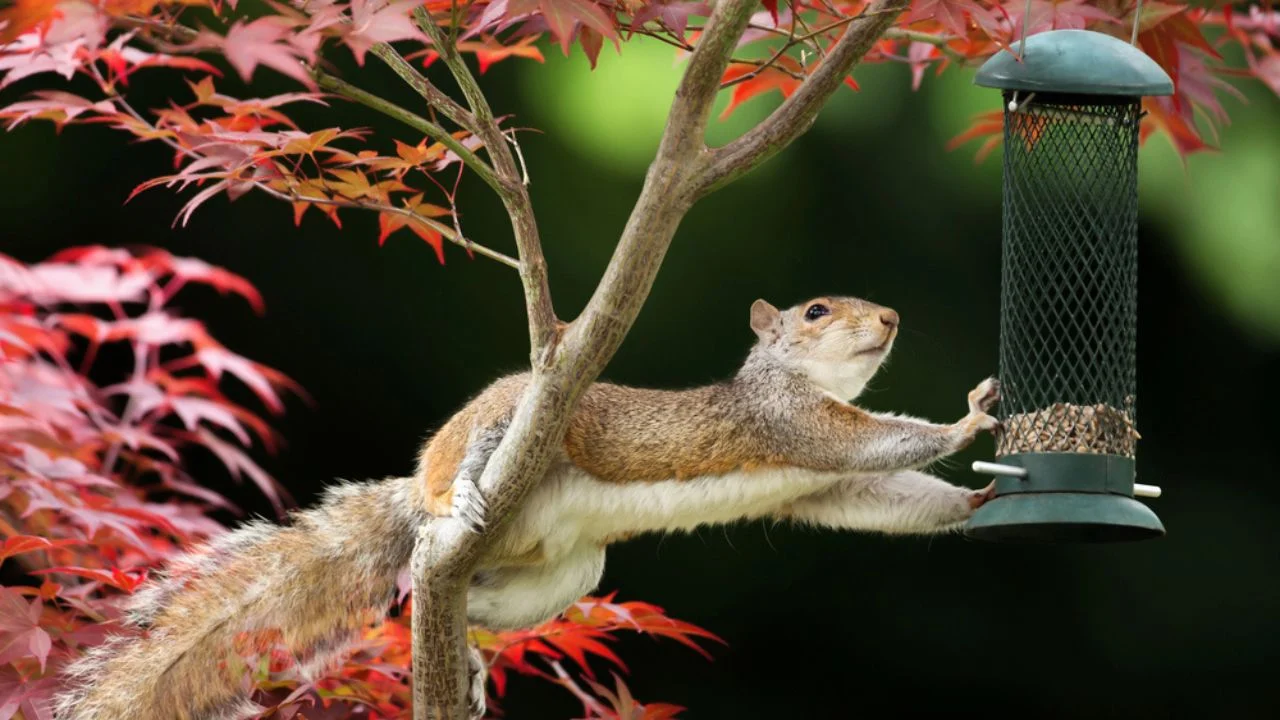
There’s nothing quite like the simple joy of watching colorful birds flock to your backyard feeder. But then, a familiar foe appears: the squirrel. These acrobatic, little thieves can empty a feeder in minutes, leaving nothing for the birds.
If you’re tired of watching squirrels get the best of your bird feeding efforts, you’re in the right place. Keeping these clever critters at bay requires a bit of strategy, but it’s entirely possible to create a bird-friendly, squirrel-free zone.
Here are 15 effective methods to finally outsmart the squirrels and keep the seeds for the birds.
Where We Got This Data
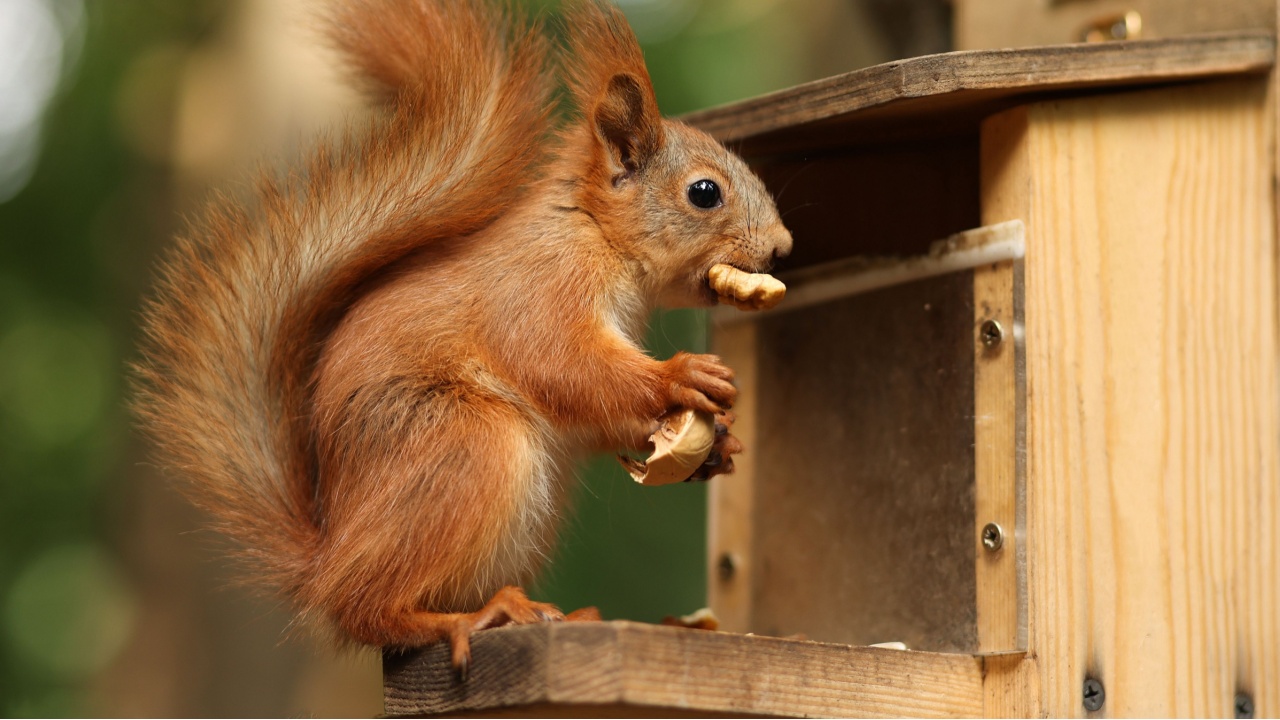
The tips in this article are drawn from a mix of trusted sources, including university extensions, wildlife experts, and established birding organizations. We also reviewed advice from gardening communities and experienced backyard birders. Together, these resources provide practical, research-backed guidance for keeping bird feeders safe, effective, and enjoyable.
1. Get Smart With Feeder Placement
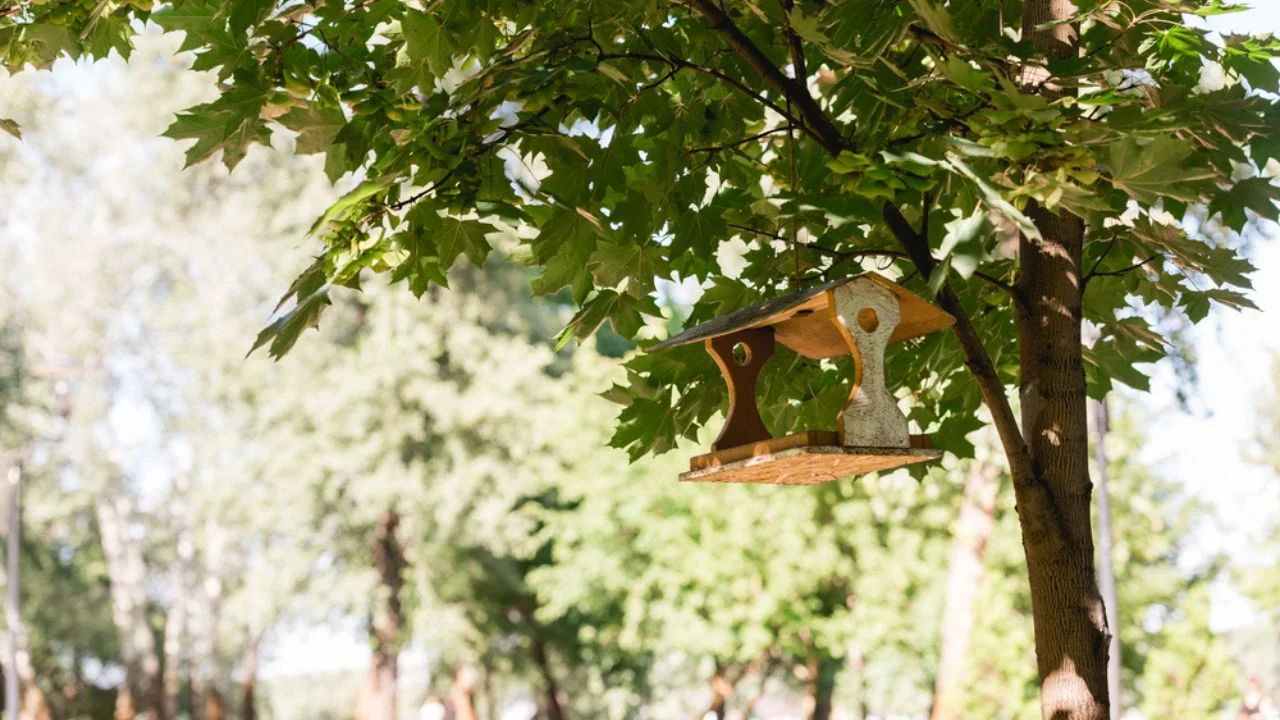
One of the simplest yet most effective strategies is strategic feeder placement. Squirrels are incredible acrobats that can jump about 5 feet vertically and 9 feet horizontally.
To outsmart them, hang your feeder at least 5-6 feet off the ground and 10 feet away from any potential launch points like tree branches, fences, or roofs. Creating this open space makes it an impossible leap for a squirrel.
Quick Scan:
- Height: At least 5-6 feet from the ground.
- Distance: At least 10 feet from trees, fences, and roofs.
- Why it works: It removes easy jumping-off points, making it too far for squirrels to leap.
2. Install a Squirrel Baffle
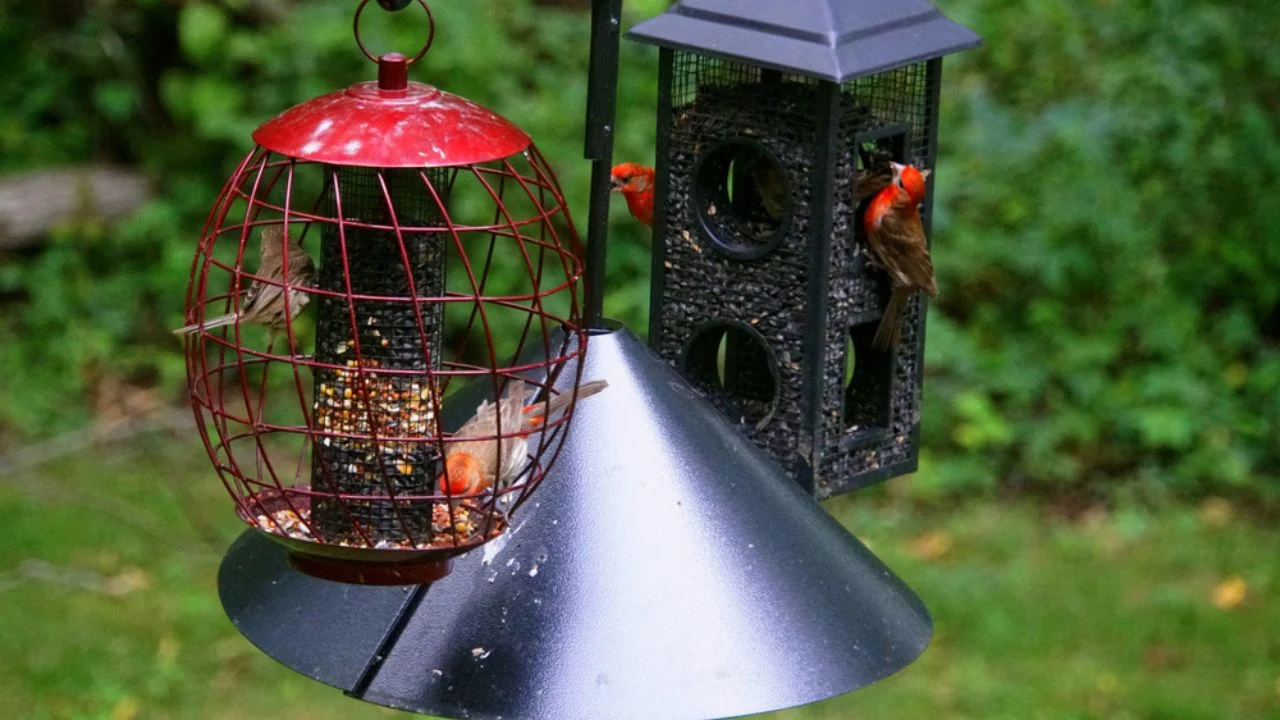
A squirrel baffle is a must-have for any bird enthusiast. These dome or cone-shaped devices attach to the pole above or below your feeder, creating a physical barrier that squirrels can’t get around. When a squirrel tries to climb up the pole, the slippery, angled surface of the baffle sends them sliding back down.
If the feeder is hanging from a branch, a baffle placed above it will block access from above. For maximum effectiveness, the baffle should be at least 15 inches wide and positioned correctly so squirrels can’t simply jump over it.
Quick Scan:
- Types: Dome or cone-shaped shields.
- Placement: Below pole-mounted feeders or above hanging feeders.
- Why it works: The slippery, wobbly surface prevents squirrels from getting a grip to climb past it.
3. Invest in a Squirrel-Proof Feeder
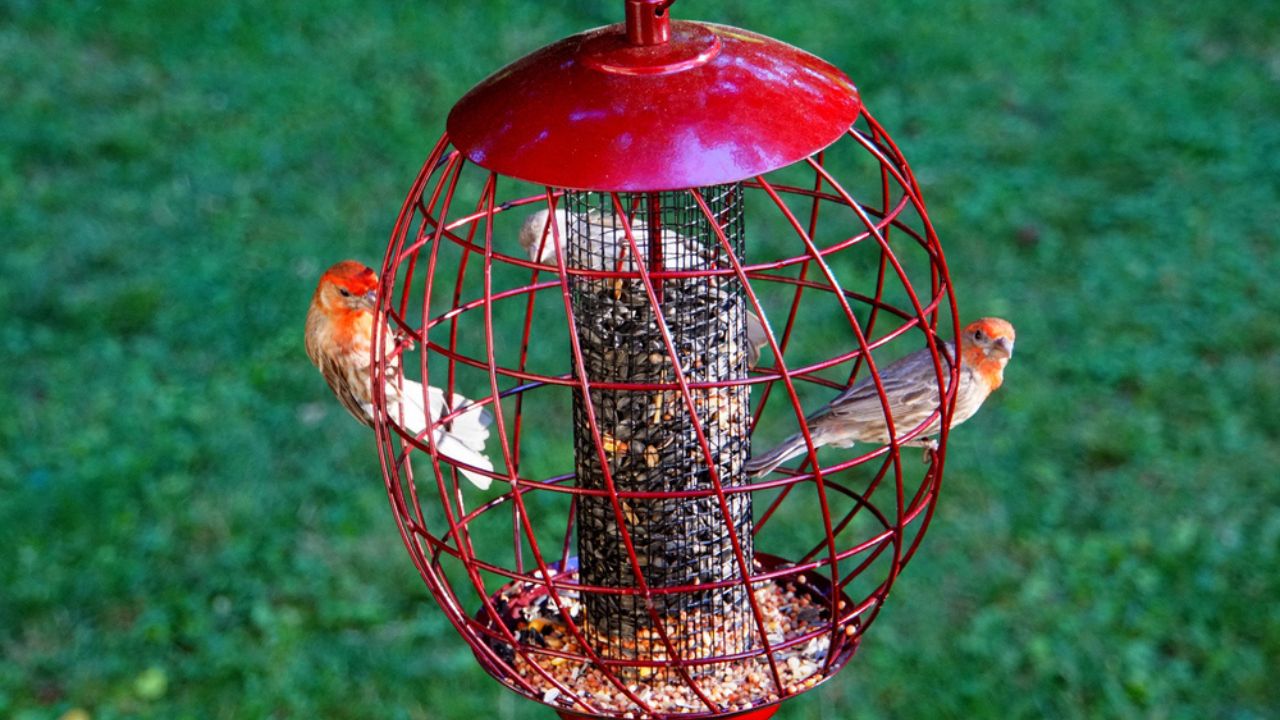
If you’re ready to bring out the big guns, a specially designed squirrel-proof feeder is an excellent investment. These feeders prevent squirrels from accessing food while allowing birds to eat. Weight-activated feeders close when a squirrel lands, and caged feeders block squirrels with a wire barrier birds can slip through.
Quick Scan:
- Mechanism: Weight-activated perches or spinning features.
- Design: Cages with small openings that only birds can fit through.
- Why it works: These feeders use the squirrel’s own weight against it or create a physical barrier they can’t bypass.
4. Spice Things Up with Hot Pepper

Here’s a fascinating biological fact: birds are completely unaffected by capsaicin, the compound that makes chili peppers spicy. Mammals, including squirrels, feel the heat intensely. You can use this to your advantage by mixing cayenne pepper or hot pepper flakes directly into your birdseed.
Birds will eat it without issue, but squirrels will take one bite and decide to find their meal elsewhere. You can buy pre-treated “hot” birdseed or simply add the spice yourself. It’s a safe, natural, and highly effective deterrent.
Quick Scan:
- Ingredient: Capsaicin (found in cayenne pepper or chili powder).
- Method: Mix spicy powder into your birdseed.
- Why it works: Birds can’t taste the heat, but squirrels hate it.
5. Get Playful with a Slinky
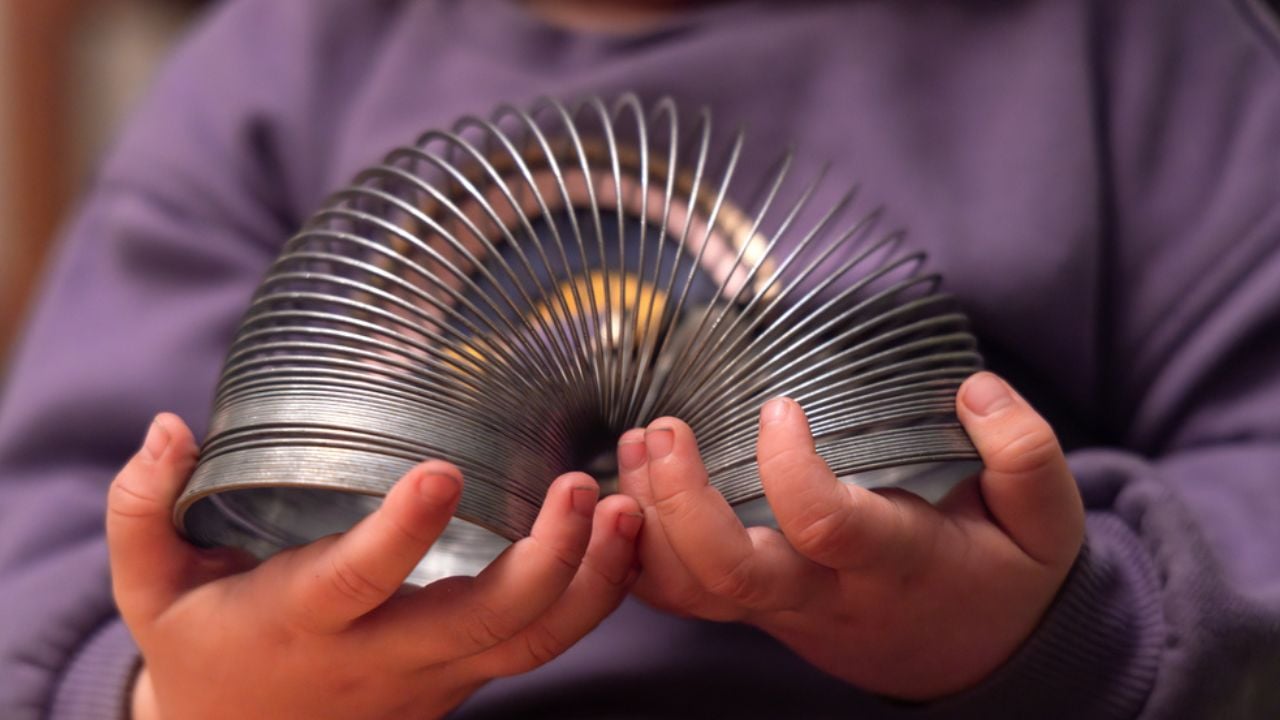
A classic Slinky toy can be a surprisingly effective and hilarious squirrel deterrent. Simply thread the metal toy over your feeder pole, attaching the top just below the feeder.
When a squirrel tries to climb the pole, the Slinky will stretch and bounce, creating an unstable surface that sends the squirrel safely back to the ground.
Quick Scan:
- Tool: A metal Slinky toy.
- Set-up: Slide the Slinky over the feeder pole, securing it at the top.
- Why it works: The unstable, springy nature of the Slinky prevents squirrels from climbing the pole.
6. Offer Safflower Seeds
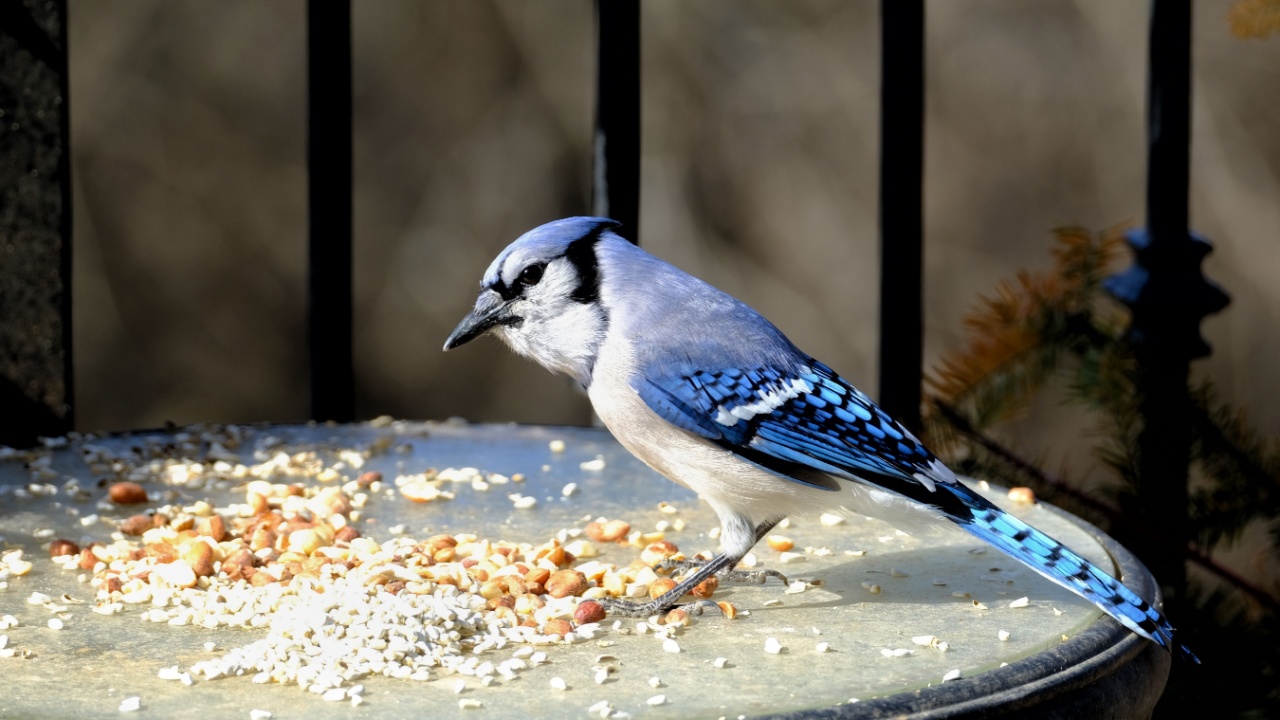
Sometimes, the solution is as simple as changing the menu. Squirrels are notoriously picky eaters, and they have a strong dislike for the taste of safflower seeds. Many popular backyard birds, such as cardinals, chickadees, and finches, find safflower seeds delicious.
By filling your feeder exclusively with safflower, you make it an unattractive buffet for squirrels while still providing a tasty meal for your feathered guests. It’s a passive but highly effective way to keep your feeder squirrel-free.
Quick Scan:
- Seed Type: Safflower seeds.
- Method: Replace sunflower seeds or mixed seeds with safflower.
- Why it works: Many birds love safflower seeds, but squirrels find them bitter and unappealing.
7. Hang Feeders with a Fishing Line
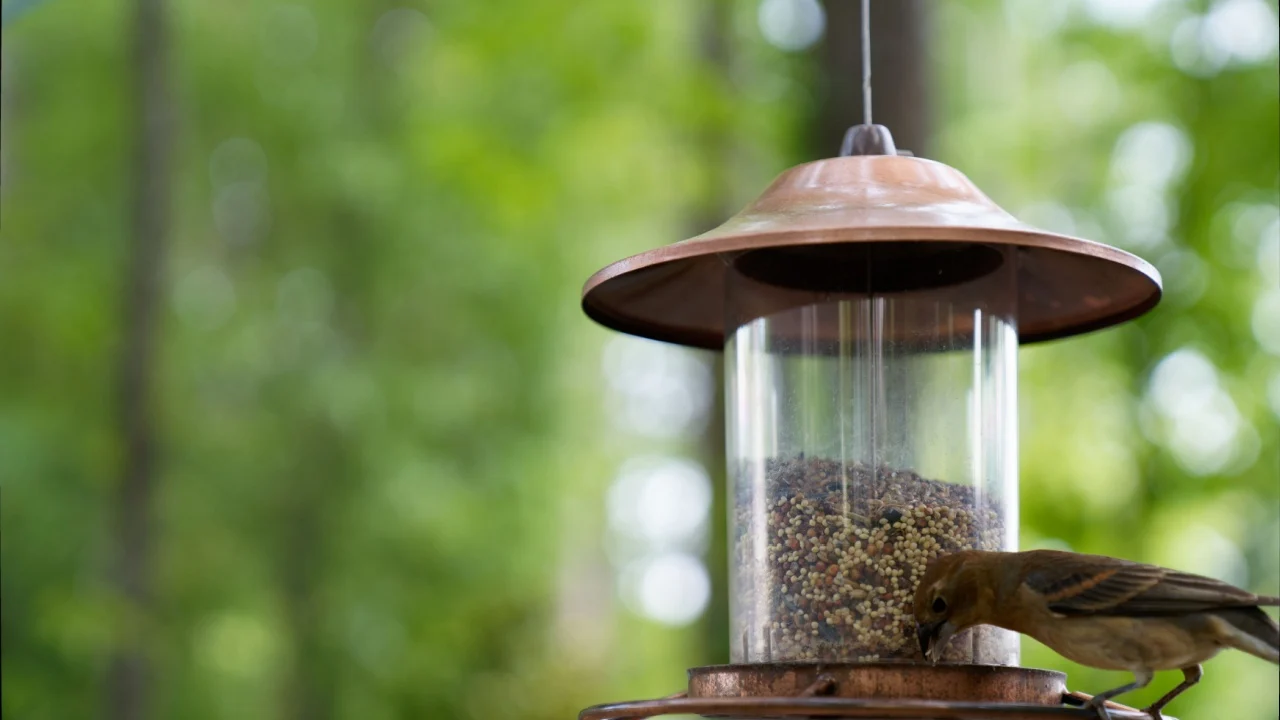
For a subtle and clever approach, try hanging your bird feeder using a strong fishing line. Stretch the line tightly between two trees or posts, ensuring it’s high off the ground. The thin, slippery line is extremely difficult for a squirrel to balance on and walk across.
This creates a “floating” feeder effect that is both visually appealing and challenging for squirrels to conquer. Make sure the line is taut and strong enough to support the weight of the feeder and any visiting birds.
Quick Scan:
- Material: Heavy-duty fishing line or thin wire.
- Set-up: Stretch the line tightly between two points and hang the feeder from the middle.
- Why it works: The thin, unstable line is nearly impossible for a squirrel to walk across.
8. Create a Diversion with a Decoy Feeder
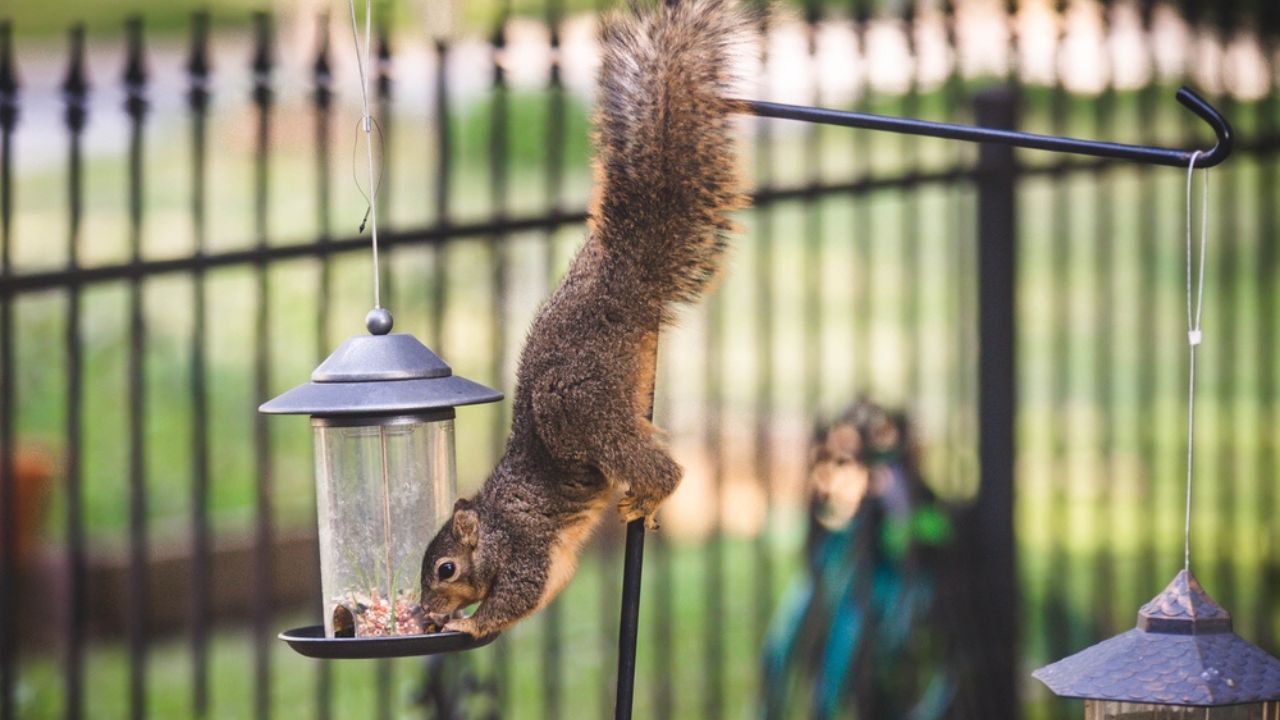
If you can’t beat them, distract them. Set up a “sacrificial” feeder specifically for the squirrels. Place it in an easily accessible location, away from your primary bird feeders, and fill it with cheap squirrel favorites like corn, peanuts, and plain sunflower seeds.
Squirrels are opportunistic and will often go for the easiest meal available. By giving them their own personal buffet, you can lure them away from the more exclusive bird dining areas.
Quick Scan:
- Strategy: Provide an easier, more appealing food source for squirrels.
- Set-up: Place a simple feeder with corn and nuts in a different part of the yard.
- Why it works: Squirrels will opt for the easy-to-reach food, leaving your bird feeders alone.
9. Surprise Them with a Sprinkler
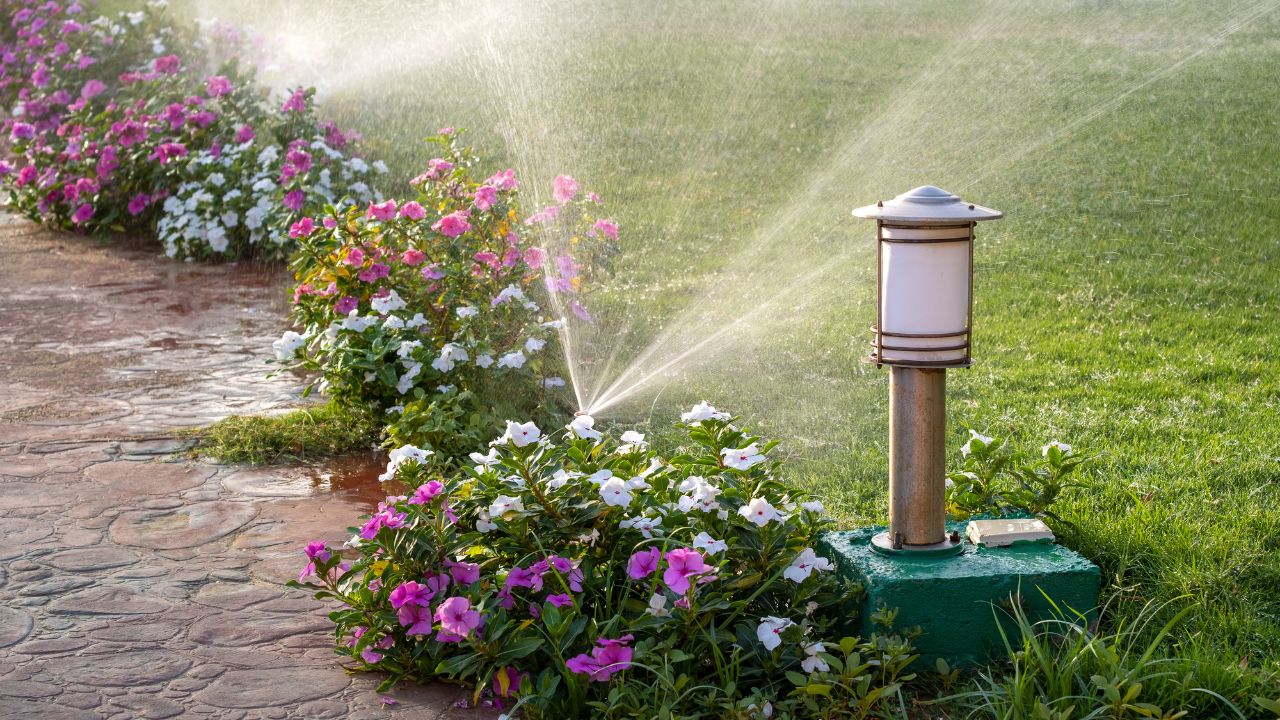
A motion-activated sprinkler is a humane and often amusing way to deter squirrels. Position the sprinkler so it’s aimed at the base of your bird feeder.
When a squirrel approaches, the sensor will trigger a short, surprising burst of water, sending the startled critter scurrying away. Birds are typically too light to set it off, and they won’t be harmed if they do. It’s an eco-friendly solution that keeps your lawn watered and your feeder protected.
Quick Scan:
- Device: A motion-activated sprinkler.
- Placement: Aimed at the area around the feeder pole.
- Why it works: The sudden spray of water startles squirrels without causing any harm.
10. Use a Spinning Feeder
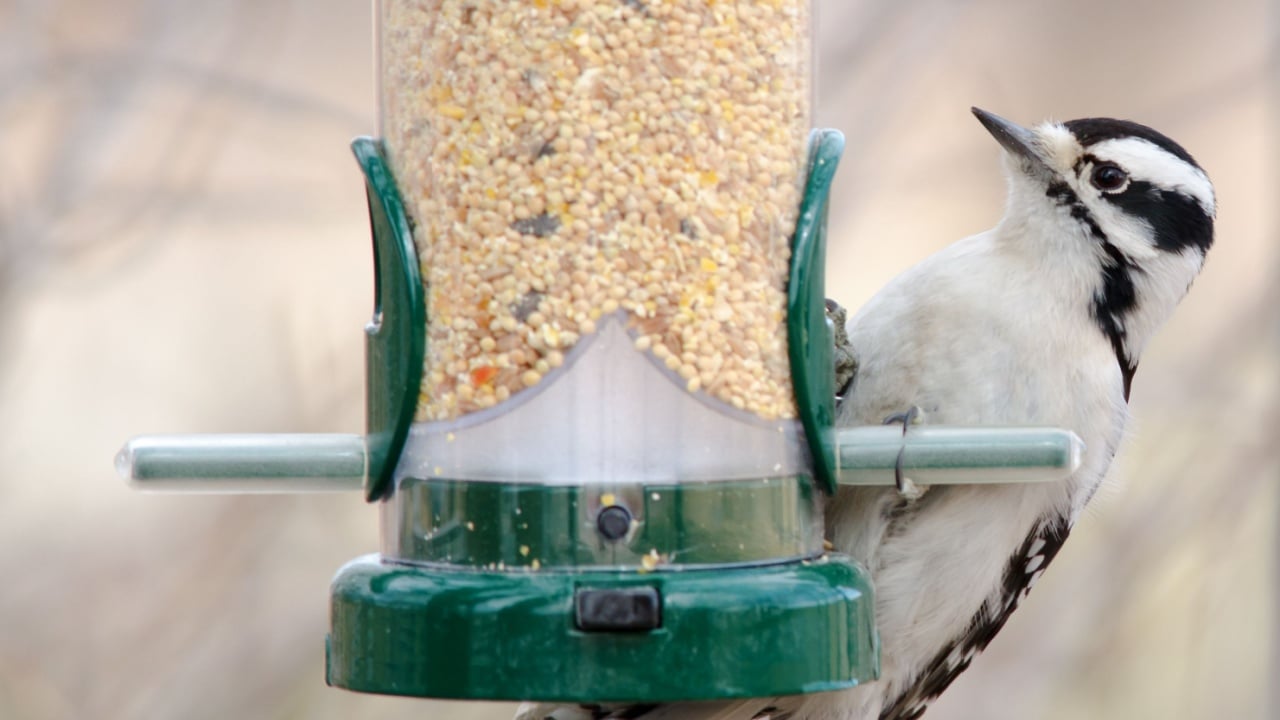
For a truly entertaining solution, consider a spinning feeder. These devices are weight-activated, but instead of closing off the food, they gently spin when a squirrel hops on.
The centrifugal force sends the squirrel on a harmless merry-go-round ride before it hops off. It provides endless amusement for you and effectively trains squirrels that this feeder isn’t worth the effort.
Quick Scan:
- Type: Weight-activated spinning feeder.
- Action: Rotates when a squirrel’s weight is detected.
- Why it works: The spinning motion dislodges the squirrel gently and humanely.
11. Mind the Mess
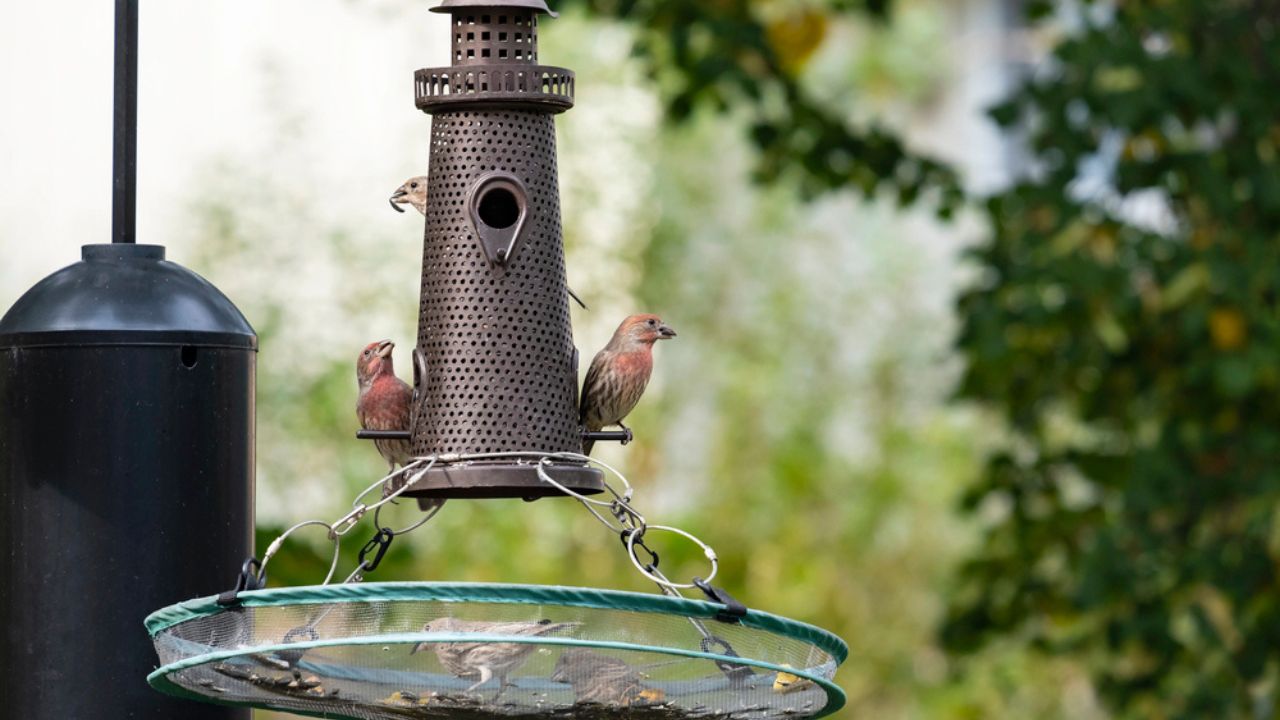
Squirrels are not just attracted to the feeder itself but also to the spilled seeds on the ground below. A clean feeding area is less appealing.
Regularly sweep or rake up fallen seeds to reduce the temptation. You can also attach a seed-catching tray to the bottom of your feeder. This prevents waste but keeps the ground clean, making the area less attractive to squirrels and other unwanted rodents.
Quick Scan:
- Action: Regularly clean up spilled seeds.
- Tool: Add a seed-catching tray to your feeder.
- Why it works: A tidy area offers fewer “freebies” and is less likely to attract squirrels.
12. Create a Scent Barrier
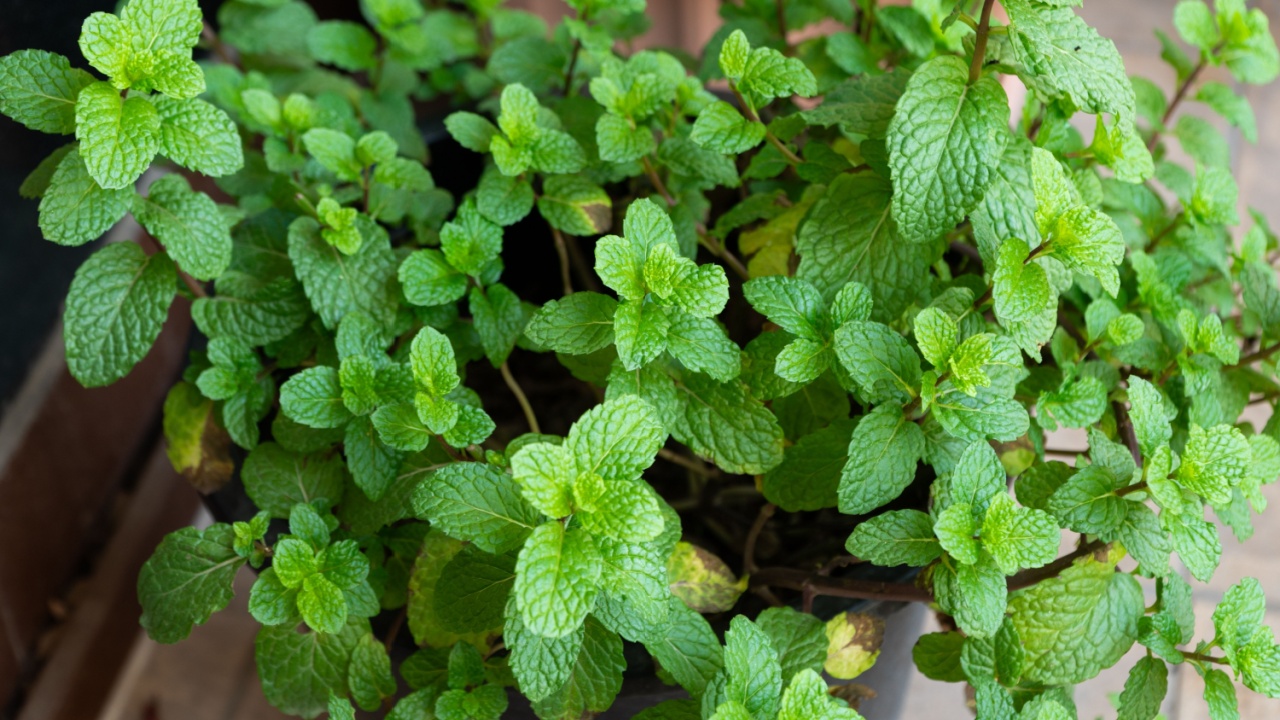
Squirrels have a strong sense of smell and dislike certain odors. You can create a natural scent barrier around your feeder pole to deter them. Spreading pet hair (from a dog or cat) around the base can signal the presence of a predator.
Alternatively, try planting aromatic herbs that squirrels dislike, such as mint, lavender, or geraniums, around the feeder area. It’s a natural way to protect your feeder while beautifying your garden.
Quick Scan:
- Materials: Pet hair, coffee grounds, or predator urine granules.
- Method: Sprinkle the scent deterrent around the base of the feeder pole.
- Why it works: The smell signals danger or is unpleasant, encouraging squirrels to stay away.
13. Use PVC Pipe on the Pole
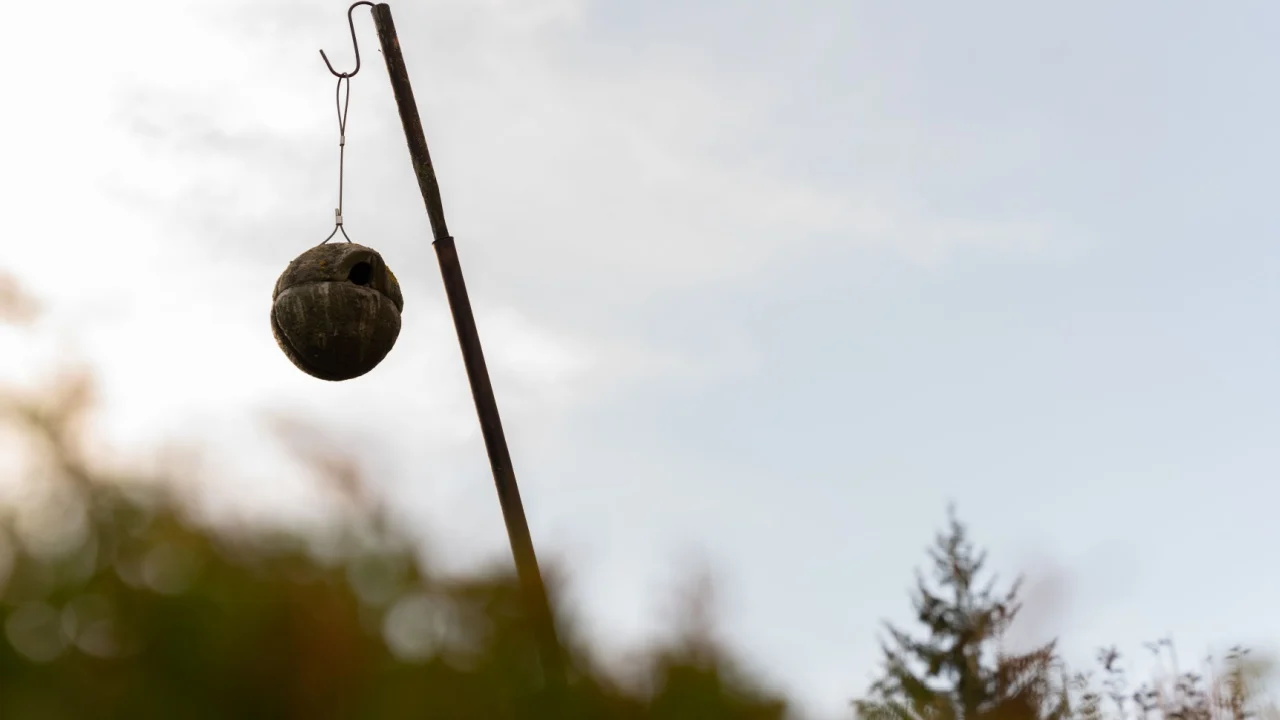
A simple DIY trick involves using a length of PVC pipe. Choose a pipe with a diameter of at least 4-6 inches and slide it over the metal pole of your bird feeder.
The smooth, wide surface of the PVC pipe is too slippery and large for a squirrel to get a good grip on, preventing them from climbing up to the feeder. Ensure the pipe is long enough (at least 4 feet) so they can’t jump past it from the ground.
Quick Scan:
- Material: A wide-diameter PVC pipe.
- Set-up: Slip the pipe over your existing feeder pole.
- Why it works: The surface is too slick and wide for squirrels to grip and climb.
14. Avoid Greasing the Pole
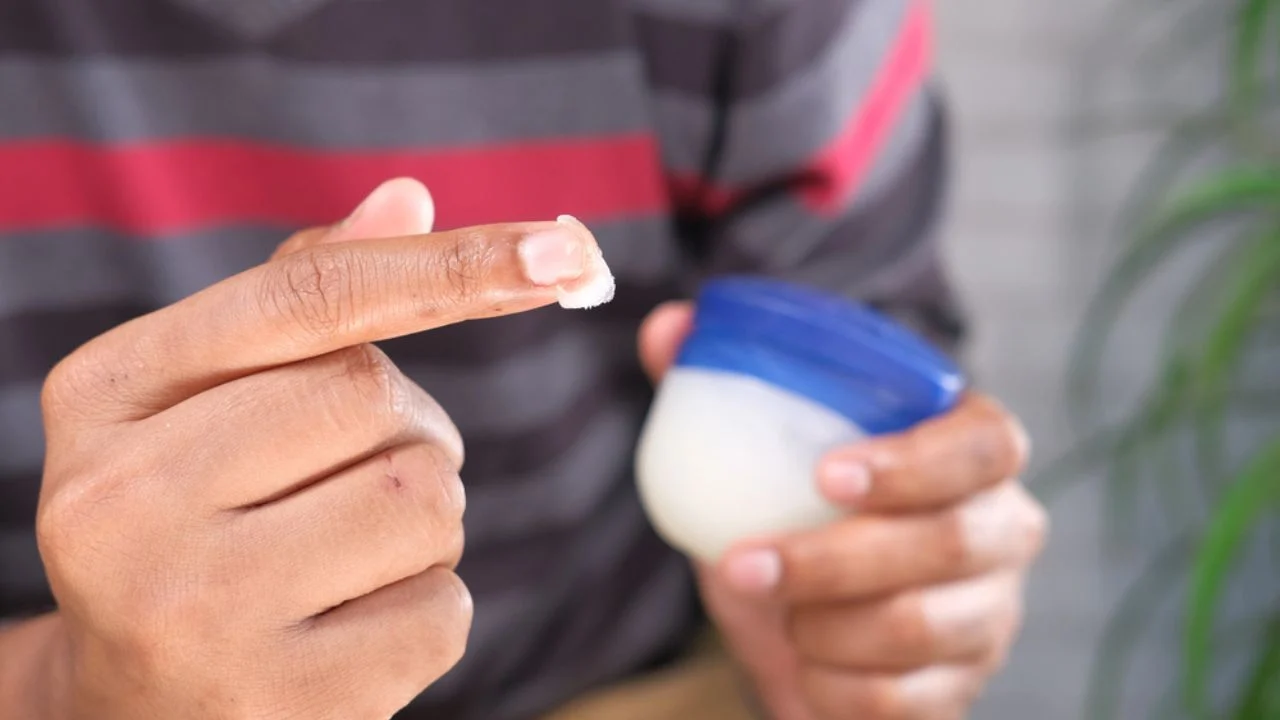
You may have heard of greasing the feeder pole with petroleum jelly or oil. While it can be effective at making squirrels slide down, this method is widely discouraged by wildlife experts.
The grease can get onto the squirrels’ fur, making it difficult for them to stay warm and clean. It can also transfer to birds’ feathers, impairing their ability to fly and stay insulated. It’s best to stick with safer, non-harmful methods like baffles or a Slinky.
Quick Scan:
- Action to Avoid: Applying grease, oil, or petroleum jelly to poles.
- Reason: It can harm both squirrels and birds by matting their fur and feathers.
- Alternative: Use a baffle or PVC pipe for a slippery but safe effect.
15. The “5-7-9 Rule” of Placement
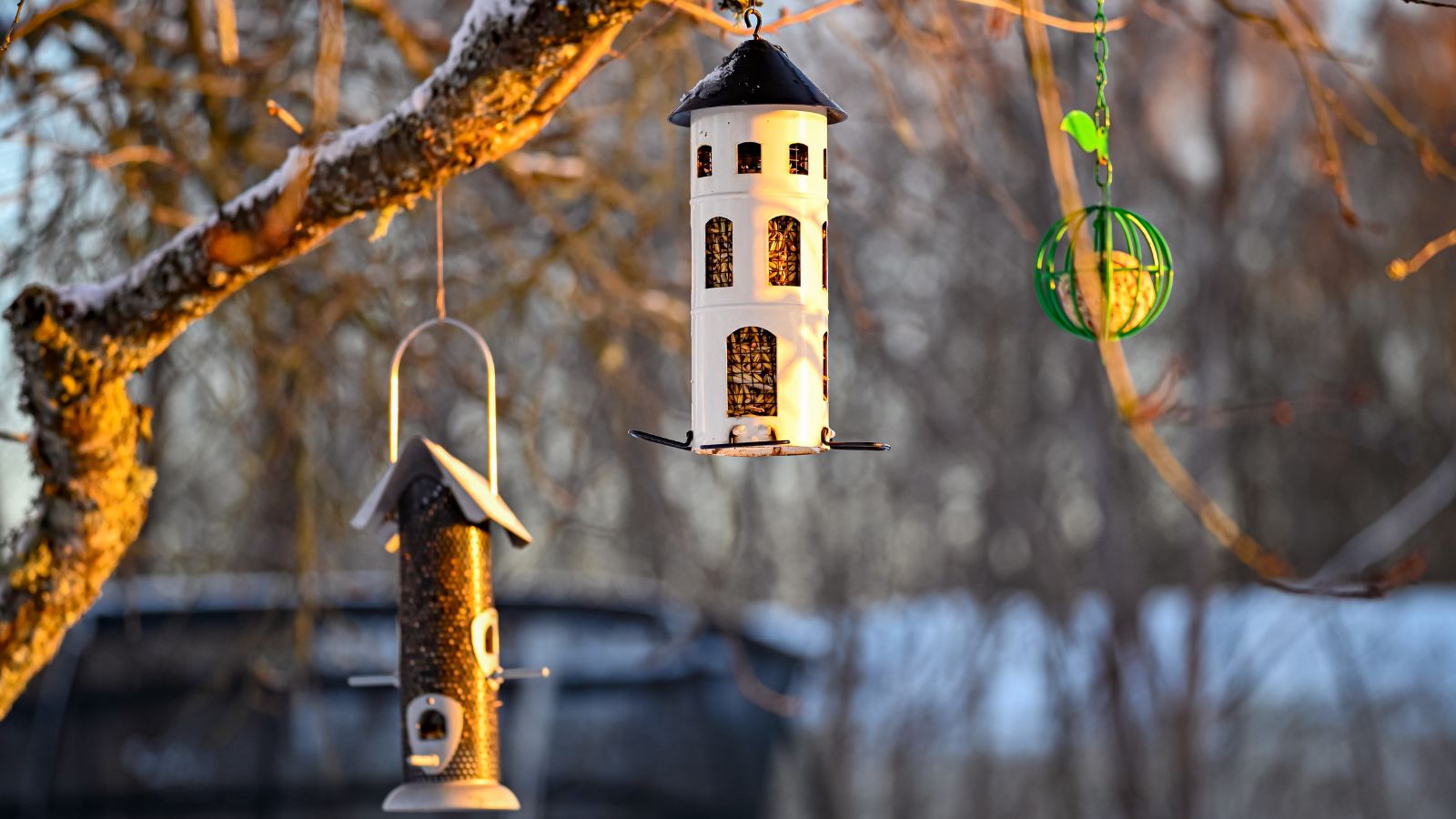
If you remember nothing else, remember this simple rule of thumb for feeder placement. This guideline summarizes the key distances needed to outsmart a squirrel’s athletic abilities: place your feeder at least 5 feet off the ground, 7 feet away from any structure, and know that a squirrel can’t jump more than 9 feet across a horizontal gap.
By combining these measurements, you create a nearly foolproof setup that places your feeder well out of a squirrel’s reach.
Quick Scan:
- 5 Feet: The minimum height from the ground.
- 7 Feet: The minimum distance from any structure a squirrel could climb.
- 9 Feet: The maximum horizontal distance a squirrel can jump.
Keep Squirrels at Bay for Good
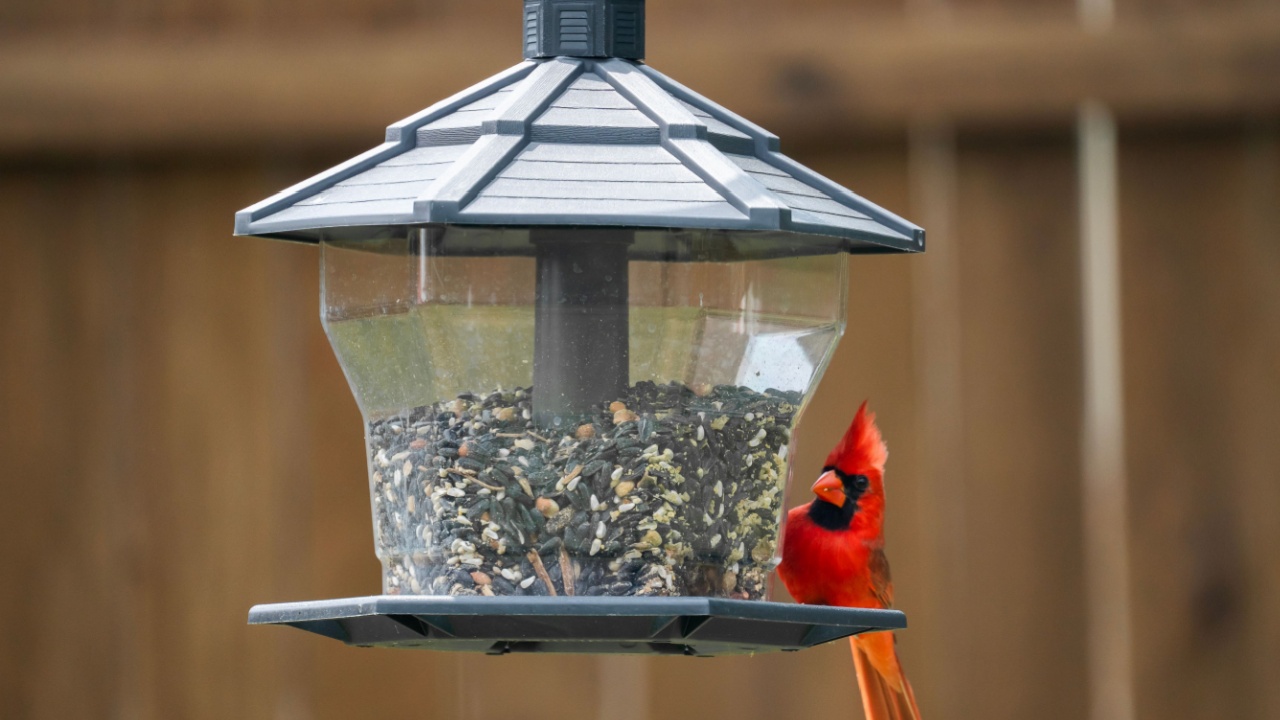
Outsmarting squirrels is a common challenge for backyard birders, but with these tips, you can reclaim your feeder. Start with one or two methods and see what works best for your garden setup.