16 Best Crops for a Survival Garden
Planning a garden that can sustain you requires more than just picking your favorite vegetables. A survival garden is a practical, no-nonsense plot focused on calories, nutrition, and storability. It’s about choosing plants that work hard, produce reliably, and can be preserved for the long haul.
Building one is a rewarding project that connects you to your food source in a fundamental way. It’s a garden with a purpose, designed to provide security and substance when it matters most. Does that sound like your dream? This guide will walk you through sixteen dependable crops that form the backbone of a successful survival garden.
1. Potatoes
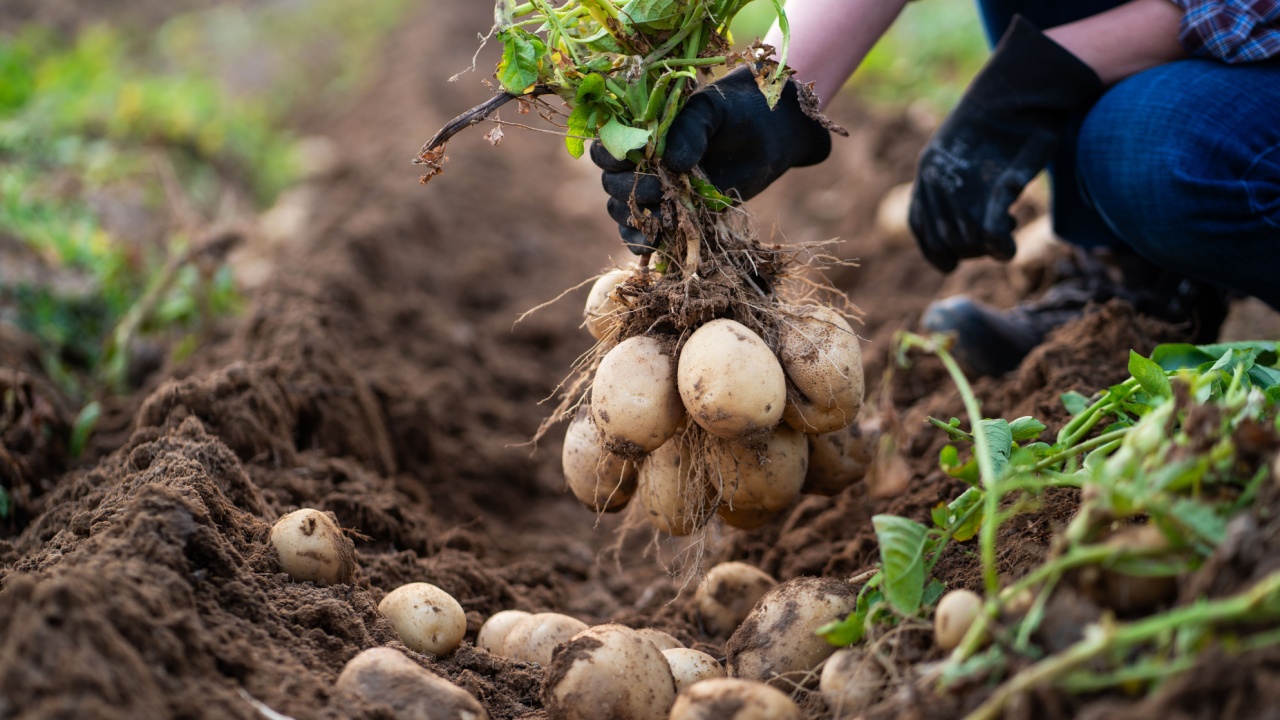
Potatoes are the foundation of many food-focused gardens for a reason. They are incredibly calorie-dense and packed with nutrients like potassium and vitamin C. Growing them is straightforward; they can thrive in raised beds, in-ground plots, or even large containers.
A small patch of potatoes can yield a substantial harvest, making them one of the most efficient crops for space-conscious gardeners. Their versatility in the kitchen is unmatched, as they can be baked, boiled, fried, or mashed. For long-term storage, they just need a cool, dark, and dry place.
Quick Glance:
- Why It’s a Good Option: High calorie yield per square foot.
- Care Tips: Plant seed potatoes in well-drained, loose soil. Hill the soil up around the base of the plants as they grow to protect the developing tubers from sunlight.
- Next Steps: Cure harvested potatoes for about two weeks in a dark, humid spot before moving them to long-term storage.
2. Corn
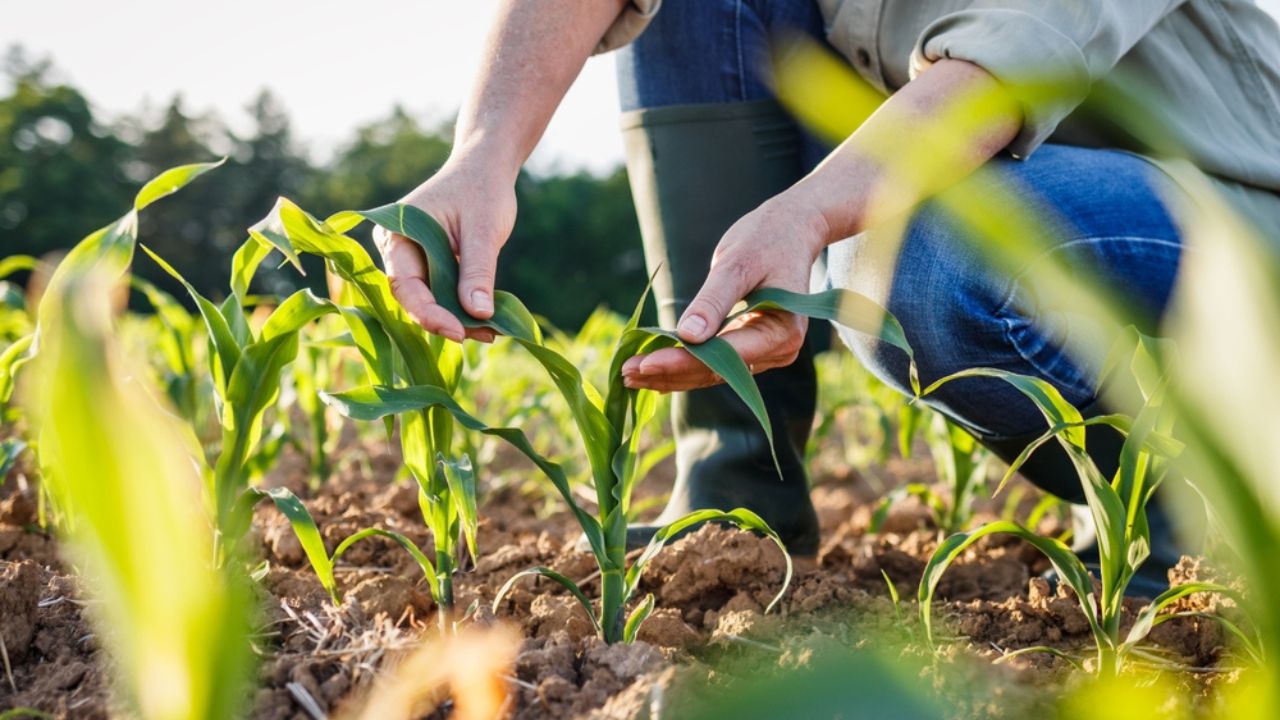
Corn is a powerhouse of carbohydrates and a staple crop for self-sufficiency. It can be eaten fresh, but its true value in a survival context lies in its ability to be dried and stored indefinitely. Dried kernels can be ground into cornmeal for breads, grits, or polenta.
Corn grows best when planted in blocks rather than single rows to facilitate wind pollination. It’s a heavy feeder, so amending the soil with compost before planting will lead to a more robust harvest.
Quick Glance:
- Why It’s a Good Option: Excellent source of calories and can be stored for years when dried.
- Care Tips: Provide consistent water, especially during the critical tasseling stage. Plant in a grid of at least 4×4 for successful pollination.
- Next Steps: Allow the ears to dry on the stalk for as long as possible before harvesting for long-term storage.
3. Beans
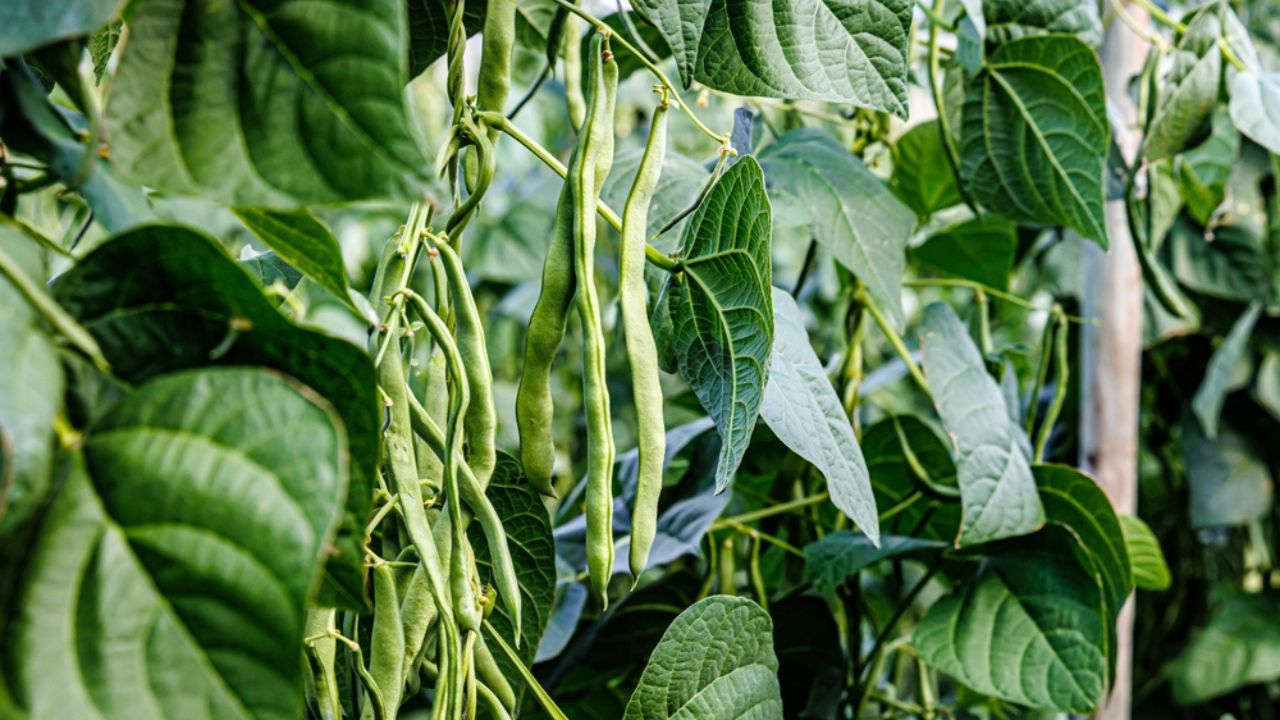
Beans are a survival garden essential due to their high protein content and versatility. You can grow bush beans for a quick, concentrated harvest or pole beans for a continuous supply throughout the season. Pole beans are particularly space-efficient, as they grow vertically on trellises. For storage, dry beans are a perfect choice.
They can be kept for years and provide a reliable source of protein when fresh food is scarce. Beans also improve soil health by fixing nitrogen, which benefits the crops planted in that spot next.
Quick Glance:
- Why It’s a Good Option: High in protein, easy to store, and improves soil fertility.
- Care Tips: Avoid overwatering, which can lead to root rot. Pick pole beans regularly to encourage more production.
- Next Steps: Let pods dry completely on the vine before shelling the beans for storage. Store them in airtight containers in a cool, dark place.
4. Winter Squash
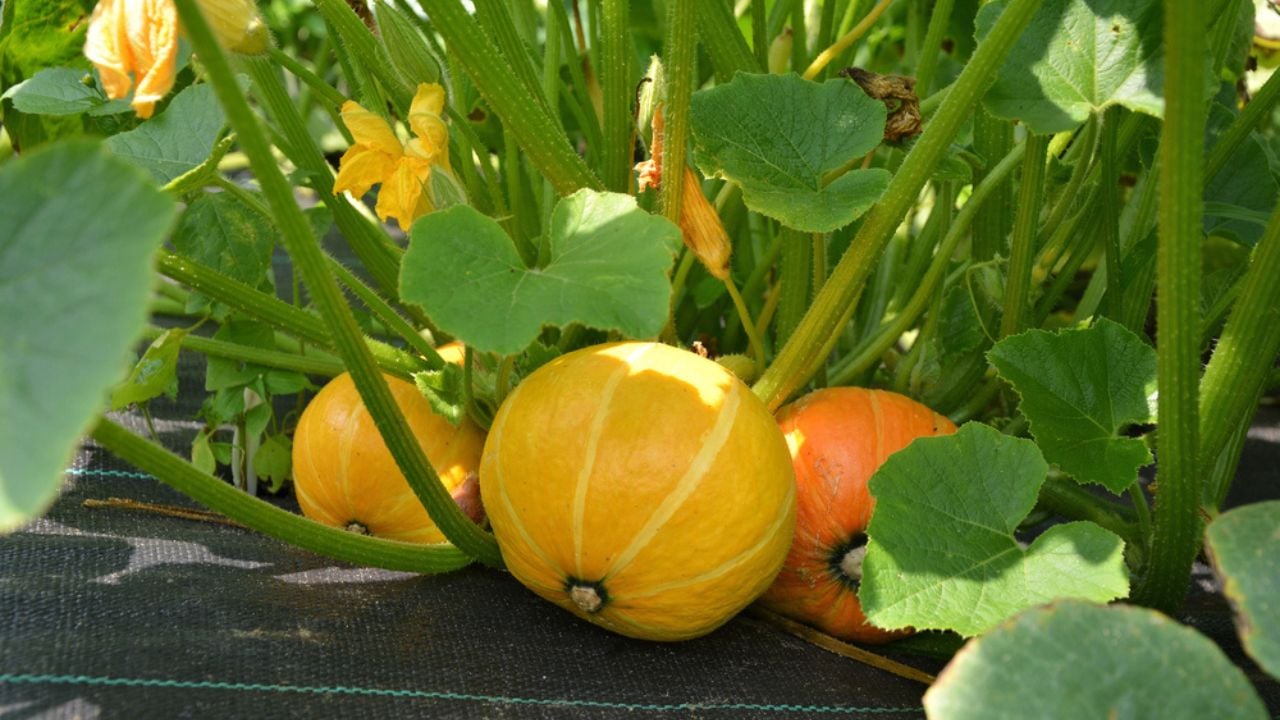
While summer squash is great for fresh eating, winter squash is the star of the survival garden. Varieties like butternut, acorn, and spaghetti squash have thick skins that allow them to be stored for months without any special preservation.
Their sprawling vines can also act as a living mulch, helping to suppress weeds around other plants. Winter squash is rich in vitamins and carbohydrates, providing hearty, nutrient-dense meals throughout the colder months.
Quick Glance:
- Why It’s a Good Option: Exceptional long-term storage capabilities and high nutritional value.
- Care Tips: Give them plenty of space to vine or provide a sturdy trellis. Water deeply and consistently.
- Next Steps: Harvest with a few inches of stem attached and cure in the sun for a week or two to harden the skin for storage.
5. Cabbage
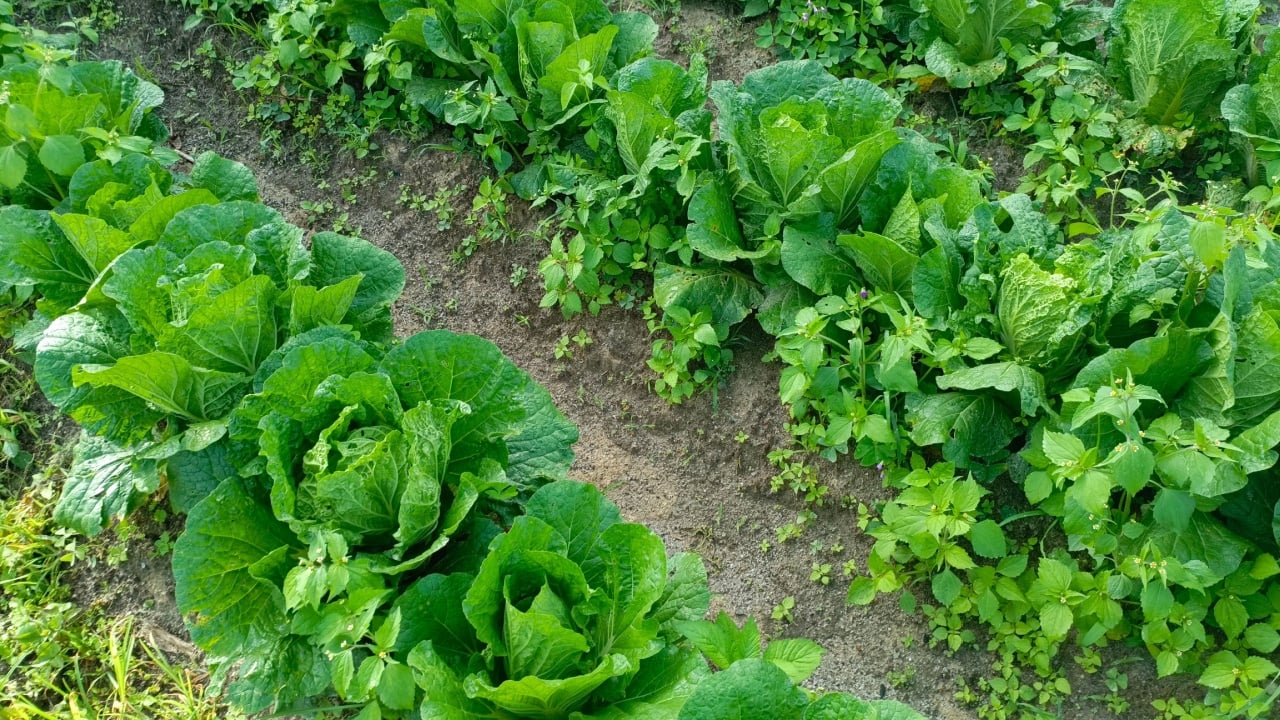
Cabbage is a cool-weather crop packed with vitamins and fiber. It’s a hardy plant that can withstand light frosts, extending your harvesting season. Its dense heads are perfect for fresh salads and slaws, but its real superpower is fermentation. Cabbage is the primary ingredient for sauerkraut and kimchi, two preservation methods that not only extend its shelf life but also enhance its nutritional value with probiotics.
Quick Glance:
- Why It’s a Good Option: Stores well, fresh, and is ideal for fermentation.
- Care Tips: Provide consistent moisture to prevent heads from splitting. Protect from cabbage worms with row covers or manual removal.
- Next Steps: Learn the simple process of making sauerkraut to preserve your harvest for months.
6. Kale
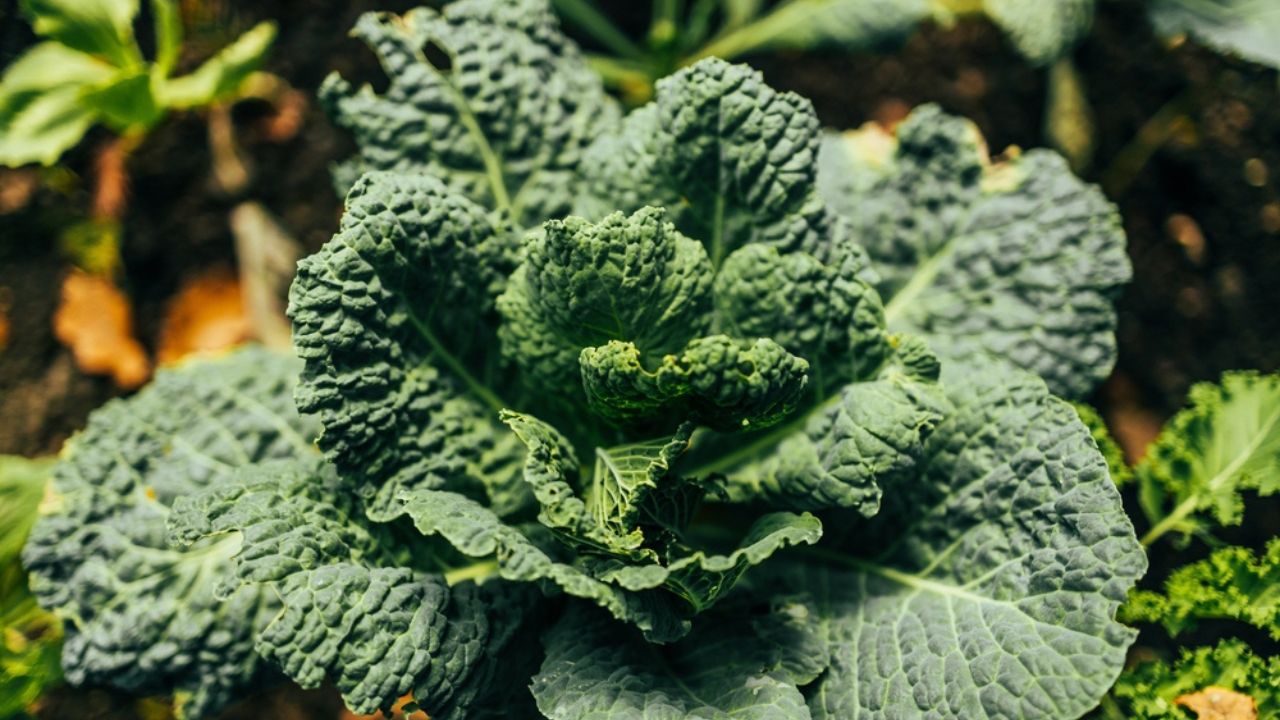
It doesn’t always receive the love it deserves, but kale is a nutritional heavyweight, offering a massive amount of vitamins A, K, and C. It is one of the most cold-hardy greens you can grow, with some varieties surviving under a blanket of snow and tasting even sweeter after a frost.
As a cut-and-come-again plant, you can harvest the outer leaves for months, and the plant will continue to produce from its central stalk. This makes it an incredibly productive and reliable source of fresh greens.
Quick Glance:
- Why It’s a Good Option: Extremely hardy, nutrient-dense, and provides a long harvest season.
- Care Tips: Plant in well-drained soil. Harvest outer leaves to encourage continuous growth.
- Next Steps: For preservation, kale can be blanched and frozen, dehydrated into “kale chips,” or powdered to add to other foods.
7. Sweet Potatoes
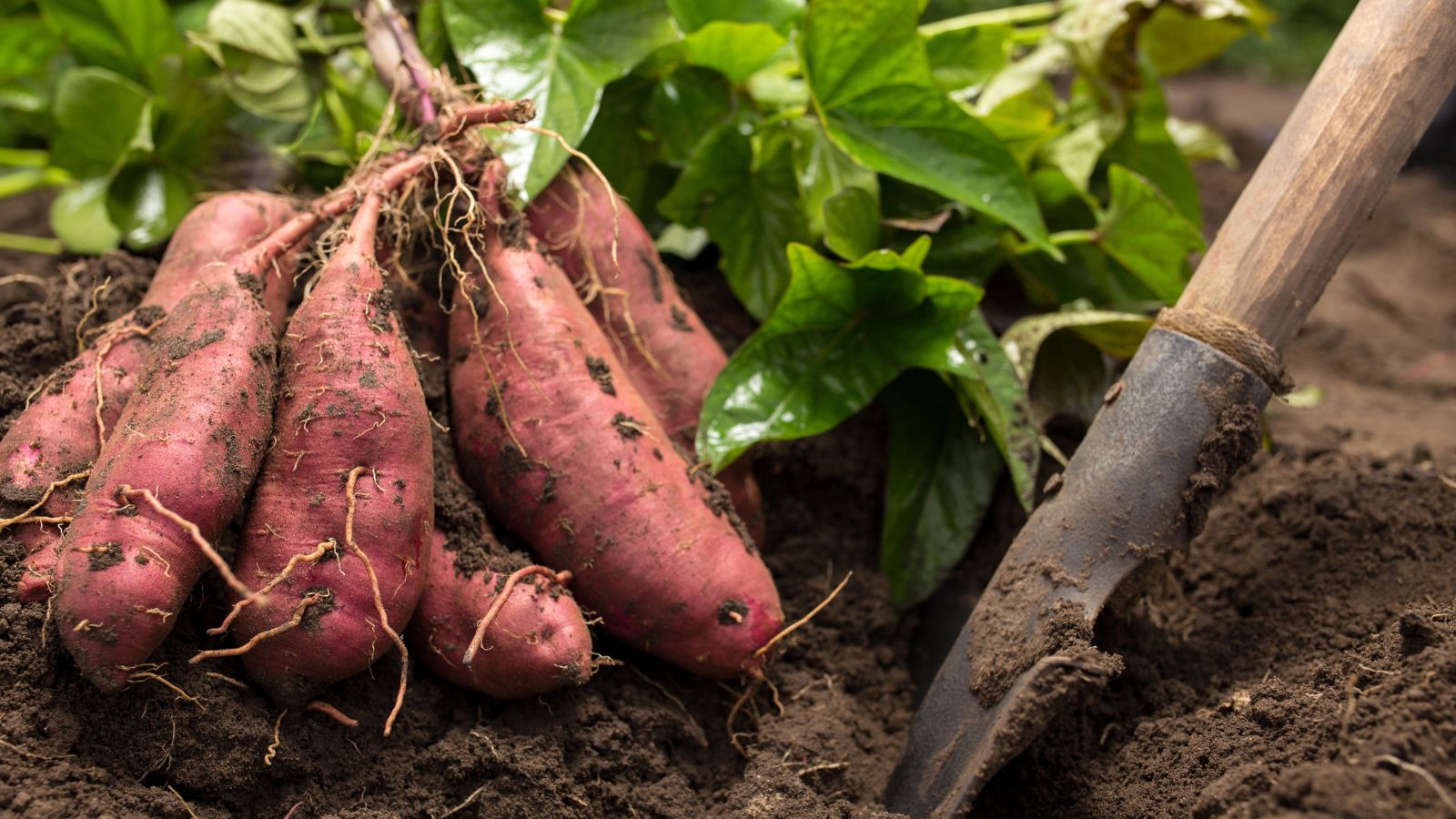
Sweet potatoes are a warm-weather crop that is more nutrient-dense than regular potatoes, offering high levels of vitamin A. A unique feature of the sweet potato plant is that both its roots and its leaves are edible, providing a double harvest from a single plant. The tubers store exceptionally well in a warm, dry place. They are vigorous vining plants, so give them room to spread or grow them in large containers.
Quick Glance:
- Why It’s a Good Option: Provides two harvests (roots and greens) and is packed with nutrients.
- Care Tips: Plant slips after the last frost in warm, loose soil. They require minimal care once established.
- Next Steps: Cure the harvested tubers in a warm, humid environment for a week to develop their sweetness and heal any cuts before storing.
8. Onions

Onions are a fundamental flavor-building ingredient in countless dishes. Growing your own provides a steady supply of this culinary staple. They are relatively easy to grow from sets, seeds, or transplants. When properly cured, certain varieties of onions can be stored for up to a year, making them an invaluable part of a long-term food plan. They take up little space and can be interplanted with other crops.
Quick Glance:
- Why It’s a Good Option: Excellent for long-term storage and a foundational cooking ingredient.
- Care Tips: Plant in loose, fertile soil. Keep the area weed-free, as onions don’t compete well with weeds.
- Next Steps: After harvesting, cure the onions by letting them dry in a well-ventilated area for several weeks until the necks are dry and the skins are papery.
9. Tomatoes

Tomatoes are incredibly productive plants that can yield a massive amount of fruit in a relatively small space. While they are a summer favorite for fresh eating, their true survival value comes from preservation. Tomatoes can be canned, sun-dried, frozen, or turned into sauces, pastes, and salsas.
This adaptability allows you to capture the taste of summer for use all year long. Choose a mix of determinate (bush) varieties for a large, single harvest for preserving, and indeterminate (vining) varieties for a steady supply.
Quick Glance:
- Why It’s a Good Option: High-yielding and can be preserved in many different ways.
- Care Tips: Provide consistent watering and support with stakes or cages. Plant in a location with full sun.
- Next Steps: Plan your preservation methods before the harvest comes in. Having jars and canning supplies ready will make the process much smoother.
10. Garlic

Garlic is another indispensable flavoring agent that is simple to grow. It’s typically planted in the fall for a summer harvest the following year. Garlic takes up very little space and can be tucked into beds alongside other plants. It also has properties that can help deter some garden pests. Once harvested and cured, garlic bulbs can last for many months, providing flavor and potential health benefits through winter.
Quick Glance:
- Why It’s a Good Option: Stores for a long time, adds flavor to meals, and helps with pest control.
- Care Tips: Plant individual cloves in well-drained soil in a sunny spot. Cut off the flower scapes (on hardneck varieties) to direct energy to the bulb.
- Next Steps: Cure harvested garlic in a shady, airy location for several weeks before trimming the roots and stems for storage.
11. Carrots
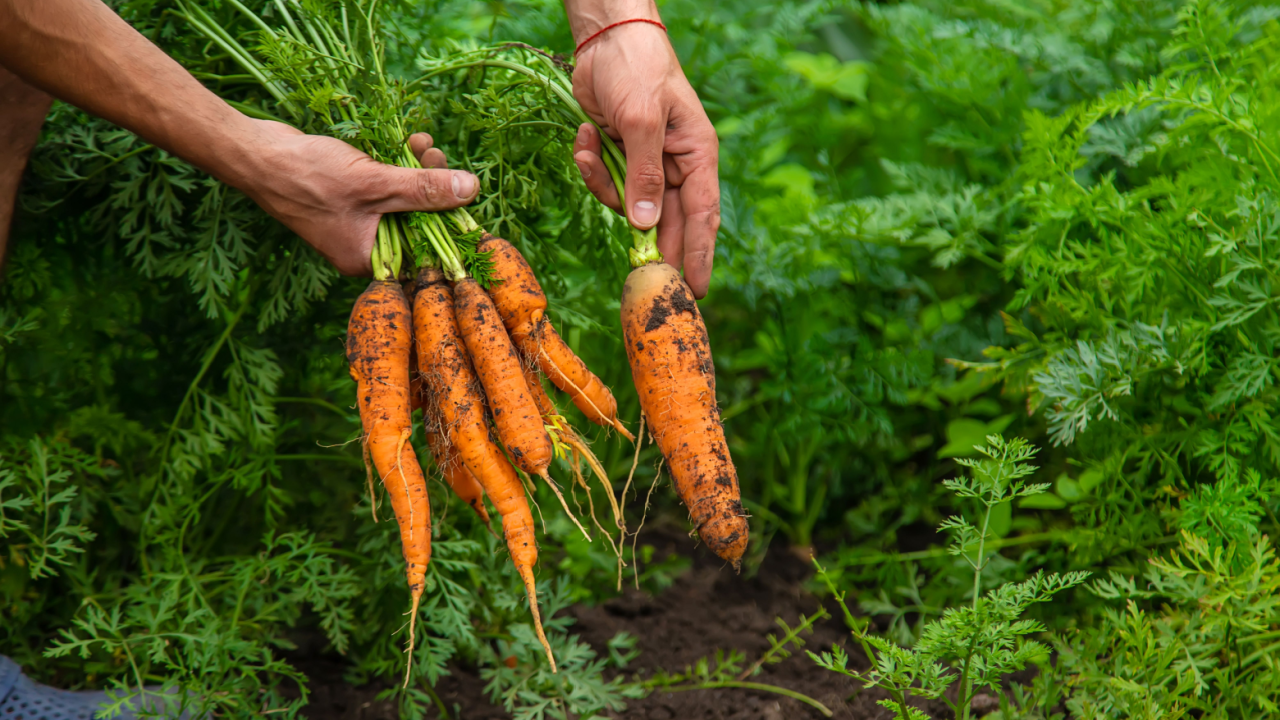
Carrots are a reliable root crop rich in beta-carotene and other antioxidants. They can be grown in the ground or in deep containers. One of the best features of carrots is their ability to be stored directly in the garden in many climates. By covering them with a thick layer of mulch, you can leave them in the ground and harvest them as needed throughout the winter, providing fresh food when little else is growing. They are also among the vegetables you can store in a root cellar.
Quick Glance:
- Why It’s a Good Option: Nutrient-rich and can be stored in the ground for a winter harvest.
- Care Tips: Sow seeds in loose, rock-free soil. Thin seedlings to the proper spacing to allow roots to develop fully.
- Next Steps: For in-ground storage, apply a thick layer of straw or shredded leaves over the carrot patch before the first hard freeze.
12. Lentils
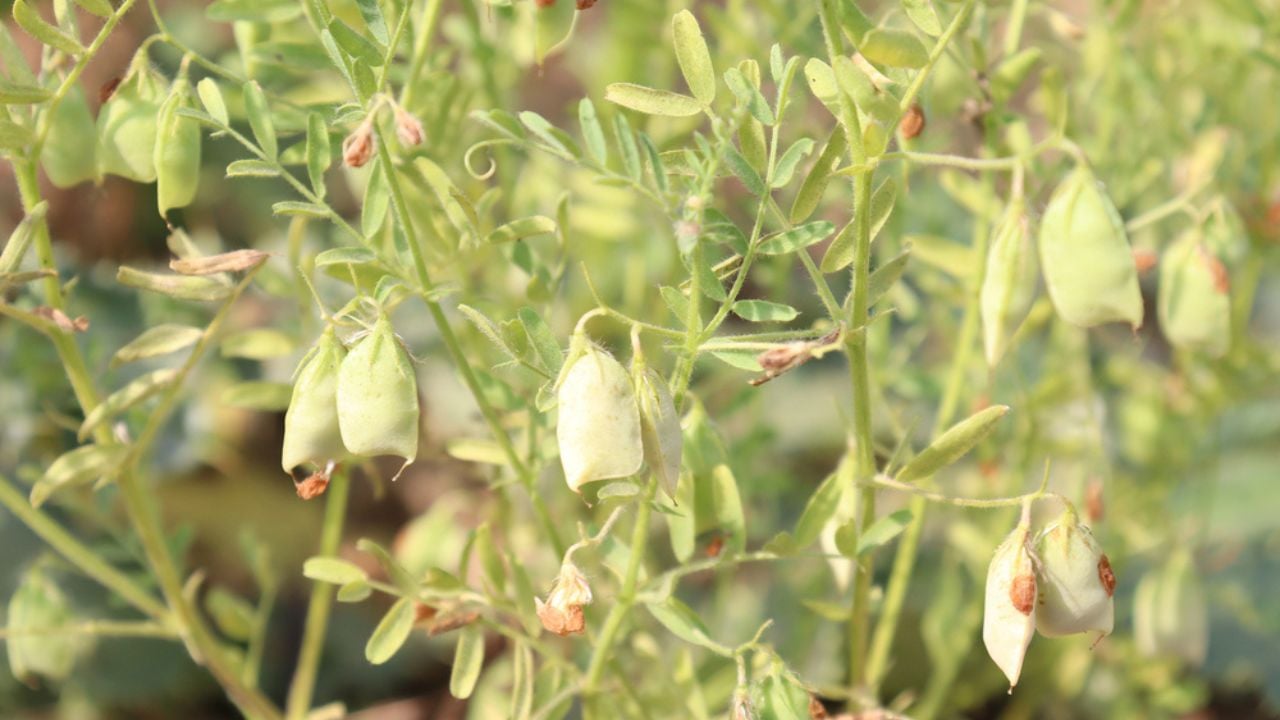
Lentils are a type of legume that is grown specifically for its dried seeds. They are a fantastic source of plant-based protein and fiber. Lentils are a cool-season crop that can be planted in the spring. The plants are relatively compact and don’t require much space. Once harvested and dried, lentils store for an incredibly long time, making them a perfect food for long-term planning and self-sufficiency.
Quick Glance:
- Why It’s a Good Option: High in protein, stores exceptionally well, and is easy to grow.
- Care Tips: Plant in well-drained soil. The plants will form pods that contain the lentils.
- Next Steps: Harvest when the pods are dry and brittle. Thresh the plants to separate the lentils from the pods and chaff before storing.
13. Spinach
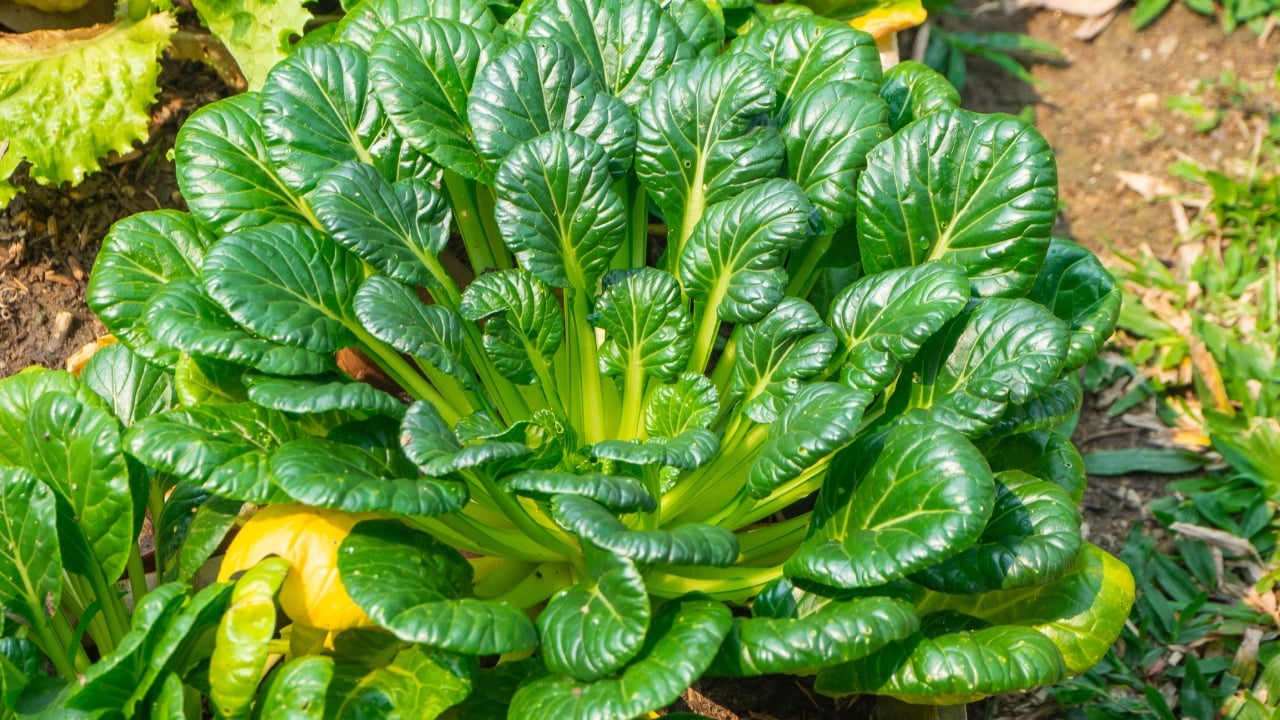
Spinach is a fast-growing, cool-season green that is loaded with vitamins and minerals, including iron and calcium. You can get both a spring and a fall crop in most climates. Like kale, it can be harvested leaf by leaf for a continuous supply. For preservation, spinach can be frozen, canned, or dehydrated and turned into a powder to add a nutritional boost to soups and smoothies.
Quick Glance:
- Why It’s a Good Option: Grows quickly, is very nutritious, and can be preserved easily.
- Care Tips: Plant in rich soil and provide consistent water. It will bolt (go to seed) in hot weather, so plant it early in spring or in the fall.
- Next Steps: Blanch leaves for a few minutes in boiling water before freezing to preserve their color and texture.
14. Beets
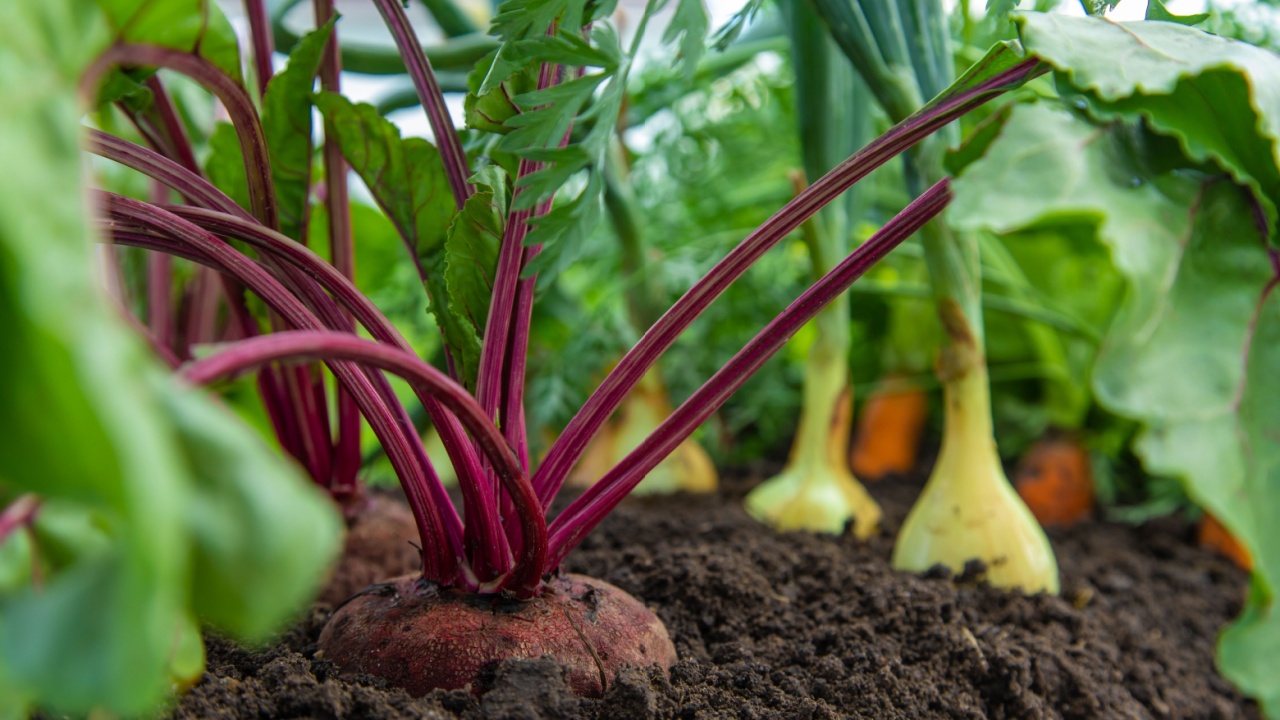
Beets offer a two-for-one deal: you can eat the sweet, earthy roots and the nutritious leafy greens. The greens are similar to chard and can be harvested sparingly while the root develops. The roots themselves are a good source of vitamins, minerals, and natural sugars. They store well in a root cellar or a cool basement and are also excellent for pickling or canning.
Quick Glance:
- Why It’s a Good Option: Provides both edible roots and greens.
- Care Tips: Sow seeds in loose soil and thin the seedlings to give the roots room to grow. Consistent moisture prevents the roots from becoming woody.
- Next Steps: When harvesting greens, take only one or two outer leaves per plant to avoid stunting the root’s growth.
15. Peppers
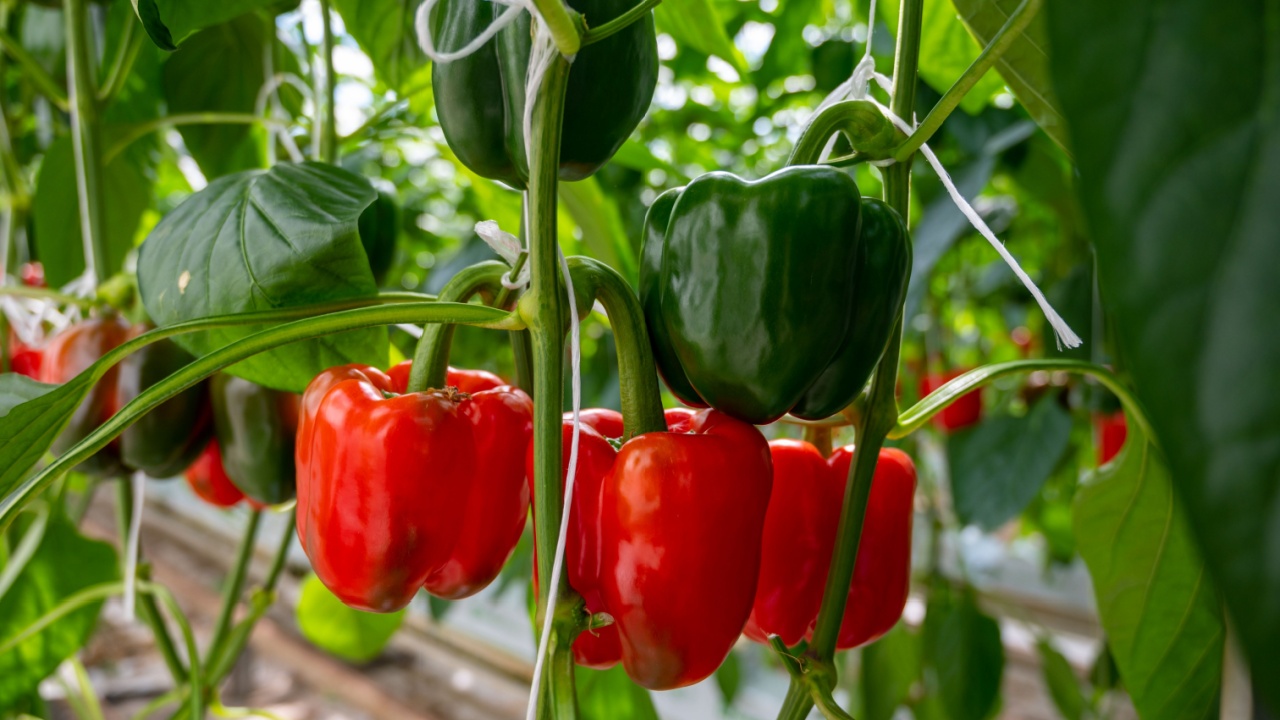
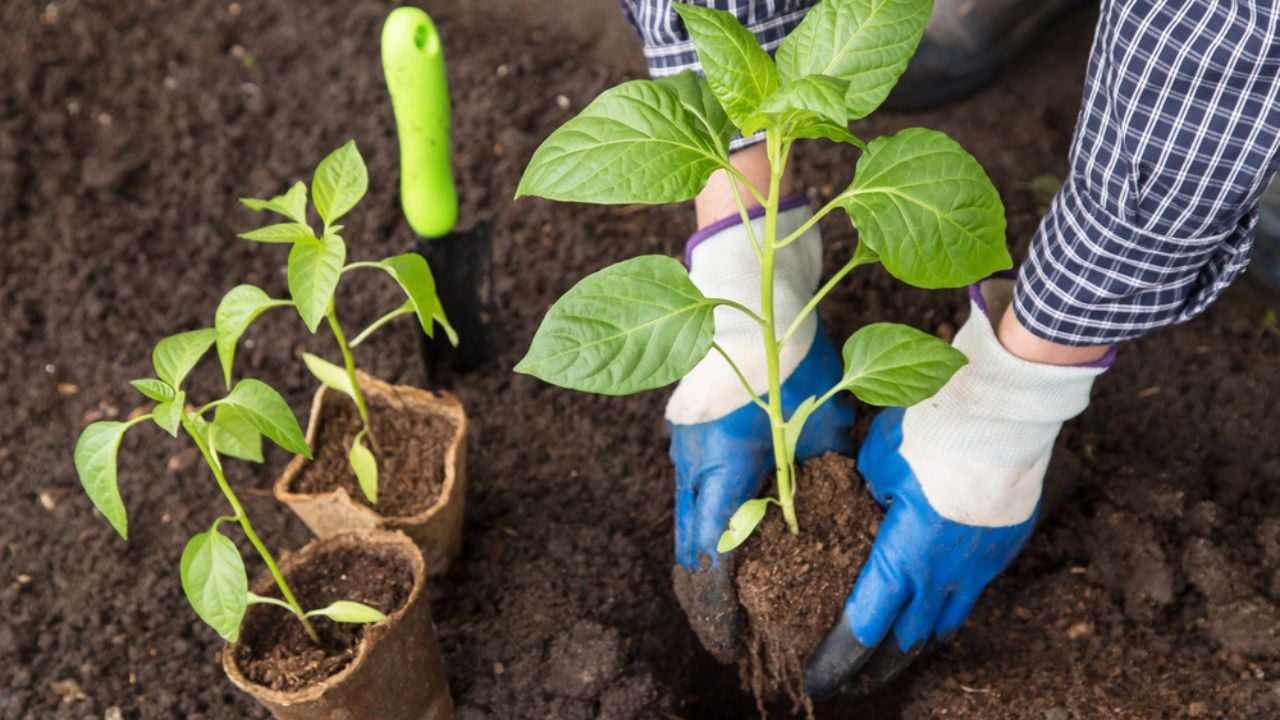
Peppers, both sweet and hot, add flavor, color, and vitamins to your meals. They are productive plants that thrive in the heat of summer. Be careful to avoid mistakes that can lead to a poor pepper harvest, such as overcrowding. While they can be enjoyed fresh, their real utility in a survival context comes from how easily they can be preserved. Peppers can be frozen without blanching, and hot peppers are particularly well-suited to drying. Dried and crushed hot peppers can be stored for years, providing seasoning and a bit of heat to your stored foods.
Quick Glance:
- Why It’s a Good Option: Versatile in the kitchen and very easy to preserve by drying or freezing.
- Care Tips: Plant in a warm, sunny location after all danger of frost has passed. Provide consistent water.
- Next Steps: String hot peppers on a thread and hang them in a dry, well-ventilated area to dry them for long-term storage.
16. Peas
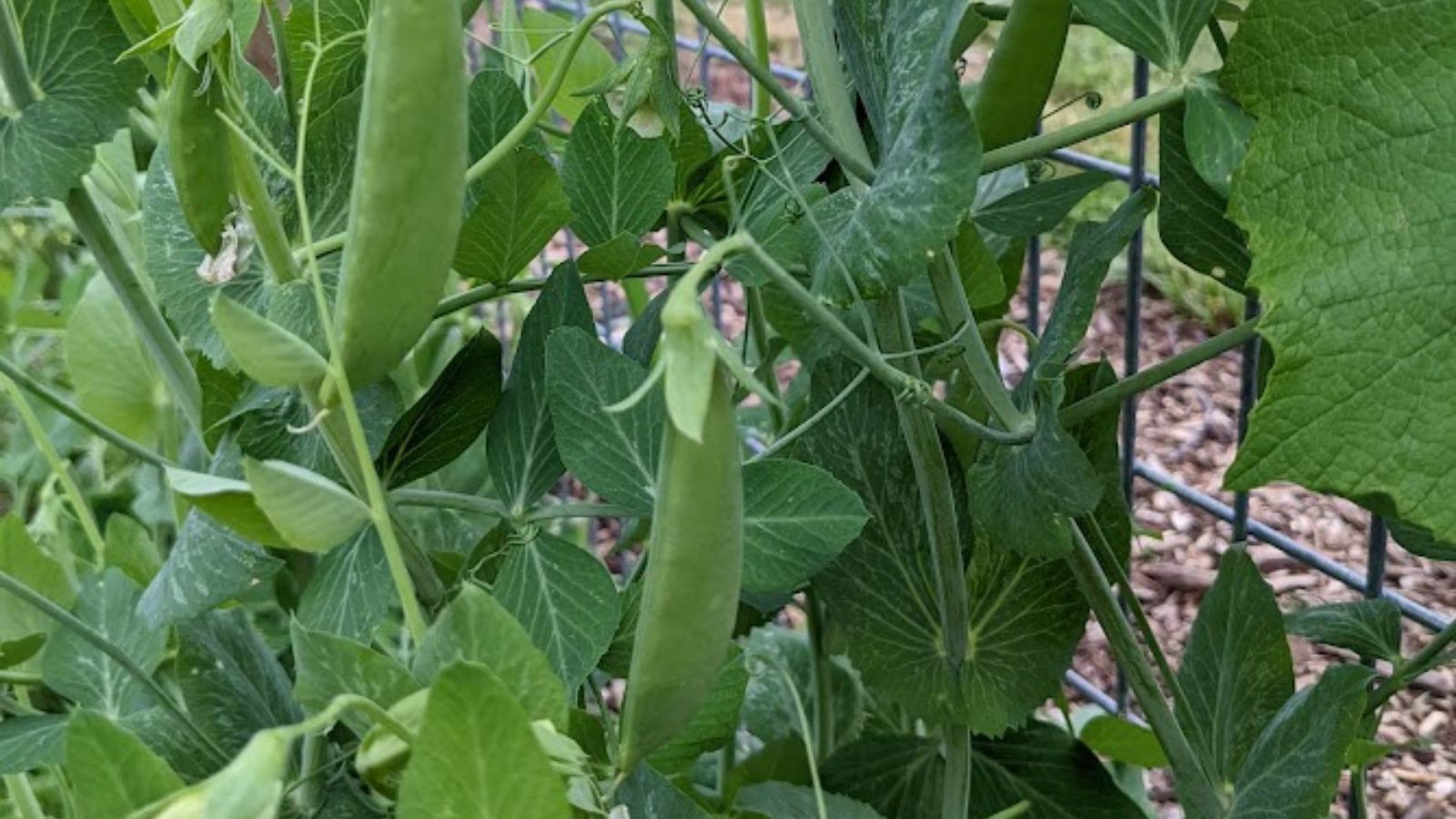
Peas are a cheerful and productive cool-season crop. Whether you choose shelling peas, snow peas, or sugar snap peas, they all provide a good source of protein and vitamins. For a survival garden, shelling peas are particularly useful because they can be dried for long-term storage, just like beans or lentils. They are one of the first crops you can plant in the spring, providing an early harvest.
Quick Glance:
- Why It’s a Good Option: Good protein source, can be eaten fresh or dried for storage.
- Care Tips: Provide a trellis for vining varieties to climb. They prefer cool weather and will stop producing when it gets hot.
- Next Steps: For drying, allow the pods to mature and turn yellow on the vine before harvesting and shelling.
What to Do Next
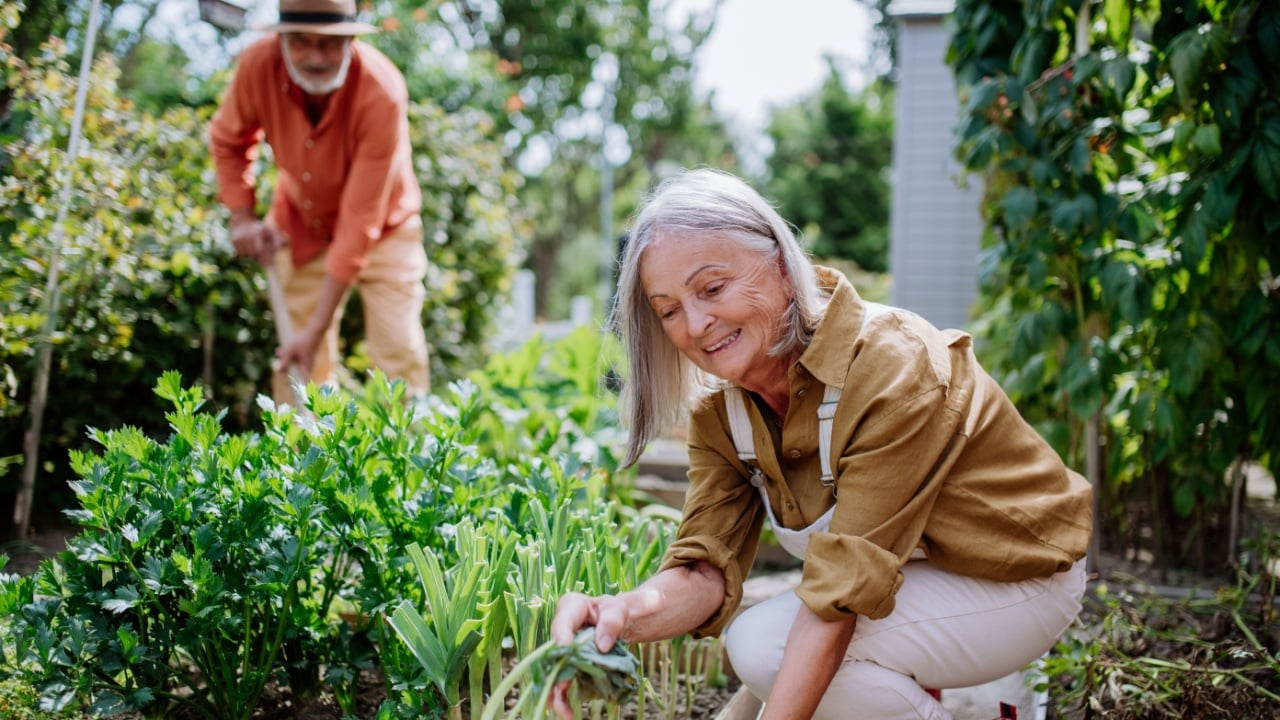
Imagine how sustainable life would be if we all had a survival garden. A list is just the beginning. The next step is to move from paper to dirt. A garden full of food you dislike is not very motivating. Select three crops from this list: one calorie-dense root (like potatoes or sweet potatoes), one protein-rich legume (like beans or peas), and one nutrient-packed green (like kale or spinach).
This trio creates a solid foundation. Master these three, learn their cycles, and figure out how to store them effectively. Once you have built confidence with this small-scale system, you can gradually expand your garden, adding a new crop or two each season. This measured approach turns building a survival garden into a manageable and rewarding journey.