10 Cat-Safe Houseplants to Add Green Space Without Worry
Having houseplants is a fantastic way to bring life, color, and fresh air into your home. But if you’re a cat owner, you know the struggle is real. Your curious feline friends love to nibble on anything they can get their paws on, and many common houseplants are toxic to them. This doesn’t mean you have to choose between your green thumb and your furry companion.
It’s entirely possible to create a lush indoor garden that’s perfectly safe for your cat. Let’s explore 10 beautiful, cat-friendly houseplants that will purify your air and beautify your home, giving you peace of mind.
Where This Information Comes From
All plant safety and care details were checked against trusted veterinary references, horticultural experts, and university extension materials. We’ve made sure the recommendations are backed by reliable sources so you can feel confident about keeping both your plants and pets happy.
1. Spider Plant (Chlorophytum comosum)
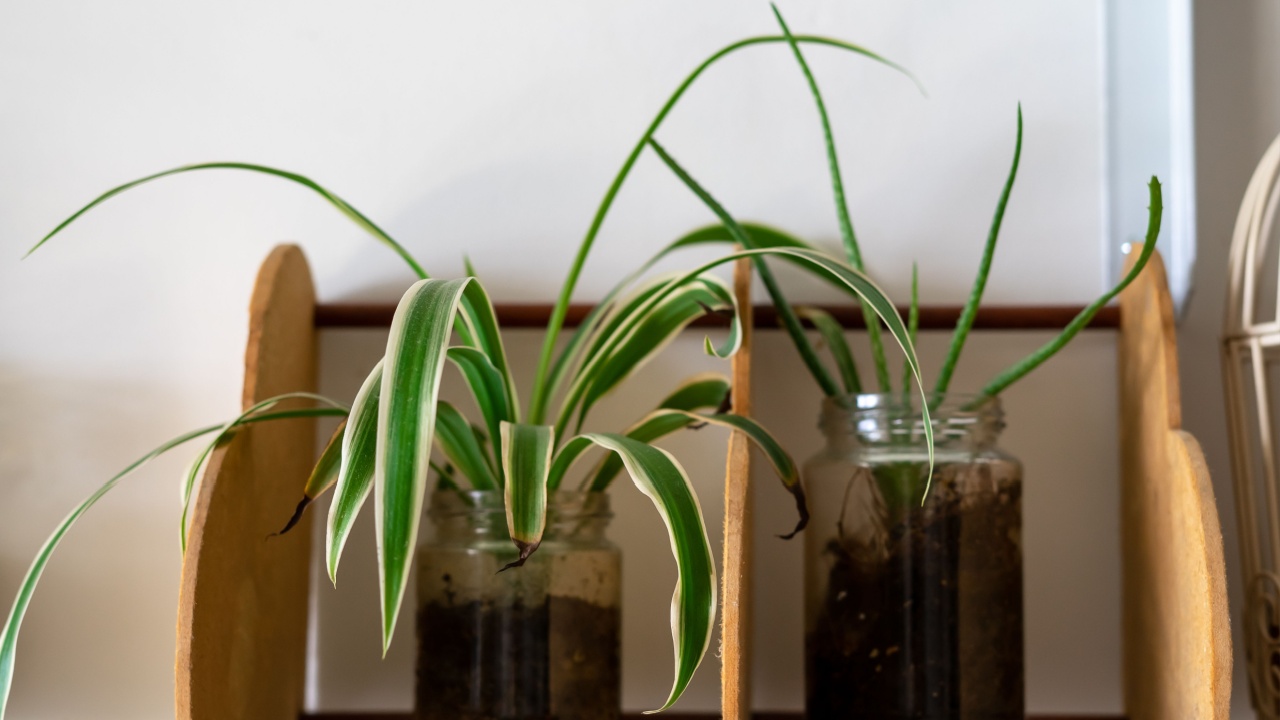
A classic for a reason, the spider plant is resilient, easy to care for, and completely safe for cats. Its long, arching leaves, often striped, create a graceful look. They also produce “spiderettes” – tiny baby plants that dangle and are easy to propagate.
While non-toxic, cats often find the dangly leaves irresistible, possibly due to a mild hallucinogenic effect that isn’t harmful. To keep your plant looking good, place it in a hanging basket or on a high shelf, out of easy reach.
- Why it’s a good option: Extremely low-maintenance, a powerful air purifier, and easy to propagate.
- Light: Prefers bright, indirect light but can tolerate lower light conditions.
- Water: Water thoroughly, but allow the soil to dry out between waterings. They are sensitive to fluoride in tap water, which can cause brown tips, so using distilled or rainwater is ideal.
2. Prayer Plant (Maranta leuconeura)

The prayer plant is a showstopper with its striking, patterned leaves featuring shades of green, red, and cream. It gets its name from a fascinating habit: the leaves lie flat during the day and fold upwards at night, resembling hands in prayer.
This movement, known as nyctinasty, makes it a dynamic and interesting plant to watch. Completely non-toxic, the prayer plant is a safe and colorful addition to any pet-friendly home. Its low-growing, spreading nature makes it ideal for shelves or tabletops where its beautiful foliage can be admired up close.
- Why it’s a good option: Unique, colorful foliage and interesting daily movement.
- Light: Thrives in bright, indirect light but can burn in direct sun. It tolerates low light, making it great for less sunny spots.
- Water: Prefers consistently moist soil. Water when the top inch of soil feels dry. It loves humidity, so misting it or placing it near a humidifier will keep it happy.
3. Boston Fern (Nephrolepis exaltata)
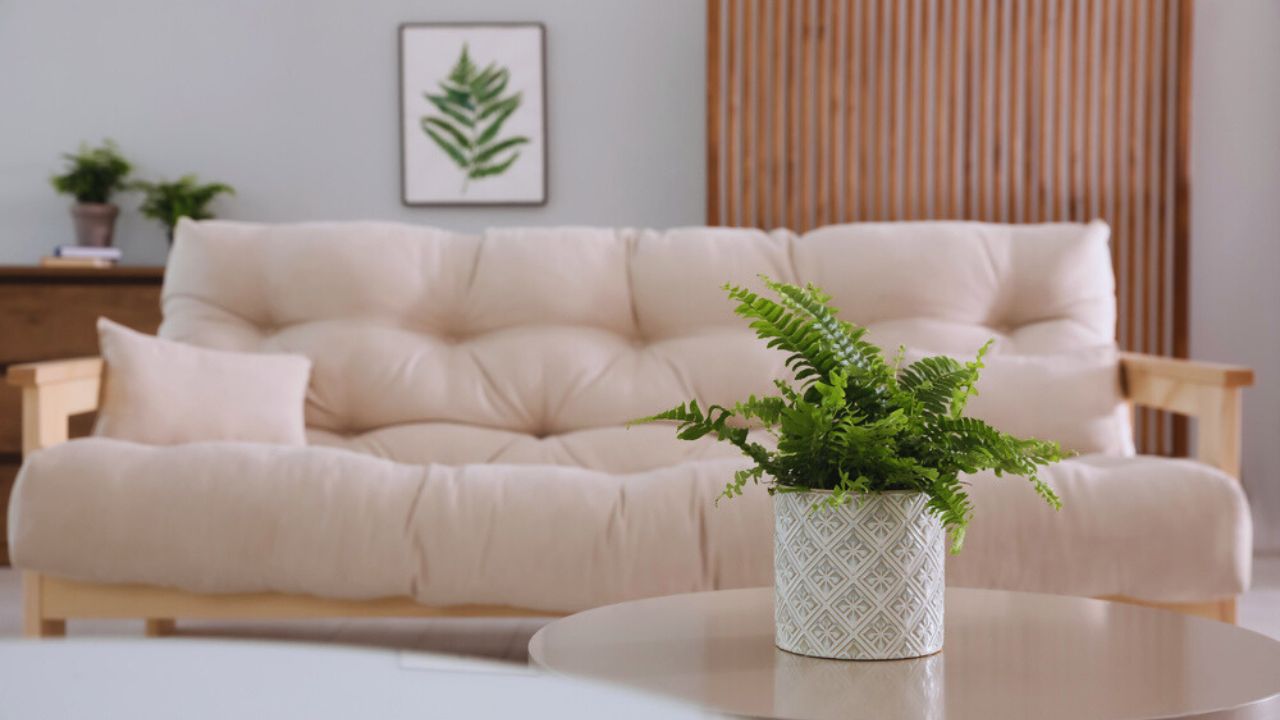
The Boston fern adds a touch of classic elegance to any room with its lush, feathery fronds. It’s a great air purifier and is completely safe for cats, so you don’t have to worry if your pet bats at the leaves. Boston ferns thrive in humidity, making them perfect for bathrooms or kitchens.
Note: While true ferns like the Boston fern are safe, some plants with “fern” in their name, like the Asparagus Fern, are toxic. Always double-check the scientific name.
- Why it’s a good option: Classic look, excellent air-purifying qualities, and loves humidity.
- Light: Prefers bright, indirect light, like that from a north-facing window.
- Water: Keep the soil consistently damp but not soggy. Regular misting helps replicate the humid conditions it loves.
4. Bamboo Palm (Chamaedorea seifrizii)
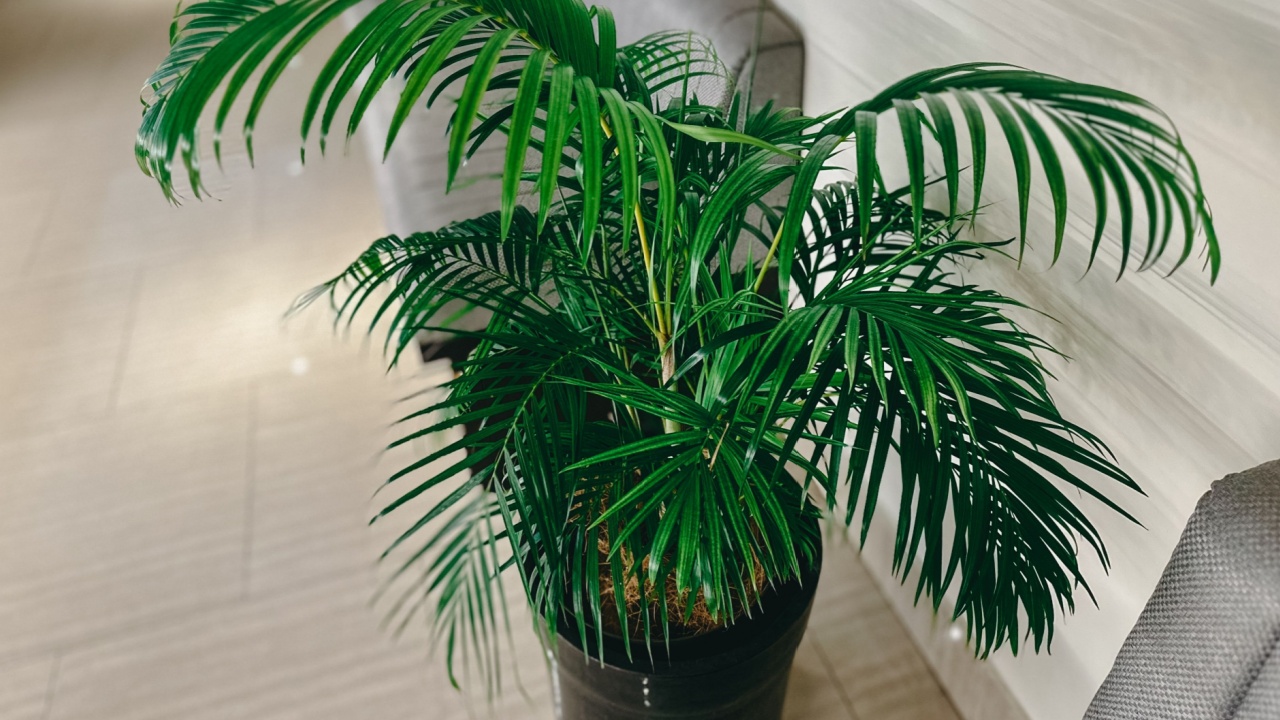
If you’re looking to make a statement, the bamboo palm is an excellent choice. This elegant palm can grow several feet tall, bringing a tropical vibe indoors. Its slender, upright canes resemble bamboo, and its graceful, arching fronds add a touch of sophistication. It’s also a powerhouse at purifying the air. Best of all, the bamboo palm is non-toxic to cats, making it a safe focal point for your living room or office. Its height and full foliage can even provide a fun, jungle-like environment for your cat to explore.
- Why it’s a good option: Creates a bold, tropical look and is one of the best plants for filtering out indoor air pollutants.
- Light: Prefers bright, indirect light but has a high shade tolerance, making it adaptable to various locations.
- Water: Water when the top inch of soil is dry. It’s better to under-water than over-water this palm.
5. Areca Palm (Dypsis lutescens)
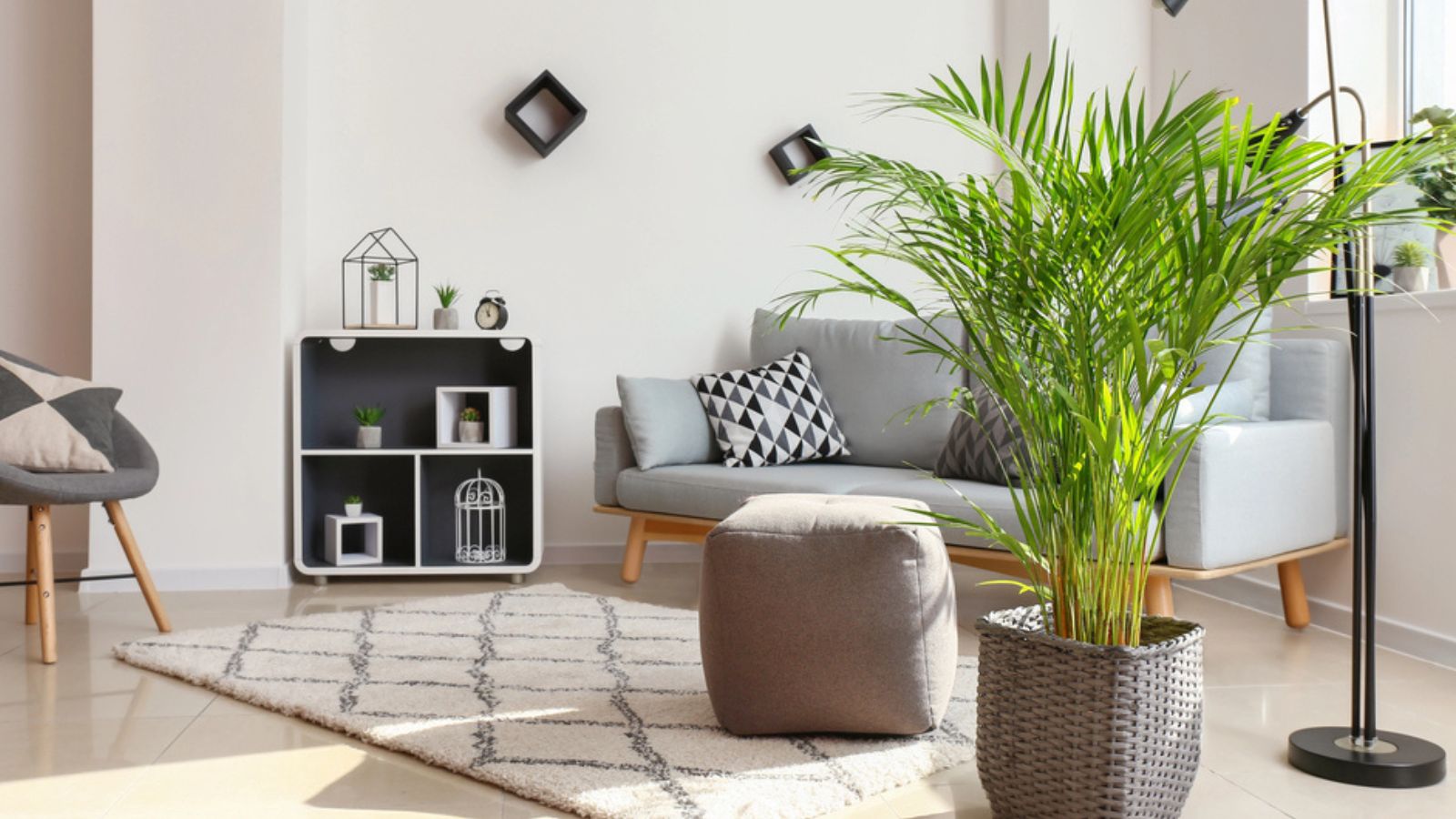
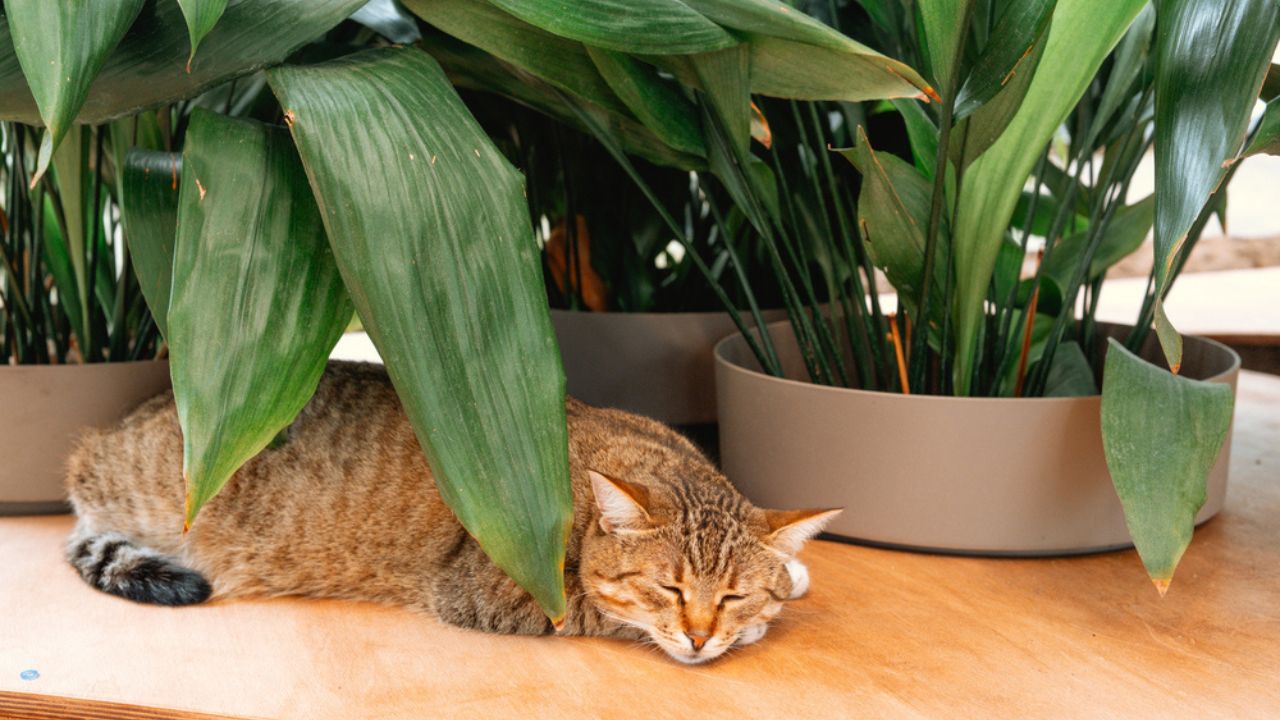
Also known as the butterfly palm, the areca palm features feathery, arching fronds that give it a lush and full appearance. This pet-friendly palm is fantastic at removing common household toxins from the air, including formaldehyde and toluene. It can grow quite large, making it an excellent floor plant to fill an empty corner with vibrant greenery. Your cat might enjoy hiding behind its dense foliage, and you can rest easy knowing it’s completely safe for them.
- Why it’s a good option: Beautiful, feathery foliage and top-notch air-purifying capabilities.
- Light: Needs bright, indirect sunlight. Too much direct sun can scorch its leaves.
- Water: Likes its soil to be lightly moist during the growing season (spring and summer) and drier in the winter.
6. Money Tree (Pachira aquatica)
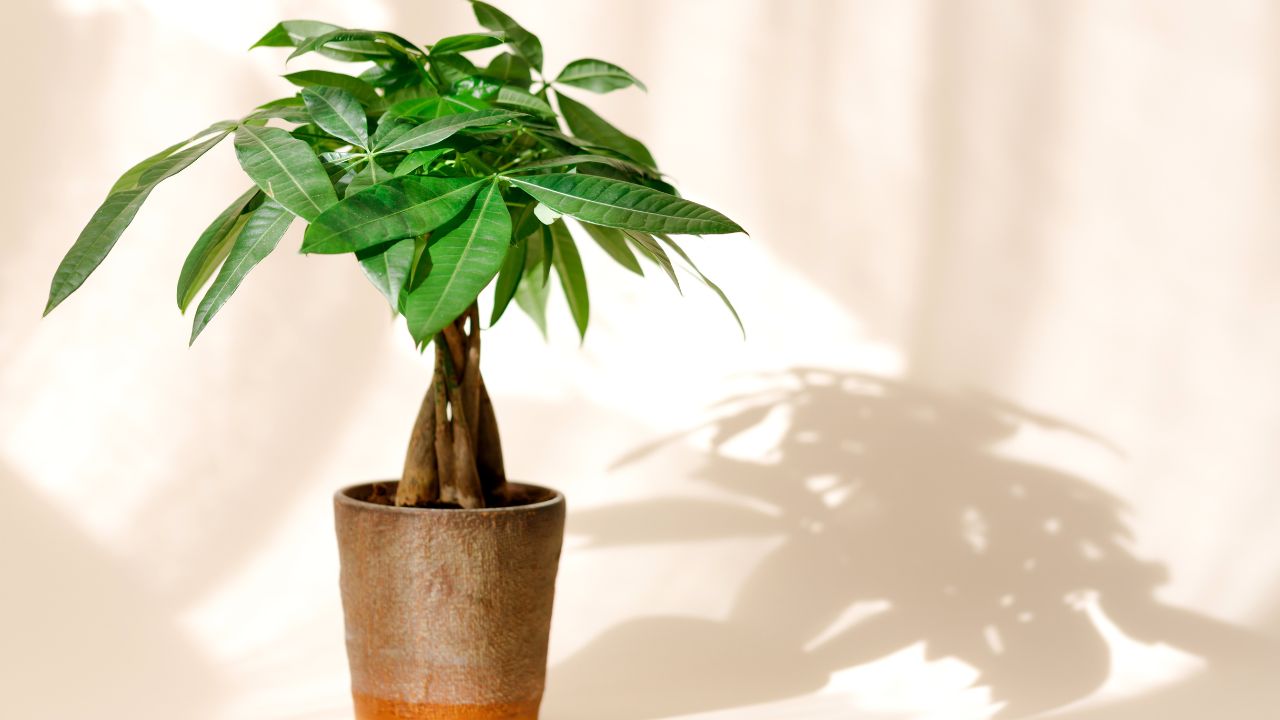
Often seen with a braided trunk, the money tree is a popular plant believed to bring good luck and prosperity. It has distinctive, star-shaped leaves and can grow into an impressive small tree.
According to the ASPCA, it’s non-toxic to cats and dogs. The money tree is not only a symbol of good fortune but also an effective air purifier. Its unique appearance makes it a great conversation starter and a stylish addition to your home decor.
- Why it’s a good option: Unique braided trunk, lush leaves, and symbolic value, all while being pet-safe.
- Light: Thrives in bright, indirect light. It can tolerate some lower light, but its growth may slow.
- Water: Water thoroughly when the top 1-2 inches of soil are dry. It’s susceptible to root rot, so ensure good drainage.
7. Gerbera Daisy (Gerbera jamesonii)
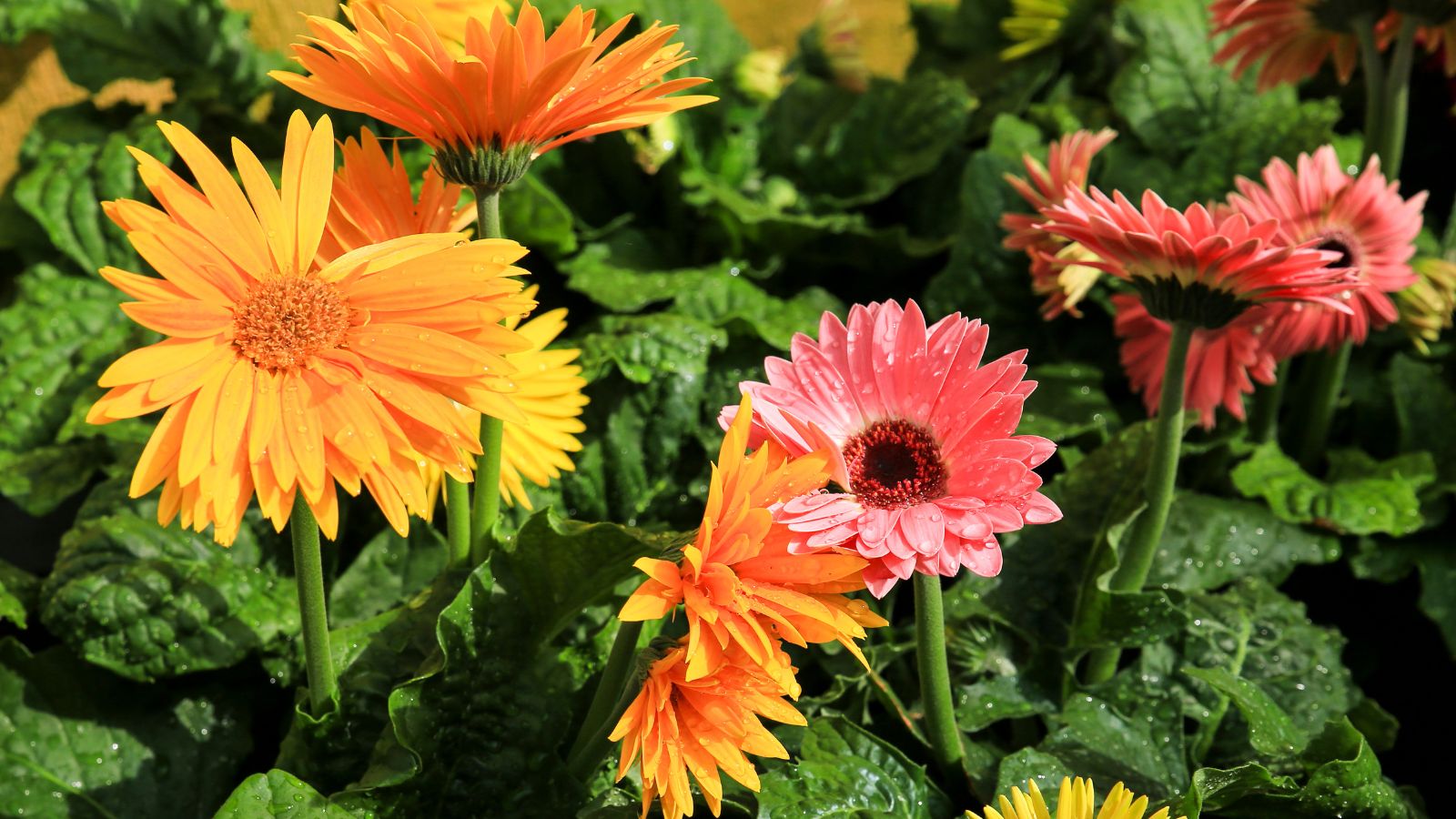
For a pop of color, look no further than the Gerbera daisy. These bright and cheerful flowers come in a rainbow of vibrant hues, including red, orange, yellow, and pink. Not only do they brighten up a room, but they are also excellent at removing toxins like benzene (found in inks) from the air.
Gerbera daisies are completely safe for cats, so you can enjoy their beauty without any worry. While they can be a bit more challenging to care for indoors long-term, their stunning blooms make the effort worthwhile.
- Why it’s a good option: Provides beautiful, long-lasting flowers in a variety of colors.
- Light: Needs plenty of bright, direct light to bloom—at least six hours a day.
- Water: Keep the soil consistently moist but not waterlogged. Water at the base to avoid mildew on the leaves.
8. Orchid (Phalaenopsis spp.)
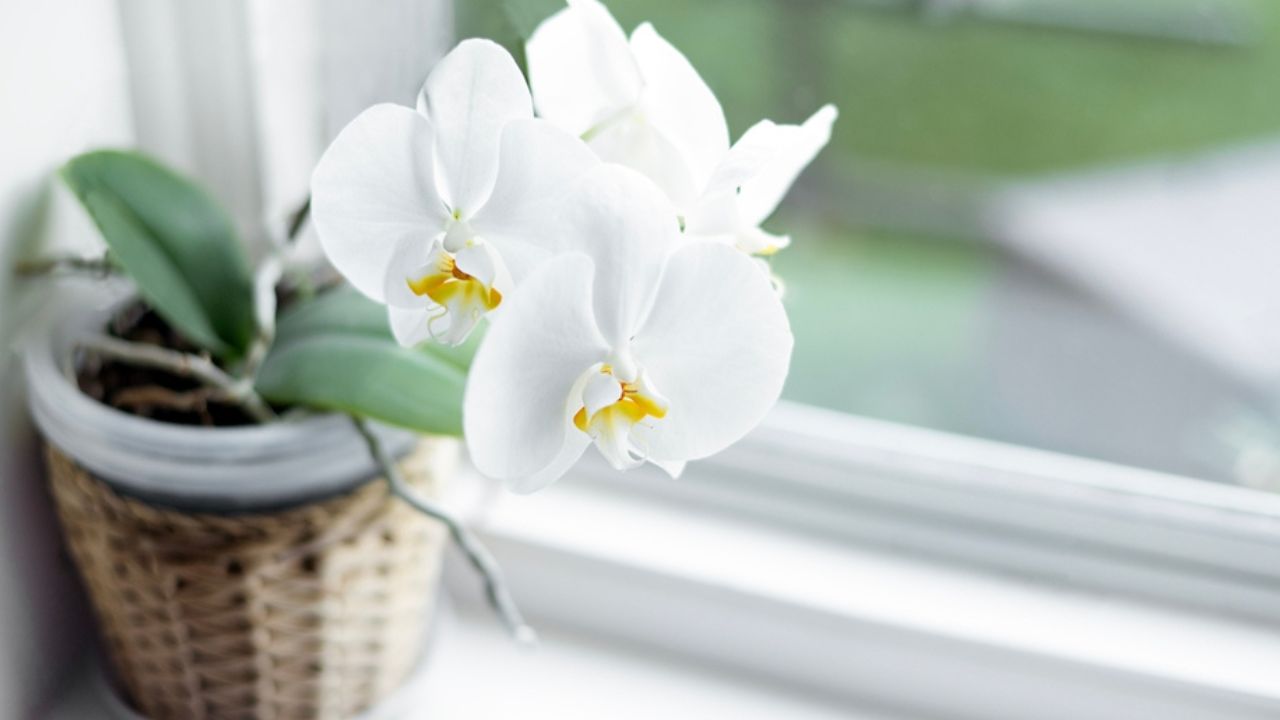
Elegant and sophisticated, orchids are a stunning choice for any home. The Phalaenopsis, or moth orchid, is one of the most common and easiest to care for, making it a great starting point for beginners.
These beauties are non-toxic to cats and are known to purify the air at night, making them a great addition to the bedroom. While some people find them finicky, getting an orchid to re-bloom is an incredibly rewarding experience for any plant parent.
- Why it’s a good option: Exquisite, long-lasting blooms that bring a touch of luxury.
- Light: Prefers bright, indirect light. An east-facing window is often perfect.
- Water: Water once a week or when its roots turn a silvery-gray color. Allow the potting medium to dry out completely between waterings.
9. Certain Succulents (Echeveria, Haworthia)
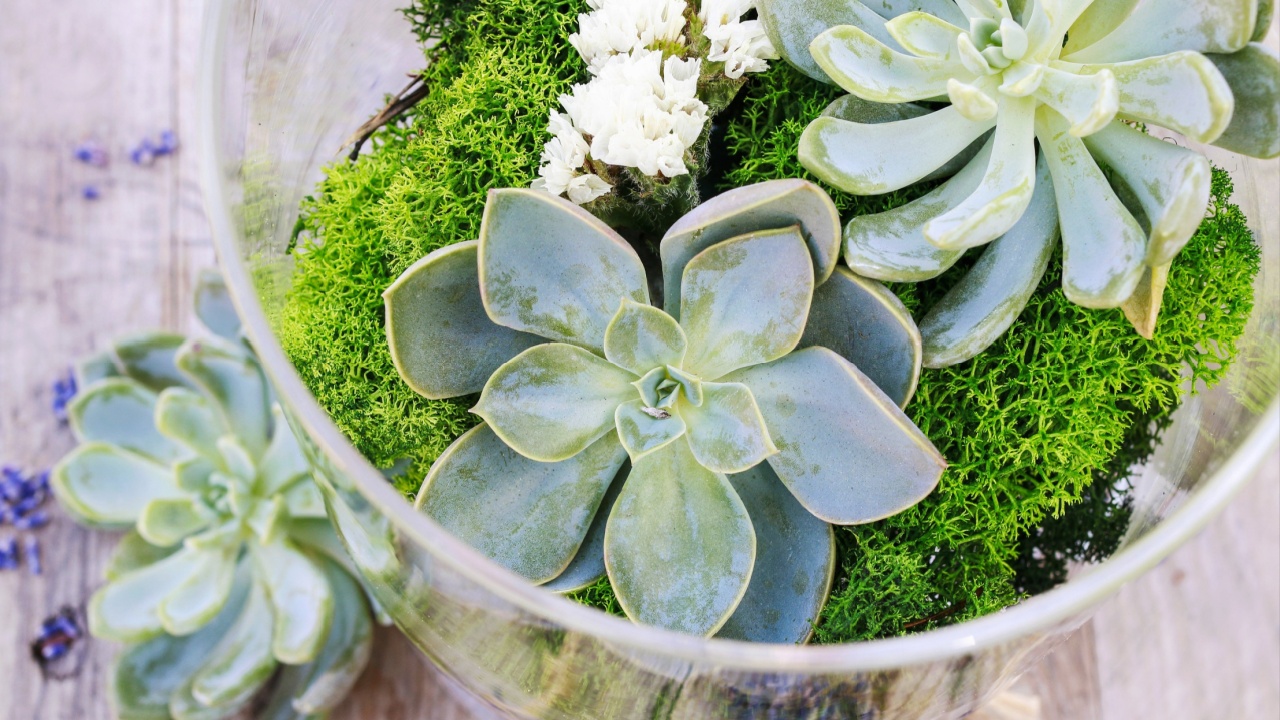
Succulents are trendy, low-maintenance, and come in countless shapes and sizes. While some succulents like Jade and Aloe are toxic to cats, many popular varieties are perfectly safe.
Echeveria, with its rosette shape, and Haworthia (often called the Zebra Plant), with its striped leaves, are two excellent, non-toxic choices. They are great for small spaces and can be arranged into beautiful, modern displays. A little windowsill garden of cat-safe succulents can be a perfect, low-effort way to add some green to your home.
- Why it’s a good option: Low-maintenance, drought-tolerant, and available in a huge variety of shapes and colors.
- Light: Most succulents need bright, direct sunlight to thrive and maintain their compact shape.
- Water: Water sparingly. Let the soil dry out completely between waterings. It’s always better to under-water than to over-water succulents.
10. Cast Iron Plant (Aspidistra elatior)
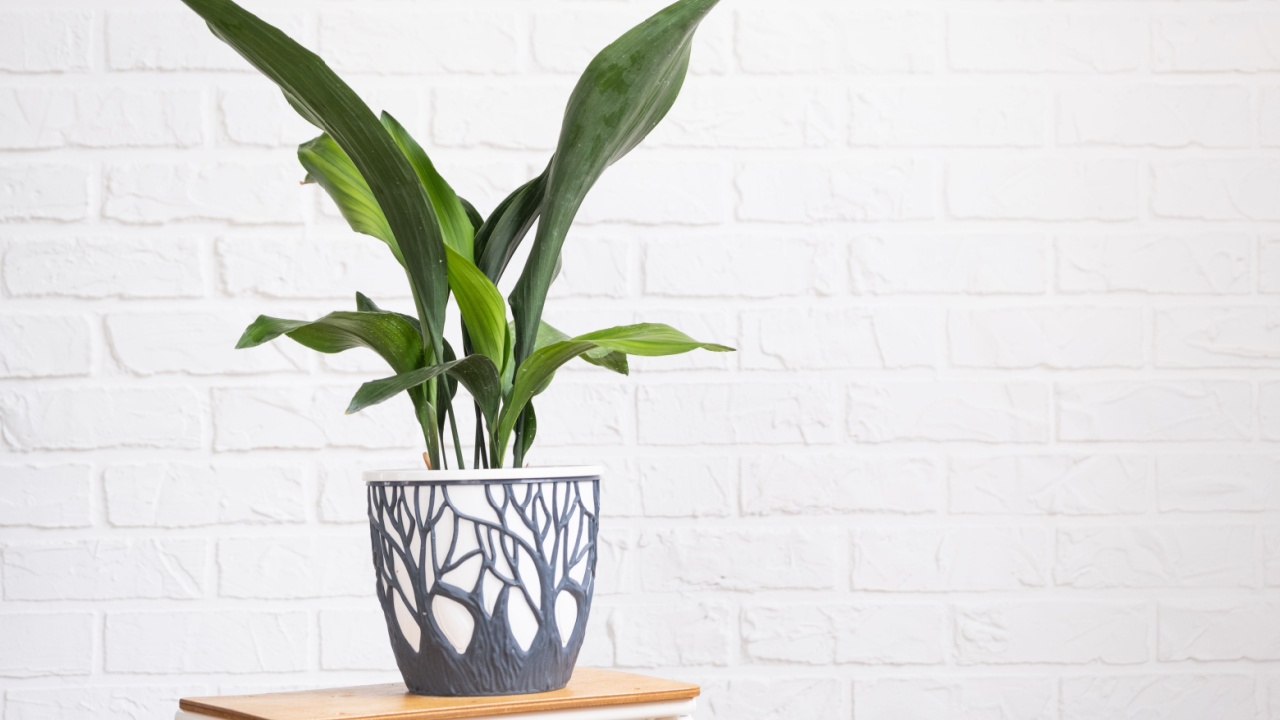
True to its name, the Cast Iron Plant is nearly indestructible. If you struggle with keeping plants alive, this is the one for you. It has large, deep-green, lance-shaped leaves that create a bold, architectural look.
It can tolerate low light, infrequent watering, and a wide range of temperatures. On top of being incredibly hardy, it’s also completely safe for cats. It’s a perfect, fuss-free option for adding a touch of green to those darker corners of your home where other plants might not survive.
- Why it’s a good option: Extremely durable, tolerates neglect, and thrives in low-light conditions.
- Light: Prefers low to moderate indirect light. Direct sun can scorch its leaves.
- Water: Water the soil when it is completely dry. It’s highly drought-tolerant.
Creating a Pet-Friendly Indoor Jungle
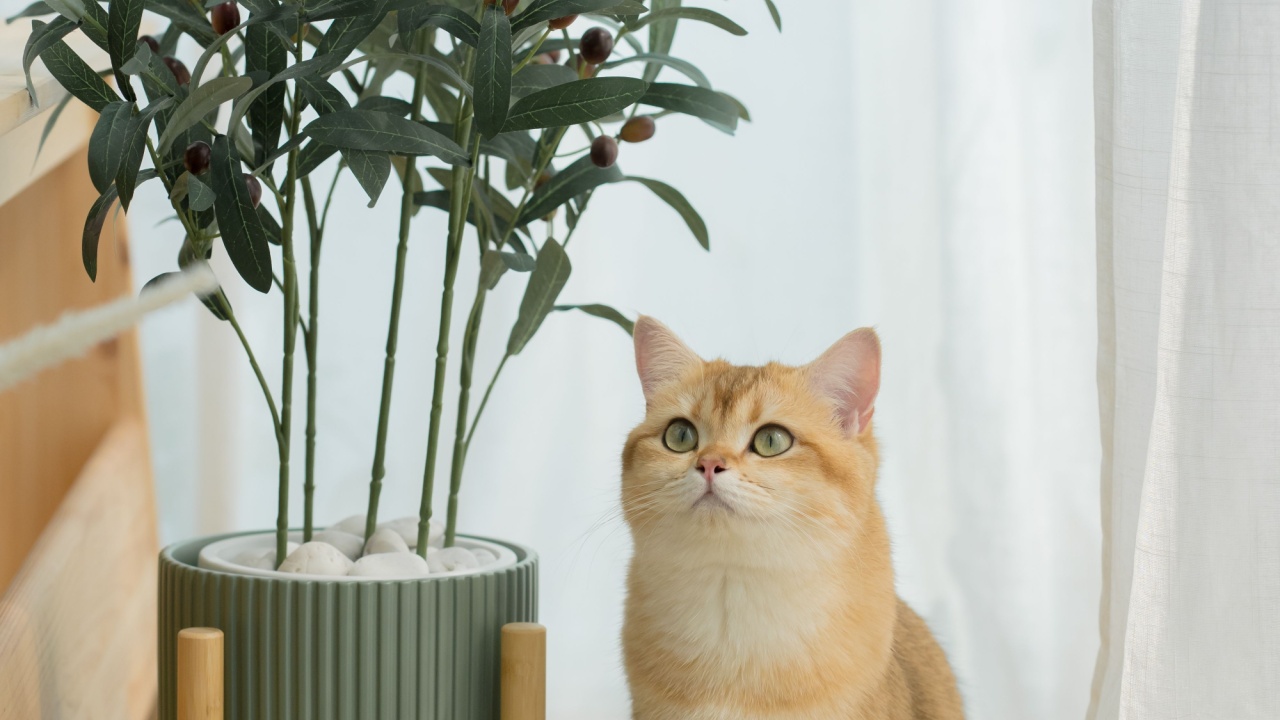
Creating a home filled with both plants and pets is a joyful experience. By choosing from this list, you can cultivate your indoor jungle with confidence. Now that you have some ideas for cat-safe plants, the next step is to visit your local nursery. Check the plant tags, find the perfect green additions for your space, and start creating a beautiful, worry-free environment for you and your furry family members to enjoy.