
Bringing the beauty of nature indoors can transform any living space, adding a touch of vibrant life and tranquility. But what if your home doesn’t get endless hours of bright, direct sunlight? (Aka, most of our homes.) Fortunately, you don’t need sun-drenched windowsills to create a lush indoor oasis. Many stunning houseplants have adapted to thrive in lower light conditions, making them perfect for apartments, offices, or those dimmer corners of your home.
These plants enhance your decor and offer benefits like purifying the air and boosting your mood. From elegant, air-cleansing lilies to nearly indestructible trailing vines, there is a low-light plant for every style and skill level. This guide will introduce you to 20 fantastic options that flourish away from direct sun, helping you cultivate a thriving indoor garden no matter how much light you have.
1. Snake Plant (Dracaena trifasciata)
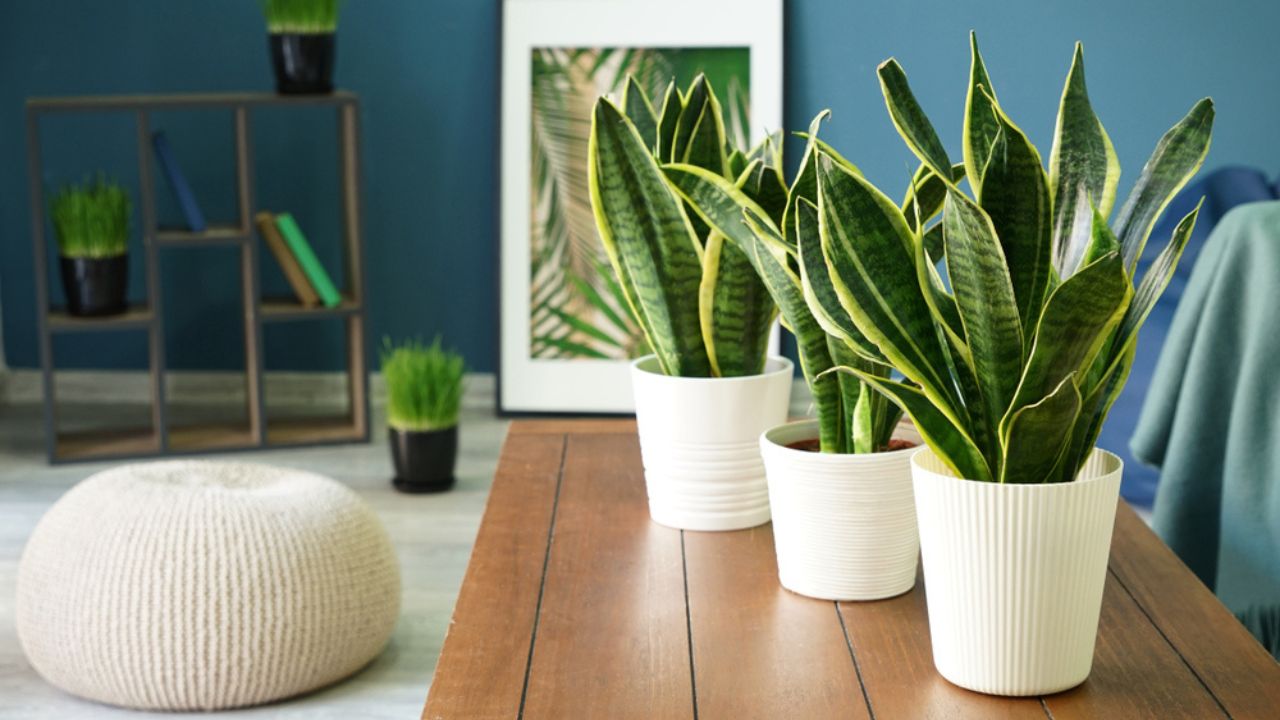
Image Credit: Shutterstock.
The Snake Plant, also known as Mother-in-Law’s Tongue, is a champion of low-maintenance indoor gardening. Its striking, sword-like leaves stand tall and create a modern, architectural look. It’s an incredibly resilient plant that is famous for its ability to tolerate a wide range of conditions, including very low light. While it grows faster in brighter spots, it will happily maintain its form and color in a shady corner. Beyond its good looks, the Snake Plant is a powerhouse air purifier, known for filtering toxins from the air.
This plant is perfect for beginners or anyone with a busy schedule because it thrives on neglect. It stores water in its leaves, making it highly drought-tolerant. In fact, the most common mistake is overwatering. Allow the soil to dry out completely between waterings to keep it healthy.
Care Summary:
- Light: Low to bright, indirect light. Avoid direct sun.
- Water: Water sparingly, only when the soil is completely dry.
- Soil: Well-draining potting mix, such as a cactus or succulent blend.
- Toxicity: Mildly toxic to pets and humans if ingested.
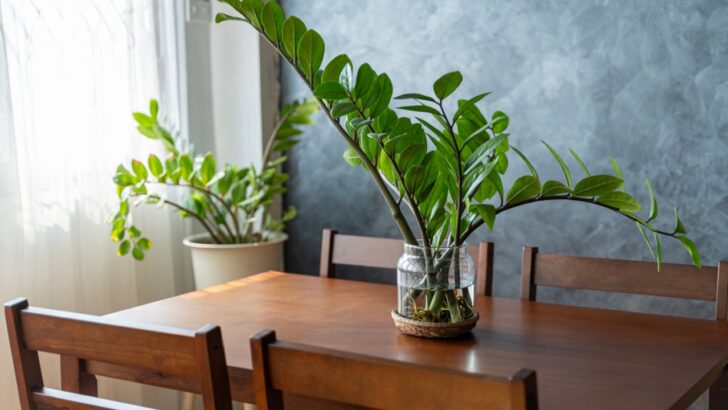
2. ZZ Plant (Zamioculcas zamiifolia)

Image Credit: Shutterstock.
If you’re looking for a nearly indestructible plant, the ZZ Plant is your answer. With its wide, waxy, dark green leaves, it adds a touch of lushness to any room. The ZZ Plant is exceptionally tolerant of low-light environments and is also very forgiving if you forget to water it. Its underground rhizomes store water, allowing it to survive long periods of drought.
This plant’s ability to thrive with minimal attention makes it an excellent choice for offices, bedrooms, or for anyone who considers themselves a “plant killer.” Its glossy foliage reflects light, which can help brighten up a dim space. Simply dust the leaves occasionally to keep them looking their best.
Care Summary:
- Light: Low to bright, indirect light.
- Water: Water every 2-3 weeks, allowing soil to dry out completely.
- Soil: Fast-draining soil.
- Toxicity: Toxic to pets and humans if ingested.
3. Peace Lily (Spathiphyllum)
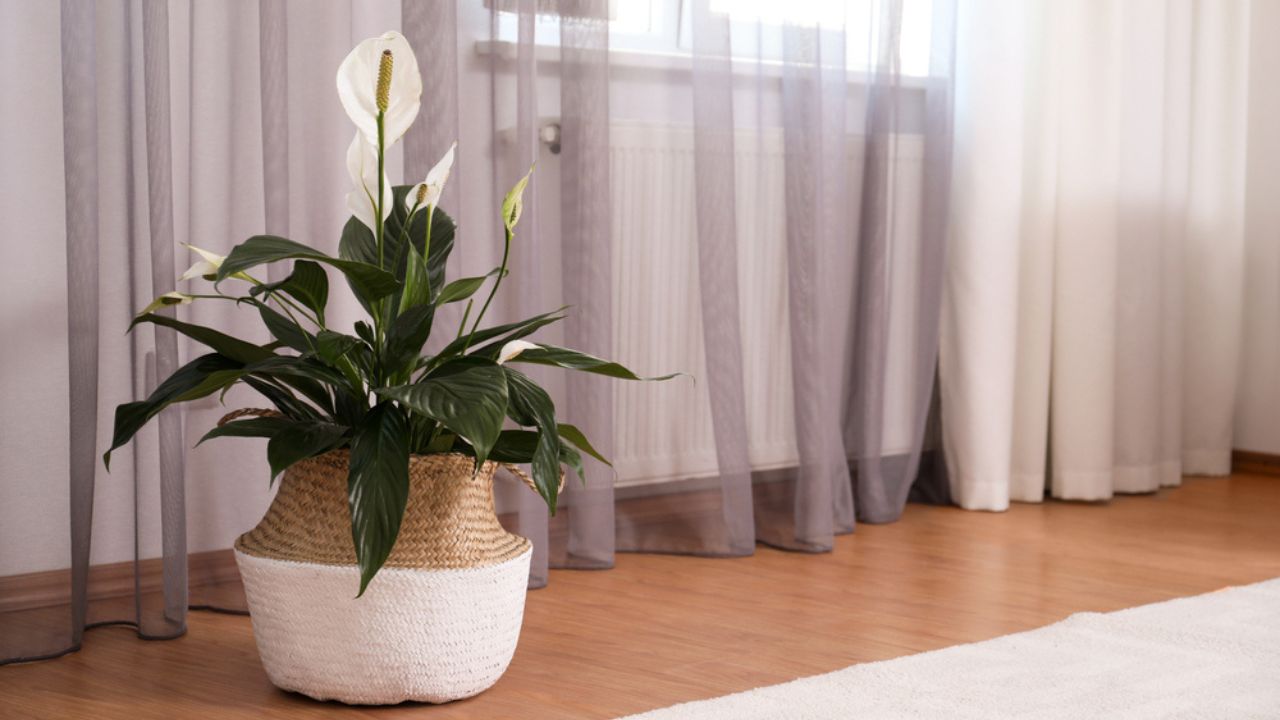
Image Credit: Shutterstock.
The Peace Lily is beloved for its elegant, dark green leaves and beautiful white spathes, which are often mistaken for flowers. It’s one of the few low-light plants that will bloom indoors, adding a touch of grace to shaded areas. It is also an excellent air purifier, known for removing common household toxins. Peace Lilies prefer to be out of direct sunlight, as harsh rays can scorch their leaves.
This plant is quite communicative; it will visibly droop when it’s thirsty, taking the guesswork out of watering. Give it a good drink, and it will perk back up within hours. Its preference for humidity makes it a great candidate for a bathroom or kitchen.
Care Summary:
- Light: Prefers medium to low indirect light.
- Water: Keep soil consistently moist but not waterlogged. Water when the plant starts to droop.
- Soil: All-purpose, well-draining potting soil.
- Toxicity: Toxic to pets and humans if ingested.
4. Spider Plant (Chlorophytum comosum)

Image Credit: Shutterstock.
The Spider Plant is a classic houseplant known for its cheerful, arching leaves and easy-going nature. It adapts well to various light conditions, including lower light levels, though its variegation may be less pronounced in shadier spots. One of its most charming features is the production of “spiderettes,” or baby plants, that dangle from the mother plant like spiders on a web.
These babies can be easily propagated to create new plants, making it a fun and rewarding plant to own. Spider Plants are great for hanging baskets or placing on a shelf where their cascading foliage can be admired. They are also non-toxic, making them a safe choice for homes with pets and children.
Care Summary:
- Light: Thrives in bright, indirect light but tolerates low light.
- Water: Water thoroughly, allowing the top inch of soil to dry out between waterings.
- Soil: Well-draining, all-purpose potting mix.
- Toxicity: Non-toxic and pet-friendly.
5. Cast Iron Plant (Aspidistra elatior)
True to its name, the Cast Iron Plant is tough as nails. It can withstand deep shade, inconsistent watering, and poor air quality, making it one of the hardiest houseplants available. Its long, deep green leaves create a lush, tropical feel without demanding much in return. This plant is a slow grower but is incredibly long-lived, becoming a steadfast green companion for years. The Cast Iron Plant is an excellent choice for those very dark corners where nothing else seems to survive. Its ability to handle neglect makes it perfect for frequent travelers or anyone new to plant care. Simply wipe down its large leaves every so often to keep them free of dust and looking their best.
Care Summary:
- Light: Prefers low light but can tolerate a range of conditions. Keep out of direct sunlight.
- Water: Drought-tolerant. Water the soil when it is dry to the touch.
- Soil: Standard potting mix.
- Toxicity: Non-toxic and safe for pets.
6. Philodendron (Philodendron hederaceum)

Image Credit: Shutterstock.
The Heartleaf Philodendron is a versatile and forgiving plant with beautiful, heart-shaped leaves. As a trailing vine, it’s perfect for hanging baskets, climbing up a moss pole, or cascading down from a bookshelf. It thrives in low to medium indirect light and is quite adaptable to different indoor environments. Direct sunlight will scorch its delicate leaves.
This plant is a fast grower, and its trailing vines can add a wonderful jungle-like feel to your home. It’s also very easy to propagate from stem cuttings placed in water. If your plant starts to look a bit leggy, simply trim it back to encourage fuller, bushier growth.
Care Summary:
- Light: Low to bright, indirect light.
- Water: Water when the top inch of soil feels dry.
- Soil: Well-aerated, fast-draining potting soil.
- Toxicity: Toxic to pets and humans if ingested.
7. Pothos (Epipremnum aureum)

Image Credit: Shutterstock.
Often confused with the Philodendron, Pothos is another incredibly popular and easy-to-care-for trailing plant. Known by names like Devil’s Ivy, it is virtually foolproof and can tolerate a wide spectrum of light conditions, including very low light. While variegated varieties might lose some of their color in deep shade, the plant will remain healthy.
Pothos is an enthusiastic grower, and its long vines can be trained to climb walls or drape elegantly from high shelves. It’s also known for its air-purifying qualities. Like the Peace Lily, Pothos will tell you when it’s thirsty with slightly drooping leaves, making it a great plant for beginners.
Care Summary:
- Light: Thrives in a variety of light conditions, from low to bright indirect.
- Water: Water when the soil feels dry.
- Soil: Standard, well-draining potting mix.
- Toxicity: Toxic to pets and humans if ingested.
8. Dracaena
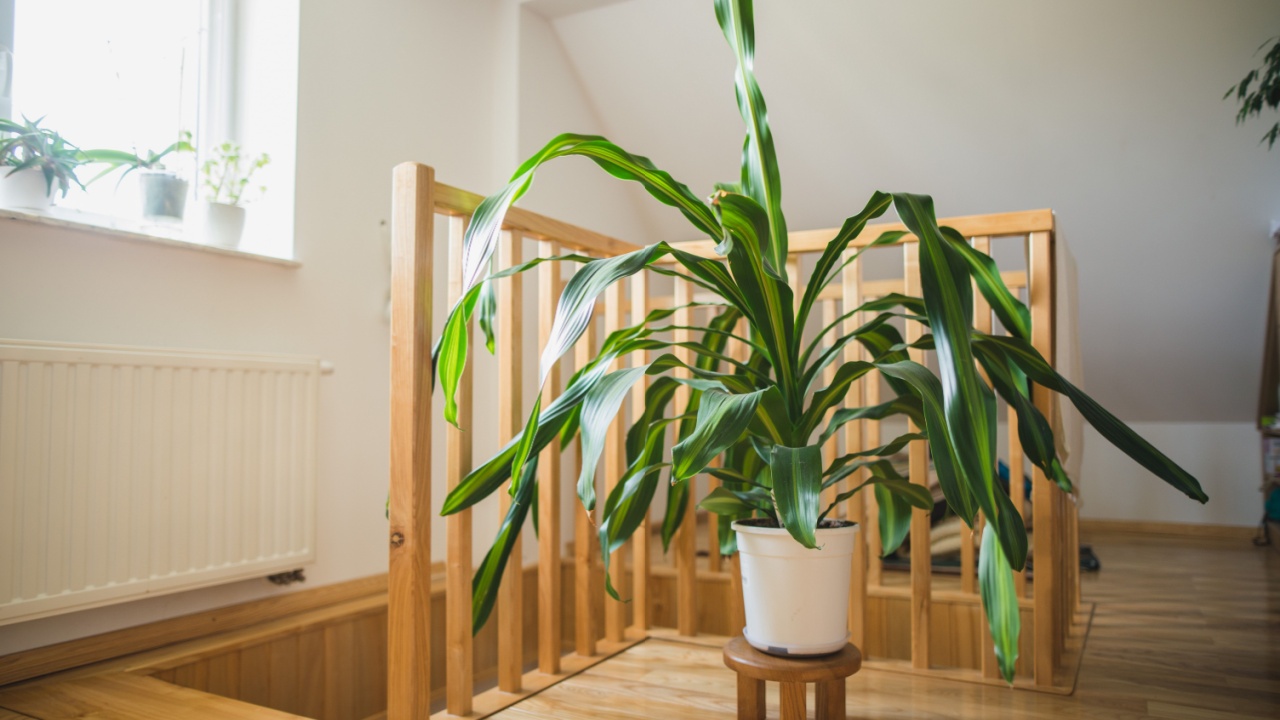
Image Credit: Shutterstock.
The Dracaena genus includes a wide variety of plants, many of which are well-suited to low-light conditions. Species like the Dracaena ‘Lisa’ or Corn Plant (Dracaena fragrans) are particularly tolerant of shade.
These plants often feature tall, cane-like stems topped with clusters of strappy leaves, adding dramatic height and texture to a room. Dracaenas are relatively low-maintenance and are excellent at removing toxins from the air. They prefer their soil to dry out between waterings and are sensitive to fluoride, which can be found in tap water. Using filtered or distilled water can help prevent brown tips on their leaves.
Care Summary:
- Light: Most varieties prefer medium to low indirect light.
- Water: Allow the top 1-2 inches of soil to dry out before watering.
- Soil: Well-draining soil.
- Toxicity: Toxic to cats and dogs.
9. Bromeliad (Bromeliaceae)
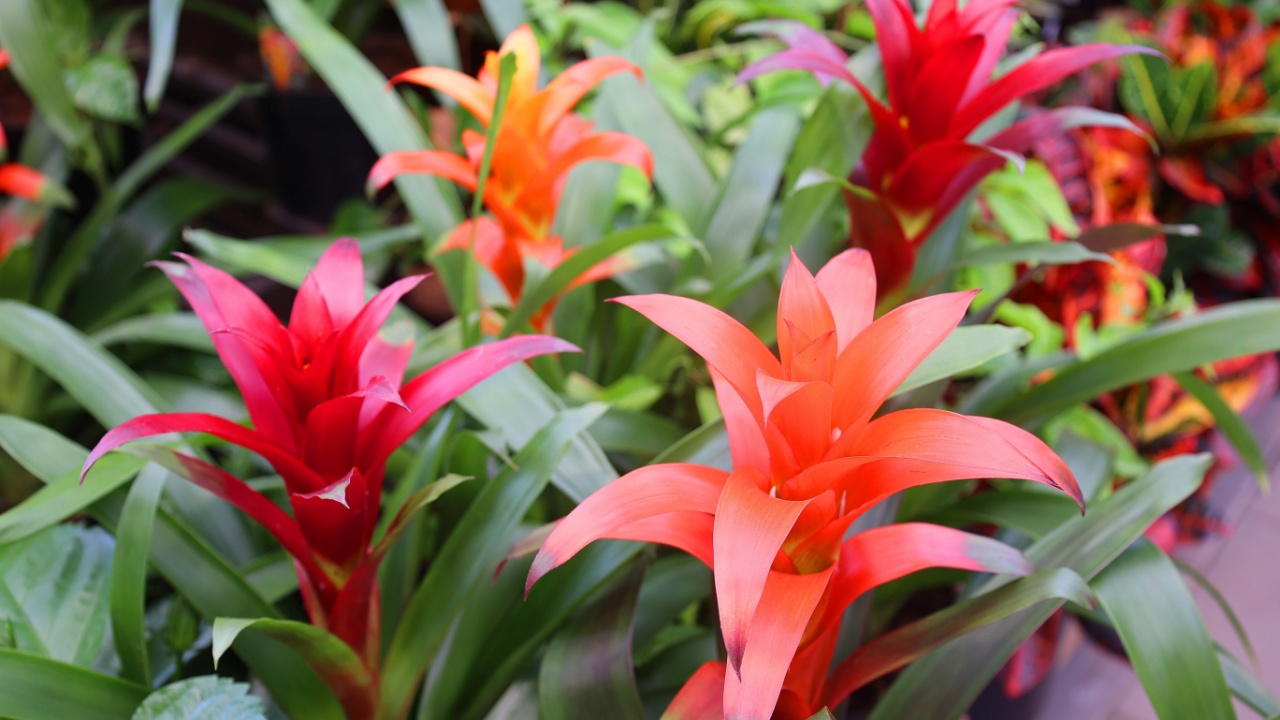
Image Credit: Shutterstock.
For a splash of tropical color in a low-light area, look no further than the Bromeliad. These unique plants feature a rosette of stiff leaves and produce a single, stunningly vibrant flower bract that can last for months. While they enjoy bright, indirect light to encourage blooming, many varieties will grow just fine in lower light, focusing their energy on their foliage.
A fascinating feature of Bromeliads is their watering method. They have a central “cup” or “tank” formed by their leaves, which is designed to collect water in their natural habitat. It’s best to keep this cup filled with a small amount of fresh water, flushing it weekly to prevent stagnation.
Care Summary:
- Light: Bright, indirect light is ideal, but they tolerate lower light levels.
- Water: Keep the central cup filled with water. Water the soil lightly and infrequently.
- Soil: Fast-draining orchid or bromeliad mix.
- Toxicity: Generally considered non-toxic and pet-safe.
10. Maidenhair Fern (Adiantum)
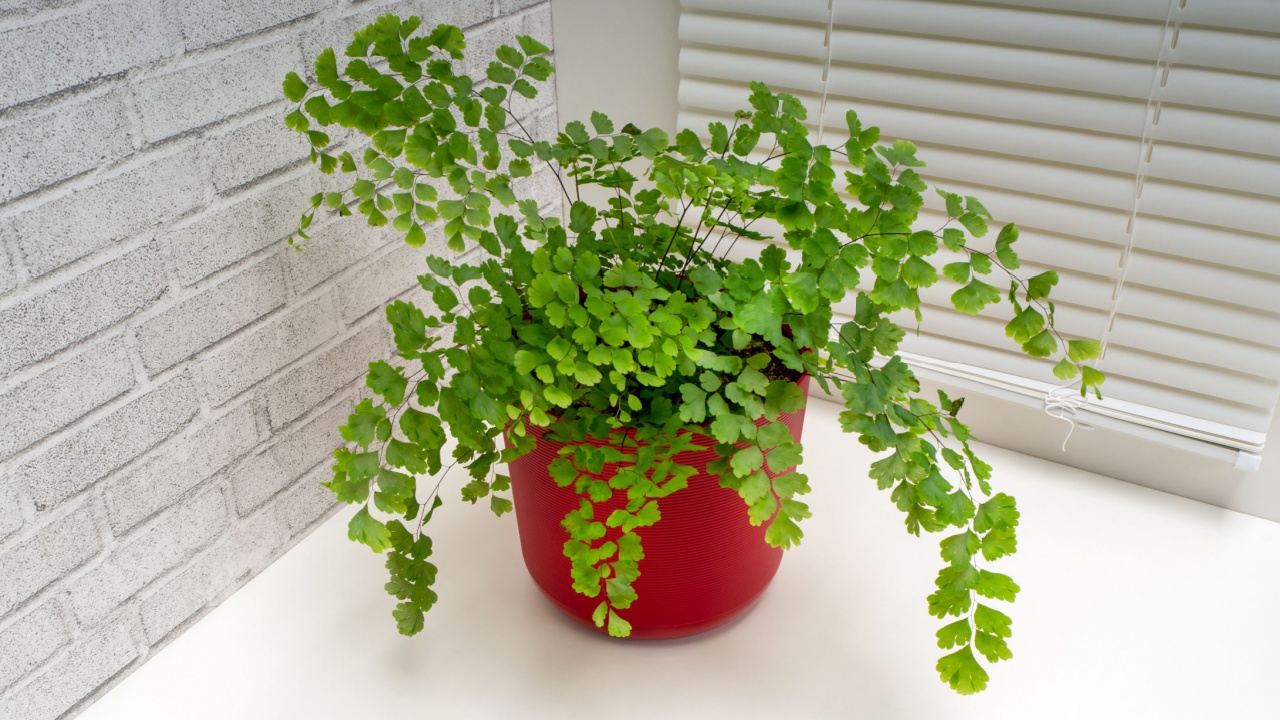
Image Credit: Shutterstock.
The Maidenhair Fern is one of the most delicate and beautiful ferns, with soft, feathery fronds on thin black stems. It brings a sense of lush elegance to any space. These ferns despise direct sunlight and thrive in the consistent moisture and high humidity of a shady, sheltered spot, making them perfect for a well-lit bathroom or a kitchen terrarium.
This plant requires more attention than many others on this list. It cannot tolerate dry soil, so it needs to be kept consistently moist (but not soggy). Regular misting will help replicate the humid environment it loves. While it demands more care, its graceful beauty is a worthy reward.
Care Summary:
- Light: Prefers low, indirect light. Avoid direct sun completely.
- Water: Keep soil consistently moist at all times.
- Soil: Rich, well-draining potting mix.
- Toxicity: Non-toxic and safe for pets.
11. Parlor Palm (Chamaedorea elegans)

Image Credit: Shutterstock.
A classic Victorian houseplant, the Parlor Palm has been a favorite for centuries due to its graceful appearance and adaptability to indoor conditions. Its arching, feathery fronds create a lovely tropical vibe.
This palm is an excellent choice for lower light situations, as it naturally grows in the shaded understory of forests. The Parlor Palm is a slow grower and stays relatively compact, making it suitable for smaller spaces. It’s also one of the few palms that can tolerate lower light and humidity levels common in homes. It is pet-friendly, adding to its appeal for many households.
Care Summary:
- Light: Low to bright, indirect light.
- Water: Water when the top inch of soil is dry. Avoid overwatering.
- Soil: Standard potting mix with good drainage.
- Toxicity: Non-toxic and pet-friendly.
12. Chinese Evergreen (Aglaonema)

Image Credit: Shutterstock.
The Chinese Evergreen is a durable and highly decorative foliage plant. It comes in a wide variety of colors and patterns, from deep green to silver-streaked and pink-splashed varieties. The darker green varieties are exceptionally tolerant of low light, while the more colorful ones prefer a bit more brightness to maintain their vibrant hues.
This plant is renowned for its easy-going nature and ability to thrive in less-than-ideal conditions. It prefers to dry out slightly between waterings and is generally low-maintenance, making it a popular choice for both homes and offices.
Care Summary:
- Light: Darker green varieties tolerate low light well. Brighter varieties need medium indirect light.
- Water: Allow the top 2 inches of soil to dry out before watering.
- Soil: Well-draining, slightly acidic potting mix.
- Toxicity: Toxic to pets and humans if ingested.
13. Fiddle Leaf Fig (Ficus lyrata)

Image Credit: Shutterstock.
The Fiddle Leaf Fig is a trendy statement plant, famous for its huge, violin-shaped leaves. While it is often marketed as a plant that needs bright, indirect light, it can adapt to and tolerate medium-light conditions surprisingly well. Placing it in a room with a north or east-facing window, away from the direct path of the sun, can be a perfect spot.
This plant can be a bit particular about its care, disliking drafts, inconsistent watering, and being moved. However, once you find a spot it likes, it can be a stunning focal point in your home. Ensure it has good drainage and allow the top few inches of soil to dry out before watering thoroughly.
Care Summary:
- Light: Prefers bright, indirect light but can tolerate medium light.
- Water: Water when the top 2-3 inches of soil are dry.
- Soil: Well-draining, nutrient-rich potting mix.
- Toxicity: Toxic to pets and humans if ingested.
14. Lucky Bamboo (Dracaena sanderiana)

Image Credit: Shutterstock.
Despite its name, Lucky Bamboo is not actually bamboo but a type of Dracaena. It’s an incredibly easy-to-care-for plant, often grown hydroponically in a vase of water with pebbles for support. It is associated with Feng Shui and believed to bring good fortune.
Lucky Bamboo thrives in indirect light and can easily be burned by direct sunlight. It requires very little maintenance. If grown in water, change the water every one to two weeks using filtered or distilled water to avoid mineral buildup. If planted in soil, keep it lightly moist. Its upright, architectural stems can be trained into interesting shapes, adding a touch of zen to your decor.
Care Summary:
- Light: Low to medium indirect light.
- Water: If in water, change weekly. If in soil, keep lightly moist.
- Soil: Can be grown in water or well-draining soil.
- Toxicity: Toxic to cats and dogs.
15. Boston Fern (Nephrolepis exaltata)
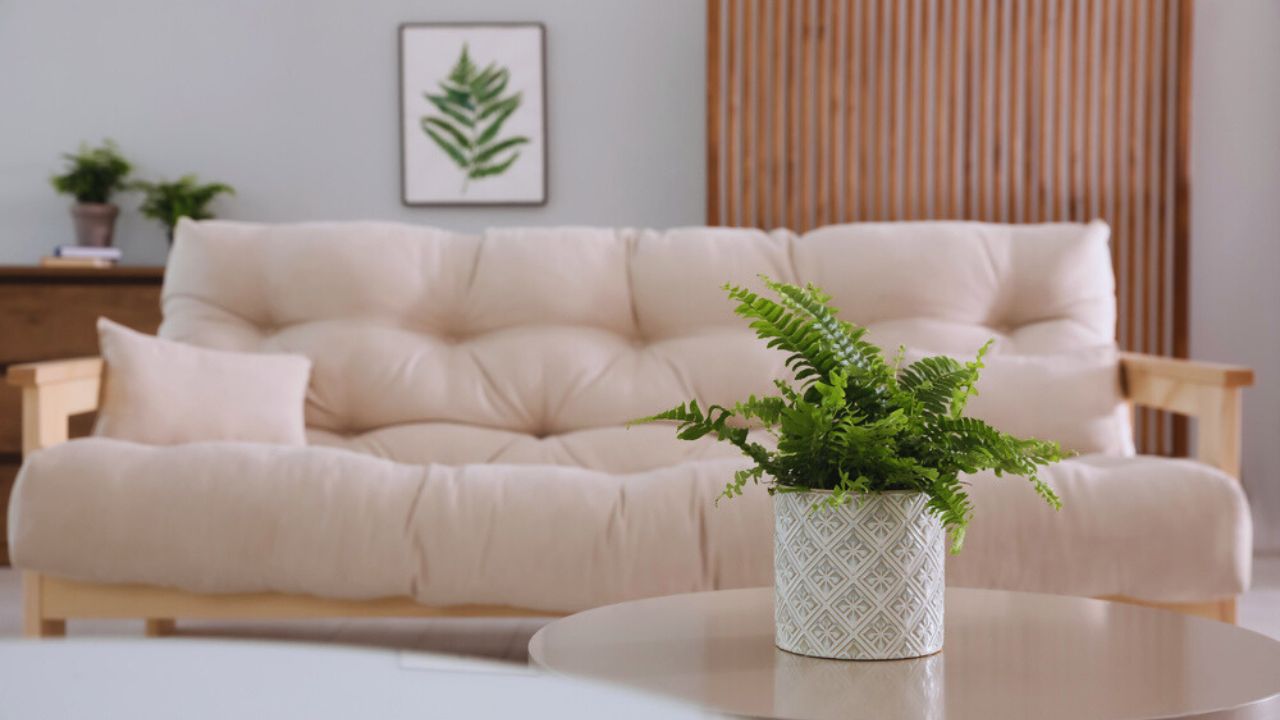
Image Credit: Shutterstock.
The Boston Fern is a timeless classic, with lush, shaggy fronds that create a full, vibrant look. It’s perfect for hanging baskets or placing on a pedestal where its arching leaves can cascade freely.
These ferns love cool, humid places with plenty of indirect light, making them ideal for a bright bathroom or a shaded porch. Like the Maidenhair Fern, the Boston Fern requires consistent moisture and high humidity to prevent its fronds from turning brown and crispy. Misting the plant regularly or placing it on a pebble tray with water can help meet its humidity needs. Though it requires a bit of attention, its lush, jungle-like appearance is well worth it.
Care Summary:
- Light: Bright, indirect light; can tolerate lower light. Avoid direct sun.
- Water: Keep soil consistently damp, but not soggy.
- Soil: Rich, peat-based potting mix with good drainage.
- Toxicity: Non-toxic and safe for pets.
16. Dumb Cane (Dieffenbachia)

Image Credit: Shutterstock.
Dieffenbachia, or Dumb Cane, is a striking plant with large, broad leaves often variegated with patterns of cream, yellow, or white. It adds a bold, tropical feel to any room. It prefers medium indirect light but can adapt well to lower light levels, especially the varieties with solid green leaves.
This plant is a relatively fast grower and can become quite large, making it an excellent floor plant. It’s important to note the origin of its common name: the plant’s sap contains calcium oxalate crystals, which can cause temporary numbness and swelling of the mouth and throat if chewed or ingested. It’s best to keep this plant away from curious pets and children.
Care Summary:
- Light: Medium to bright indirect light is best, but it tolerates low light.
- Water: Water thoroughly, then allow the top 1-2 inches of soil to dry out.
- Soil: Well-aerated, fast-draining potting soil.
- Toxicity: Highly toxic to pets and humans if ingested.
17. Hoya (Hoya carnosa)

Image Credit: Shutterstock.
Hoyas, also called Wax Plants, are treasured for their thick, waxy leaves and clusters of fragrant, star-shaped flowers. These trailing plants are incredibly long-lived and low-maintenance. While they bloom best in bright, indirect light, they grow beautiful foliage in lower light conditions as well.
Hoyas are semi-succulent, storing water in their leaves, so they prefer to dry out completely between waterings. They are perfect for hanging baskets or training up a small trellis. Once they find a happy spot, they prefer not to be moved. With patience, you may be rewarded with their sweet-smelling, porcelain-like flowers.
Care Summary:
- Light: Prefers bright, indirect light but adapts well to medium-low light.
- Water: Allow soil to dry out completely between waterings.
- Soil: Very well-draining mix, like an orchid or succulent blend.
- Toxicity: Generally considered non-toxic and pet-safe.
18. Kentia Palm (Howea forsteriana)

Image Credit: Shutterstock.
The Kentia Palm is the picture of tropical elegance. With its long, graceful fronds and slender trunk, it brings a sophisticated, resort-like feel to interior spaces. It is one of the most shade-tolerant palms available, making it an excellent choice for adding height and drama to a corner with lower light.
This palm is slow-growing and very resilient, tolerating a fair amount of neglect. It’s a great investment plant that can thrive indoors for many years, eventually reaching impressive heights. It is also non-toxic, making it a safe and stylish choice for homes with pets.
Care Summary:
- Light: Thrives in low to medium indirect light.
- Water: Water when the top inch or two of soil is dry.
- Soil: Well-draining, peat-based potting mix.
- Toxicity: Non-toxic and pet-friendly.
19. Prayer Plant (Maranta leuconeura)

Image Credit: Shutterstock.
The Prayer Plant earns its name from a fascinating habit called nyctinasty: its beautifully patterned leaves fold up at night, as if in prayer, and lower again in the morning. The leaves feature intricate patterns, often with shades of red, cream, and deep green, making it a true work of art.
It thrives in medium to low light and high humidity, similar to its native habitat on the rainforest floor. Direct sun will fade its vibrant patterns and scorch its leaves. Because it loves humidity, it’s a perfect plant for a kitchen or bathroom. You can also group it with other plants or use a humidifier to keep it happy.
Care Summary:
- Light: Medium to low indirect light. Avoid direct sun.
- Water: Keep soil consistently moist but not waterlogged.
- Soil: Well-draining, peat-based mix.
- Toxicity: Non-toxic and pet-friendly.
20. Calathea (Calathea species)

Image Credit: Shutterstock.
Closely related to the Prayer Plant, Calatheas are also known for their stunningly ornate foliage and are often called “peacock plants” or “zebra plants.” They exhibit the same day-night leaf movement. Calatheas are true low-light lovers and will quickly suffer in direct sunlight. There are dozens of varieties, each with a unique pattern. Like their prayer-plant cousins, Calatheas demand high humidity and consistently moist soil to look their best. They can be sensitive to minerals in tap water, so using filtered or rainwater is recommended to prevent crispy leaf edges. While they require a bit more attention, their breathtaking beauty makes them a rewarding challenge.
Care Summary:
- Light: Prefers medium to low indirect light.
- Water: Keep soil consistently moist.
- Soil: Rich, well-aerated potting mix that retains moisture.
- Toxicity: Non-toxic and pet-friendly.
Planning Your Indoor Garden
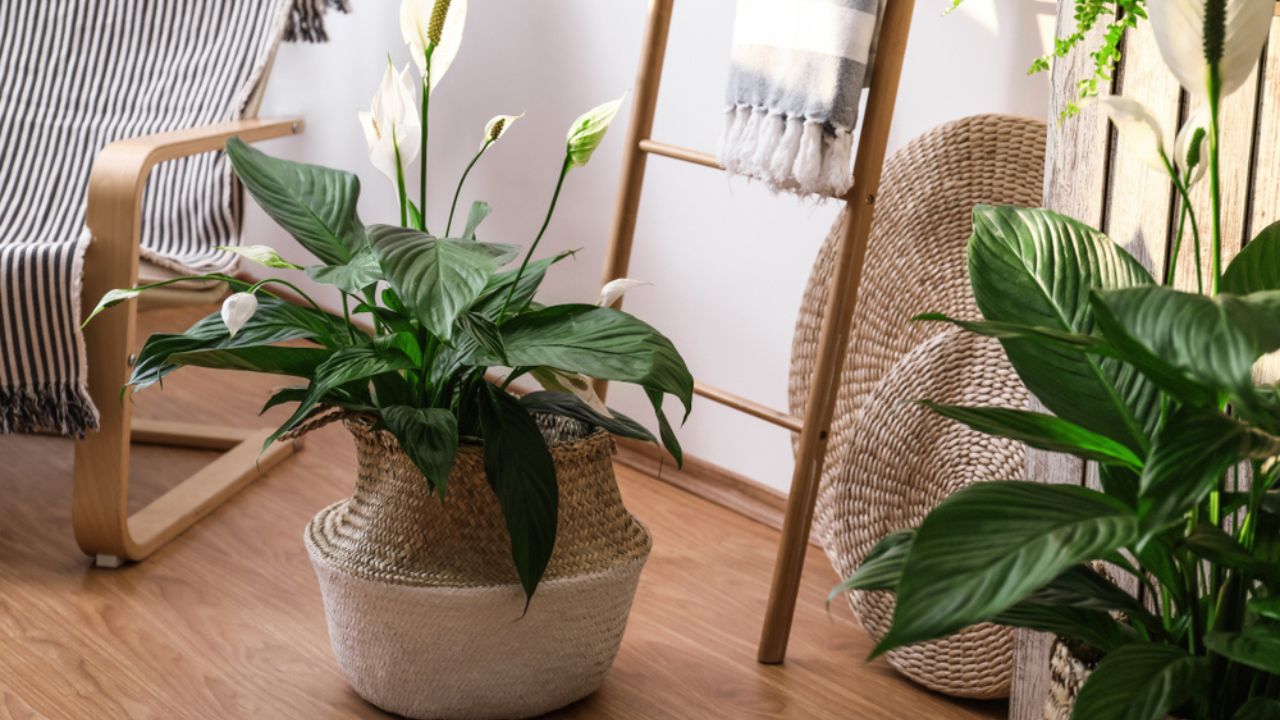
Image Credit: Shutterstock.
Now that you’re familiar with some of the best low-light plants, you can start building your indoor jungle. Begin by assessing your space. Identify the north-facing rooms or shaded corners that could use a touch of green. Consider the size of the plant you want. Do you need a tall floor plant like a Kentia Palm or a trailing vine like a Pothos for a high shelf?
When you bring your new plant home, give it time to acclimate to its new environment. Resist the urge to overwater, which is the most common pitfall for new plant parents. A simple finger test, sticking your finger an inch or two into the soil, is the most reliable way to know when it’s time to water. Start with one or two easy-care plants like the Snake Plant or ZZ Plant to build your confidence. As you learn their rhythms, you can branch out to more varieties.