Winterize Your Garden! 10 Tips to Save Your Plants, Time and Money
As fall settles in, gardeners start to relax: It’s almost time to stop weeding and mowing and trying to foist off all that zucchini on friends and relatives! But the work is not quite over. Winterizing your landscape, also known as “putting the garden to bed,” is a crucial tactic to save your plants, your time, and your money.
Maybe you’re ready to let the tomato vines rot and watch the flower garden shrivel up and die. But it’s essential to wind down the gardening season properly. Failing to do so could lead to plant disease, garden pests, and maybe even the death of some perennials.
Sound daunting? It doesn’t have to be! Veteran gardeners know that the best way to do this is to break it into simple stages.
For example, once a greenhouse tomato plant stops producing, my partner empties the soil into an outdoor raised bed and tosses the plant into the compost. We plant several kinds of peas that produce at different rates; I tear down vines as they die back, instead of trying to do all three large beds at once on a cold, drizzly autumn day.
Speaking of weather: We time our chores to the day. When it’s sunny, we’re out digging and delving. On a cloudy or outright rainy day, we’ll be sweeping out the greenhouse, preserving apples or dehydrating kale, oiling tools, or writing in the garden journal.
Recently, I spent almost four hours straight cutting back our jungle of red and golden raspberries, then raking and stacking the canes to dry out for burning. While I did that, my partner cut logs with our new wood splitter and stacked the stove lengths. Then we quit working, lest we get too worn-out to do anything the next day. He and I treat winterizing the garden as a marathon, not a sprint.
Every garden is different, of course. Closing up a xeriscaped yard in California is not the same as tucking in a lush Pennsylvania garden for the winter. Yet some tasks are universal. Keep the following tips in mind when buttoning up your own landscape.
1. Plan your final harvests
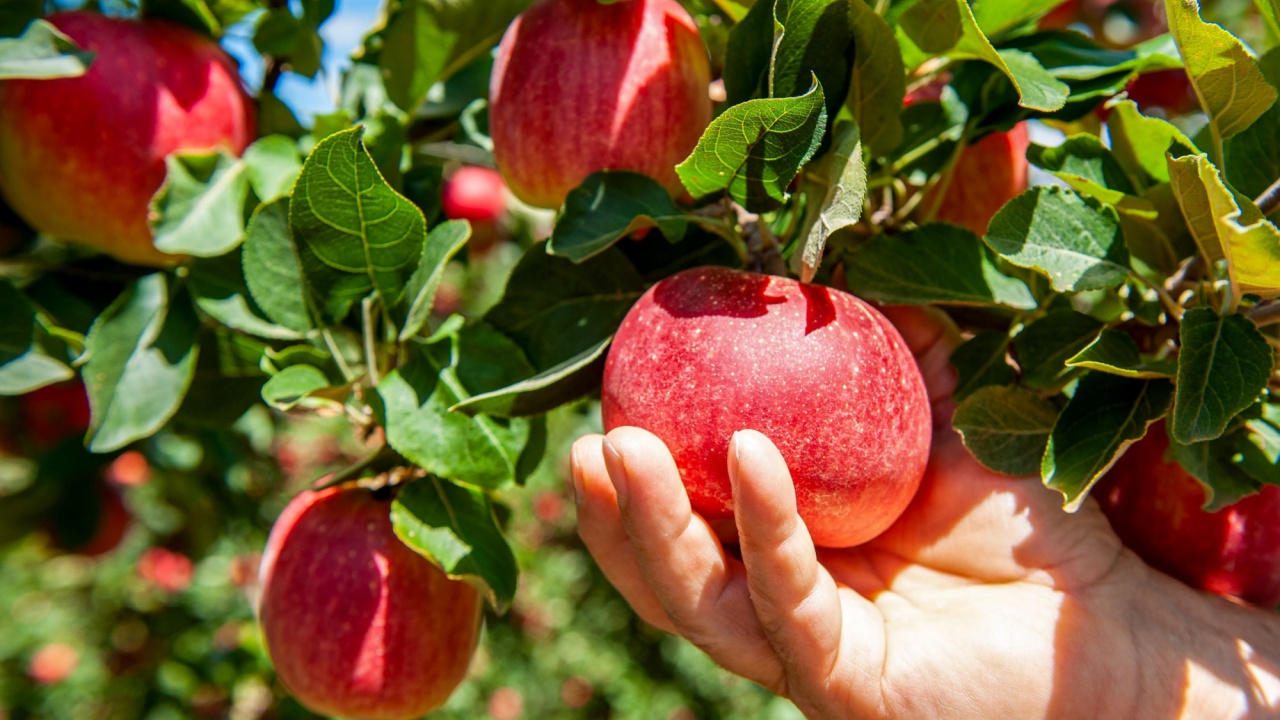
You might be surprised how much produce is still in your garden, especially if you’ve neglected it lately. Don’t let it stay there. (If you have a longer growing season, you might still be able to plant a few seeds or sprouts even.)
Lift up those sagging tomato or pepper plants to search for unharvested nightshades. Peer into overgrown berry patches, and collect fallen apples or pears. Give any produce that you can’t use to relatives, friends, or offer it on social media sites like NextDoor or groups like Buy Nothing.
The food banks in your area might also welcome your garden overflow. Yes, even those zucchinis that are the size of fire extinguishers. The Feeding America website has a food bank locator tool.
2. Clear away plant debris
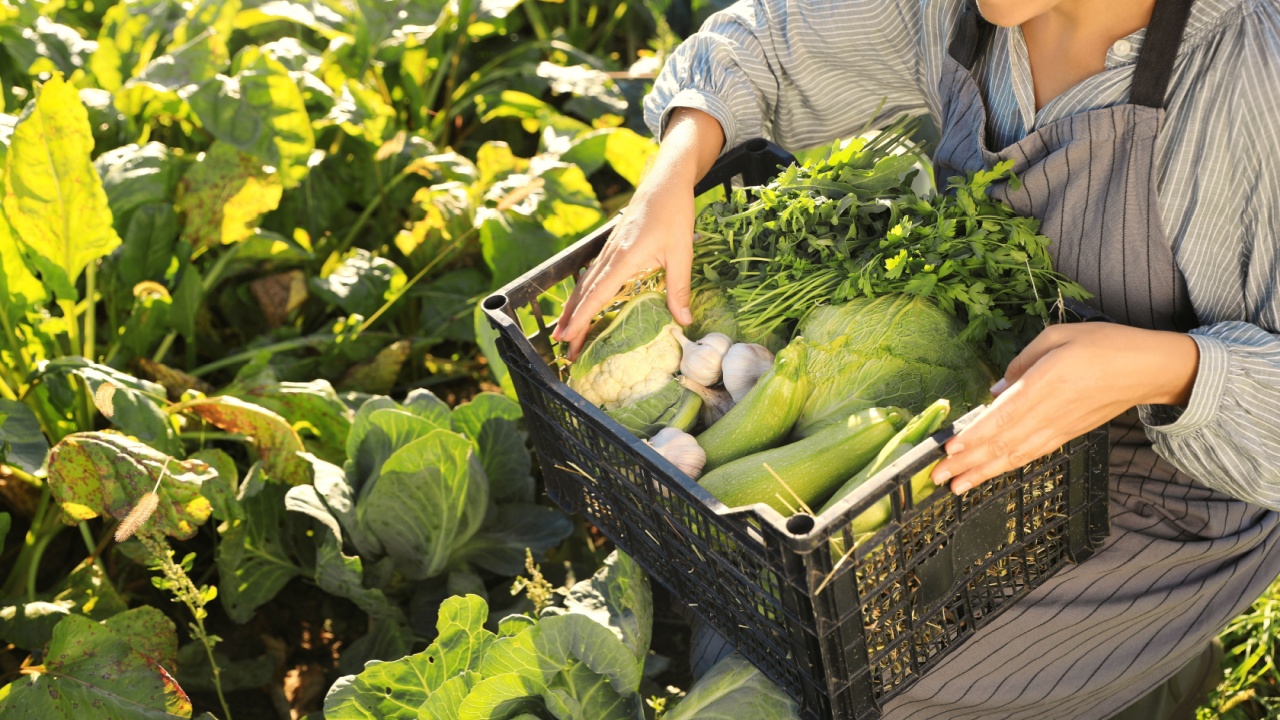
You’ve brought in your final vegetable or fruit harvest and cut the last flowers. It’s tempting to let the spent plants fall where they may. Dealing with it next spring is fine, right?
Wrong. Not clearing away plant debris is basically setting out a welcome mat for garden pests and or plant diseases to settle in, according to Jane Purnell of LawnStarter.com.
“Many bacteria and pest eggs can overwinter in debris, and they will take over your healthy plants once spring arrives,” Purnell warns.
It’s easier and cheaper to prevent problems than to deal with them next spring.
3. Fire up the lawnmower
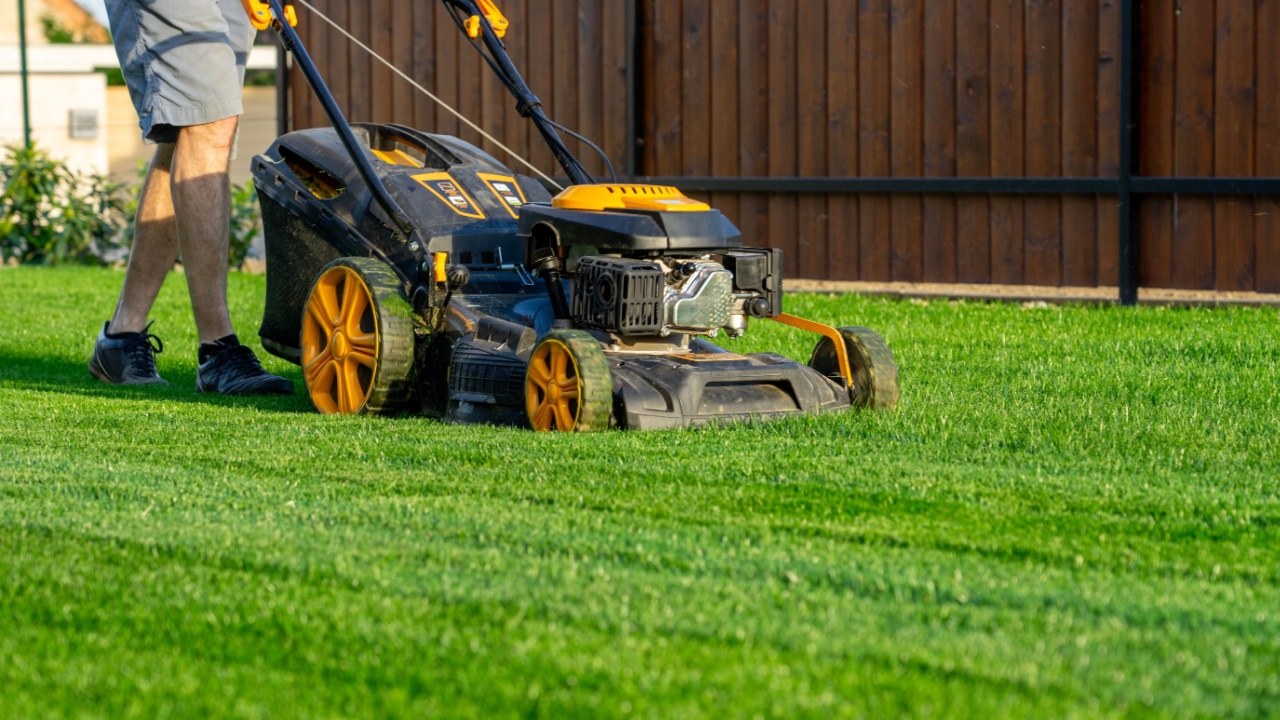
Thinking of letting the overgrown lawn go until next year? Don’t. The University of Minnesota Extension recommends mowing regularly until the grass stops growing in the fall.
Diseases can develop in too-long grass during the winter. Additionally, small rodents such as voles could overwinter there.
Be sure your mower’s blades are sharp. A dull blade leaves a jagged edge on grass blades, leaving them more susceptible to disease.
Finally, leave those clippings where they land. The UMN Extension notes that these clippings benefit soil quality and improve carbon sequestration.
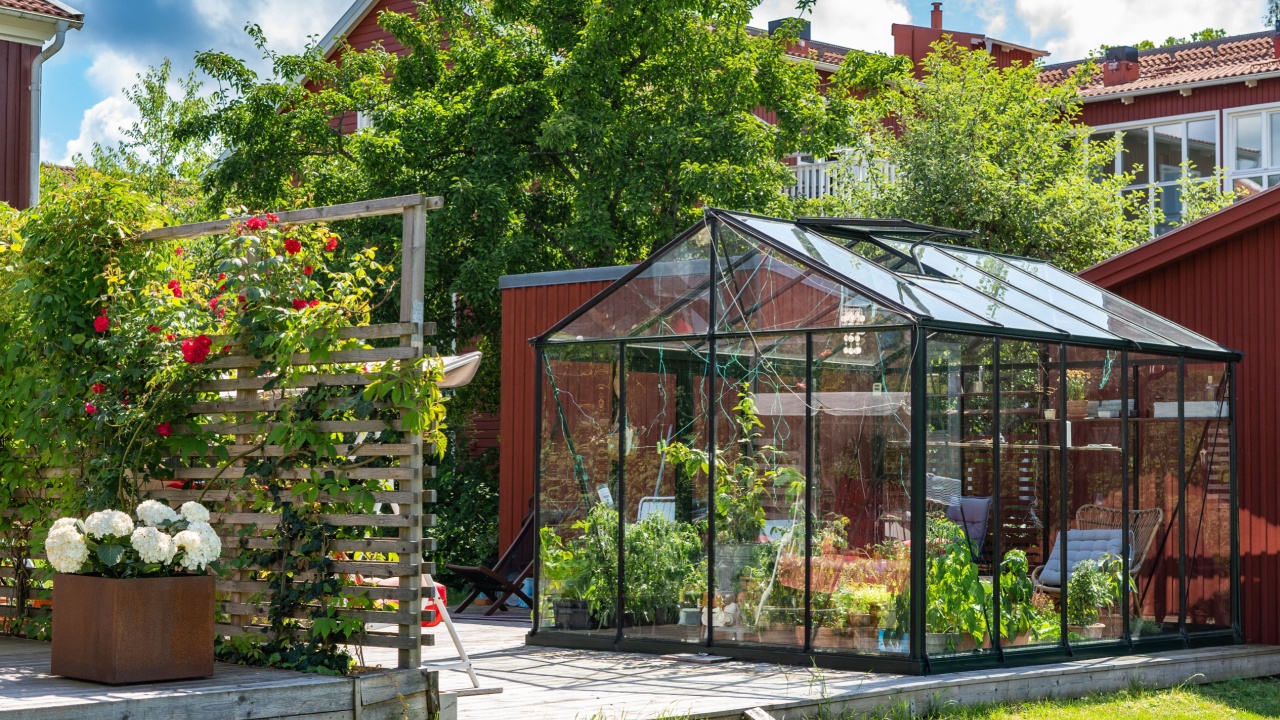
4. Winterize your greenhouse
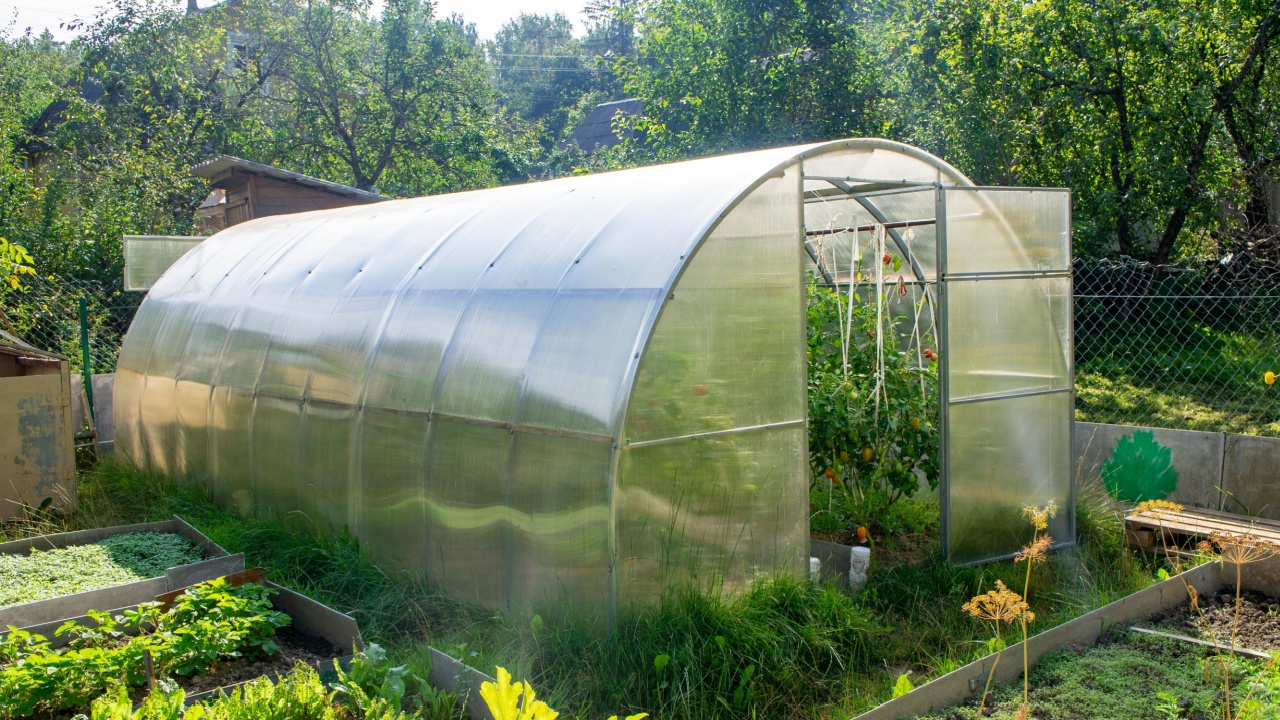
If you’re lucky enough to have a greenhouse, it’s time to prepare it for the colder weather. Carol J. Michel of The Family Handyman offers these tips.
Wash the windows, inside and out. The cleaner they are, the more light will get into the structure come springtime. A car-wash brush and soapy water can help you reach the high spots.
Clear out clutter. Have empty seed packets, extra garden pots, and other items accumulated during the summer? Get rid of them.
Sweep the floor and plant benches. As noted earlier, diseases and pests may overwinter in plant debris. Hose down the floor and benches afterwards.
Be ready for snow. A greenhouse heated to even 50 degrees should be able to shed snow load. If your greenhouse isn’t heated, look for a “roof rake” that lets you stand at ground level and pull the snow off the roof.
5. Protect perennials

Those who live in cold places need to provide a little more care for perennials. For example, a layer of straw or fallen leaves can keep your peony plants from freezing to death, according to The Old Farmer’s Almanac.
Some plants, such as dahlias, might even need to be dug up and wintered over indoors. Once frost has blackened the leaves of plants like dahlias, gladioli, and cannas, dig them up (carefully!) and leave them on a newspaper to dry indoors for a few days. After that, pack them in dry peat moss, foam packing peanuts, or shredded newspaper and store them in a dark, humid spot between 40 and 50 degrees.
A few more perennial pre-winter chores, according to the site:
- Water them before freeze-up.
- Some varieties are prone to diseases like powdery mildew. Bee balm, hostas, and phlox are common examples. Once the ground has frozen and leaves have completely died, cut them back to about three inches of stem, then mulch with straw or leaves.
- If you bought potted chrysanthemums this fall, don’t toss them once their blooms have faded! Overwinter them instead: Water deeply, cover thickly with straw, and move to a sheltered spot.
Then take a minute to feel smug about having put money back into next year’s garden budget.
6. Lay down some mulch
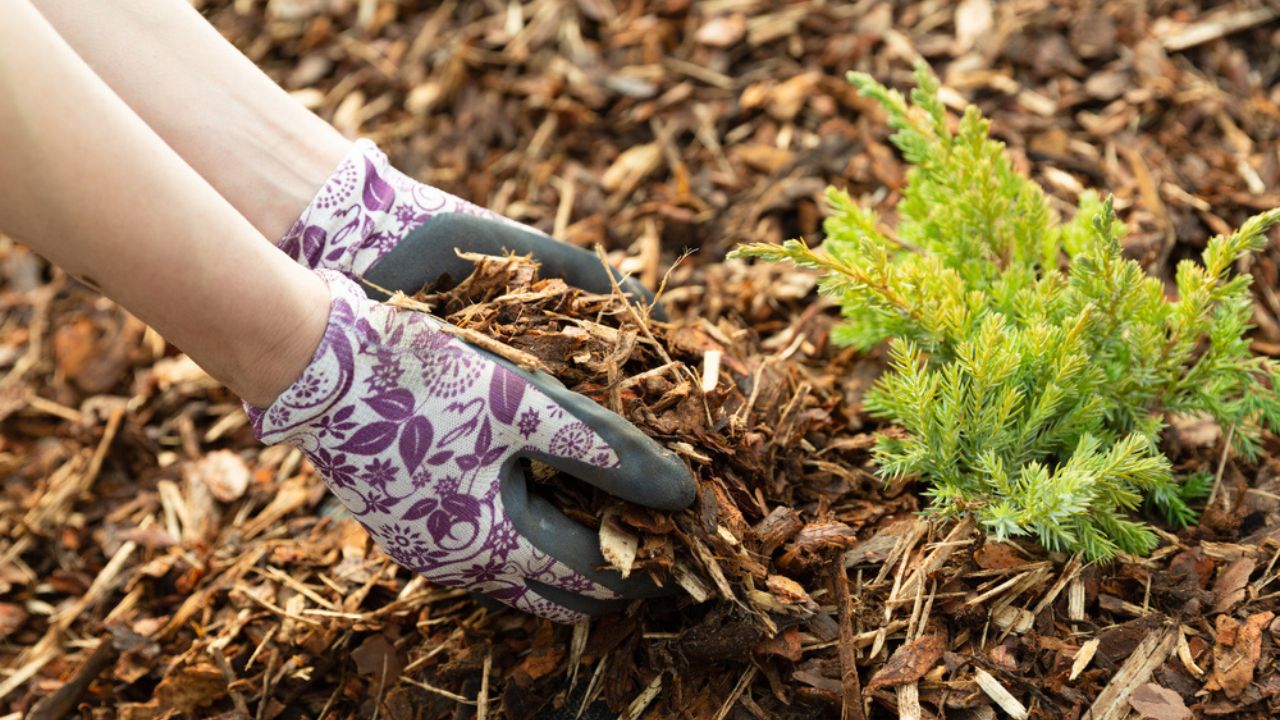
As noted earlier, a layer of mulch can help your plants survive the winter. But empty garden beds need coverage, too. As a seasoned gardener, I’ve learned mulch can reduce weeds and help the bed retain moisture. It also keeps soil from getting too compacted over the winter.
Shocked by the price of commercial mulch? You can use shredded leaves, according to Martha Stewart writer Madeline Buiano.
Or combine two chores into one by using compost as your mulch. In an article on the Homes and Gardens website, writer Drew Swainston recommends one to two inches of compost, which both protects and enriches the soil.
Remove any non-compost mulch once spring arrives, though. Doing so allows garden beds to warm up faster and be ready for planting sooner.
7. Water deeply
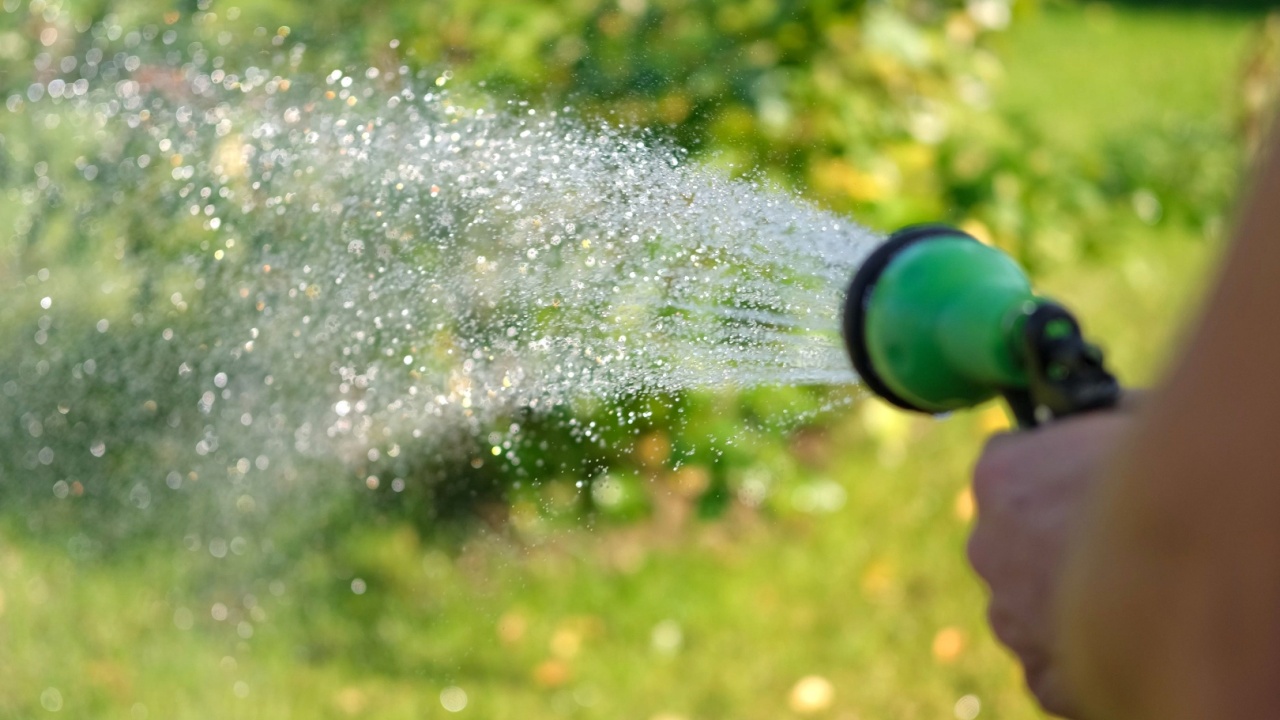
If you live in a colder climate and it’s been a dry summer, regularly water your shrubs, trees, and perennials before the soil freezes. Otherwise, they’re likely to be damaged by winter desiccation.
Newly installed plants are most at risk, according to Rosie Lerner of Purdue University’s Extension Service. Yet even an established plant “will be more susceptible to winter injury if they go into winter in stressed condition.”
Water thoroughly every week to 10 days if autumn has been dry. Aim to have the water penetrate 12 to 18 inches and water slowly, to avoid runoff.
“Making sure the plants have a sufficient supply of soil moisture before the ground freezes will help create healthier specimens to fight the winter battle,” Lerner says.
8. Divide perennials
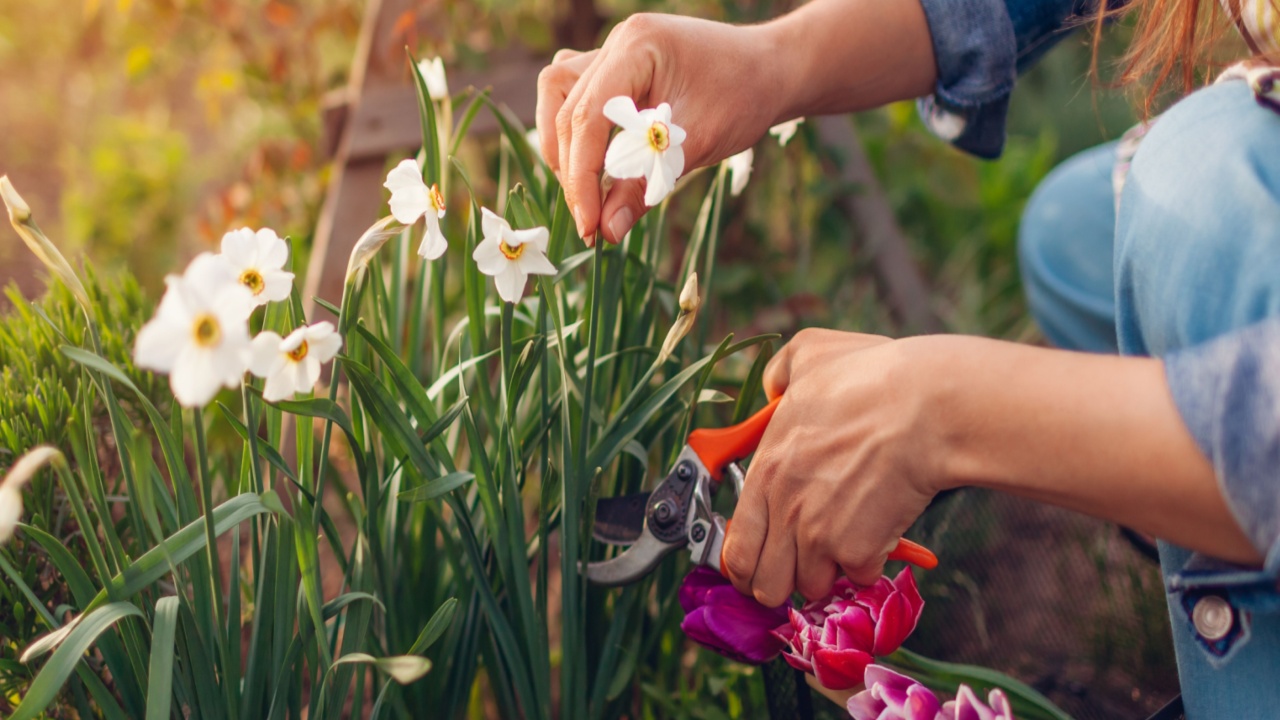
Perennials are a great deal: Buy a plant once and it comes back every year! Over time, however, perennials start to grow too close together. This means more competition for nutrients, water, and space, and can lead to sickly plants.
Dividing a perennial helps keep that from happening. Bonus: You get more plants for free! Here’s how the process works:
- Carefully dig up the parent plant.
- Gently remove loose dirt clinging to its roots.
- Divide the plant by separating the roots by hand, splitting them with two forks, or cutting with a sharp knife.
“After successfully dividing your perennials, you’ll likely notice your flower beds appearing more spread out and fuller,” Purnell notes.
9. Winterize garden tools and accessories
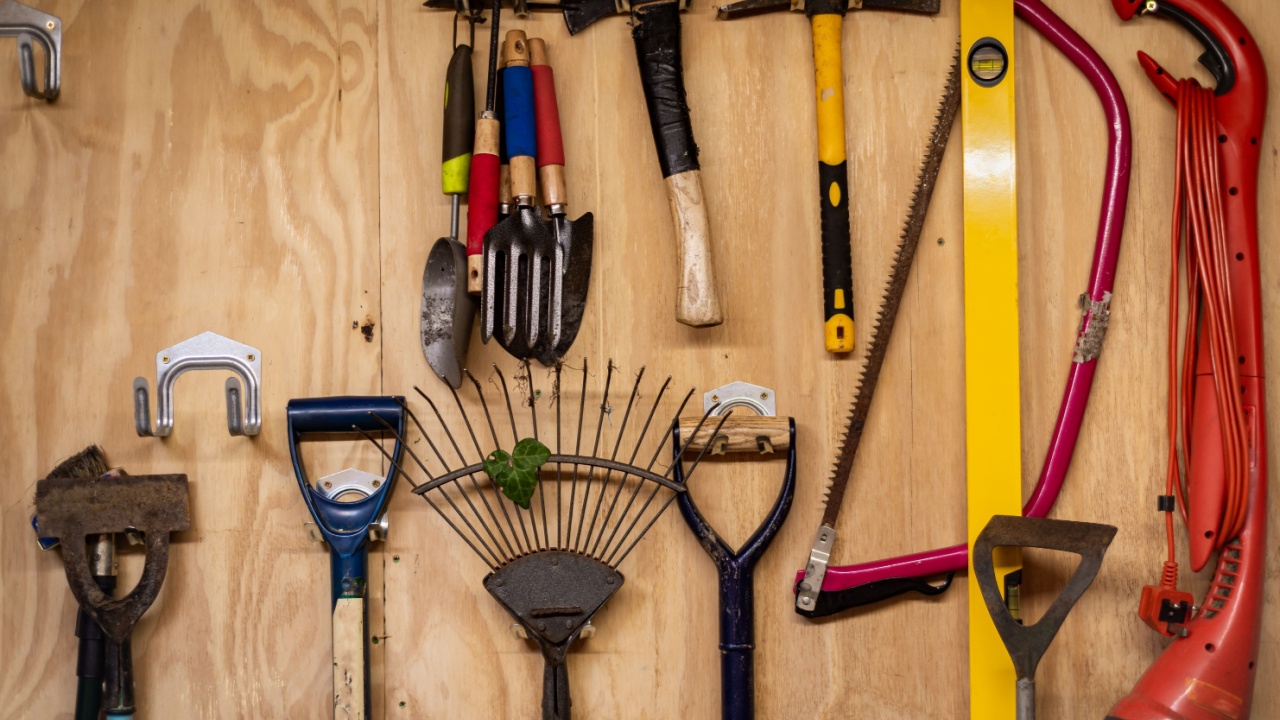
Don’t just stash your mower or weed whacker (or your trowel or your hoses) in the outbuilding until spring. Catherine Boeckmann of The Old Farmer’s Almanac offers a few best-practice tips to keep your equipment in good shape.
Drain fuel tanks on power equipment. Then read the owner’s manual to find out what else you should do for each type of tool.
Scrub and dry your hand tools, shovels, and the like instead of putting them away caked with damp soil. Some gardeners also rub on a little vegetable oil to prevent rust from forming. My frugal partner applies used motor oil on both the wood and metal parts.
Empty outdoor containers to keep them from freezing and cracking this winter.
Turn off the watering system. A hose or irrigation setup can be damaged by winter freezes. Some gardeners blow the water out with an air compressor or just bring hoses into a heated garage or shop for the winter.
10. Write it all down

Ideally, you’ll have kept a garden journal throughout the season. If not, jot down a few notes now. What flourished and what faltered? Which varieties looked/tasted better than others? Which ones suffered in drought or heat waves?
Use a notebook or digital app to record your thoughts. Next growing season, these notes will help set you up for success: Why waste money on seedlings for plants no one would eat, or that didn’t do well in your yard?
Aaron Steil of Iowa State University Extension suggests a journal capturing “the emotional journey of gardening” along with the practical data. “You can record your thoughts, feelings, and inspirations as you watch your garden grow…These memories become a cherished part of your gardening story.”
It’s also a great chance to remind yourself that nobody in your family will eat Swiss chard, and that few people need more than two zucchini plants.