Illinois Boy Pulls Common Weed in Backyard—Hours Later, He’s in the Hospital
Pulling weeds is about as standard as backyard chores get, as familiar as it is repetitive and tiring. But for one Illinois family, it ended with a 7-year-old spending two days in the hospital.
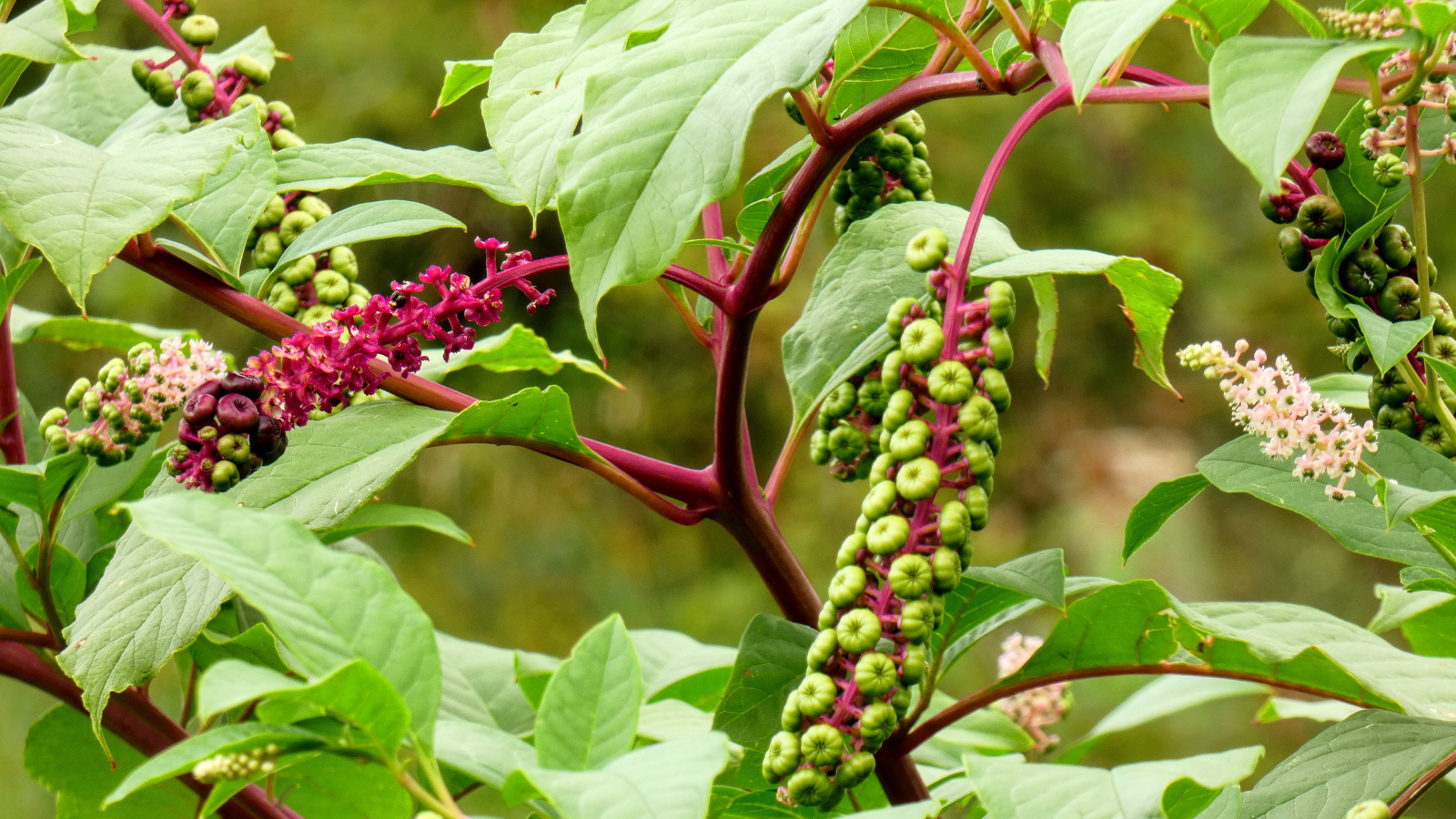
Rayden Vollrath was helping clear the yard along his family’s backyard fence when he pulled up a plant with purple berries, his mother, Danielle Carnicelli, recounted, according to WGEM.
The plant was pokeweed. WGEM reports Carnicelli believed liquid from the stalk got beneath her son’s fingernails before he scratched his face. Within hours, Rayden developed burning, itching, and swelling, and Carnicelli said the reaction then progressed to anaphylactic shock.
Doctors determined that Rayden had suffered an allergic reaction. As a result of the traumatic near-miss, Carnicelli decided to warn other families about a plant that can easily turn up much closer to home than most people might expect.
His Reaction Became Much More Serious
After making contact with the plant and touching his face, Rayden’s symptoms worsened.
“It hurt. A lot,” recalled Rayden, as reported by WGEM. “My chest was burning and I couldn’t breathe.”
During anaphylaxis, the immune system releases chemicals that can cause airways to narrow and blood pressure to fall suddenly, according to the Mayo Clinic. Those breathing problems make anaphylaxis a serious medical emergency.
After two days in the hospital, Rayden was able to go home. He told WGEM that next time he tackles weeds, he plans on doing so armed with long sleeves, long pants, sturdy shoes, and gloves.
This closely echoes the advice poison experts give to anyone who may be handling unfamiliar or toxic plants. The Illinois Poison Center recommends identifying unfamiliar plants and teaching children not to put unknown berries or other plant parts in their mouths.
A Familiar Plant With a Toxic Side
Pokeweed, or Phytolacca americana, is native to much of North America and typically grows along fence rows, in fields, and even in wastelands, according to North Carolina State University Extension. Mature plants can reach up to 4 to 10 feet tall. They can be identified by their reddish-purple stems and clusters of berries that ripen from green to dark purple or black.
Those berries help the plant spread. Birds and other wildlife eat them, and the University of Maryland Extension notes that pokeweed often sprouts wherever birds drop its seeds.
For humans, however, every part of the plant is toxic. The primary culprits are the poisonous compounds phytolaccatoxin and phytolaccigenin, according to MedlinePlus. The highest amounts of these are found in the roots, leaves, and stems. Swallowing pokeweed can cause nausea, vomiting, diarrhea, abdominal pain, and, in serious cases, breathing problems, seizures, or loss of consciousness.
Consuming the plant and making physical contact with the plant cause separate issues. North Carolina State University Extension lists pokeweed as a cause of contact dermatitis and recommends wearing gloves when handling it.