Is Your Foundation In Danger? If You Have Any of These 10 Trees in Your Yard, It Might Be
That gorgeous tree shading your back patio might be writing you a bill that you can’t afford.
Foundation damage caused by tree roots is one of the most expensive and least visible threats to a home, and most homeowners never see it coming until doors stop closing, basement walls crack, or a home inspector delivers devastating news during a sale.
Tree root systems extend two to three times farther than the tree’s visible canopy, according to Groundworks. A mature oak with a 40-foot canopy can have roots stretching 80 to 120 feet from the trunk, silently working beneath driveways, sidewalks, and even neighboring properties. You may never see a root near your foundation, but that doesn’t mean it isn’t there.
The financial stakes are real. Minor foundation crack repairs run $500 to $1,000. Large-scale structural repairs range from $5,000 to $10,000, and in severe cases involving soil subsidence and major settlement, costs can exceed $20,000, according to All County Waterproofing. Most homeowner’s insurance policies exclude gradual root damage, classifying it as a maintenance issue rather than a covered event.
Before you plant your next tree or ignore the one that’s been growing near your house for decades, it’s worth knowing which species pose the highest risk. The following ten trees are the ones foundation specialists, certified arborists, and structural engineers warn homeowners about most.
1. Weeping Willow
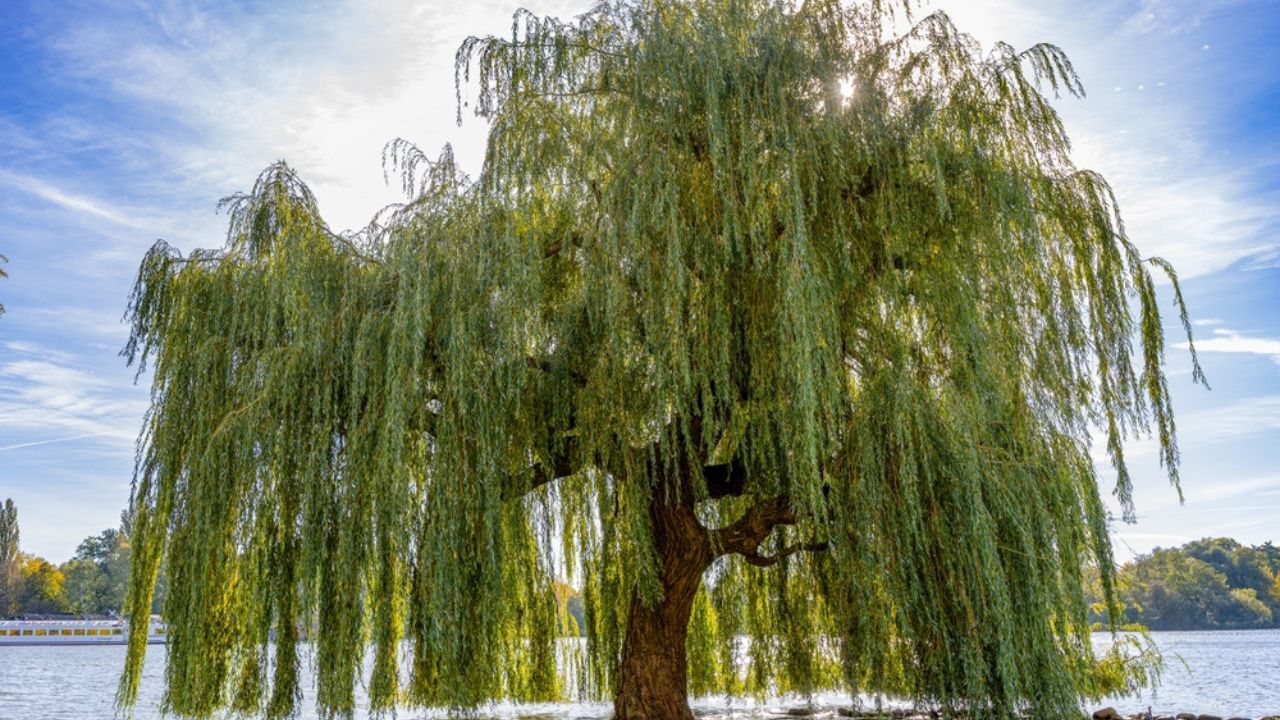
No tree causes foundation and plumbing specialists more headaches than the weeping willow (Salix babylonica). Its massive root system is driven almost entirely by thirst, and it will follow any source of moisture it can find, including leaky pipes, septic tanks, and the damp soil that surrounds most home foundations.
“I always avoid planting a weeping willow near a home,” says landscape designer Jan Johnsen, quoted by Martha Stewart. “Its aggressive roots search out water, and they can easily clog water, septic, and sewer pipes near the house. This can lead to costly repairs and property damage.”
One North Carolina homebuilder, Robert Tschudi, recalled to Angi a project where a willow planted deliberately near standing water eventually destroyed the home’s entire septic system. Keep weeping willows a minimum of 50 feet from any structure, pipe, or utility line.
2. Silver Maple

Silver maple (Acer saccharinum) is one of the most commonly planted shade trees in American backyards and one of the most commonly blamed for foundation problems. Its shallow roots spread aggressively and have a unique habit of pulling moisture from the soil around a foundation, causing the soil to shrink and pull away from foundation walls, leaving them structurally vulnerable.
ISA-certified arborist Eva Monheim recommends planting silver maples at least 30 to 40 feet from any foundation, as quoted by Martha Stewart. She also notes that in low-lying areas, silver maples can provide genuine value; just not anywhere near your home.
3. Hybrid Poplar
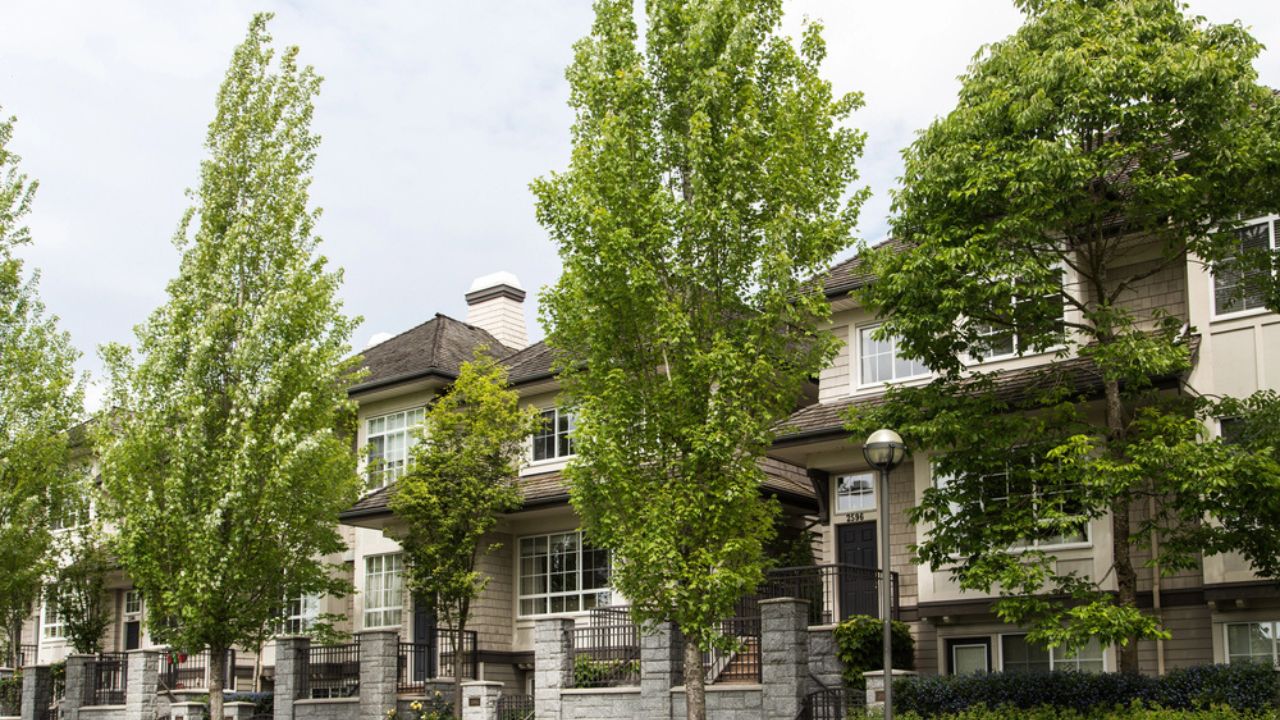
Hybrid poplars were developed for one purpose: to grow as fast as possible for commercial pulpwood and lumber production. That speed, often several feet per year, comes with an intensely invasive shallow root system. According to The Real Seal LLC, a foundation repair specialist, hybrid poplars have a typical lifespan of around 15 years on homeowner properties and leave behind a legacy of root damage that often outlasts the tree itself.
Their roots are especially notorious for breaking into sewer pipes, as the moisture inside attracts continued root growth. Plant them only on large properties, well away from any structure or utility line.
4. Oak Trees
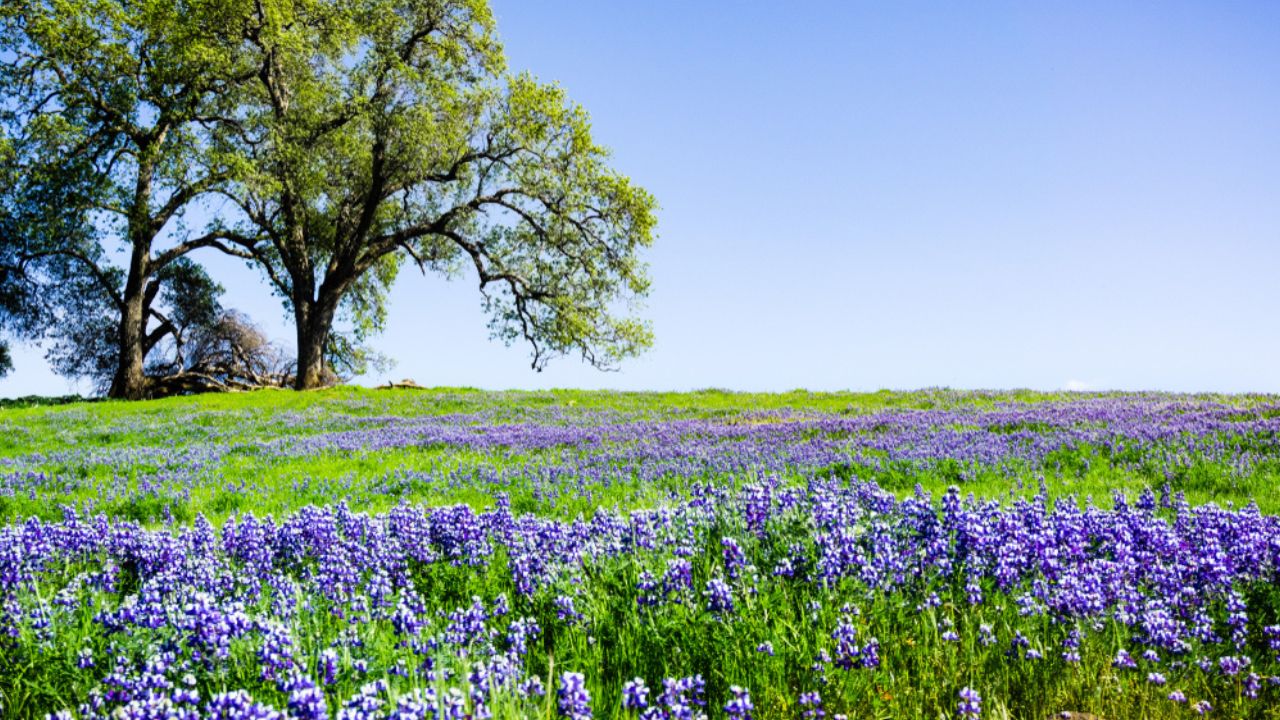
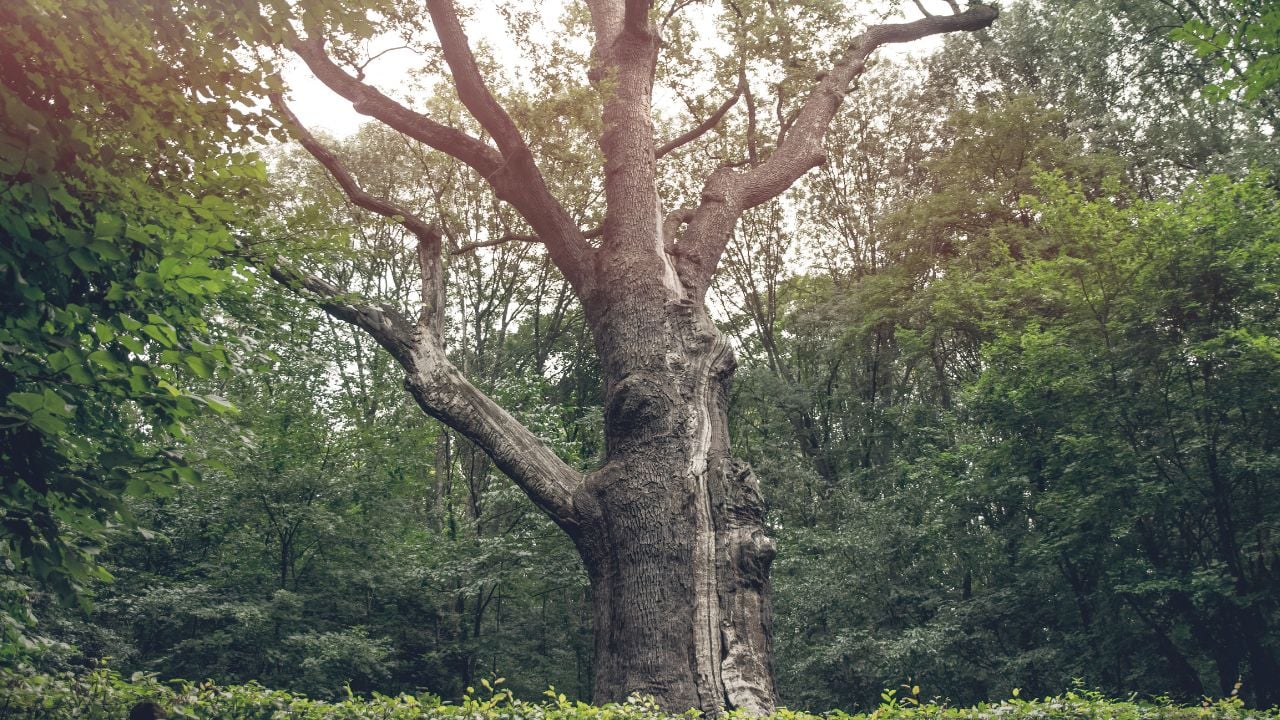
Oaks seem like the gold standard of backyard trees, with their beauty, longevity, and wildlife value. But according to foundation repair specialists at crackedslab.com, oak trees account for more than ten percent of all residential foundation damage in the United States, despite representing a small share of the overall tree population.
Water oaks, live oaks, chestnut oaks, and red oaks carry the highest risk. Their fast-growing, shallow lateral root systems spread horizontally through the upper two feet of soil and can extend two to three times the tree’s height, according to Joseph Tree Service. The Old Farmer’s Almanac recommends keeping oaks at least 20 feet from a house and well away from overhead power lines.
5. American Elm
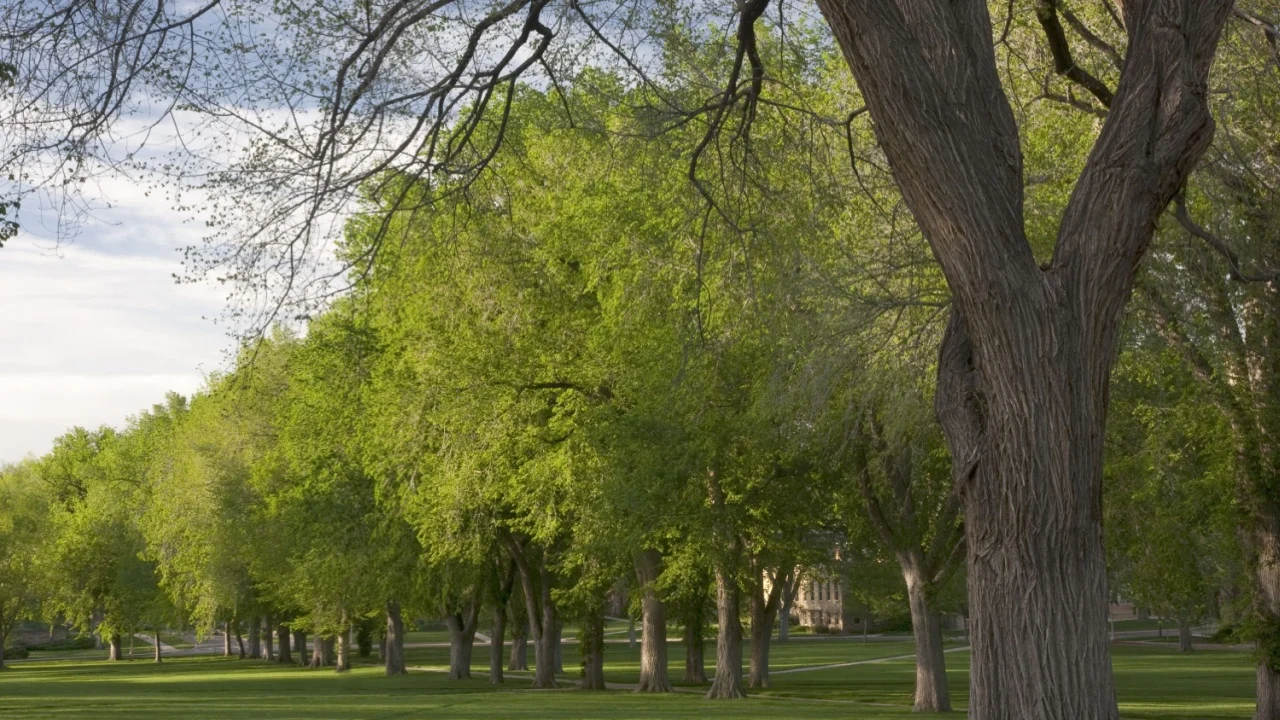
American elm (Ulmus americana) is a stately and beloved tree with a well-earned reputation for mayhem underground. Its shallow, wide-ranging root system is notorious for interfering with foundations, sidewalks, and underground utilities, and experts at Martha Stewart recommend against planting it anywhere near a home unless the property can accommodate its full root spread.
If you already have an American elm on your property, select cultivars resistant to Dutch elm disease, and have a certified arborist assess the root zone regularly.
6. Green Ash
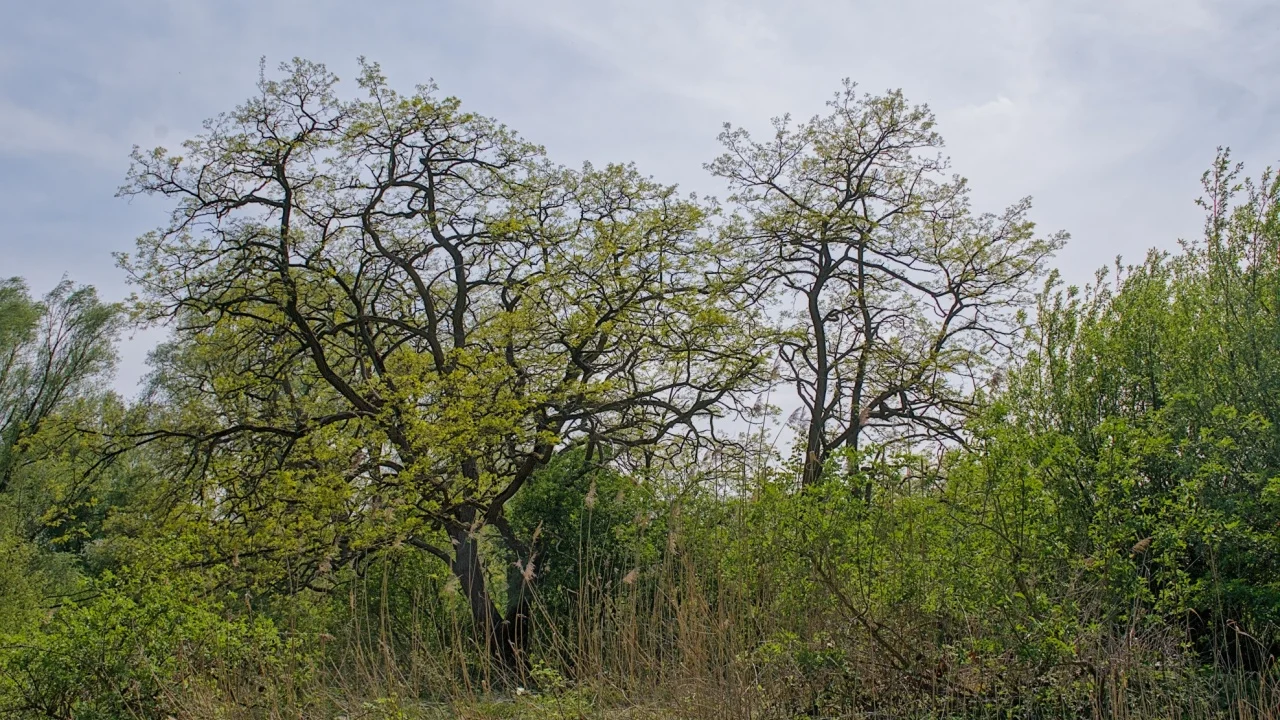
Green ash roots can spread up to 30 feet wide, according to Allied Foundation, making them among the most spatially aggressive trees available at most nurseries. Their water-seeking tendencies drive roots toward the moist soil surrounding foundations, and the emerald ash borer infestation now moving across the country adds another layer of risk: a dead ash tree near your house is a hazard that requires immediate professional removal.
7. Lombardy Poplar
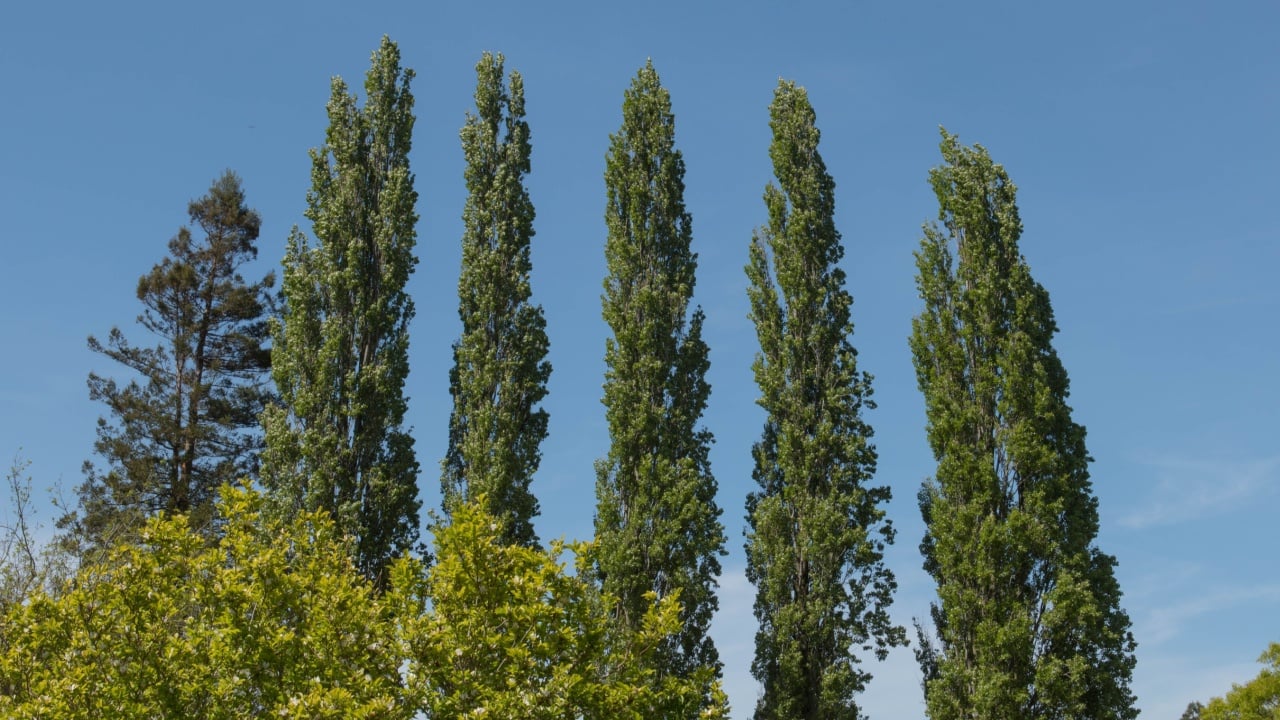
Lombardy poplars are a popular choice for fast privacy screening, but they belong nowhere near a home. Classified among the most aggressively rooted poplar varieties, according to Allied Foundation, they grow rapidly to considerable heights while sending out shallow roots that seek any available moisture source, including the leaky joints of aging pipes and the damp perimeter soil around a foundation.
8. Sweet Gum
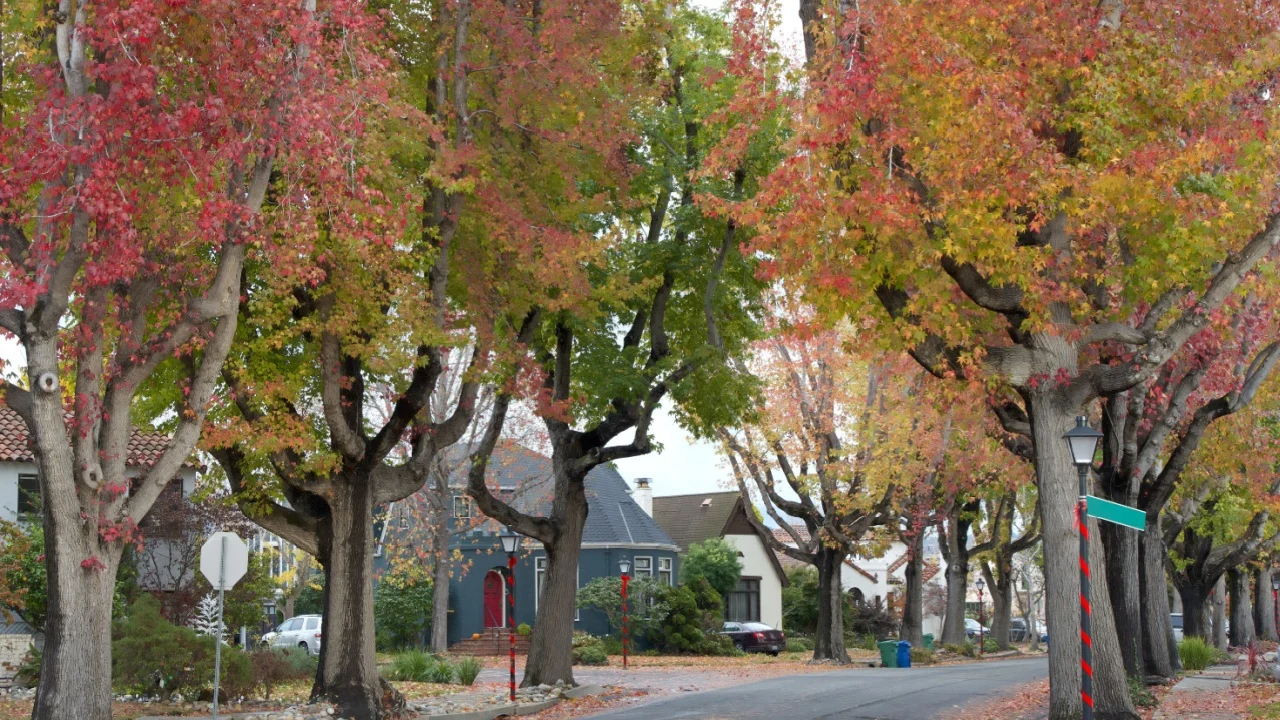
Sweet gum (Liquidambar styraciflua) creates surface roots so large and aggressive that the Old Farmer’s Almanac warns no paved surface is safe near them. Foundations, driveways, patios, and walkways are all vulnerable. In addition to root damage, sweet gum drops spiky seed balls throughout fall and winter, creating tripping hazards on any surface the roots haven’t yet lifted.
9. White Ash
White ash trees are a common ornamental planting, but their wide-spreading lateral roots cause significant foundation and paving damage. The Old Farmer’s Almanac advises homeowners to skip white ash entirely, noting that the emerald ash borer will likely kill the tree regardless, leaving the homeowner with a large dead tree to remove and potential root damage to address simultaneously.
10. Norway Maple
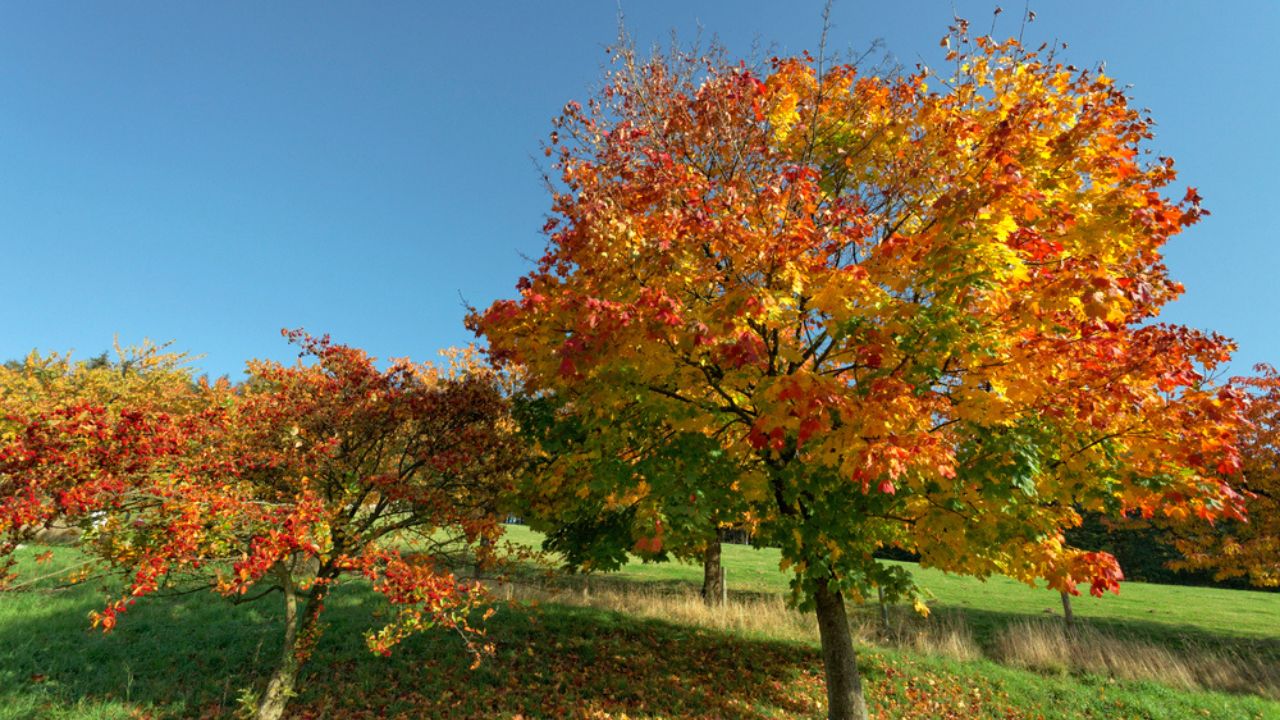
Norway maple (Acer platanoides) combines two separate risks: a robust shallow root system that cracks paving and threatens foundations, and a height that can exceed 100 feet, with brittle branches prone to breaking and landing on roofs during storms, according to the Old Farmer’s Almanac.
Many municipalities have begun restricting new Norway maple plantings because of the tree’s invasive nature and infrastructure damage record.
Warning Signs Your Tree Is Already Damaging Your Foundation
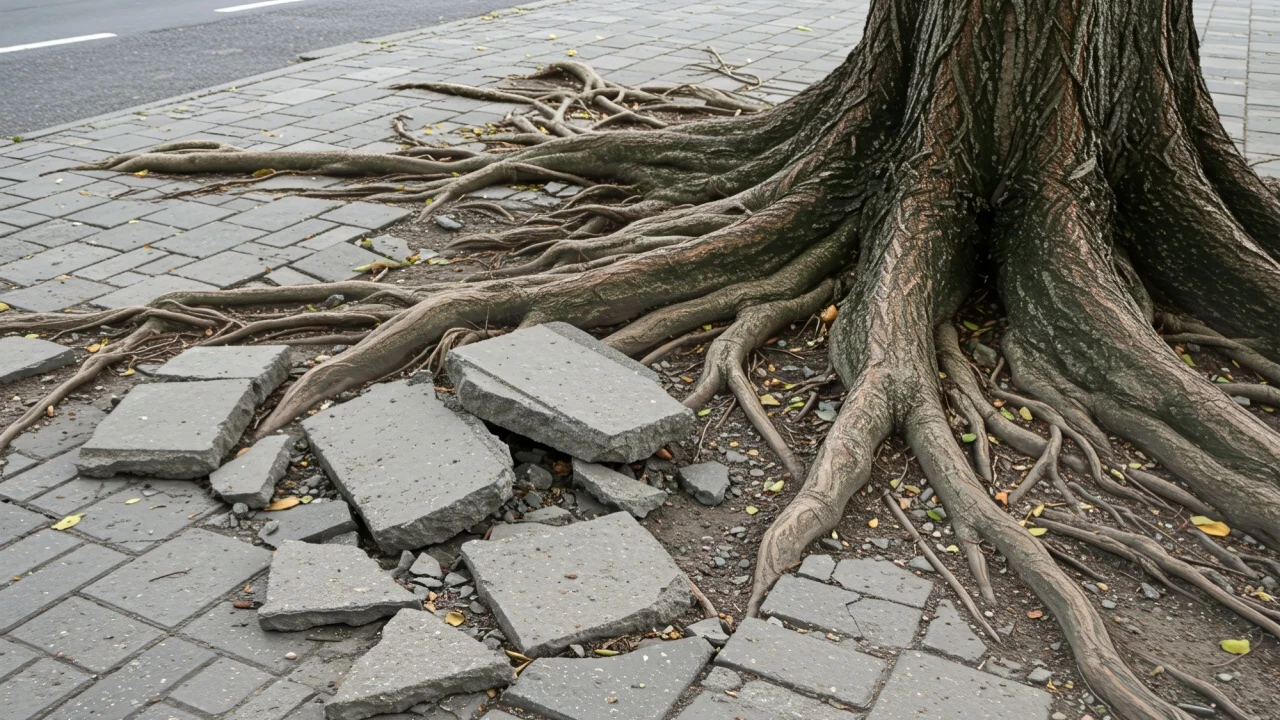
Foundation expert Clint Dixon of Groundworks puts it plainly: “When the canopy hangs over your roof, that’s usually a late-stage warning. The bigger danger is what’s happening underground. We routinely find major cracks and settlement caused by roots that homeowners had no idea were spreading beneath their property.”
Watch for these red flags, according to Groundworks and Angi: diagonal or horizontal cracks in basement walls or crawl space, doors or windows that stick or no longer close properly, floors that slope or feel uneven underfoot, clogged drains that don’t respond to a plunger or drain cleaner, and changes in water pressure throughout the home. Any of these signs warrants a professional assessment before minor damage becomes a five-figure repair bill.
What You Can Do Before It’s Too Late
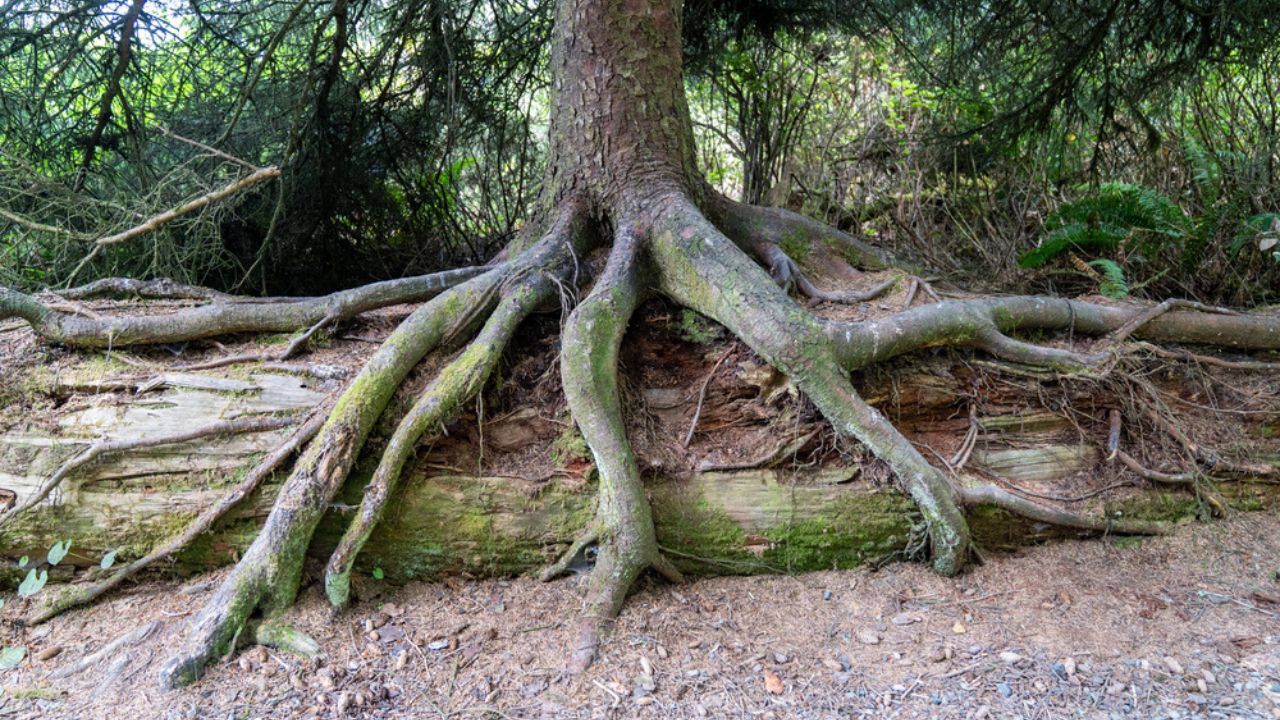
Your grandmother’s generation knew to plant large trees at a respectful distance from the house, and modern arborists agree. The Old Farmer’s Almanac recommends planting trees at roughly three-quarters of their mature height away from your foundation, with aggressive species like elm, maple, and willow kept at the full mature height or farther.
If you have an existing tree of concern, do not attempt to cut roots yourself. Cutting large roots improperly can destabilize the tree and create a falling hazard, according to Angi. Instead, consult a certified arborist and a foundation specialist together. Root barriers are an option but should be evaluated carefully: research by Dr. Ed Gilman at the University of Florida, cited by MSU Extension, found that roots can grow beneath barriers and emerge on the other side.
If you want the shade and beauty of a tree close to the house without the risk, smaller ornamental species are the safer choice. Options like redbud, saucer magnolia, Japanese maple, and flowering dogwood are trees that offer genuine beauty without the destructive root systems of their larger counterparts.
A free consultation with a certified arborist costs nothing and can save you tens of thousands of dollars. That beautiful tree in your yard deserves a second look.
Read more:
7 perennial planting mistakes to stop making right now
How to Grow Zucchini Vertically: 7 Steps That Save Space and Double Your Harvest