
There was a time when I thought gardening just wasn’t for me. Each attempt felt like a battle: crispy herbs, mystery plants that died almost immediately, and soil that turned to mud or dust no matter how carefully I tended to it. After a while, I accepted it; I was clearly not a plant person.
That was until I stumbled upon a Today Show segment featuring Dominique Charles, a garden expert and founder of Plots & Pans. In just four minutes, she turned my entire gardening world upside down, making me realize everything I had been doing wrong. Here’s how a quick TV segment transformed my spring garden, and how it can do the same for you.
The Game-Changer: Themed Gardens Made Simple
What struck me first was Dominique’s approach to gardening: “think in themes.” Instead of buying random plants, she recommended starting with a purpose in mind, like a tea garden, a salad garden, or even a pollinator patch. Suddenly, my vision for gardening became more intentional.
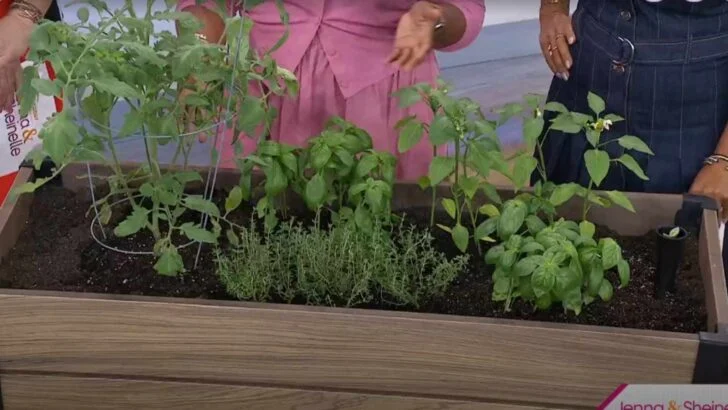
One of her examples, the tea garden, clicked instantly. The idea was simple: group together herbs that you could use for tea, like rosemary and thyme, which not only look beautiful but also serve a clear function. I had been focusing solely on the plants’ aesthetics, but here was a chance to blend beauty with purpose. A garden that wasn’t just pretty to look at but also practical.
In her demonstration, she suggested setting up a small container or raised bed and filling it with herbs that supported your theme. For example, placing mint, rosemary, and thyme together in a dedicated space. Suddenly, the idea of a garden became more than just a collection of plants. It was a space where everything had a job.
Lesson #1: Plant With a Purpose
The theme-based method that Dominique shared felt like a huge aha moment. Before, I had been buying plants because they looked good. Now, I see that gardening can be about intentionality: why not design a space that’s not just beautiful but also functional?
Creating a tea garden was the perfect first project for me. I wasn’t just picking random plants; I was building a garden that served a specific need. Herbs I could use for tea. Not only was this easier than I thought, but it also helped me avoid impulse buys. Gone were the days of buying a random succulent or flowering plant without knowing if it would even thrive where I lived.
Starting with a theme gave me clear direction, which made the process less overwhelming.
Lesson #2: Soil Is Everything
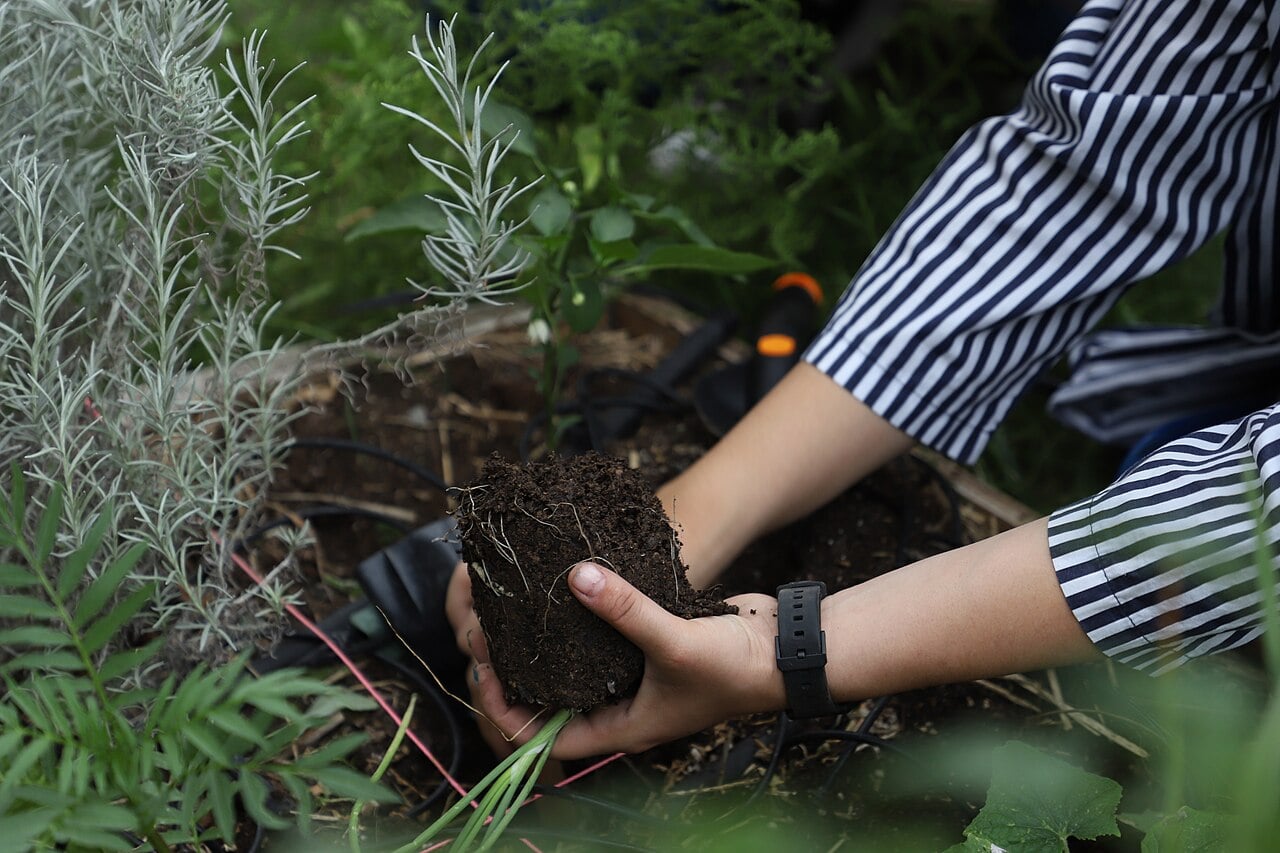
I’ll admit, soil was a non-issue for me before I saw the segment. I didn’t give it much thought. But as soon as Dominique mentioned it, I felt like I’d been doing everything backward. She made it crystal clear that good soil is the foundation of any successful garden.
She emphasized that if your soil is poor, it doesn’t matter how pretty or expensive your plants are; their growth will be disappointing. This hit home. I had been reusing old soil or digging into compacted dirt, hoping for the best. Now, I was learning that I needed good soil to create a thriving garden.
So, I got myself fresh potting mix and added compost to the ground. This simple change made a noticeable difference. My plants grew stronger roots, and I noticed a real improvement in their overall health.
Lesson #3: You Don’t Need a Large Yard
For someone living in a small apartment with no garden space, I always thought gardening was out of my reach. But Dominique proved me wrong. You don’t need a giant yard to create a beautiful garden. The key is to think small and focus on what you can work with.
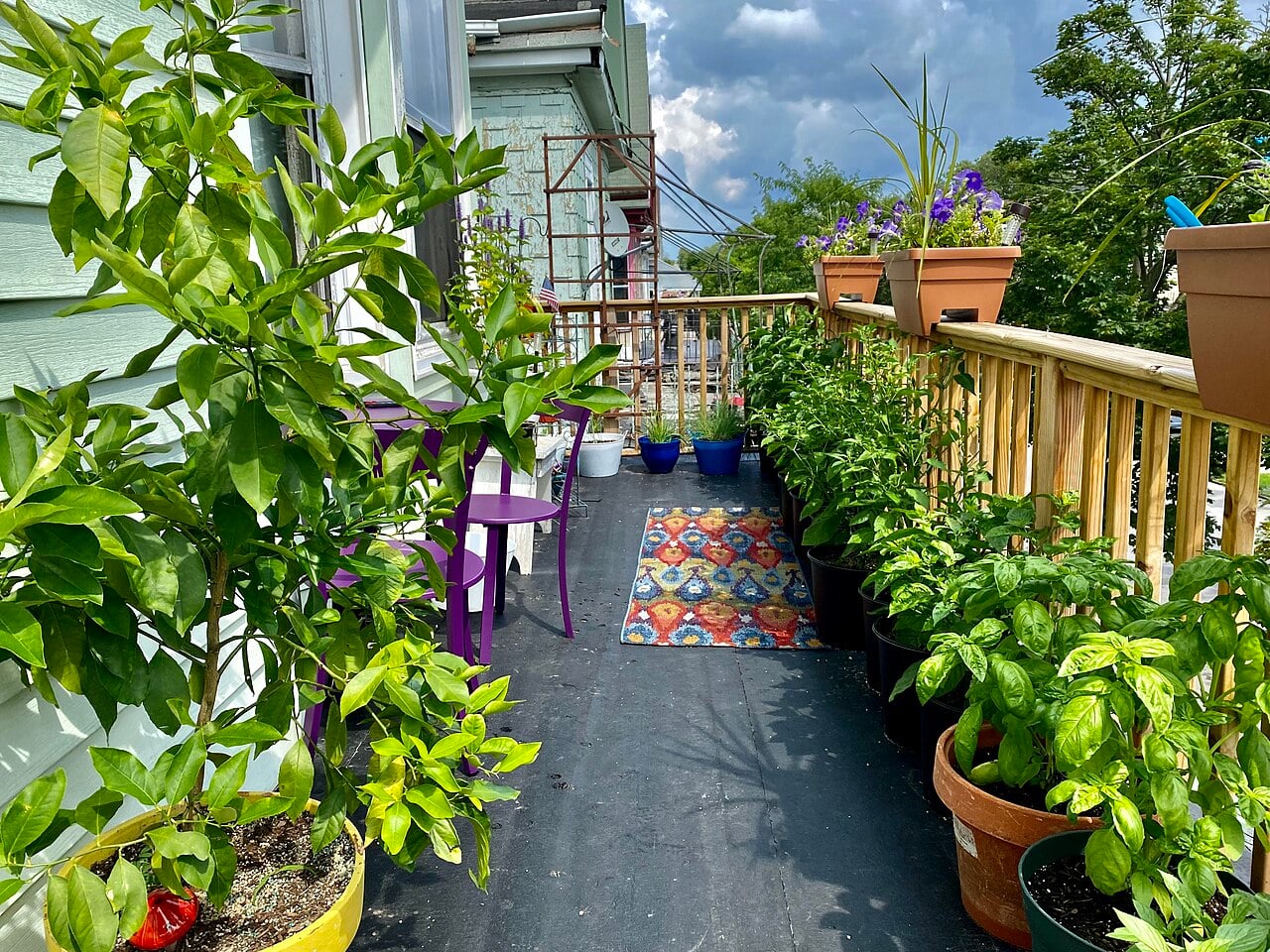
Dominique showed how to make the most of a small balcony or patio by using containers to create themed gardens. A tea garden or herb garden doesn’t need a massive space. Just a few well-placed containers on a balcony or windowsill. This was a huge win for me because, suddenly, gardening became something I could actually do.
I started with one long planter filled with mint, rosemary, and thyme, and it made my balcony look instantly put together. It was small, but the effect was beautiful. And it was all mine.
Lesson #4: Keep It Simple
Dominique’s approach was incredibly non-judgmental. She reminded viewers that gardening doesn’t need to be perfect. I loved how she focused on keeping it simple with small, manageable steps. One of her key tips was to water consistently, which was something I hadn’t been doing before.
I realized I had been watering my plants in fits and starts: overenthusiastic one day and completely forgetting the next. Dominique emphasized that a consistent routine beats perfection. She also pointed out that a good plan and quality soil would handle much of the heavy lifting.
I started setting a reminder on my phone to water my garden every day, and it’s worked wonders. My plants no longer dry out between waterings, and they’re thriving. It feels less like a chore and more like a rewarding part of my daily routine.
The Results: My First Spring Garden That Actually Survived
Fast forward to today, and I’m proudly sipping tea made from my own homegrown herbs. My tea garden is thriving, and it looks beautiful. I’m no longer plagued by dead plants or wilted herbs. Instead, I have fresh, fragrant leaves at my fingertips, and I actually know what I’m doing.
I never thought I’d be this excited about gardening, and it’s all thanks to a few simple lessons from Dominique. My garden is small but carefully curated, and it brings me so much joy to see it grow each day. I’ve gone from not a plant person to a proud herb gardener, and I couldn’t be happier.
Quick Gardening Tips: What I Learned from the Pros
- Pick a theme for your garden (tea, salad, pollinator) to make plant shopping easier.
- Invest in good soil—it makes all the difference.
- Group plants with similar light and water needs.
- Start small—containers on your balcony work just as well as a yard.
- Be consistent with watering, and keep your garden simple.
Dominique Charles’ tips have changed the way I approach gardening. I now realize that gardening is not about being perfect; it’s about being consistent, thoughtful, and, most importantly, having fun with it. If you’re like me, overwhelmed by gardening advice, start simple with a theme and see how it can make a world of difference. Happy gardening!