
Every gardener dreams of a bountiful harvest, a reward for the weeks and months of careful planting, watering, and weeding. Whether you have a sprawling backyard plot or a few containers on a sunny patio, maximizing your garden’s output is key to getting the most from your efforts and space. Strategic planning is your most powerful tool. By selecting vegetables known for their generous production, you can ensure your kitchen is stocked with fresh, homegrown produce all season long.
We will walk you through 20 of the most productive vegetables you can grow, verified by extension sources and our own gardening experiences.
Note: While these are all high-yield plants, some are trickier to get to thrive than others.
1. Zucchini and Summer Squash
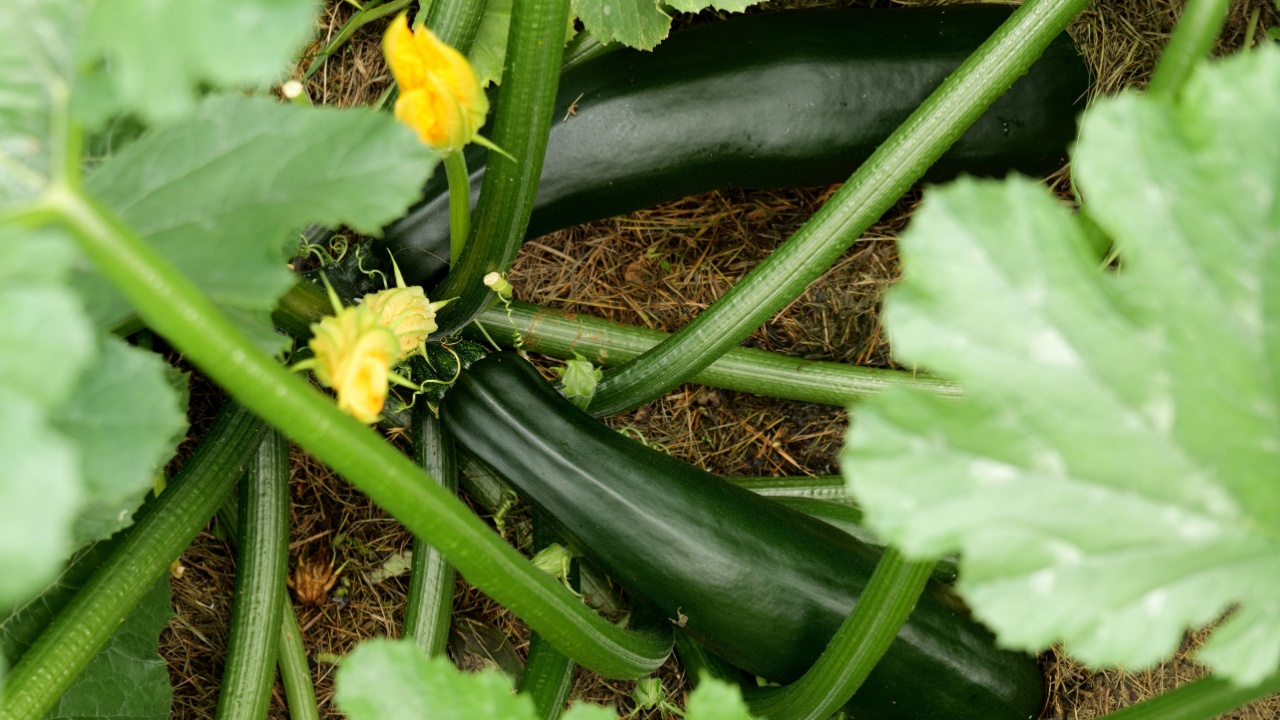
Image Credit: Shutterstock.
If there’s one vegetable famous for its overwhelming generosity, it’s zucchini. Along with other summer squashes, these plants are incredibly prolific, often producing more than a family can eat. They grow quickly and, with regular harvesting, will continue to produce fruit throughout the summer until the first frost.
These plants are a great option because a small number of them can generate a significant harvest. Just one or two plants are often enough for a household. They are also versatile in the kitchen, perfect for grilling, sautéing, baking into bread, or spiralizing into noodles. Be mindful that they are susceptible to pests like squash bugs and vine borers, so inspect your plants regularly.
Care Tips:
- Sunlight: Full sun (6-8 hours per day).
- Soil: Rich, well-drained soil with plenty of compost.
- Water: Consistent watering is key; provide about 1-2 inches of water per week.
- Spacing: Give plants room to spread, about 2-3 feet apart, to promote air circulation and reduce fungal disease risk.
- Harvesting: Pick squash when they are young and tender (6-8 inches long for zucchini) to encourage continuous production. A single plant can yield 6 to 10 pounds of fruit.
2. Tomatoes
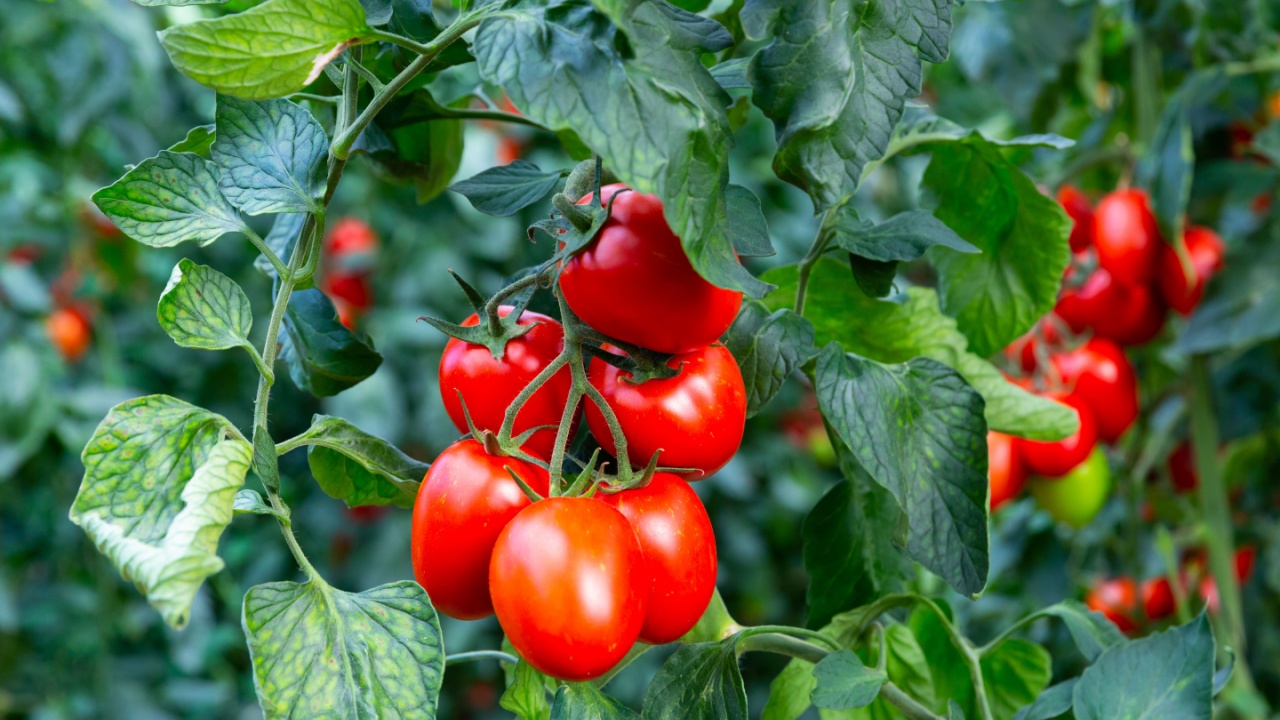
Image Credit: Shutterstock.
Tomatoes are a garden staple for a reason. While all tomatoes are rewarding to grow, indeterminate varieties are the champions of high yields. Unlike determinate (bush) types that produce their crop all at once, indeterminate vines grow and set fruit continuously until cold weather arrives.
Choosing indeterminate tomatoes means you’ll have a steady supply for salads, sandwiches, and sauces all summer long. Varieties like ‘Brandywine’, ‘Sungold’, and ‘Cherokee Purple’ are known for their flavor and productivity. With proper support and care, these plants can grow into towering sources of delicious fruit.
Care Tips:
- Sunlight: Full sun is essential for fruit development and flavor.
- Soil: Fertile, well-drained soil with a pH between 6.0 and 6.8.
- Support: Use tall, sturdy cages or stakes to support the sprawling vines and keep fruit off the ground.
- Water: Deep, consistent watering is crucial. Avoid overhead watering to prevent fungal diseases like blight.
- Harvesting: Pick tomatoes when they are fully colored and slightly soft to the touch. A healthy indeterminate plant can produce 8 pounds or more of fruit.
3. Cucumbers
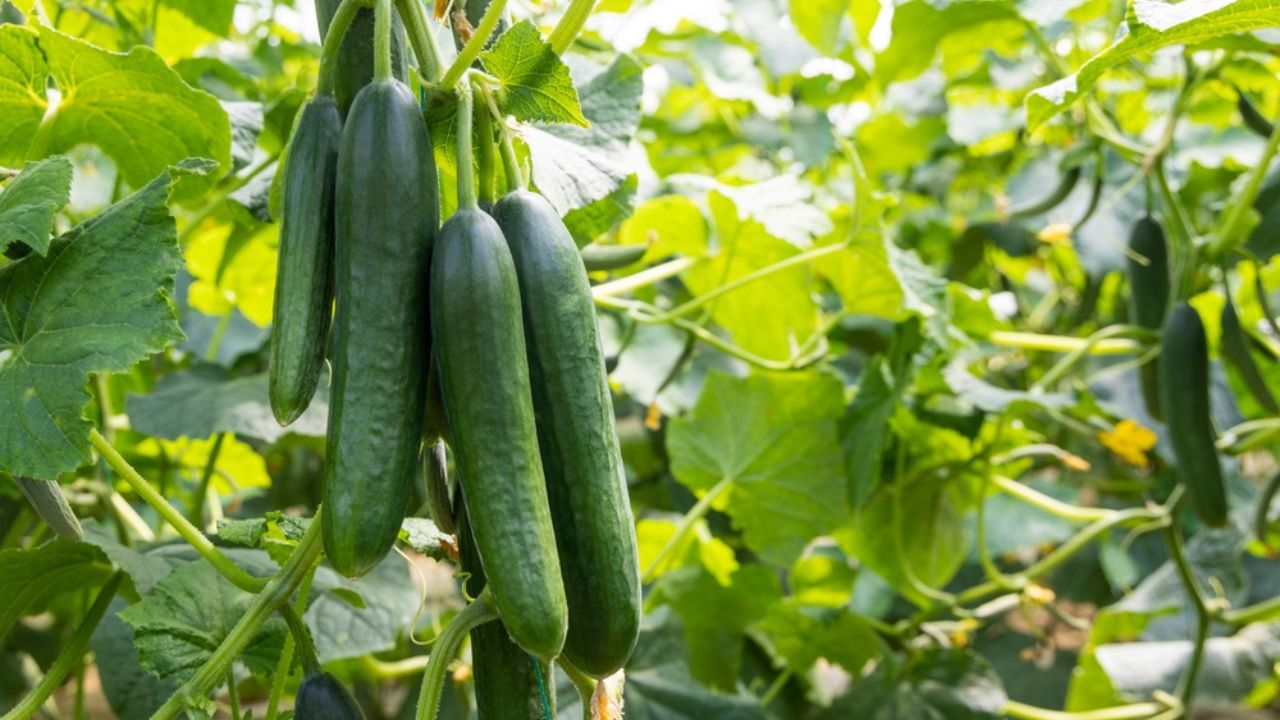
Image Credit: Shutterstock.
Cucumbers are another summer vegetable that delivers an impressive return on investment. Whether you prefer pickling varieties or large slicers for salads, these fast-growing vines produce abundantly. Bush varieties are great for containers and small spaces, while vining types can be trained up a trellis to save space and improve air circulation.
Growing cucumbers vertically not only saves precious garden real estate but also keeps the fruit cleaner and less susceptible to rot. Consistent harvesting is the secret to a long and productive season; the more you pick, the more the plant will produce.
Care Tips:
- Sunlight: At least 6 hours of direct sun per day.
- Soil: Loose, fertile soil rich in organic matter.
- Water: Cucumbers are thirsty plants; they need consistent moisture, especially as they begin to fruit.
- Trellising: Provide a trellis or cage for vining varieties to climb.
- Harvesting: Harvest cucumbers based on their variety’s ideal size. Don’t let them get too large, as they can become bitter. Expect around 3-5 pounds of cucumbers per plant.
4. Banana Peppers

Image Credit: Shutterstock.
For those who enjoy a mild, tangy pepper, banana peppers are an incredibly productive choice. These plants are often more prolific than their bell pepper cousins, producing dozens of peppers per plant over a long season. They thrive in heat and sun, continuing to set fruit even as other plants begin to fade in late summer.
Banana peppers are fantastic for pickling, frying, or adding a pop of color and flavor to salads and sandwiches. Their continuous production ensures you’ll have more than enough to enjoy fresh and preserve for later.
Care Tips:
- Sunlight: Full sun and lots of heat.
- Soil: Well-drained, fertile soil.
- Water: Keep soil evenly moist, but not waterlogged.
- Support: A small stake or cage can help support the plant once it becomes heavy with fruit.
- Harvesting: Pick peppers when they reach their desired color (yellowish-green or red). Regular picking stimulates more fruit production, and you can expect up to 30 peppers per plant.
5. Spinach
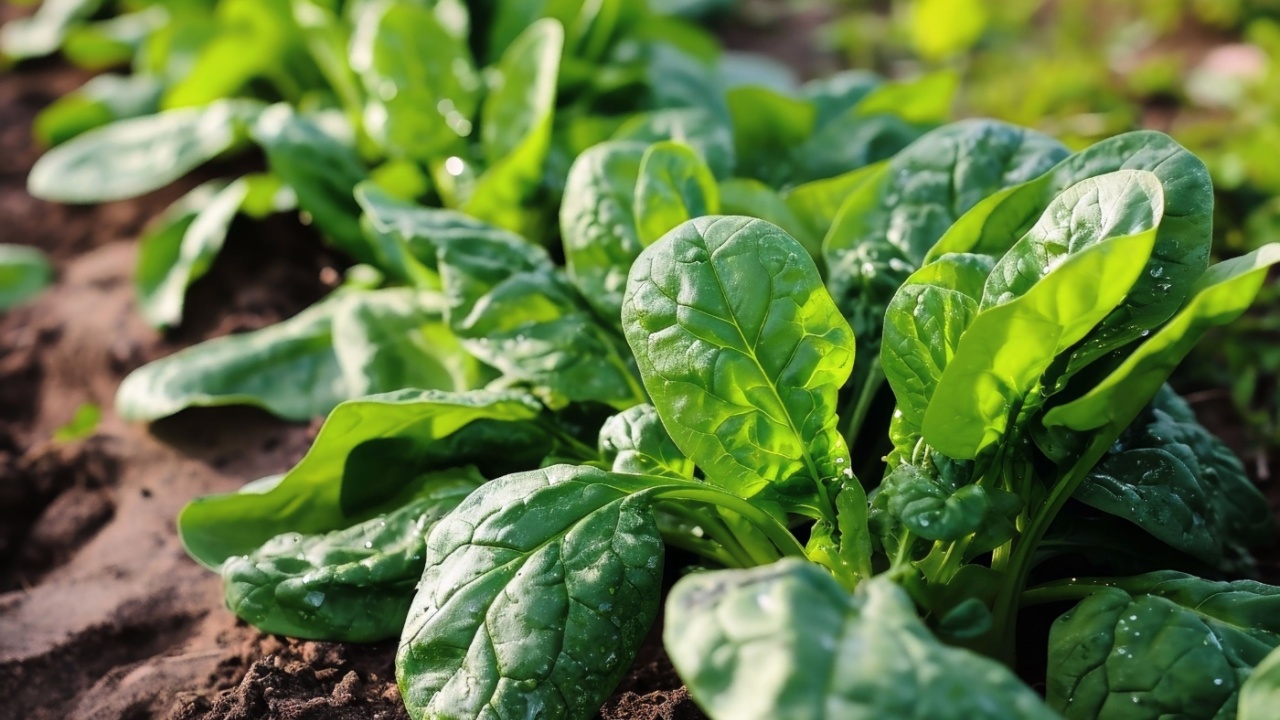
Image Credit: Shutterstock.
Spinach is a cool-weather champion that offers multiple harvests from a single planting. This leafy green grows quickly, often ready to harvest in just over a month. It’s an excellent choice for early spring and fall gardens and can even be grown in a cold frame through the winter in milder climates.
The key to a high yield with spinach is the “cut-and-come-again” harvesting method. By snipping the outer leaves and leaving the central growth point intact, you encourage the plant to produce new leaves for several weeks. This provides a continuous supply for salads, smoothies, and cooking.
Care Tips:
- Sunlight: Full sun in cool weather; partial shade in warmer weather to prevent bolting (premature flowering).
- Soil: Rich soil with good drainage.
- Water: Maintain consistent soil moisture.
- Harvesting: Cut individual outer leaves as soon as they are large enough to eat. This method allows for multiple harvests from each plant.
6. Butternut Squash

Image Credit: Backyard Garden Lover.
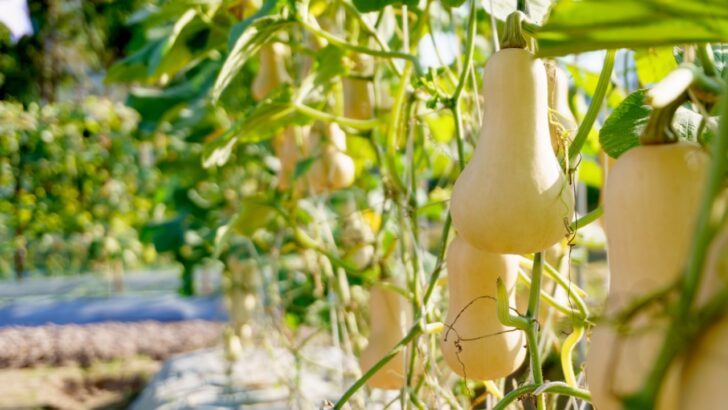
While butternut squash requires a bit more space to roam, the payoff is huge. A single plant can produce a large number of nutrient-dense squash that store exceptionally well, providing food well into the winter months. This makes it a fantastic crop for anyone interested in food preservation.
Trellising is a great way to manage the long vines, save space, and keep the fruit off the ground where it might rot. The vining habit might seem intimidating, but the sheer volume of squash—up to 20 per plant—makes it a worthwhile endeavor for a high-yield garden.
Care Tips:
- Sunlight: Full sun exposure.
- Soil: Fertile, well-drained soil.
- Support: Use a strong, sturdy trellis to support the heavy vines and fruit.
- Water: Provide deep, regular watering, especially during fruit development.
- Harvesting: Harvest when the squash has a deep, solid tan color and the rind is hard enough that you can’t pierce it with a fingernail. Stored in a cool, dark place, they can last for three months or more.
7. Beets
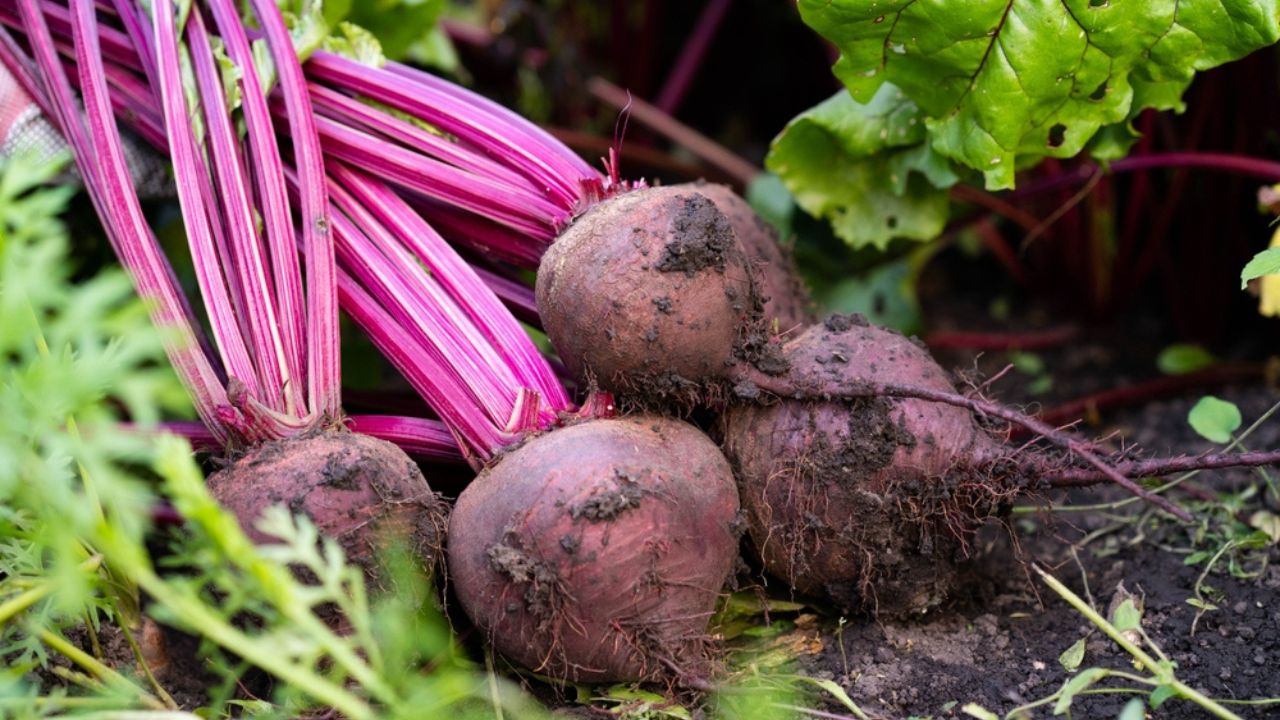
Image Credit: Shutterstock.
Beets are a fast-growing, multi-purpose vegetable that offers two harvests in one: the sweet, earthy root and the nutritious, edible greens. They are a cool-season crop that can be planted in both spring and fall, allowing for multiple succession plantings and maximizing your garden’s annual output. Because they can be planted closely together, you can grow a large number of beets in a relatively small area. Their quick growth cycle—often ready in under two months—means you can quickly replant the space with another crop.
Care Tips:
- Sunlight: Full sun is best, but they can tolerate some light shade.
- Soil: Loose, well-drained soil free of rocks to allow for uniform root development.
- Water: Consistent moisture is needed for tender roots.
- Thinning: Thin seedlings to about 3-4 inches apart to give the roots room to grow. You can eat the thinned greens!
- Harvesting: Harvest beetroots when they are 2-3 inches in diameter. The greens can be harvested sparingly throughout the growing season.
8. Mustard Greens
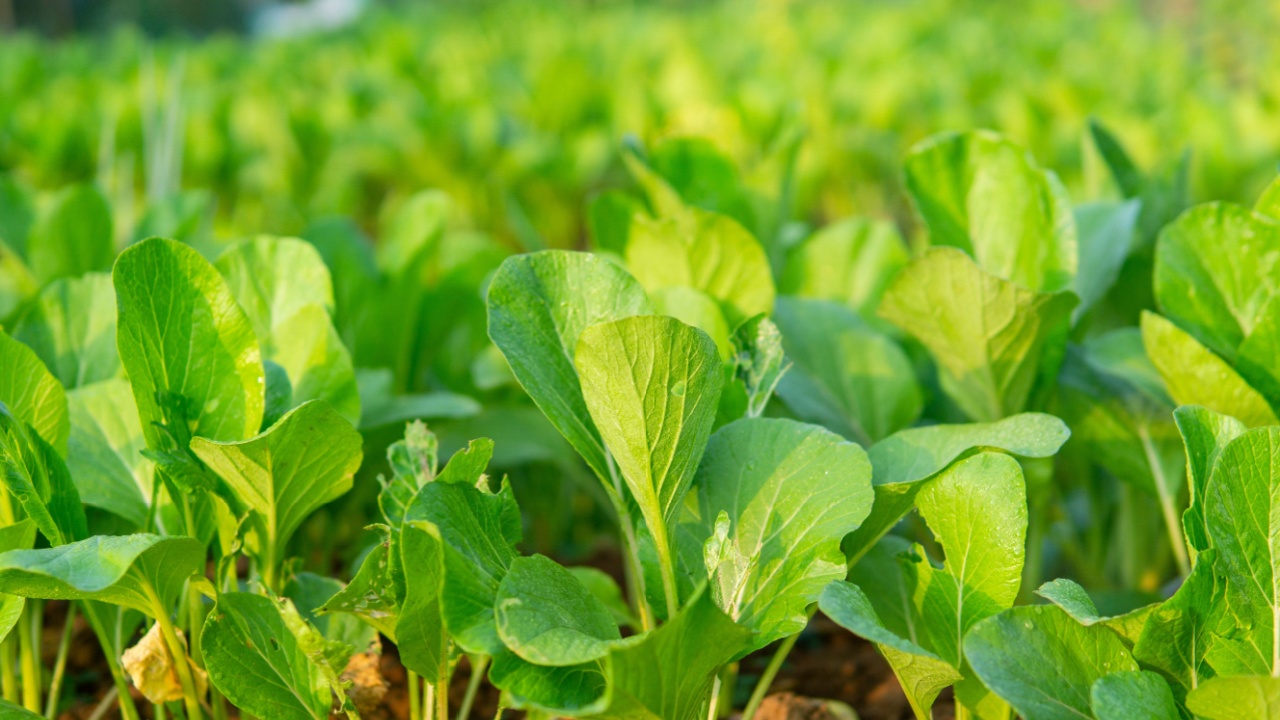
Image Credit: Shutterstock.
Mustard greens are another leafy green that offers a quick and abundant harvest. By simply scattering seeds over a prepared bed, you can have a patch of peppery greens ready to eat in as little as one month. They thrive in cooler temperatures, making them ideal for spring and fall gardens. Like spinach, mustard greens can be harvested using the cut-and-come-again method. Snipping the outer leaves allows the plant to continue producing, giving you a steady supply. Succession planting every few weeks will ensure a continuous harvest throughout the cooler parts of the growing season.
Care Tips:
- Sunlight: Full sun to partial shade.
- Soil: Fertile, well-draining soil.
- Water: Keep the soil consistently moist to encourage fast, tender growth.
- Harvesting: Cut outer leaves when they reach the desired size, leaving the inner rosette to grow.
9. Arugula
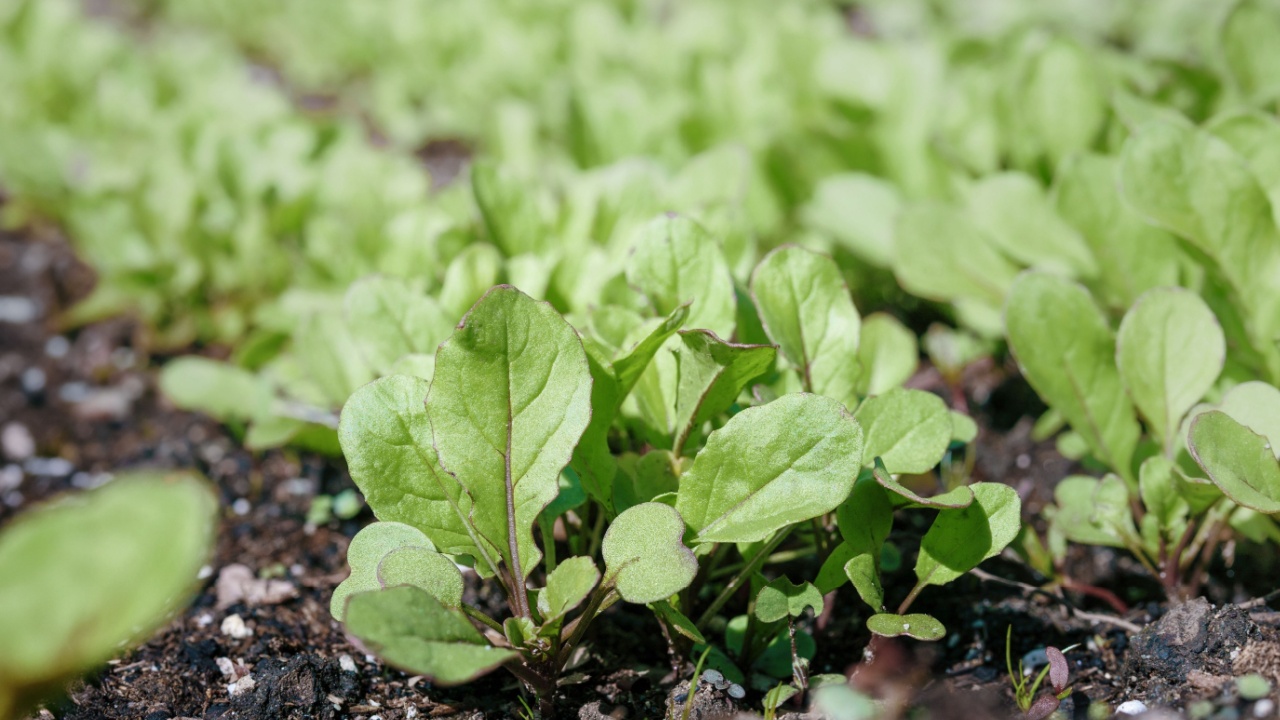
Image Credit: Shutterstock.
Arugula is a gourmet green known for its peppery, slightly nutty flavor. It grows incredibly fast, with some varieties ready for a light harvest in just three to four weeks. This speed makes it perfect for filling in gaps in the garden or for gardeners who want quick results. Arugula is another cut-and-come-again green. As long as you harvest the outer leaves and leave the central part of the plant untouched, it will continue to send up new growth. It grows best in the cool weather of spring and fall.
Care Tips:
- Sunlight: Full sun in spring and fall; partial shade in summer to delay bolting.
- Soil: Average, well-drained soil is sufficient.
- Water: Consistent water helps keep the leaves from becoming too spicy.
- Harvesting: Begin harvesting outer leaves when they are 2-3 inches long for the best flavor and texture.
10. Potatoes
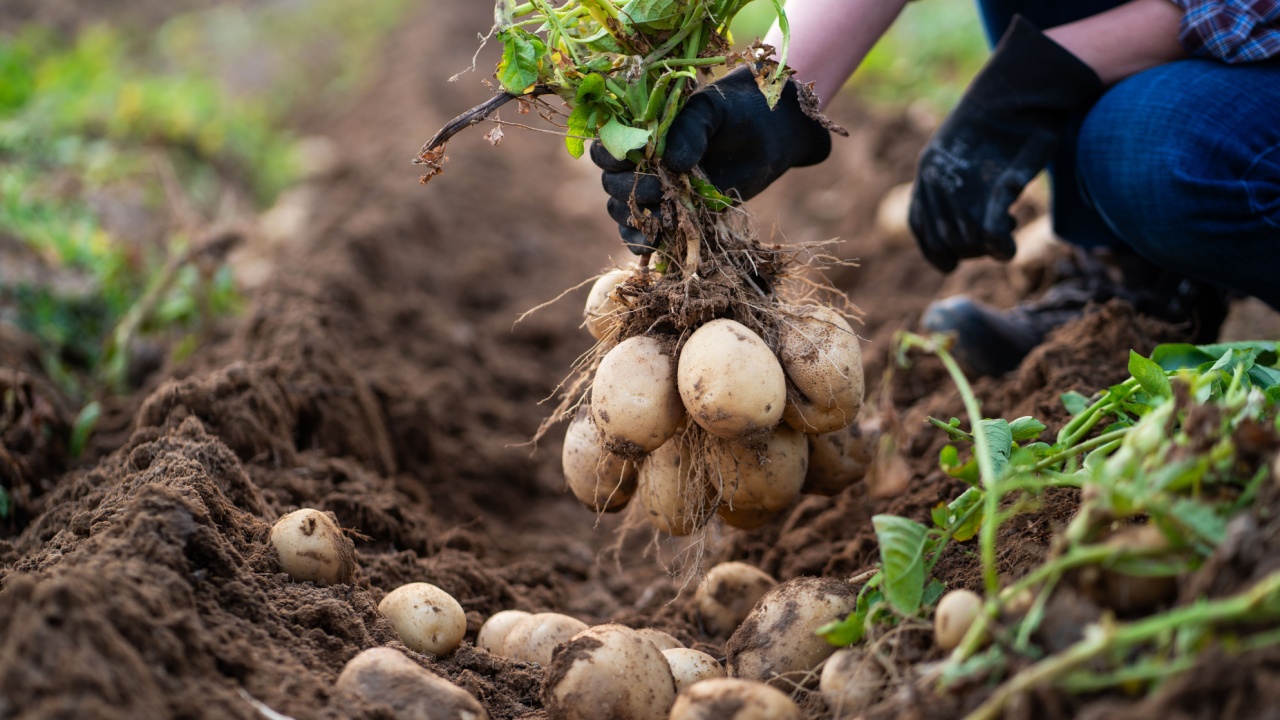
Image Credit: Shutterstock.
Under the right conditions, potatoes can be one of the most productive crops you can grow. A single seed potato can multiply into five to ten new potatoes, providing a substantial harvest from a small initial investment. They can be grown in the ground, in raised beds, or even in bags and containers. The key to a large potato harvest is providing loose, well-drained soil that allows the tubers to expand easily. In many climates, you can plant a crop in both spring and fall, doubling your potential yield for the year.
Care Tips:
- Sunlight: Full sun.
- Soil: Loose, acidic, well-drained soil. Hilling soil up around the base of the plants as they grow encourages more tubers to form.
- Water: Consistent watering is important, especially when the plants are flowering, as this is when tubers are forming.
- Harvesting: “New” potatoes can be gently dug up a few weeks after the plants flower. For full-sized storage potatoes, wait until the foliage has died back completely.
11. Turnips

Image Credit: Shutterstock.
Even if you’re not a fan of the turnip root, the leafy greens are a delicious and nutritious reason to grow this cool-weather crop. Turnips offer a dual harvest, providing both peppery greens and a crisp root. They grow quickly and can be planted in succession for a continuous supply.
Turnips thrive in the cooler parts of the year and can even be grown through the winter in some regions. Because they don’t require a lot of space, you can produce a significant amount of food in a small garden bed.
Care Tips:
- Sunlight: Full sun.
- Soil: Loose, well-drained soil.
- Water: Provide consistent moisture for the best root development.
- Harvesting: Harvest greens when they are young and tender. Roots are best when they are 2-3 inches in diameter; larger ones can become woody.
12. Pole Beans
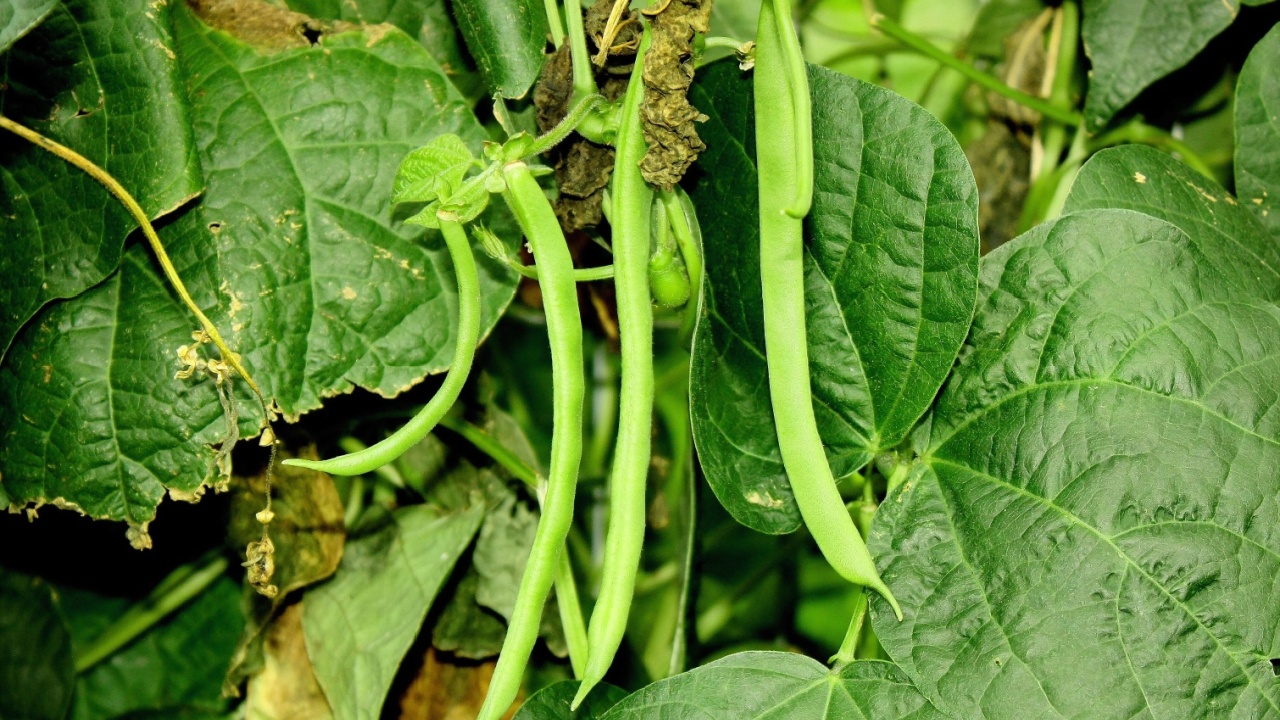
Image Credit: Shutterstock.
When people think of high-yield vegetables, beans often come to mind, and pole beans are the top producers in the bean family. These vigorous vines can grow ten feet or taller and will produce beans from mid-summer right up until the first frost.
Growing vertically on a trellis, pole, or fence saves a tremendous amount of garden space. The extended harvest season means you’ll have a steady stream of fresh beans for months. A row of pole beans can easily out-produce a much larger patch of bush beans.
Care Tips:
- Sunlight: Full sun.
- Soil: Well-drained soil. Beans fix their own nitrogen, so they don’t require overly rich soil.
- Support: A sturdy trellis at least 6-8 feet tall is essential.
- Water: Consistent water is important, especially during flowering and pod development.
- Harvesting: Pick beans regularly, at least every other day, to encourage the plant to keep producing. Each plant can yield dozens of pods.
13. Leaf Lettuce
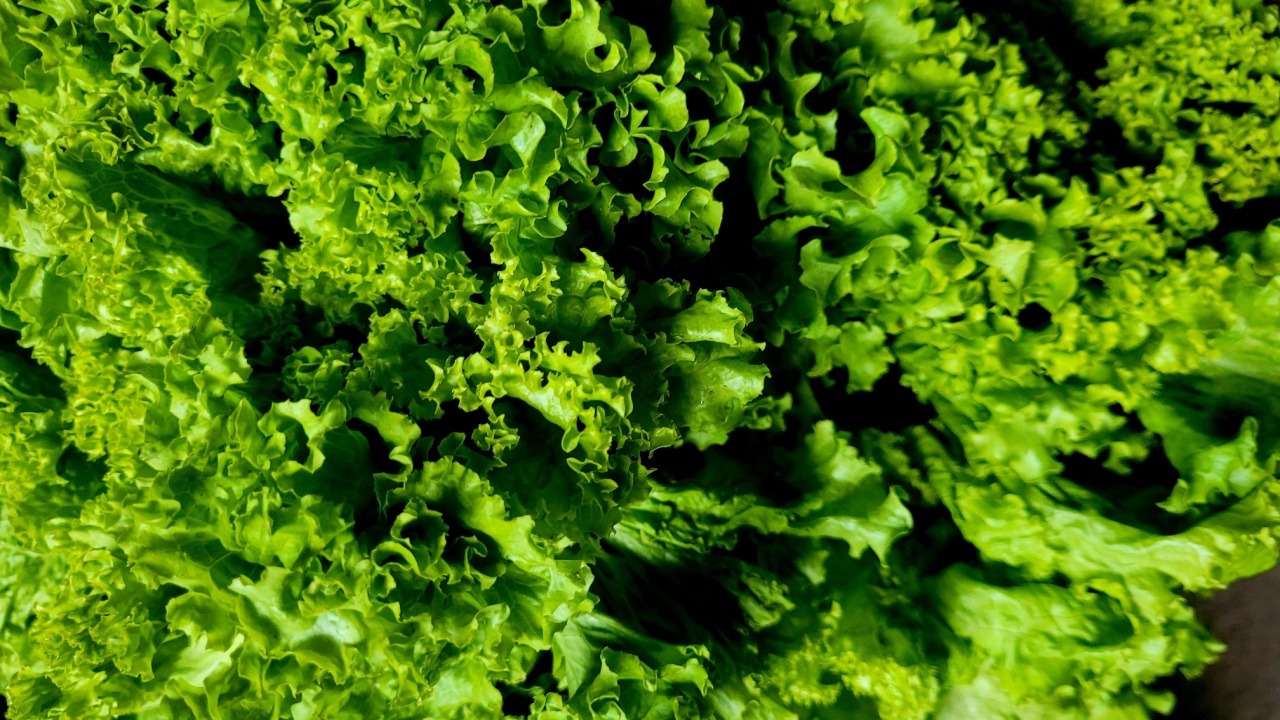
Image Credit: Shutterstock.
Leaf lettuce is one of the easiest and most rewarding vegetables for a home gardener. It’s perfect for small spaces, growing well in garden beds, raised beds, and containers. It matures quickly—often in about 30 days—and provides a generous harvest.
Like other leafy greens, leaf lettuce is ideal for the cut-and-come-again method. Harvesting the outer leaves allows the plant to keep producing for an extended period, giving you fresh salad greens for weeks from a single planting.
Care Tips:
- Sunlight: Full sun in cool weather; partial shade in the heat of summer.
- Soil: Loose, well-drained soil.
- Water: Keep the soil consistently moist for sweet, tender leaves.
- Harvesting: Snip outer leaves as needed. Succession planting every 2-3 weeks will ensure a season-long supply.
14. Okra

Image Credit: Earth100, CC BY-SA 3.0/Wiki Commons.
Okra is a heat-loving vegetable that becomes incredibly productive once summer temperatures set in. The plants produce beautiful flowers followed by tender pods. The secret to a massive okra harvest is to pick the pods frequently. The more you harvest, the more the plant is stimulated to produce. If pods are left on the plant to mature, production will slow down. Picked every day or two, a single okra plant will continue to yield pods all the way until the first frost.
Care Tips:
- Sunlight: Full, intense sun and heat.
- Soil: Well-drained, fertile soil.
- Water: While drought-tolerant, okra produces best with consistent watering.
- Harvesting: Harvest pods when they are 2-4 inches long and still tender. Use gloves, as the plants can be prickly.
15. Kale

Image Credit: Shutterstock.
Kale is a nutritional powerhouse and a remarkably resilient and productive plant. Its sturdy leaves make it more filling than other greens and also help it withstand cold temperatures, often tasting sweeter after a light frost. You can grow kale in both spring and fall. By harvesting the outer leaves and allowing the center to continue growing, you can enjoy a continuous supply from each plant for months. A few plants can provide a family with a steady stream of healthy greens.
Care Tips:
- Sunlight: Full sun to partial shade.
- Soil: Rich, well-drained soil.
- Water: Regular watering keeps leaves tender and less bitter.
- Harvesting: Cut the oldest, outermost leaves, leaving at least four leaves in the center rosette to fuel new growth.
16. Swiss Chard
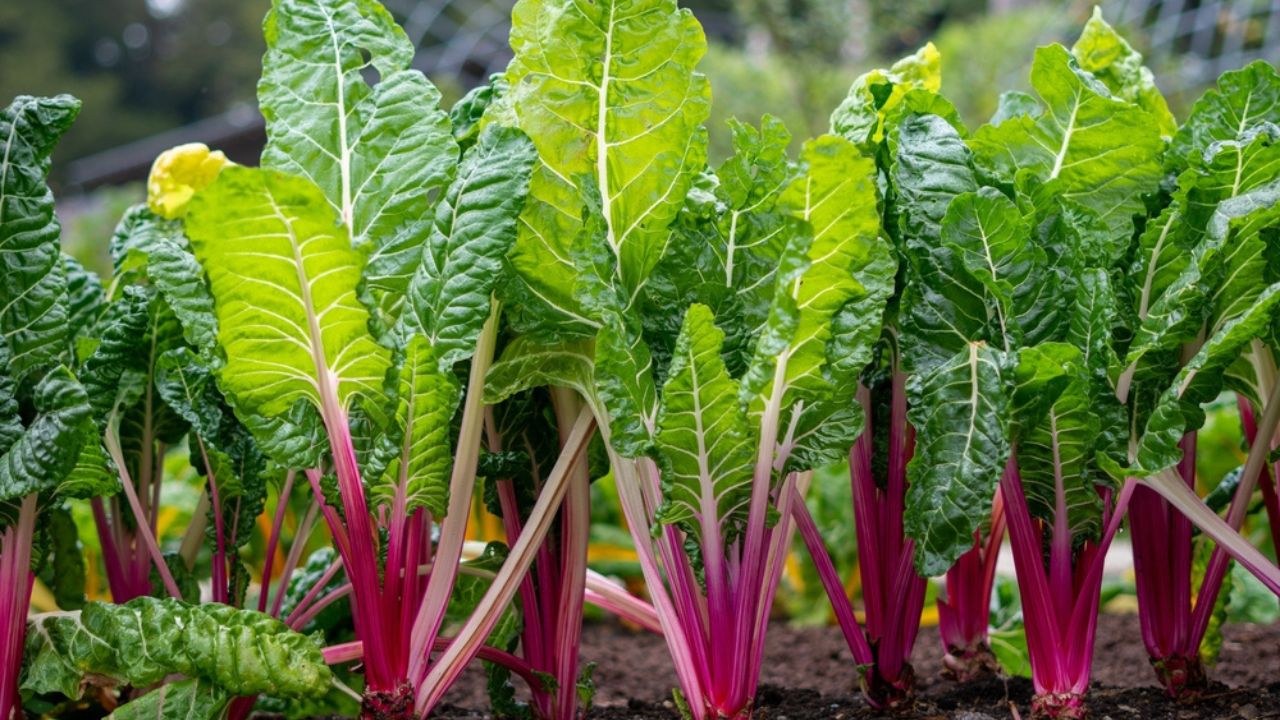
Image Credit: Shutterstock.
Swiss chard is both beautiful and bountiful. With colorful stems in shades of red, yellow, and white, it adds an ornamental touch to the vegetable garden while also being a prolific producer of large, nutritious leaves. This plant is another cut-and-come-again star. As long as you leave the roots and inner leaves intact, chard will continue to produce throughout the season. It is also more heat-tolerant than spinach, making it a reliable green for summer harvesting.
Care Tips:
- Sunlight: Full sun to light shade.
- Soil: Fertile soil with plenty of organic matter.
- Water: Consistent moisture promotes lush, tender leaves.
- Harvesting: Harvest outer leaves by cutting the stem near the base of the plant. This will provide a steady harvest from spring through fall.
17. Radishes
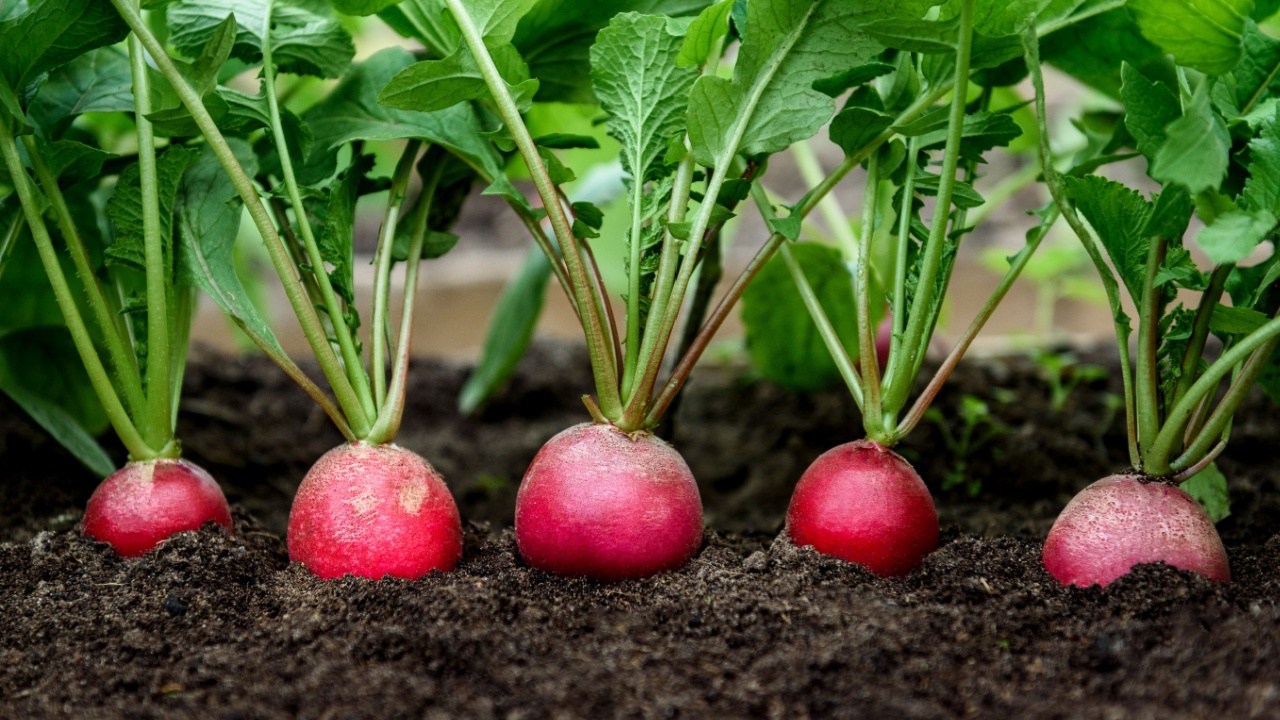
Image Credit: Shutterstock.
For gardeners seeking speed and volume, radishes are an unbeatable choice. These root vegetables can go from seed to harvest in as little as three to four weeks. Their rapid growth allows for multiple succession plantings in the same space throughout the growing season. Because they are small and mature quickly, radishes can be tucked in between slower-growing plants, a practice known as intercropping. This allows you to maximize every square inch of your garden.
Care Tips:
- Sunlight: Full sun.
- Soil: Loose, well-drained soil to allow roots to form properly.
- Water: Consistent water is critical for fast growth and to prevent a woody texture and spicy flavor.
- Harvesting: Pull radishes as soon as they reach their mature size. Leaving them in the ground too long will cause them to crack or become pithy.
18. Peas

Image Credit: Shutterstock.
Peas are a delightful cool-season crop that offers a sweet, fresh taste of spring. Whether you grow shelling peas, snap peas, or snow peas, they produce abundantly when given proper support. Growing peas vertically on a trellis is essential to keep the vines healthy and make harvesting easy. Vining peas produce for a longer period than bush varieties. Regular picking is key; the more you harvest, the more pods the plants will set. Leaving pods to mature on the vine will signal the plant to stop producing.
Care Tips:
- Sunlight: Full sun.
- Soil: Well-drained soil.
- Support: Provide a trellis or fence for the vines to climb on as soon as they are planted.
- Water: Keep the soil evenly moist, especially during flowering.
- Harvesting: Pick peas when the pods are full but still tender for the best flavor.
19. Sweet Corn
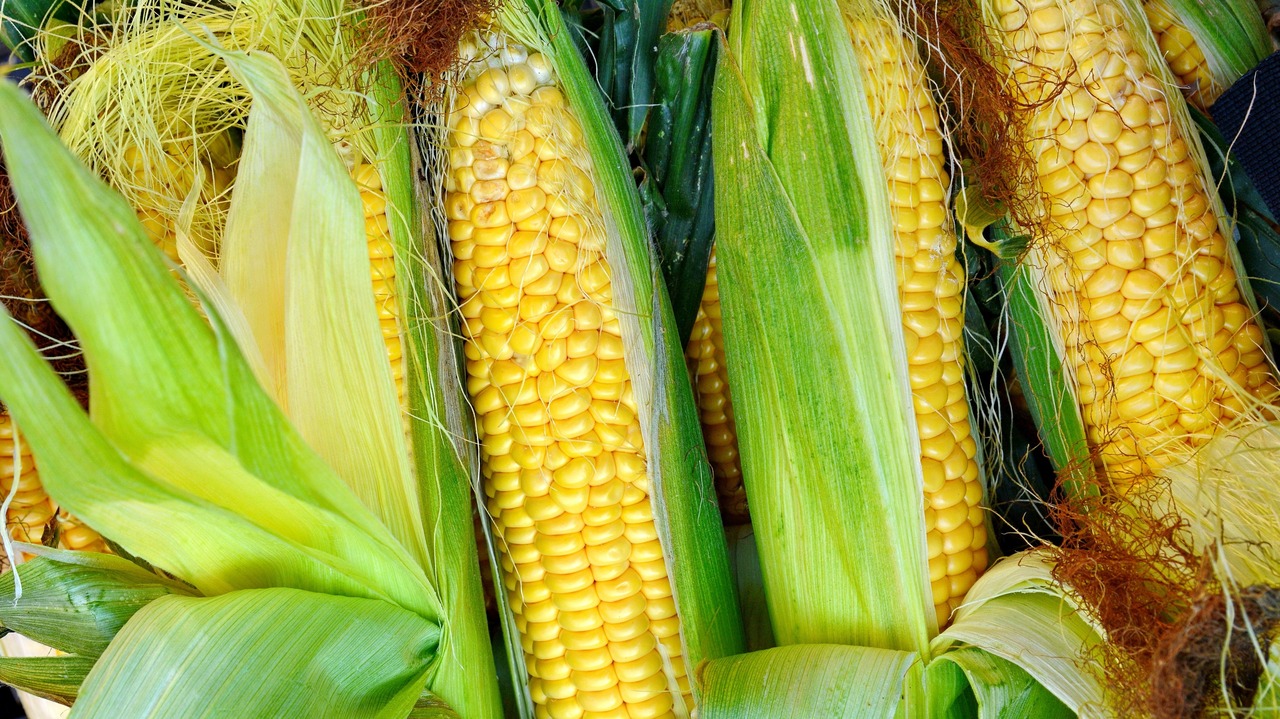
Image Credit: Shutterstock.
Few things say “summer” like fresh sweet corn from the garden. While it requires more space than some vegetables, corn can be highly productive. Each stalk typically produces one to two ears, so planting in a block rather than a single row is essential for good pollination and full cobs. Modern hybrid varieties are bred for sweetness and vigor. Planting a block of at least 4×4 plants ensures that the wind-borne pollen effectively reaches the silks on each developing ear, which is necessary for kernels to form.
Care Tips:
- Sunlight: Full sun is non-negotiable.
- Soil: Corn is a heavy feeder; it needs very rich soil with lots of nitrogen.
- Water: Consistent and deep watering is crucial, especially when the tassels and silks appear.
- Planting: Plant in a block formation, not single rows, with plants spaced about 1 foot apart.
- Harvesting: Harvest when the silks have turned brown and dry, and a pierced kernel releases a milky liquid.
20. Broccoli

Image Credit: Shutterstock.
Broccoli is a fantastic high-yield vegetable because it offers more than one harvest. After you cut the main central head, the plant will continue to produce smaller side shoots, or “florets,” for several more weeks. This extends the harvest period significantly. This cool-weather crop can be planted in both spring and fall. Getting two full harvest seasons from a single patch of ground makes it a highly efficient use of garden space. The tender side shoots are perfect for stir-fries, steaming, or roasting.
Care Tips:
- Sunlight: Full sun.
- Soil: Fertile, well-drained soil.
- Water: Needs consistent moisture to form large heads.
- Harvesting: Cut the main head when the buds are tight and dark green. Continue to water and fertilize the plant to encourage the growth of side shoots.
Planning a Productive Garden
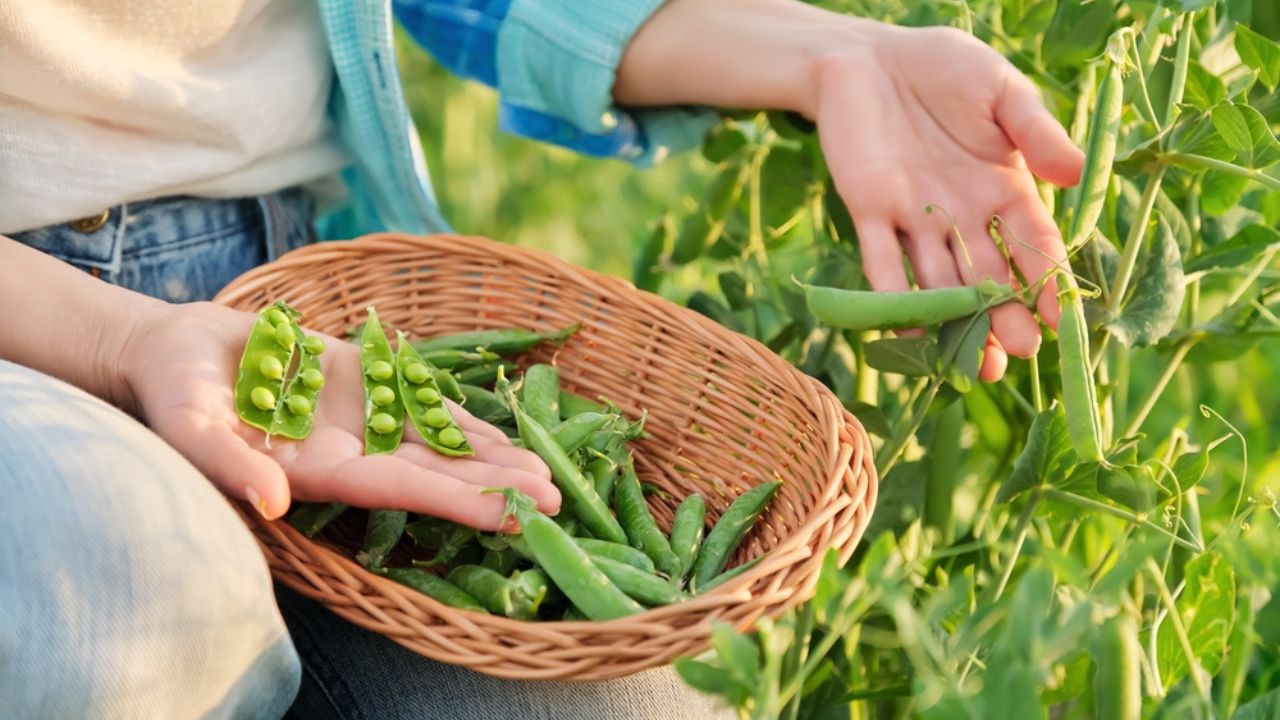
Image Credit: Shutterstock.
Now that you have a list of high-yield vegetables, it’s time to plan your garden for maximum success.
- Prepare Your Soil: The foundation of a productive garden is healthy soil. Amend your beds with plenty of compost and organic matter to provide the nutrients your plants will need.
- Practice Crop Rotation: Avoid planting vegetables from the same family (e.g., tomatoes and peppers) in the same spot year after year. This helps prevent the buildup of soil-borne diseases and pests.
- Use Succession Planting: Don’t plant everything at once. Stagger plantings of fast-growing crops like lettuce, radishes, and beets every 2-3 weeks to ensure a continuous harvest all season long.
- Embrace Vertical Gardening: Use trellises, stakes, and cages to grow vining plants like pole beans, cucumbers, and tomatoes upwards. This saves space and improves plant health.
By choosing these prolific vegetables and applying smart gardening techniques, you can transform your backyard into a source of abundant, fresh, and delicious food. Happy gardening