Avoid These 13 Difficult Veggies When Planning the Spring Garden
Every gardener knows the deep satisfaction of harvesting a vegetable they planted from a tiny seed. The journey from soil to supper is rewarding, but let’s be honest—not all vegetables are created equal. While zucchini and lettuce might seem to grow themselves, other crops demand a level of patience, precision, and care that can test even the most seasoned green thumbs. These are the divas of the vegetable patch, the ones with particular needs and a flair for the dramatic.
But a challenge is just an opportunity in disguise. Successfully growing a “difficult” vegetable is a badge of honor; proof that you’re developing skills and a deeper understanding of your garden’s unique environment. This list isn’t meant to scare you away. Instead, consider it an invitation to level up your gardening game.
We’ll explore 13 vegetables known for being tricky and break down exactly why they’re a challenge and how you can set yourself up for success. We sourced our growing tips from trusted garden sites and extensions to give you the best insight.
1. Cauliflower
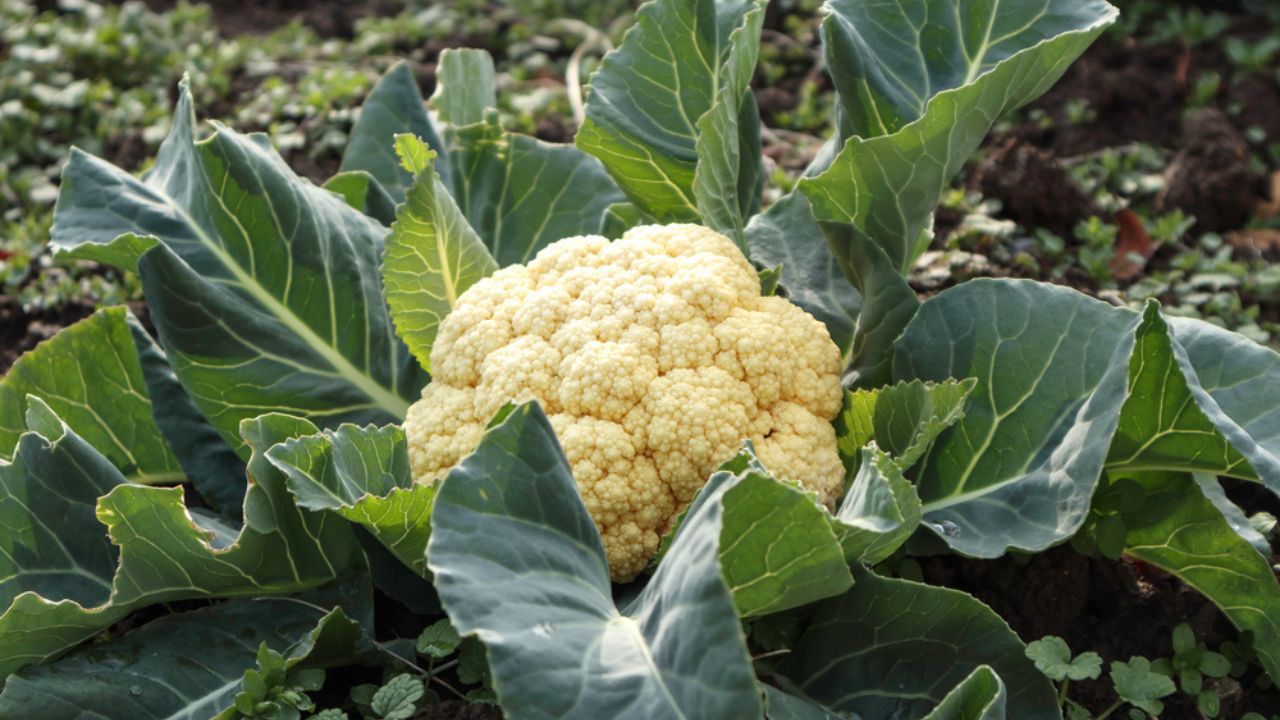
Cauliflower is the goldilocks of the garden—it needs conditions to be just right. This member of the brassica family is notoriously sensitive to temperature swings. If it’s too hot, the plant will “button,” forming tiny, unusable heads. If it’s hit by an unexpected frost, the developing head can be damaged. It demands consistent moisture and rich soil to thrive. To succeed with cauliflower, timing is everything.
Plant it so that it matures during a reliable period of cool weather, either in the spring or fall. Starting seeds indoors gives you more control over its early life. Once transplanted, ensure the soil stays evenly moist and provide a layer of mulch to help regulate soil temperature. Some varieties require “blanching”—tying the outer leaves over the developing head to keep it white and tender.
Quick Care Guide:
- Sun: Full sun (6+ hours).
- Soil: Rich, well-draining soil.
- Water: Consistent moisture is crucial; do not let the soil dry out.
- Key Challenge: Very sensitive to heat and temperature fluctuations.
- Pro-Tip: Choose a fast-maturing variety like ‘Snowball Y’ and plant for a fall harvest to avoid summer heat.
2. Celery

Store-bought celery is crisp and full of water, a result of commercial growing conditions that are tough to replicate at home. Celery is a thirsty and hungry plant with a very long growing season, often up to 140 days. It cannot tolerate heat or drought, and its shallow root system means it dries out quickly. The stalks can easily become stringy or hollow without consistent moisture and nutrients.
For a successful celery harvest, start seeds indoors about 10-12 weeks before your last frost date. Provide incredibly rich soil amended with plenty of compost. The most important task is watering; the soil should never be allowed to dry out. Many gardeners also blanch their celery for the last few weeks of growth by mounding soil around the stalks or wrapping them with cardboard. This blocks sunlight, resulting in a more tender, less bitter flavor.
Quick Care Guide:
- Sun: Full sun.
- Soil: Extremely rich in organic matter; must retain moisture well.
- Water: Keep soil constantly moist.
- Key Challenge: Long growing season and an insatiable need for water and nutrients.
- Pro-Tip: Grow celery in a trench that you can gradually fill with soil to blanch the stalks as they grow.
3. Artichokes
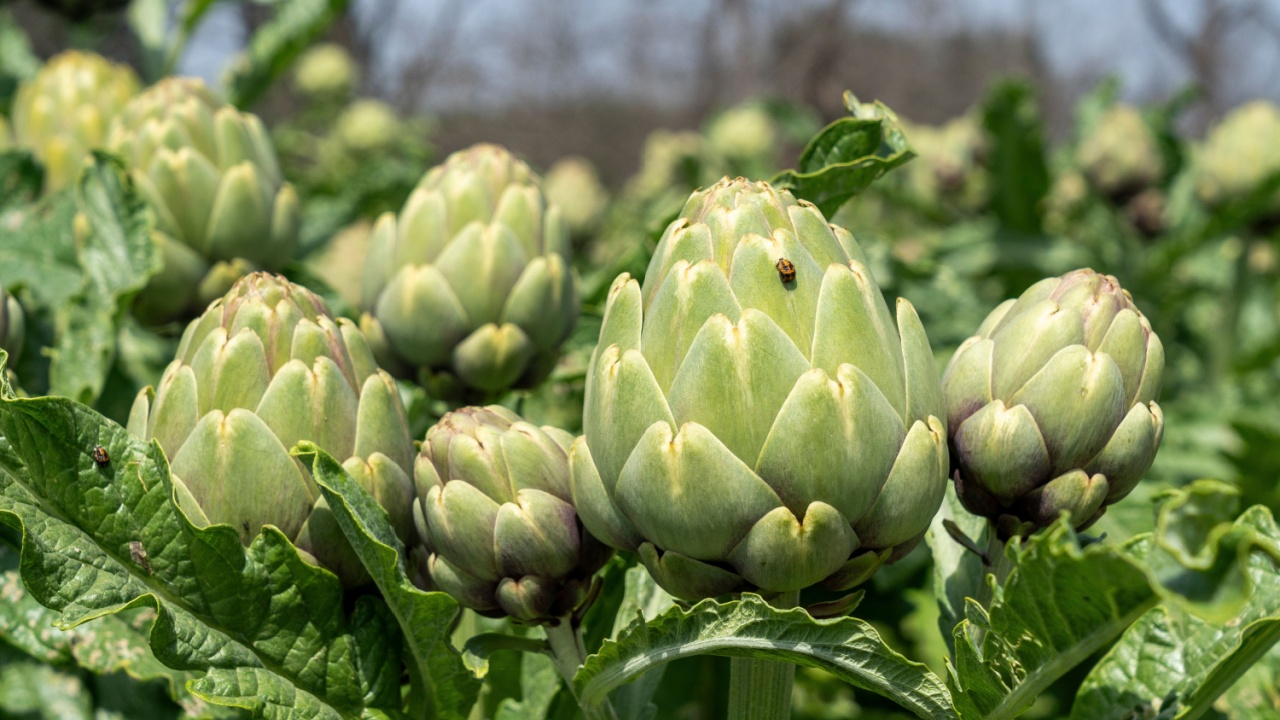
While stunningly beautiful, artichoke plants are a long-term commitment best suited for specific climates. As a perennial, this thistle relative needs a long season of mild weather—cool summers and mild winters—to produce its edible flower buds. In colder zones, gardeners must go to great lengths to overwinter the plant. In hot climates, the plant may get stressed and fail to produce buds.
To grow artichokes, you’ll need patience. They are often grown from roots or starts rather than seeds to save time. They require a sunny spot with fertile, well-drained soil. In regions with freezing winters (Zone 6 and colder), you must heavily mulch the plant’s crown after the first frost or even dig it up and store it in a cool, dark place. The reward for this effort is a sculptural plant that can produce for several years.
Quick Care Guide:
- Sun: Full sun.
- Soil: Fertile and well-drained.
- Water: Regular, deep watering, especially during bud formation.
- Key Challenge: Requires a long, mild growing season and significant overwintering effort in cold climates.
- Pro-Tip: In northern climates, try growing them as an annual by choosing a variety like ‘Imperial Star’ and starting seeds indoors very early.
4. Carrots
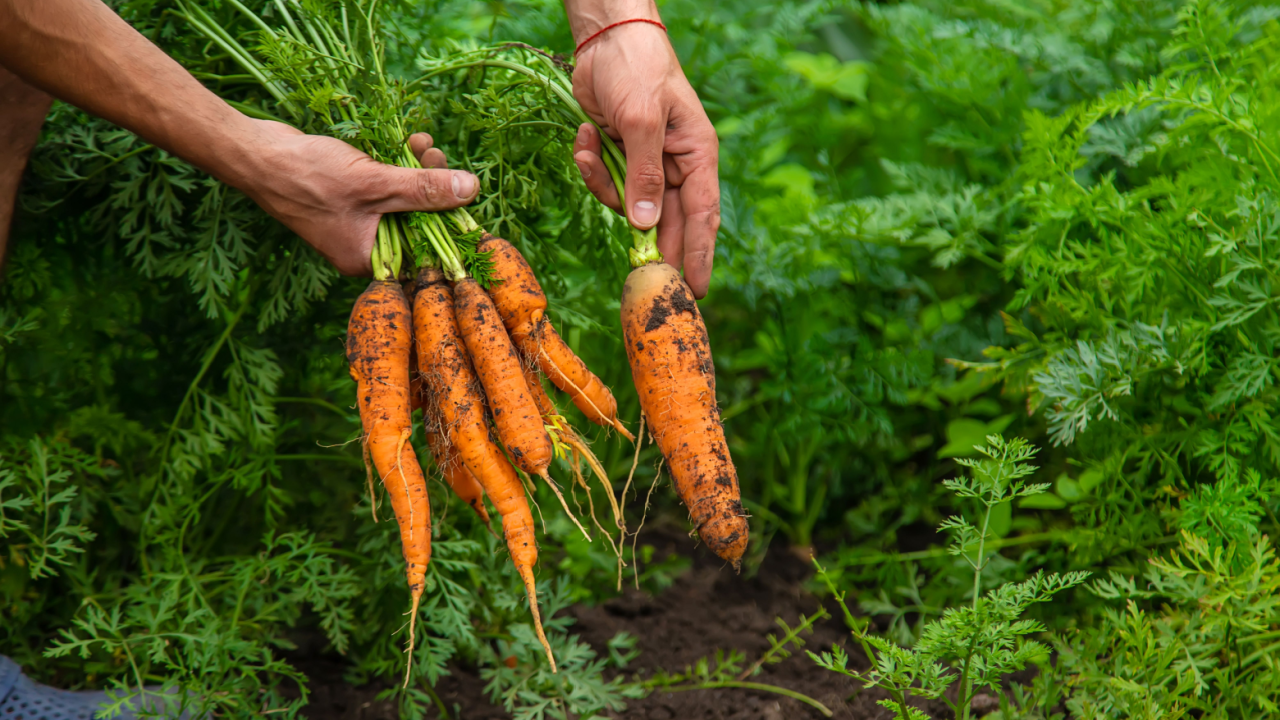
How can a simple root vegetable be so difficult? The challenge with carrots lies entirely underground. The seeds are tiny and slow to germinate, requiring the soil surface to stay consistently moist for up to three weeks. If the soil is heavy, compacted, or rocky, the carrot root will fork, twist, or become stunted as it struggles to grow downward, resulting in disappointing, gnarled shapes.
The secret to straight, beautiful carrots is soil preparation. They need loose, sandy, rock-free soil to a depth of at least 12 inches. Raised beds are an excellent choice for carrot growing. Because the seeds are so small, thinning the seedlings is a critical and tedious step. You must give each carrot enough space to develop fully. Keeping the seedbed consistently moist during germination is non-negotiable; laying a burlap sack or wooden board over the row can help retain moisture until sprouts appear.
Quick Care Guide:
- Sun: Full sun to light shade.
- Soil: Loose, sandy, and free of rocks or clumps.
- Water: Keep soil evenly moist, especially during germination.
- Key Challenge: Poor germination and sensitivity to soil conditions.
- Pro-Tip: Mix tiny carrot seeds with sand before sowing to achieve more even spacing and reduce the need for thinning.
5. Corn
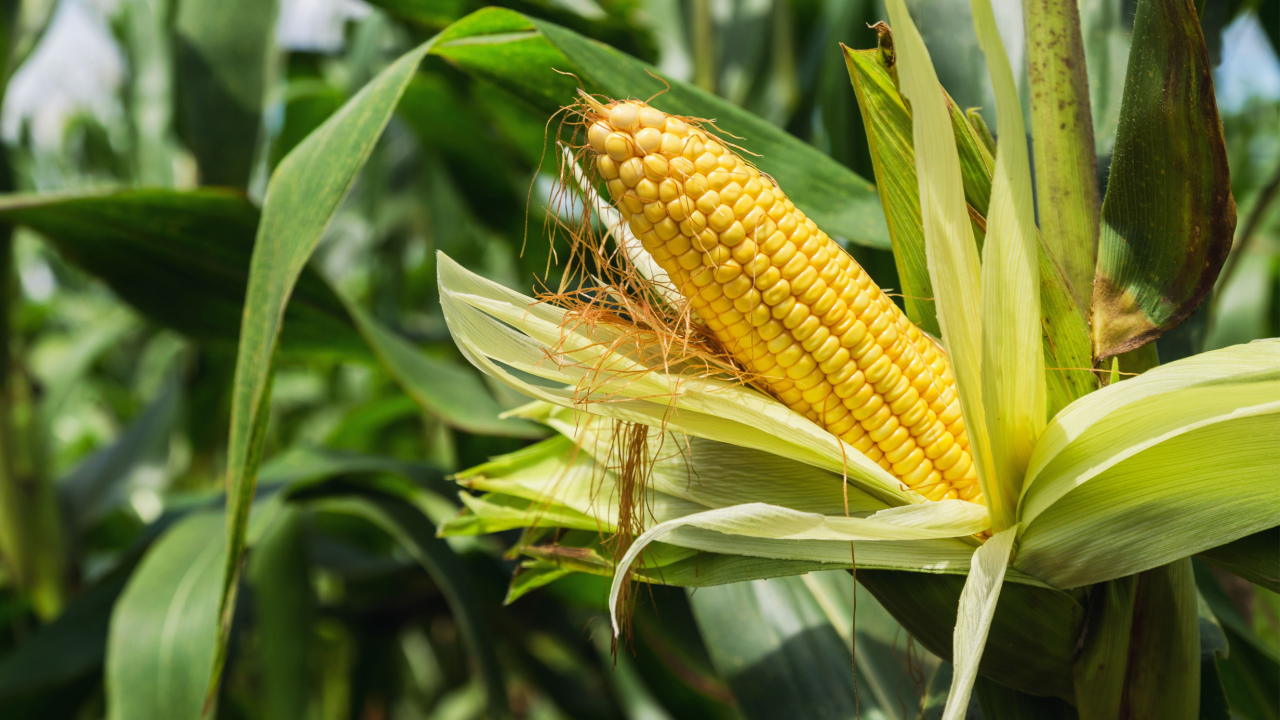
Growing a few stalks of corn in a single row is a classic recipe for failure. Corn is wind-pollinated, meaning pollen from the male tassels at the top of the plant must drift down onto the female silks of the ears below. If plants are in a single line, the wind is likely to blow the pollen away, leading to ears with just a few random kernels. Corn is also a heavy feeder, quickly depleting the soil of nitrogen.
To get a good harvest, you must plant corn in a block of at least four short rows (e.g., a 4×4 grid) rather than one or two long rows. This arrangement dramatically increases the chances of successful pollination. Ensure your soil is rich with compost and plan to side-dress the plants with a nitrogen-rich fertilizer when they are about knee-high.
Quick Care Guide:
- Sun: Full sun.
- Soil: Rich, well-drained soil with plenty of nitrogen.
- Water: Needs consistent water, especially as silks appear.
- Key Challenge: Requires wind pollination, making small plantings difficult.
- Pro-Tip: You can hand-pollinate by cutting off a tassel once it’s shedding pollen and tapping it over the silks of each ear on surrounding plants.
6. Asparagus
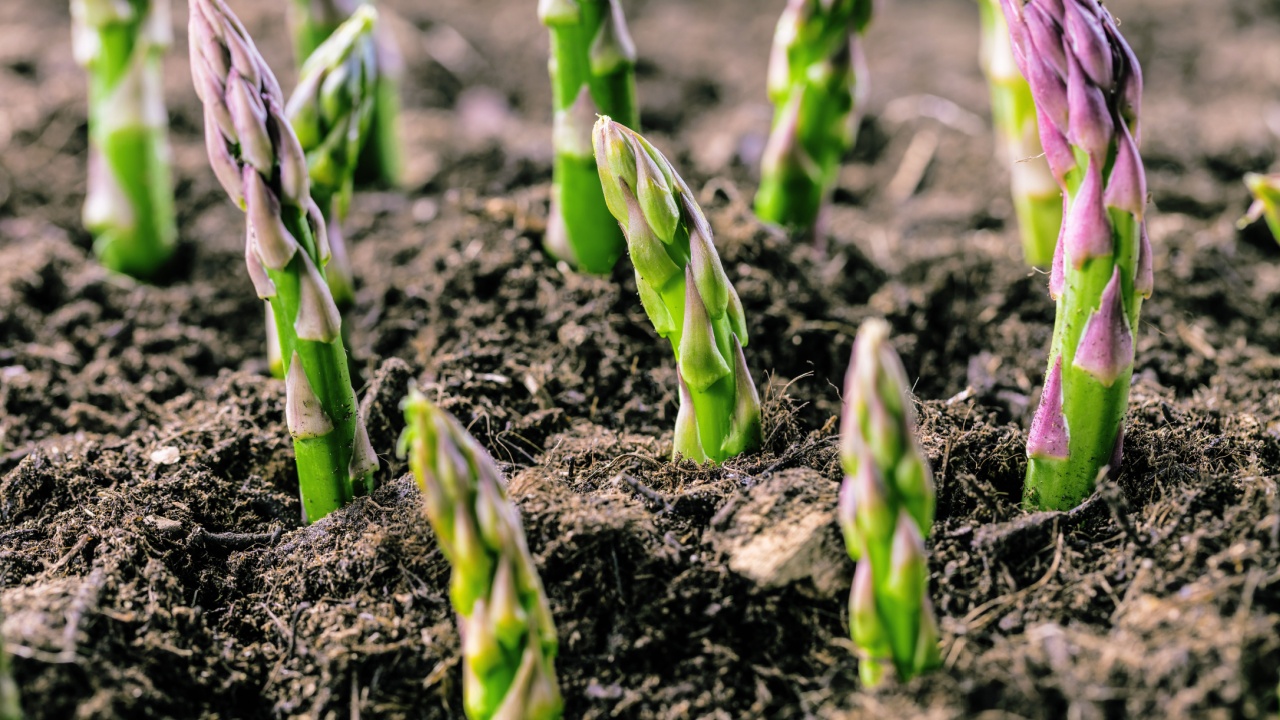
Asparagus is the ultimate test of a gardener’s patience. The difficulty isn’t in the day-to-day care but in the waiting. When planted from seed, you must wait about three years before you can take your first real harvest. Even when planting one-year-old crowns (the recommended method), you should wait another year. Harvesting too early can severely weaken the plant and ruin your future yields.
Once established, an asparagus bed can be productive for 20 years or more, making the initial wait worthwhile. The key is site preparation. Choose a permanent location with full sun and rich, well-drained soil. Dig a trench and plant the crowns, gradually backfilling the trench as the spears grow. For the first two years, you must resist the temptation to harvest, allowing the ferns to grow and power the root system for future production.
Quick Care Guide:
- Sun: Full sun.
- Soil: Rich, sandy, well-drained soil.
- Water: Moderate, but consistent.
- Key Challenge: The multi-year wait before the first significant harvest.
- Pro-Tip: Invest in two-year-old crowns to shave a year off the waiting time.
7. Melons (Cantaloupe & Honeydew)
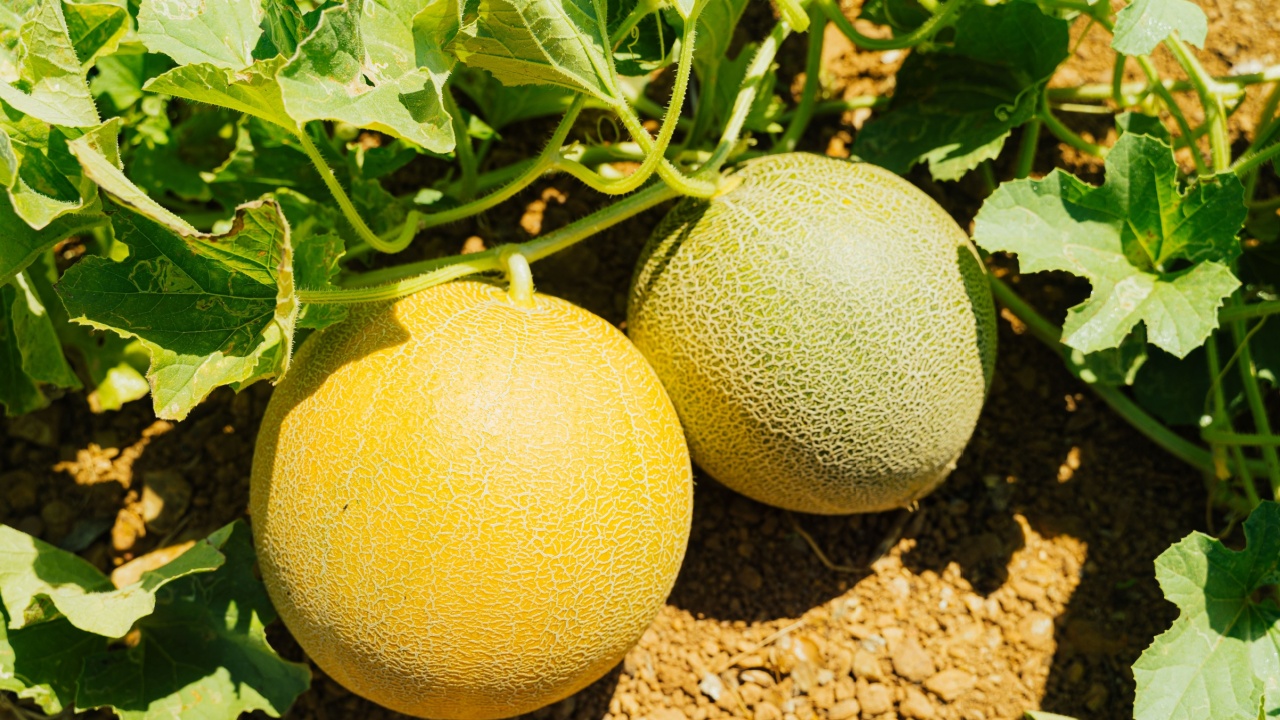
Sweet, juicy melons are a summer dream, but they demand a long, hot, and sunny season to ripen properly. Their sprawling vines take up a tremendous amount of garden space. The primary challenge is providing enough heat and time for the fruits to develop their sugars. An early frost or a cool, short summer can leave you with bland, unripe melons. They are also prone to pests and fungal diseases like powdery mildew.
To improve your odds, choose early-maturing varieties. You can give plants a head start by warming the soil with black plastic a few weeks before planting. Growing melons on a sturdy trellis saves space and improves air circulation, which helps prevent disease. Consistent watering is vital, but you should reduce watering as the fruits begin to ripen to concentrate the sugars and prevent splitting.
Quick Care Guide:
- Sun: Full sun.
- Soil: Fertile, well-drained soil.
- Water: Consistent moisture until fruit starts to ripen, then reduce.
- Key Challenge: Requires a long, hot growing season and ample space.
- Pro-Tip: Place a board or straw under developing melons on the ground to prevent rot and pest damage.
8. Watermelon
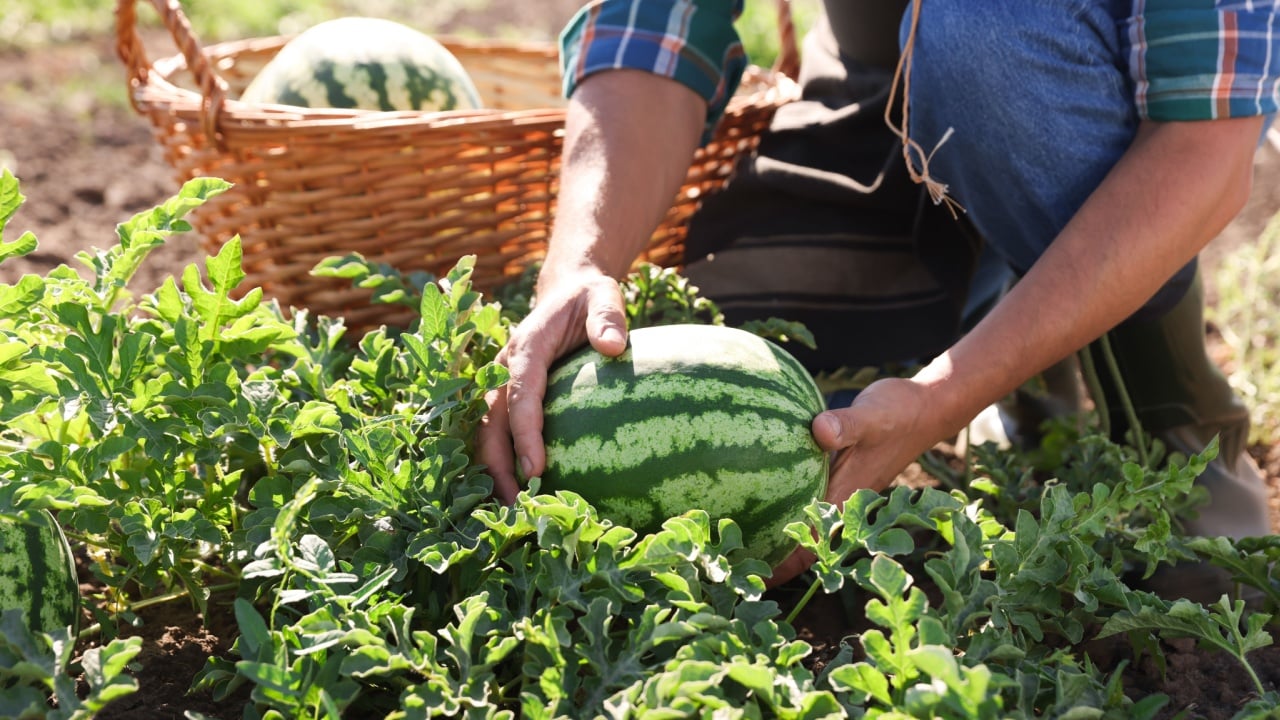
Much like its melon cousins, watermelon requires heat, space, and a long growing season. The challenge is amplified by the size of the fruit. Watermelons need even more water and nutrients to swell to their full size. A common frustration is inconsistent watering, which can cause the developing fruits to crack open. Figuring out exactly when a watermelon is perfectly ripe is another skill that takes practice.
Direct seeding is often best, as watermelons have sensitive roots that dislike being transplanted. Provide them with the sunniest, warmest spot in your garden and give the vines plenty of room to run. Soil rich in organic matter will help provide the sustained nutrition they need. Look for multiple signs of ripeness: the tendril closest to the fruit stem should be dry and brown, the spot where the melon rests on the ground should be a creamy yellow, and the melon should sound hollow when thumped.
Quick Care Guide:
- Sun: Full sun.
- Soil: Rich, well-drained soil.
- Water: Heavy and consistent water needs.
- Key Challenge: Long, hot season required; knowing when to harvest.
- Pro-Tip: For small gardens, try a personal-sized variety like ‘Sugar Baby’ and grow it vertically on a strong trellis, using slings to support the fruit.
9. Broccoli

Broccoli is another temperature-sensitive brassica, much like cauliflower. It loves cool weather and will quickly bolt (go to flower) when temperatures rise. A sudden heatwave can turn your promising broccoli heads into a stalk of yellow flowers overnight (the dreaded bolt). It also demands consistent moisture and fertility to form large, tight heads.
Success with broccoli relies on planting it at the right time for your climate—typically for a spring or fall harvest. Starting seeds indoors allows you to transplant sturdy seedlings into the garden as soon as the weather is suitable. Mulching the soil helps keep the roots cool and retain moisture. Harvest the main head when the buds are still tight and green; this will often encourage the plant to produce smaller side shoots for a bonus harvest.
Quick Care Guide:
- Sun: Full sun.
- Soil: Fertile, well-drained soil.
- Water: Keep consistently moist.
- Key Challenge: Prone to bolting in warm weather.
- Pro-Tip: Harvest the central head just before it looks ready. This encourages a longer harvest of smaller side-shoots.
10. Cabbage
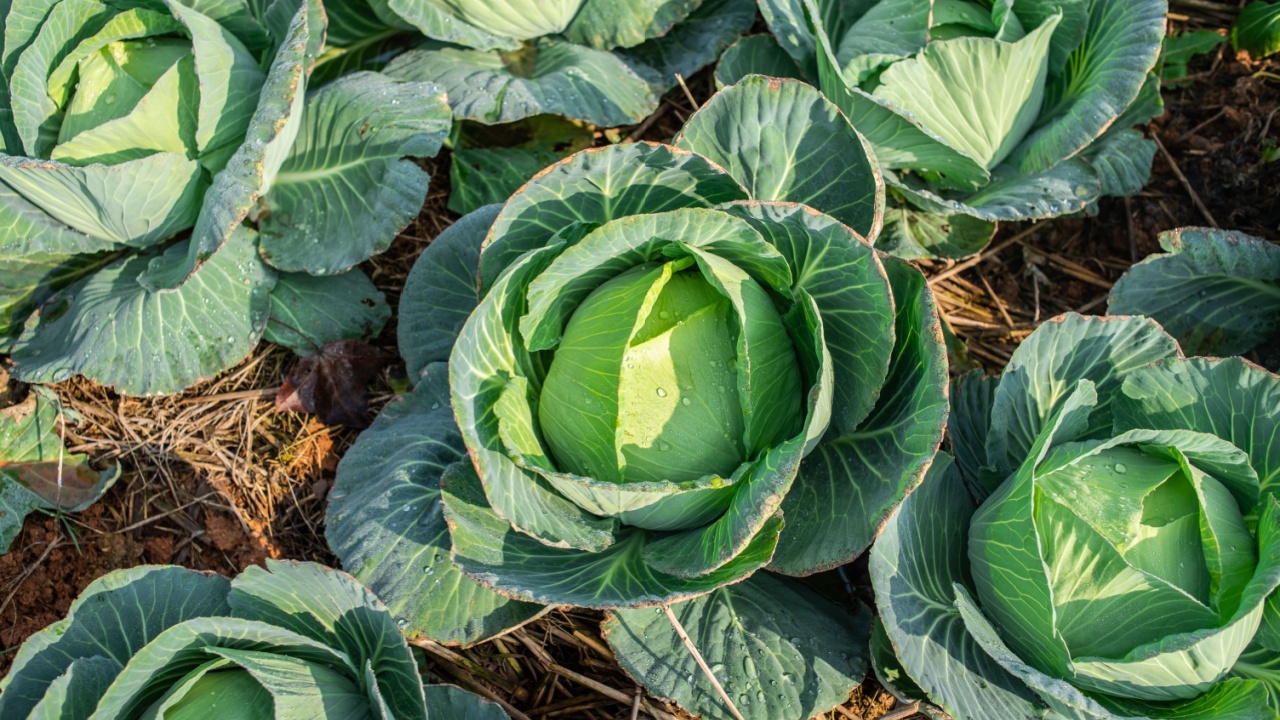
Growing a perfect, dense head of cabbage is a true art. Like its relatives, broccoli and cauliflower, cabbage demands cool weather to mature properly. If grown in the heat of summer, the heads may split open or fail to form altogether. Cabbage is also a magnet for pests, especially cabbage worms, which can skeletonize the leaves in days.
Plant cabbage for a spring or fall harvest. Providing consistent water is essential; fluctuations can cause the rapidly growing heads to split. To combat pests, consider using floating row covers from the moment you plant your seedlings. This physical barrier is the most effective way to prevent cabbage moths from laying their eggs on your plants.
Quick Care Guide:
- Sun: Full sun.
- Soil: Rich in nitrogen and organic matter.
- Water: Even, consistent moisture is critical to prevent splitting.
- Key Challenge: Susceptible to pests and splitting heads.
- Pro-Tip: Choose a split-resistant variety if this is a common problem in your garden.
11. Spinach
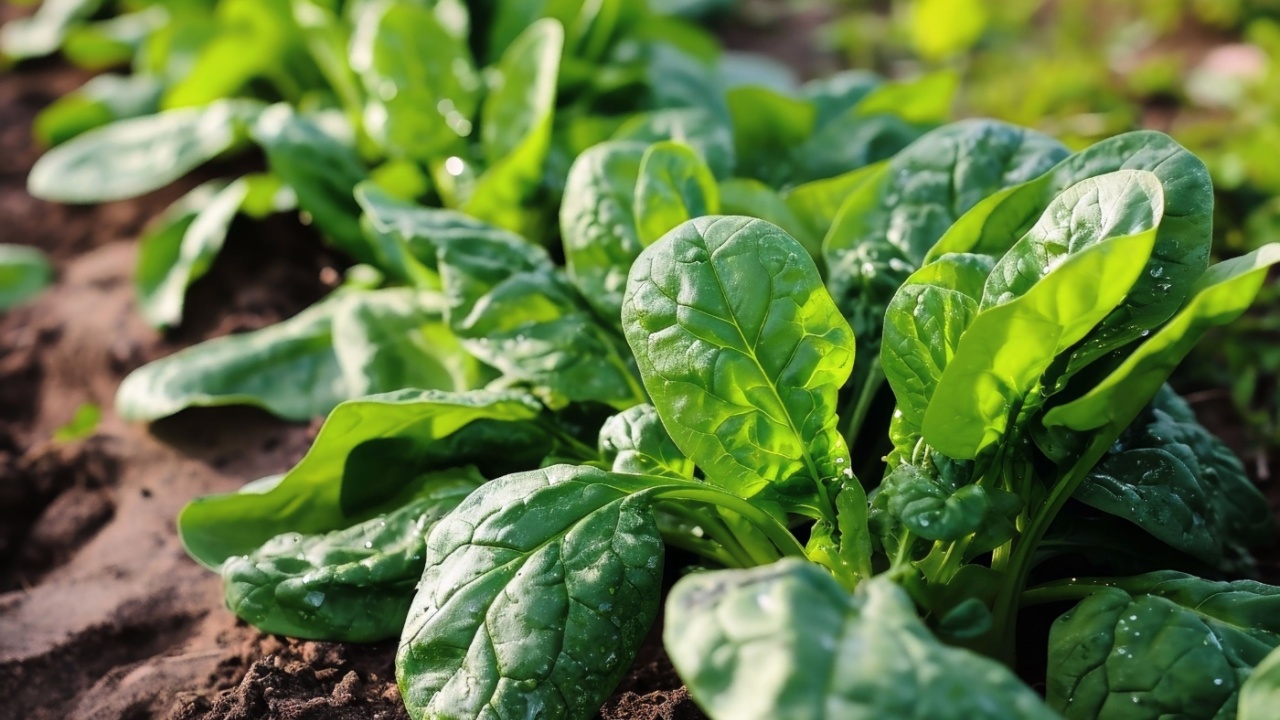
Spinach is a lovely cool-weather green. It grows incredibly fast in the mild temperatures of spring and fall, but the moment the days get long and hot, it has only one thing on its mind: bolting. This process makes the leaves bitter and inedible. The window for a perfect spinach harvest can be frustratingly short.
To get the most out of your spinach patch, plant it as early as possible in the spring and again as the weather cools in late summer for a fall crop. Planting in a location that gets some afternoon shade can help delay bolting. Choose “slow-bolt” varieties for spring planting. Another great strategy is succession planting—sowing a small batch of seeds every 7-10 days to ensure a continuous, staggered harvest.
Quick Care Guide:
- Sun: Full sun in cool weather; partial shade in warmer weather.
- Soil: Well-drained soil with plenty of compost.
- Water: Keep soil consistently moist.
- Key Challenge: Extremely quick to bolt in heat and long days.
- Pro-Tip: For a summer alternative, try growing Malabar spinach or New Zealand spinach, which are different species that thrive in heat.
12. Arugula
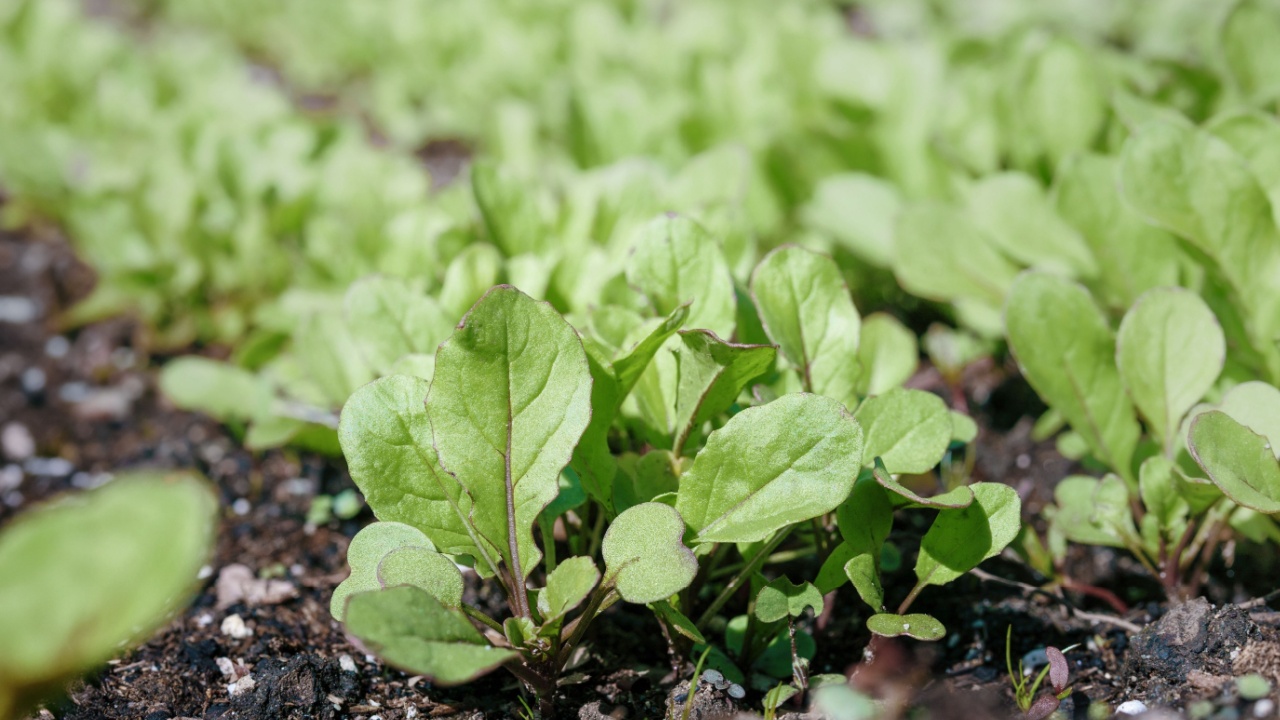
Arugula shares spinach’s tendency to bolt in the heat, but with an added twist. As the weather warms, the flavor of arugula leaves intensifies, quickly going from pleasantly peppery to unpalatably spicy and bitter. Like spinach, its useful life in the garden can be very short once summer arrives.
Treat arugula as a cool-season crop, perfect for the transitional weather of spring and fall. Harvest the outer leaves frequently when they are young and tender for the best flavor. This cut-and-come-again method can prolong your harvest. Planting in partial shade can also help keep the plants cooler and slow down the flavor change.
Quick Care Guide:
- Sun: Full sun to partial shade.
- Soil: Average, well-drained soil.
- Water: Regular watering.
- Key Challenge: Flavor becomes harsh and plant bolts quickly in heat.
- Pro-Tip: Let a few plants bolt. The flowers are edible and make a beautiful, spicy addition to salads.
13. Cucumber
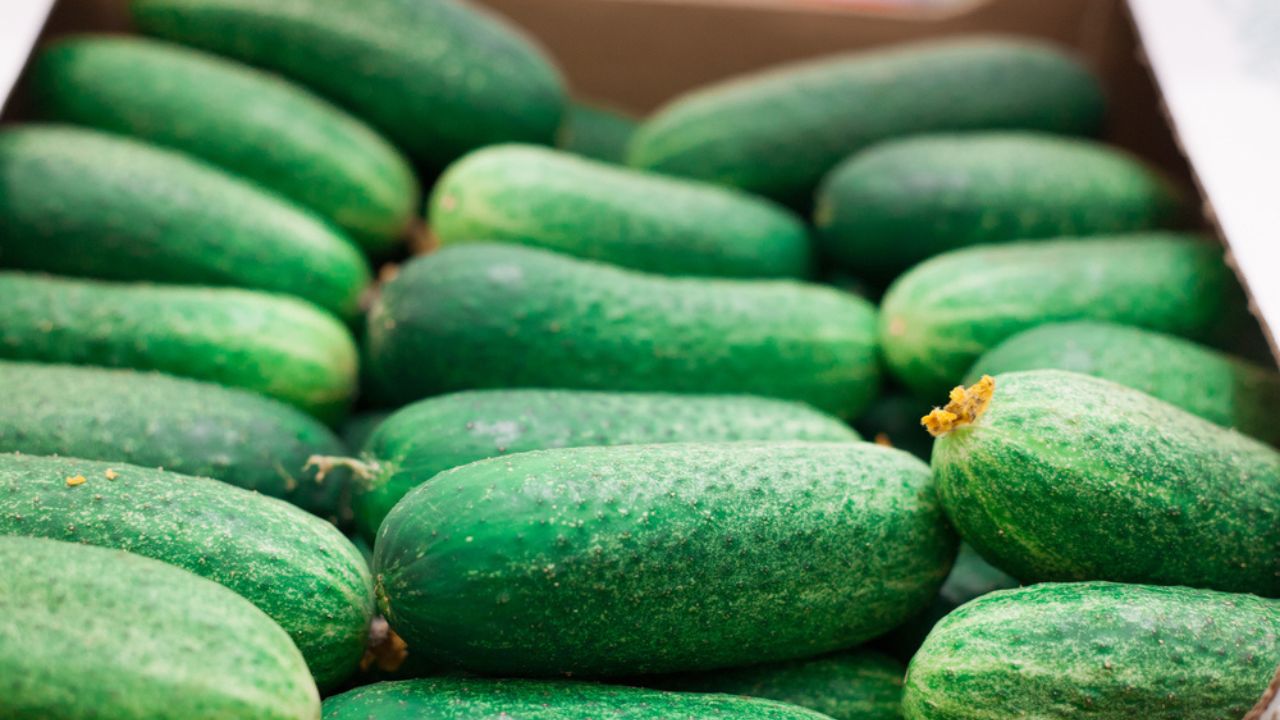
While cucumbers can be prolific, they are also prone to a host of problems. They need consistent moisture to avoid becoming bitter, but are also susceptible to fungal diseases like powdery mildew, which thrive in humid conditions and are made worse by wet leaves. Pests, particularly cucumber beetles, can quickly decimate plants and also transmit bacterial wilt, a deadly disease.
To set yourself up for success, choose disease-resistant varieties. Growing cucumbers on a trellis is one of the best things you can do—it improves air circulation to ward off fungal diseases, keeps the fruit clean, and makes harvesting easier. Water the base of the plant in the morning to avoid wet foliage overnight.
Quick Care Guide:
- Sun: Full sun.
- Soil: Rich, well-drained soil.
- Water: Consistent and deep watering is key to preventing bitterness.
- Key Challenge: Susceptibility to pests and diseases.
- Pro-Tip: Plant companion flowers like nasturtiums nearby to help trap pests like aphids away from your cucumbers.
Your Next Gardening Adventure
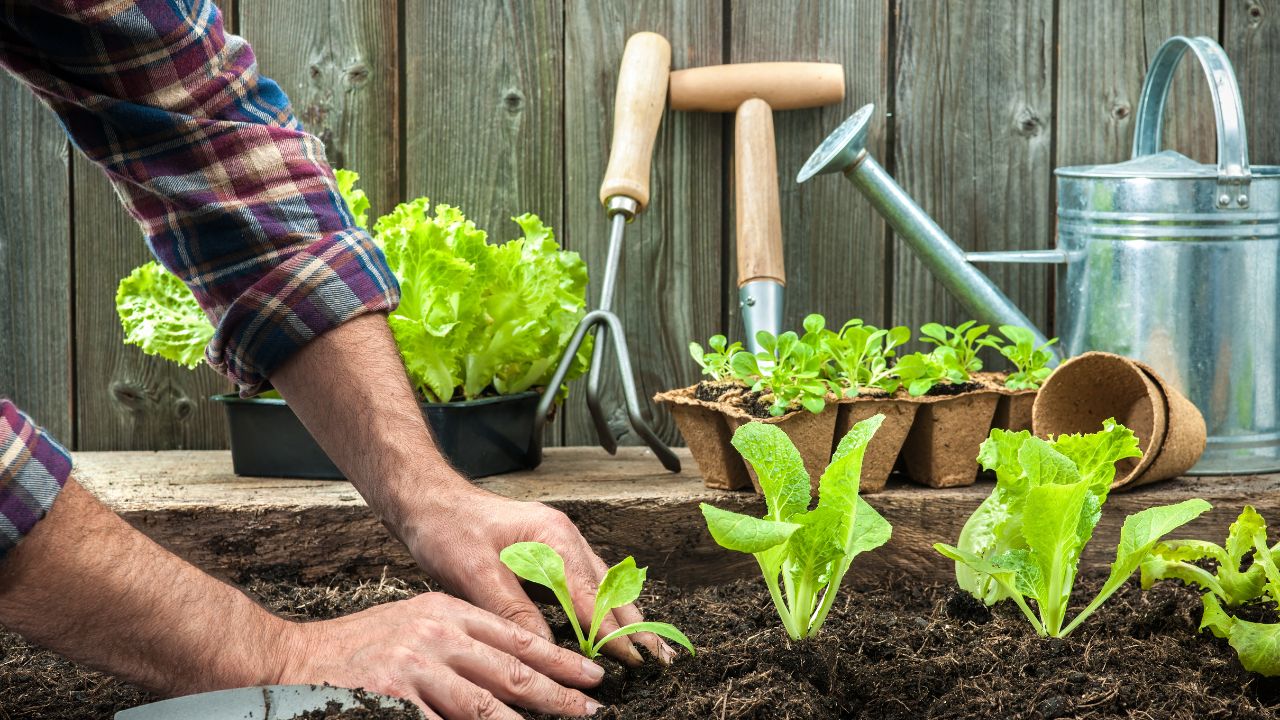
Facing a gardening challenge is one of the best ways to grow. Don’t be discouraged by this list—be inspired! Choose one or two vegetables that intrigue you and give them a try this season. Pay close attention to their specific needs for soil, water, and timing.
Keep a small journal to track your progress, noting what works and what doesn’t in your unique garden. Even if your first attempt at celery is stringy or your carrots are crooked, the experience you gain is invaluable. Every “failed” crop teaches you something new and brings you one step closer to that triumphant harvest.