Have a Pesky Neighbor? These Are Your 8 Rights and How to Exercise Them Legally
Living next to someone difficult causes immense frustration for homeowners. Your home should offer peace and relaxation after a long day at work. When loud music plays at midnight or trash piles up near the property line, that peace disappears rapidly.
Neighbors’ legal rights exist to protect residents from unreasonable disturbances and clear up boundary disputes. Most municipalities define strict ordinances regarding noise levels, property maintenance, and animal control. Knowing the exact rules in your area gives you confidence when addressing neighborhood conflicts.
If you are sick of nagging or fighint, knowing what rules you have to work with make all the difference. It can also potentially help a neighbor realize you have legal rights that they need to obey if they don’t want to face repercussions.
This guide details eight fundamental privileges you hold as a property owner facing difficult situations. You will learn the legal definitions of common neighborhood nuisances and discover practical methods to resolve them properly.
1. The Right to Quiet Enjoyment

Every homeowner possesses the legal right to quiet enjoyment of their property without unreasonable interference from others. Local noise ordinances dictate specific quiet hours and maximum decibel levels allowed in residential zones. When a neighbor continuously throws loud parties late at night or operates heavy machinery before dawn, they violate these established municipal codes.
Documenting the disturbances forms the foundation of any valid noise complaint. Keep a detailed log noting the exact dates, times, and descriptions of the excessive noise. If polite conversations fail to resolve the issue, you can present this meticulous record to local law enforcement or your homeowners’ association for official intervention.
2. The Right to Clear Property Boundaries

Property lines dictate exactly where your land ends and the neighboring parcel begins. Disputes frequently arise when a neighbor builds a fence, installs a shed, or expands a driveway across the legal boundary. Encroachment on your land restricts your property use and can complicate future property sales.
Hire a licensed land surveyor to officially mark the exact corners of your lot. An official survey eliminates any confusion regarding land ownership and provides undeniable proof of the property lines. Once you have the survey results, you can formally request the removal of the encroaching structure via written notice or legal mediation.
3. The Right to Control Overhanging Trees

Branches extending from a neighboring yard into your airspace often drop debris or block natural sunlight. The law generally permits you to trim any branches or roots that cross your legal property line. However, you cannot legally trespass onto the adjacent property to conduct this maintenance or cut down the entire tree.
Hire a professional arborist to handle the trimming process safely and correctly. Cutting branches too aggressively might permanently damage the tree, which could leave you financially liable for the replacement cost. Send a polite letter to the tree owner before the trimming begins to maintain open communication and prevent unnecessary hostility.
4. The Right to Protection from Property Damage

People hold liability for any direct damage their actions or their property cause to your home. This includes situations where a poorly maintained tree falls onto your roof, or a diverted drainage system floods your basement. Negligence plays a major role in these situations, especially if the homeowner knew the hazard existed before the damage occurred.
Take immediate photographs of any damage as soon as it happens. Contact your insurance provider right away to file a claim and send an appraiser to assess the repair costs. Your insurance company will typically handle recovering the funds directly from the liable neighbor or their insurer.
5. The Right to Safe Animal Management

Pet ownership requires responsible supervision and adherence to local animal control regulations. Barking dogs, roaming cats, or poorly secured livestock create significant nuisances and potential safety hazards for the surrounding community. Most cities enforce strict leash laws and require pet owners to pick up waste left on public or private land.
Contact your local animal control department if a loose pet acts aggressively or continually damages your landscaping. Animal control officers possess the authority to issue warnings and fines to negligent pet owners. Maintaining video evidence of the roaming animals helps authorities process your complaint quickly and efficiently.
6. The Right to Proper Vehicle Parking

Residential streets and shared driveways require clear access for all homeowners and emergency vehicles. Neighbors who block your driveway or abandon broken-down vehicles on the street create immediate logistical problems. Municipal parking enforcement dictates how long vehicles may remain parked on public roads and prohibits blocking private access points.
Report illegally parked cars or abandoned vehicles to your local non-emergency police line. Provide the dispatcher with the vehicle make, model, and license plate number for accurate tracking. Authorities will issue citations or arrange a tow if the vehicle violates street sweeping schedules or blocks fire hydrants.
7. The Right to Maintained Shared Amenities

Townhomes and planned communities frequently feature shared walls, common fences, and community pathways. Both parties share the financial responsibility for maintaining these dividing structures and keeping them in good condition. When one party modifies or damages a shared wall without permission, it compromises the structural integrity of both properties.
Review your property deeds and homeowners association guidelines to understand the exact rules governing shared structures. Any repairs or modifications require written agreements detailing the division of costs and labor. Presenting a clear contract before beginning repairs prevents financial misunderstandings and protects both parties legally.
8. The Right to Code Compliance
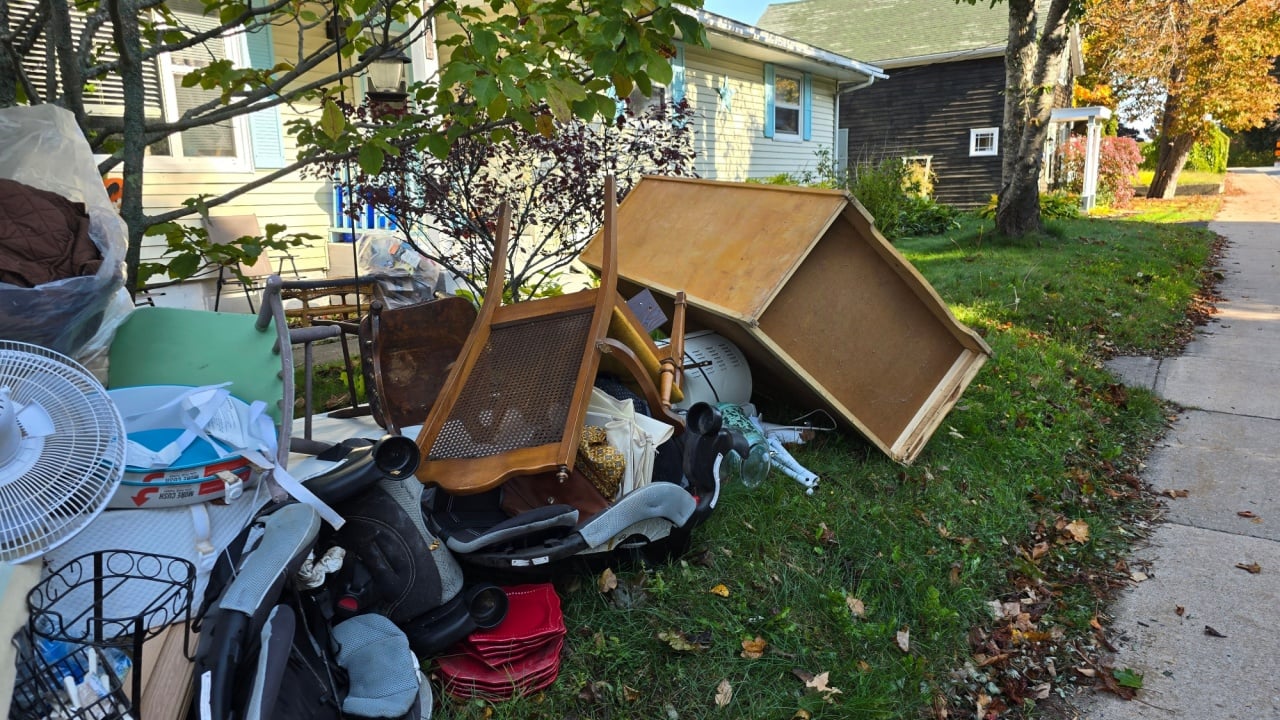
City building codes exist to protect the health and safety of the entire community. Unpermitted home additions, hazardous electrical wiring, or accumulating trash heaps violate these critical municipal safety standards. Living next to a property with severe code violations can lower your property’s value and lead to serious pest infestations.
Submit a detailed report to your municipal code enforcement department outlining the specific violations. Code enforcement officers will conduct an official inspection and require the offending homeowner to make immediate corrections. This formal process removes the burden from your shoulders and places the enforcement power squarely in the hands of the city government.
Protecting Your Peace and Property

Navigating neighborhood conflicts requires a solid understanding of local ordinances and property laws. Addressing disputes professionally prevents temporary frustrations from escalating into permanent feuds. By relying on official documentation, surveys, and municipal enforcement departments, you protect your property investments effectively. Living peacefully in your home remains a fundamental priority, and knowing the legal avenues available provides immense peace of mind.
Read More:
13 Tools to Gauge Neighborhood Safety Before Moving
18 Backyard Additions That Can Get You Sued (And Make the Neighbors Mad)