
5 U.S. Cities Where Home Values Are Surprisingly Dropping
Some U.S. cities are seeing home prices move in a direction that’s been rare in recent years: down. After a long stretch of jaw-dropping price growth, several major metro areas are now posting legitimate value drops.
If you are hoping to buy a place without selling a kidney, or if you are just curious about which markets are crashing back to earth, this list is for you. This article covers five cities where homes are losing value, supported by current data and real reasons for each decline.
If you’re buying or selling, or just want the latest on the housing shift, you’ll find specifics and insights for each spot below.
1. North Port-Bradenton-Sarasota, Florida

Florida has been the poster child for booming property values over the last few years. Everyone seemed to move there at once, and prices went wild. But the party appears to be ending in the North Port-Bradenton-Sarasota metro area. Median home values here have fallen by roughly 8.6% compared to last year. That translates to a loss of over $36,000 for the median home.
Why is this happening? During the pandemic, buyers rushed in and bid prices up to unsustainable levels. Now, inventory is piling up. On top of that, the hidden costs of owning a home in Florida are starting to bite. Insurance premiums have exploded, and HOA fees are climbing rapidly. These rising monthly costs are scaring away potential buyers, forcing sellers to lower their asking prices to attract interest.
2. Austin-Round Rock-San Marcos, Texas
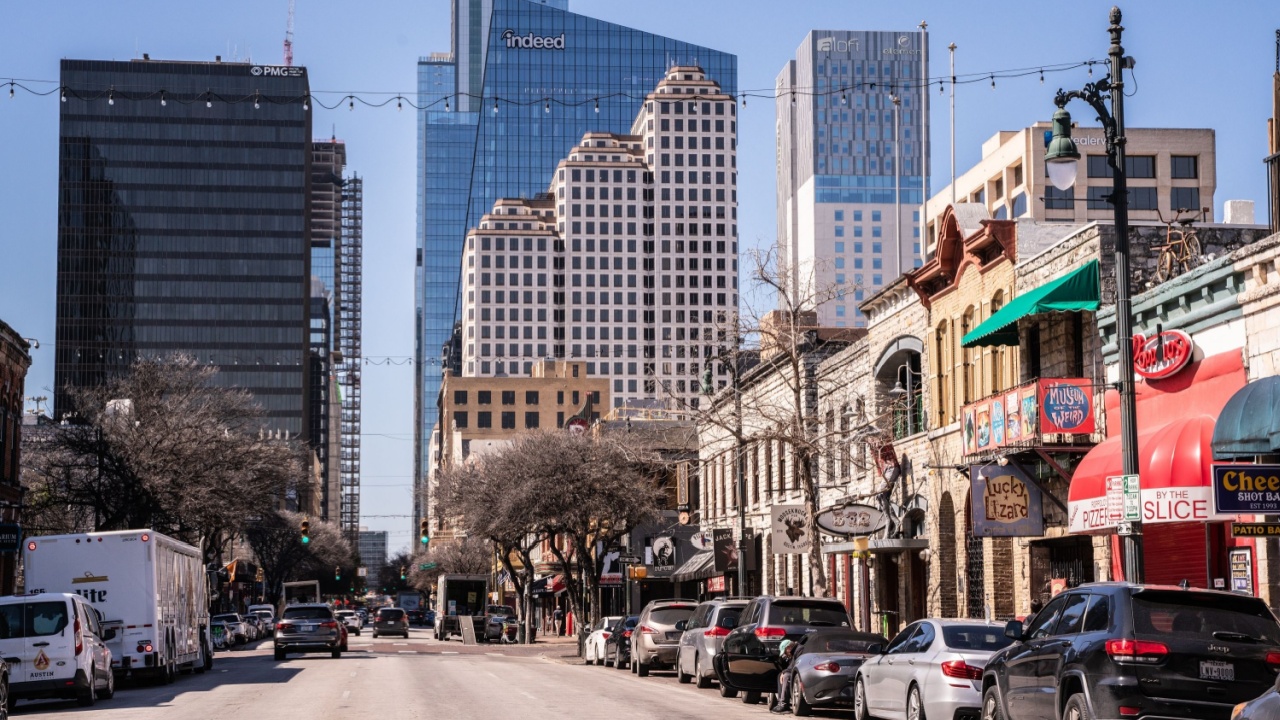
Remember when everyone you knew was moving to Austin? It felt like the entire state of California decided to relocate to Texas simultaneously. This massive influx turned Austin into a boomtown, but booms eventually bust, or at least deflate significantly.
Austin is seeing a 6.1% drop in median home values year-over-year. That is nearly $27,000 shaved off the price tag. The reason here is slightly different from Florida. In Austin, builders went into overdrive. They saw the demand and started constructing homes as fast as they could. Now, all those new builds are sitting on the market alongside existing homes.
3. Stockton-Lodi, California
California is notorious for being expensive, so seeing a Golden State metro on a list of dropping prices might feel shocking. Yet, the Stockton-Lodi area is experiencing a notable correction. Home values in this Central Valley metro have dipped by roughly 4.4%.
The primary driver here is inventory. For a long time, there was a severe shortage of homes for sale, which kept prices artificially high. That shortage is effectively over. Listings have rebounded, and there is no longer a desperate scramble for every available property. With more homes to choose from, the upward pressure on prices has vanished. Sellers are finding they have to be more realistic if they want to close a deal.
4. Denver-Aurora-Centennial, Colorado
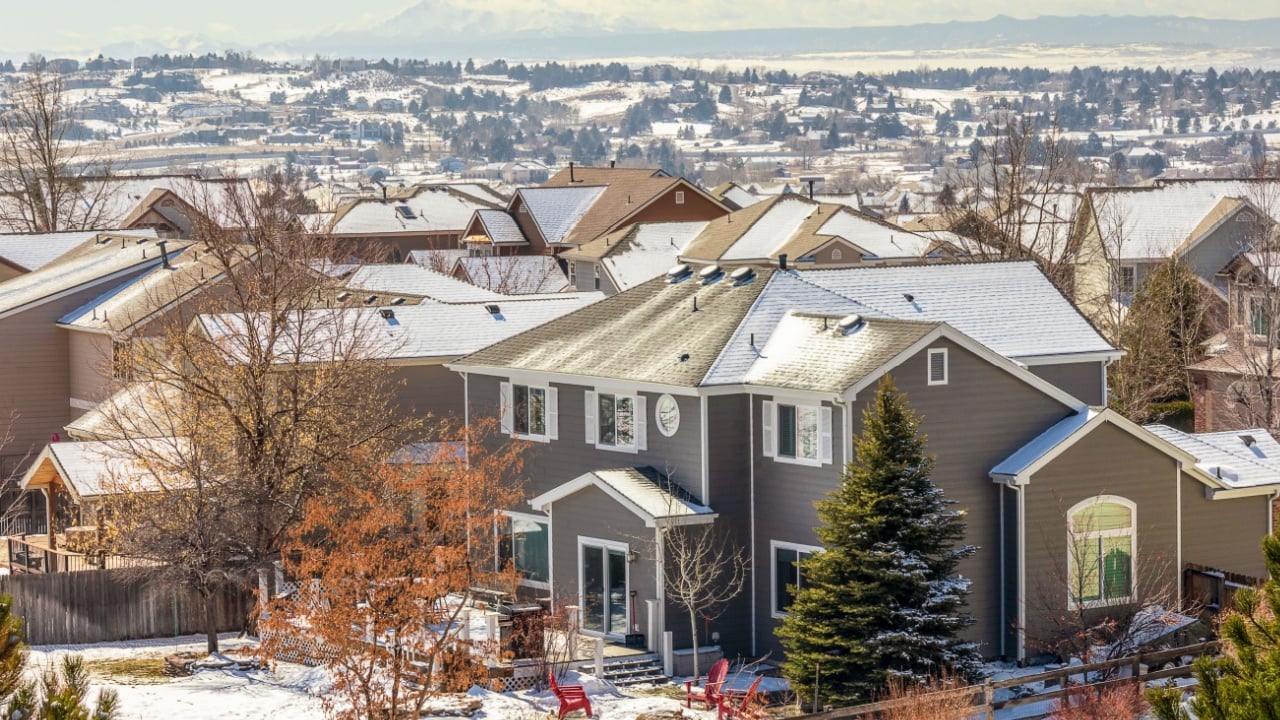
Denver has been a hot market for a decade, drawing in outdoor enthusiasts and young professionals. But the mountains aren’t the only things with steep slopes; prices rose sharply and are now sliding down the other side. The Denver metro area is seeing a 3.3% decline in home values.
Much like Austin, Denver is suffering from an inventory hangover. The number of homes for sale has skyrocketed compared to pre-pandemic levels. This sudden increase in availability, particularly in the suburbs and higher-end luxury tiers, has shifted power back to the buyer.
5. San Francisco-Oakland-Fremont, California

The Bay Area has long been the symbol of unaffordable housing. It is the land of the $1 million fixer-upper. However, even this tech giant is showing cracks in its armor. The San Francisco metro area has seen values drop by 5.6% from last year.
The number of homes for sale has rebounded to levels higher than we saw before the pandemic. Tech layoffs and the shift to remote work have also played a role, cooling demand in a region that used to be incredibly competitive. With more owners deciding to sell and fewer buyers fighting for properties, prices have naturally started to soften.
Next Steps for Buyers and Sellers

So, what should you do with this information? If you are a buyer, try to contain your excitement. Yes, prices are dropping, but interest rates and insurance costs are still major factors to consider. A cheaper purchase price doesn’t always mean a cheaper monthly payment.
Do your homework on insurance premiums before you fall in love with a property, especially in places like Florida or areas prone to wildfires. Use the increased inventory to your advantage. Avoid real estate scams. Negotiate. Ask for repairs. Don’t be afraid to walk away if the numbers don’t add up.
Read more
14 Affordable Countries Americans Can Live Comfortably In
6 Affordable U.S. Cities (And What You Need to Make to Live There)