Half the Water You’re Using on Your Garden Is Going to Waste: Here’s How to Stop It
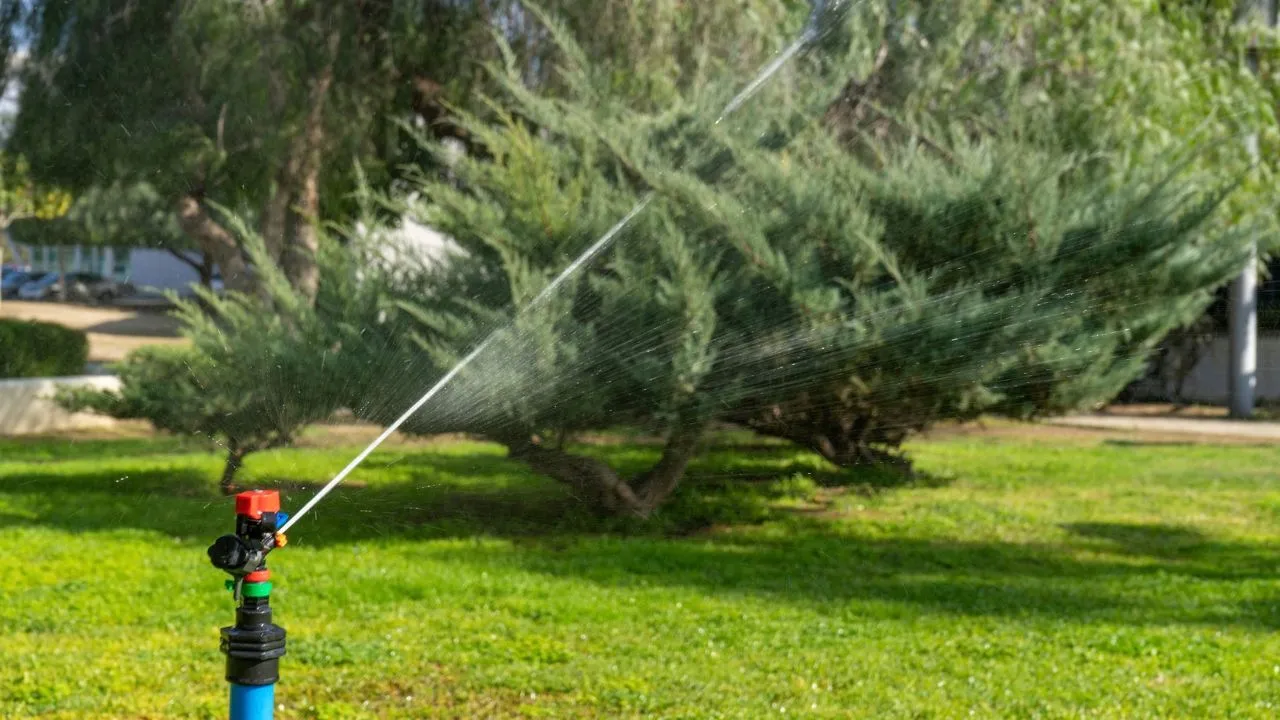
According to the EPA’s WaterSense program, roughly half of all outdoor water use is wasted through overwatering, evaporation, and misdirected irrigation. That’s not a distant policy problem; that’s your hose running on a hot Tuesday afternoon while your tomatoes sizzle and none of it reaches a single root.
The cost adds up fast. The average American household uses nearly 320 gallons of water per day, and outdoor irrigation can account for 30% or more of that total during the growing season. In arid and drought-prone regions, the share climbs even higher. You’re essentially paying to water the sidewalk, feed fungal diseases, and drown shallow root systems that would be stronger if you just backed off a little.
The irony is that most overwatering isn’t laziness; it’s anxiety. Gardeners see wilting leaves on a 95-degree afternoon and reach for the hose when, in reality, the plant is just managing heat stress and will bounce back by evening. Or they set a sprinkler timer in May and never adjust it, soaking the garden on the same schedule in cool September as they did in peak July. The instinct to water more comes from a good place, but it often does more harm than good.
The good news is that fixing it doesn’t require a landscape overhaul. A handful of low-cost, beginner-friendly adjustments can cut your garden’s water use by a third or more, and in most cases, your plants will be healthier for it. Deep, infrequent watering encourages roots to grow down instead of hovering at the surface, while targeted delivery gets moisture to the plants that need it and nowhere else. And a little strategic timing can make the same amount of water go twice as far.
Here are 9 water-saving irrigation tips for home gardens that make a real difference.
1. Water in the Morning, Not During the Heat of the Day
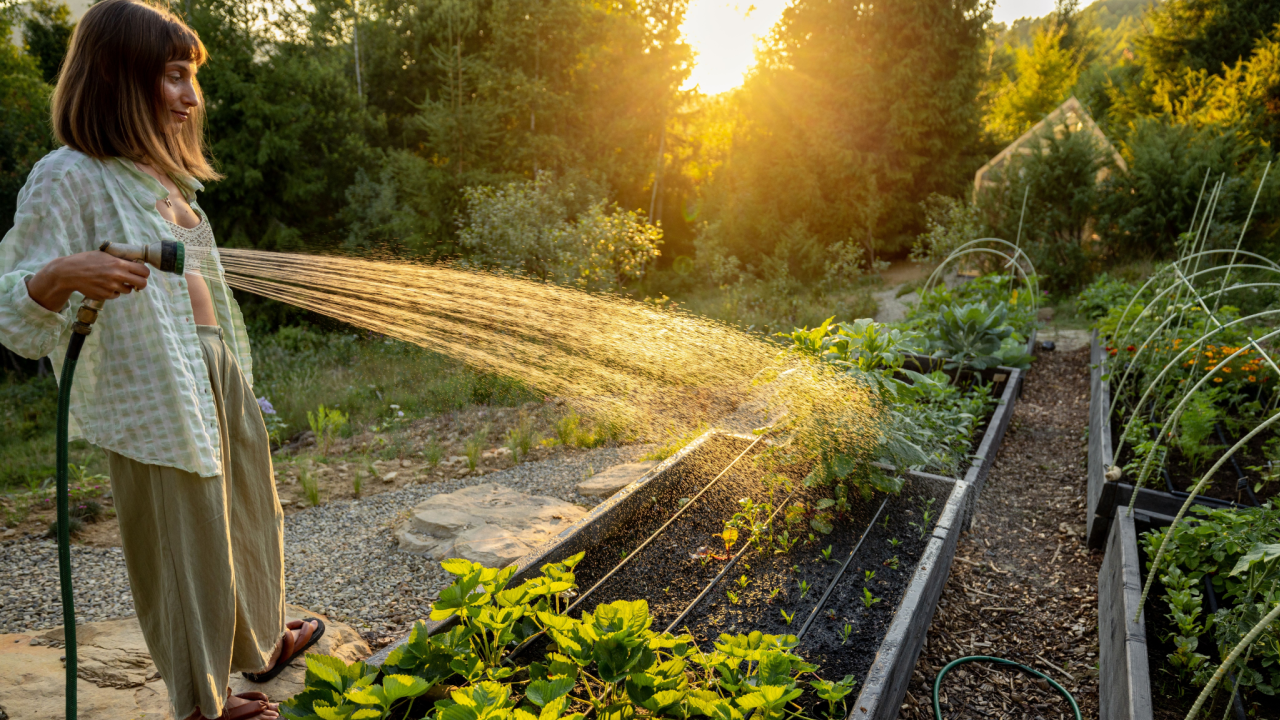
Timing is the simplest and most impactful irrigation habit you can change. The ideal window is between 4 and 7 a.m. During those early hours, heat and wind are minimal, which means water has time to soak into the soil rather than evaporate into the air before your plants can use it.
Watering during midday, one of the most common habits in home gardens, can waste up to 50% of what you apply, according to JoeGardener’s watering efficiency research. You’re effectively paying for water that never touches a root.
Evening watering is better than midday watering, but it leaves foliage wet overnight, creating favorable conditions for fungal disease. Morning watering wins on every count.
2. Water Deeply and Infrequently
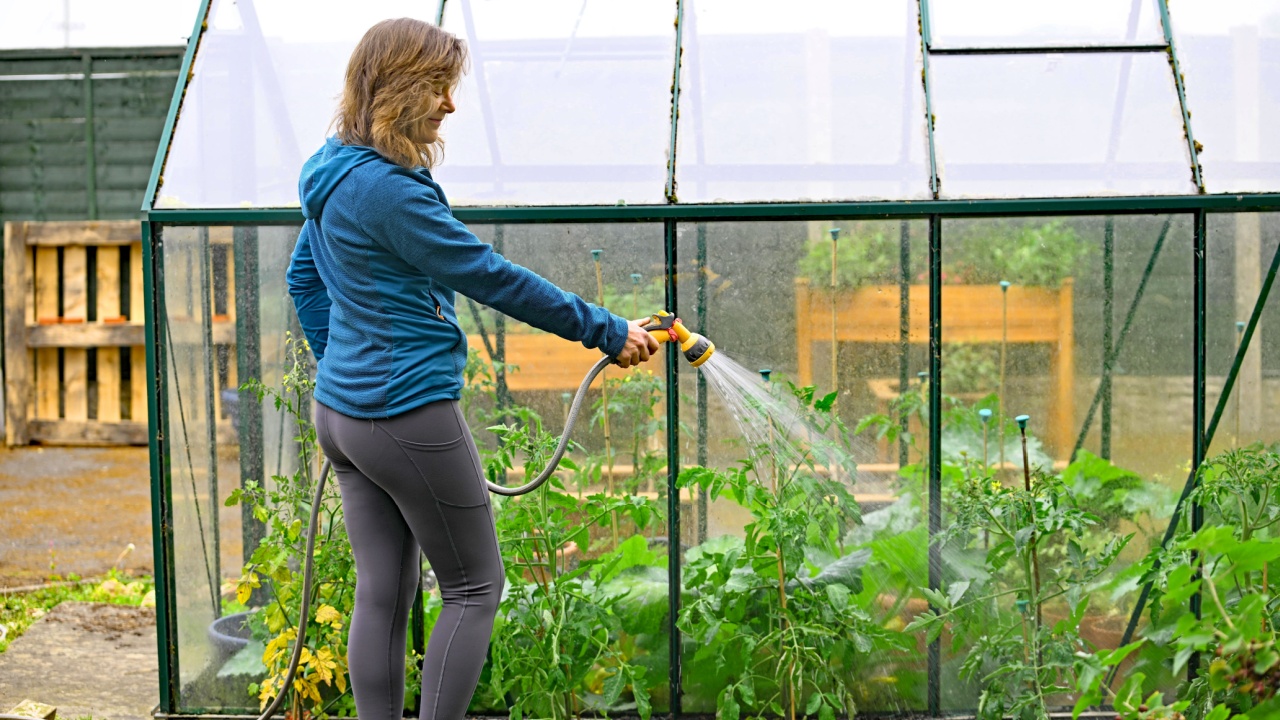
Daily light watering feels diligent. It isn’t. According to the University of Minnesota Extension, the right approach is to water infrequently, such as once or twice a week, but deeply enough to wet the soil to a depth of six inches.
This encourages roots to grow downward, following moisture into cooler, more stable soil. Deep-rooted plants are dramatically more drought-resilient than shallow-rooted ones, and a garden conditioned to deep watering can often go 10 or more days without visible stress during dry spells.
The standard benchmark is one inch of water per week in the absence of rain. An empty tuna can placed under your sprinkler is a surprisingly accurate way to know when you’ve hit that mark.
3. Mulch at Least 3 Inches Deep
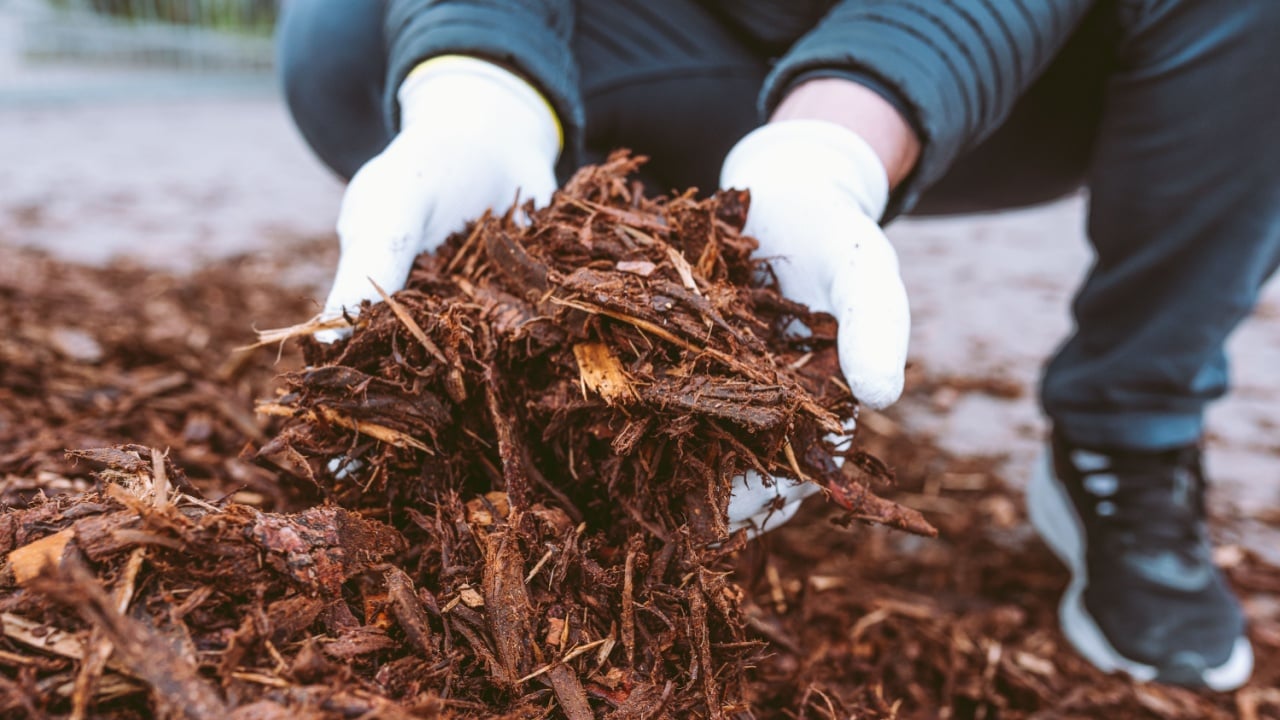
Mulch is one of the most underused water-saving irrigation tools in home gardens, and it often disappoints because most gardeners apply too little. According to JoeGardener, even a two-inch layer of organic mulch can reduce watering frequency by several days. Three inches does more.
The type of mulch matters far less than the depth. A three-inch layer of shredded leaves or pine bark will outperform a thin layer of any premium material, and as it breaks down, it feeds the soil and improves its moisture-holding capacity over time.
4. Use Drip Irrigation: It’s Simpler to Install Than You Think
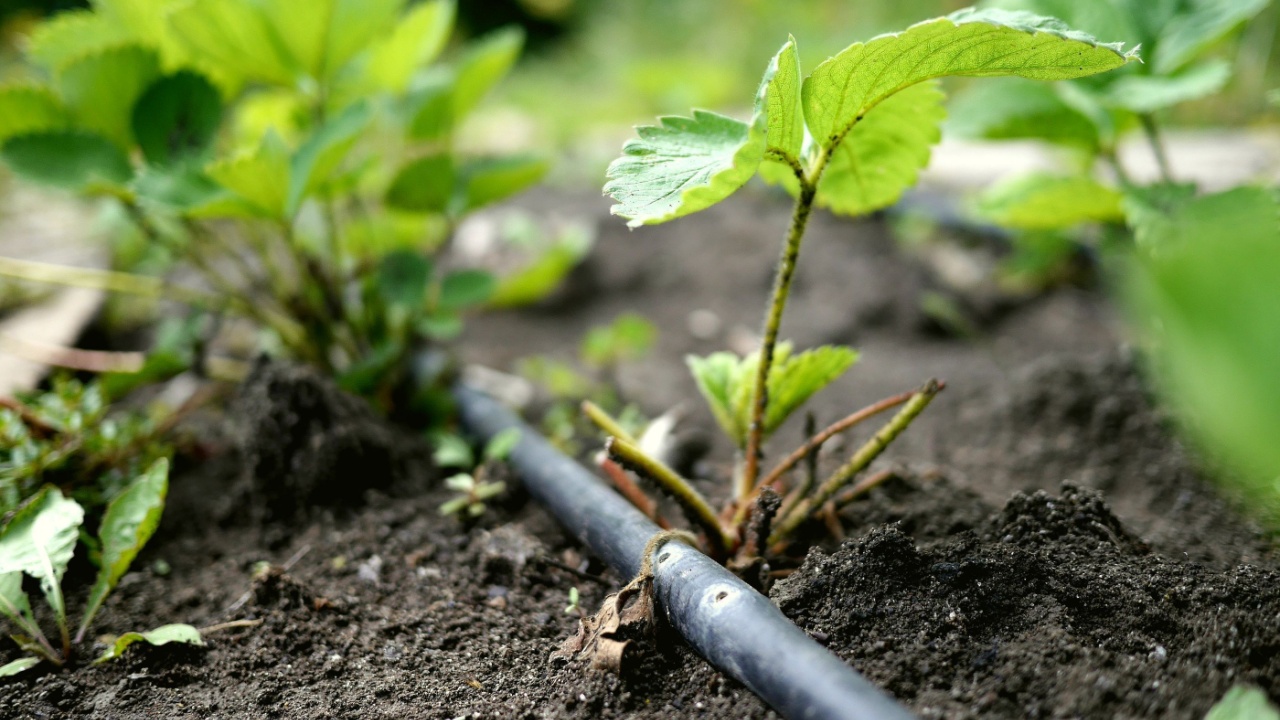
Drip irrigation is consistently cited as the most efficient delivery method available to home gardeners. According to UF/IFAS Extension, drip emitters deliver water at under one gallon per hour, directly to the root zone, with minimal evaporation. Compare that to overhead sprinklers, which scatter water across foliage, pathways, and bare soil where it does no good.
Most beginners assume drip systems are complicated. Starter kits are available at hardware stores for $30 to $50 and can cover a raised bed or small border with no professional help required. Quarter-inch tubing runs from a main supply line, and emitters snap in wherever you need them.
Pair the system with a battery-operated timer, and you’ve built an efficient, automated irrigation setup for under $60 that runs without you.
5. Check the Soil Before You Turn On the Hose
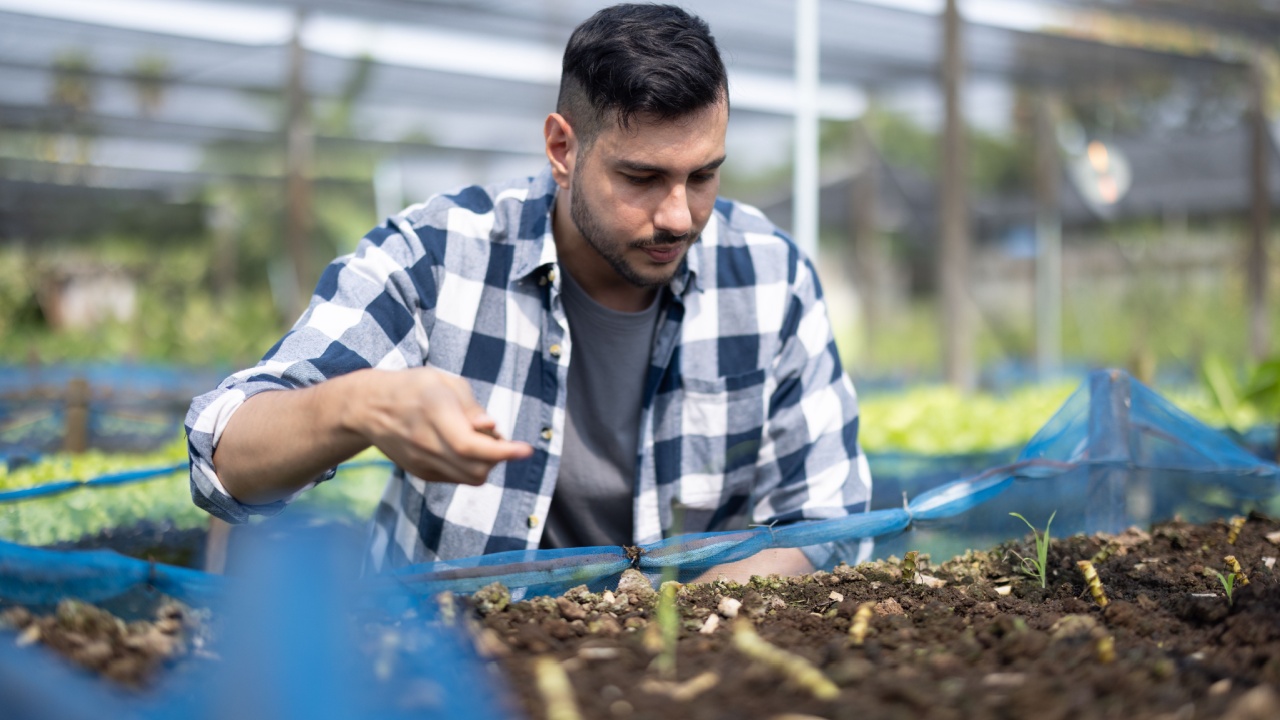
The soil surface can look completely dry while the ground two inches below is still moist enough to sustain plants for another day or two. Before reaching for the hose, push a finger into the soil to the second knuckle. If it comes up damp, hold off on watering.
For containers, a simpler technique works just as well: lift the pot. A light pot is dry; a heavy pot still has moisture. As Edward Bowring at Homes and Gardens notes, watering onto already saturated soil doesn’t just waste water; it invites root rot, which looks deceptively similar to drought stress.
Many gardeners respond to an overwatered, wilting plant by adding more water. That’s the mistake that ends more gardens than any summer drought.
6. Group Plants by Water Need

Mixing drought-tolerant plants like lavender or rosemary with thirsty crops like lettuce or basil creates a hidden water trap: you end up watering everything to the highest need on the list. The lavender gets drenched. The water bill climbs. Nothing thrives.
The Brooklyn Botanic Garden’s guide to xeriscaping, a water-conservation gardening system developed in the late 1970s, identifies zoning plants by water requirement as a foundational step. Group drought-tolerant plants together, keep moisture-loving plants in a separate zone, and irrigate each accordingly.
This single adjustment can reduce total water use significantly without sacrificing any plant’s health.
7. Install a $30 Timer (The Single Highest-Value Upgrade for Water-Saving Irrigation)
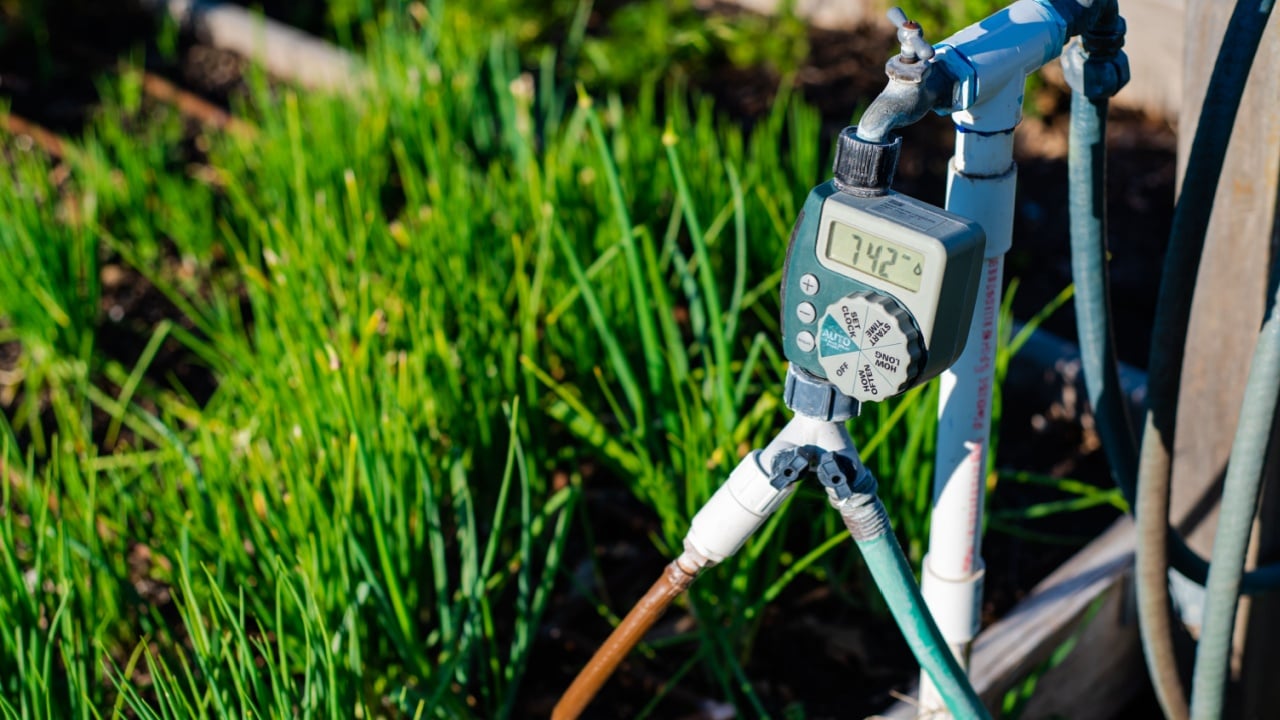
A programmable, battery-operated hose timer costs around $30 at any hardware or garden center. It is the highest-return investment a home gardener can make for water conservation, and most people never bother with it.
Set the timer to water at 5 a.m. for the correct duration, and your garden watering is handled before you even wake up, using exactly the water it needs. Overwatering from habit, anxiety, or distraction disappears entirely. If you do only one thing on this list, make it this one.
8. Collect Rainwater with a Rain Barrel
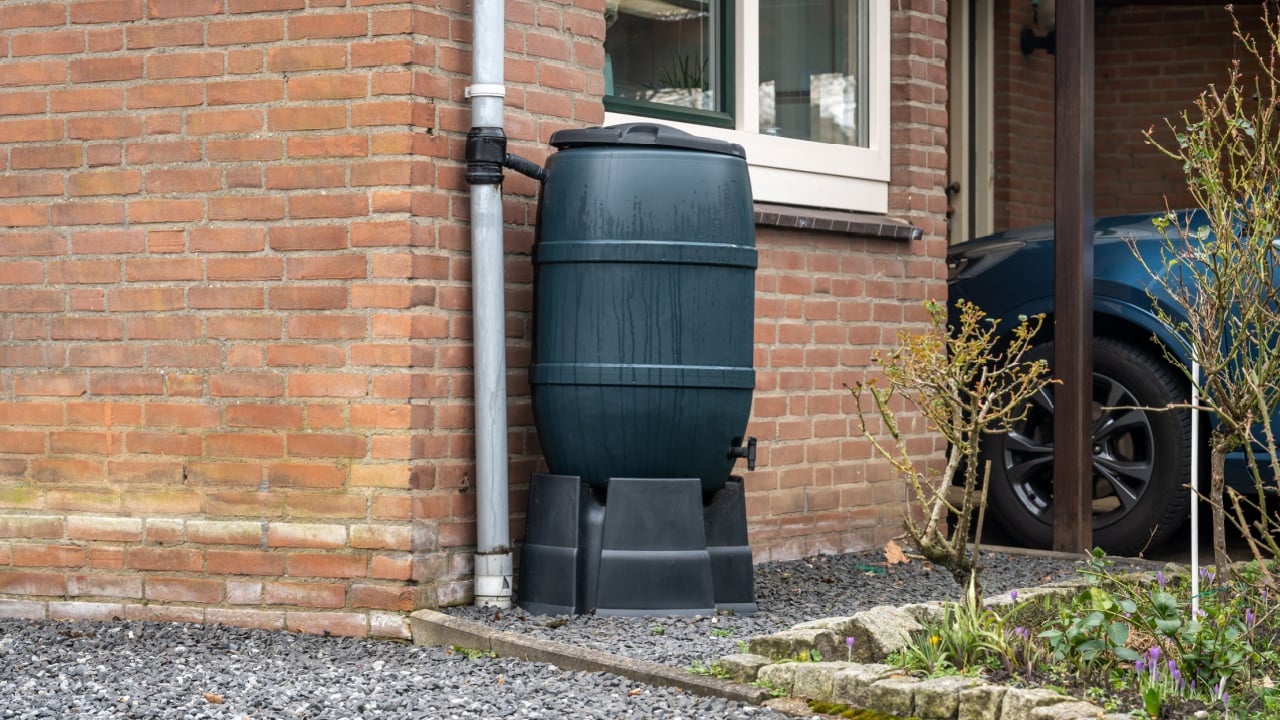
Rainwater is free, naturally soft, and unchlorinated, and most gardeners simply let it run off into storm drains. A single 2,000 square foot roof receiving just 20 inches of annual rainfall can harvest up to 24,000 gallons per year, according to JoeGardener. Even one 50-gallon barrel connected to a downspout can supply a kitchen garden through several dry weeks.
Many municipalities sell rain barrels at subsidized prices or offer rebates for installation. Setup takes less than an hour, and every gallon drawn from a barrel is a gallon that doesn’t appear on your water bill.
9. Build Better Soil with Compost
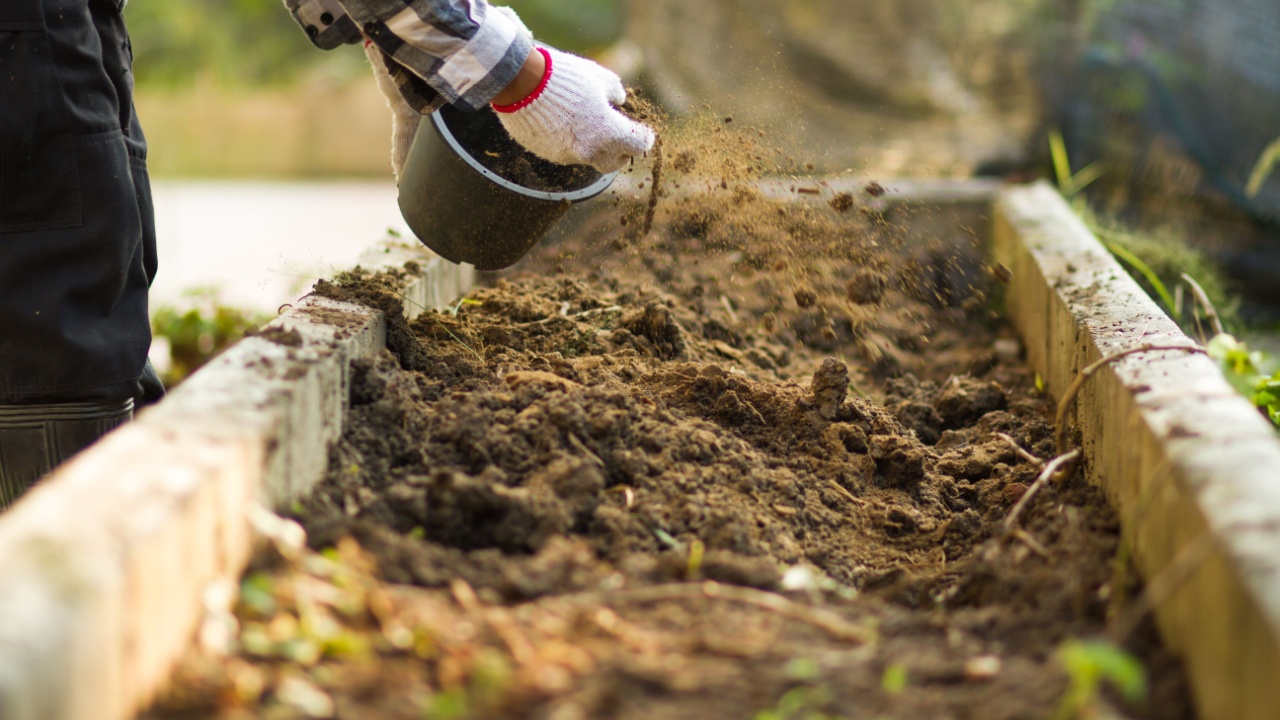
Healthy, organic-rich soil does something almost counterintuitive: it holds water longer and drains excess moisture more efficiently at the same time. Organic matter particles act like a sponge, absorbing water and releasing it slowly to plant roots while also creating the air pockets roots need to stay healthy.
According to the University of Minnesota Extension, aerating and top-dressing with quality compost improves water infiltration, reduces compaction, and increases moisture-holding capacity, particularly in sandy or clay-heavy soils. Within two or three seasons of annual compost applications, most gardeners report watering noticeably less.
This is the long-game tip on this list. It won’t change your water bill this week. But it may be the most lasting change you make to your garden.
Where to Start
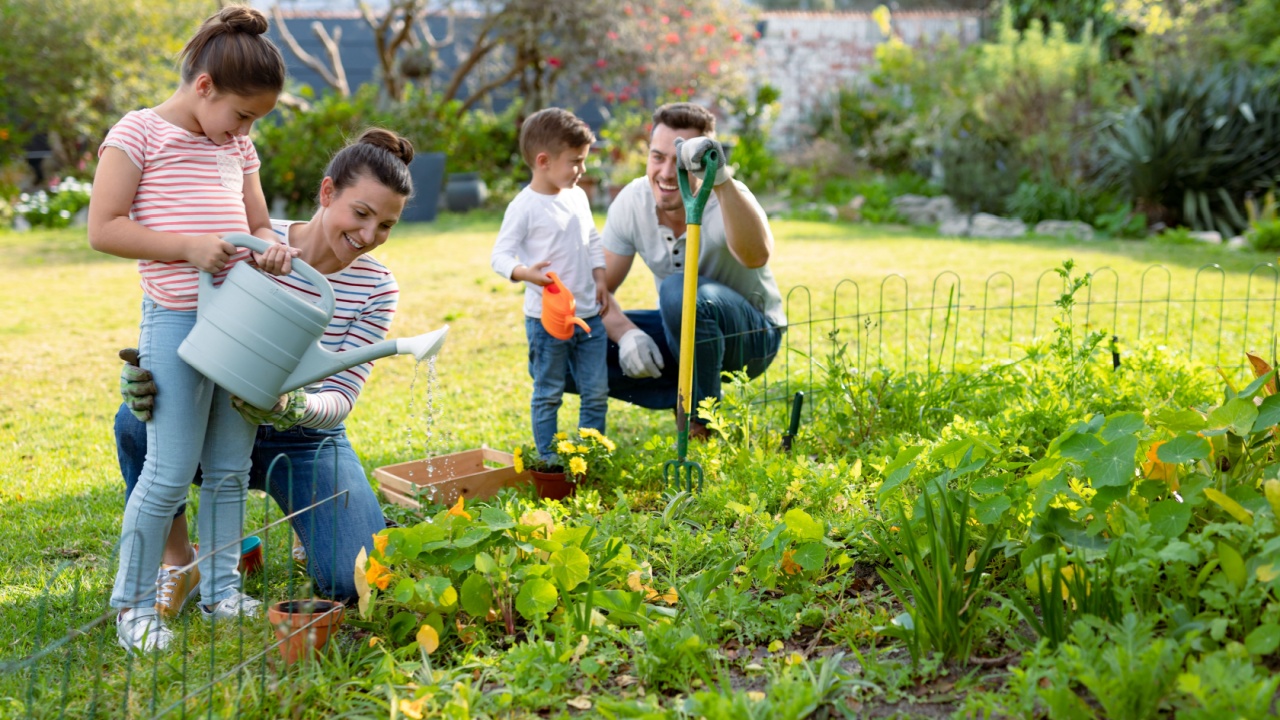
You don’t need to do all nine recommendations at once. For the highest-impact, zero-cost starting point, shift your watering to early morning and lay down a generous layer of mulch this weekend. Those two habits alone can make a measurable difference immediately — less evaporation, cooler soil, and roots that actually get to use the water you’re giving them.
When you’re ready for the next step, a $30 timer and a basic drip irrigation kit will take you most of the way there. You’ll stop guessing, stop overwatering, and probably notice your plants looking better within a couple of weeks. After that, compost and a rain barrel handle the rest, season after season — one improving your soil’s ability to hold moisture, the other giving you a free supply of it every time it rains.
The bigger shift, though, is mental. Once you stop thinking of watering as something you do on autopilot and start treating it as a response to what your garden actually needs, everything changes. You water less, but more intentionally. Your plants develop deeper roots and stronger resilience. And that creeping guilt every time you see the hose running on a hot afternoon? It goes away because you know you’re not wasting a drop.
A water-smart garden isn’t a sacrifice. It’s a better garden, full stop.
Read More
Is Your Garden Hurting You? 9 Tools Doctors Say Could Save Your Joints
Ten Companion Plants Your Peppers Need For A Successful Growing Season