15 Foods the U.S. Doesn’t Allow — and Why
America has no shortage of food options. From fast-food chains on every corner to farmers’ markets overflowing with local produce, the country is often seen as a place where you can eat just about anything. But that reputation is only partly true.
Plenty of beloved delicacies enjoyed freely around the world are either fully banned or heavily restricted in the United States. Some are off the menu for public health reasons. Others have been pulled to protect endangered species. A few were caught in the crossfire of outdated legislation that nobody has bothered to revisit. The reasons vary widely, but the result is the same. American diners are missing out.
The list below draws from regulatory filings, FDA guidelines, historical news coverage, and a healthy dose of food curiosity. Each item has a story, and most of them are far more interesting than a simple “it’s illegal.” Here is what Americans cannot eat, why that is, and what it all actually means for the curious home cook or adventurous traveler.
1. Kinder Surprise Eggs
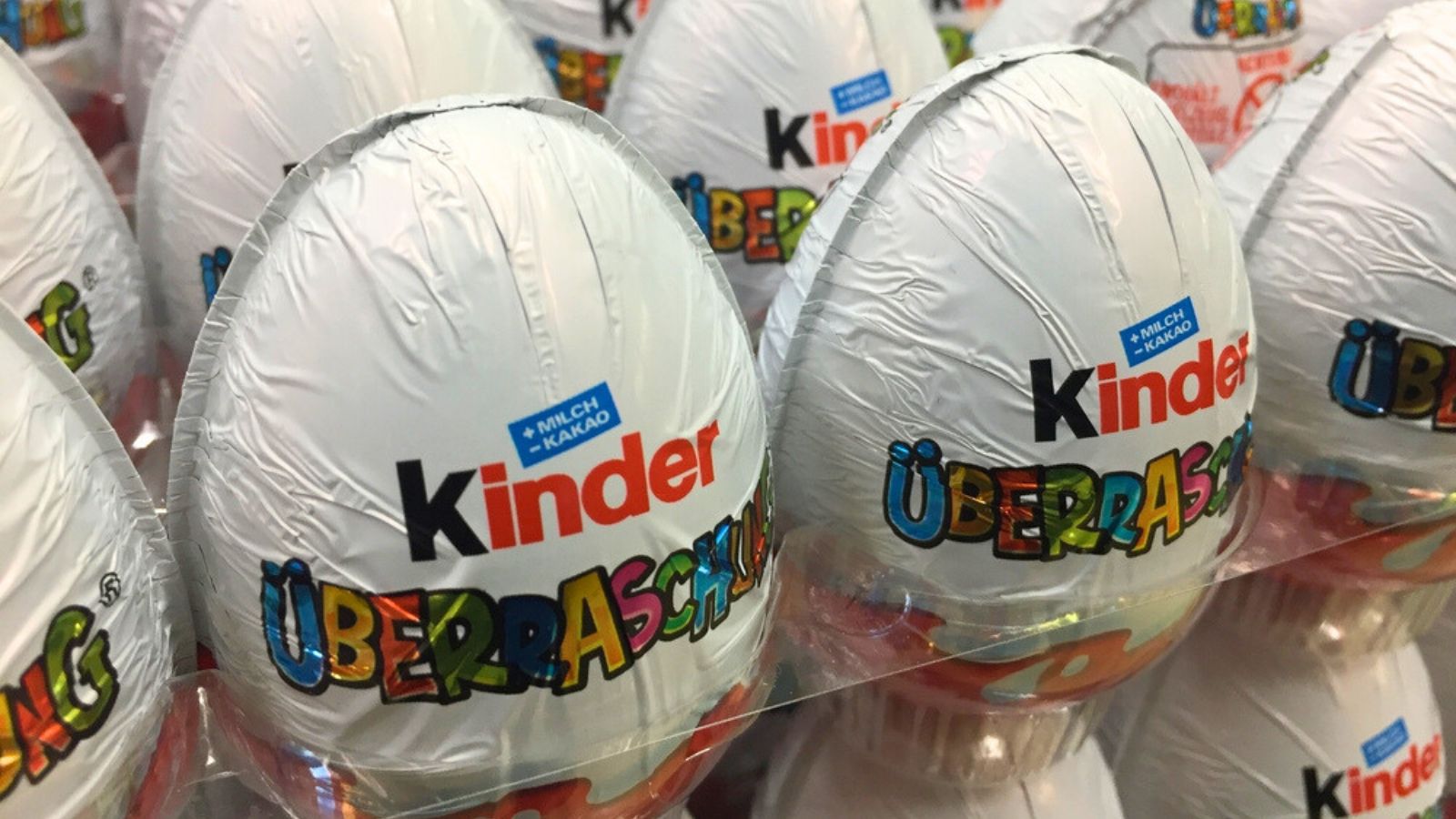
Kinder Surprise Eggs have been a staple of European and Canadian childhoods since Ferrero launched them in 1974. They are hollow chocolate eggs with a small plastic capsule inside, and that capsule contains a tiny toy. For generations of non-American kids, cracking one open was a ritual. For Americans, it has been a federal offense.
The ban traces back to the Food, Drug, and Cosmetic Act of 1938, which prohibits any candy containing a “non-nutritive” object embedded inside. The law was designed to prevent choking hazards, and Kinder Eggs fall squarely into that category regardless of how robust the plastic capsule actually is. Customs agents take the rule seriously. Travelers caught bringing them across the border have faced fines of up to $1,200 per egg. Ferrero did eventually release Kinder Joy in the U.S., a split-open version where the toy sits separately from the chocolate, but devoted fans insist it is not the same experience.
2. Fugu
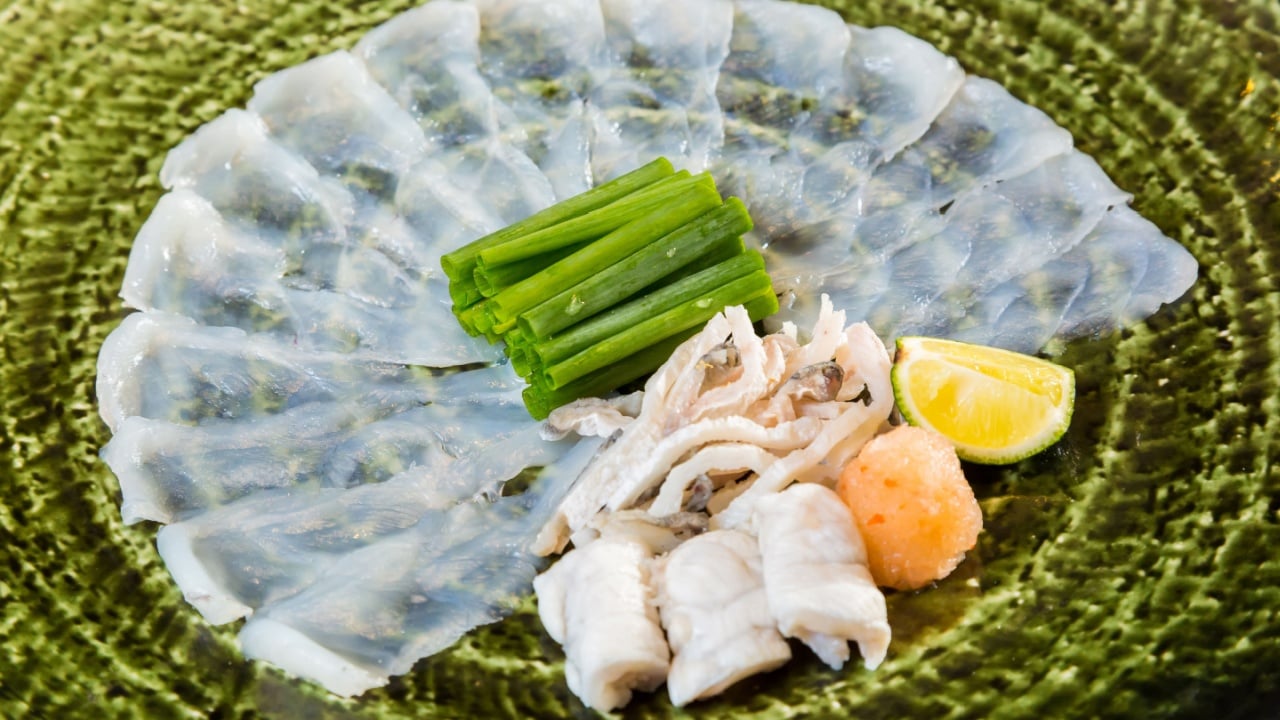
Fugu is a Japanese pufferfish served as sashimi or in a hot pot, and it is one of the most dangerous foods on the planet. The organs of the fish contain tetrodotoxin, a potent neurotoxin with no known antidote. A single miscut during preparation can contaminate the flesh and cause paralysis or death within hours of eating it.
In Japan, chefs must train for years and pass rigorous licensing exams before they are allowed to prepare and serve fugu to the public. In the U.S., the fish is not outright banned, but the licensing requirements are so strict that only a small number of restaurants have ever been authorized to serve it. Most Americans will never encounter fugu on a local menu, and for the vast majority, that is probably fine.
3. Ackee
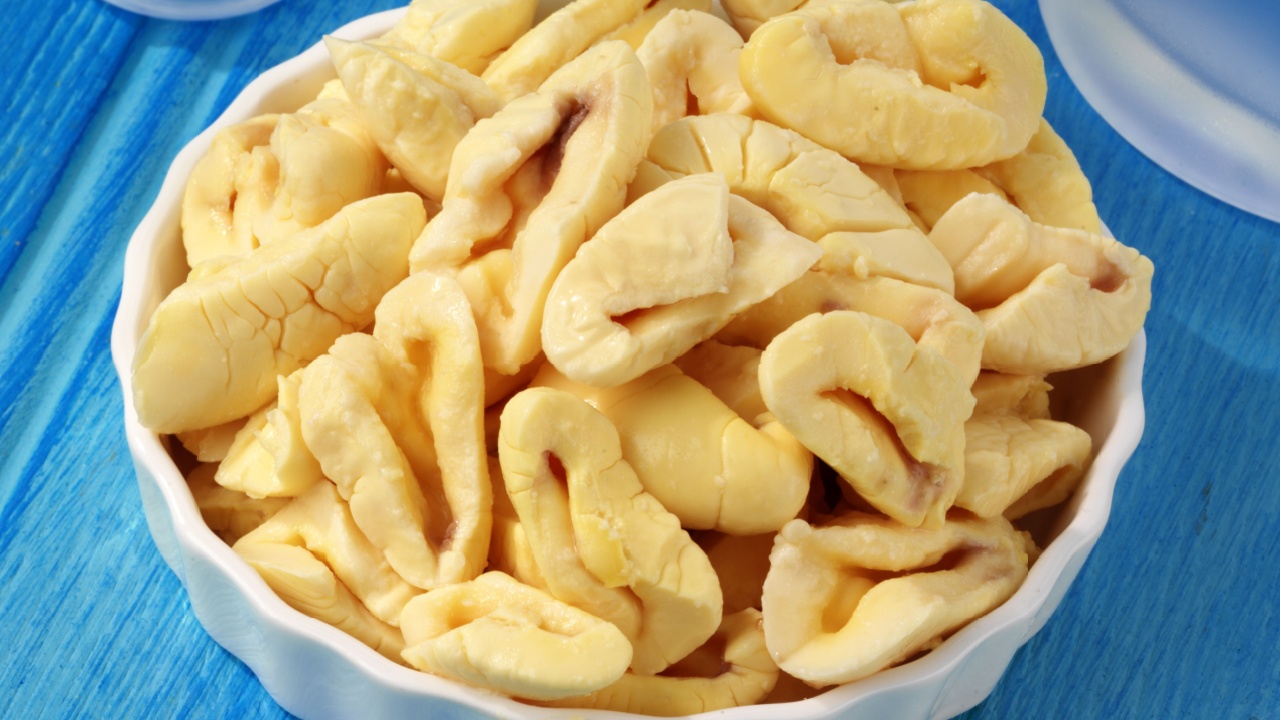
Ackee is the national fruit of Jamaica and one half of the country’s national dish, ackee and saltfish. It has a soft, buttery texture often compared to scrambled eggs, and those who have tried it tend to love it. The problem is that unripe or improperly prepared ackee contains hypoglycin A, a compound that can cause severe vomiting, seizures, coma, and in serious cases, death.
The FDA does allow the importation of canned and frozen ackee, but only from distributors that have been specifically reviewed and cleared. Fresh ackee remains off limits. For Jamaican-Americans and Caribbean food enthusiasts, this has long been a frustrating restriction, particularly given that properly processed ackee carries minimal risk. Until the FDA expands its approved importer list significantly, fresh ackee at the local grocery store remains out of reach.
4. Haggis
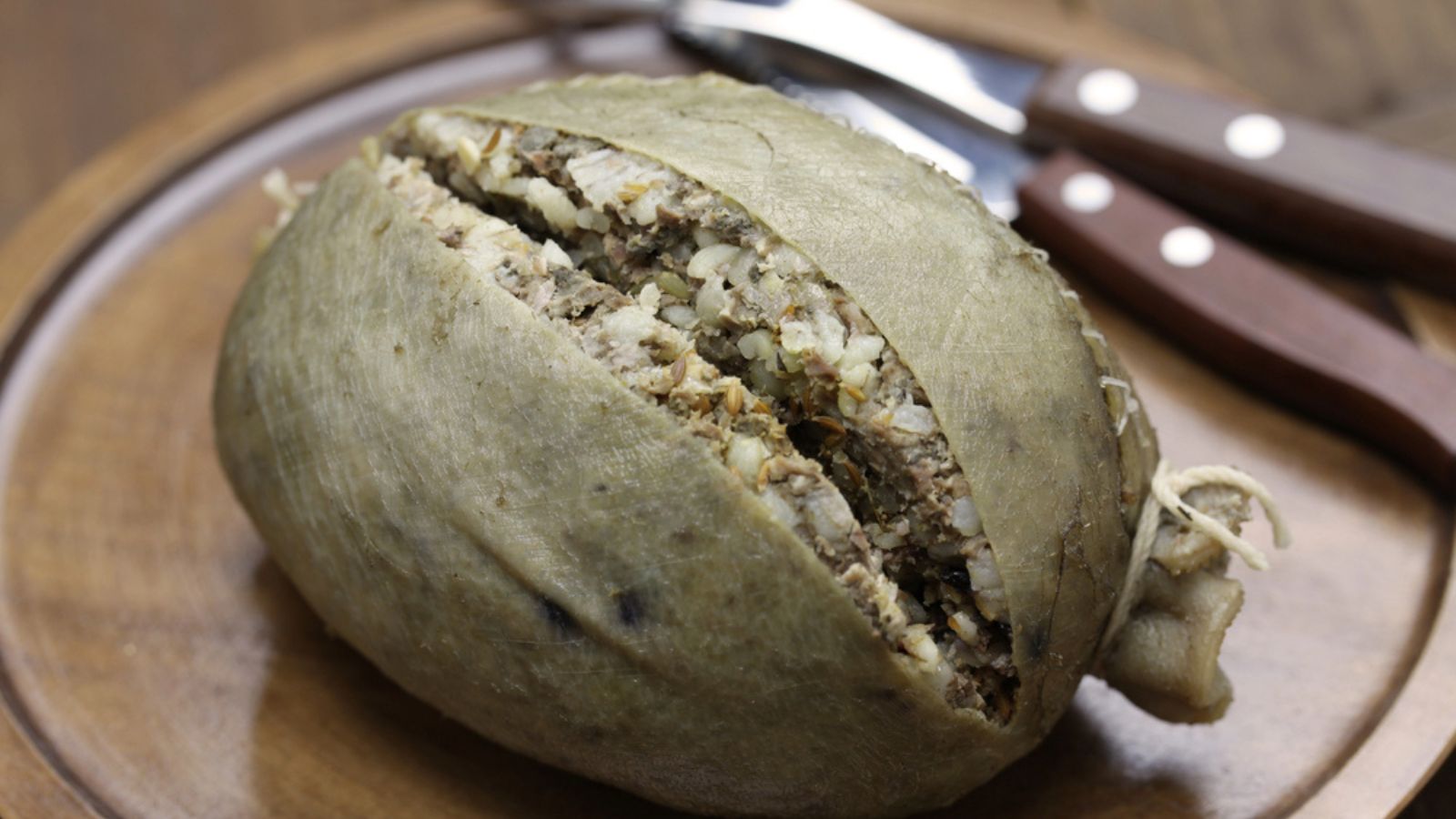
Haggis is Scotland’s most famous dish, a savory, earthy mix of sheep’s heart, liver, and lungs, combined with oatmeal, spices, and onions. Traditionally, it’s all cooked inside a sheep’s stomach, and Scots are incredibly proud of it. But if you’re in the US, you haven’t been able to try the real deal since 1971.
That’s because the USDA banned selling livestock lungs for people to eat. Since lungs are a key part of the recipe, authentic haggis disappeared from American menus. Things got even trickier in 1977 when the US also banned British lamb over disease concerns. You can find American-made haggis, but it’s made without lungs, and any Scot will tell you it’s just not the same. Scottish groups have been trying to get the lung ban lifted for years, but so far, there has been no luck.
5. Four Loko (Original Formula)
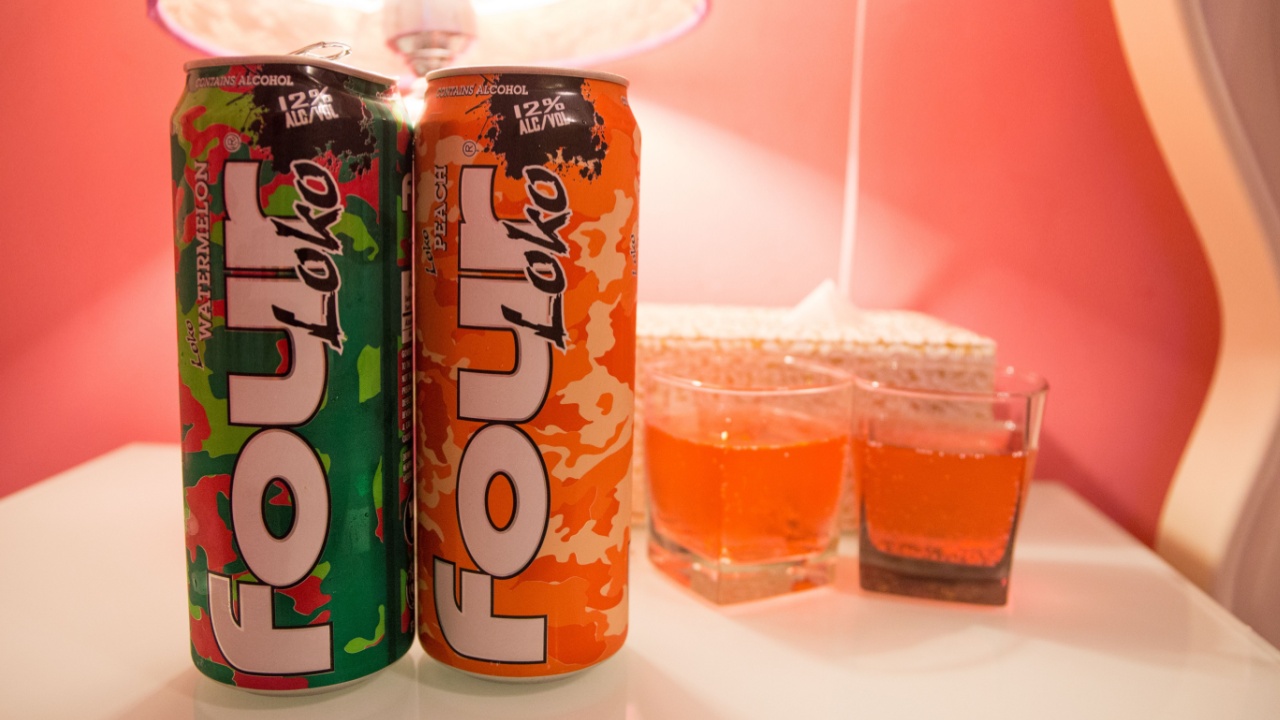
At its peak in the late 2000s, Four Loko was simultaneously the most popular drink in college dormitories and the most controversial beverage in America. A single can of the original formula allegedly contained as much caffeine as two Red Bulls and as much alcohol as four beers. The combination earned it the nickname “blackout in a can,” and several deaths were reported in connection with its consumption.
By 2010, multiple states had already banned it, and the FDA was preparing a federal response. In 2014, Phusion Projects, the company behind Four Loko, reached a formal agreement with the FDA to remove caffeine from all beverages sold in the U.S. The caffeinated version is still produced and sold internationally, where it has found a particularly enthusiastic following in China. The American version remains available but is a dramatically toned-down product compared to the original.
6. Cyclamate

Long before Equal, Splenda, and Stevia, there was cyclamate, one of the world’s most popular artificial sweeteners. Accidentally discovered in the 1930s by a grad student, it was about 10 times sweeter than sugar without any bitter aftertaste, making it a hit in diet products.
So what happened? In 1969, a single study connected high doses of cyclamate to bladder cancer in lab rats, and the FDA immediately banned it. Here’s the kicker: study after study since then, some decades later, has found no real evidence that cyclamate causes cancer in humans. The FDA even thought about lifting the ban in 1989, but never did. Today, cyclamate is still legal in over 130 countries, including Canada and Mexico, where it’s used in products like Coca-Cola Light. Americans are essentially living with a ban based on research that was later proven to be shaky at best.
7. Beluga Caviar
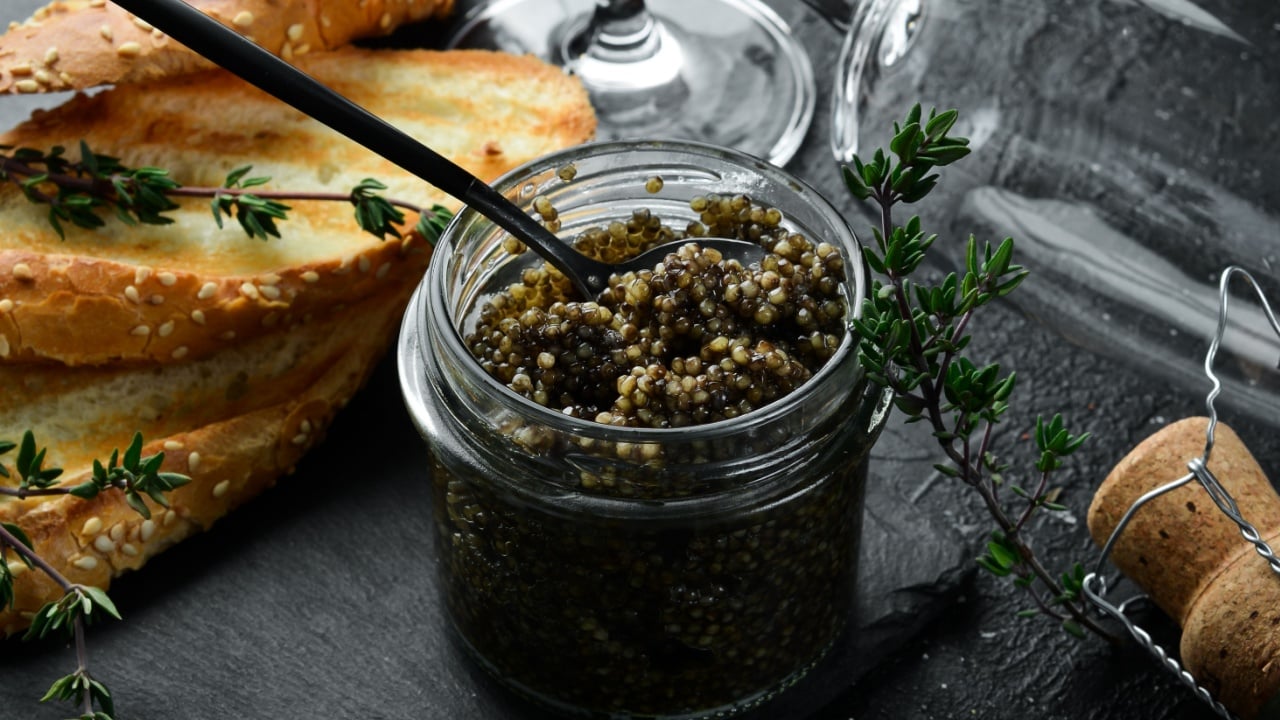
Beluga caviar, harvested from the beluga sturgeon of the Caspian Sea, has long been one of the most expensive foods on earth, often selling for $200 or more per ounce. In 2005, the U.S. Fish and Wildlife Service banned its importation in response to severe overfishing of the beluga sturgeon, which had been pushed to the brink of extinction.
The international ban imposed by the UN was lifted in 2007 after sturgeon populations showed some signs of recovery, but the U.S. ban remained in place. Domestic caviar from farmed sturgeon is available, and several American producers are offering high-quality alternatives. For those set on the real thing, a trip to Europe is the most straightforward option.
8. Casu Marzu
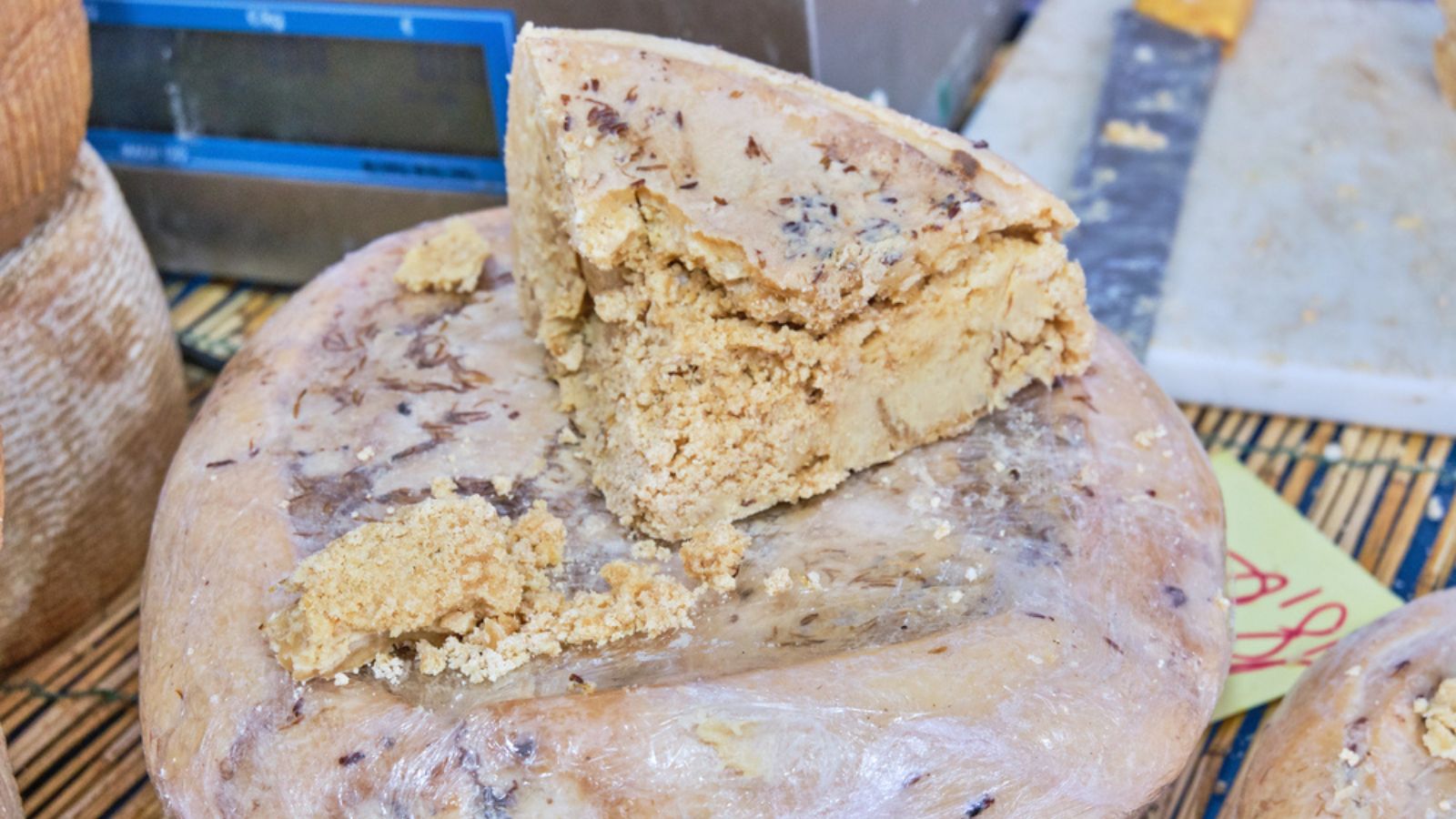
Casu marzu is a traditional cheese from Sardinia, and it is exactly as alarming as its reputation suggests. Made from sheep’s milk pecorino, the cheese is deliberately exposed to cheese flies, which lay eggs in it. Those eggs hatch into larvae, and the larvae break down the fats in the cheese, producing a soft, almost liquefied texture. The cheese is traditionally eaten with the maggots still alive and moving inside.
Beyond the obvious stomach-turning factor, casu marzu poses genuine health risks. Consuming live larvae means those larvae can sometimes survive the digestive process and burrow into the intestinal lining, causing a condition called enteric myiasis. The cheese is banned not only in the U.S. but also in the European Union, including in Sardinia itself, where it occasionally surfaces through informal local networks. It stands as one of the few foods banned in its own country of origin.
9. Bushmeat
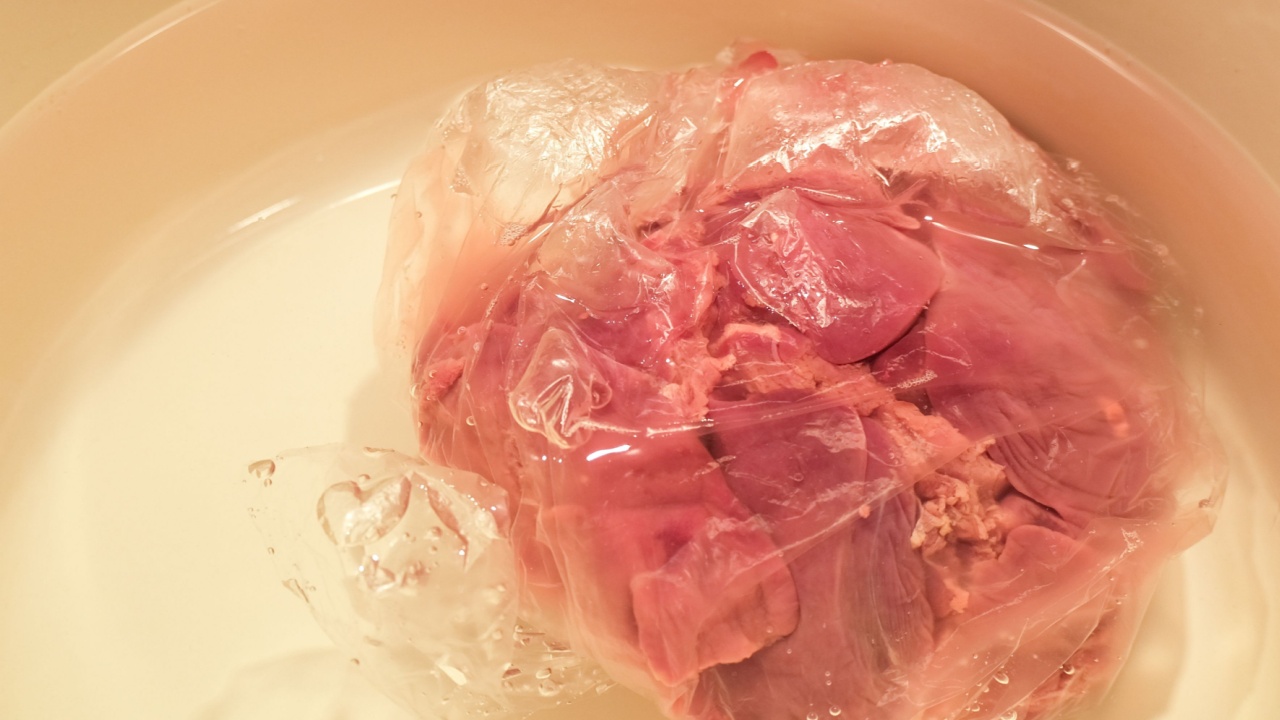
Bushmeat refers to wild animals hunted for food in parts of rural Africa, including gorillas, chimpanzees, antelopes, and fruit bats. The United States Fish and Wildlife Service has banned the importation, sale, and consumption of it. The reasons are both ethical and epidemiological.
Many bushmeat species are endangered or protected. Beyond conservation concerns, bushmeat poses serious public health risks. Diseases like Ebola and monkeypox have been linked to contact with infected animals. Between 2009 and 2013, U.S. Customs agents confiscated more than 69,000 bushmeat items despite the ban, according to a Newsweek investigation. The black market for bushmeat remains active, driven largely by immigrant communities seeking culturally familiar foods, which puts both consumers and public health officials in a difficult position.
10. Raw Milk
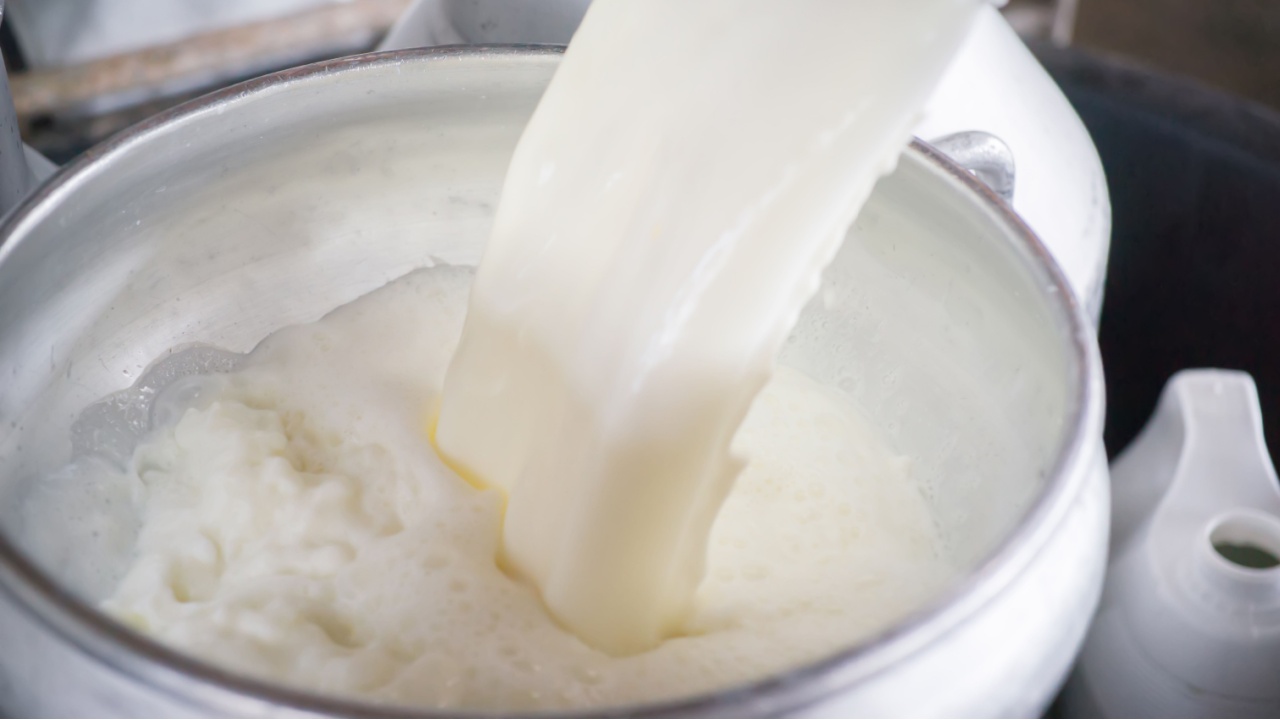
The debate over raw, unpasteurized milk has been going on in the U.S. for decades. As of now, 18 states have banned the retail sale of raw milk, and a 1987 FDA rule prohibits unpasteurized milk from crossing state lines for human consumption. The concern is straightforward: unpasteurized milk can harbor bacteria, including Listeria, E. coli, and Salmonella, all of which can cause serious illness and, in rare cases, death.
Advocates for raw milk argue that pasteurization destroys beneficial enzymes and probiotics and that the health benefits of raw milk outweigh the risks when it comes from clean, well-managed farms. The CDC maintains that no nutritional benefit justifies the risk of consuming it. In states where raw milk is still legal for retail sale, like California and Pennsylvania, it can be purchased directly from licensed farms, but consumers are expected to understand what they are buying.
11. Redfish (Commercial Fishing)
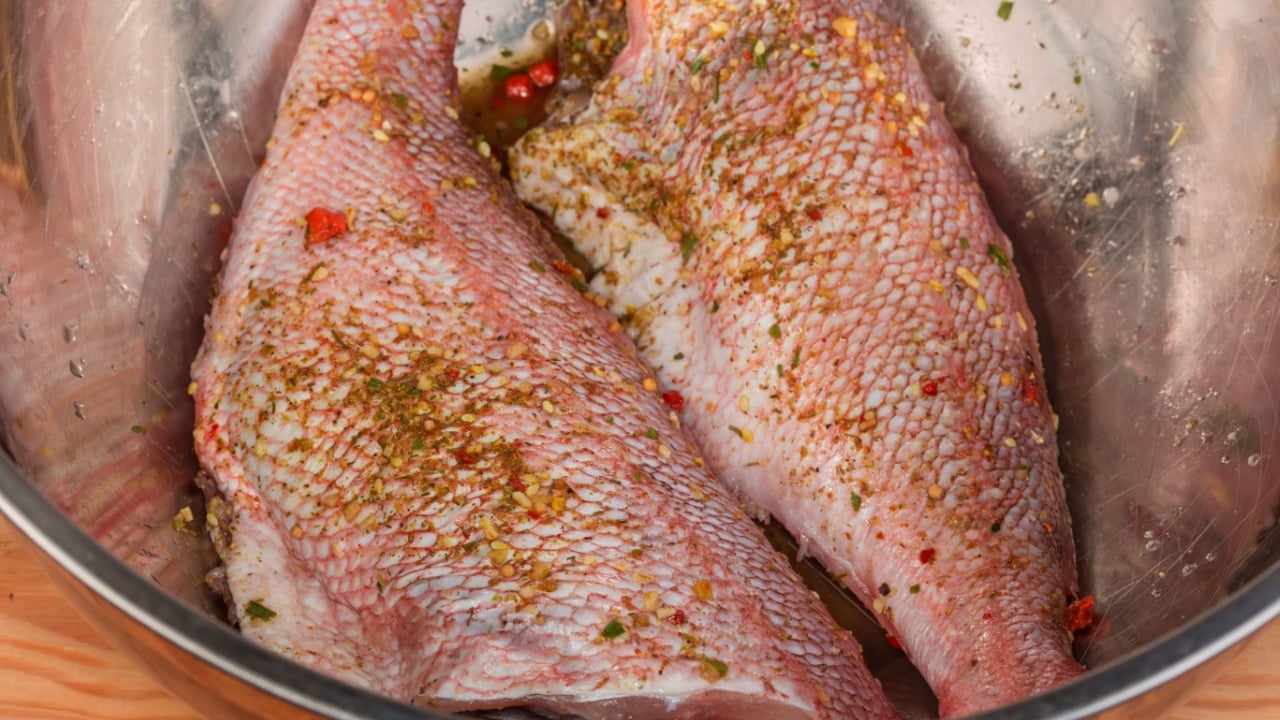
Chef Paul Prudhomme of K-Paul’s Louisiana Kitchen in New Orleans is widely credited with making blackened redfish famous in the 1980s. The dish became so popular so fast that it nearly wiped out the wild redfish population. Marine biologists found that only about 2 percent of wild redfish were reaching spawning age in offshore waters, a figure that spelled disaster for the long-term survival of the species.
Louisiana banned commercial redfish fishing in 1988. The ban eventually expanded to Texas and, later, to the entire country through a federal restriction. Farmed redfish is available and has kept the dish alive on restaurant menus, but the federal ban on commercial wild-catch fishing remains in effect. The story of redfish is a textbook case of a single food trend dramatically reshaping fishing regulations.
12. Absinthe (High-Thujone Versions)
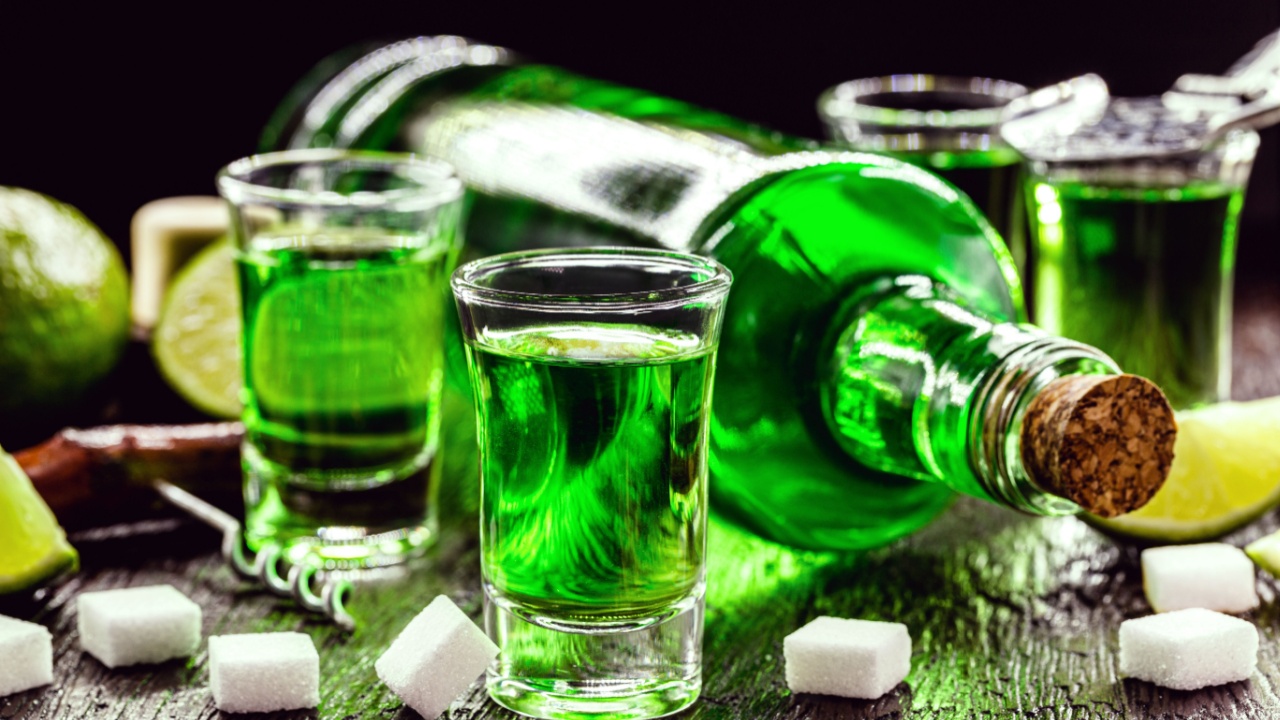
Absinthe’s ban in the U.S. has always been more complicated than popular culture suggests. The spirit, made from wormwood, anise, and fennel, contains a compound called thujone derived from wormwood oil. In the early 1900s, a French doctor connected wormwood oil to seizures in animals and alcoholics, and absinthe was eventually banned in the U.S. and across much of Europe.
The full ban was lifted in the U.S. in the mid-2000s, once it became clear that the thujone levels in most commercially produced absinthe were well below the 10 parts per million legal threshold. The caveat is that true absinthe must contain wormwood as a primary ingredient, and any product with thujone levels exceeding that federal limit remains illegal. In practice, most reputable producers stay far below the limit, and genuine absinthe is now widely available at American liquor stores.
13. Ortolan
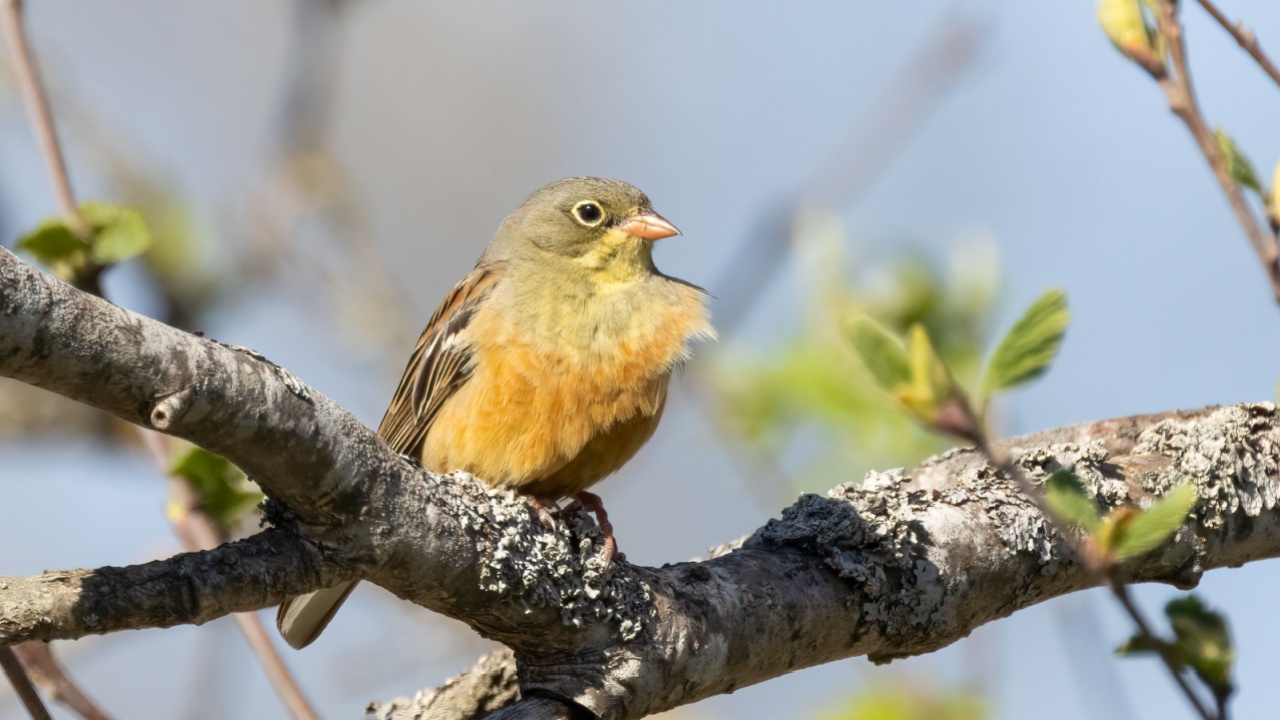
The ortolan, a small songbird from Europe, was the centerpiece of a traditional French dish that’s hard to discuss without cringing. The birds were captured during their migration, kept in dark cages, and force-fed grain until they doubled in size. They were then drowned in Armagnac brandy, roasted, and eaten in one bite, bones, beak, and all. Diners would traditionally cover their heads with a napkin, supposedly to trap the aromas, though hiding the shame of eating an endangered songbird probably had something to do with it, too.
France finally banned the practice in 2007, with fines up to €6,000 for killing an ortolan, and the EU followed suit. Since ortolans are endangered, American chefs can’t legally prepare or serve them either. At this point, the dish is pretty much just a part of food history, most famously consumed by French President François Mitterrand, who ate two of them just days before he died in 1996.
14. British Cadbury Chocolate
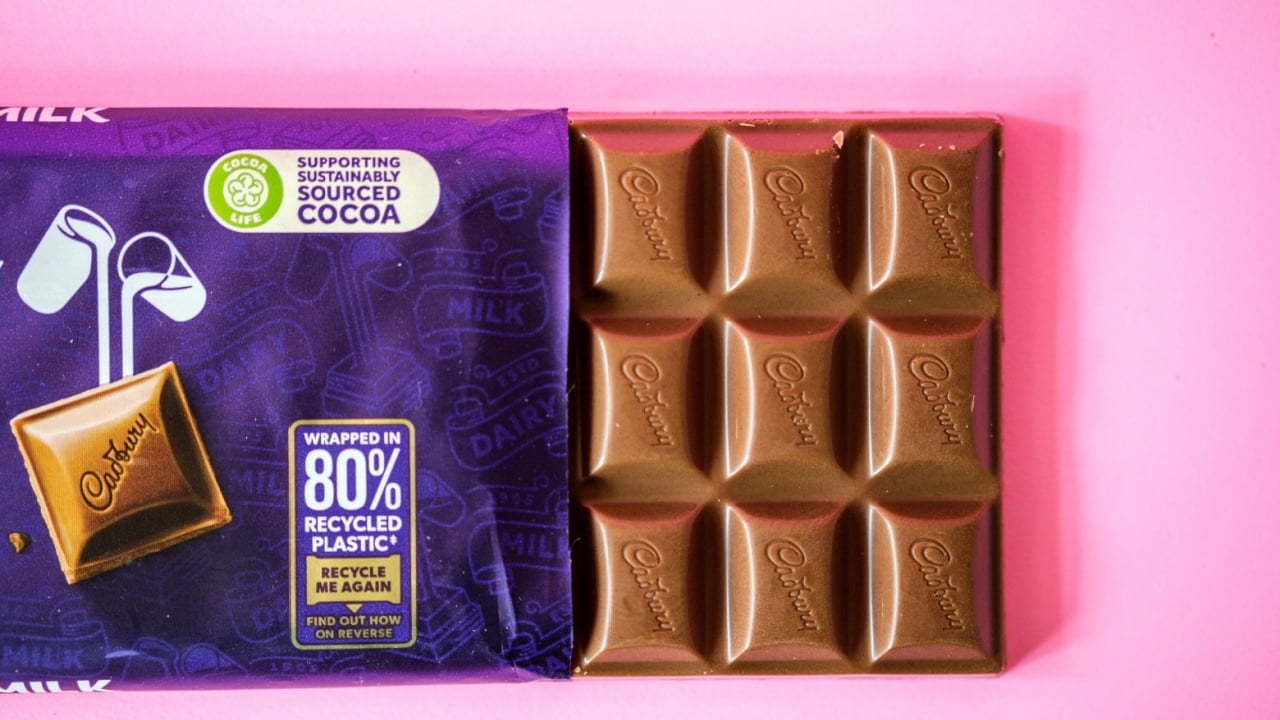
This one stings differently because the product exists and is sold in America under the same name. The Cadbury chocolate available in the U.S., however, is not the same product that millions of British and Irish consumers grew up eating. In the 1980s, Hershey acquired the rights to Cadbury’s U.S. operations and subsequently imposed a ban on importing the U.K.-manufactured version.
The recipes differ in meaningful ways. British Cadbury uses a higher milk fat content and a different production process that results in a softer, creamier texture. Cadbury devotees in the U.S. have long claimed the American version is noticeably inferior. Small specialty import shops have occasionally stocked the British version, which has led to ongoing legal disputes. For now, travelers returning from the U.K. bringing back Cadbury bars for friends is less a quirky habit and more a genuine public service.
15. Authentic Unpasteurized Cheese
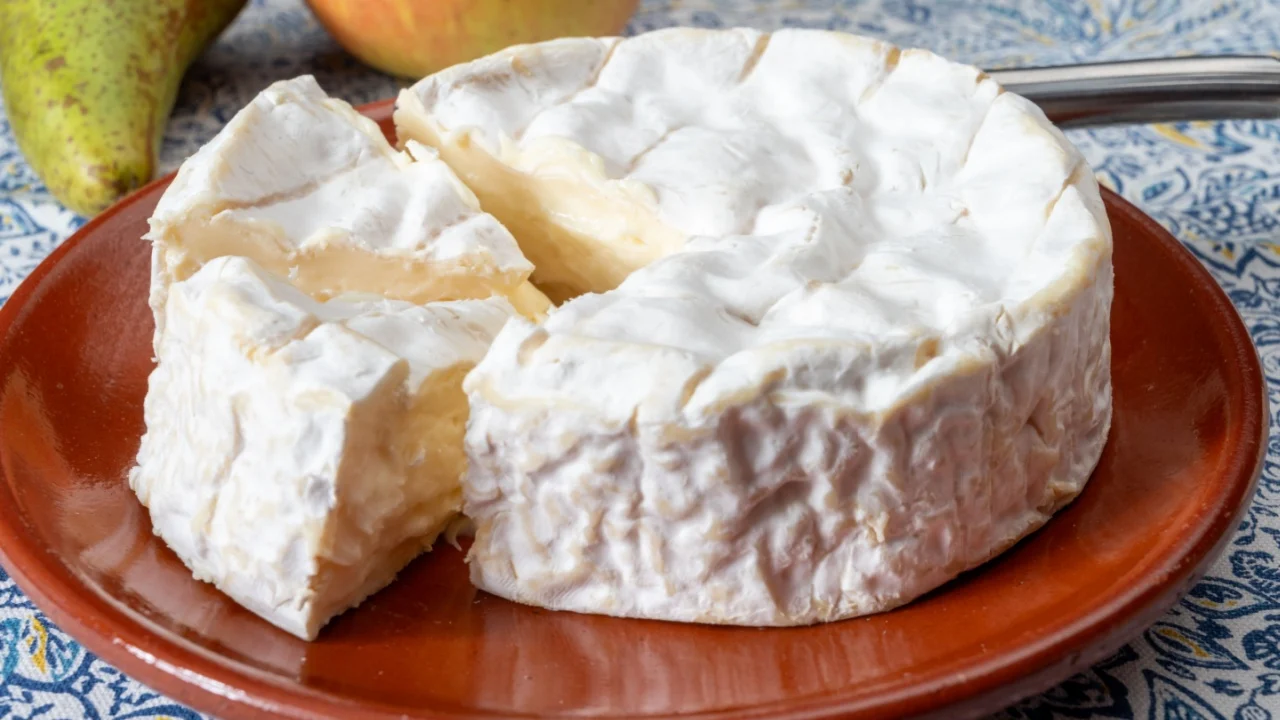
While raw milk usually steals the spotlight in dairy regulation debates, unpasteurized cheese has its own tough set of import rules in the U.S. The FDA says any imported cheese must either be made from pasteurized milk or aged for at least 60 days. That second rule might sound like a decent compromise, but in reality, many of Europe’s most famous cheeses don’t make the cut.
Take authentic French Camembert, for instance. It’s traditionally made from raw milk and only aged for three to four weeks, so the real deal is banned from import here. The same goes for some traditional bries, fresh chevres, and other regional European favorites. These rules have led to a cheese black market and a rise in Americans making their own raw milk cheeses at home, often bending the law. For cheese lovers, this is a particularly frustrating restriction that gets food communities all riled up.
A Culinary Conclusion
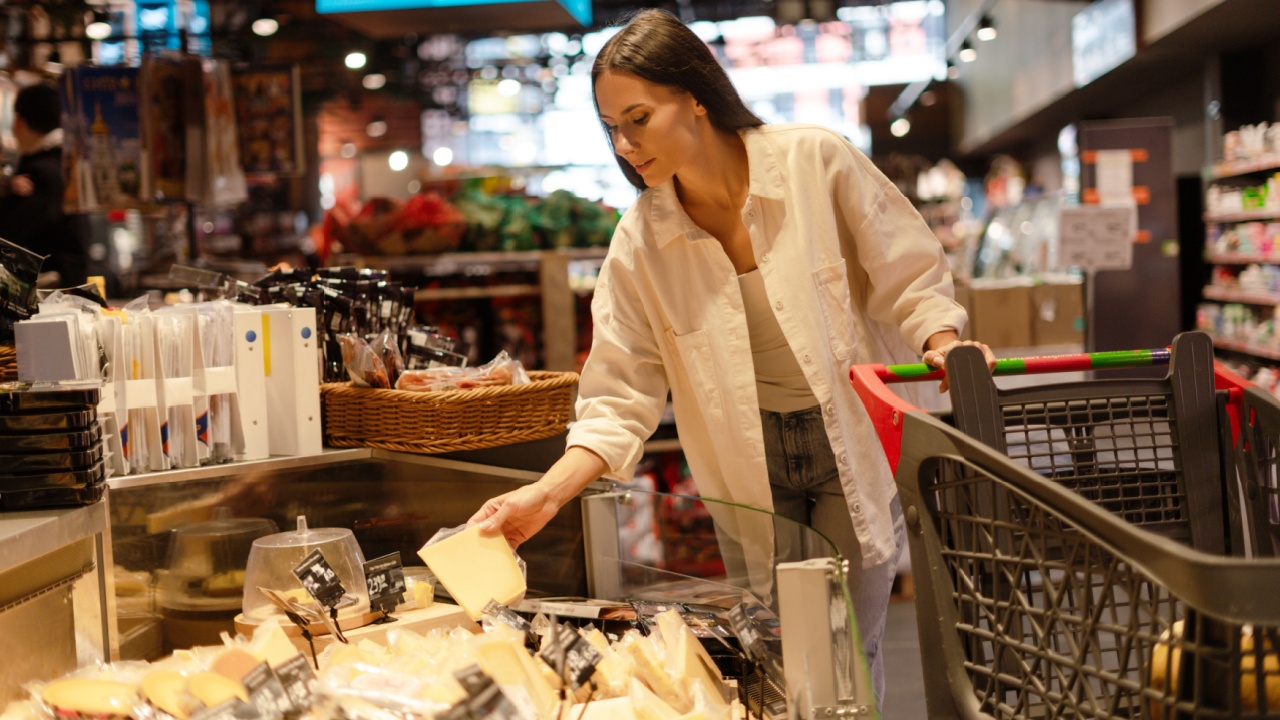
From maggot-filled cheese to songbirds drowned in brandy, the list of foods you can’t get in America is pretty surprising. Some bans make a lot of sense for public health. Others seem pretty outdated, especially with new science and changing global standards. And a few are just straight-up necessary for conservation.
If you’re a curious eater, you can legally try most of these foods by just traveling to the countries where they’re made and eaten. For home cooks trying to figure out what’s legal and what’s not, organizations like the FDA and the U.S. Fish and Wildlife Service post updated guidelines on their websites. It’s always a good idea to check those resources before trying to bring something unusual back through customs, especially if a $1,200-per-egg fine doesn’t sound like your idea of a good time.
Read More: