Georgia Gardeners Are Growing Extra Vegetables for Local Food Pantry Families, Giving Them Access to Fresh Food
When a community comes together to make sure its members are fed, special things can happen. More than 20 backyard gardeners in and around Alpharetta, Georgia, are signing up to grow vegetables for local families with a new program called Homegrown Harvest. The effort, organized by the nonprofit North Fulton Community Charities and Alpharetta’s Community Agriculture Program, launched July 1 to help combat some of the demand for the nonprofit’s food pantry, according to Appen Media. Gardeners dedicate part of their plots to produce that goes to the pantry.
Jessica Jackson, an Alpharetta mother who grows vegetables and herbs, said gardeners love to grow and to give, and are always trying to pass extra produce to neighbors. Homegrown Harvest gives them a place for their surplus and gives it to families who need fresh food. That way they have something to eat and the extra produce doesn’t go to waste.
Amanda Musilli, the city of Alpharetta’s community agriculture and sustainability services manager, sees the program as a win for both sides. She said it lets backyard gardeners turn their passion into community service, and that every bit of food grown through it helps put fresh food on a family’s table.
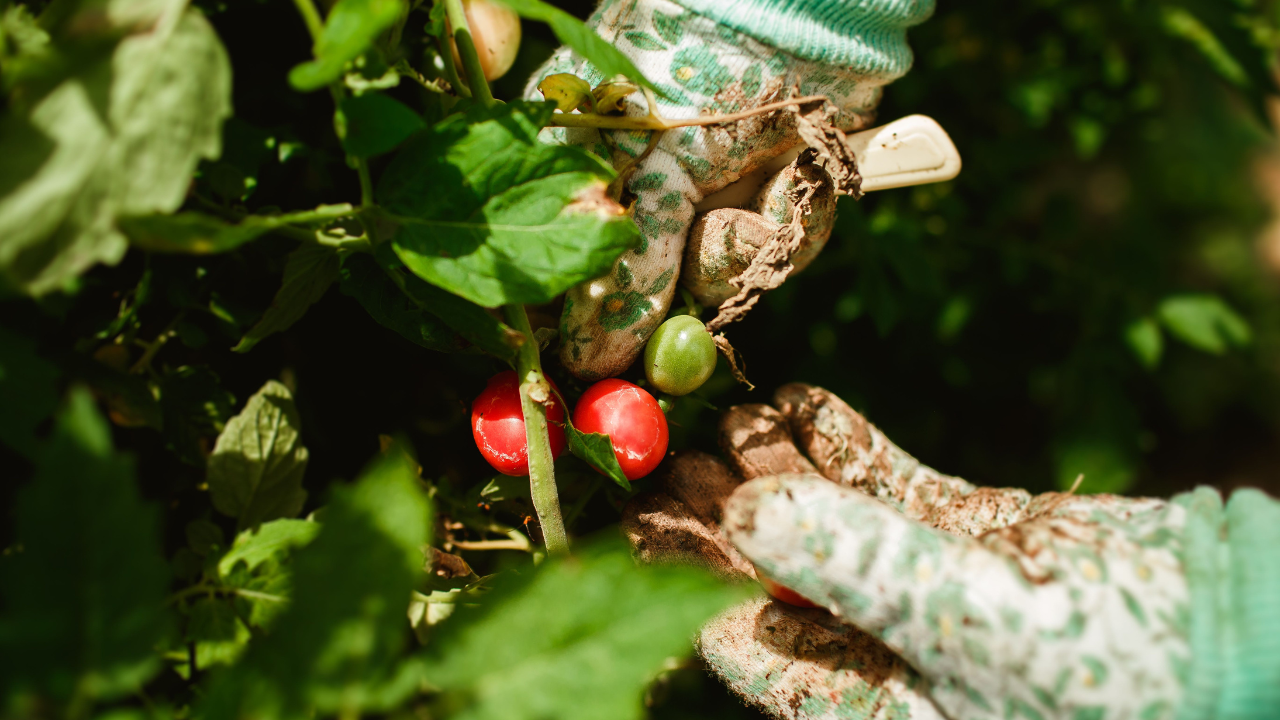
Behind Jackson’s home are raised beds where she grows tomatoes, beans, beets, kale, chard, muscadines, basil, and other herbs. She said she’s out there every day because it is her favorite place to be. She has agreed to dedicate several plots to the program and plans to deliver her first crops in a few months. Kara Mucklow, a gardener in nearby Milton who grows tomatoes, basil, bell peppers, cucumbers, and raspberries, is setting aside one of her plots as well.
Why Fresh Produce Matters at a Food Pantry
Food pantries have historically leaned on shelf-stable, packaged goods. That’s because fresh products can be difficult to transport or keep viable for a long time. Produce is perishable, needs refrigeration, and is expensive to buy. Donations of vegetables can improve the quality of foods that families can otherwise access.
Families relying on food assistance often have limited access to fresh produce, which is central to a healthy diet, and homegrown vegetables arrive at their peak rather than after a long supply chain. Mucklow said homegrown produce is as fresh as it gets, and that giving it away nourishes the community in a basic way while showing that support is there for people who need help. The program launched specifically because the pantry was seeing growing demand.
How Produce Donation Gardening Programs Work
Homegrown Harvest is one example of a model that’s spread across the country, in which home gardeners commit part of their harvest to a hunger-relief organization. The best-known version is Plant a Row for the Hungry, a long-running campaign that encourages gardeners to plant an extra row and donate its yield to local food agencies, and community and school gardens increasingly build donation into their plans.
If you have a garden and this is the kind of work you’d like to do to help others, these are the types of programs that can help you accomplish just that. If you have extra produce you’d like to share with community members in need, there are options out there, or you can always start something in your own area.