Automated Noise Cameras Target Loud Drivers, Raising New Neighborhood Privacy Questions
For homeowners struggling with loud modified exhausts echoing through their neighborhood, change may be on the horizon through automated technology—change, and a very familiar privacy debate.
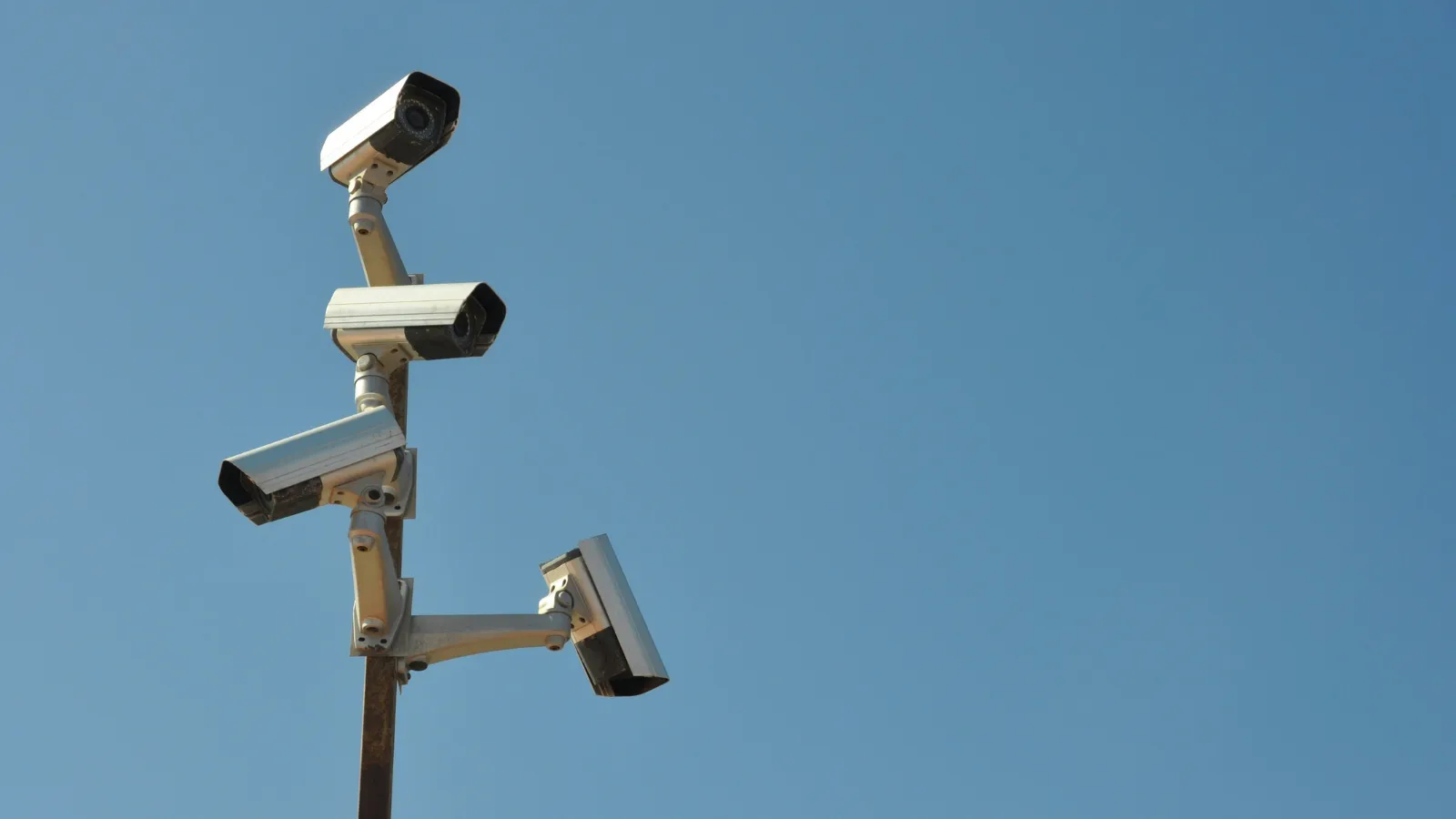
Communities around the country are experimenting with “noise cameras” designed to detect excessively loud vehicles. New York City operates an established enforcement program, while other municipalities have launched pilots or are preparing their own programs.
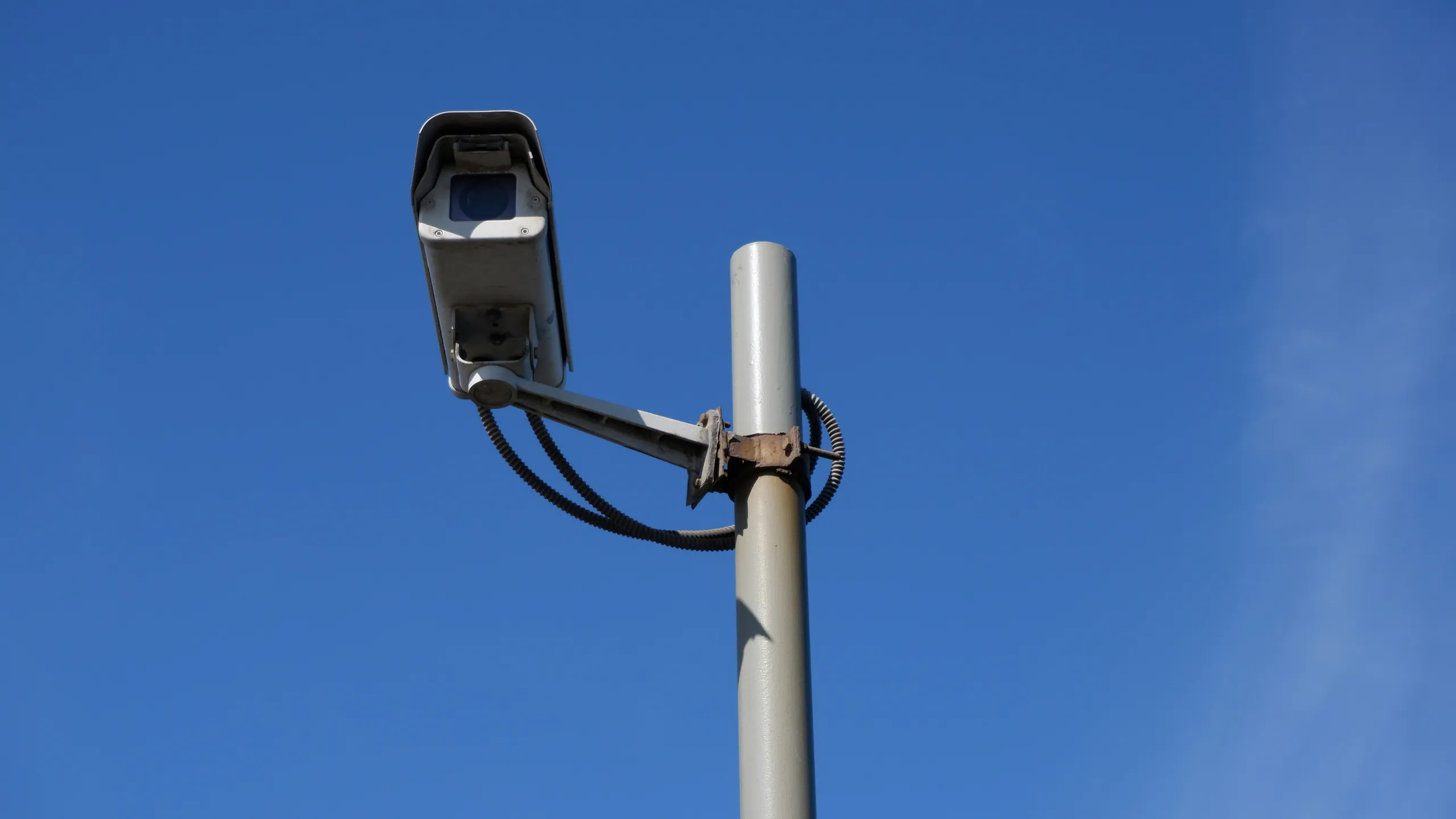
According to the New York City Department of Environmental Protection (DEP), its devices combine high-definition video cameras with audio sensor arrays. When a vehicle exceeds predetermined noise limits, the system records the event and can capture its license plate without showing the vehicle’s occupants.
The technology is appearing elsewhere, too. University Park, Maryland, activated a “noise-
enforcement camera” in January 2026, as reported by University Park Newsletter, after residents raised concerns about excessively loud vehicles affecting neighborhood peace and quality of life. The City of Knoxville has also tested a mobile camera to collect information about excessive vehicle noise, although Knoxville currently uses the technology for warnings and data collection rather than camera-generated citations.
Impact on Neighborhood Quality of Life
Where does the appeal come from for homeowners? The U.S. Environmental Protection Agency (EPA) defines noise as unwanted or disturbing sound and says it can interfere with activities such as sleeping and conversation. It can even outright diminish a person’s overall quality of life.
Road traffic is another major source of environmental noise. According to the World Health Organization (WHO), excessive environmental noise can contribute to sleep disturbance, while growing evidence also points to mental health effects.
For homeowners, automated noise enforcement offers another way for municipalities to address persistent vehicle noise that can be difficult for inspectors or police to catch as it happens. New York City’s DEP explains that the transient nature of vehicle noise meant inspectors could ticket only a small percentage of violations in the field, prompting the city to use cameras capable of identifying a vehicle while the noise is occurring.
The technology nevertheless introduces questions about what cameras capture and how that information is handled, echoing some of the privacy concerns surrounding other roadside camera systems such as Flock cameras. According to the New York City DEP, its cameras are positioned so license plates can be recorded without showing vehicle occupants. Connecticut law goes further, requiring noise cameras “to the extent possible, so that they only record license plates’ images and do not capture images of vehicle occupants or anyone else in the vicinity.”
How Noise Camera Enforcement Works
Noise-camera programs do not operate under one nationwide set of rules. Thresholds, penalties, and even whether a camera can generate a citation vary by jurisdiction.
In New York City, noise-camera evidence can result in a summons without an inspector being present when the noise occurs. For excessive muffler noise, the New York City DEP lists penalties ranging from $800 to $2,625.
The technology is still spreading. West Haven, Connecticut, recently approved the use of noise cameras and plans to install four along shoreline roads following persistent complaints about loud vehicles in residential neighborhoods, as reported by West Haven Voice.
The Other Side of the Lens And Speaker
The arrival of another type of roadside camera may face skepticism from residents already uneasy about automated license plate readers.
A recent Washington Post investigation found numerous cases in which law enforcement employees were accused of misusing Flock and other license plate reader systems to track romantic partners or spouses and even other people for unauthorized purposes. Subsequent reporting found that some police departments had not routinely audited officers’ searches, while federal immigration authorities have also accessed Flock data through local law enforcement partners.
Noise cameras serve a different purpose, and there is currently no evidence of comparable misuse involving the programs discussed here. Still, recent controversies surrounding license plate readers have made questions about data collection and access difficult to ignore as another type of roadside camera begins appearing in more communities.