Gardeners Are Asking Why You Want a Garden But Not the Wildlife That Comes With It
A gardener on Reddit‘s Native Plant Gardening community recently said something that stopped a lot of people mid-scroll. Frustrated by how many gardeners reach for insecticides the moment they spot a grub or find a few chewed leaves, he wondered why people want gardens but not the wildlife that comes with them.
When you plant things, aphids will come, insects will lay their eggs, and small mammals will nibble your sprouts. If you cannot accept that, why have a garden then?
Pesticides and poison baits are not surgical tools. They do not distinguish the harmful from the helpful, and a gardener who sprays at every sign of insect life is not defending their garden. They are methodically dismantling the very system that keeps it alive.
This article covers what is really happening when wildlife shows up in your beds, why pesticide use causes more lasting harm than any insect would, and what it looks like to tend a space that works with the ecosystem around it. For anyone who has ever wondered why their garden keeps struggling despite constant intervention, the answer is probably outside on the leaf you just sprayed.
First Realize, Your Garden Was Never a Controlled Environment
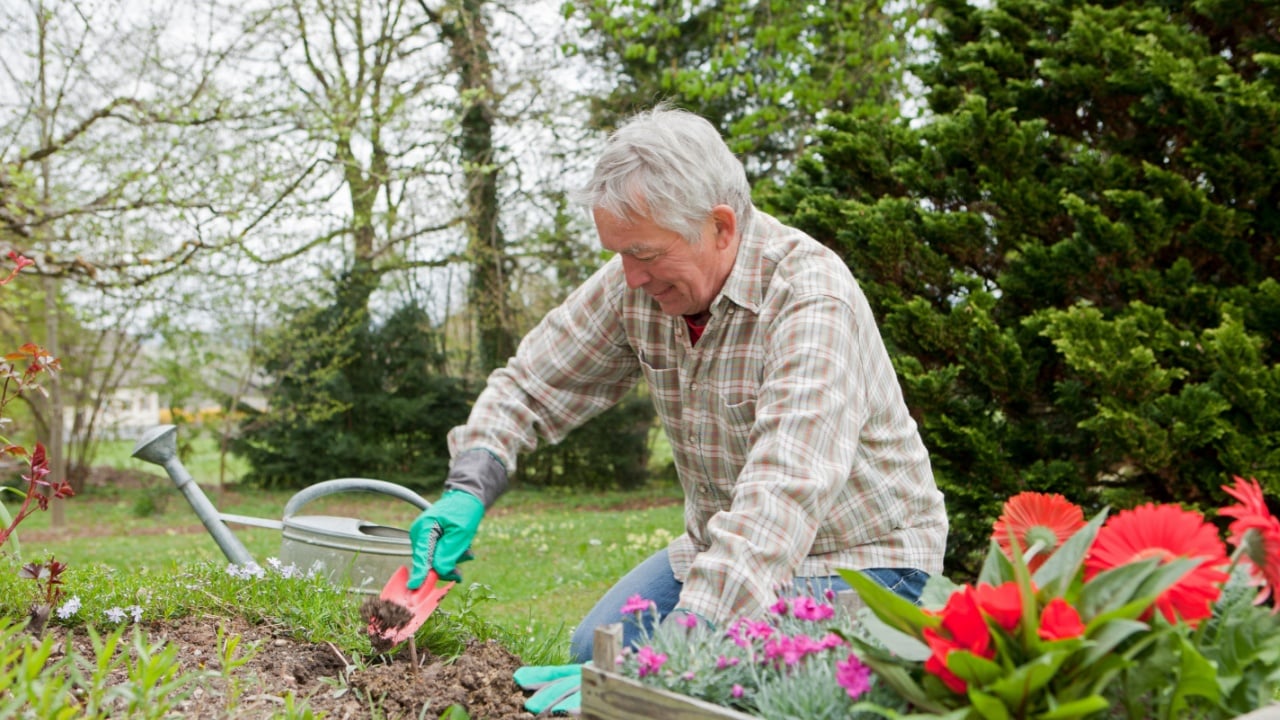
Planting in outdoor soil means joining a community, not building an enclosure. The ground beneath a garden bed contains billions of microorganisms per teaspoon, bacteria, fungi, nematodes, and protozoa, all of which work together to break down organic matter and make nutrients available to plant roots.
Above the soil, insects pollinate flowers, birds eat the insects, and small mammals contribute to seed dispersal and soil aeration. Removing any one layer of this web affects everything connected to it.
The frustration most gardeners feel toward pests usually stems from treating the garden as separate from the surrounding environment, when in reality the two are completely interconnected. Your plants do not stop being part of the local ecosystem just because you put a fence around them. A garden bed with visible insect activity, some natural wear on the leaves, and signs of small animal traffic is a garden that is genuinely alive.
Chewed Leaves Are Not the Emergency They Look Like
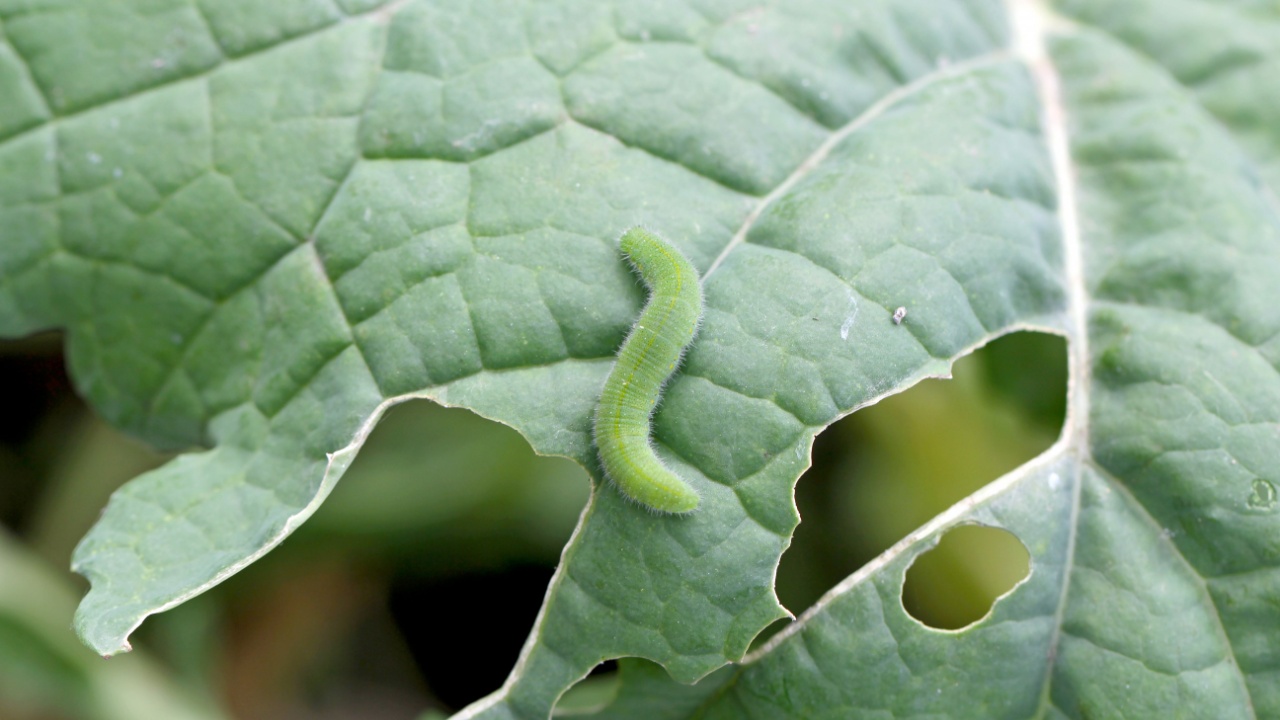
Caterpillars eat leaves. That is the specific function they serve at this point in their life cycle, and most plants are structurally built to handle moderate leaf loss without lasting damage. A few chewed edges on a tomato plant or a partially eaten ornamental are not threats to the plant’s survival; they are proof that the garden is feeding something.
Many of the caterpillars found in home gardens will become butterflies and moths that return to pollinate the same plants later in the season. Killing them before they reach that stage removes both their immediate contribution to the food web and the pollination benefits they would have provided later.
A gardener who accepts a degree of leaf damage in exchange for a full, functioning pollinator population is making a trade that works heavily in their garden’s favor. The math is straightforward once you follow it all the way through.
Grubs and Burrowing Are Signs of Active Soil
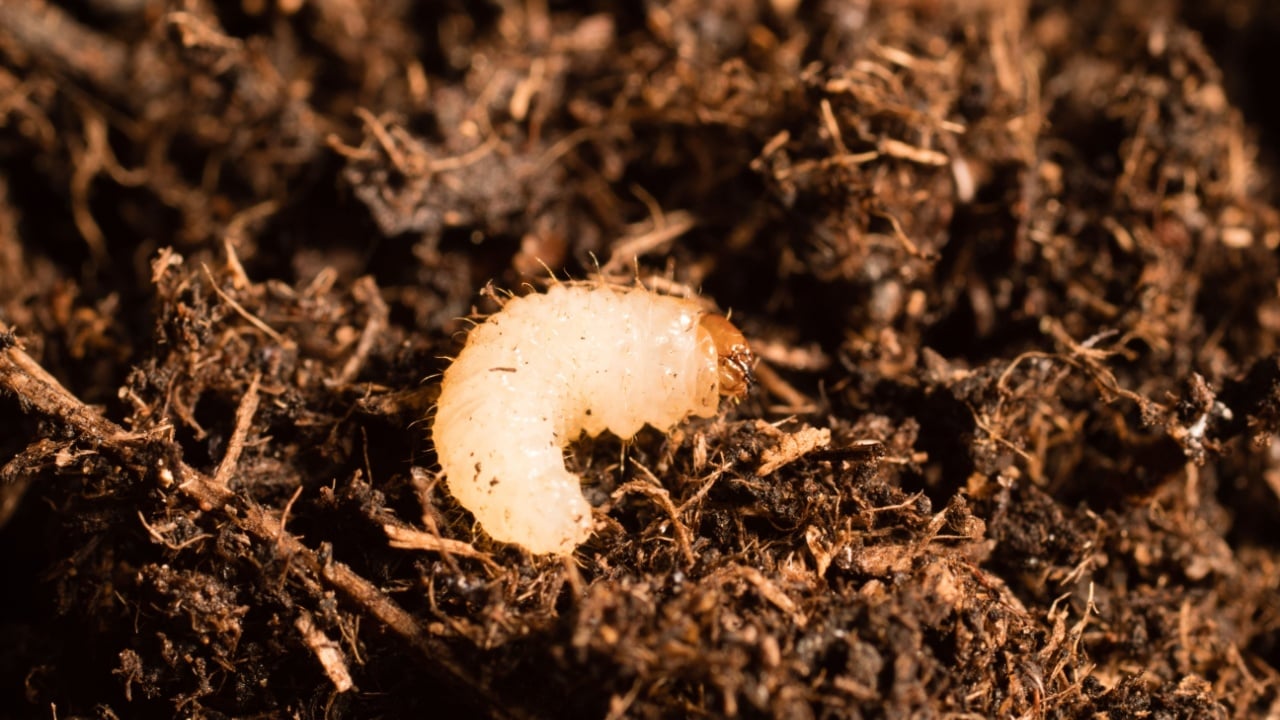
Finding grubs in a garden bed is a common trigger for pesticide use, but the presence of beetle larvae in soil does not automatically mean the garden is under attack. Grubs feed on organic matter and, in moderate numbers, are a normal part of the decomposition cycle that keeps soil biologically active.
Their movement through the soil also creates a loose, aerated structure. This allows water and nutrients to move more effectively toward root systems than compacted soil ever could.
Small mammals such as moles, voles, rabbits, and others that burrow or forage near garden beds are not targeting your plants out of aggression. They are following food, exactly as every animal does.
Physical deterrents like raised beds, hardware cloth buried around bulb zones, or simple row covers address this directly without involving toxins. Poison bait stations introduce toxins into the food chain that move up the food chain into hawks, owls, and foxes that would otherwise manage small-mammal populations naturally.
Pesticides Kill the Good Along with the Bad
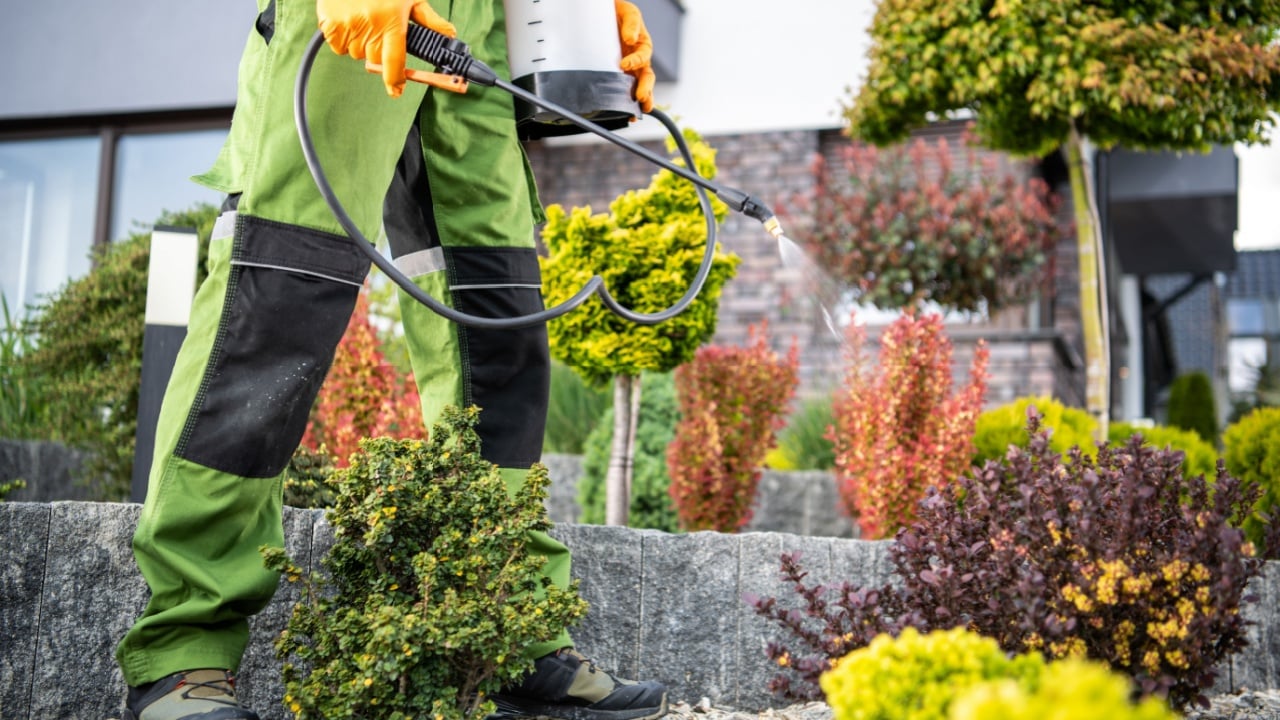
Pesticide labels describe what they are designed to eliminate, but they do not explain the full range of what they actually affect. Insecticides do not read the garden and selectively target problem species; they saturate the treated area and affect every organism that comes into contact with it.
Beneficial beetles, parasitic wasps, bees, hoverflies, and the larvae of pollinating insects all die alongside the target pest. What remains is a quieter garden with a broken support system.
Systemic pesticides, which are absorbed into plant tissue and distributed through the whole plant, including its flowers, carry particular risks because the toxins end up in pollen and nectar. A bee that visits a treated flower carries those compounds back to its colony.
Soil-applied pesticides alter microbial communities that plants rely on to uptake nutrients, and their residues can persist in the soil for months or years after a single application. A one-time decision to spray produces a long-term biological shift in the growing space that no amount of compost can immediately reverse.
What Actual Coexistence Looks Like in Practice
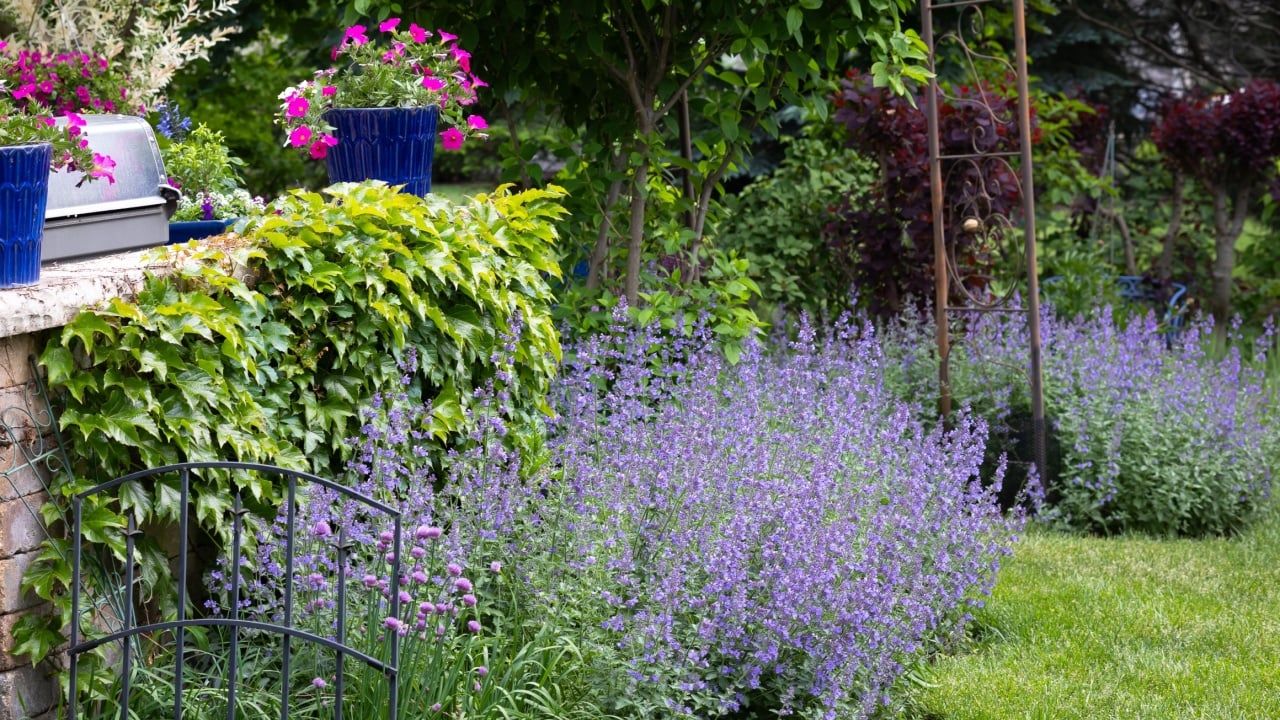
Coexisting with nature in the garden does not mean allowing every pest population to grow unchecked. It means responding proportionally, using natural methods that address a specific problem without dismantling the surrounding ecosystem.
Hand-picking pests, installing barriers, using targeted organic deterrents, and choosing plants suited to your climate are all practical ways to solve problems without collateral damage. These methods require more observation than spraying, but they work better long-term because they don’t reset the ecological balance.
It also means changing what a healthy garden is expected to look like. A garden with some insect damage, a few soil tunnels, and the occasional sprout that got nibbled is a garden that is actively participating in the world around it.
A garden with no visible signs of wildlife interaction at all is usually one that has been treated heavily enough to discourage everything except the intended plants. That version may photograph well, but it has no food web feeding it forward, no predators controlling its pests, and no soil biology sustaining its growth.
When Indoor Growing is the More Honest Choice
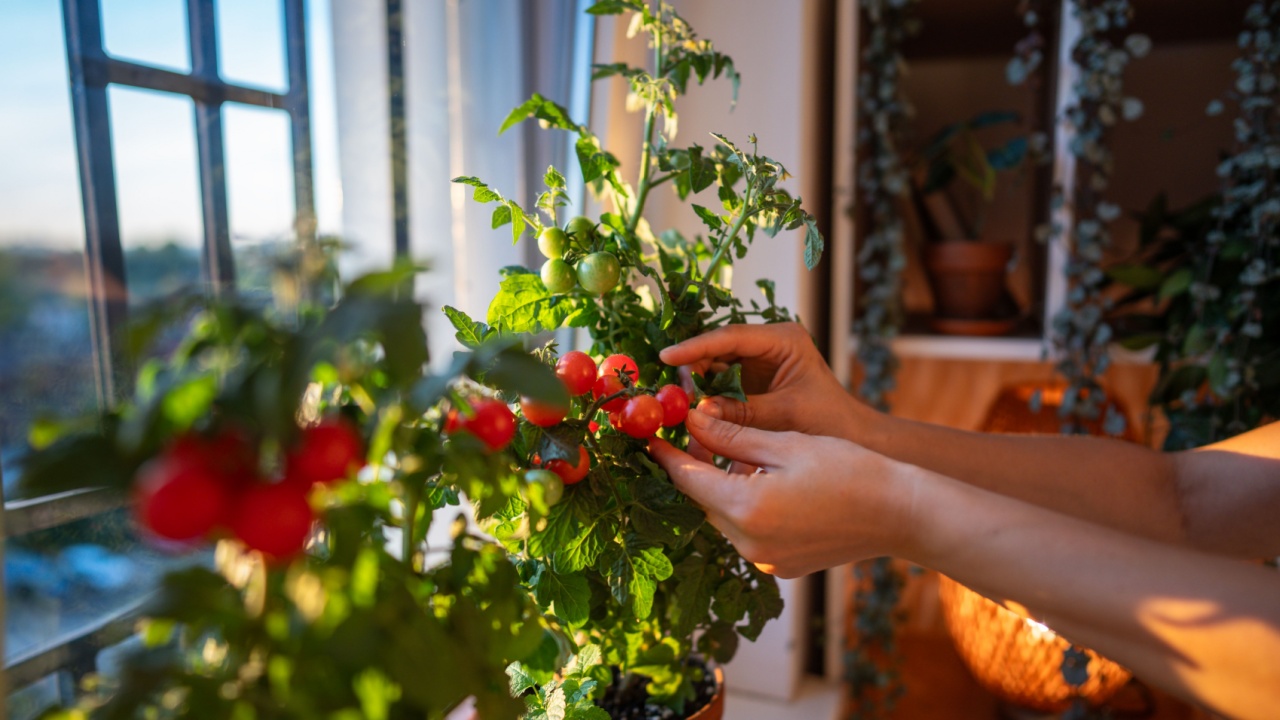
Not every person who loves plants is well-suited to outdoor gardening, and that is completely fine. Houseplants, indoor veggies and herb gardens, and grow-light setups for vegetables are all satisfying, practical ways to grow without sharing space with the full range of outdoor wildlife.
Indoor growing allows for a level of control that outdoor soil simply does not. For someone who finds the presence of insects genuinely intolerable, an indoor setup is a far better fit than a garden bed.
The reason the gardening community responds so strongly to heavy pesticide use is that an outdoor garden does not have clean edges. When one gardener poisons their soil and plants, the effects travel to the pollinators, birds, and beneficial insects that the surrounding gardens also depend on.
The choice to use pesticides freely is not a personal decision with no external consequences. It affects the shared biological environment that neighbors, local wildlife, and regional ecosystems all rely on.
The Garden You Choose Shapes the World Around It
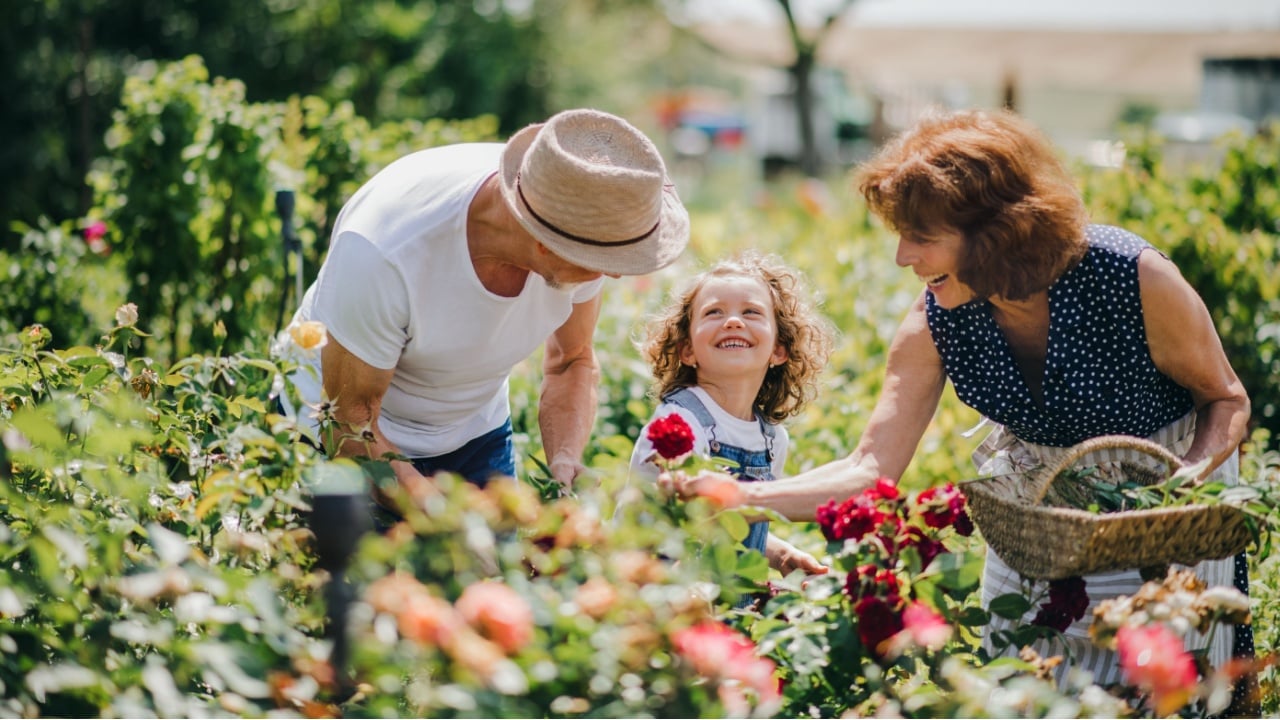
The gardeners who are most frustrated with pesticide culture are not asking for perfection in either direction. They are asking for honesty about what outdoor growing involves. A garden shared with the natural world will have imperfect leaves, occasional grubs, and wildlife that sees your carefully tended space as a food source, because that is exactly what it is.
A gardener who can work within that truth has a garden that will keep growing. One who cannot has a chemical dependency problem dressed up as horticulture, and the ecosystem they share with every living thing around them pays the price for it.
Read More:
15 Vegetables That Grow Surprisingly Well Indoors
12 Productive Vegetables for Tiny Gardens, Balconies, and Patios