12 Productive Vegetables for Tiny Gardens, Balconies, and Patios
As the planting season for many draws near, those with outdoor space can plan some of their choices for the year ahead. However, those without such generous space needn’t look on with envy; there are many options for small-space planting.
What’s more, a 2025 report from National Mortgage Professional states that American garden sizes have been shrinking over the years. Moreover, prices aren’t falling anytime soon, so supplementing groceries with homegrown vegetables never looked better.
Therefore, we’ve plumbed the depths to find which small-space vegetables give you the best bang-for-your-buck. Moreover, these picks are ready for planting all year long if you follow some simple steps.
1. Lettuce

If you want a generous reward for your balcony box efforts, lettuce makes sense. It is a quintessential crop for small gardening spaces because it grows fast, doesn’t need deep soil, and is ideal for succession sowing. In fact, Ideal Home posted a great article interviewing seasonal expert Sarah Raven.
“Leafy greens and herbs make the perfect cut‑and‑come‑again crops to grow in pots,” Raven explained. “Even in winter, we keep harvesting from these same pots just outside the kitchen door.” This practicality makes lettuce perfect for balconies, patios, window boxes, and even greenhouse shelves.
2. Radishes
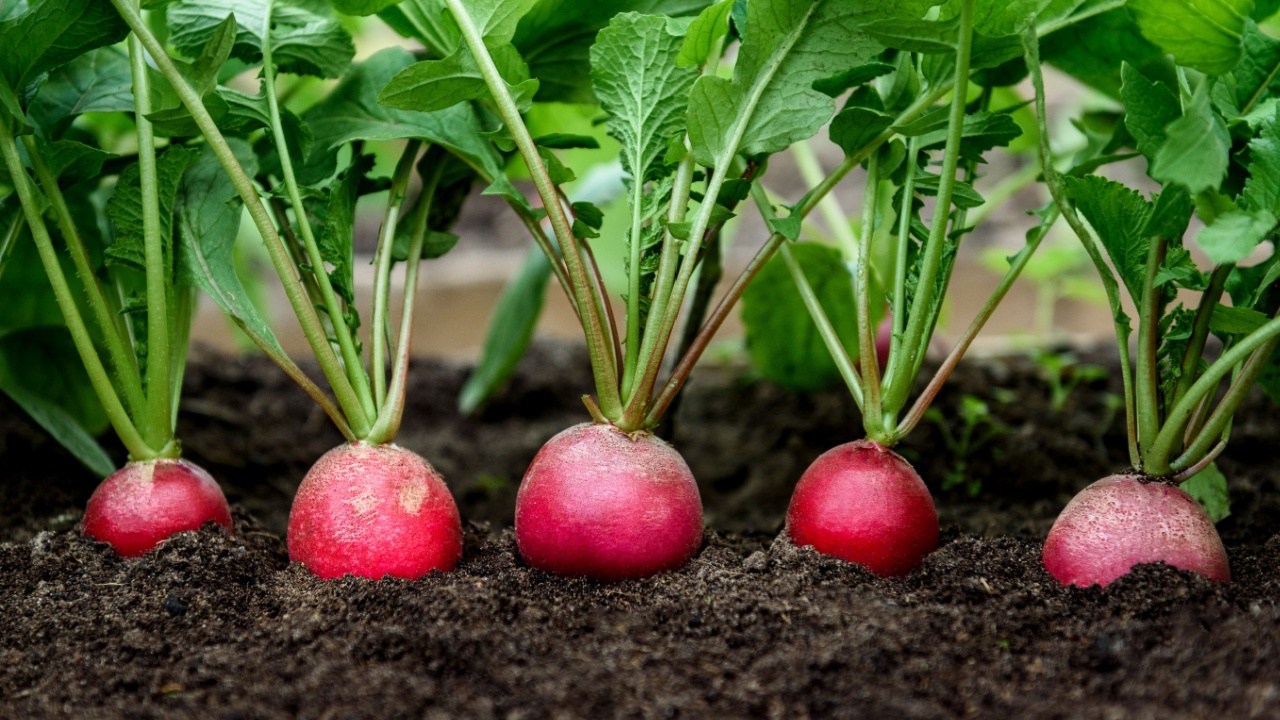
Radishes are ideal for small spaces because they grow quickly — often maturing in just 3–4 weeks — and require minimal soil depth. A small‑space growing guide on Home Garden Tips notes its practical advantages for apartments and patios. Radishes are defined here as root vegetables that “grow well in containers at least 6 inches deep and don’t take up much space.”
The compact root crop’s rapid turnaround fits perfectly with successions of other greens, giving constant harvests even when space or time is limited. Cooler conditions are ideal for this zesty vegetable member, requiring just 4-5 hours of sunlight in a moist soil container.
3. Green Onions
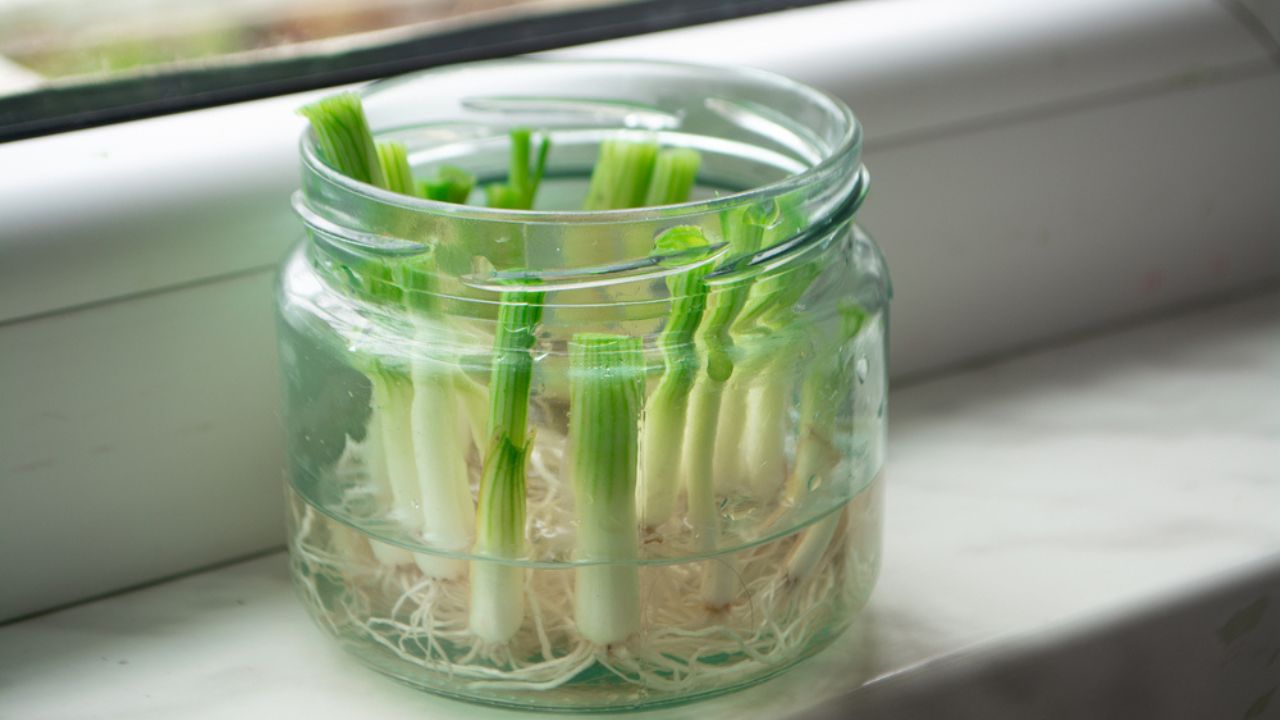
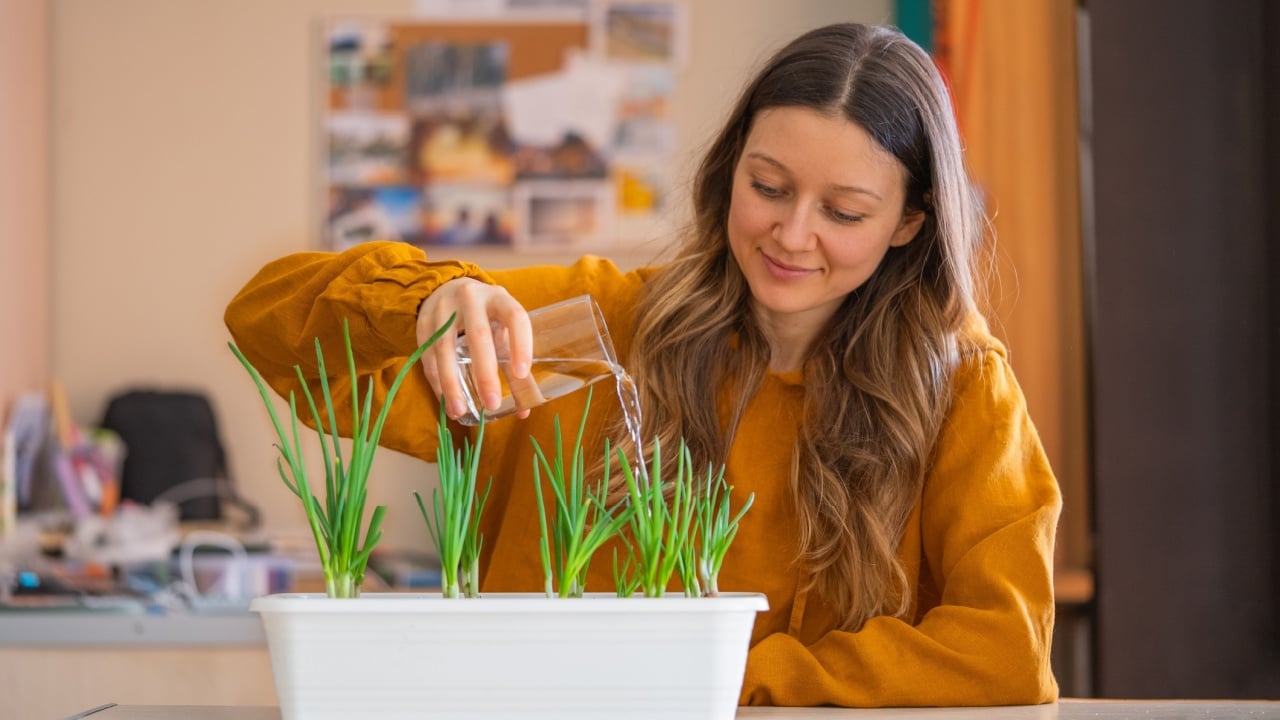
Green onions are windowsill workhorses: superb for tiny growing spaces because you can grow them from seed or even regrow them from kitchen scraps. Their minimal height and rapid regrowth mean they fit on window ledges and balcony nooks with only a few hours’ sun a day.
“We recommend growing green onions in pots beginning in early April if you’re growing them from seed,” states Patio Growers. “Green onions need pretty warm, nutrient-rich soil (around 40 degrees) to grow well.” The ideal conditions are warm, with at least six hours of sunlight per day.
4. Spinach
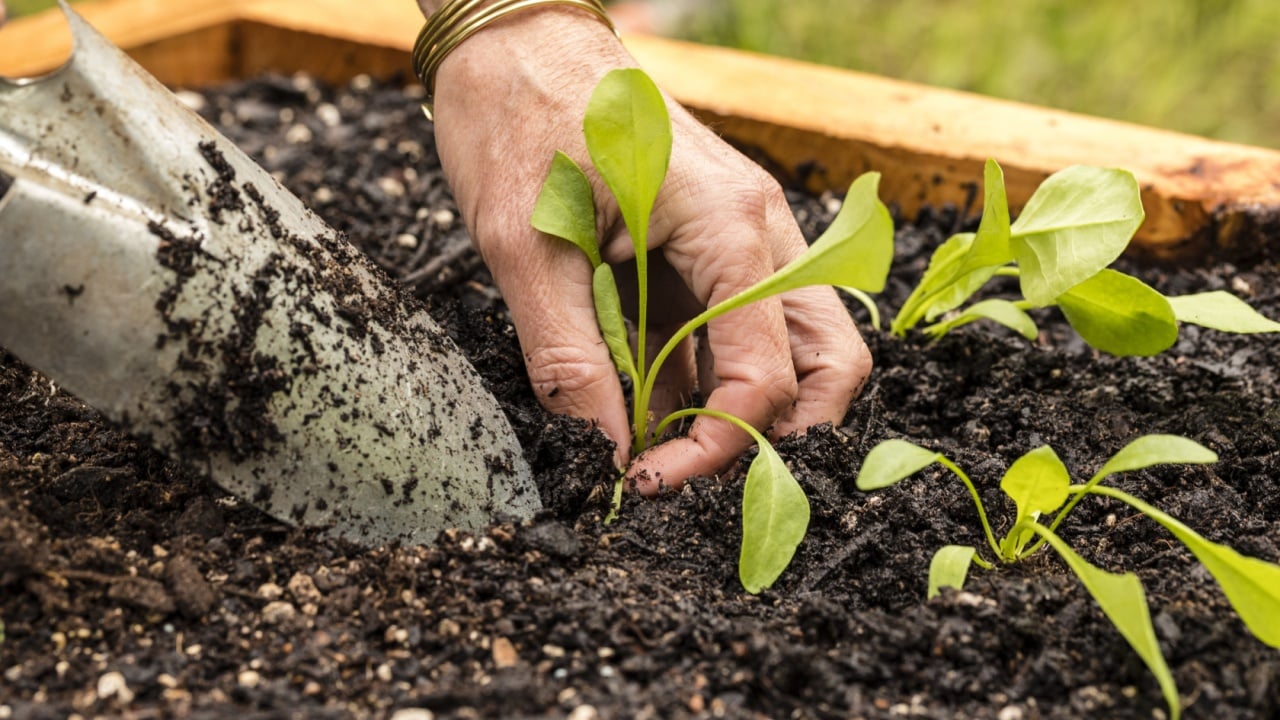
Spinach, one of the world’s greatest sources of Vitamin K, is a leafy green that thrives in cooler weather. Better still, it takes well to containers or patio planters, providing nutrient‑dense leaves without sprawling.
According to gardening resource Home Grows Hub, spinach provides dividends throughout the season. “This cool-weather crop is relatively easy to grow and can be harvested multiple times throughout the growing season, making it an excellent choice for home gardeners,” reads its guide.
What growers love about spinach is how it tolerates partial shade and succession planting, so you can keep the cutting and regrowth cycle going. Such advantages make spinach especially reliable for year‑round leafy harvests in temperate climates or protected indoor settings.
7. Cherry Tomatoes
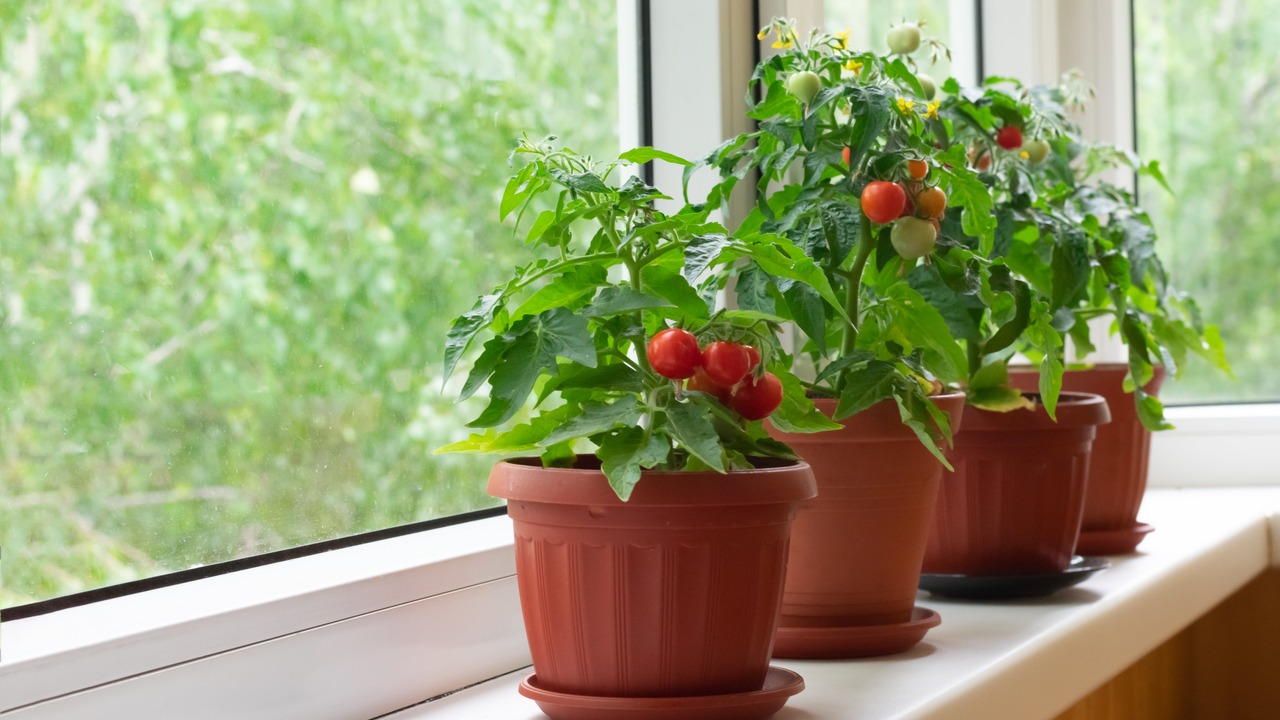
Cherry tomatoes are among the most rewarding vegetables for compact spaces because they produce high yields from a single plant. My Best Vegetables champions the cherry tomato as “perfect for small spaces because they grow vertically and produce lots of sweet, bite‑sized fruits.”
Their upright habit makes them ideal for balconies, patio corners, or trellised containers. With just six-to-eight hours of sunlight a day in a sturdy pot, you can harvest delicious tomatoes even when square footage is limited.
6. Peppers
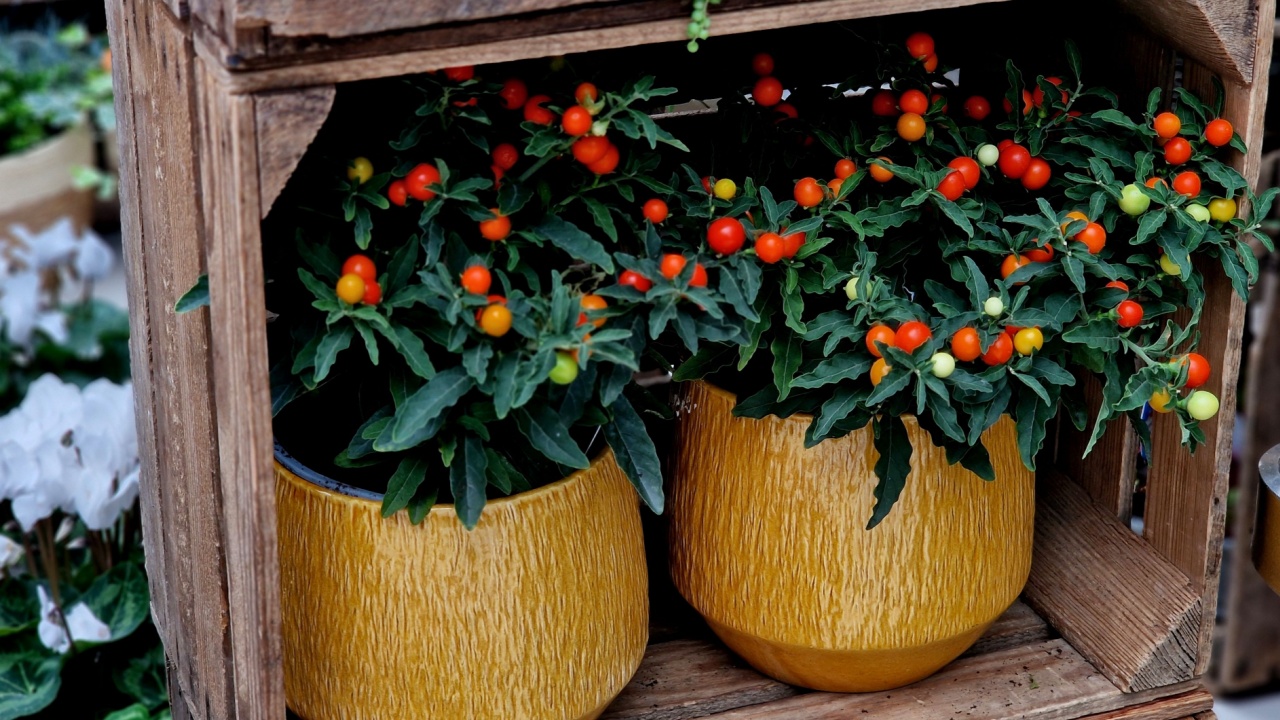
Peppers, especially miniature or patio types, are efficient balcony-box producers in warm, sunny conditions. For illustration, a Helena Madden guide on the Martha Stewart platform shows why peppers needn’t be limited to the backyard.
“There are dwarf varieties, like Liberty Belle, that stay smaller,” says her interviewee, Justin Hancock of Costa Farms. “It’s an attractive plant, too, that produces a lot of medium‑sized fruits that you can harvest green or let mature.” It means peppers can thrive in pots without sprawling, supplying continuous harvests in balconies or terrace gardens. All of this is possible in just 60 days, with the right conditions.
7. Swiss Chard
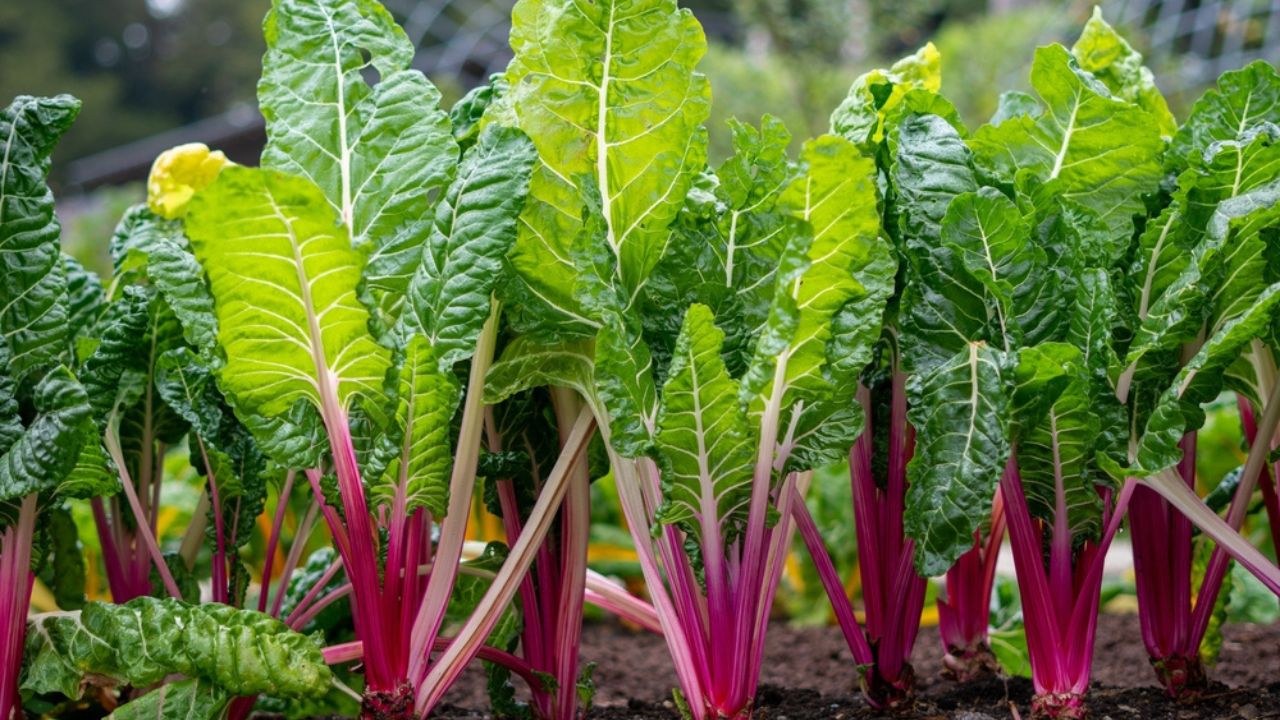
Swiss chard brings color, texture, and continuous production to small gardens, but it can be especially decorative on window ledges or terraces. The Royal Horticultural Society is a perfect source for Swiss chard success, sharing tips on what is needed.
“For extra colour, add a few small-flowered pansies. They will bloom throughout autumn, and their delicate flowers are edible,” reads its guide. Picking leaves also encourages regrowth and prolongs harvests, making chard superb for extended seasons in containers.
8. Arugula
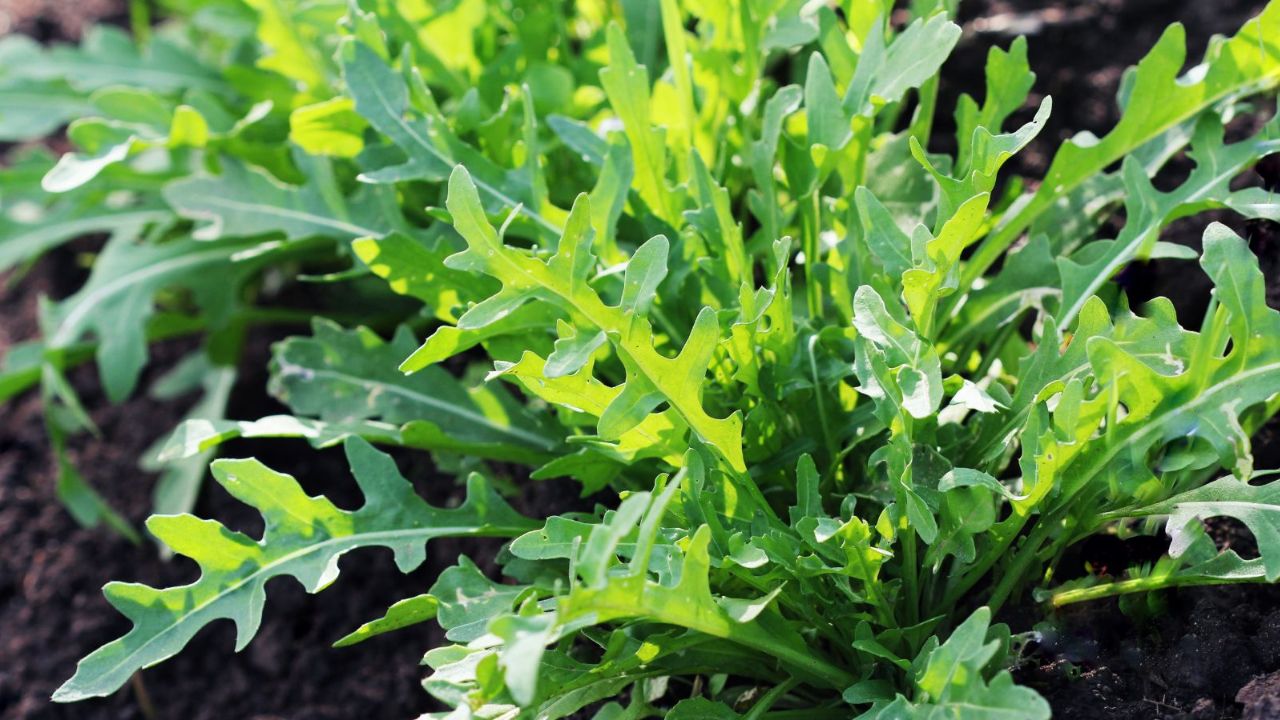
Arugula makes an ideal bedfellow for so many dishes, from salads to sandwiches. It also makes a mean pizza, meaning that investment in a home pizza oven just went up a notch. Known by some as “rocket,” arugula is a leafy green that thrives in shallow trays and containers and matures fast: often within 20–30 days.
“It prefers cool temperatures, moist soil, and partial sunlight, which help keep its peppery leaves tender and flavourful,” states a Times of India article. “Harvesting young leaves improves taste and encourages continued growth, making it a reliable option for salads, sandwiches, and garnishes.” This fast, peppery green fits beautifully into apartment gardens and minimal outdoor spaces alike.
9. Carrots

There are some awesome compact carrot varieties like ‘Paris Market’ or ‘Little Finger’, which make excellent root crops when grown in deeper pots. Loose, well‑draining soil is the requirement, alongside generous sunlight for “at least 6 to 8 hours,” according to Savvy Gardening. “So move the container to a spot where it receives plenty of light.”
Taking such steps means you get to enjoy crisp, sweet roots even in balcony planters or terrace beds. One caveat is that your soil pots need depth, which may not be possible in some living situations.
10. Microgreens
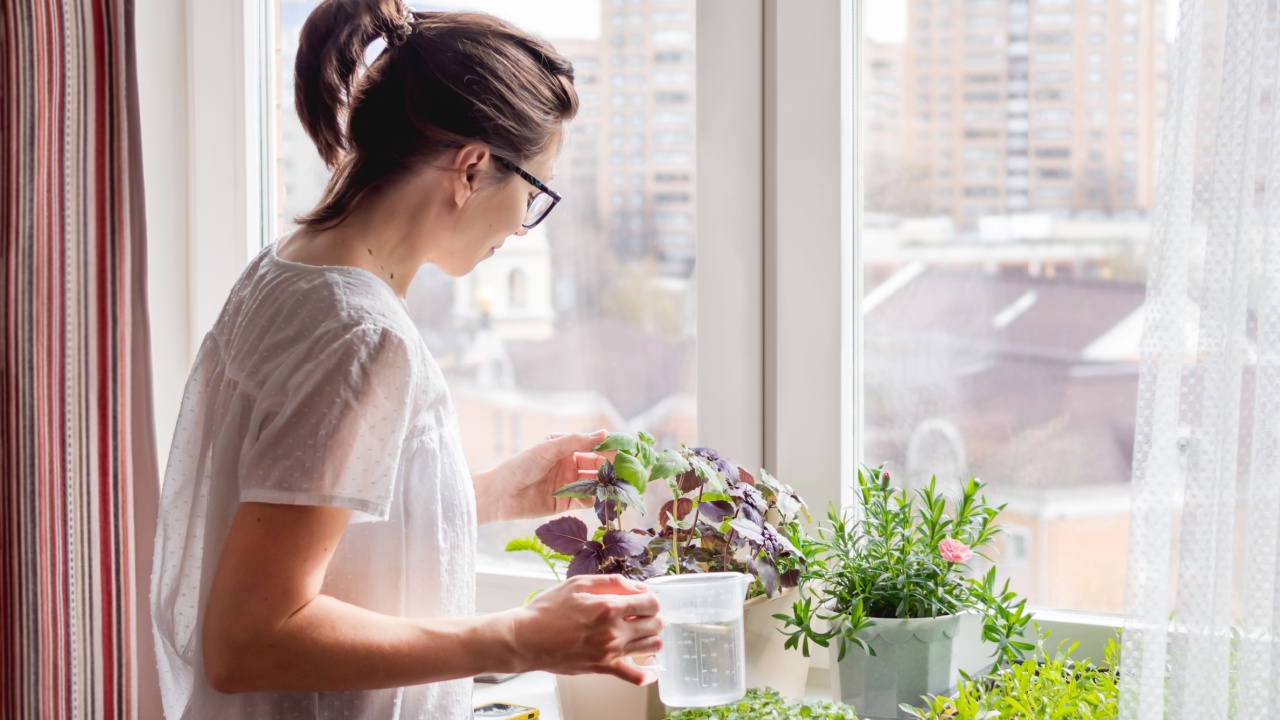
Microgreens redefine efficiency in small space gardening because they grow quickly, are highly nutritious, and require only shallow trays.
Microgreens expert Jonah Krochmalnek gives the lowdown on these baby greens in a Joe Gardener podcast. “So you can grow a tray of microgreens, which is about 10 inches by 20 inches…in about seven to 10 days.”
Krochmalnek adds that they are “super fun to grow in the process because each day you see how much it grows.” This arrangement makes microgreens perfect for windowsills, indoors, or any small nook.
11. Bush Beans

Bush beans are prized for small gardens or spaces because they require no tall supports and deliver steady harvests. Beans also help fix nitrogen in the soil, so you can pair them with leafy greens, optimizing small spaces by improving soil fertility and doubling yields.
A guide on Gardening for my Future emphasizes planting bush beans for their compact habit and productivity, explaining they “don’t need trellises and are easier to manage in containers.” Seeds can go in moist soil, two to three inches apart, and they will require “at least six hours of direct sunlight.”
12. Kale
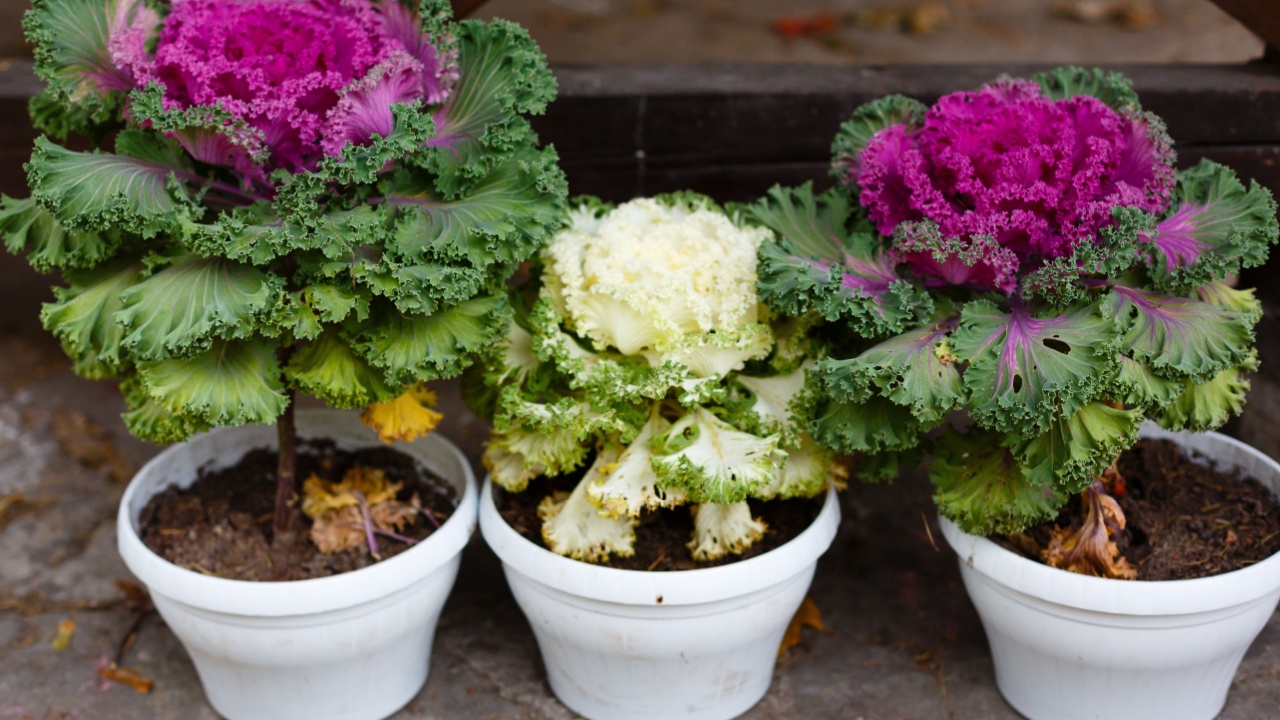
A good expression for kale would be “come again?” because that is what it keeps doing. Kale thrives in containers and cool weather, making it a strong choice for year‑round small gardens. This superfood’s robust leaves allow for repeated harvests from one planting, and high cold tolerance means it can extend into winter with protection.
Like any good superhero, this leafy green has strength and versatility in compact spaces, according to Growing Our Garden. The publication adds that kale “is packed with vitamins, minerals, and antioxidants.” We all knew this, but it’s always nice to remind ourselves why growing kale at home is a no-brainer.
Read More
Stop Pouring These 10 Things Down the Drain — Plumbers Say It’s a Costly Mistake