16 Budget‑Friendly Ways to Beat the Winter Chill
Staying warm in the winter or cool in the summer is one of life’s simple pleasures. However, keeping cozy on chilly days can sometimes come with a steep price. Running the furnace nonstop can lead to sky-high utility bills, leaving many searching for cost-effective ways to stay comfortable. You want to stay warm without blowing your budget on heating or skipping out on hot cocoa or that faux fur coat.
Fortunately, there are plenty of practical, budget-friendly, and even cost-free ways to keep your home warm without overspending. From small household adjustments to creative uses of everyday items, these tips can help you stay cozy while saving money. Here are 16 affordable ways to keep warm.
1. Cook or Bake at Home

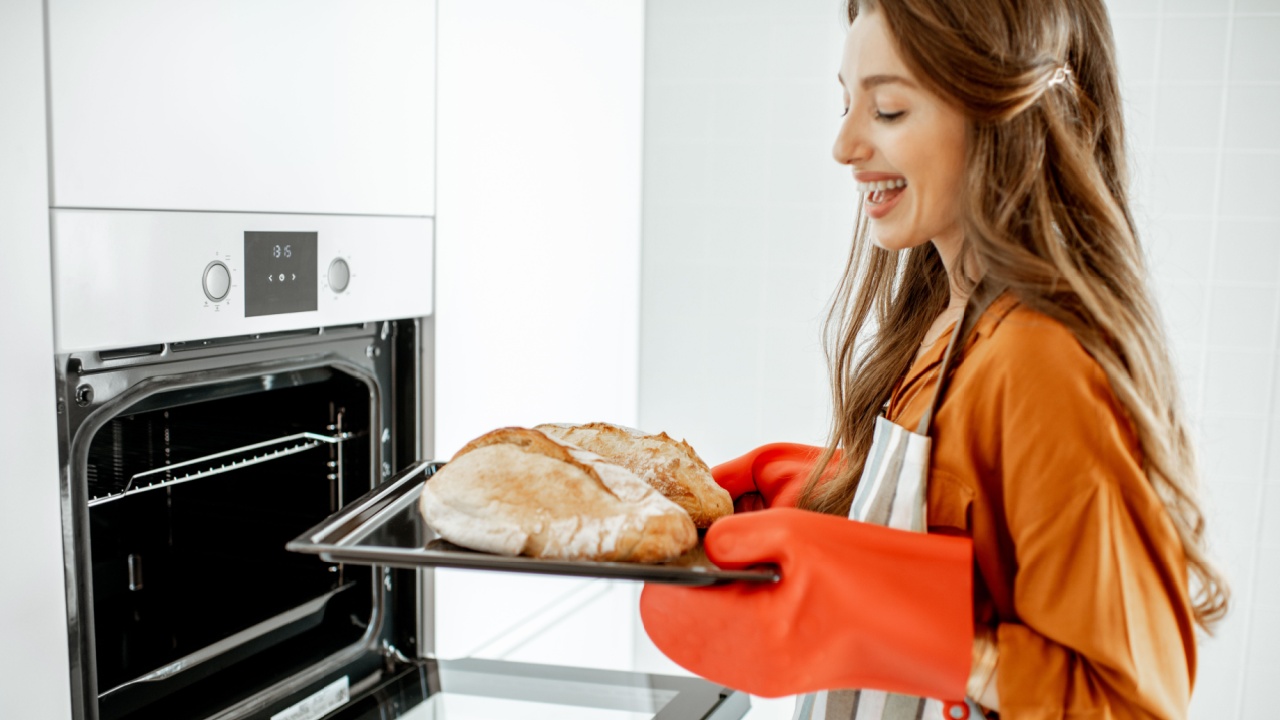
Using your oven and stovetop does more than just prepare a meal; it doubles as a supplementary heat source. The heat generated during cooking radiates throughout the kitchen and into adjacent areas, raising the ambient temperature. This is particularly effective in smaller homes or apartments where the kitchen is centrally located.
A slow-roasting stew or a batch of fresh bread can contribute a surprising amount of warmth over several hours. When you’re finished, leaving the oven door ajar after turning it off allows the residual heat to escape into the room instead of being wasted.
How to Maximize It:
- Plan your meals: Opt for dishes that require longer cooking times, like roasts, casseroles, or baked goods.
- Strategic timing: Cook during the coldest parts of the day, such as the evening, to benefit most from the added heat.
- Safety first: Never leave a hot oven door open unattended, especially if you have children or pets.
2. Let the Sunshine In
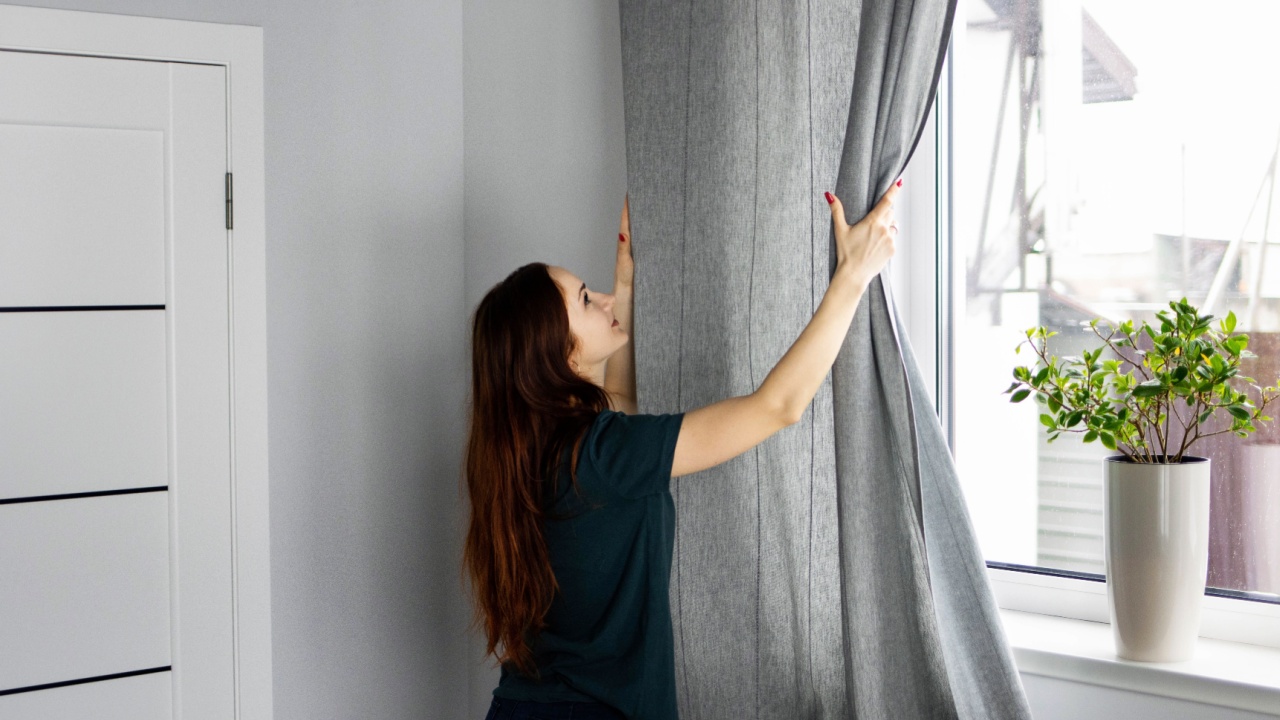
The sun is a powerful, free source of heat. During the day, opening the curtains and blinds on your south-facing windows allows sunlight to stream into your home, warming up the floors and furniture. This process, known as passive solar heating, can noticeably increase the temperature of a room without costing a penny. It’s a simple but effective way to harness natural energy. Remember to close your curtains as dusk approaches to trap the accumulated warmth inside.
How to Maximize It:
- Know your windows: Identify which windows receive the most direct sunlight throughout the day.
- Keep glass clean: Dirty windows can block a significant amount of solar energy, so keep them clean for maximum benefit.
- Clear the path: Make sure furniture or other objects are not blocking the sunlight from hitting the floor and other surfaces.
3. Insulate Windows with Plastic Film

Windows are a major source of heat loss in many homes. Even well-sealed windows can be a weak point in your home’s thermal envelope. Applying a layer of plastic window insulation film creates an air pocket between the film and the glass. This pocket acts as an additional insulating barrier, reducing the amount of cold air that gets in and warm air that gets out. Kits are widely available and relatively inexpensive, making this a popular and effective solution.
How to Maximize It:
- Proper installation: Follow the kit’s instructions carefully to get a tight, wrinkle-free seal for the best insulating effect.
- Focus on problem areas: Prioritize drafty or older windows first to get the most impact from your efforts.
- Easy removal: The film and tape are designed for easy removal in the spring without damaging your window frames.
4. Use Rugs on Bare Floors

Hardwood, tile, and laminate floors can feel exceptionally cold underfoot during winter because they lack insulating properties. Laying down area rugs or runners adds a much-needed layer of insulation between you and the cold floor. Rugs trap a layer of air, which helps to slow heat transfer and makes the entire room feel warmer. They also provide a much more pleasant surface to walk on. This is an especially useful tactic in rooms on the ground floor or over unheated spaces like basements or crawl spaces.
How to Maximize It:
- Choose the right material: Thicker, denser rugs made from materials like wool offer better insulation.
- Add a rug pad: Placing a quality rug pad underneath your rug adds another layer of insulation and cushioning.
- Strategic placement: Focus on high-traffic areas and places where you spend a lot of time sitting or standing, like in the living room or kitchen.
5. Add Fleece Bedding

Swapping out your lightweight summer bedding for warmer materials can make a significant difference in your comfort at night. Fleece is an excellent choice for winter bedding because it is lightweight, soft, and a fantastic insulator. The synthetic material is known for its ability to trap body heat, keeping you warm without the weight of multiple heavy blankets. Using fleece sheets, blankets, or even a fleece duvet cover can help you stay warm all night, potentially allowing you to lower the thermostat a few degrees.
How to Maximize It:
- Layer up: Use fleece sheets as a base layer and add a fleece blanket on top for maximum warmth.
- Consider a throw: A fleece throw blanket on the sofa is perfect for staying warm while watching television or reading.
- Easy care: Fleece is machine washable and dries quickly, making it a convenient choice for bedding.
6. Wear Layers of Clothing

Dressing in layers is one of the most fundamental principles of staying warm. Instead of relying on a single bulky sweater, wearing multiple lighter layers traps air between them. This trapped air is warmed by your body heat and acts as an insulator. You can easily add or remove layers to adjust your comfort level as temperatures change throughout the day, giving you more control over your personal climate without touching the thermostat.
How to Maximize It:
- Start with a good base: A snug-fitting base layer made of merino wool or a synthetic blend wicks moisture and retains heat.
- Add an insulating mid-layer: A fleece vest or long-sleeved shirt works well as a middle layer.
- Don’t forget your feet: Wearing warm socks and even slippers can greatly improve your overall feeling of warmth.
7. Block Drafts Under Doors

Gaps under exterior doors are like open invitations for cold air. A simple draft stopper, also known as a door snake, is an effective tool for blocking these chilly intrusions. These fabric tubes are filled with an insulating material and laid at the base of the door to seal the gap. You can purchase them or easily make your own using fabric scraps and a filling like rice or dried beans. This small adjustment can prevent a surprising amount of heat loss.
How to Maximize It:
- Check all doors: Don’t forget about the door to the garage or basement, as these are often major sources of drafts.
- DIY option: A rolled-up towel or blanket can serve as a temporary draft stopper if you don’t have a dedicated one.
- Proper fit: Make sure your draft stopper is long enough to cover the entire width of the door for a complete seal.
8. Reverse Your Ceiling Fan
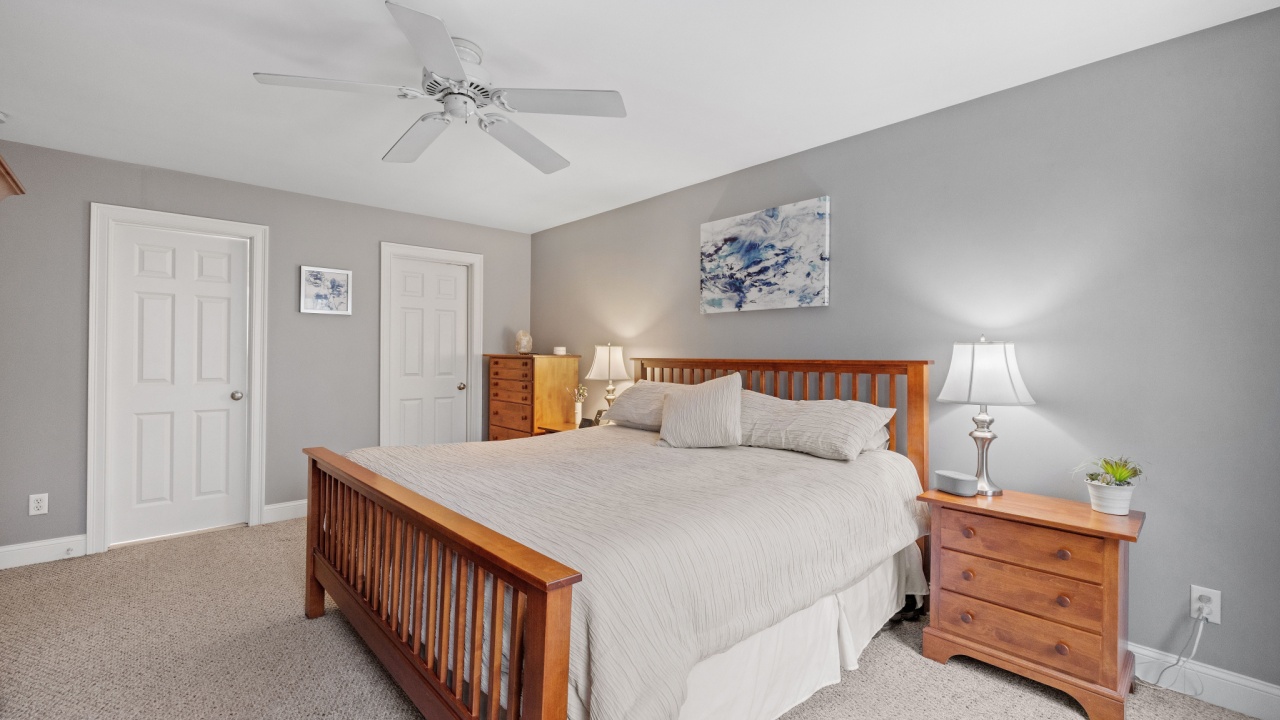
Many people associate ceiling fans with cooling, but they can also help keep a room warm. Heat naturally rises, so in the winter, the warmest air in a room congregates near the ceiling. Most ceiling fans have a switch that reverses the direction of the blades. Setting the fan to spin clockwise at a low speed pushes the warm air down from the ceiling and circulates it throughout the room, all without creating a cooling breeze. This can make a room feel warmer and help your heating system work more efficiently, and it costs nothing.
How to Maximize It:
- Find the switch: The reversal switch is usually located on the motor housing of the fan.
- Use a low speed: The goal is to gently circulate air, not create a wind chill effect.
- Remember to switch it back: In the spring, switch the fan back to counter-clockwise rotation to help with cooling.
9. Let Bathwater Cool in the Tub
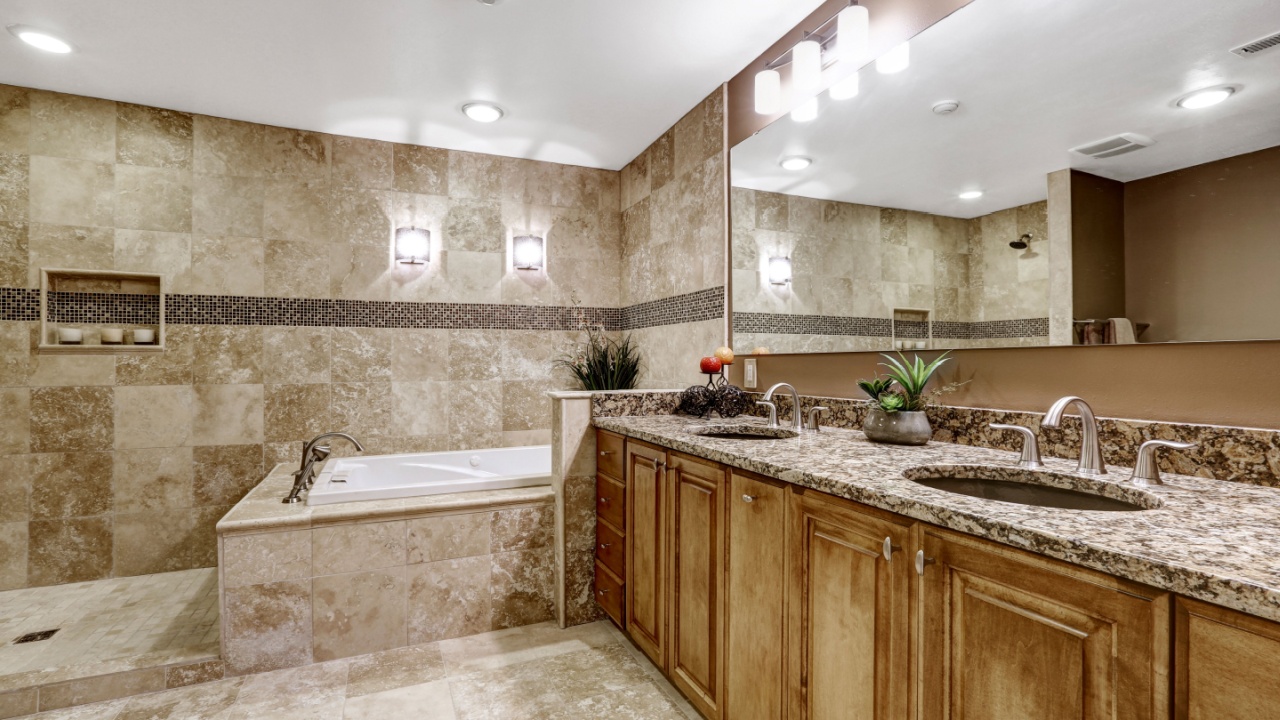
All that hot bathwater holds more potential than just cleaning away the day’s struggles. Instead of immediately pulling the plug after a soak, let the bathwater hang out in the tub and cool off first. As the water loses its heat, it gently warms the air in the bathroom, much like a spa day for your tiles and feet. Even better, as the water evaporates, it adds some much-needed moisture back into bone-dry winter air.
How to Maximize It:
- Leave the door open: Once you’re out and modesty isn’t an issue, crack open the bathroom door. This lets warmth and humidity drift out into nearby rooms.
- Try it after every bath: Even a quick soak can mean a little bonus heat and humidity. Small rewards add up.
- Safety alert: Skip this trick in households with babies or pets who might wander into the tub unsupervised.
- No bath? Fill the sink or a basin with hot water after washing up and let that warmth out—every bit helps.
10. Close Off Unused Rooms
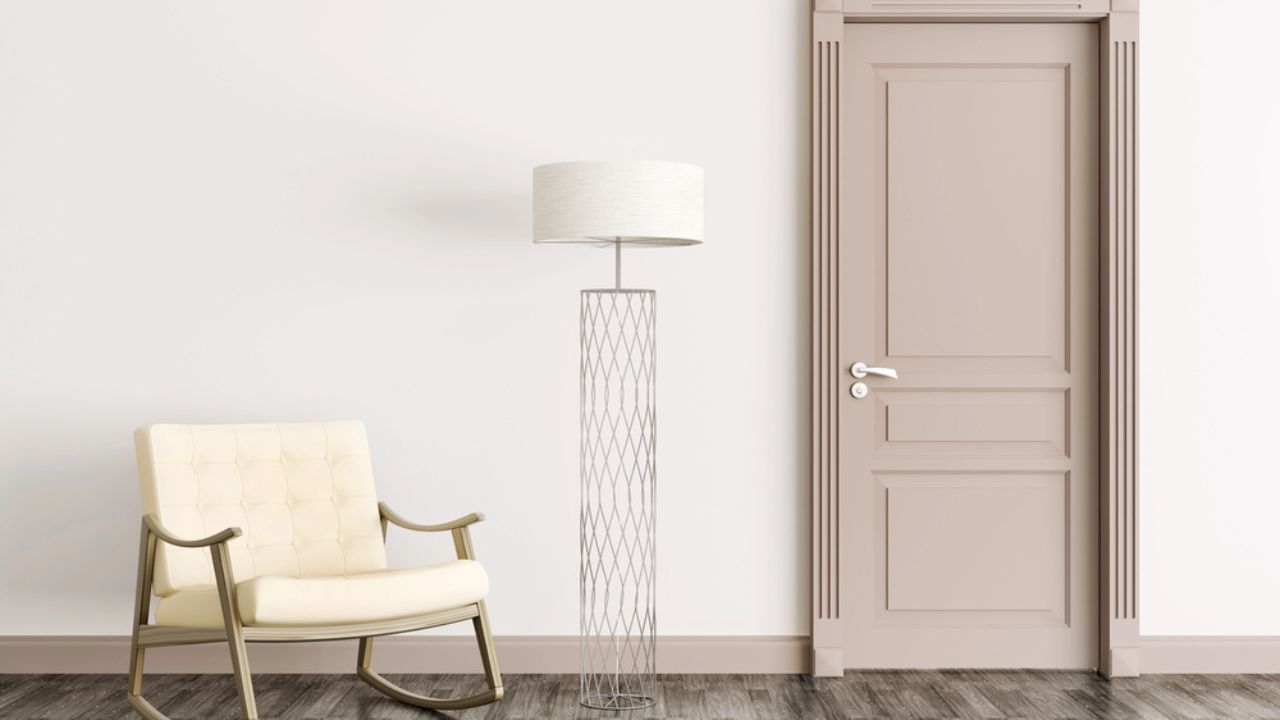
Heating an entire house can be inefficient, especially if there are rooms you rarely use. By closing the doors to guest bedrooms, storage rooms, or any other unoccupied spaces, you can concentrate the heat in the areas where you spend most of your time. This reduces the total volume of space your heating system needs to warm, allowing it to work more efficiently and maintain a comfortable temperature in your main living areas.
How to Maximize It:
- Close the vents: If you have forced-air heating, close the heating vents in the unused rooms as well.
- Use draft stoppers: Place draft stoppers at the bottom of the doors to these rooms to prevent cold air from seeping into your living space.
- Don’t completely neglect them: Periodically check on closed-off rooms to air them out and prevent mustiness.
11. Put Up Thermal Curtains

Thermal curtains are a step up from standard drapes. They are made with multiple layers of fabric and often have a foam or heavy backing designed to provide a high level of insulation. When closed, they create a formidable barrier that reduces heat loss through windows and blocks cold drafts. While they represent an initial investment, the energy savings they provide over time can be substantial.
How to Maximize It:
- Proper hanging: Hang curtains as close to the window frame as possible and ensure they extend to the floor or windowsill to create a better seal.
- Day and night routine: Open them during the day to let in sunlight and close them at night to trap heat.
- Look for a high R-value: This rating indicates the curtain’s insulating ability; a higher number means better performance.
12. Place Books Against the Walls

Your reading nook can do more than look impressive and collect dust; the books on it can serve as an extra layer of insulation along exterior walls. Lining up bookcases or stacks of thick tomes against the inside of chilly outside walls creates a buffer that slows down heat loss. The paper and air gaps between the books trap warmth, making rooms feel less drafty and more comfortable during the cold months. This method won’t turn a living room into a sauna, but every bit of insulation helps when the wind starts howling.
How to Maximize It:
- Prioritize outer walls: Place your heaviest bookcases against exterior walls, especially in rooms that feel coldest.
- Fill those shelves: A well-packed bookshelf works better at stopping drafts than a sparse one, so don’t hold back on those novels or garden encyclopedias.
- Combine with rugs and curtains: Layering methods—like using rugs on the floor and thick curtains at windows—can amplify the insulating effect, making your living space more inviting and your heating bill less of a horror story.
13. Use a Hot Water Bottle

A hot water bottle is a classic, low-tech solution for targeted warmth. Simply fill it with hot (not boiling) water, and it will provide gentle, sustained heat for up to six hours. It’s perfect for warming up your bed before you get in, placing at your feet while you work at a desk, or holding on your lap while you relax on the couch. It’s a safe and reusable alternative to electric heating pads.
How to Maximize It:
- Safety check: Before each use, inspect the bottle for any leaks or cracks. Never use boiling water, as it can damage the bottle and cause burns.
- Use a cover: Always place the hot water bottle in a fabric cover or wrap it in a towel to protect your skin from direct contact.
- Pre-warm your bed: Place it under the covers about 10-15 minutes before bedtime for a warm welcome.
14. Add Weatherstripping to Doors and Windows
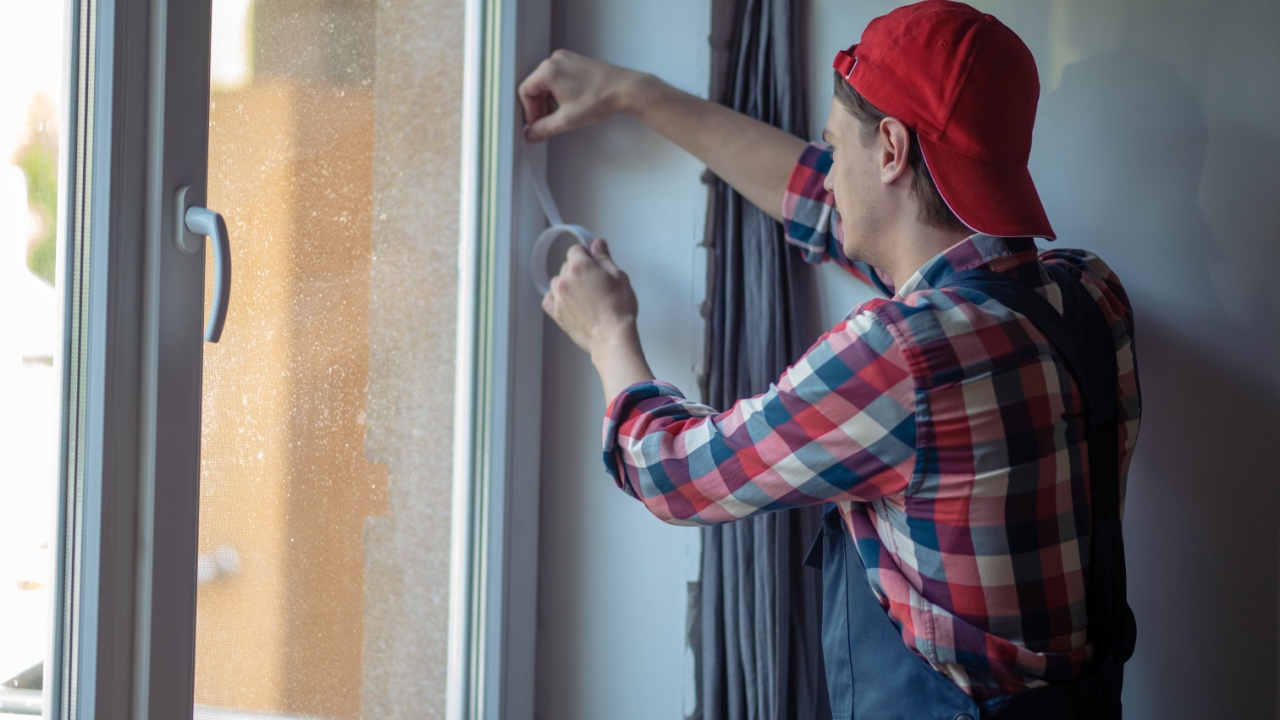
You lose up to 30 percent of heat due to small cracks and gaps around window and door frames. Applying self-adhesive foam or rubber weatherstripping is an easy and inexpensive DIY project that can seal these gaps effectively. It creates a tight seal when the door or window is closed, preventing cold air from entering and warm air from escaping. This simple fix can have a noticeable impact on both your comfort and your heating bill.
How to Maximize It:
- Inspect for gaps: On a windy day, hold a lit candle or incense stick near your windows and doors to identify where drafts are coming from.
- Clean surfaces first: Make sure the frame is clean and dry before applying the weatherstripping to get a strong bond.
- Choose the right thickness: The weatherstripping should be thick enough to seal the gap without making the door or window difficult to close.
15. Rearrange Your Furniture

The placement of your furniture can affect how warm a room feels. Large pieces of furniture, like sofas or bookcases, can block heat registers and radiators, preventing warm air from circulating freely. Take a look at your room’s layout and move any furniture that is obstructing your heat sources. Also, try to arrange your main seating areas, like your favorite armchair or the living room sofa, away from drafty windows and closer to interior walls, which are generally warmer.
How to Maximize It:
- Allow for clearance: Leave at least a few inches of space between furniture and heat vents or radiators.
- Create cozy zones: Group seating away from exterior walls and large windows to create warmer microclimates within a room.
- Use furniture to your advantage: A tall bookcase placed against a cold exterior wall can act as an additional layer of insulation.
16. Use Your Fireplace Damper Correctly

A fireplace can be a wonderful source of warmth, but it can also be a major source of heat loss when not in use. An open or leaky fireplace damper acts like an open window, allowing warm indoor air to escape up the chimney. Make sure your damper is closed tightly whenever you don’t have a fire going. If you rarely use your fireplace, consider a chimney balloon or plug to create a more airtight seal.
How to Maximize It:
- Check the seal: Look up into the flue with a flashlight to make sure the damper is closing completely.
- Remember to open it: Always open the damper before starting a fire to prevent smoke from filling the room.
- Consider a chimney plug: For a long-term solution in an unused fireplace, an inflatable chimney plug is an effective way to stop drafts.
Stay Warm
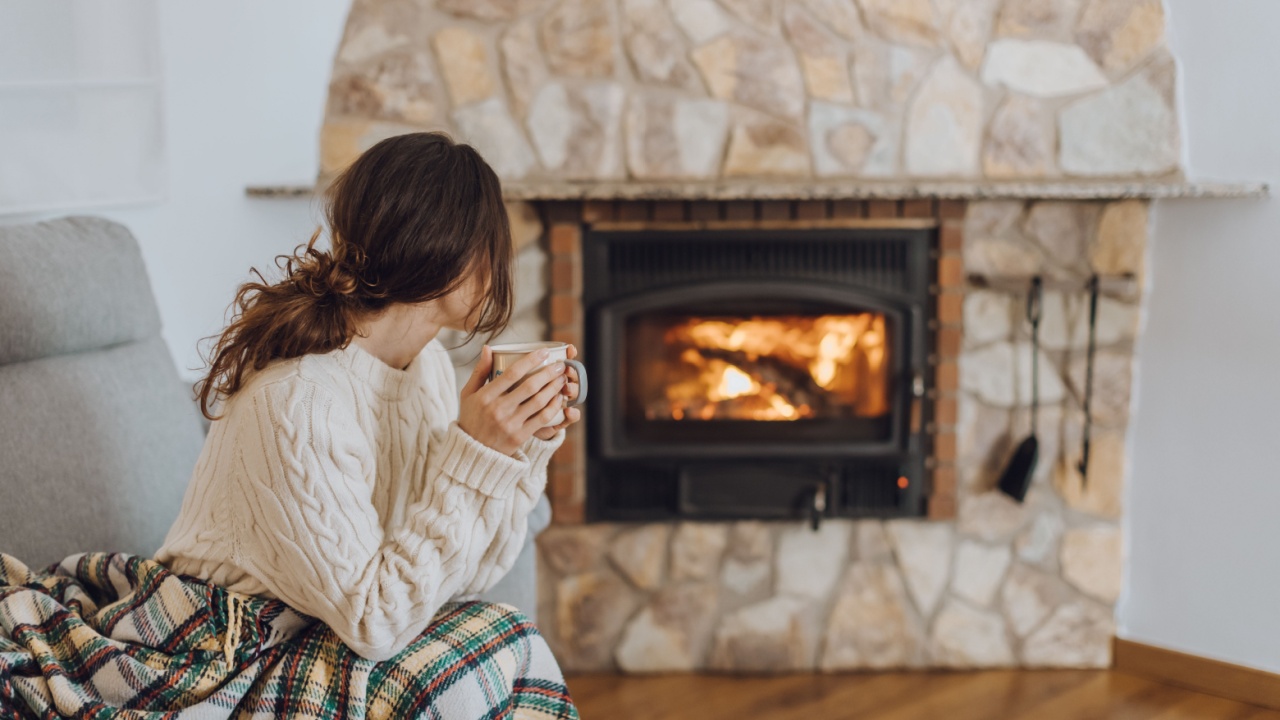
You can stay warm in the winter and still save big on energy. By incorporating these frugal strategies, you can significantly enhance your home’s comfort while keeping your energy costs under control. The best approach is to combine several of these methods for a layered defense against the cold.
Which one is the easiest and most affordable fix? Do it. Check your home for drafts and seal them with weatherstripping or draft stoppers. Make a habit of using your curtains to your advantage, letting the sun in during the day and trapping heat at night. Then, consider adding extra layers to your home and yourself with rugs, thermal curtains, and warm clothing. Each small change contributes to a warmer, more energy-efficient home, without incurring high costs.