18 Simple Ways to Save Big on Energy
It feels like every utility bill arrives with a small, unwritten note that just says, “Gotcha!” Energy costs are an unavoidable part of modern life, but high energy costs aren’t. Your home has considerable potential for savings.
You can lower your monthly bill without sacrificing modern comforts or living in the dark. What you need is to make smart, targeted improvements that stop energy from slipping through the cracks. From your attic to your basement, there are countless opportunities to make your home more efficient.
Here are some straightforward ways to cut down on energy consumption without upending your life.
1. Upgrade Your Lighting

Switching from old incandescent bulbs to compact fluorescent lamps (CFLs) or light-emitting diodes (LEDs) is one of the fastest ways to reduce electricity use. These modern bulbs use significantly less energy to produce the same amount of light and last much longer.
An LED bulb, for example, uses up to 75% less energy and can last 25 times longer than a traditional bulb. This means fewer trips to the store and less money spent on both bulbs and the electricity to power them.
At a Glance:
- How to do it: Begin by replacing the bulbs in your most-used fixtures, like in the kitchen or living room.
- Next steps: As old bulbs burn out, replace them with ENERGY STAR-certified LEDs to maximize savings. Check local utility programs for rebates on bulk purchases.
2. Automate Your Lights
Forgetting to turn off lights is a common energy-waster. Installing smarter switches, dimmers, or motion sensors automates the process, so lights are only on when needed.
Motion sensors are perfect for areas where you pass through, like hallways, laundry rooms, and closets. Dimmers allow you to adjust brightness, saving energy and setting a mood. Smart switches connect to your phone, letting you control lights remotely or set schedules.
At a Glance:
- How to do it: Identify rooms where lights are frequently left on by mistake. Start by installing a motion sensor in a hallway or a dimmer in the dining room.
- Next steps: Consider a whole-home smart lighting system for ultimate control, allowing you to create schedules that match your daily routine.
3. Seal Attic Air Leaks

Warm air rises, and if your attic isn’t properly sealed, that expensive heated air will escape right through the roof. Small gaps around light fixtures, plumbing vents, and attic hatches can add up to significant heat loss. Sealing these leaks prevents conditioned air from escaping in the winter and hot attic air from entering in the summer.
At a Glance:
- How to do it: Use caulk to seal small gaps and expanding foam sealant for larger ones around pipes and vents. Install weatherstripping around the attic access door.
- Next steps: After sealing, check your attic insulation levels. Many homes are under-insulated, and adding more can amplify your energy savings.
4. Choose Efficient Appliances

When it’s time to replace a major appliance like a refrigerator, dishwasher, or washing machine, look for the ENERGY STAR label. These products are certified to meet strict energy efficiency guidelines set by the U.S. Environmental Protection Agency.
Energy Star-certified appliances use 10–50% less energy and water than standard models, saving the average household $300–$600 per year while reducing greenhouse gas emissions. These efficiency gains make them one of the most cost-effective upgrades for lowering utility bills and environmental impact.
At a Glance:
- How to do it: Before you shop, check the ENERGY STAR website for lists of the most efficient models in your desired category.
- Next steps: Always consider the “second price tag”—the annual cost to operate the appliance—when making a purchase decision.
5. Get a Smarter Thermostat

A programmable or smart thermostat is a powerful tool for managing your heating and cooling costs, which account for a huge portion of your energy bill. These devices allow you to set temperature schedules that automatically adjust when you’re away or asleep.
Smart thermostats go a step further by learning your habits and adjusting temperatures for you. Many can also be controlled from your smartphone, giving you the power to turn down the heat from anywhere if you forgot before leaving the house.
At a Glance:
- How to do it: Install a programmable thermostat and set a schedule that reduces heating or cooling by 7-10 degrees for eight hours a day.
- Next steps: For maximum savings, upgrade to a smart thermostat. Some models even provide detailed energy usage reports to help you find more ways to save.
6. Insulate Your Ducts
If you have an HVAC system with ducts running through unconditioned spaces, such as a crawl space or attic, it may be losing a significant amount of conditioned air. Leaky or uninsulated ducts can lose up to 30% of the air that passes through them.
Insulating and sealing your ductwork keeps the air inside at the desired temperature until it reaches the vents. This simple fix helps your system heat and cool your home more effectively and with less wasted energy.
At a Glance:
- How to do it: Inspect ducts for visible tears or gaps, particularly at the joints. Use mastic sealant or metal-backed tape to seal leaks, then wrap the ducts in insulation.
- Next steps: A professional energy auditor can perform a duct blaster test to pinpoint hidden leaks and quantify the total air loss.
7. Add Wall Insulation

Many older homes lack adequate wall insulation, making them drafty and expensive to heat and cool. Adding insulation to your walls creates a thermal barrier that slows the movement of heat.
Properly insulated walls keep your home warmer in the winter and cooler in the summer, dramatically reducing the workload on your HVAC system. This results in a more comfortable living space and lower energy bills year-round.
At a Glance:
- How to do it: The easiest method for existing homes is to have a professional inject blow-in insulation into the wall cavities.
- Next steps: While you can check for insulation by removing a power outlet cover, a professional energy audit with an infrared camera can reveal exactly where your home is losing heat.
8. Manage Your Water Heater
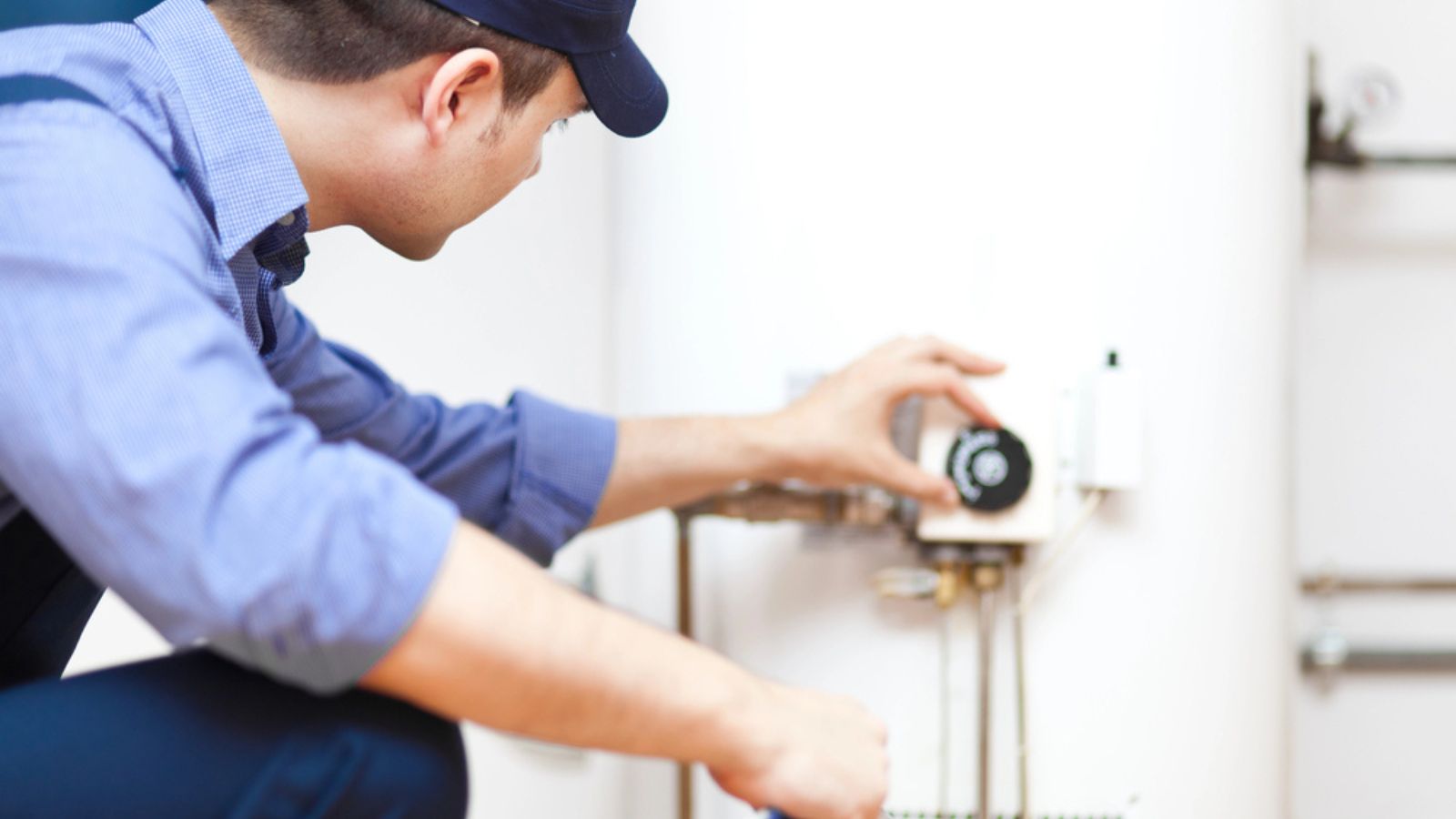
Your water heater is another major energy consumer. You can reduce its consumption by setting it to the right temperature and controlling when it operates. Many heaters are set to 140°F by default, but 120°F is hot enough for most households.
Installing a timer on an electric water heater prevents it from running all night or while you’re at work. This ensures you have hot water when you need it without paying to keep it hot 24/7.
At a Glance:
- How to do it: Find the temperature dial on your water heater and lower it to 120°F. For an electric model, have an electrician install a timer.
- Next steps: Consider wrapping your water heater in an insulating blanket to further reduce standby heat loss.
9. Weatherstrip Your Doors

Gaps around exterior doors are like open invitations for outside air to come in. A simple inspection can reveal light creeping in around the edges, indicating a poor seal.
Applying weatherstripping to the door frame and adding a door sweep at the bottom creates a tight seal against drafts. This is a low-cost, high-impact project that immediately makes your home feel more comfortable and reduces heating and cooling costs.
At a Glance:
- How to do it: Purchase self-adhesive foam or vinyl weatherstripping and apply it to the top and sides of the door jamb. Screw a door sweep onto the bottom of the door.
- Next steps: Check the seals annually, especially before winter, as weatherstripping can wear out and compress.
10. Maintain Your HVAC System
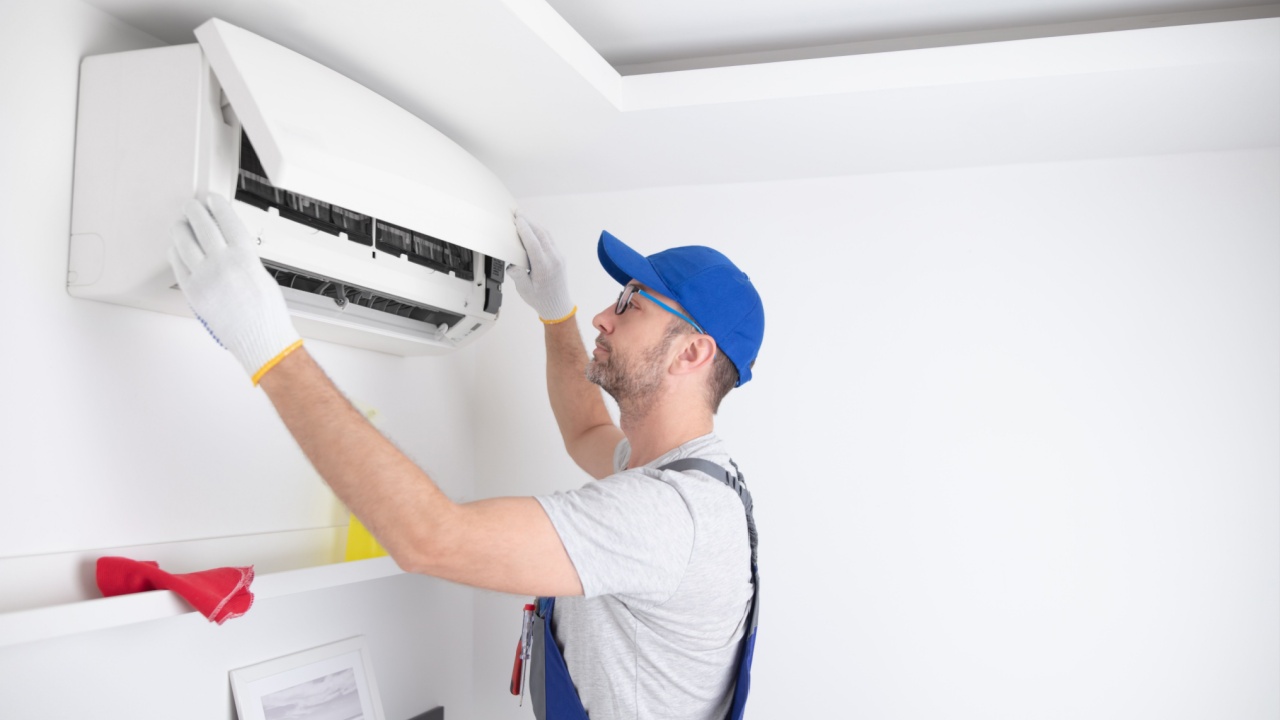
Your furnace and air conditioner need regular tune-ups to operate at peak efficiency. A neglected system has to work harder, using more energy to produce the same results.
Annual professional maintenance includes cleaning coils, checking refrigerant levels, and testing components. A clean filter is also crucial; a clogged filter restricts airflow and strains the system.
At a Glance:
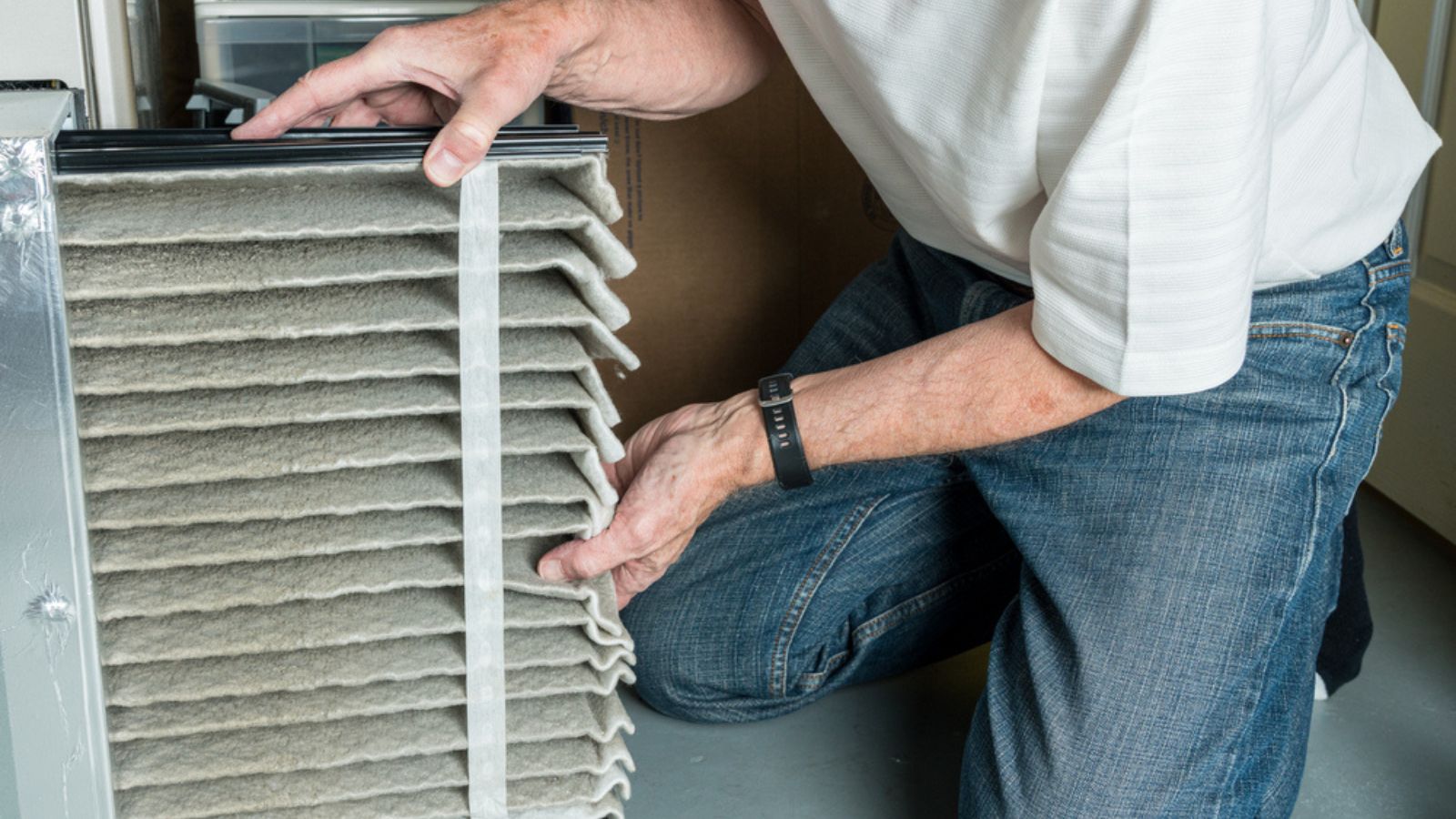
- How to do it: Schedule a professional tune-up for your A/C in the spring and your furnace in the fall. Change or clean your filters every one to three months.
- Next steps: Sign up for an annual maintenance plan with a local HVAC company, which often includes discounts and priority service.
11. Slay Phantom Energy Use

Many electronics continue to draw a small amount of power even when they are turned off. This “phantom load” can account for up to 10% of your electricity bill. Devices with digital displays, remote controls, or external power adapters are common culprits.
Plugging devices like your TV, computer, and gaming consoles into a power strip allows you to cut off their power completely with a single switch. This is a simple habit that stops phantom energy waste in its tracks.
At a Glance:
- How to do it: Group electronics onto a power strip and flip the switch off when they are not in use, especially overnight.
- Next steps: For convenience, look into smart power strips that can be controlled remotely or automatically shut off devices in standby mode.
12. Clean Your Dryer Duct

A clogged dryer duct is a double tragedy: It’s a fire hazard, and it also wastes energy. Lint buildup restricts airflow, forcing your dryer to run longer to dry your clothes. Cleaning your dryer ducts is a home maintenance item you cannot afford to forget.
Cleaning the duct from the back of the dryer to the outside vent at least once a year improves efficiency and safety. Your clothes will dry faster, and your dryer will use less energy per load.
At a Glance:
- How to do it: Disconnect the duct from the dryer and use a special brush kit to clear out lint and debris from the entire length of the vent pipe.
- Next steps: Make it a habit to clean your dryer’s lint trap after every single load to maintain good airflow.
13. Seal Your Fireplace

An open fireplace damper is like leaving a window wide open, allowing heated air to escape up the chimney. If you rarely use your fireplace, it could be a major source of energy loss.
Closing the damper when the fireplace is not in use is the first step. For a seldom-used chimney, a more permanent seal, like an inflatable chimney balloon, can provide a tighter barrier against drafts.
At a Glance:
- How to do it: Confirm the damper is closed after each use. For a long-term solution, measure your flue and purchase an appropriately sized chimney plug.
- Next steps: If you have an older, inefficient open-hearth fireplace, consider installing a fireplace insert to improve its heating ability and reduce air leakage.
14. Use Storm Windows

Storm windows are a superb way to improve the energy efficiency of older, single-pane windows. They create an extra layer of insulation, reducing heat loss in the winter and heat gain in the summer.
By adding a second pane of glass and an insulating air gap, storm windows can reduce heat loss by up to 50%. This makes rooms more comfortable and cuts down on your heating bills.
At a Glance:
- How to do it: Install exterior or interior storm windows that fit snugly over your existing windows. For a temporary fix, use a window insulator kit with plastic film.
- Next steps: When it’s time to replace windows, choose double or triple-pane ENERGY STAR-rated models for the best long-term performance.
15. Wrap Hot Water Pipes
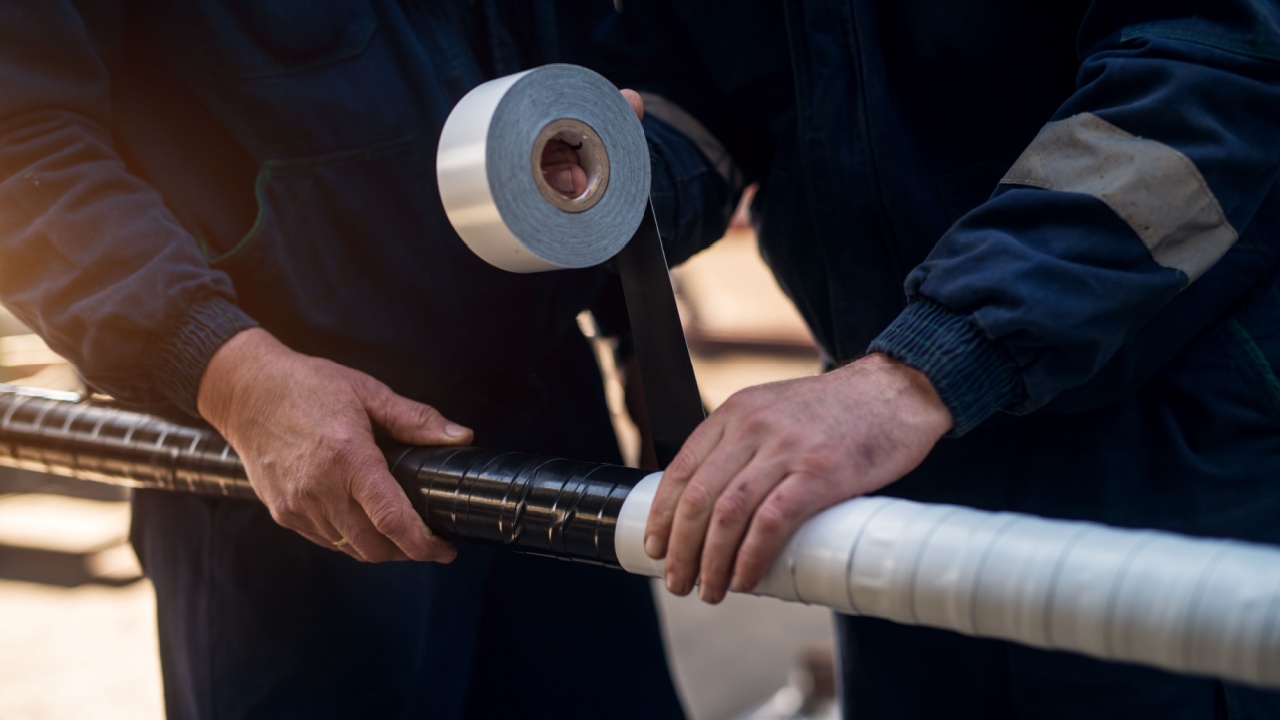
Uninsulated hot water pipes running through unheated areas like basements or crawl spaces lose heat as the water travels to your faucet. This means you have to run the water longer to get it hot, wasting both water and energy.
Wrapping these pipes in foam insulation is an easy and inexpensive project that keeps the water hotter for longer. You’ll get hot water faster at the tap and reduce the workload on your water heater.
At a Glance:
- How to do it: Purchase foam pipe sleeves from a hardware store. Cut them to size and fit them over the first six feet of hot and cold water pipes connected to the water heater.
- Next steps: Continue insulating all accessible hot water pipes throughout your home for maximum effect.
16. Install a Radiant Barrier

In hot climates, the sun beating down on your roof can turn your attic into an oven, radiating heat down into your living space. A radiant barrier is a highly reflective material that blocks this heat transfer.
Installed on the underside of your roof deck, a radiant barrier can reflect up to 97% of the sun’s radiant heat. This keeps your attic cooler, reducing the strain on your air conditioning system and lowering cooling costs.
At a Glance:
- How to do it: Staple the radiant barrier material to the underside of the roof rafters. This is a job best suited for a professional or an experienced DIYer.
- Next steps: A radiant barrier works best when combined with proper attic ventilation to carry away the heat it blocks.
17. Zone Your HVAC System

Zoned heating and cooling allows you to control the temperature of different areas of your home independently. Why heat or cool an empty guest room to the same temperature as the living room you’re sitting in?
By installing dampers in your ductwork that are controlled by separate thermostats, you can direct conditioned air only where it’s needed. This prevents energy waste and provides customized comfort for everyone in the house.
At a Glance:
- How to do it: This is a complex project that typically requires a professional HVAC contractor to retrofit your existing system.
- Next steps: If a full zoning remodel is too much, you can achieve a similar effect with smart vents that open and close based on room occupancy or thermostat settings.
18. Insulate Your Garage Door
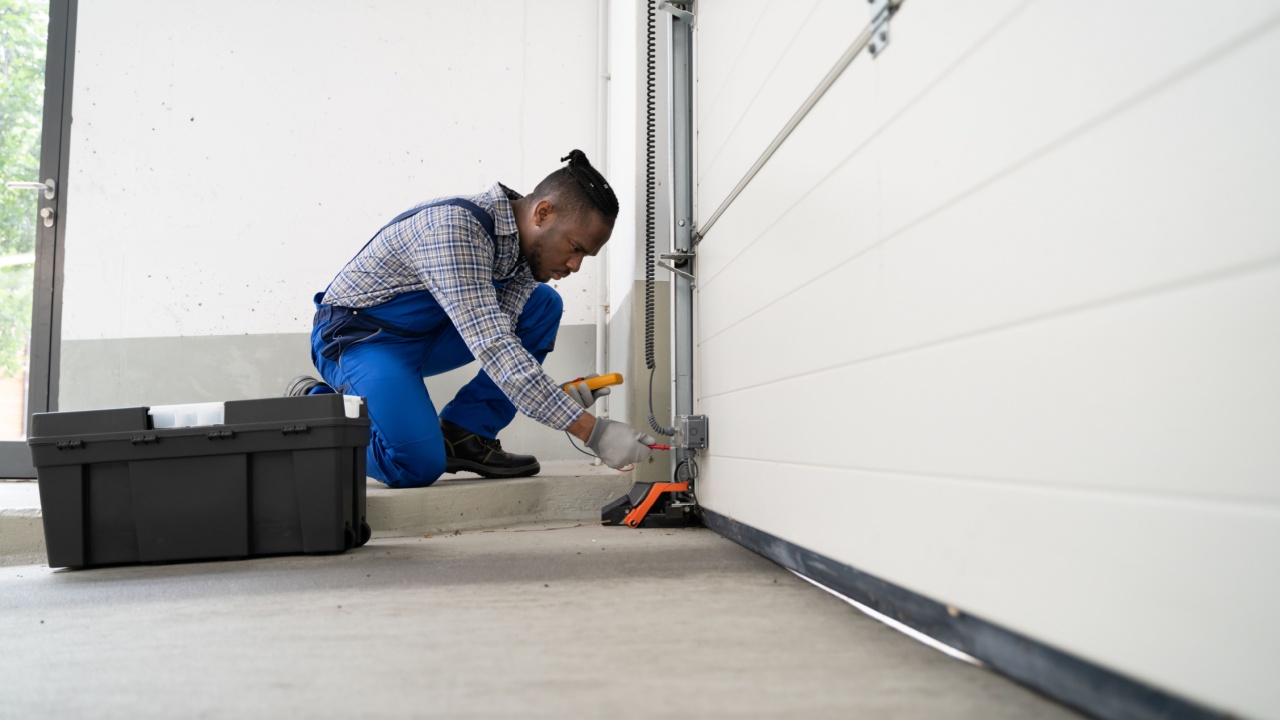
An uninsulated garage door, especially on an attached garage, can be a major source of heat loss and gain for your home. It’s a huge, uninsulated surface that can make adjacent rooms uncomfortable and drive up energy bills.
Adding insulation panels to your garage door can improve its thermal resistance significantly. This simple upgrade helps regulate the temperature in the garage and reduces the amount of outside heat or cold that seeps into your home.
At a Glance:
- How to do it: Purchase a garage door insulation kit, which comes with pre-cut foam or fiberglass panels that fit into the sections of your door.
- Next steps: Don’t forget to add weatherstripping to the bottom and sides of the garage door to seal air gaps.
One Step at a Time

Tackling energy efficiency doesn’t have to be an all-or-nothing effort. The best approach is to start with the projects that offer the most impact for the least effort. Inspect your home for obvious drafts around windows and doors, or maybe replace those old light bulbs.
For a more strategic plan, consider a professional home energy audit. An auditor can use specialized tools to pinpoint exactly where your home is losing the most energy, giving you a customized roadmap for improvements. They can help you prioritize projects, guaranteeing your investments deliver the biggest savings.