6 DIY Materials Sitting Around to Finally Toss
Every home improvement project ends with a familiar scene: a collection of leftover materials. There’s a certain satisfaction in surveying your little hoard of scraps and extras. It feels responsible, like you’re prepared for any future repair. But this collection of project ghosts can quickly turn from a source of preparedness into a mountain of clutter, quietly taking over spaces in your attic, garage, or basement.
While saving a few things makes sense, many of those remnants degrade, become unsafe, or simply take up valuable space. It is time to lovingly release these materials back into the wild, or at least into the appropriate disposal bin. Letting go of that half-empty tube of caulk or those questionable flooring scraps is a declaration that your garage is for your car, not a museum of DIY projects past.
You will most likely not need these six 6 DIY materials again.
1. Leftover Flooring and Carpet Scraps

Keeping extra flooring seems logical. After all, having spare planks or tiles for future repairs is just smart planning. But it rarely works out that way. The moment you start living on your new floor, it’s exposed to sunlight, foot traffic, and the subtle shifts of your house. The spare pieces, tucked away in a dark garage, remain pristine. When you eventually need to replace a damaged board, that brand-new spare will stick out against your beautifully aged flooring.
Beyond the matching issue, storing old carpet is a hazard. It can conceal tack strips with sharp, upturned nails, creating a risk for anyone handling them. When stored in a garage or shed, old carpet becomes an inviting home for pests. It’s best to discard these.
Quick Guide:
- Why Toss It: Flooring scraps rarely match the color and wear of your installed floor after time. Carpet remnants can contain dangerous tack strips and harbor pests or mold.
- The Risk: Mismatched repairs look obvious and unappealing. Stored carpet can cause injury from hidden nails or health issues from mold.
- What to Do: For small, clean carpet scraps, consider using them for projects like cat scratching posts or protective pads under furniture. For larger pieces or flooring, check with local recycling centers. Many facilities accept specific types of flooring and carpet for recycling. Otherwise, dispose of them according to your local waste management guidelines.
2. Old and Half-Used Paint Cans
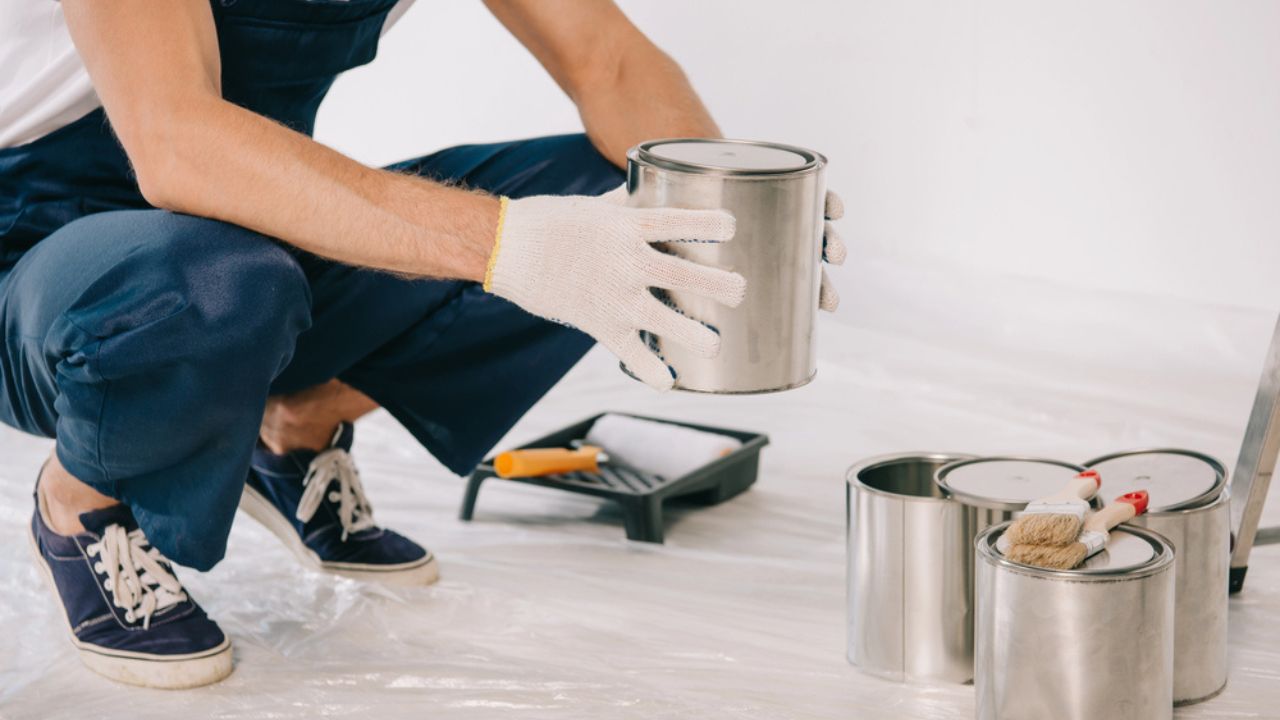
That pyramid of paint cans in the corner of your garage is a monument to past color choices. It is tempting to keep them, especially the almost-full ones, for touch-ups. However, a large can of latex paint, once opened, has a limited lifespan. Even if sealed tightly, air gets trapped inside, causing the paint to separate, thicken, or develop a skin on top. When you finally reopen it, you might be greeted by a foul, sour smell, which is a clear sign that bacteria have done their work and the paint is unusable.
Applying bad paint can result in a poor finish and a lingering odor. Unopened cans are not immune either; extreme temperatures in a garage or shed can ruin the paint’s consistency over time, rendering it lumpy and useless. Instead of saving gallons of potential touch-up paint that may fail you when you need it most, it is more practical to save only a small amount in an airtight container. Keep the paint swatch or a digital photo of the can’s label with the color code. This way, you can get a fresh, perfectly matched quart mixed when you actually need it.
Quick Guide:
- Why Toss It: Paint degrades over time, especially after being opened. It can separate, harden, or become smelly and unusable.
- The Risk: Using old paint results in a poor finish, clumpy application, and potential lingering odors.
- What to Do: Dispose of latex paint responsibly. If there is a small amount left, open the can and let it dry out completely before discarding it. You can speed this up by adding cat litter or a paint hardener. Oil-based paints are considered hazardous waste and must be taken to a designated disposal facility.
3. Dried-Out Caulk and Pre-Mixed Compounds
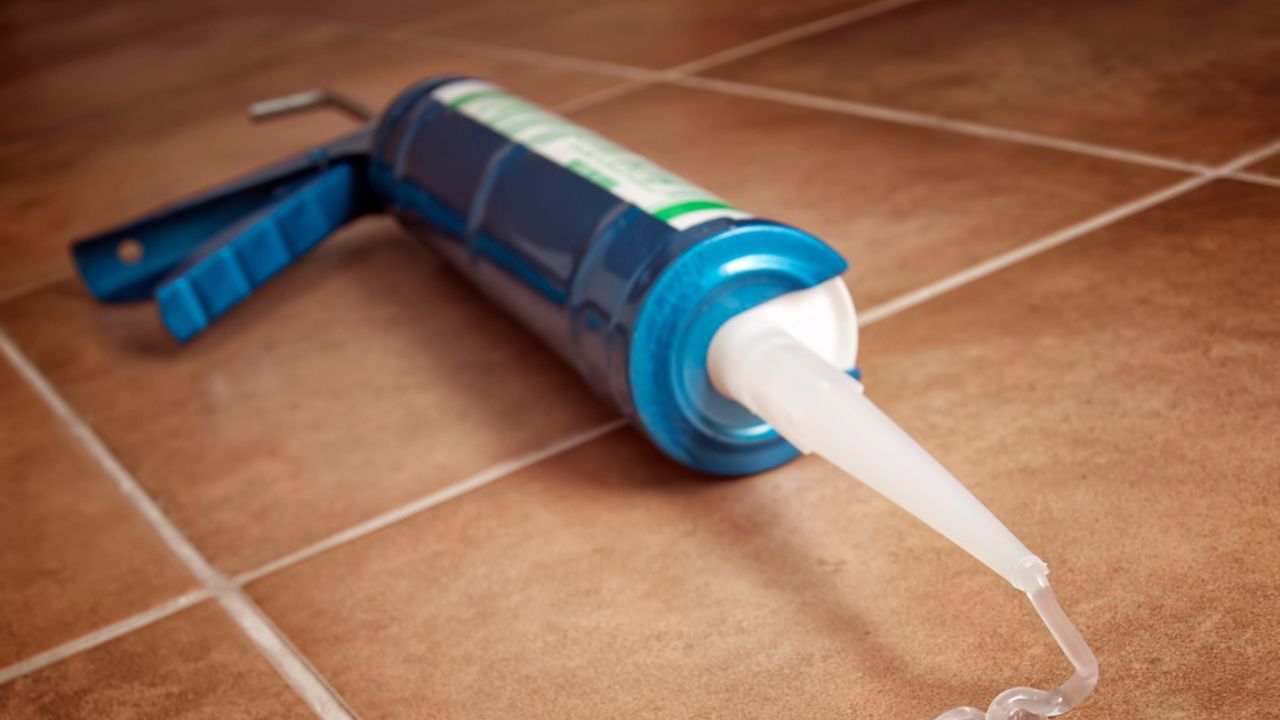
Home improvers know the struggle: once a tube of caulk is opened, it’s destined to become a useless solid plug. Despite efforts to seal it with a nail or tape, air sneaks in, and the smooth sealant you need hardens into an unsqueezable mess. Using dried-out caulk is futile and often creates more mess. Similarly, pre-mixed compounds like grout or drywall mud have limited shelf lives. Once opened, moisture evaporates, hardening the product. Mold can also grow on the surface, making it unusable.
These products are meant for immediate use, as their chemical balance is compromised when exposed to air. Old, hardened compounds won’t bond properly, leading to weak drywall patches or crumbling grout that fails over time. Trying to save money by reviving old materials often results in poor results and wasted effort.
Quick Guide:
- Why Toss It: Once opened, these products dry out and harden, losing their adhesive and pliable properties. They can also grow mold.
- The risk: Using old compounds leads to weak bonds, crumbling repairs, and potential health concerns from mold.
- What to Do: For opened caulk, accept its fate and dispose of the hardened tube. For pre-mixed compounds, scrape the container clean and recycle the plastic tub if possible. The dried compound itself can typically be thrown in the regular trash.
4. Old Electrical Wire and Used Pipes
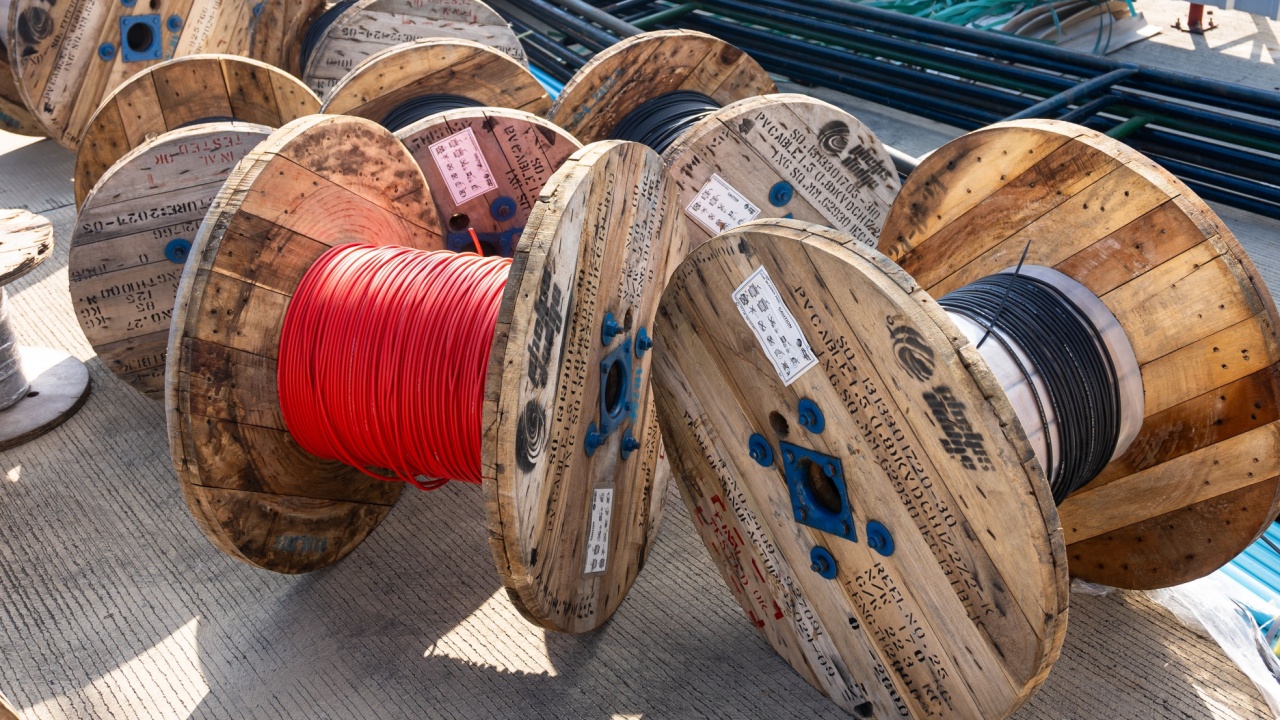
In a dusty corner of your garage, you might have some leftover electrical wire or a few pipes from that last bathroom remodel. They feel too useful to toss, right? Wrong. Electrical codes are always changing, and that leftover wire might not be up to snuff. This is especially true for aluminum wiring, common in homes from the 60s and 70s, which is a known fire risk because it can overheat. Even newer copper wire can get damaged when it’s pulled out, creating a hidden hazard. Your home’s electrical system isn’t the place to play fast and loose.
The same goes for old plumbing pipes. The pipes from under your sink have seen things, gross things. They spend their lives dealing with grime, soap scum, and bacteria. Even after a good rinse, they can still hide nasty buildup. Reusing them is not only unhygienic but also a great way to introduce clogs and weird smells to your new plumbing. New pipes are cheap, so give yourself a fresh, clean start.
Quick Guide:
- Why Toss It: Old wiring may not meet current safety codes and can be a fire hazard. Used waste pipes are unhygienic and can contain hidden buildup.
- The Risk: Reusing old wire can lead to electrical fires. Reinstalling old pipes can cause clogs, bad smells, and unsanitary conditions.
- What to Do: Copper wire and metal pipes can often be sold for scrap at a metal recycling facility. Check with your local scrapyard for their policies. Plastic pipes should be disposed of with your regular household trash.
5. Compromised Insulation
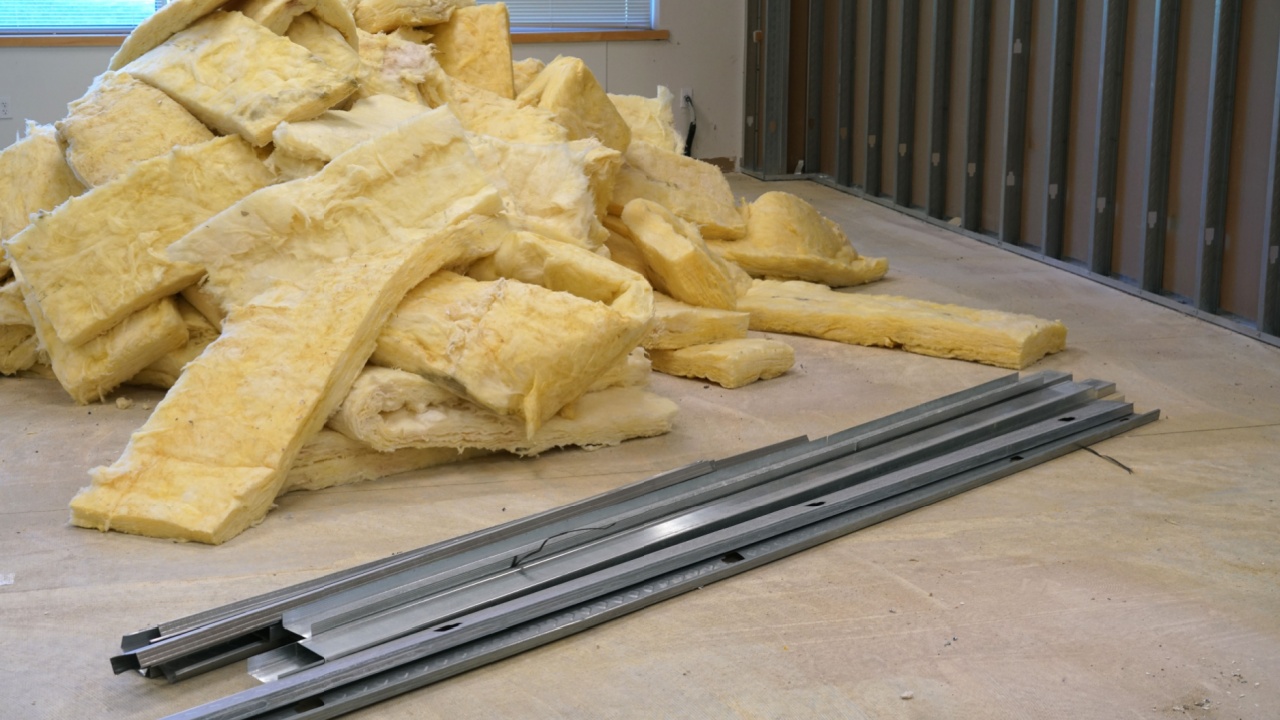
When you remove a section of wall, you might find that the batt insulation inside looks perfectly fine. It seems wasteful to throw away a large, fluffy piece of material that appears to be in good condition. However, insulation that has been sitting inside a wall cavity for years has been exposed to more than you can see.
It can accumulate dust, allergens, and moisture. This creates a welcoming environment for mold growth and can become a nesting ground for pests. Once insulation is compressed or torn during removal, its insulating properties, or R-value, are diminished. Reinstalling it will not provide the same level of thermal performance.
Quick Guide:
- Why Toss It: Removed insulation can harbor hidden mold, pests, dust, and moisture. Its insulating R-value is often compromised once it has been compressed or torn.
- The Risk: Reusing old insulation can introduce allergens and mold into your home and will likely result in subpar thermal performance.
- What to Do: Handling insulation requires care. Wear gloves, a mask, and long sleeves. Most residential insulation can be bagged and disposed of with regular trash, but check your local regulations, especially for older types like vermiculite, which could contain asbestos.
6. Potentially Hazardous Materials
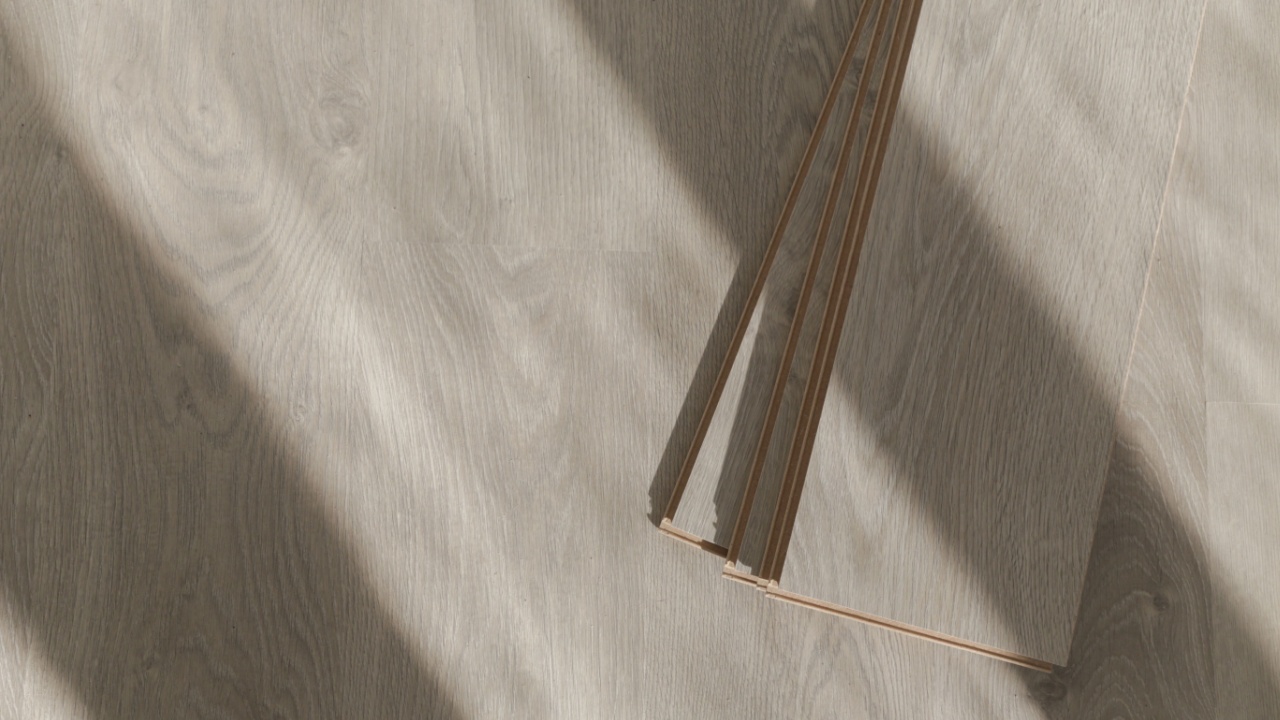
Some older building materials are best left undisturbed, let alone saved for a future project. Renovating older homes can unearth materials that were common back in the day but are now known to be hazardous. This includes certain types of vinyl flooring, ceiling tiles, siding shingles, and insulation that may contain asbestos, as well as the ever-popular lead paint.
These materials aren’t dangerous when they’re intact. The problem starts when they’re cut, sanded, or broken, releasing harmful fibers or dust into the air. Keeping scraps of this stuff around is a huge risk; you might forget what they are, and a future DIY project could lead to accidental exposure.
If you think you’ve found asbestos or lead-based materials, stop work immediately and call a professional abatement company. They can test the materials and handle proper removal and disposal. Saving a few old vinyl tiles isn’t worth risking your family’s health.
Quick Guide:
- Why Toss It: Older building materials can contain hazardous substances like asbestos or lead, which are dangerous when disturbed.
- The Risk: Inhaling asbestos fibers or lead dust can cause serious, long-term health problems. Storing these materials creates a risk of future accidental exposure.
- What to Do: Do not handle or dispose of these materials yourself. Contact a licensed professional for testing and abatement. They will follow strict safety protocols for removal and ensure the materials are taken to a designated hazardous waste facility.
Ditch It All Now
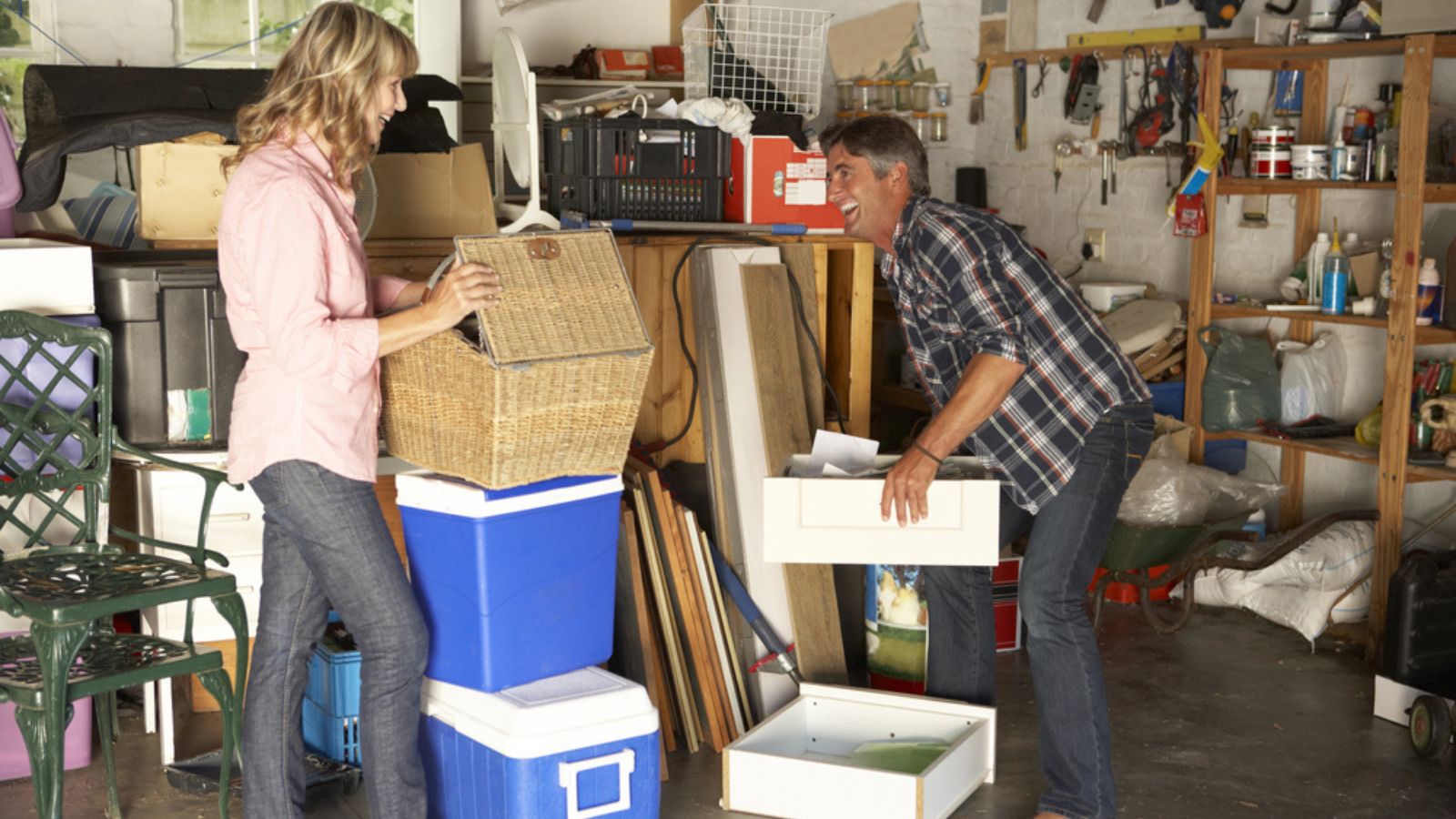
Clearing out the clutter of DIY leftovers is more than just a tidying exercise. You are getting rid of things that could potentially harm you and your family. Your storage space is valuable, and it should be reserved for things that are truly useful, not for items that have passed their prime or pose a potential risk. Take an afternoon to audit your collection of project remnants.
Be honest about what you will actually use and what is simply taking up space. Properly dispose of or recycle what you do not need.