
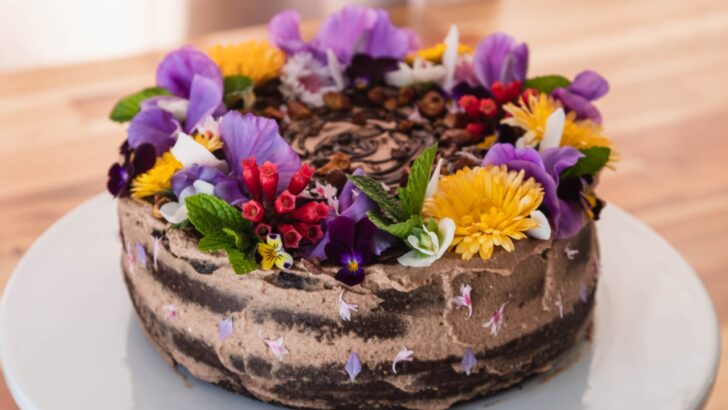
I often wonder if flowers from my gardens are edible, as I’m sure many others do. And to my surprise, many of the blooms from the vegetables, herbs, and flowers are not only OK to eat, but they taste delicious and add a pop of color to our meals. So, today I’ll share a list of flowers you can eat.
IMPORTANT! NEVER eat any flower you are not 100% sure is OK to eat. Do your due diligence before attempting to ingest any flower, no matter how appealing it is.
How To Use Edible Flowers
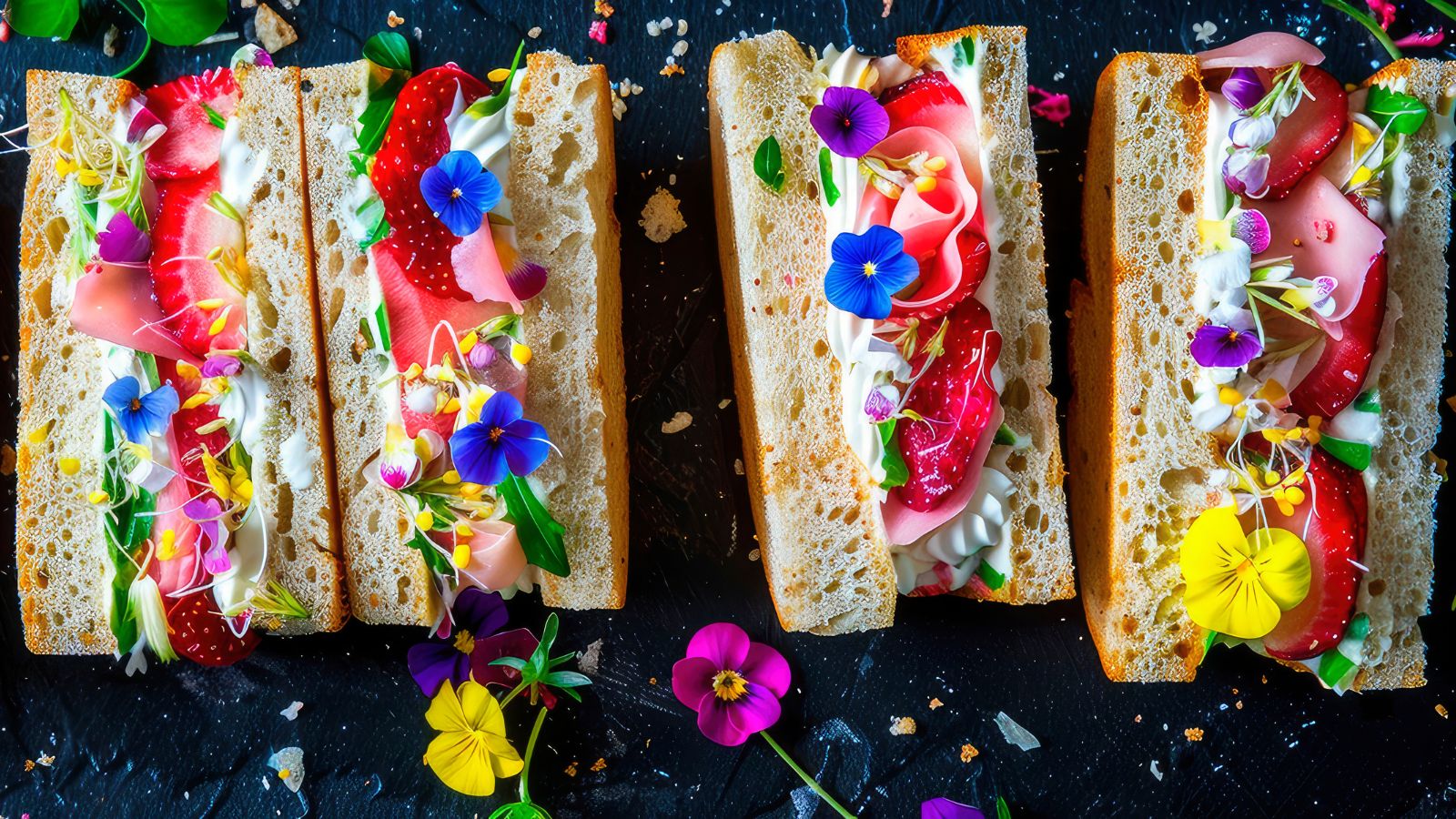
Image credit: YAY Images.
While you can always eat the flowers raw, as soon as you pick them, there are many ways to use edible flowers. Here are a few suggestions to get you started:
- add them to fresh salads (nasturtium, pansy, cucumber, bee balm, dandelion, rose)
- make tea (hibiscus, mint, linden, elder flowers, chamomile, etc.)
- add to cooked food as a spice (sage mustard, nasturtium)
- decorate cakes and desserts (rose, Johnny jump up, honeysuckle, lavender, violets, clover, and more)
- make flavored oils and vinegars (thyme, oregano, calendula, peppermint, sage, rosemary, etc.)
- use them in flavored water (rose, lilac, lavender, hibiscus, and more) and other refreshing drinks
- make pretty ice cubes
- pickle them (magnolia, nasturtium, garlic chives)
- stuff them (zucchini blossoms, lilies, tulips)
- make popsicles (pansies are perfect for this!)
- add them to sauces (rosemary, thyme, chives, oregano, etc.)
- make candied petals (roses)
As you can see, edible flowers can be used in savory dishes, desserts, ice creams, green salads, fruit salads, salad dressings, and as a garnish for soups. Here’s a list of 13 recipes using edible flowers.
List of Edible Flowers- Broccoli Flowers
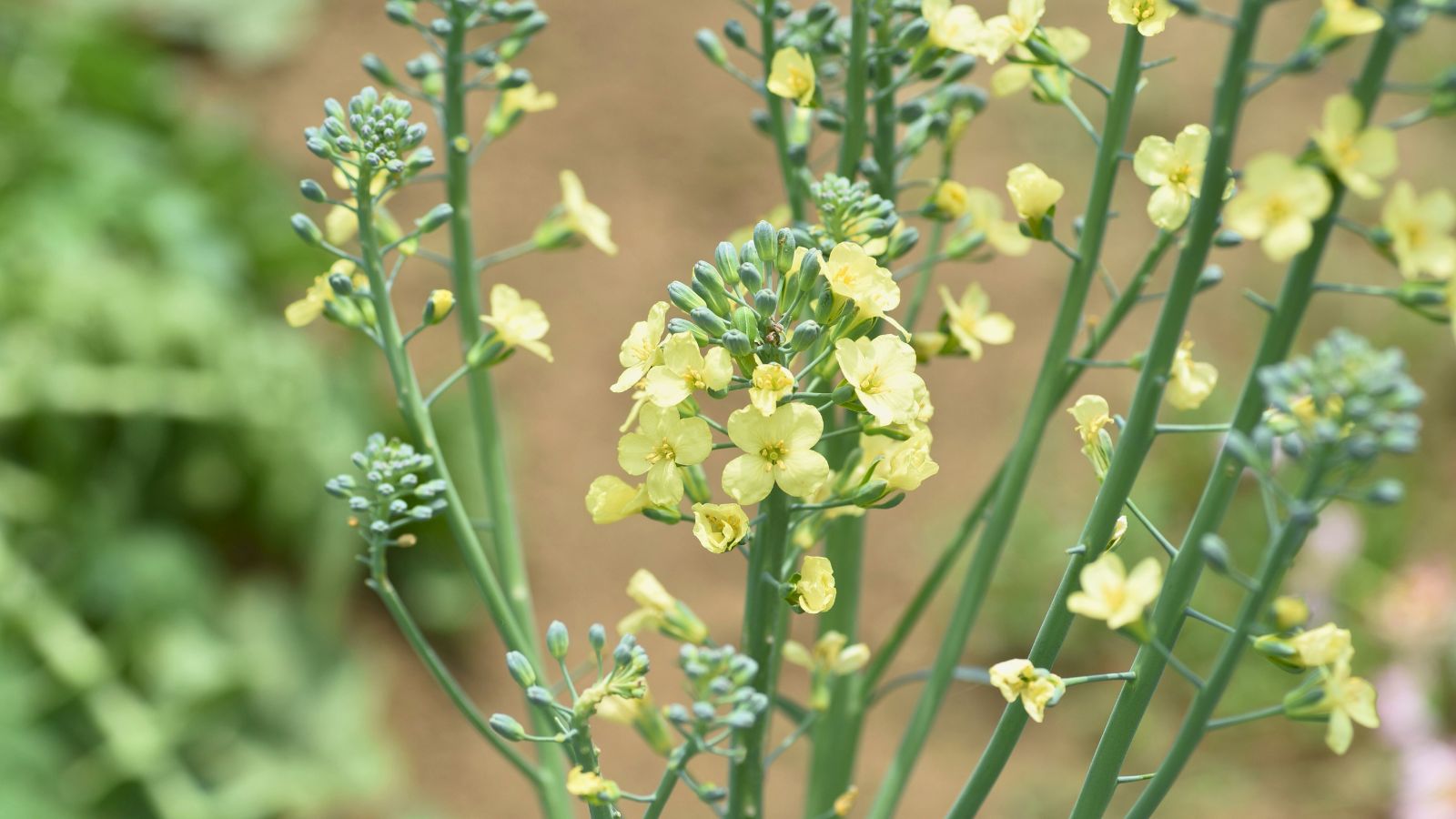
Image Credit: Depositphotos.com.
If your broccoli plant is beginning to bolt and small, bright yellow flowers are beginning to pop up, you might think you missed your opportunity to at your homegrown broccoli. But don’t worry: its flowers are edible.
Basil Flowers

Image credit: Backyard Garden Lover.
When summer is in full swing, basil will bolt quickly, but all is not lost. Basil flowers are just as tasty as the leaves. If you got too busy and all of a sudden realized your basil plants have all bloomed, you’ll love the ideas below on how to use basil flowers.
Rosemary Flowers

Image Credit: Depositphotos.com.
Are rosemary flowers edible? Absolutely! They’re also quite delicious. From tea to recipes to salads, rosemary blossoms can liven up your home and table.
Here are 10 creative ways to use rosemary flowers.
Oregano Flowers
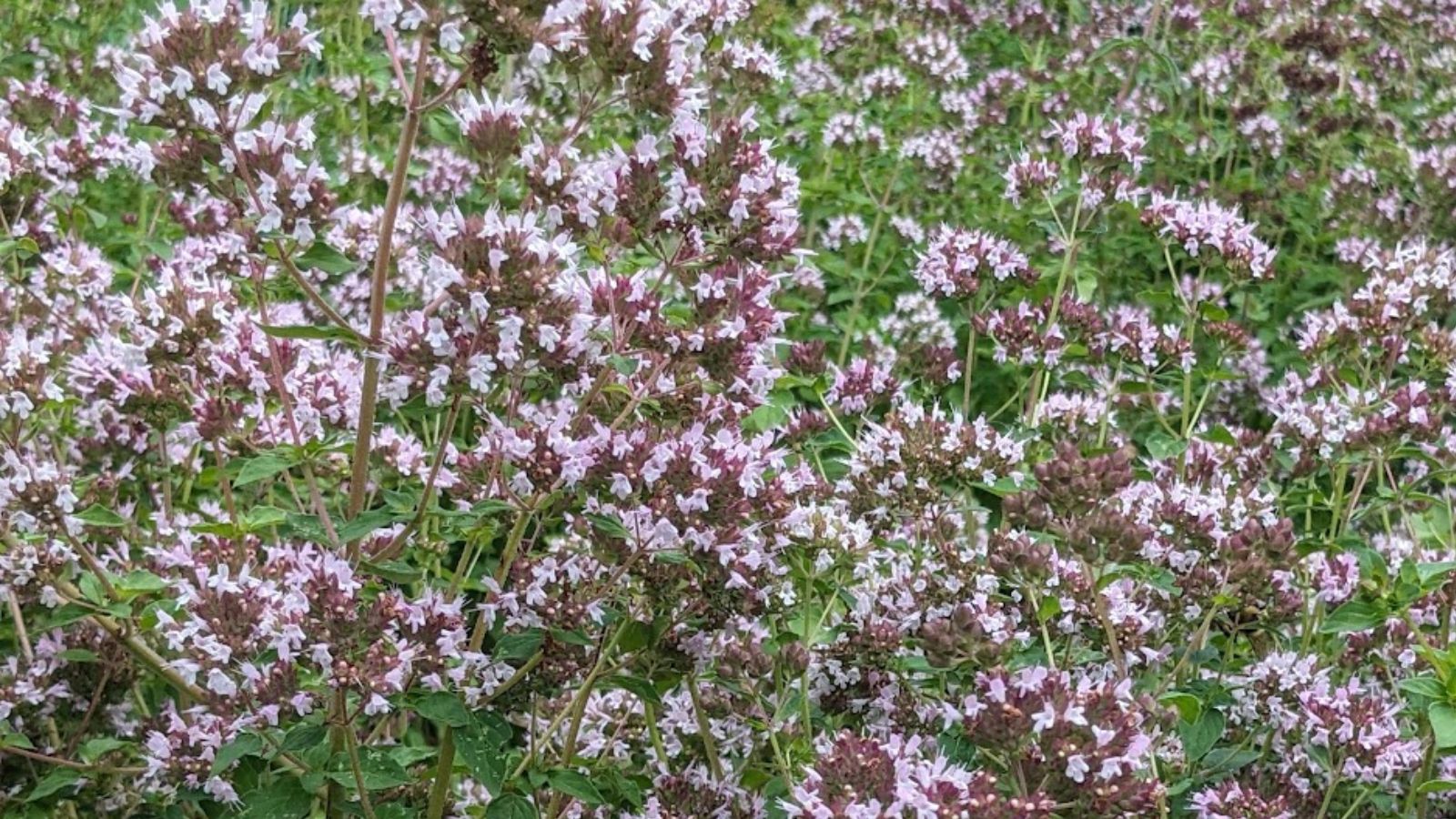
Image credit: Backyard Garden Lover.
Oregano flowers are great on pizza, infused in oil, steeped in tea, and added to your homemade potpourri. Learn more about using oregano flowers.
Chive Flowers
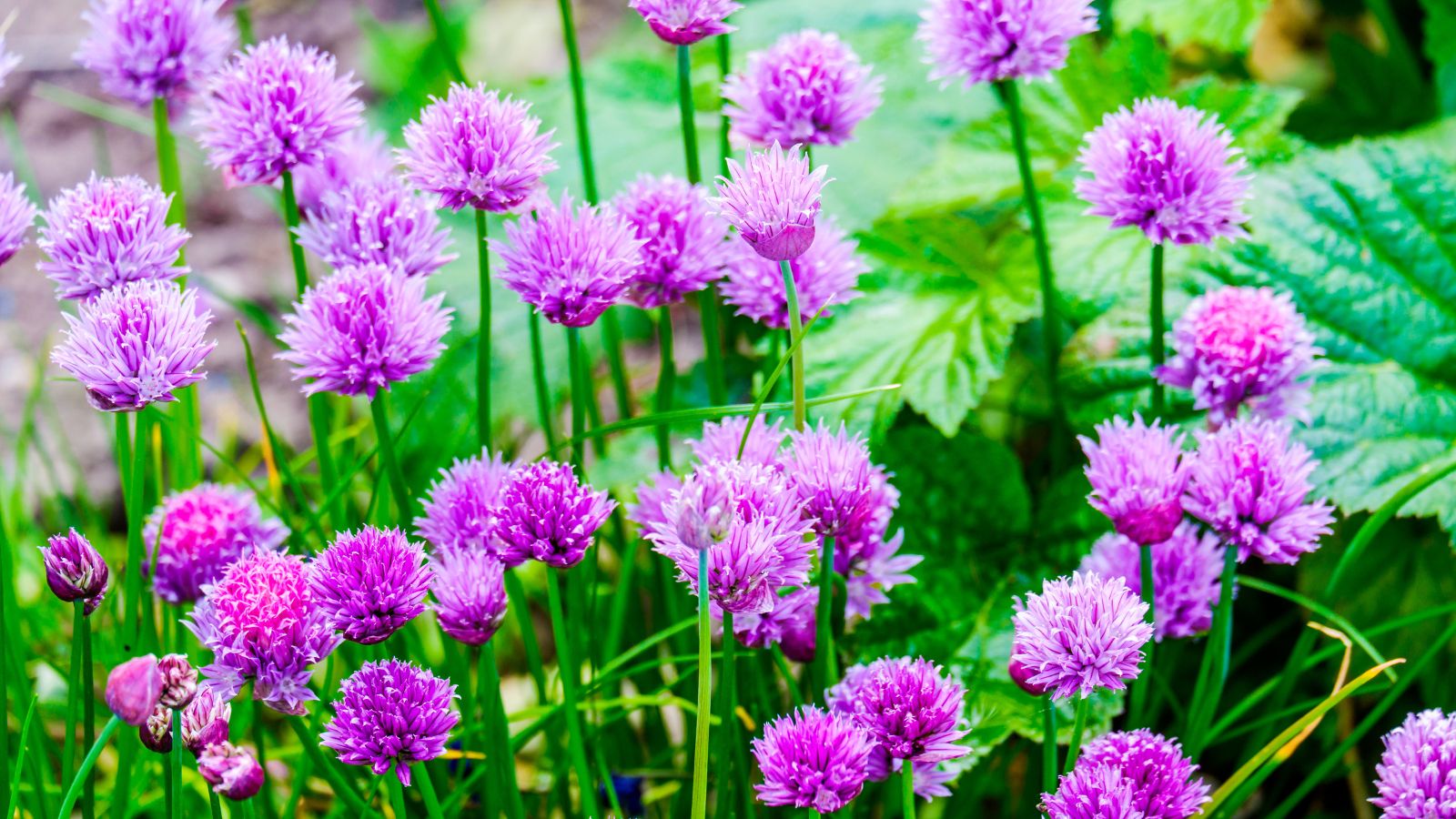
Image Credit: Depositphotos.com.
If you have chives growing in your garden, you might have wondered: are chive flowers edible? Yes, they are: here are 10 ways to use the beautiful purple chive flowers.
More Flowers You Can Eat
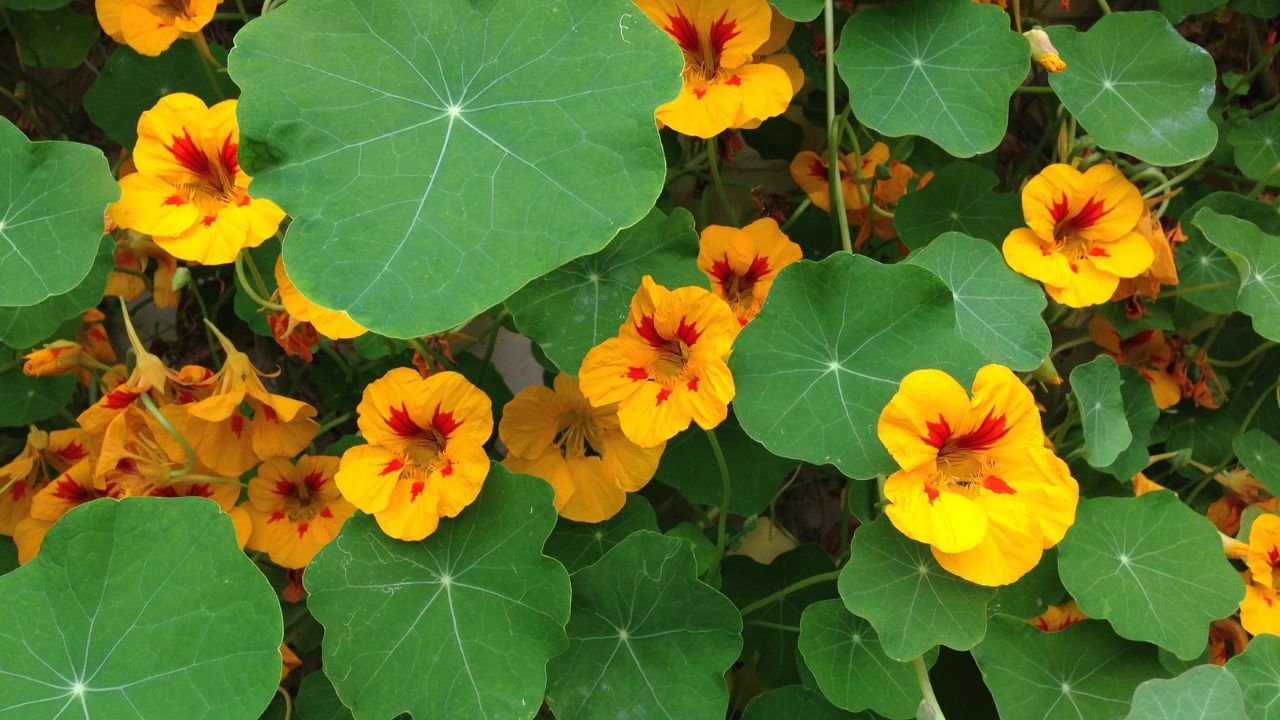
Image Credit: Mary Hutchison – Own work, CC0/Wiki Commons.
Aside from the access to the more classic flowers via a vegetable garden we listed above, there are many other flowers. Sometimes they’re considered weeds or traditionally an ornamental, but that doesn’t make them any less edible! Here is a complete list of 50 options that you can get creative with:
- Anise hyssop (Agastache foeniculum)
- Apple blossoms (Malus domestica)
- Arugula blooms (Eruca sativa)
- Basil flowers (Ocimum basilicum)
- Bergamot flowers (Citrus bergamia)
- Borage flowers (Borago officinalis) – learn how to grow borage
- Carnation petals (dianthus caryophyllus)
- Chamomile flowers (Matricaria chamomilla)
- Chervil (Anthriscus cerefolium) – here’s how to grow chervil
- Chicory flowers (Cichorium intybus)
- Chinese hibiscus (hibiscus rosa-Sinensis)
- Chrysanthemum
- Citrus Blossoms
- Common sage – growing sage guide
- Common violet
- Cornflower (Centaurea cyanus)
- Daisy (Bellis perennis)
- Dandelion flowers (Taraxacum)
- Daylily (Hemerocallis)
- Elderflower (Sambucus)
- Fennel (Foeniculum vulgare)
- French marigold (Tagetes patula)
- Garden sorrel (Rumex acetosa)
- Geranium (Pelargonium)
- Honeysuckle (Lonicera)
- Indian cress (Tropaeolum majus)
- Johnny jump-ups (Viola tricolor)
- Lavender (Lavandula angustifolia) – learn about different types of lavender and their uses
- Lemon verbena (Aloysia citrodora)
- Lilac (Syringa vulgaris)
- Linden (Tilia flores)
- Lovage (Levisticum officinale)
- Mint (Mentha)
- Nasturtium flowers (Tropaeolum) – tips for growing and using nasturtiums
- Okra (Abelmoschus esculentus)
- Pansies (Viola tricolor var. hortensis)
- Passionflower (Passiflora incarnata)
- Pineapple sage (Salvia elegans)
- Pot marigold (calendula officinalis) – learn how to grow marigolds
- Purslane flowers (Portulaca oleracea)
- Radish flowers (or, you can let one radish not only bloom, but set seeds. The radish seed pods are delicious!)
- Red clover (Trifolium pratense)
- Rose petals
- Rosemary flowers
- Starflower (Trientalis borealis)
- Sunflower (Helianthus)
- Thyme flowers (Thymus vulgaris)
- Tulip petals (Tulipa)
- Woodruff (Galium odoratum)
- Zucchini and squash blossoms
These flowers you can eat come in many colors too: from bright and bold, to pale and delicate. I love orange and yellow flowers, such as calendula and nasturtiums (as well as yellow petals of dandelions and sunflowers), but blue flowers and lavender flowers are amazing too (here are 7 culinary lavender varieties to try)! It’s really hard to pick favorites, as each blossom has its own beauty and special flavor.
Did you know you can also use dried edible flowers?
I hope you’ll try at least a few of these flowers.