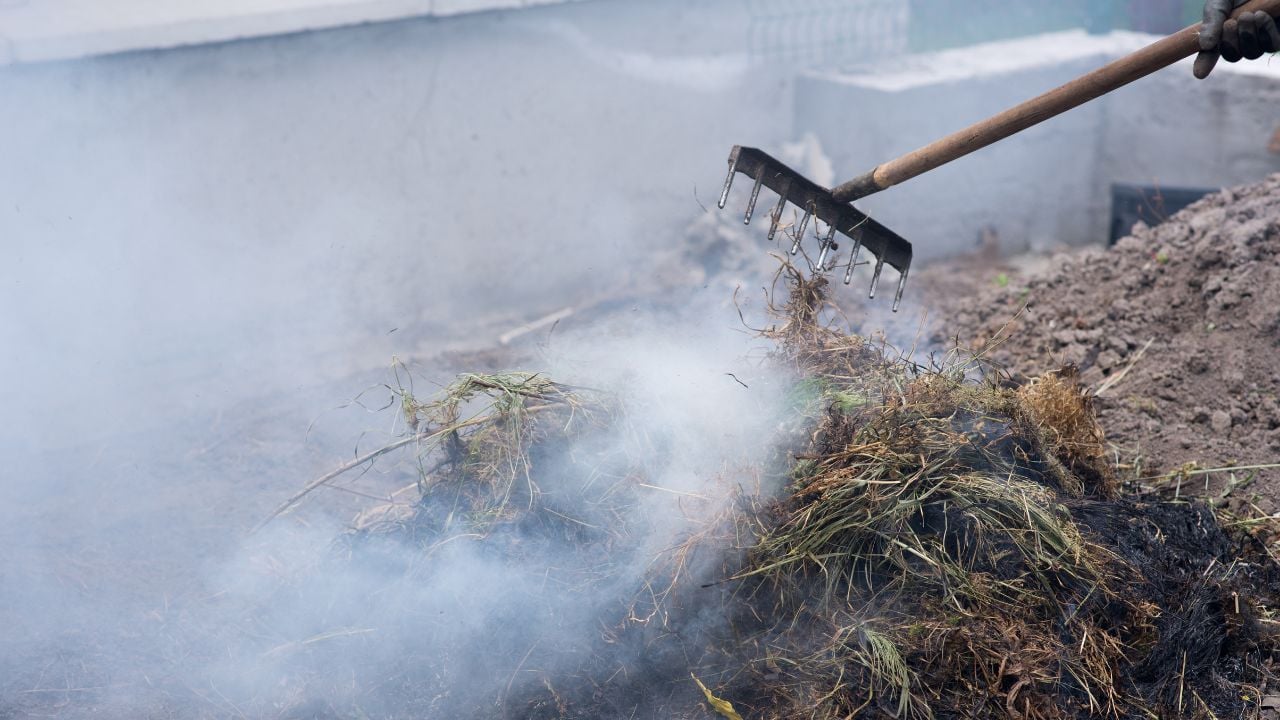
Fire Bans Are Spreading Before Canada Day. Homeowners Are Being Told To Clear the Yard Now
Fire bans and open-burning restrictions are expanding ahead of Canada Day, and residents in wildfire-prone areas are being urged to clean up the parts of the property that can feed an ember-driven fire.
A June 25 B.C. government bulletin said 37 active wildfires were burning in British Columbia, with three listed as out of control.
Category 2 and Category 3 open-fire prohibitions were already in effect through much of the province, and officials warned that restrictions can change as summer conditions intensify.
Before the holiday weekend, homeowners should clear dry debris from the base of the house, move firewood away from exterior walls, clean leaves from gutters, and keep propane tanks, patio items, and other flammables away from decks and siding.
The First 1.5 Metres Around the House Need Attention
Прикажи ову објаву у апликацији Instagram
FireSmart BC identifies the Immediate Zone as the area from the home to 1.5 metres around the structure and attached features such as decks. It recommends keeping that space as non-combustible as possible by clearing vegetation and combustible material down to mineral soil and using materials such as gravel, brick, or concrete where practical.
The next ring, from 1.5 to 10 metres, should also be checked before fire danger rises. FireSmart recommends moving combustible items such as firewood piles, construction materials, patio furniture, tools, toys, and decorative pieces so flames and embers have fewer paths toward the house.
Small fixes can be easy to miss. Leaves in gutters, dry needles under deck edges, mulch against siding, and stored items beside exterior walls can all create fuel close to the structure.
Holiday Fire Rules Can Change Quickly
The B.C. bulletin told residents and travellers to check local restrictions before lighting any fire. That applies to backyard fire pits, campfires, fireworks, and open burning in restricted areas, not only remote campsites.
Officials also urged people to clear dry debris, move propane tanks and flammables at least 10 metres from structures, keep grass cut short, close doors and windows, and water trees and shrubs while respecting local water restrictions.
Those checks are useful across Canada, especially in communities where local governments, parks, conservation areas, or provincial agencies may set different rules. A fire pit that was allowed earlier in the season may be restricted after hot, dry, or windy weather.
Insurance Should Be Checked Before Smoke Is Nearby
The Insurance Bureau of Canada says standard home and tenant policies cover damage caused by fire and usually include mass evacuation coverage for additional living expenses. During major weather events, insurers may temporarily limit new coverage or policy changes in areas under imminent threat.
Homeowners should review wildfire coverage before an evacuation alert is issued. That includes checking dwelling and contents limits, confirming additional living expense coverage, photographing valuables, and keeping receipts, warranties, and a home inventory somewhere accessible away from the house.
Before Canada Day plans begin, the safest cleanup is close to the structure: clear the first 1.5 metres, move flammables away from walls and decks, check the latest local fire restrictions, and make sure insurance documents can be reached if an evacuation order comes.