Experts Say Reheating These 14 Foods Could Make You Sick
Leftover night feels like a game of chance with your microwave. Most of us think that if a meal was fine yesterday, it’s safe to eat after a quick zap today. But what many don’t realize is that reheating certain foods can alter their chemical makeup. This change can turn a perfectly good dinner into something that causes digestive issues or even creates harmful compounds.
Experts have studied the risks associated with reheating. Their research, based on food safety guidelines, shows that improper temperature control can lead to food poisoning or strip away essential vitamins.
So, which foods should you avoid reheating? The following list details specific items that are better enjoyed cold or used in a different way. We’ll dive into the science behind why reheating them is a bad idea and suggest safer, more delicious alternatives for handling these leftovers.
Knowing which foods are best left cold helps you make smarter, safer, and tastier choices every time.
1. Spinach and Leafy Greens

Spinach and other leafy greens are packed with nitrates, which are great for you on the first go-around. However, when you reheat them, these nitrates can turn into nitrites, which isn’t good news. Nitrites can mess with how oxygen travels through your blood, so it’s a chemical change you want to avoid.
Your safest bet is to enjoy leftover greens cold. Toss them into a salad, mix them into a wrap, or blend them into a smoothie. If you really want them in a hot dish, add fresh greens at the very end of cooking. This way, you skip the double-heating that causes the problem.
To keep them fresh, store your greens in an airtight container and try to eat them within a day. If they’ve been sitting at room temperature for over two hours, it’s best to toss them out. Safety first!
2. Potatoes
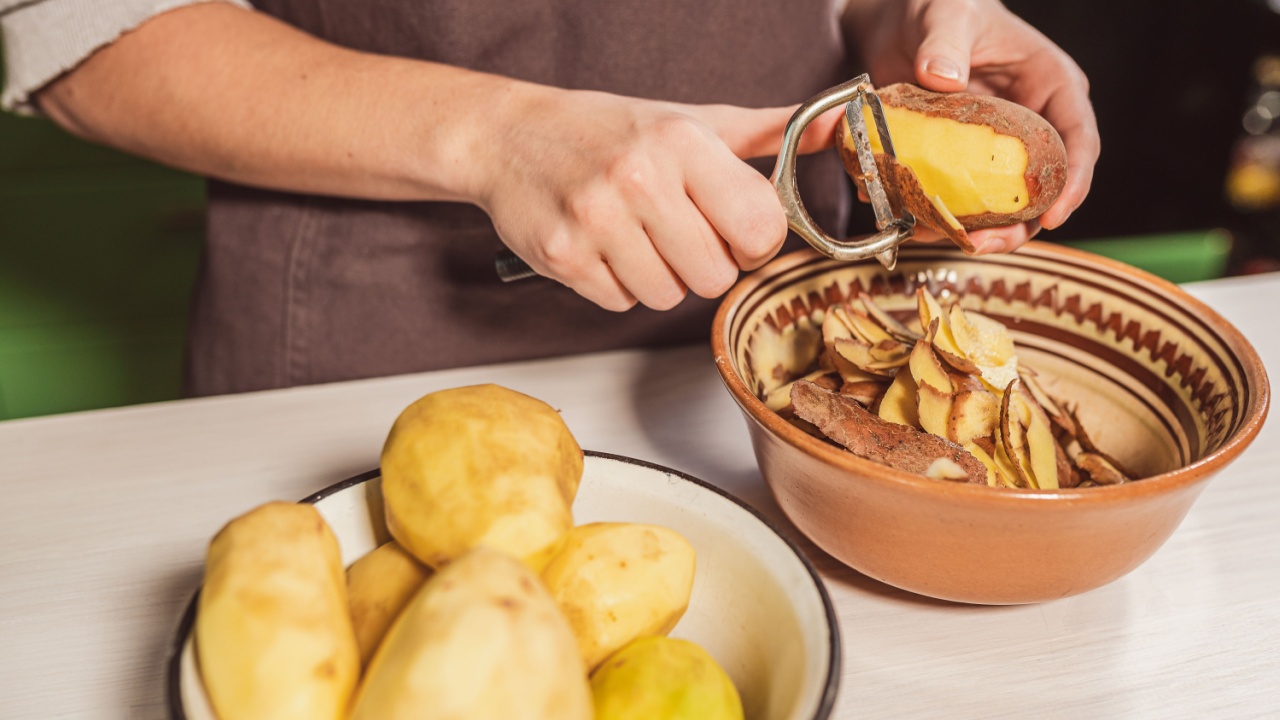
Potatoes are a kitchen staple, often cooked in big batches. The trouble starts when cooked potatoes are left at room temperature for too long, creating a perfect home for Clostridium botulinum bacteria to grow.
Reheating doesn’t always get hot enough to kill these spores, so the trick is to get cooked potatoes into the fridge quickly. A cold potato salad is a great and safe way to use up leftovers. You get all the flavor without the risk.
If you must have them warm, try slicing them thinly and frying them in a hot pan. This gives them a nice texture and heats them more safely than a microwave. Always give them a quick sniff and check for any slimy spots before you start cooking.
3. Rice
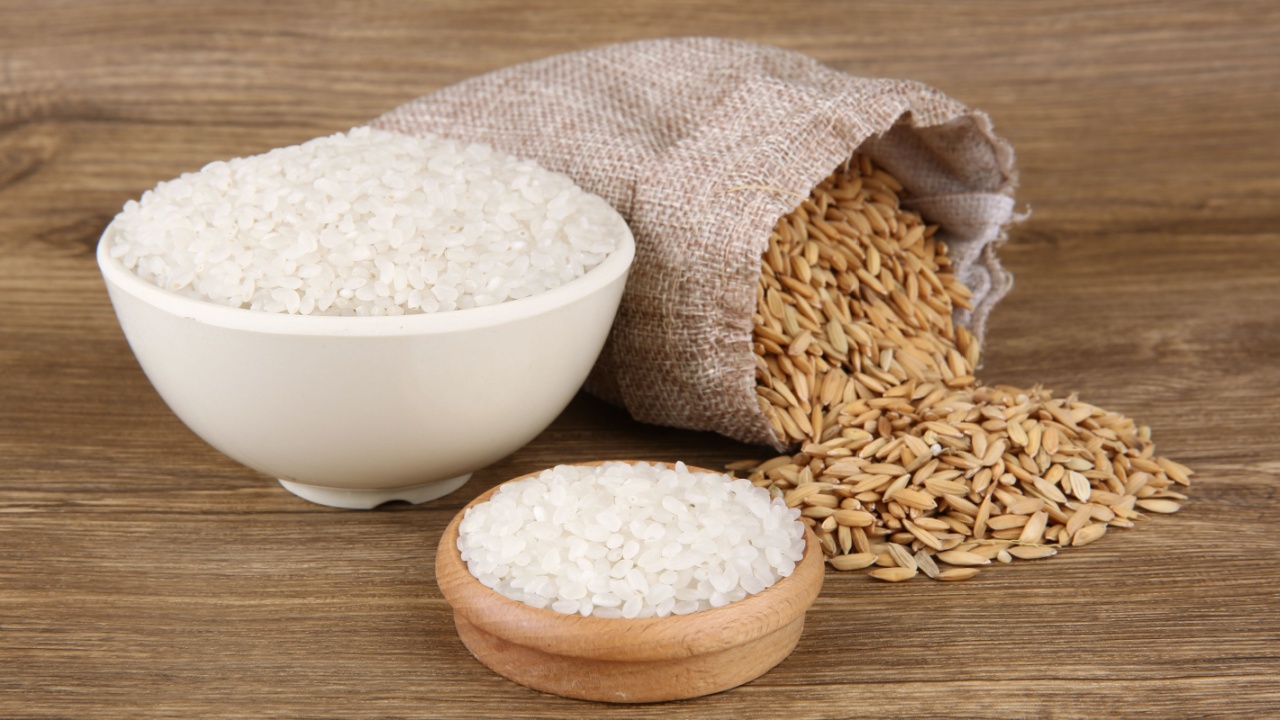
Leftover rice can be tricky because it often contains spores of Bacillus cereus, a bacterium that can survive the initial cooking. If rice sits at room temperature, these spores can multiply and create toxins that even reheating can’t destroy. This is what can lead to food poisoning.
The best way to handle leftover rice is to cool it down within an hour of cooking and pop it in the fridge. Enjoy it cold in a salad or grain bowl. This simple step prevents the bacteria from multiplying to dangerous levels.
If the rice has been in the fridge for more than a day or two, it’s best to throw it out. For quick cooling, store it in shallow containers. And never leave your rice cooker on the “warm” setting for hours.
4. Chicken
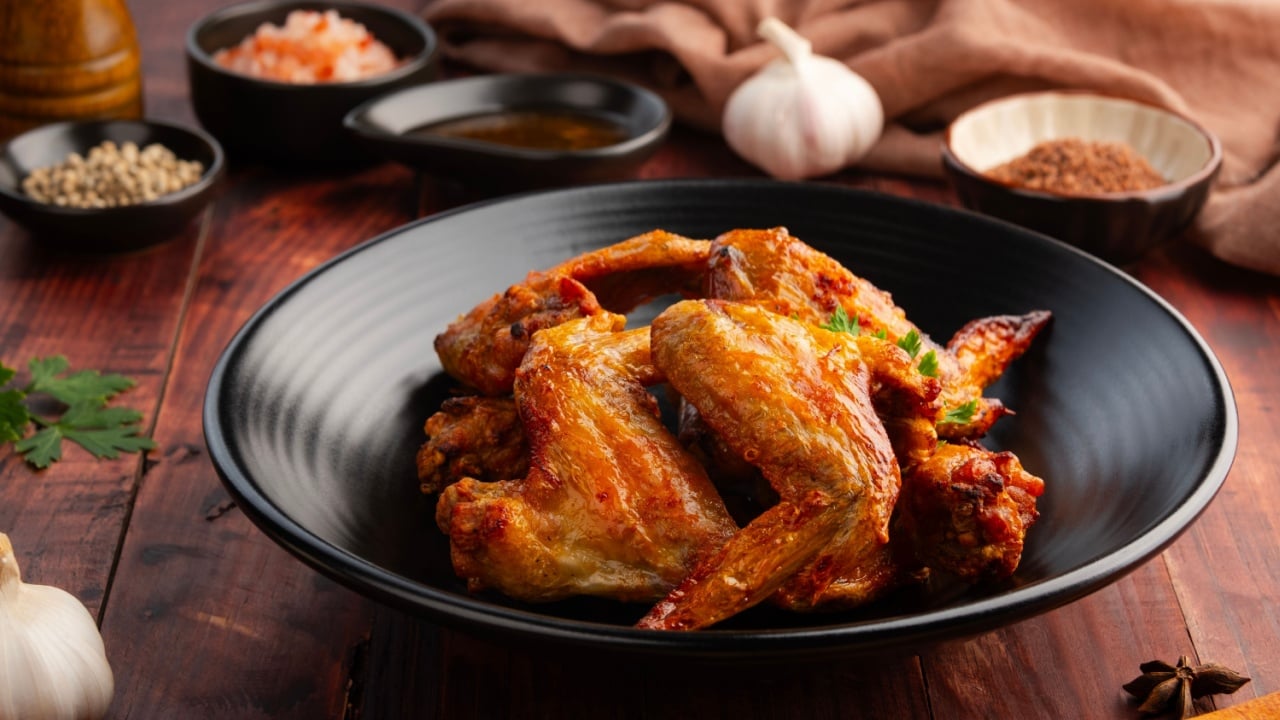
When you cool and reheat chicken, its protein structure changes, which can sometimes lead to an upset stomach, especially for those with sensitive digestive systems. Plus, it’s tough to get chicken evenly heated to the safe internal temperature of 165°F in a microwave, leaving risky cold spots.
Cold chicken is delicious and versatile! Shred it for sandwiches, slice it for salads, or add it to tacos. Using it cold preserves its texture, preventing it from becoming dry and rubbery, and you don’t have to worry about unstable proteins.
If you really want it warm, opt for the oven at a low temperature. Add a little broth or water to keep it moist and use a meat thermometer to ensure it reaches 165°F all the way through. It takes a bit longer, but it’s much safer.
5. Eggs
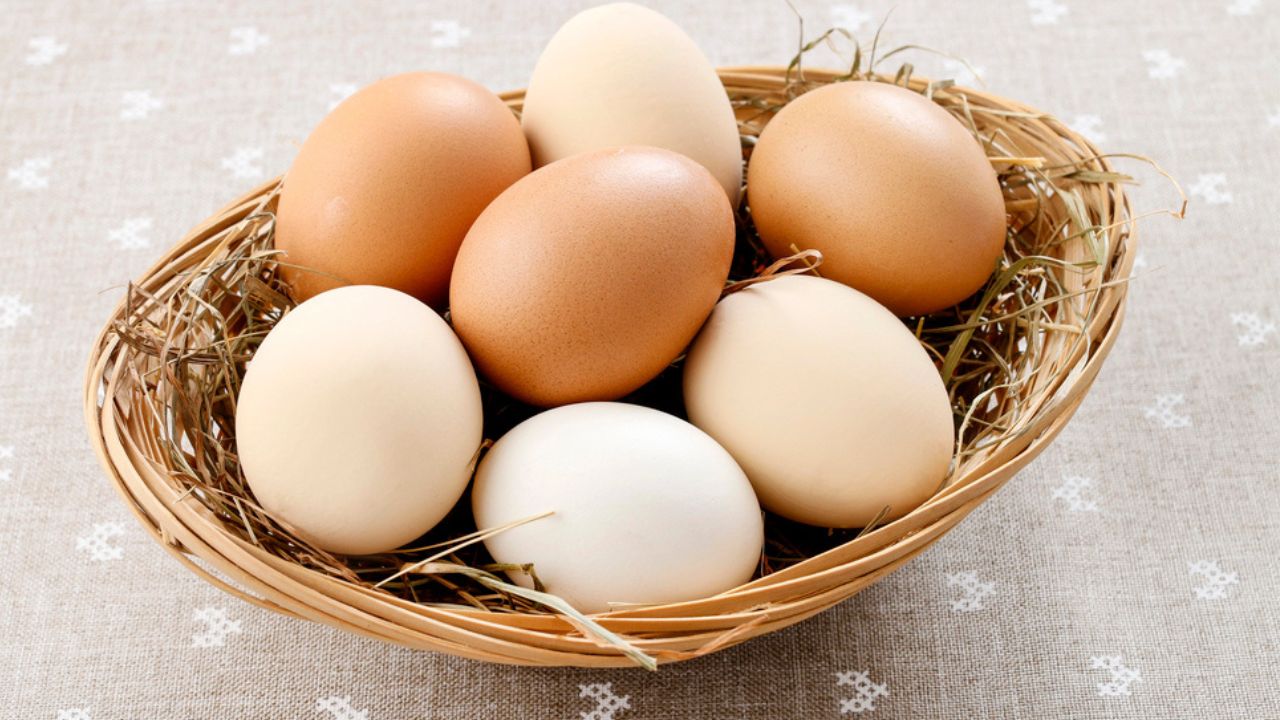
Eggs are a fantastic protein source, but they don’t do well with reheating. The high heat can alter their protein structure in a way that’s tough on your digestive system. This applies whether they’re scrambled, fried, or boiled.
The best way to enjoy leftover hard-boiled eggs is to eat them cold. They make a great snack on their own or can be chopped up for a classic egg salad sandwich. This keeps their nutritional value and taste intact without any digestive drama.
If you’ve boiled them, keeping them in their shell offers a bit of extra protection. Try to use them up within a few days for the best quality. If an egg has a funky sulfur smell or looks off-color, trust your senses and throw it away.
6. Mushrooms
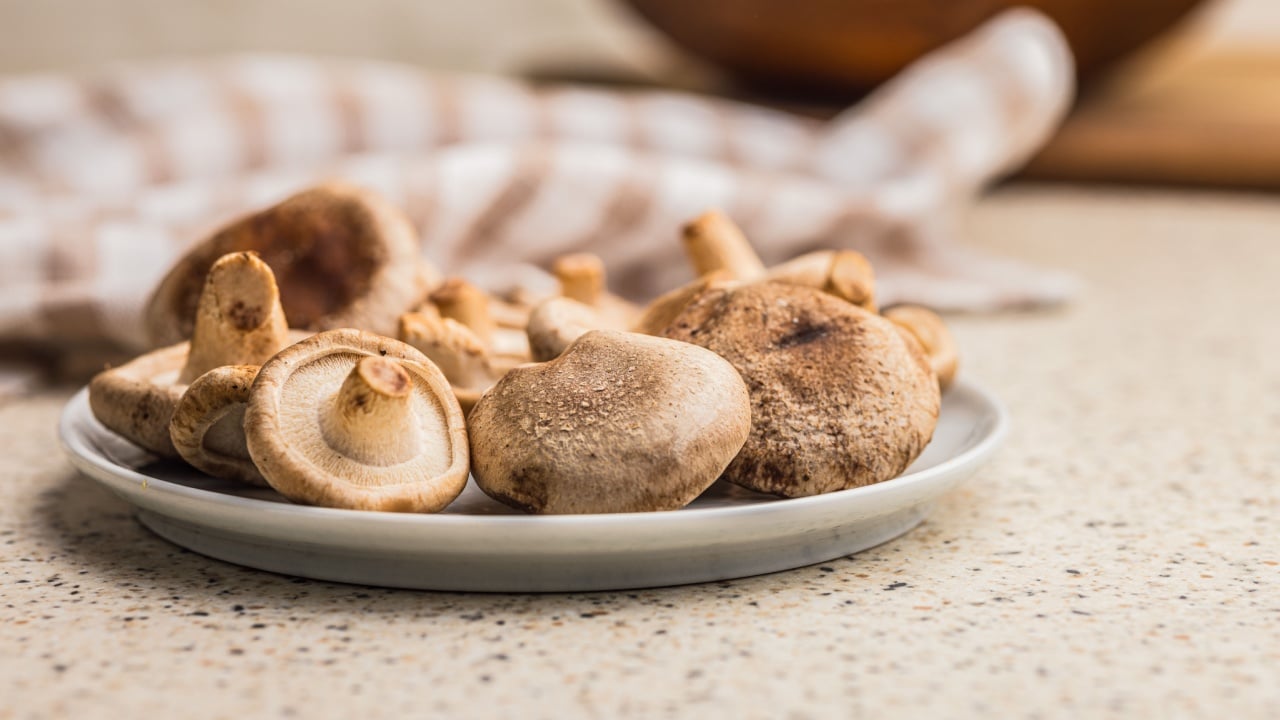
Mushrooms have delicate proteins that start breaking down pretty quickly after being cooked. Reheating them can accelerate this process and encourage microorganism growth, which can lead to bloating or an upset stomach.
Ideally, you should eat mushrooms right after you cook them. If you do have leftovers, it’s best to eat them cold from the fridge the next day. They add a great earthy flavor to salads or cold pasta dishes without any risk.
To keep them tasting their best, store cooked mushrooms in a glass container. To avoid the issue altogether, try to cook only the amount you plan to eat in one sitting. And if they feel slimy, they’ve gone bad—don’t eat them.
7. Celery
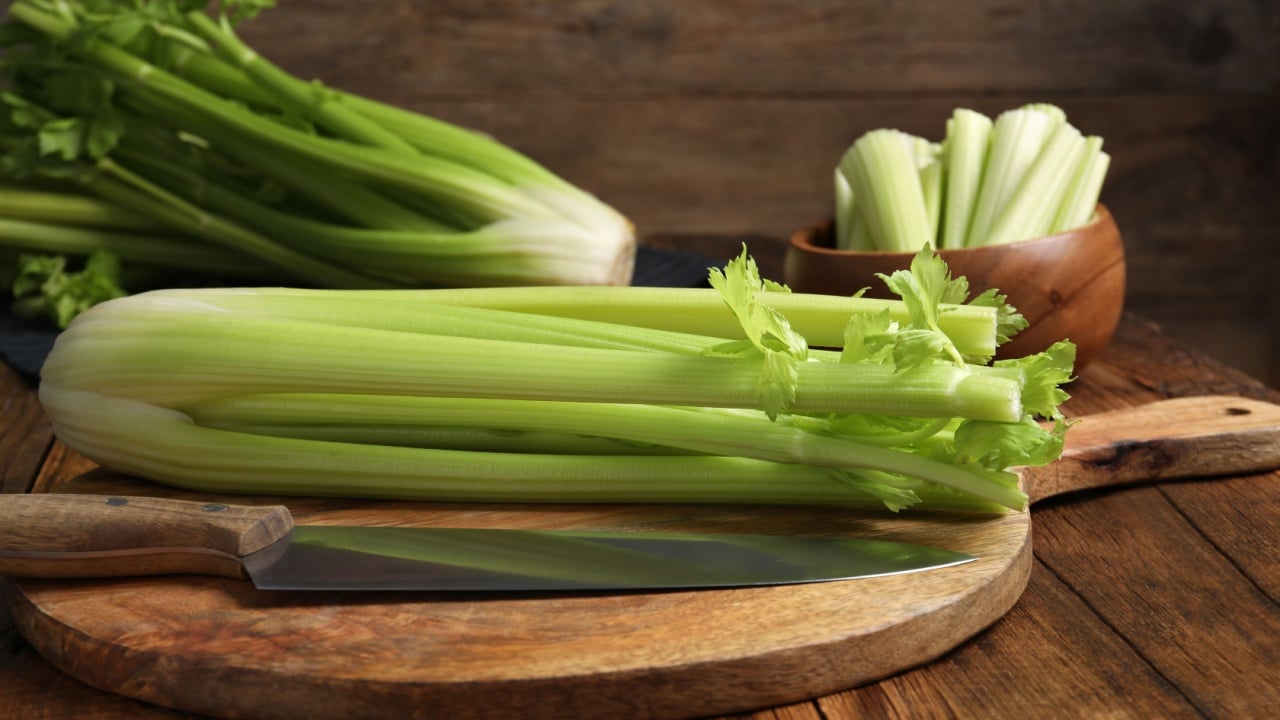
Just like spinach, celery is full of nitrates. While healthy at first, reheating can convert these nitrates into potentially harmful nitrites. If celery is in a soup or stew that you plan to reheat, this can become a problem.
An easy workaround is to simply remove the celery pieces from your soup before you heat it up. Once your soup is hot, you can add some fresh, crunchy celery back in. This way, you get the flavor and texture without the chemical change.
To keep celery fresh for longer, wrap it in foil and store it in the crisper drawer of your fridge. You can also use the leaves to flavor stocks instead of eating them reheated. It’s all about keeping this veggie as fresh as possible.
8. Beets
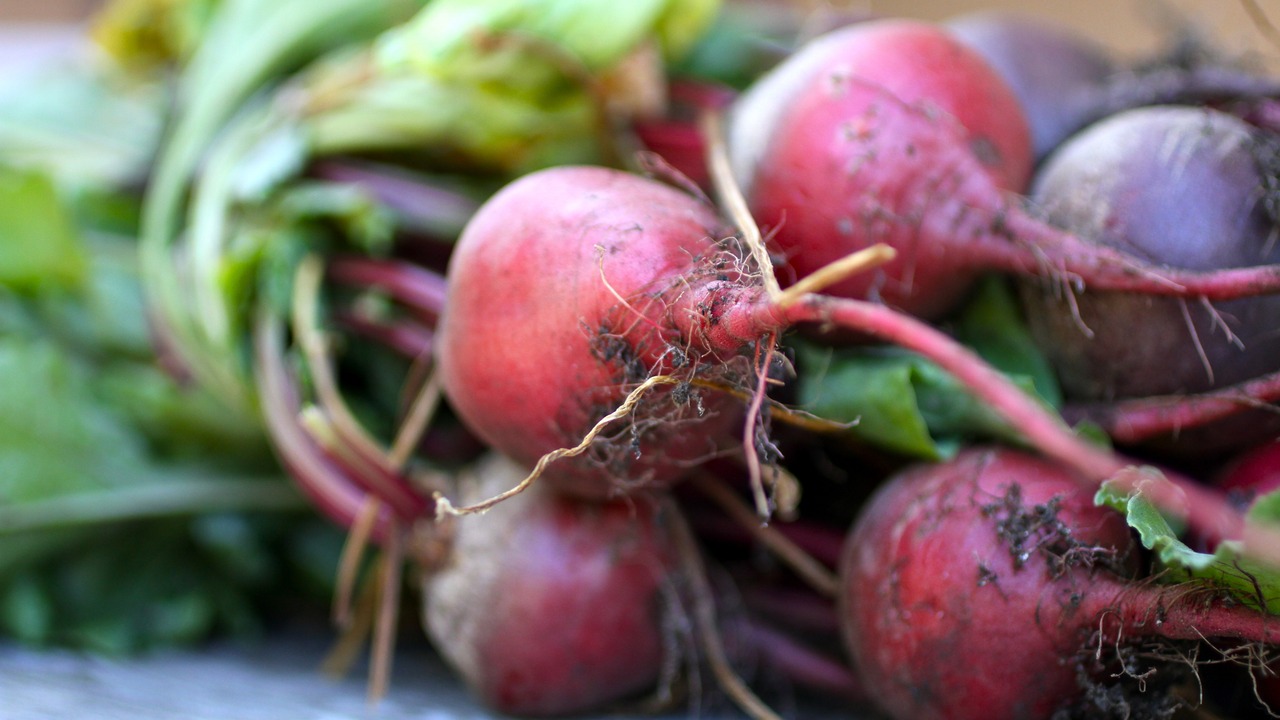
Beets are another nitrate-rich vegetable that doesn’t love being reheated. The heat can cause them to lose their beautiful color and can alter their chemical composition in the same way it affects spinach and celery.
Roasted beets are fantastic when served cold. Pair them with some goat cheese and fresh greens for a delicious salad. Their natural sweetness shines through, making them a great meal-prep ingredient that doesn’t need a microwave.
Before you cook them, give beets a good scrub to get rid of any dirt. After cooking, store them separately from other veggies to avoid staining everything pink. Plan to use them within three to four days for the best taste and texture.
9. Turnips

Often found in roasted vegetable medleys or mashed as a side, turnips are root vegetables that also contain nitrates. Just like with other nitrate-heavy produce, reheating it multiple times can make it less healthy and harder to digest.
Try to eat turnips when they’re freshly cooked. If you have leftovers, get creative! Mash them with some cold Greek yogurt to make a chilled, savory dip. It’s a great way to repurpose them without adding more heat.
Before cooking, store turnips in a cool, dark place to keep them firm. Once cooked, store them in an airtight container in the fridge to prevent them from picking up other odors. They also work surprisingly well as a cold topping for grain bowls.
10. Seafood
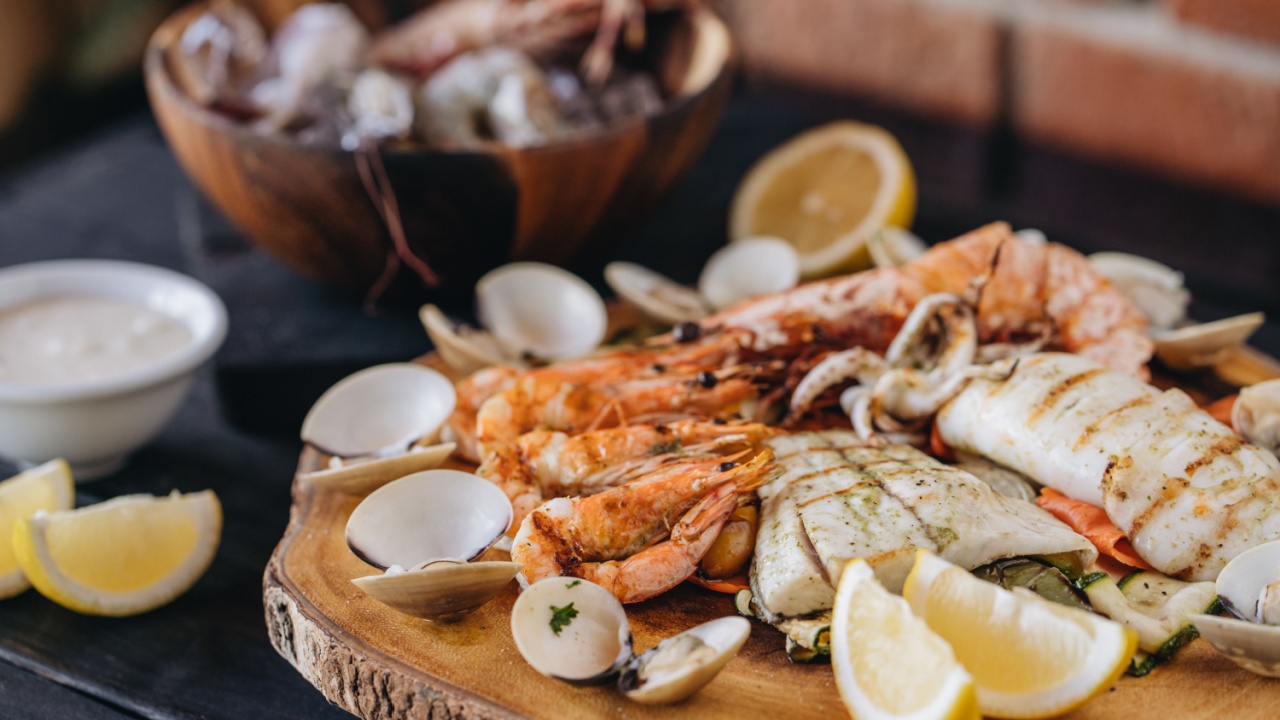
Seafood is incredibly sensitive to temperature. Reheating fish or shellfish often results in a strong fishy odor and a tough, rubbery texture. More importantly, improper storage and reheating can increase the risk of food poisoning.
Leftover salmon, shrimp, or other seafood is perfect when enjoyed cold. Add it to a salad, mix it into a cold pasta dish, or serve it with some crackers. This preserves its delicate flavor and tender texture much better than reheating.
Always store leftover seafood in the coldest part of your fridge and never leave it at room temperature. If it smells overly fishy, sour, or just “off,” throw it out.
11. Oils with Low Smoke Points
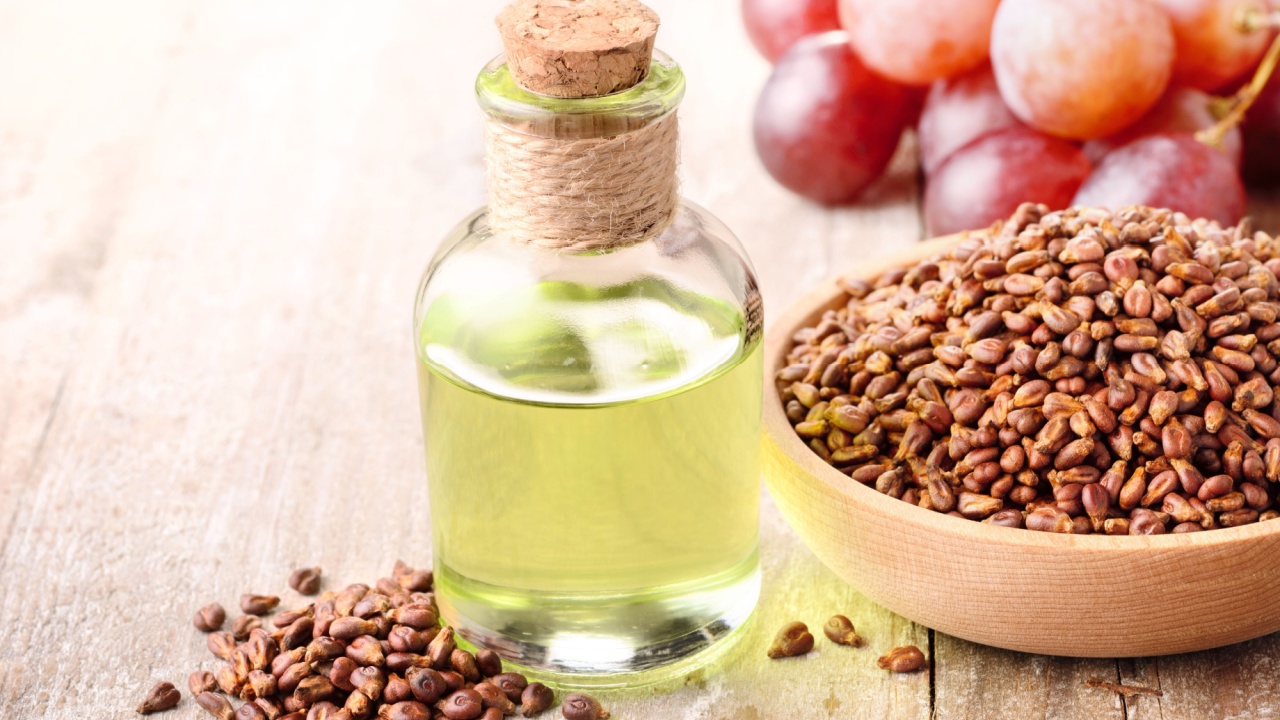
Finishing oils like walnut, hazelnut, and grapeseed oil are prized for their delicate flavors and are not meant for high-heat cooking. Reheating a dish drenched in these oils can cause the fats to turn rancid, which creates unhealthy free radicals.
The best way to use these oils is to drizzle them on your food after it has been cooked and is ready to be served. If a leftover dish already contains these oils, it’s best to enjoy it cold or at room temperature. Overheating will only make the flavor bitter.
To preserve their quality, store these specialty oils in a cool, dark place like a cupboard or even in the fridge. Always give them a quick sniff before using them to make sure they haven’t gone bad.
12. Buffet Foods
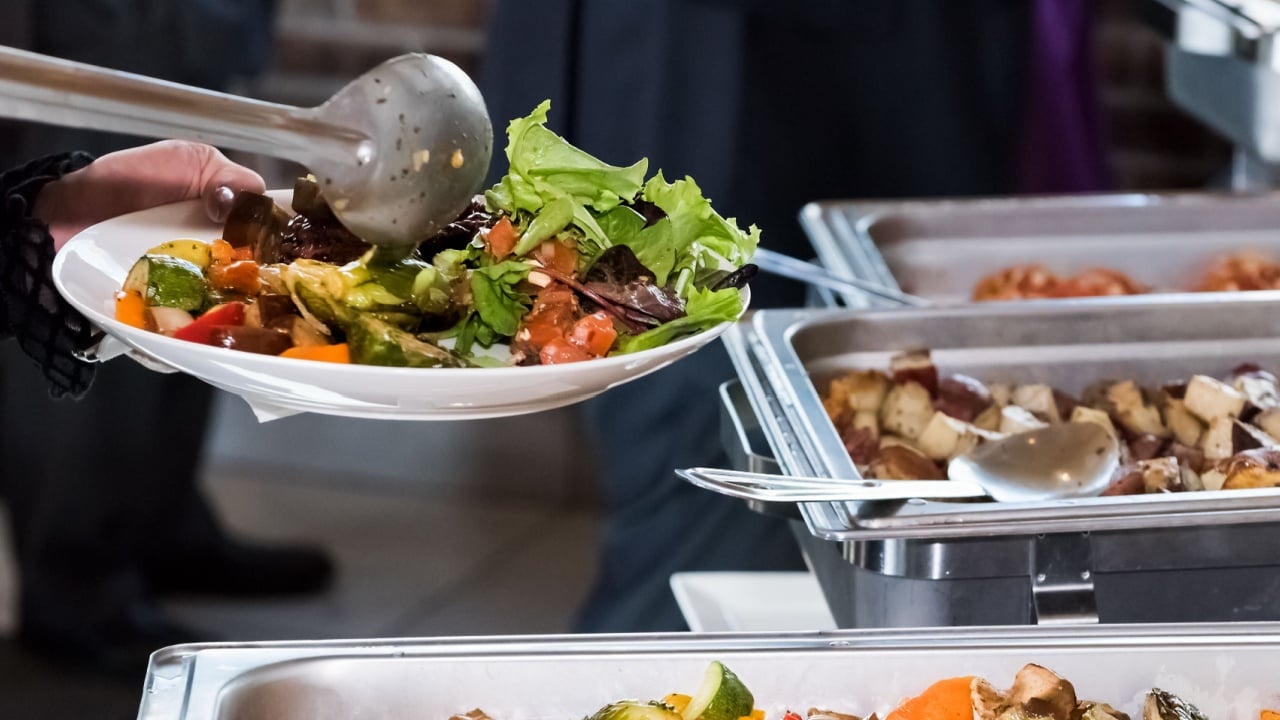
Food from a buffet has likely been sitting out for a while at temperatures that are less than ideal. This exposure increases the risk of contamination from the air and other people. Reheating these items later is like playing a game of food safety roulette.
The golden rule of buffets is to only take what you can eat in one sitting. If you do bring leftovers home, remember that their safety clock started ticking long before you packed them up. It’s especially risky to give these foods to kids or the elderly.
When at the buffet, be picky. Avoid anything that looks like it’s been sitting for too long, especially high-risk items like creamy sauces or meat. When it comes to buffets, fresh is always best.
13. Canned Foods

Canned foods are shelf-stable, but once you open the can, the game changes. Never reheat food directly in an open can, as the lining can leach chemicals into your food. Plus, the contents lose nutrients once exposed to air.
Always transfer leftovers from a can into a glass or ceramic container before storing them in the fridge. When you’re ready to eat, you can enjoy them cold or add them as a fresh ingredient to a new dish. This also prevents any metallic taste from creeping in.
Always check for dents, rust, or swelling before opening a can. These are all red flags that the contents might be compromised. Once opened, treat the food as you would any fresh item.
14. Potatoes in Foil
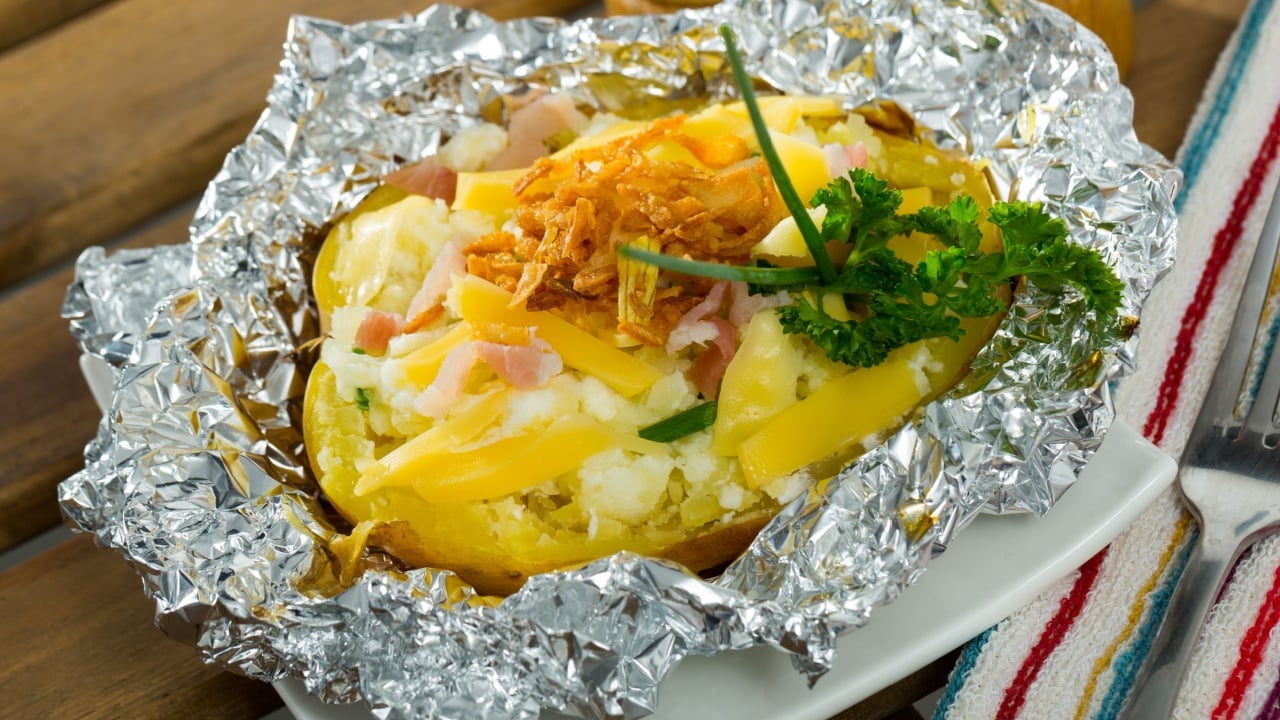
Foil-wrapped potatoes deserve their own warning. The foil creates a low-oxygen environment that’s a perfect breeding ground for Clostridium botulinum bacteria, especially as the potato cools.
To stay safe, remove the foil as soon as the potato is done cooking to let it cool properly. Store any leftover baked potatoes “naked” in the fridge. This allows the surface to dry out a bit, which helps prevent bacterial growth.
Cold baked potatoes are surprisingly versatile. You can slice them up for home fries or dice them for a potato salad. This ensures you can enjoy your leftovers safely while trying something new. If a potato feels soft or has dark spots, it’s time to say goodbye.