7 Foods That Never Belong in the Microwave
The microwave is a kitchen superstar, a loyal friend for reheating last night’s takeout and making a quick bowl of oatmeal. But this beloved appliance has its limits.
Some foods just don’t react well to their speedy heating method, leading to everything from soggy messes to small kitchen explosions. It’s a sad moment when you realize you’ve turned a perfectly good meal into a rubbery, unevenly heated disappointment.
What most people don’t realize is that microwaves heat food unevenly, creating hot spots, cold pockets, and steam buildup that certain ingredients just can’t handle. Knowing which foods react poorly can save you from a lot of disappointment—and a few potential messes.
Here are seven foods that should steer clear of the microwave. We will explore why these items cause trouble and what you can do instead.
1. Whole Eggs in Their Shell
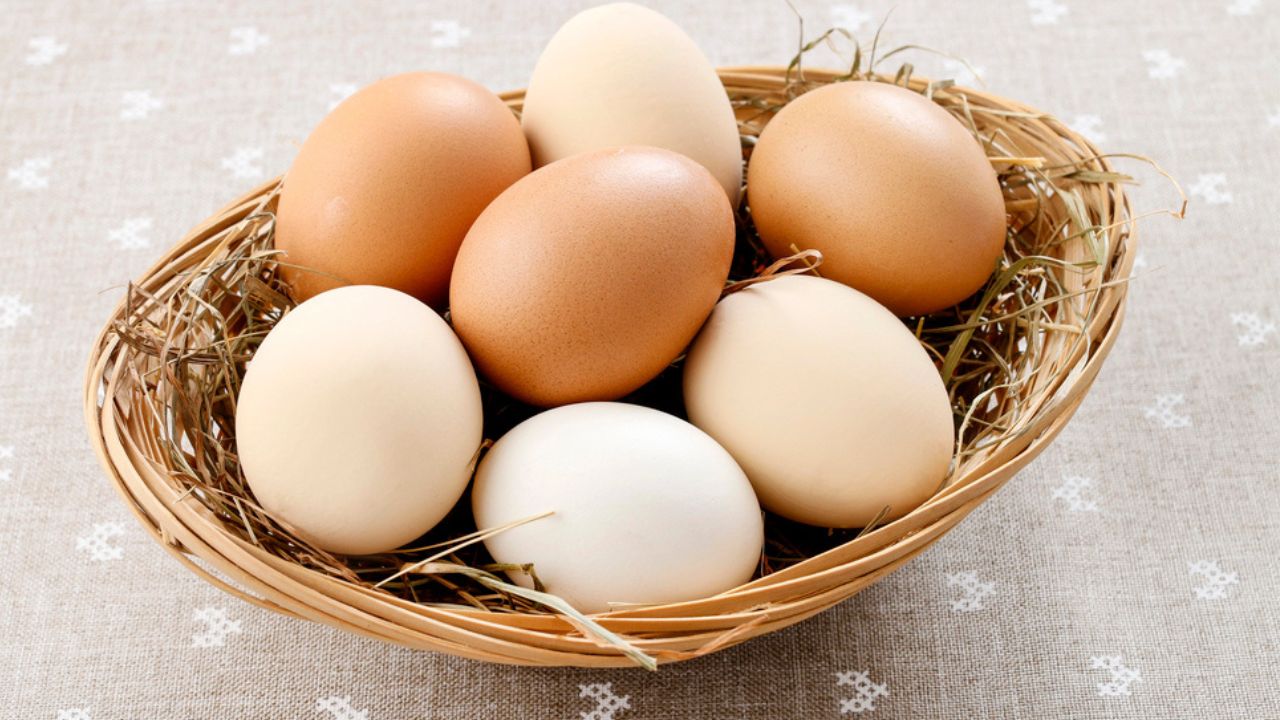
Placing a whole egg in the microwave is a recipe for a very loud, very messy disaster. As the microwave heats the liquid inside the egg, steam rapidly builds up. With no way to escape the shell, the pressure increases until the egg explodes. This can happen inside the microwave during heating or even after you take it out, potentially causing a mess on your counter or a burn on your hand.
The resulting cleanup is a sticky, unpleasant task you wouldn’t wish on your worst enemy. If you want a cooked egg quickly, it’s far safer to boil it on the stovetop or crack it into a microwave-safe dish before heating. This allows the steam to escape harmlessly.
2. Chili Peppers

Heating whole chili peppers, especially the spicy varieties, in a microwave can be a surprisingly hazardous activity. The peppers contain a compound called capsaicin, which is what gives them their heat. When you microwave them, the capsaicin vaporizes into a concentrated, airborne mist.
When you open the microwave door, you release this potent, peppery spray into the air. Inhaling it can irritate your lungs and throat, causing coughing fits and a burning sensation in your eyes. It’s like accidentally pepper-spraying your own kitchen. To safely heat chili peppers, it’s better to roast or sauté them on the stovetop, which allows for proper ventilation.
3. Breaded or Fried Foods
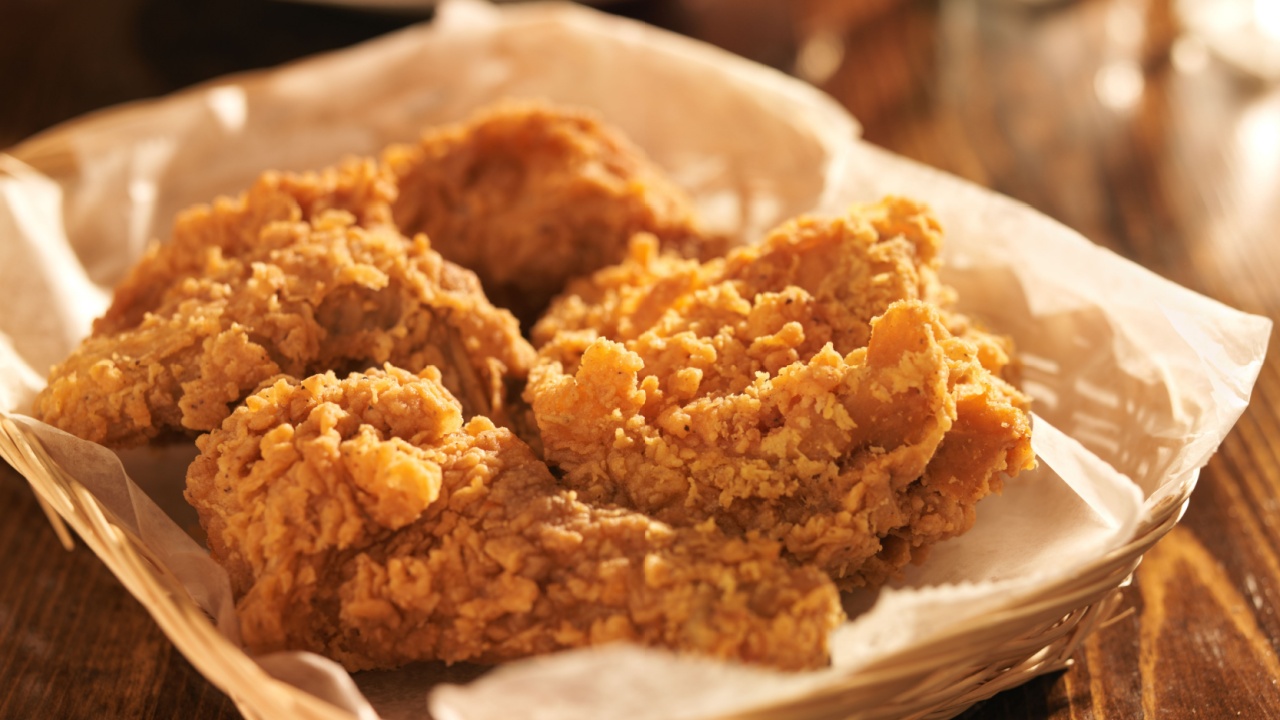
That leftover fried chicken or those crispy onion rings deserved better than the microwave. While it’s tempting to try and zap them back to life, the result is almost always a letdown. The microwave heats food by exciting water molecules, a process that turns crisp coatings into a soggy, chewy shadow of their former selves.
The once-glorious crunch is replaced by a sad, steamy texture. To properly revive breaded or fried foods, use an oven, toaster oven, or air fryer. These appliances use dry heat to warm the food and restore its crispy exterior, giving you a much more satisfying second-round experience.
4. Frozen Meat
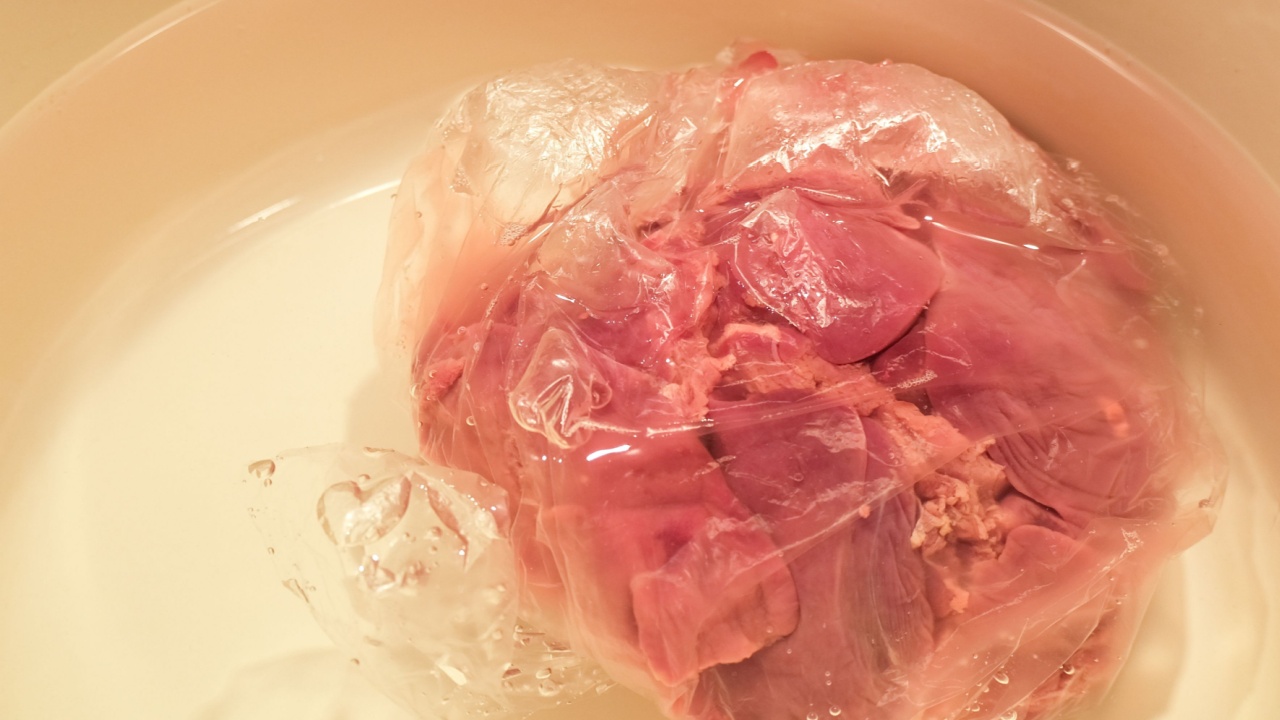
We’ve all been there: dinner time is approaching, and the meat is still a solid block in the freezer. Using the microwave to defrost it seems like a quick fix, but it often creates more problems than it solves. Microwaves heat food unevenly, meaning some parts of the meat can start to cook while others remain frozen solid.
This uneven thawing not only affects the texture, making the meat tough and rubbery in spots, but it can also create a food safety issue. The partially cooked areas can enter the “danger zone,” a temperature range where bacteria multiply rapidly. The safest way to thaw frozen meat is to leave it in the refrigerator overnight or use the cold water method.
5. Leftover Pasta and Rice
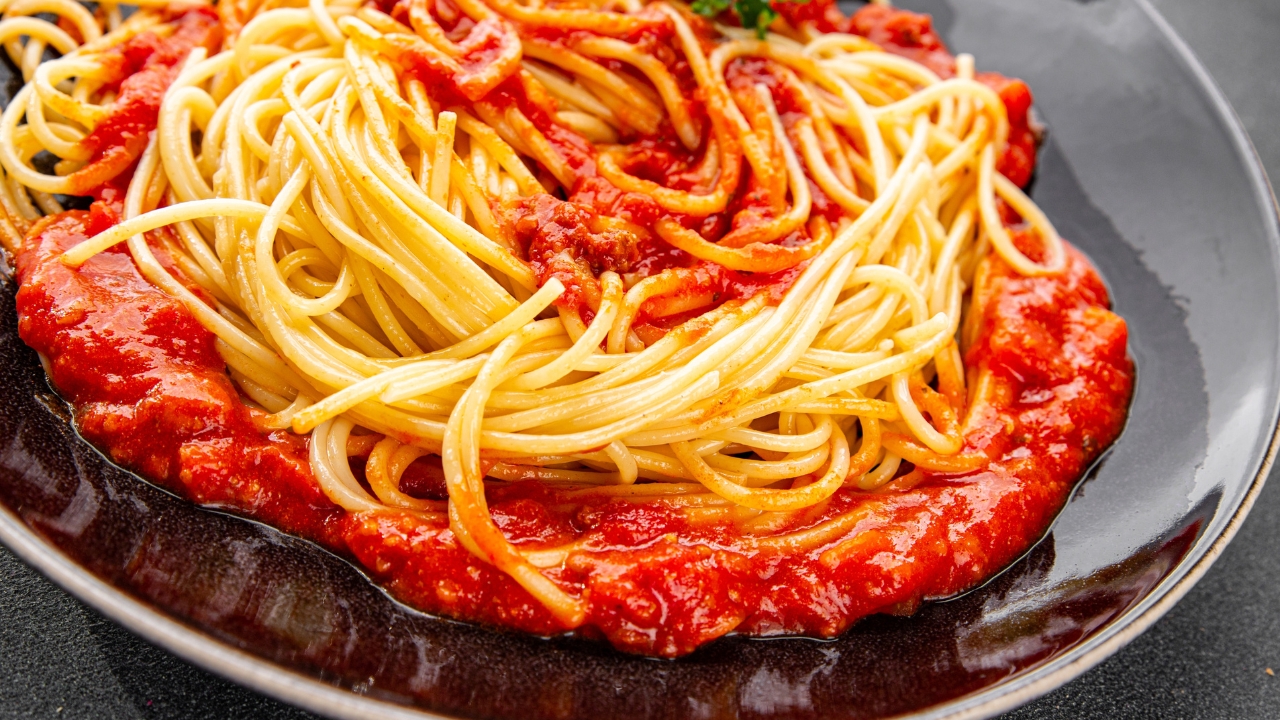
Reheating plain pasta or rice in the microwave is a fast track to a dry, clumpy meal. The intense heat of the microwave quickly zaps the moisture from the starches, leaving you with hardened grains and tough noodles. The edges often become crunchy and unpalatable while the center remains lukewarm. Additionally, improperly stored rice can pose a health risk, as it may harbor bacteria responsible for “fried rice syndrome,” which can cause food poisoning.
To properly reheat pasta or rice, add a splash of water or broth to a pan and gently warm it on the stovetop, stirring occasionally. This rehydrates the starches and restores the food’s original texture. For pasta with sauce, the stovetop method also helps the sauce re-emulsify beautifully instead of separating into an oily mess.
6. Grapes

While not a common food to microwave, curiosity might get the best of someone. Putting grapes in the microwave results in a surprising and dangerous scientific phenomenon. The grapes can generate plasma, which is a superheated, electrically charged gas. You might see sparks or even small fireballs inside your microwave.
This happens because the size and shape of the grapes act like an antenna for the microwaves, creating a powerful electrical field between them. It’s a fun science experiment for a controlled lab setting, but a terrible idea for your kitchen appliance. Grapes are best enjoyed fresh, not as a source of miniature lightning.
7. Processed Meats

Processed meats like hot dogs, deli slices, and sausages contain a variety of preservatives and additives. When exposed to microwave radiation, the chemical composition of these foods can change. This process can lead to the formation of cholesterol oxidation products (COPs), which have been linked to health concerns.
Beyond the chemical changes, microwaving processed meats often results in an unpleasant eating experience. Hot dogs can split and dry out, and deli meats can become rubbery and greasy. For better flavor and texture, it’s best to heat these items in a pan on the stovetop or enjoy them cold as intended.
What to Do Instead

Microwaves are some of the most dangerous appliances in the home. Avoiding these microwave mishaps is simple.
The best approach is to use the right tool for the job. An oven or toaster oven is your best friend for anything that needs to be crispy. A skillet on the stovetop is perfect for reheating pasta, rice, and sauces gently and evenly. For defrosting, planning ahead and using the refrigerator is always the safest bet. Taking a few extra minutes to use the proper appliance will make your food taste better and keep your kitchen safe from explosions and unpleasant fumes.
Read more
The Top 8 Foods in the U.S. Making Us Sick from Food Poisoning
16 Reasons It’s Time to Throw Out the Microwave (for Your Health)