4 Kitchen Items to Stop Reheating Immediately
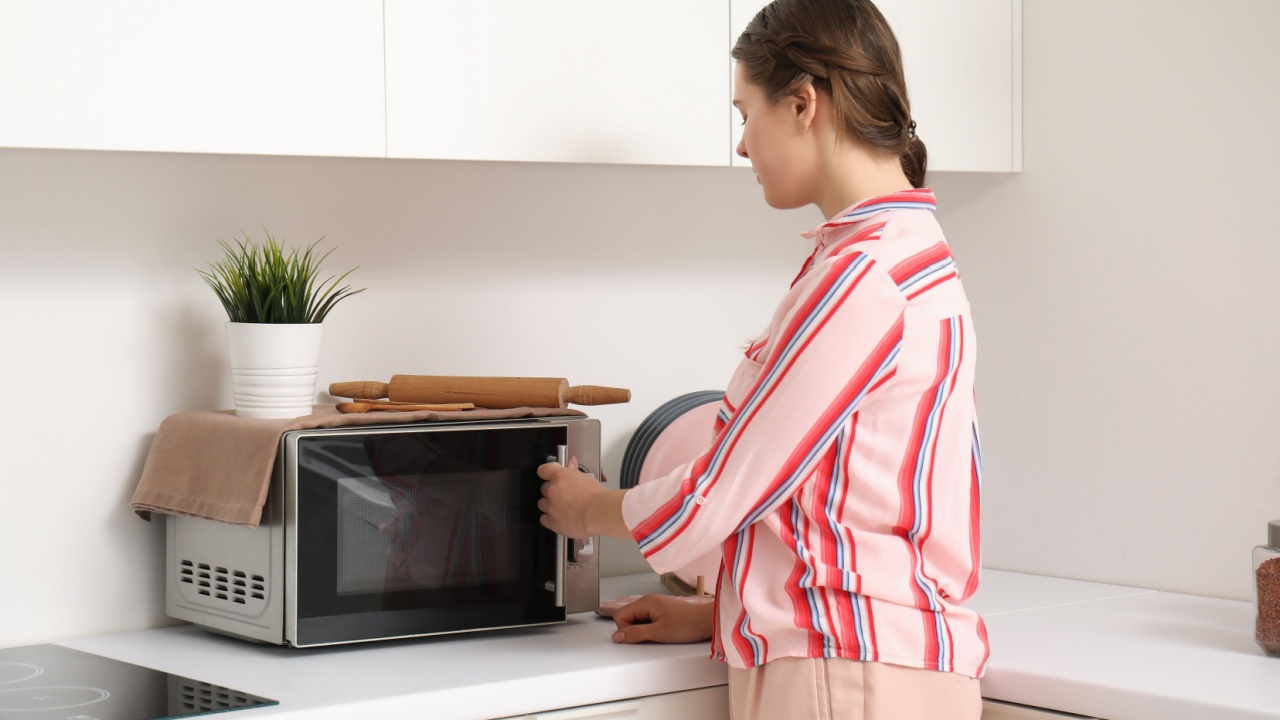
We’ve all been there: grabbing a container from the fridge, tossing it in the microwave, and hitting start without thinking twice. It’s the ultimate life hack for a quick meal. But while reheating last night’s dinner seems totally fine, the containers you’re using might be silently messing with your health.
Not everything in your cupboard is built to handle the heat. Some common kitchen staples can melt or leak nasty chemicals when things get hot. Yes, I am talking about microplastics and toxins leaching straight into your lunch.
Here are 4 household items you should never reheat, plus what you should be using instead.
1. Plastic Containers (Even “Microwave-Safe” Ones)
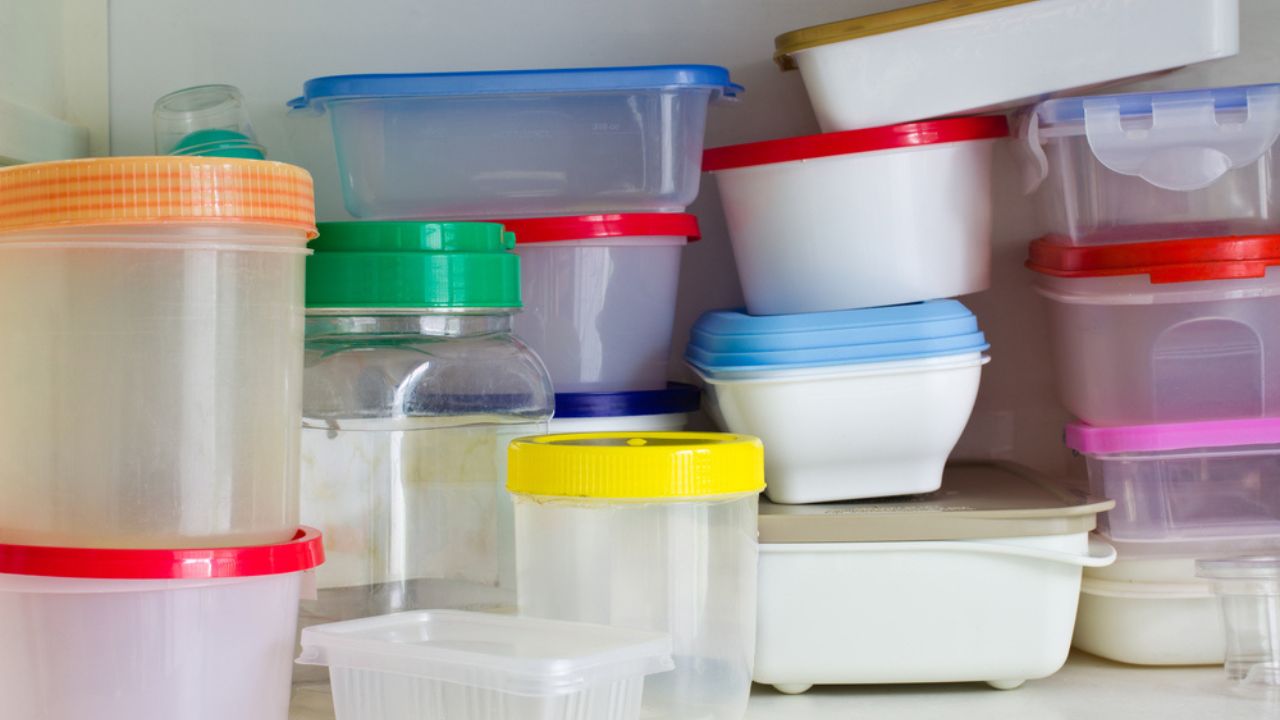
You might assume that if a plastic container is stamped “microwave-safe,” it’s totally fine to zap. Unfortunately, that label simply means the container won’t melt or warp into a puddle. It doesn’t guarantee that it’s free from chemical leaching.
When heated, plastics can release microplastics, billions of nanoplastics, along with chemical additives like BPA and phthalates. These compounds are known endocrine disruptors, linked to issues like infertility, asthma, and metabolic disorders. The risk increases with fatty or acidic foods (like pasta sauce or cheese), which can absorb these chemicals even faster.
The Fix: Transfer your food to a glass or ceramic bowl before heating. It takes five extra seconds and saves you a side of microplastics.
2. Black Plastic Takeout Containers
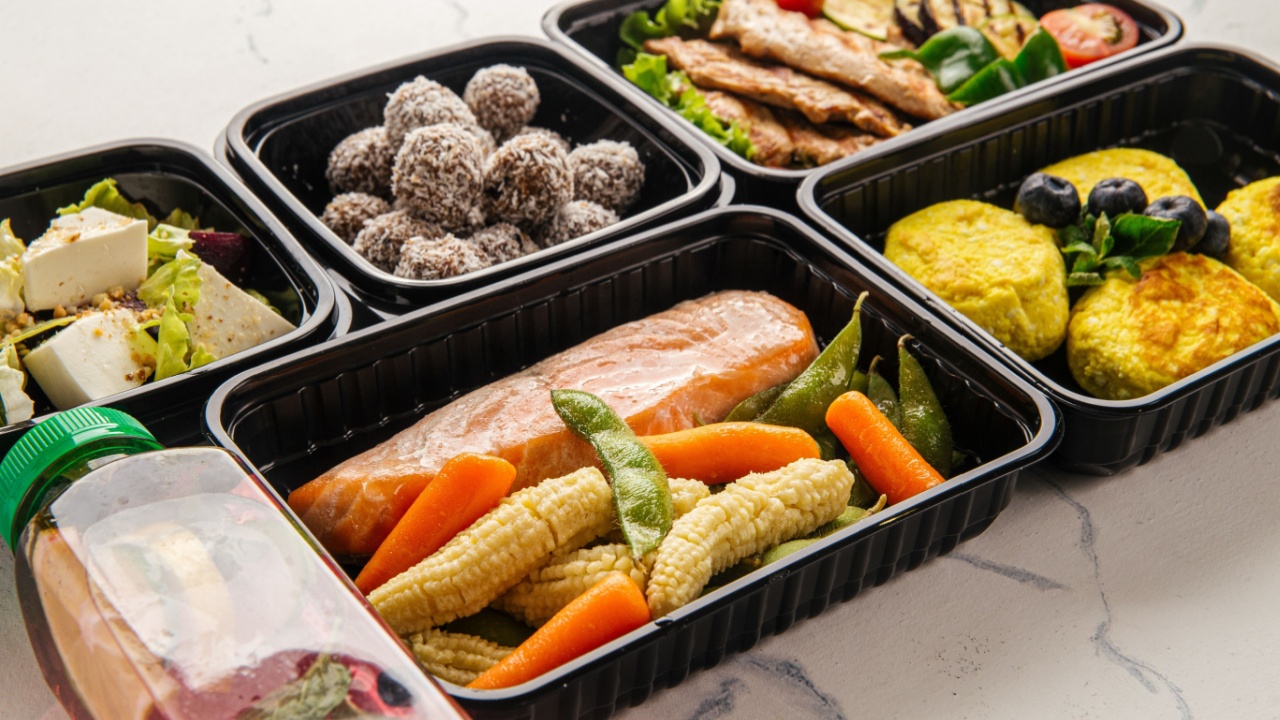
That sleek black container your Thai curry came in? It might be one of the most dangerous items in your kitchen. Many black plastics are made from recycled electronic waste (like old TV casings and computer parts)
A 2024 study published in Chemosphere found that 85% of black plastic products tested contained hazardous flame retardants. These chemicals don’t stay put; they can migrate into your food, especially when heated. Because black plastic is difficult for recycling centers to sort, it often ends up in a loop of contamination, bringing industrial toxins right to your dinner table.
The Fix: Treat black plastic as single-use for transport only. Remove the food immediately and never put these containers in the microwave or dishwasher.
3. Aluminum Foil
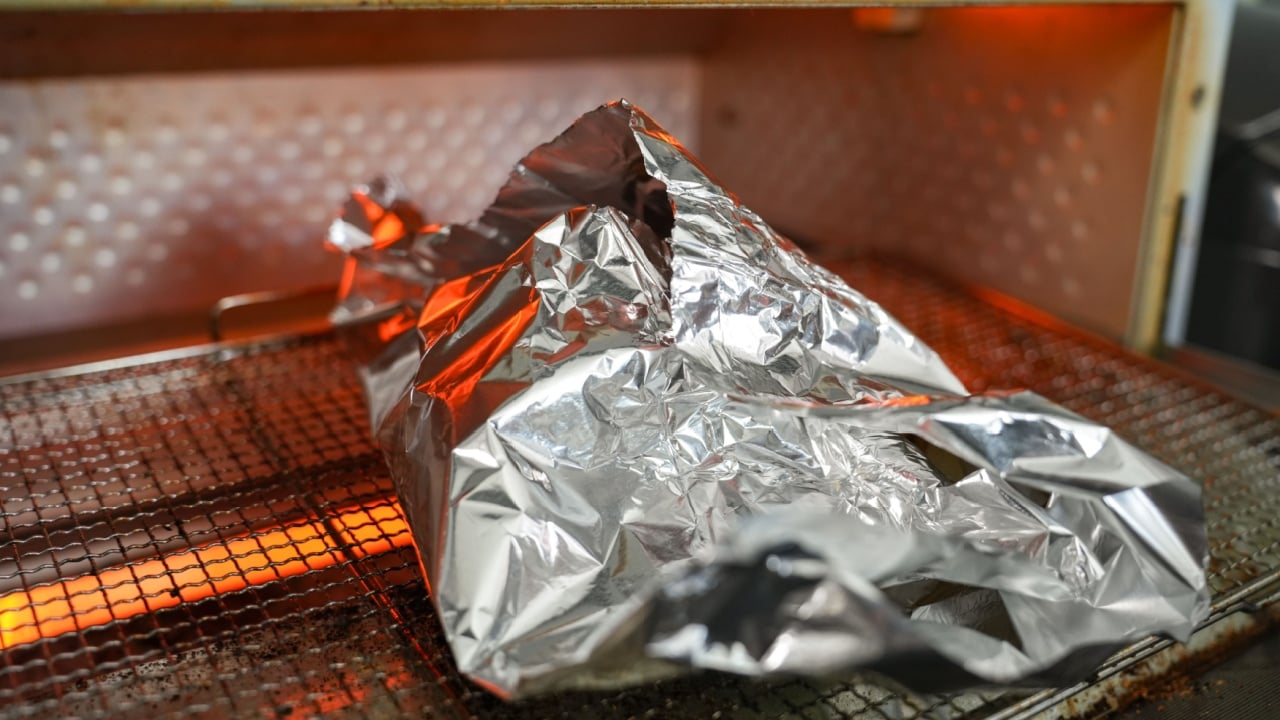
Wrapping leftovers in foil is a classic move, but reheating them in it is not recommended. Aluminum is a reactive metal, and when it’s heated, especially with acidic or salty foods like tomatoes, citrus, or spiced meats, it can leach into your meal.
Cooking with aluminum foil, such as in the oven or on the grill, can result in high levels of aluminum contamination in food. While your body can handle small amounts, long-term accumulation has been linked to potential neurological issues and bone diseases. Plus, putting foil in a microwave is a fire hazard due to sparking.
The Fix: Use glass containers with lids or cover your food with a ceramic plate or parchment paper to keep moisture in without the metal risk.
4. Paper Towels (Especially Recycled Ones)

Covering your soup with a paper towel prevents splatters, but not all paper towels are created equal. Recycled paper towels, while eco-friendly, can contain scraps of plastic, metal, and inks from their previous lives. When microwaved, these impurities can heat up and potentially leach toxins or even ignite.
Even standard paper towels can be problematic if they are bleached with chlorine or contain formaldehyde. Colored or printed towels often use dyes that aren’t food-safe when heated, risking chemical transfer into your food.
The Fix: Stick to plain, unbleached, 100% virgin paper towels if you must use them. Better yet, invest in a reusable microwave splatter cover made of glass or food-grade silicone.
Make the Switch Today

It’s impossible to avoid all environmental toxins, but you can control what happens in your kitchen. Swapping out risky materials for safe alternatives like glass, ceramic, and stainless steel (for the oven) is a simple, impactful change.
Audit your cupboard. Recycle the warped plastics, ditch the black takeout trays, and invest in a set of quality glass storage containers. Your long-term health is worth the investment.