10 Drought Tolerance Flowers to Try for Easier Landscaping
A drought-tolerant garden doesn’t have to sacrifice beauty; many stunning flowers will thrive with little to no supplemental water. Native wildflowers and plants from the Mediterranean region often do well in dry conditions.
Designing a drought‑tolerant garden starts with understanding how plants adapt to dry conditions. Many species develop deep root systems, waxy leaves, or silvery foliage that helps reflect sunlight and conserve moisture. These built‑in survival traits not only make them resilient but also give them unique textures and colors that stand out beautifully against more traditional garden plants.
Choosing drought‑friendly flowers also means less maintenance and more consistency through the hottest months. Once established, these plants can handle long stretches without rain, keeping your garden lively even when water restrictions are in place. With the right mix of hardy blooms and smart placement, you can create a landscape that’s both sustainable and stunning—proof that low‑water gardening doesn’t have to mean low impact.
To help you get started, here are 10 beautiful and hardy drought-tolerant flowers.
1. Giant hyssop (Agastache spp.)

Giant hyssop, or hummingbird mint, is a showy, long-blooming herbaceous perennial in the mint family. Most species of this fragrant plant are native to the US. The tall spikes of flowers bloom in shades of white, blue, purple, or red and last all summer.
These pollinator magnets tolerate both heat and drought, and their only requirements are well-drained soil and full sun. They grow best in USDA zones 5-10.
2. Yarrow (Achillea spp.)
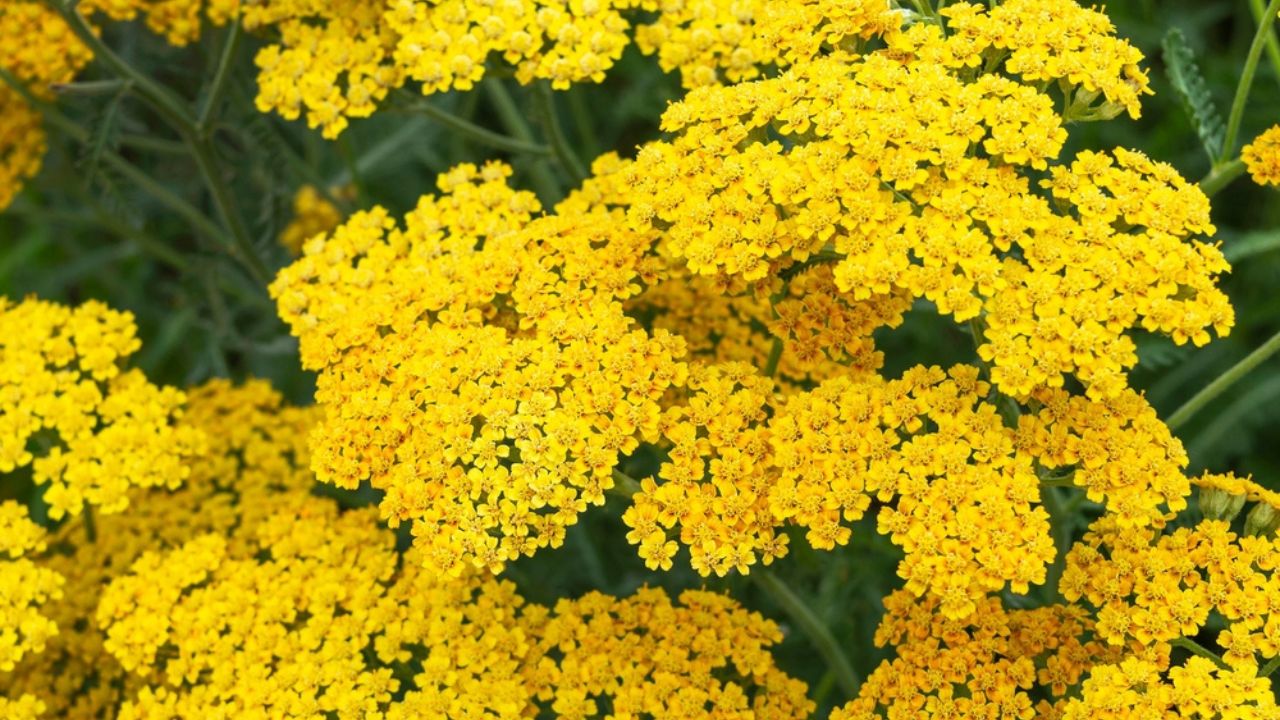
Yarrow has beautiful soft, ferny foliage topped by flat clusters of tiny flowers perfect for both fresh and dried arrangements. The leaves retain a pleasant fragrance when dried. With many species and hybrid cultivars available, yarrow comes in a range of colors. Many readily spread.
Good drainage is essential. Yarrow tolerates poor, dry soils and prefers full to part sun. It also appreciates protection from wind, which can damage the long stems. It thrives in zones 3-9.
3. Globe thistle (Echinops ritro)
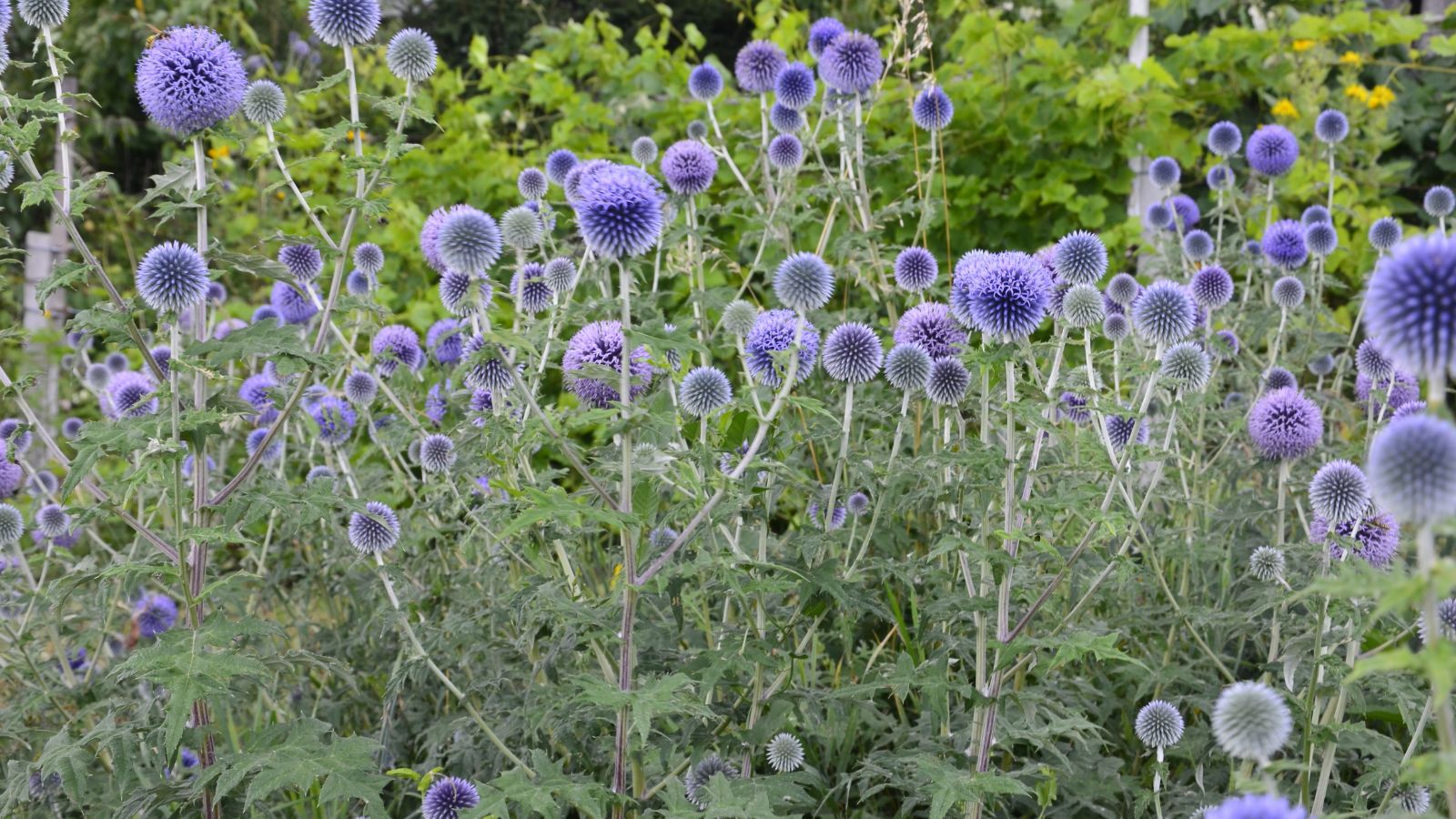
Named for its stunning spheres of blue-purple flowers, globe thistle blooms mid- to late-summer. The flowers attract butterflies and bees and can be used in dried arrangements. Globe thistle also has attractive, hairy, gray-green foliage.
This hardy plant actually prefers poor soils. It also requires good drainage and full sun and is hardy in zones 2-8.
4. Sedum (Sedum spp.)
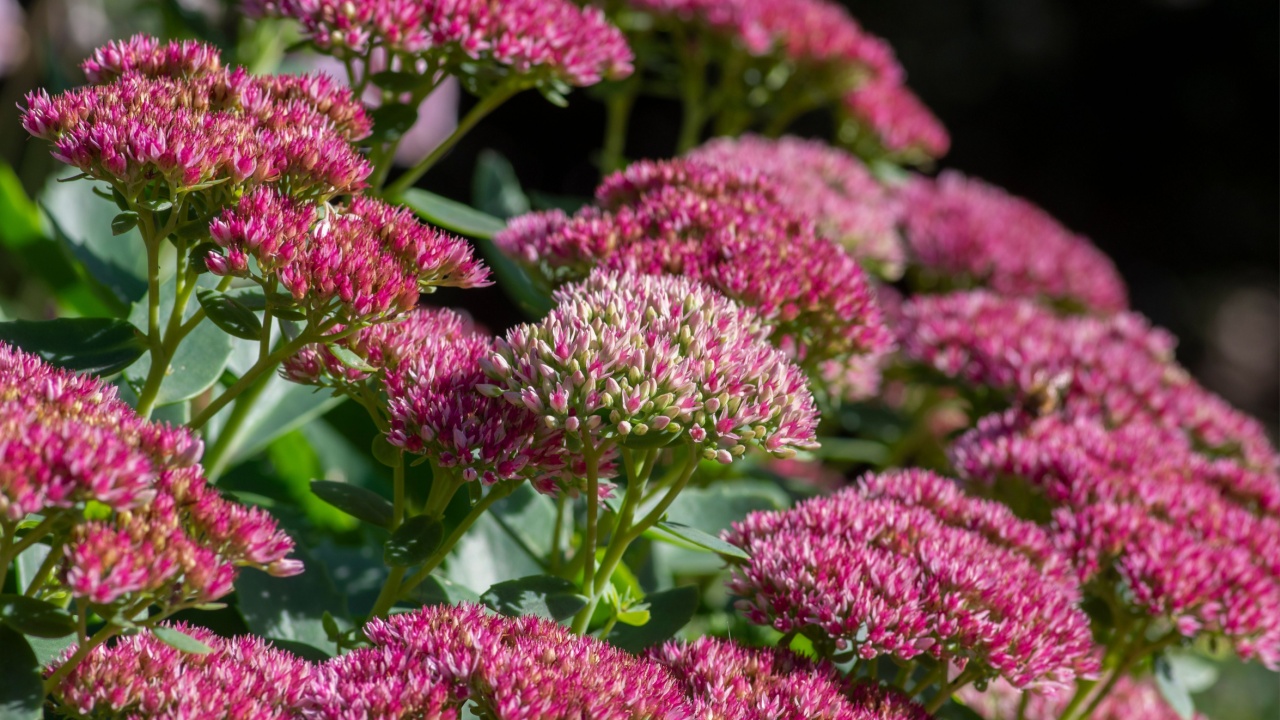
Sedum, or stonecrop, is a genus of succulent perennials encompassing more than 300 species. These upright plants tend to sprawl, making them excellent ground cover. The larger species produce beautiful clusters of pink, red, yellow, or white flowers.
Tolerant of dry, rocky, and poor soils, sedum requires excellent drainage and prefers full to part sun. It thrives in zones 3-9.
5. Blanket flower (Gaillardia spp.)

A native plant with fiery color, blanket flower has daisy-like red and yellow blooms from spring until fall. This hardy, short-lived perennial grows one and a half to two feet tall and attracts pollinators with its showy flowers.
Both drought- and salt-tolerant, blanket flower thrives in well-drained soil and full sun. It grows best in zones 3-9.
6. Fringed bluestar (Amsonia ciliata)

Fringed bluestar is a clump-forming perennial native to the southeast US. It grows one to two feet tall and has airy foliage and clusters of starry, pale blue spring flowers. In fall, the ferny leaves fade to a lovely yellow.
Though fringed bluestar performs best in full sun, light afternoon shade will result in longer-lasting blooms. It also prefers excellent soil drainage. Fringed bluestar is hardy in zones 5-9.
7. Lavender (Lavandula spp.)
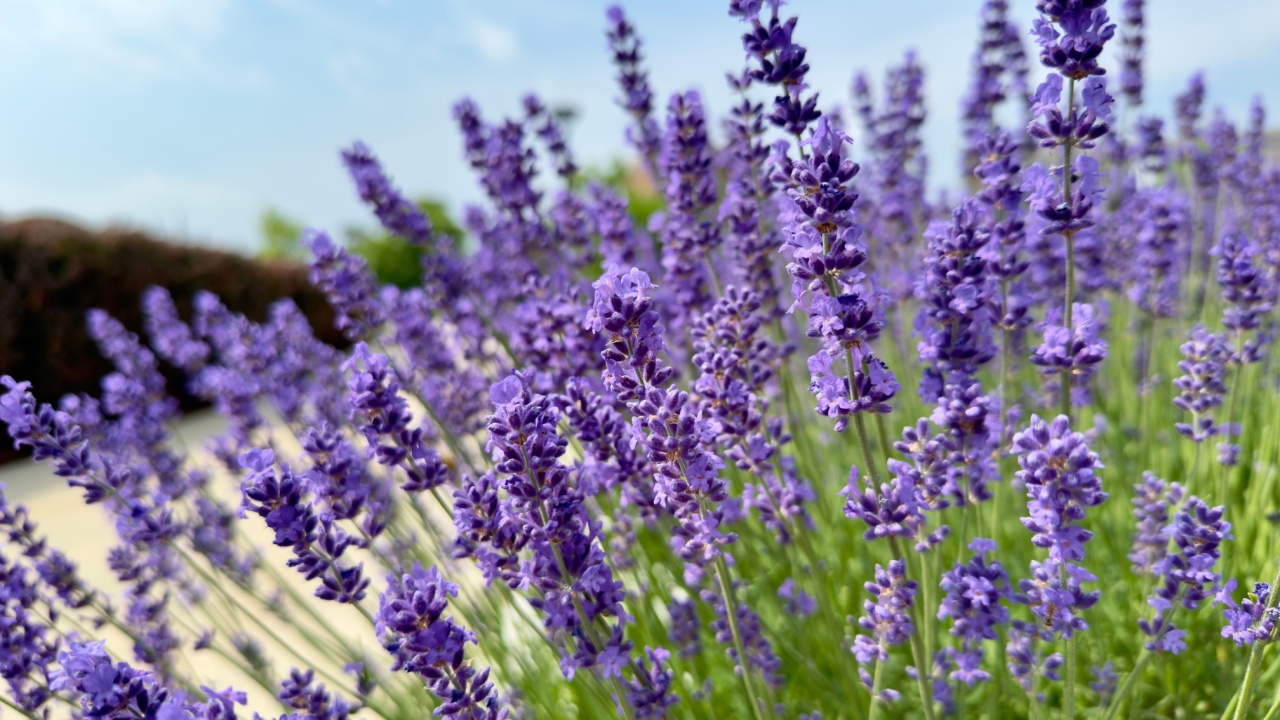
Known for its calming fragrance, purple flower spikes, and gray-green foliage, lavender is an excellent addition to a drought-resistant garden. This Mediterranean herb includes species that range in height from one to four feet and colors from white to deep bluish purple.
Lavender requires excellent drainage and full sun. It thrives in zones 5-9.
Learn more about growing lavender.
8. Purple coneflower (Echinacea purpurea)
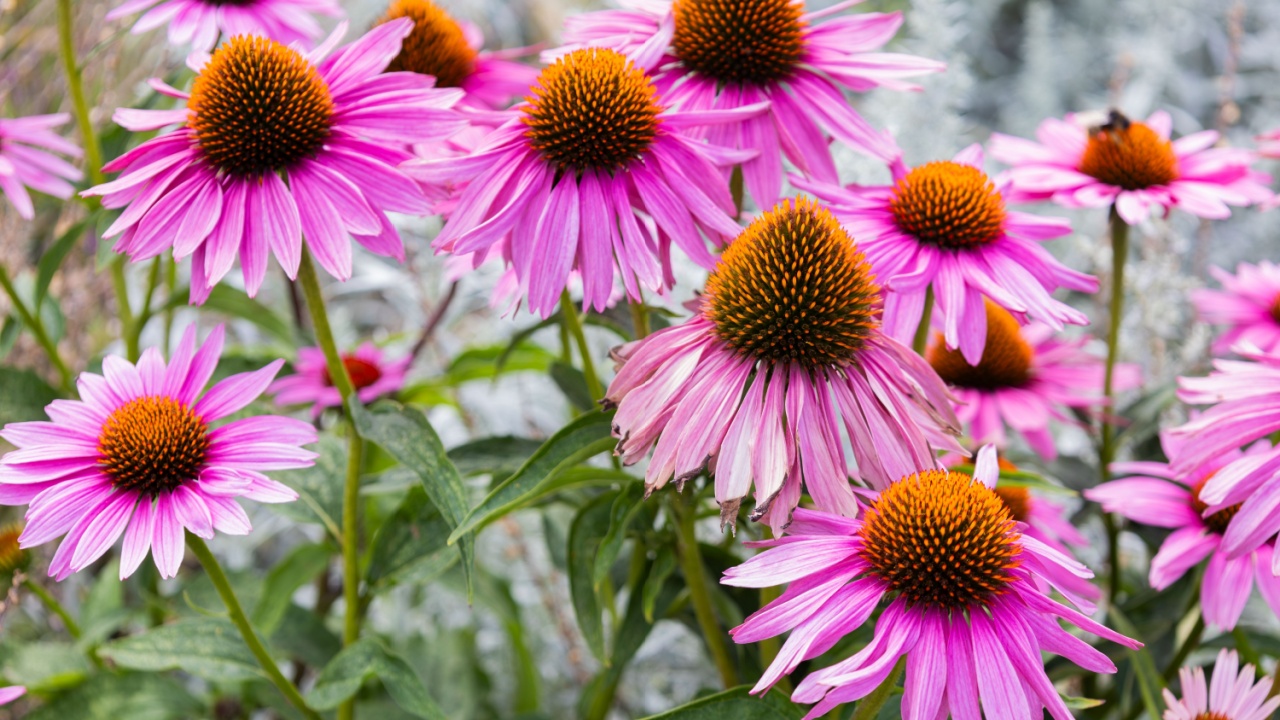
A well-loved native wildflower, purple coneflower features summer blooms with orange centers and downward-facing, pinkish purple petals. This herbaceous perennial grows three to four feet tall, and various cultivars offer different sizes and colors.
Coneflowers prefer moist, well-drained soil in full to part sun and are hardy in zones 3-8.
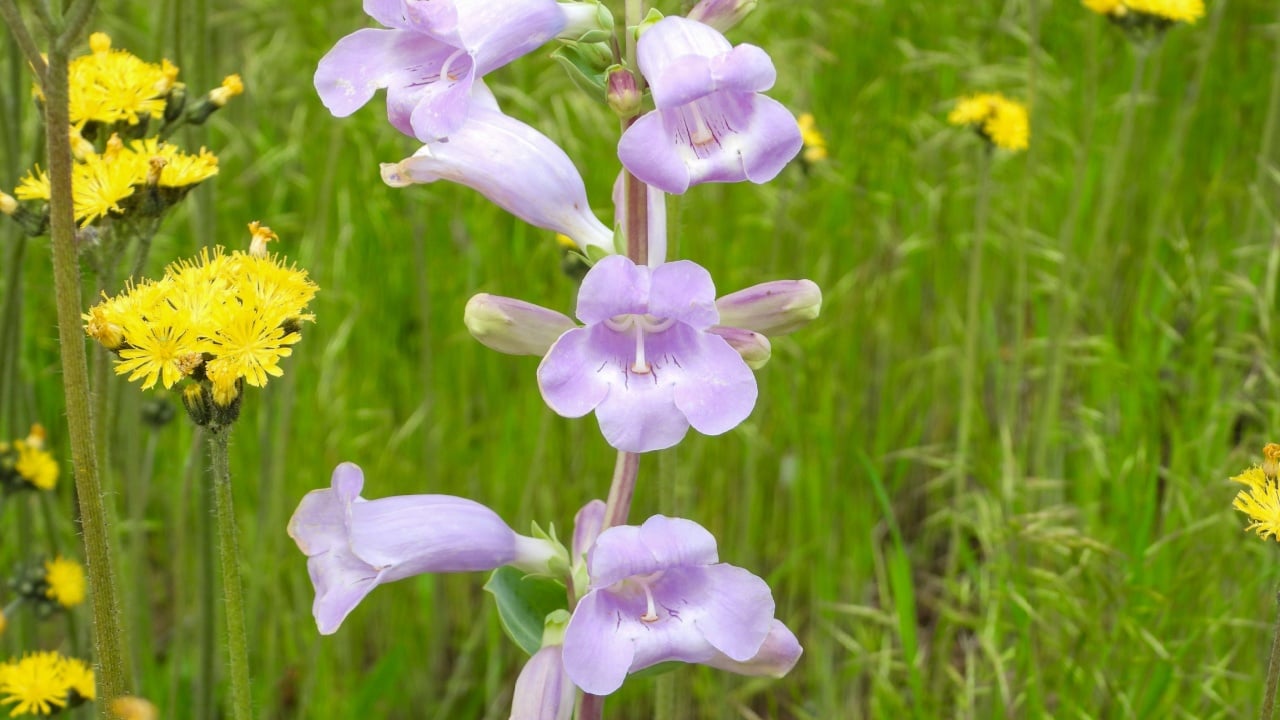
9. Beardtongue (Penstemon spp.)
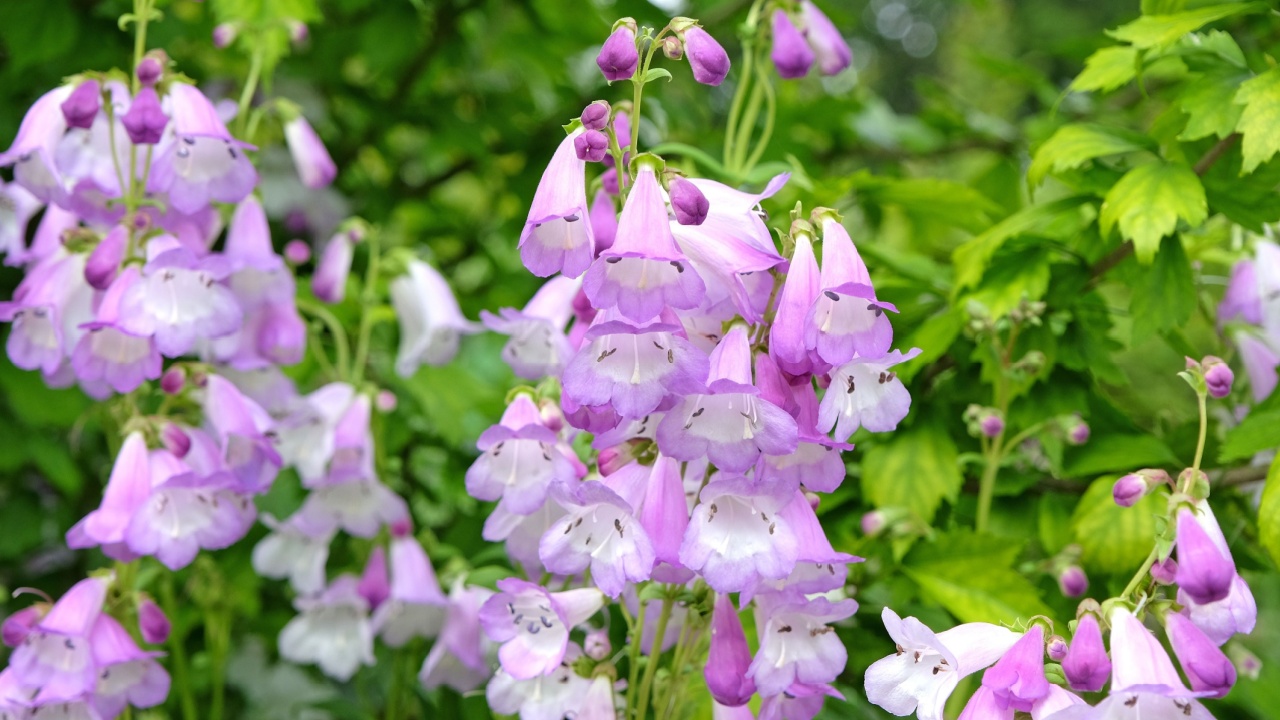
Beardtongue produces lovely tubular flowers that attract pollinators, and songbirds feed on its seeds. The many species and cultivars of this tall, slender North American native have a variety of flower colors, from white to burgundy.
Beardtongue prefers well-drained soil in full sun. It thrives in zones 5-8.
10. Russian sage (Salvia yangii)
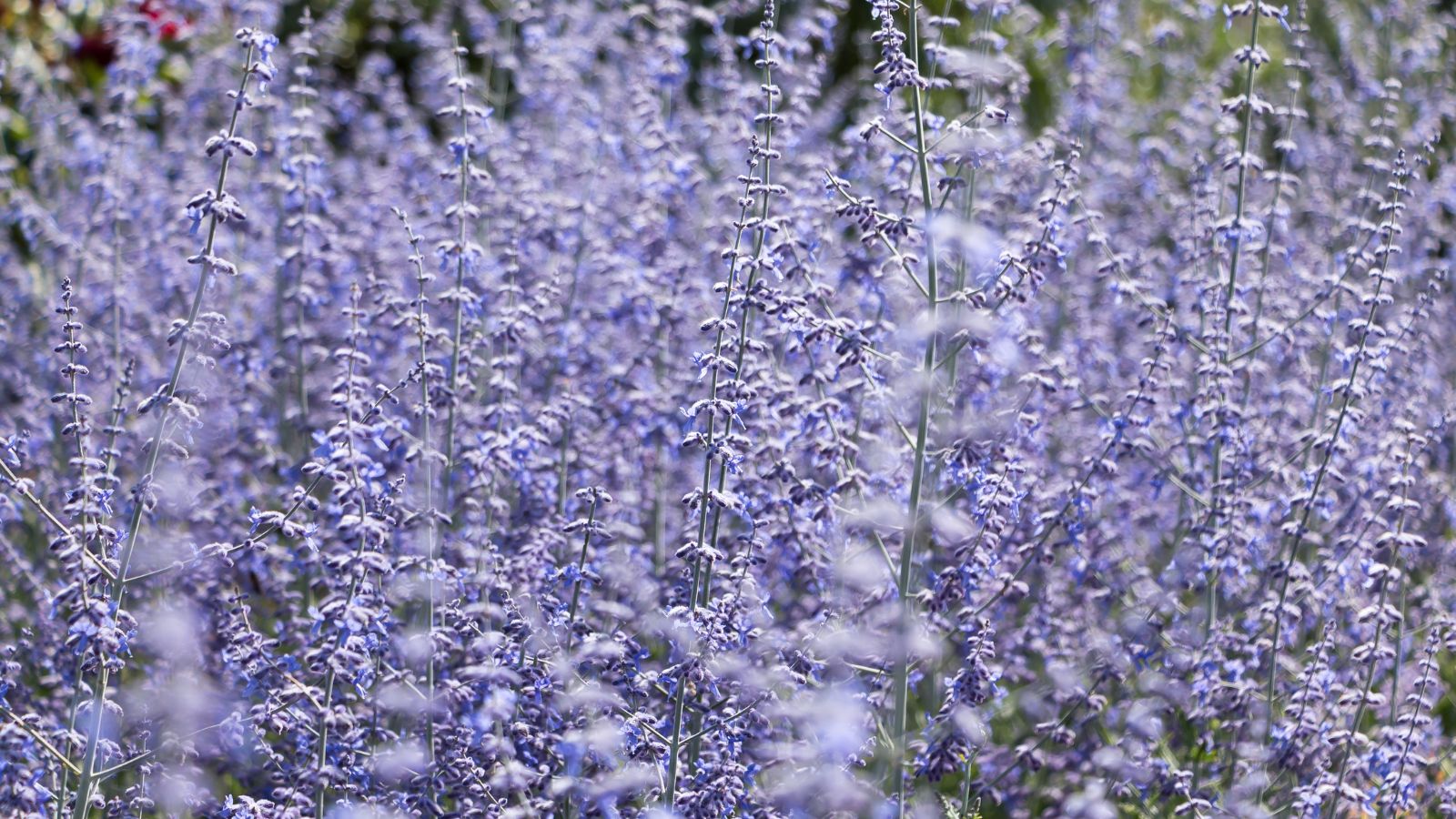
A woody, clump-forming perennial Russian sage grows two to four feet tall and wide. It has fine, silvery foliage that gives off a pleasant fragrance when crushed and branched panicles of tubular purple flowers that bloom from early summer into fall.
Russian sage performs best in full sun, well-drained soil, and dry conditions. It is hardy in zones 5-9.
Drought-Tolerant Landscaping Ideas For Your Yard
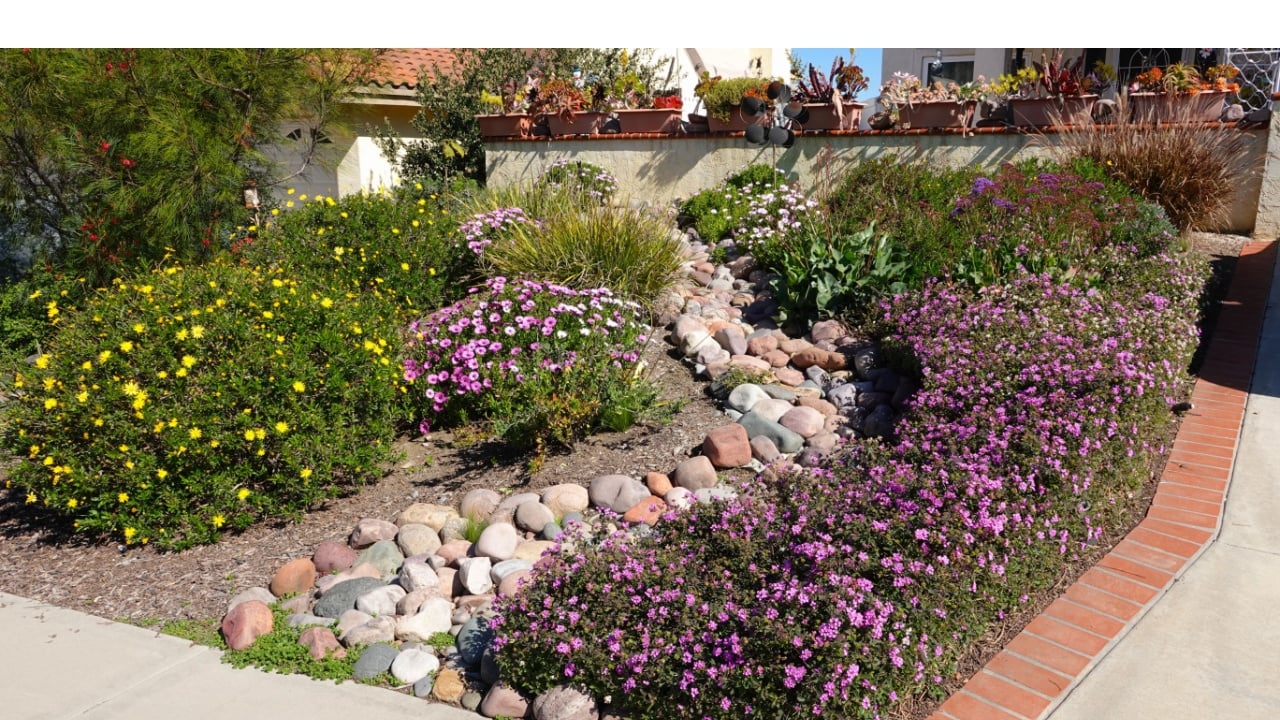
The 10 ideas we just covered are a great start. To recap: drought-tolerant plants quite often have fleshy root systems or resinous, scented sap. With the right planning, you can have a low-maintenance garden that looks amazing. Outside of native flowers and plants, you can also consider drought-resistant grass that will give your yard a nice pop of lush green without an outrageous water bill.
Read more:
Real People Share How Drought is Reshaping Backyard Gardening Culture
13 Drought-Tolerant Plants That Make a Xeriscape Look Lush