Real People Share How Drought is Reshaping Backyard Gardening Culture
Summer often brings visions of thriving gardens, but in drought-prone regions, the reality is far more complicated. This rings true, particularly this year, when many areas got significantly less snow this winter. In Salt Lake City, many residents are openly discussing whether to plant at all this year, and a growing number are deciding against it.
The reasons are practical and pressing. Rising water costs, strict conservation measures, and repeated crop failures are pushing homeowners to reconsider how they use their yards. Instead of planting vegetables or flowers, some are choosing to conserve water and simplify their outdoor spaces.
For many longtime gardeners, this shift feels bittersweet. Gardening isn’t just a hobby—it’s a ritual, a source of pride, and a way to stay connected to the seasons. But when the landscape itself is changing, and water becomes a resource to be rationed rather than enjoyed, even the most dedicated growers are being forced to rethink what’s sustainable. The decision to scale back isn’t about giving up; it’s about adapting to a new reality.
This article looks at why gardeners are stepping back, how water conservation is shaping neighborhoods, and what alternatives exist for those who still want to stay connected to gardening without heavy water use.
Why Gardeners Are Stepping Back
In Salt Lake City, drought conditions and watering restrictions are weighing heavily on residents. Many gardeners say they feel guilty about using water for crops when conservation is a pressing community issue. Others point out that the cost of maintaining a garden, including soil, seeds, and water bills, has risen sharply, making it harder to justify.
For those who have struggled with pests, poor soil, or repeated crop failures, the decision feels practical. Instead of investing more time and money into gardens that may not thrive, they are choosing to step back and redirect their efforts toward conserving resources.
Water Conservation As A Priority
Water conservation is becoming a collective responsibility in drought‑prone regions. By reducing outdoor watering, residents help stabilize local supplies and ease pressure on municipal systems. Skipping a garden for a season can be one way to contribute.
Some homeowners are shifting toward low‑water landscaping, using native plants or xeriscaping techniques. These approaches allow yards to remain attractive while requiring far less irrigation. It is a practical compromise that supports conservation without leaving outdoor spaces barren.
How Neighbors Are Responding
The Salt Lake City discussion shows how individual choices ripple through neighborhoods. When one gardener decides to skip planting, others often follow, either out of solidarity or because they feel freer to do the same. This collective shift highlights how traditions like summer gardening can evolve under environmental pressure.
At the same time, not everyone is giving up completely. Some residents are experimenting with container gardens, herbs, or small plots that require minimal water. These scaled‑down efforts keep the gardening spirit alive while respecting conservation needs.
Alternatives To Traditional Gardens
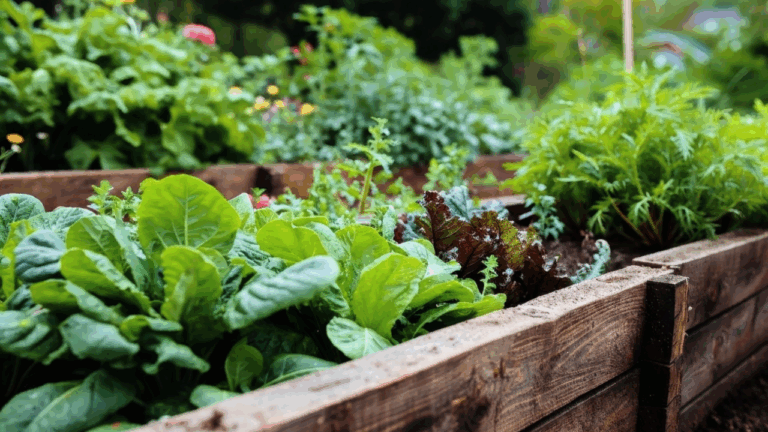
For those who miss the satisfaction of growing, alternatives exist. Indoor herb gardens, hydroponic setups, or small raised beds with efficient drip irrigation can provide fresh produce without heavy water use. These methods allow gardeners to stay connected to the practice while adapting to new realities.
Another option is to focus on community markets. Supporting local growers who manage water responsibly can still bring fresh produce to the table. This approach shifts the burden away from individual yards while keeping the benefits of seasonal food.
Looking Ahead To Future Summers
As drought conditions persist, more homeowners may reconsider how they use their outdoor spaces. The Salt Lake City thread is just one example of a broader trend, gardeners weighing tradition against sustainability. By choosing conservation, they are contributing to long‑term resilience in their communities.
Gardening does not have to disappear, but it may need to adapt. From smaller projects, smart irrigation, and water‑wise landscaping to supporting local growers, there are ways to stay connected to the land while protecting vital resources.
Read More:
13 Drought-Tolerant Plants That Practically Take Care of Themselves
25 Drought-Tolerant Plants You’ll Never Need to Water This Summer