6 Genius Ways to Repurpose Old Blankets Around the House
Textile waste puts a massive strain on landfills every year, and blankets are a big part of that problem. It’s tempting to toss a frayed quilt or stained fleece into the trash, but most fabrics still have plenty of life left in them. Even when a blanket no longer works on a bed, the material often remains durable, absorbent, and insulating.
Instead of throwing these items away, giving them a second purpose helps reduce waste and keeps useful materials in circulation. Repurposing old blankets is one of the simplest ways to cut down on household trash while saving money on supplies you’d otherwise buy.
These fabrics are incredibly versatile and can be transformed into practical tools for cleaning, organizing, gardening, and more. With just a few minutes of effort, an old blanket can become something genuinely useful again.
Here are six smart and practical ways to keep those worn‑out blankets in rotation—and out of the landfill.
1. Create Heavy-Duty Cleaning Rags
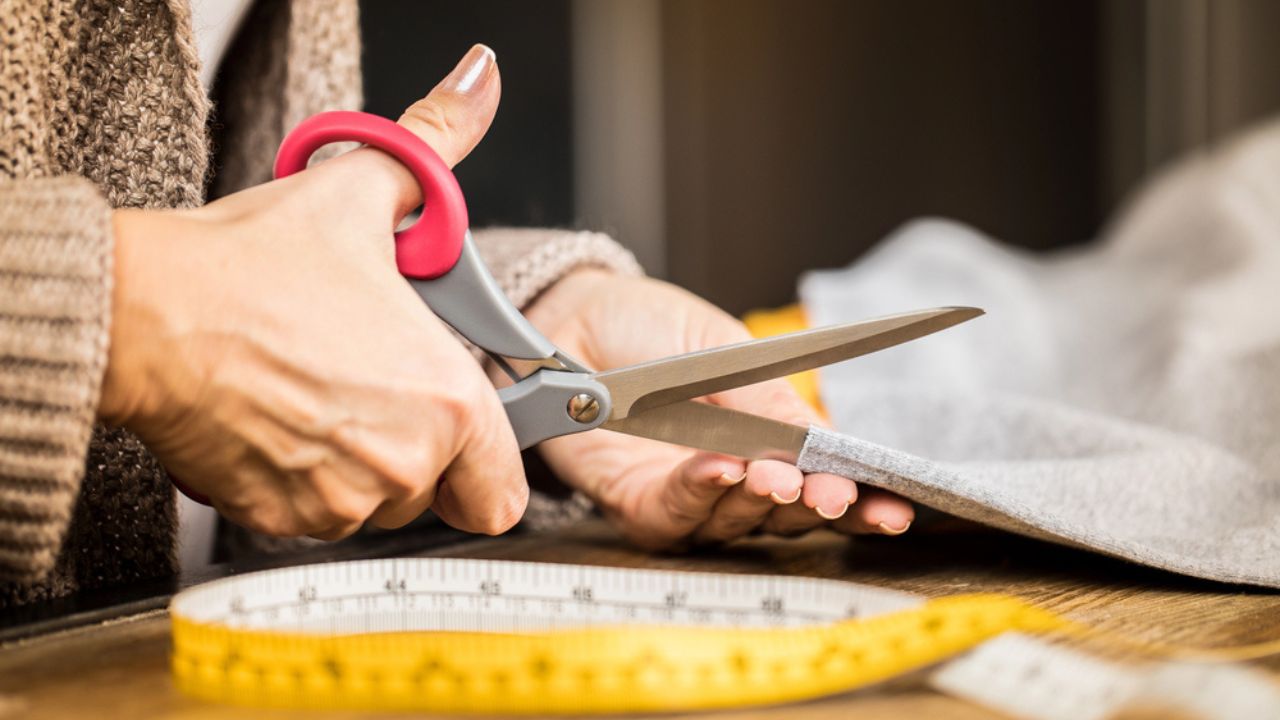
Paper towels are wasteful and pricey to replace, but you can turn an old cotton or fleece blanket into dozens of reusable cleaning cloths. These thicker fabrics absorb spills, trap dust, and tackle tough messes better than paper.
Just cut the blanket into squares with sharp scissors, and if the edges fray, use pinking shears. Store them under the sink, and you’ll never need to waste a paper towel on messy spills again.
2. Insulate With DIY Draft Stoppers
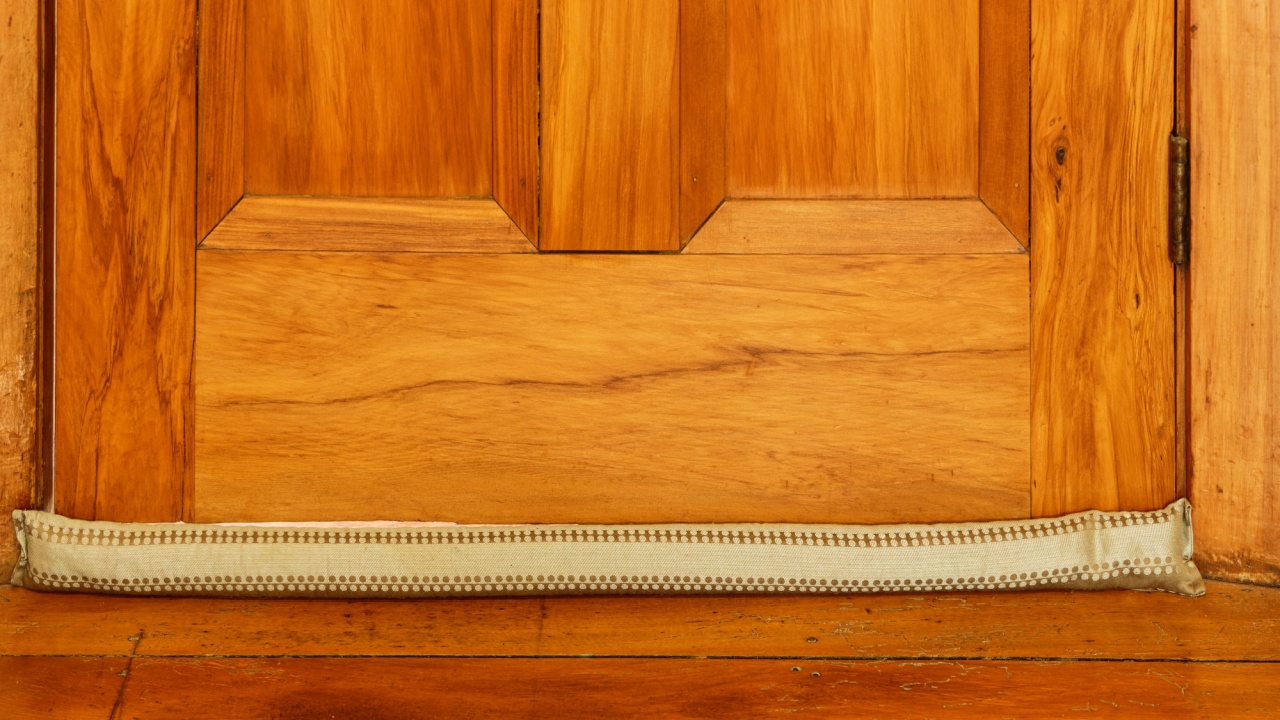
Older homes often have gaps under doors and windows that let heat escape in winter and cool air in summer. A heavy wool or thick synthetic blanket can be a quick fix to seal those cracks.
Just roll it up tightly, secure it with twine, or use it as stuffing for a fabric tube. Thick fabrics create a solid barrier to stop air from getting through, helping keep your space cozy while cutting down on energy bills. Simply measure the width of the gap, roll the blanket into a cylinder, secure it, and place it where needed for an instant fix!
3. Establish a Pet Sanctuary
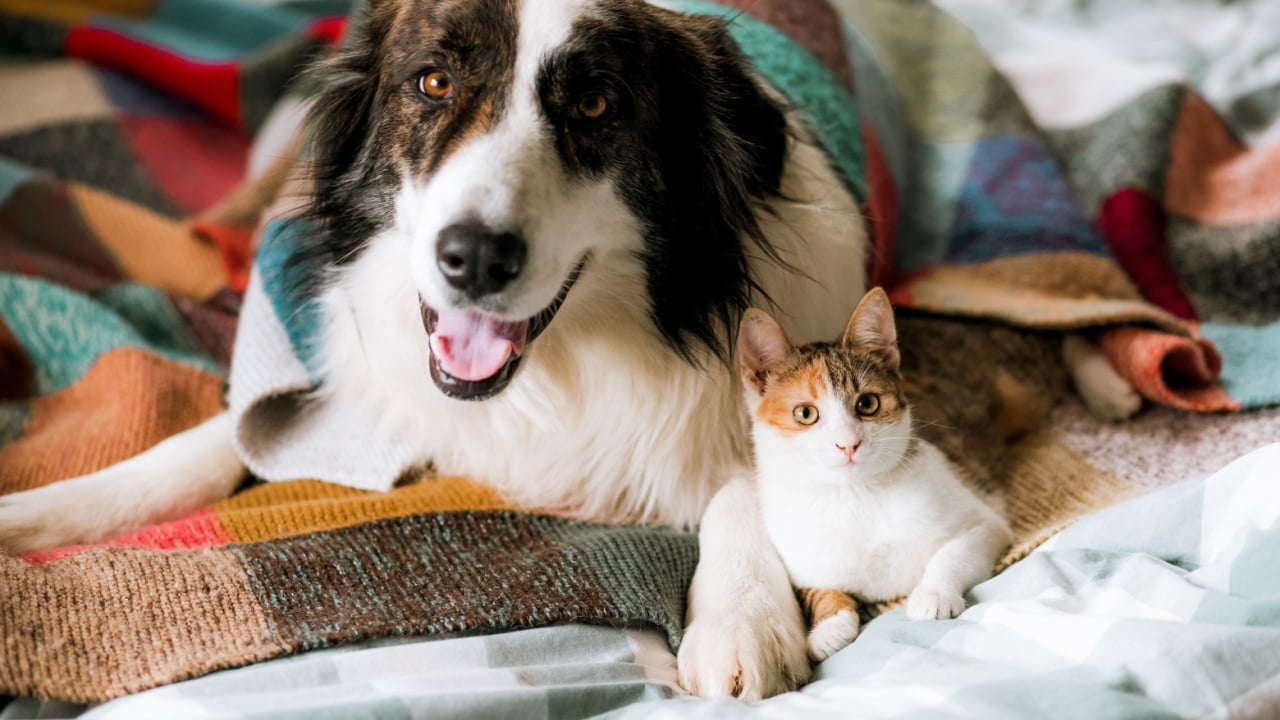
Repurpose old blankets or linens as pet beds, crate liners, or furniture covers to give your furry friends a cozy spot while keeping their shedding contained. Plus, these layers protect your furniture and extend the life of expensive pet supplies.
Blankets already smell like home, which can help calm anxious pets. Simply fold one to fit a crate or lay it over your dog’s favorite spot.
4. Construct a Weed Barrier

Instead of buying landscaping fabric, use an old wool or cotton blanket as a natural, biodegradable weed barrier in your garden. Synthetic fabrics won’t work because they leave microplastics in the soil, but natural fibers are great for blocking sunlight to stop weeds from sprouting. The thick fabric still lets water through to the roots of your plants.
Just make sure the blanket is 100% natural fiber, like wool, cotton, or linen. Lay it over your garden bed, cut holes for your plants, and cover it with mulch or rocks. Over time, the blanket will decompose and add organic matter to the soil, all while keeping weeds away.
5. Upgrade Your Ironing Board

Tired of your ironing board cover wearing thin and leaving marks on your clothes? Ditch the cheap foam replacements and use an old wool blanket to create a better pad. Wool is naturally heat-resistant and creates a dense surface for perfect pressing.
Just trace your board on the blanket, cut it out with a little extra room, and layer it under your original cover. You’ll notice the difference right away.
6. Assemble a Car Emergency Kit

If your car breaks down in winter or gets stuck in the mud, an old blanket can be a lifesaver. It keeps you warm if the engine dies, works as a ground cover for changing a tire, and even helps tires gain traction in snow or mud.
Synthetic blends or wool are best since they hold heat even when damp and provide enough friction to help in slippery situations. Keep a folded blanket in your trunk, secured with a belt or bungee cord, and if you’re in a snowy area, pack an extra one just for emergencies.
Do Your Part
Before you toss a textile, consider if it has one more job to do. Whether it ends up as a bed for a rescue dog or a barrier against weeds in the garden, giving that fabric a second life reduces waste and solves household problems for free.
If you truly have no use for the item and it remains in decent condition, contact local animal shelters to see if they are currently accepting donations for bedding.
Read more
18 Creative Ways to Repurpose Old Clothing in the Home and Garden