Don’t Hide Them There: 12 Worst Places to Hide Spare House Keys
Most of us have all experienced that heart-sinking moment of a locked door and empty pockets. In a flash of panic, you remember the spare you cleverly stashed for just such an emergency. But is that hiding spot truly as clever as you believe? This article explores the most common, and unfortunately, most obvious, places people conceal a spare.
We will walk through 12 specific locations that burglars check first, explaining why each one is a security risk. The goal is to help you see your own backyard through the eyes of someone with bad intentions. By understanding these pitfalls, you can avoid them.
1. Under the Doormat
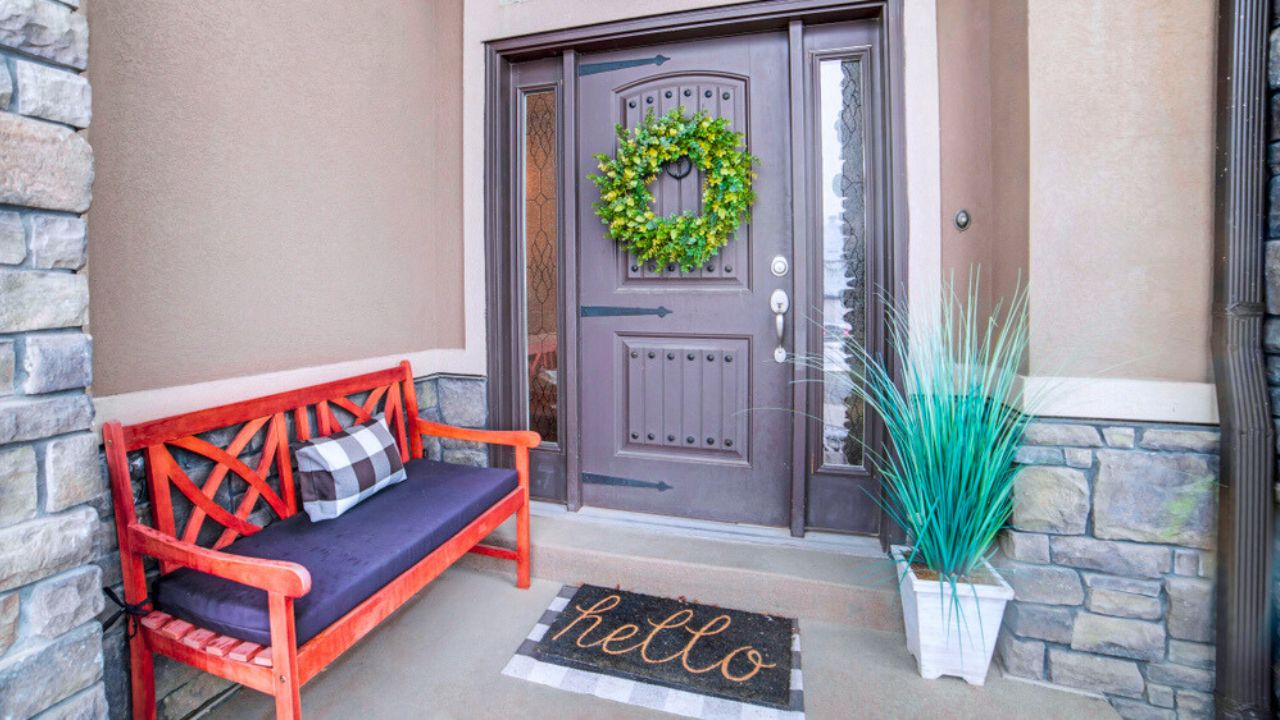
This is the most classic hiding spot, featured in countless movies and cartoons. Its fame is its downfall. Placing a spare under the doormat is the first place anyone, from a nosy neighbor to a professional thief, will look. It requires no effort, no searching, and practically zero risk for an intruder. A quick flip of the mat and they have an open invitation into your home. It is convenient at the expense of security.
Even if you try to outsmart potential intruders with a mat that screams “Welcome,” you are not outsmarting anyone. Doormats often sit in plain sight, and foot traffic or weather can even move the mat enough to expose what is underneath. It is the equivalent of hiding dessert at eye level in the fridge and hoping no one grabs it before dinner.
2. Tucked Inside a Mailbox

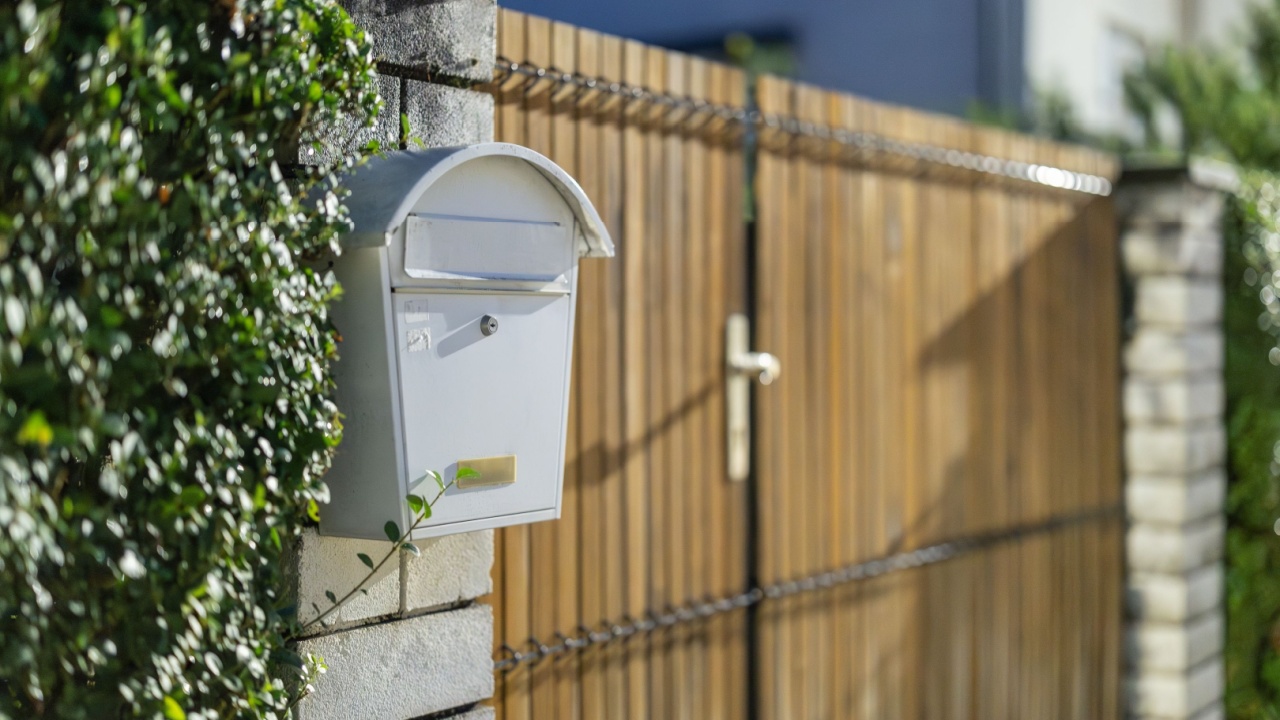
Using the mailbox feels slightly more secure than the doormat, but it is just as problematic. Mailboxes are, by design, easily accessible. They are meant to be opened by postal workers daily. Hiding something inside is a gamble. An intruder can check it in seconds without looking suspicious. They are simply pretending to check the mail. Mail theft is a federal crime, but a thief grabbing a house key might not be deterred by that.
Not to mention, stuffing a spare into a mailbox can actually interfere with your mail delivery or, if the key slips down, could make it tough to retrieve it in a pinch. Anyone loitering near your mailbox could claim to be waiting for a letter or picking up bills, while actually fishing for your spare. Relying on such an easy-access area means your supposed emergency backup is an open secret for anyone willing to take a quick look.
3. Beneath a Flower Pot
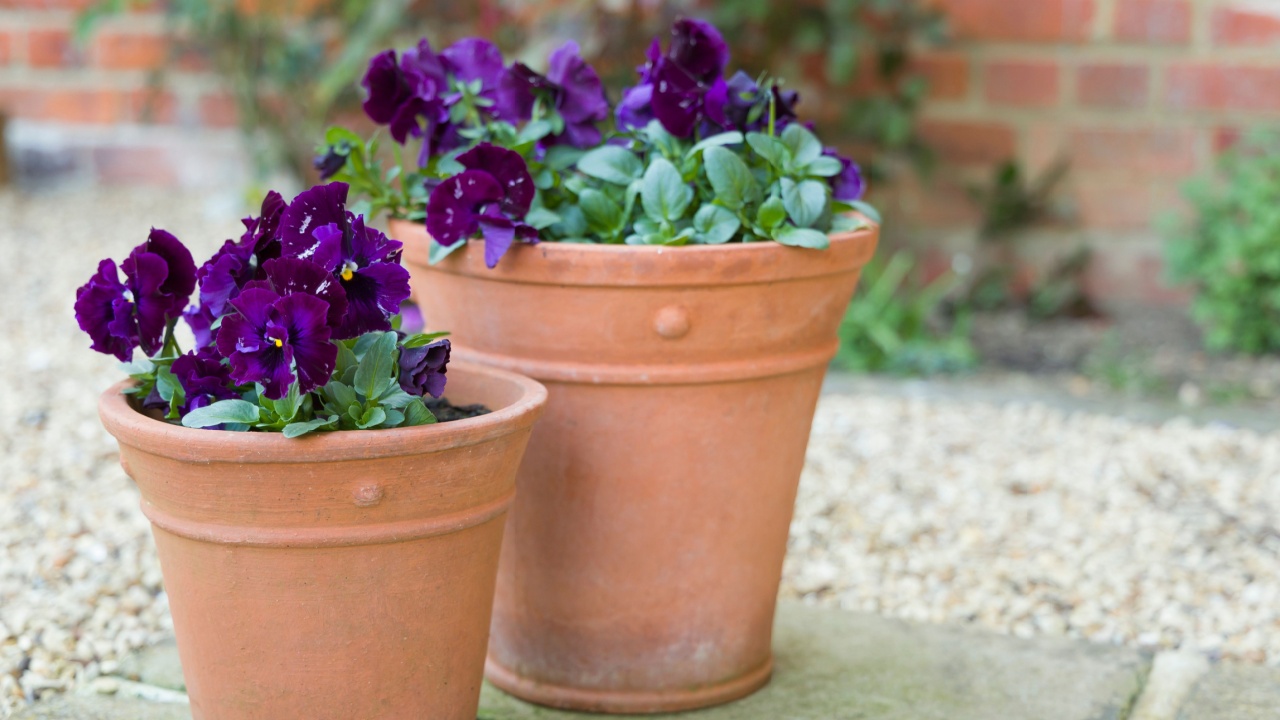
Placing a spare under a flower pot or planter near the door is another popular but poor choice. Like the doormat, it is one of the first locations a burglar will check. It is a predictable move. A person only needs to tilt a few pots to find what they are looking for. The larger and heavier the pot, the safer it might seem, but it only takes a moment for someone to check. The dirt and mess offer little real protection.
A snooping stranger could blend in by pretending to admire your flowers, lifting each pot until they hit the jackpot. It’s just not worth the risk.
4. In a Fake Rock
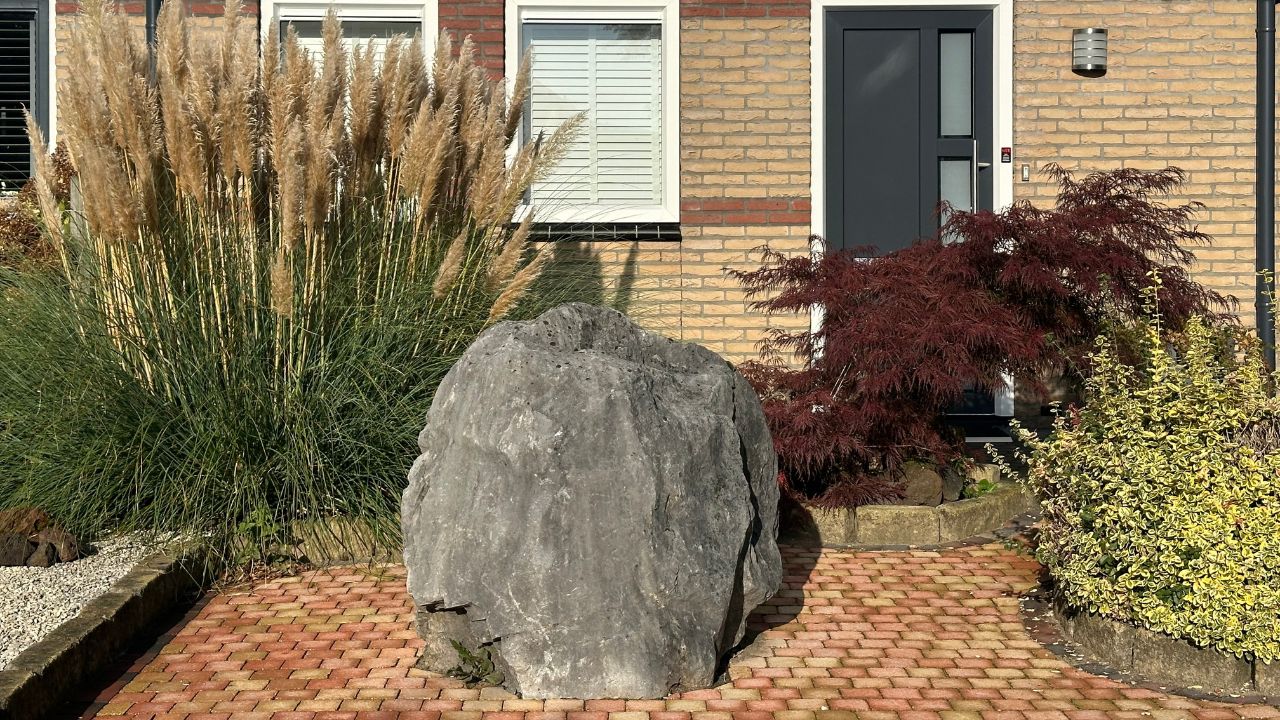
The fake rock with a hidden compartment was a novel idea once. Now, these items are sold everywhere, and their purpose is widely known. Burglars are very familiar with them. A plastic rock that looks out of place among natural stones, or one that is too light, is an immediate giveaway. Unless your yard is full of identical-looking rocks, the fake one will stand out and attract the wrong kind of attention. It is camouflage that fails to conceal.
Time and weather do fake rocks no favors. They fade, crack, or shift slightly when you mow, making them more obvious as the seasons go by. Even garden guests joke about these little safes, so you can imagine how easy it is for a determined intruder to spot one. Someone scoping out your yard and seeing a single, lonely “stone” by the steps will know exactly what to check first. It may feel clever, but the element of surprise is long gone.
5. Above the Door Frame
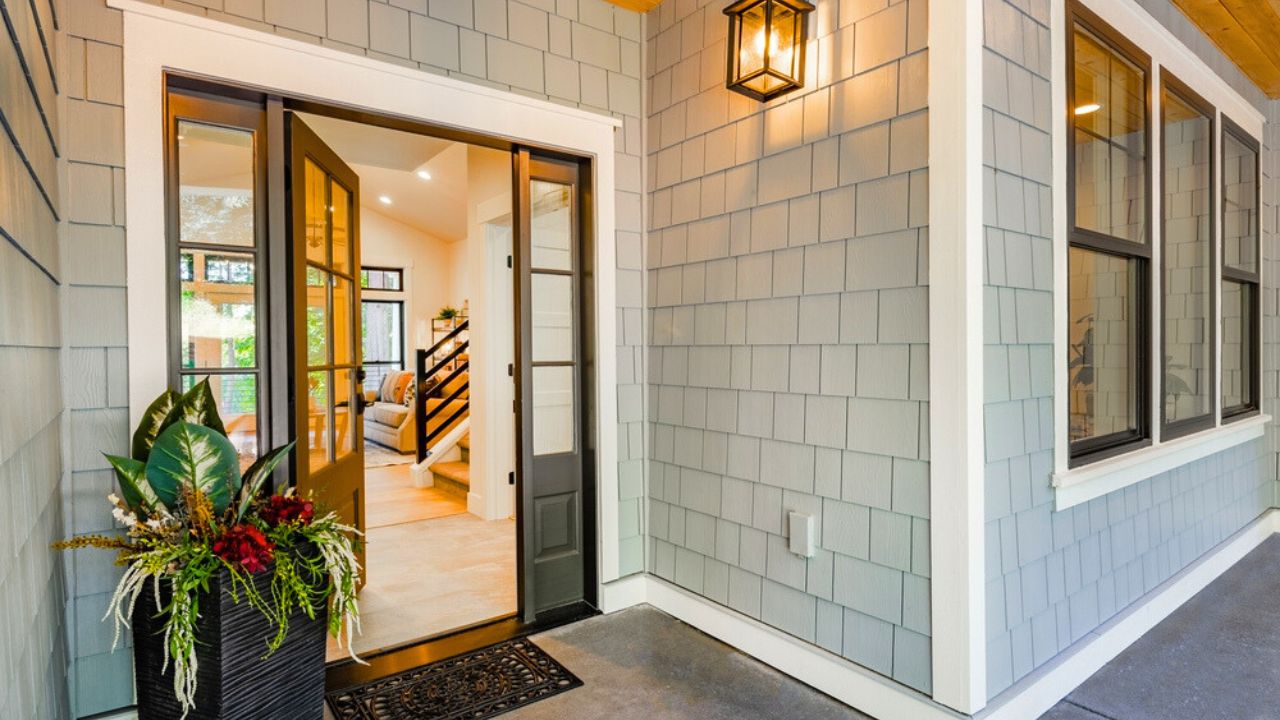
The top of the door frame or window ledge is a go-to spot for many people. It feels discreet because it is out of the direct line of sight. However, it is an old trick that burglars know well. A quick swipe of the hand across the ledge is all it takes to find a hidden item. This spot is especially risky because it places the spare directly at the point of entry. No searching around the yard is required.
Anyone tall enough, including someone who is just “casing the joint,” can check this spot without even attracting attention from neighbors. Rain, wind, and bugs can also dislodge or damage anything left up there. If you have ever knocked dust and spider webs off the door frame while hanging decorations, you’ve seen firsthand just how exposed and messy this spot really is.
6. Inside a Porch Light Fixture
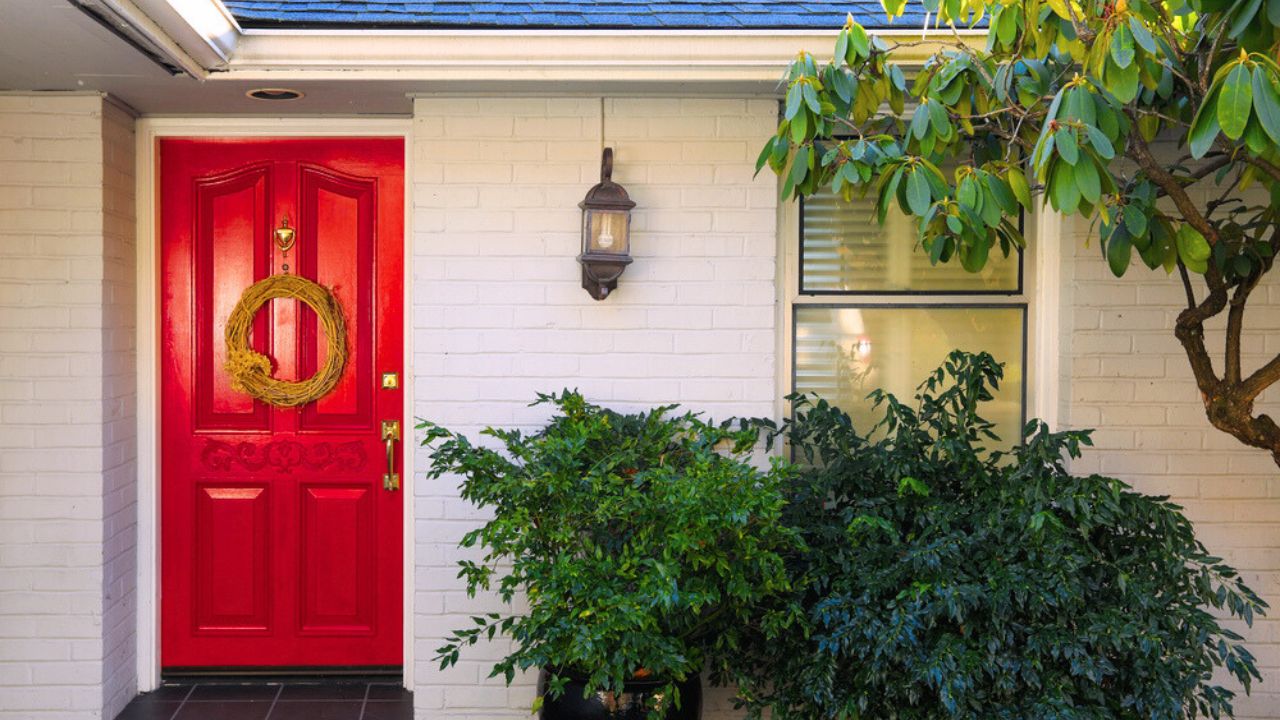
Hiding a spare inside a porch light seems clever. It is up high, requires a bit of unscrewing, and is generally out of mind. Unfortunately, it is another well-known hiding place. An intruder can blend into the shadows at night and quickly access the light fixture. Many modern fixtures have easy-to-remove covers, making this spot less secure than it appears. It also poses a small risk of electrical shock if not handled carefully.
Another issue with using a porch light is that it can create problems for anyone who actually needs the spare in a hurry. If the fixture is old or the screws are stuck, someone locked out late at night is left fumbling with a flashlight and a stubborn cover. Aside from being an inconvenience, this can attract attention or make neighbors wonder what is going on at the door. A sticky porch light is just as likely to lock folks out as to help them get in.
7. Behind an Outdoor Thermometer
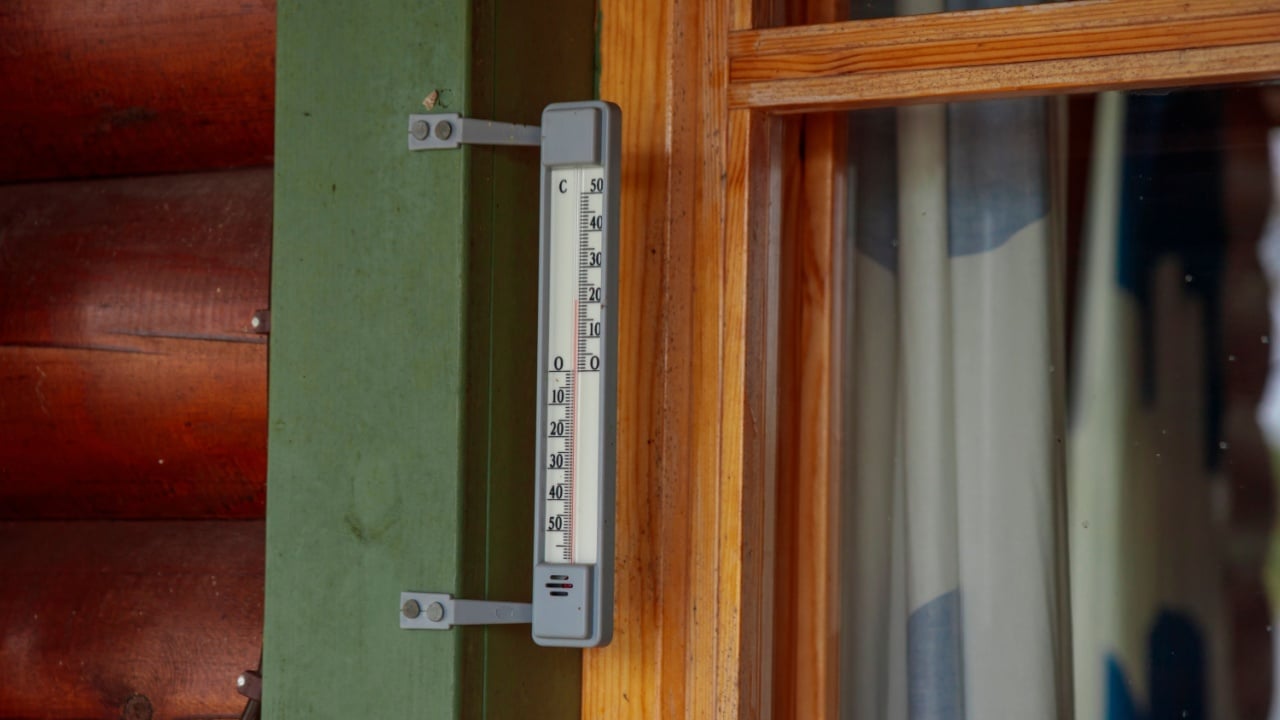
A wall-mounted thermometer seems like an innocent and functional piece of outdoor decor. Taping a spare to the back of it is a common practice. The problem is that anything attached to the siding near a door is a potential hiding spot, which makes your home vulnerable. A person can quickly check behind thermometers, house number plaques, or other decorations without drawing suspicion. The item’s small size makes it an easy target for a quick pat-down.
Leaving a spare behind an outdoor thermometer makes life much easier for anyone aiming to get into the house without permission. These gadgets often hang just a few feet from the entrance, so they are within easy reach and can be checked in a matter of seconds. The reality is that burglars are onto this strategy, and a thermometer that sits oddly on the wall looks even more tempting to curious hands. By picking such a noticeable spot, you are giving a burglar a shortcut instead of a challenge.
8. In a Garden Gnome or Statue
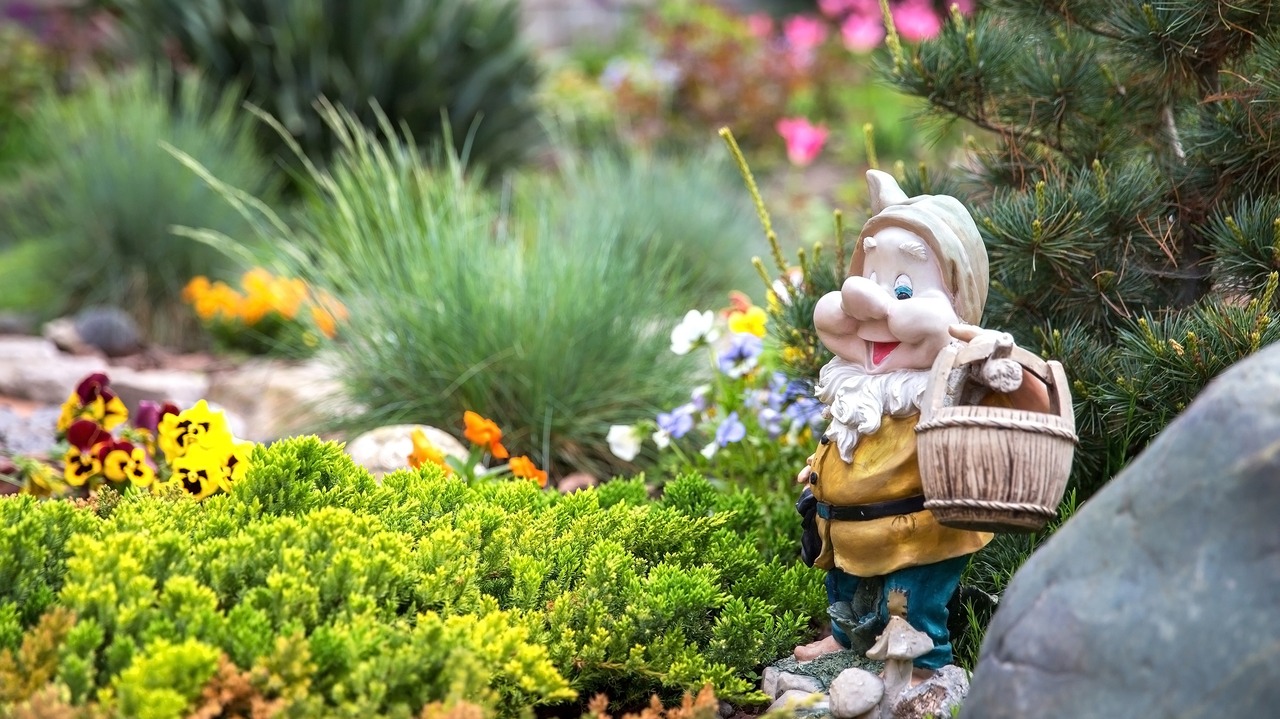
Lawn ornaments add personality to a yard; some garden gnomes may even bring luck to your home. They also offer hollow spaces that seem perfect for hiding a spare. This is another idea that has become too popular for its own good. A thief will not hesitate to pick up and shake your favorite gnome. If an ornament looks like it has a secret compartment, it probably does, and an intruder will be happy to find it.
People notice when a statue gets a lot more attention than the roses nearby. If your decorations seem too inviting, someone looking for easy entry into the house will notice. Using an ornament as a hiding place could mean waking up to both a missing spare and a missing gnome, which is two problems too many in one day.
9. Within a Birdhouse

A birdhouse appears to be a sanctuary for birds, not a storage spot for your home’s access. However, this is another location that intruders have on their checklist. It is easy to reach in and feel around inside, or even lift the roof on many common models. Unless your birdhouse is actively occupied by a very territorial family of wasps, it is not a secure location.
Some birdhouses are mounted right by the front or back door for easy viewing of visitors with feathers, which unfortunately means easy viewing for unwanted visitors too. Shuffling through a few birdhouses or scooping a hand inside is quicker and less suspicious than poking around in flowerbeds. And with all the chirping, neighbors may not even notice someone fiddling with the box.
10. Under Outdoor Furniture Cushions
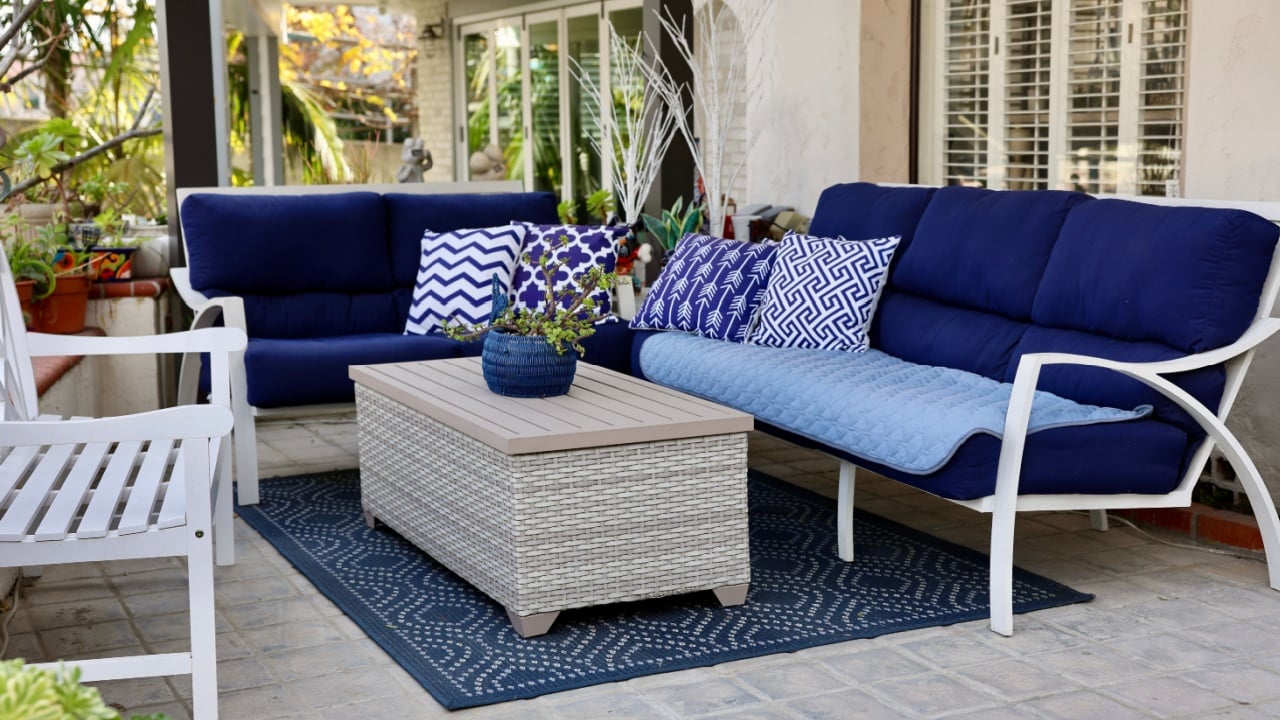
If you have a porch or patio with seating, the space under the cushions might seem like a comfortable hiding spot. This is one of the easiest places for an intruder to check. A quick lift of a cushion reveals anything hidden underneath. It takes only a few seconds to search an entire patio set. This location offers no real security and leaves your spare exposed to anyone who decides to take a seat.
Outdoor furniture sees lots of action—kids, pets, visiting friends, or maybe that one neighbor who always helps themselves to a lawn chair. With so much traffic, hiding a spare here is basically advertising its location. Even if no one is looking to break in, the spare could accidentally fall out, get swept off with the cushions, or simply be spotted when someone rearranges things. A spot this busy is far from safe.
11. Inside a Rain Gutter
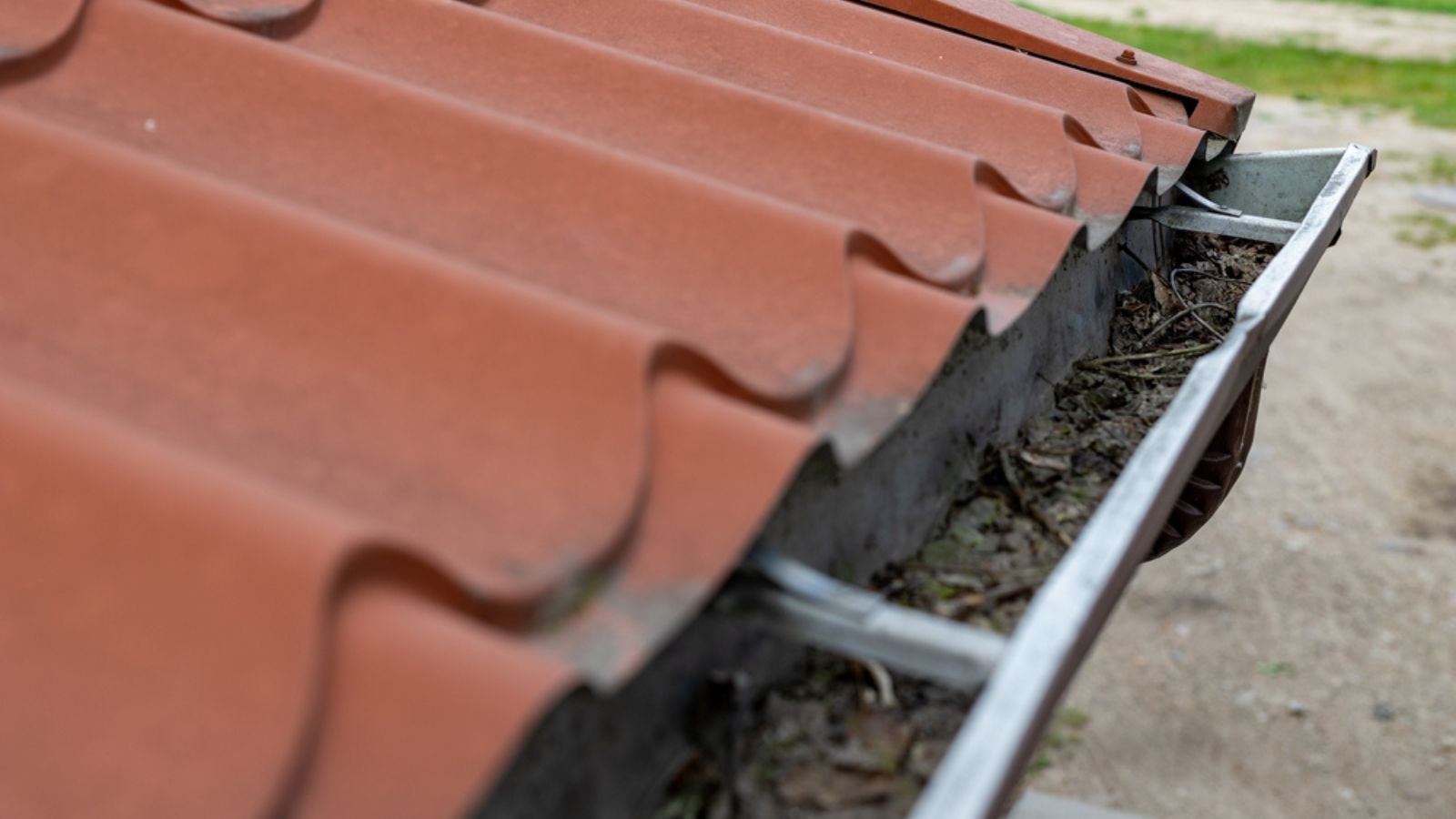
The downspout of a rain gutter is an unconventional hiding spot, but it comes with its own set of problems. First, it is dirty. Second, a heavy rainstorm could wash your spare away, leaving you locked out and without a backup.
Trying to stash anything in a rain gutter is betting against the weather, gravity, and a raccoon’s curiosity. Even if you use a plastic bag or a magnet, water can seep in, causing rust or just carrying the spare off down the pipe. Nobody wants to go fishing in the mud for a spare when they are already frustrated.
12. Tucked into a Plant Pot

This is slightly different from hiding a spare under a pot. Here, the spare is placed inside the pot itself, just beneath the top layer of soil. It feels sneaky, but digging in a stranger’s potted plant is not a barrier for a thief. They can quickly poke around in the dirt with a stick or their fingers. This method also makes your spare dirty and can be difficult to find yourself if you forget exactly where you buried it.
There is also the risk of pets or wildlife playing gardener, scattering soil or knocking over the planter altogether. Watering can encourage rust or corrode the metal, leaving the spare useless when it is actually needed. If you have multiple pots, you might even forget which plant is guarding your not-so-secret access. It is a lot of hassle for not much extra security.
So, What Should You Do?
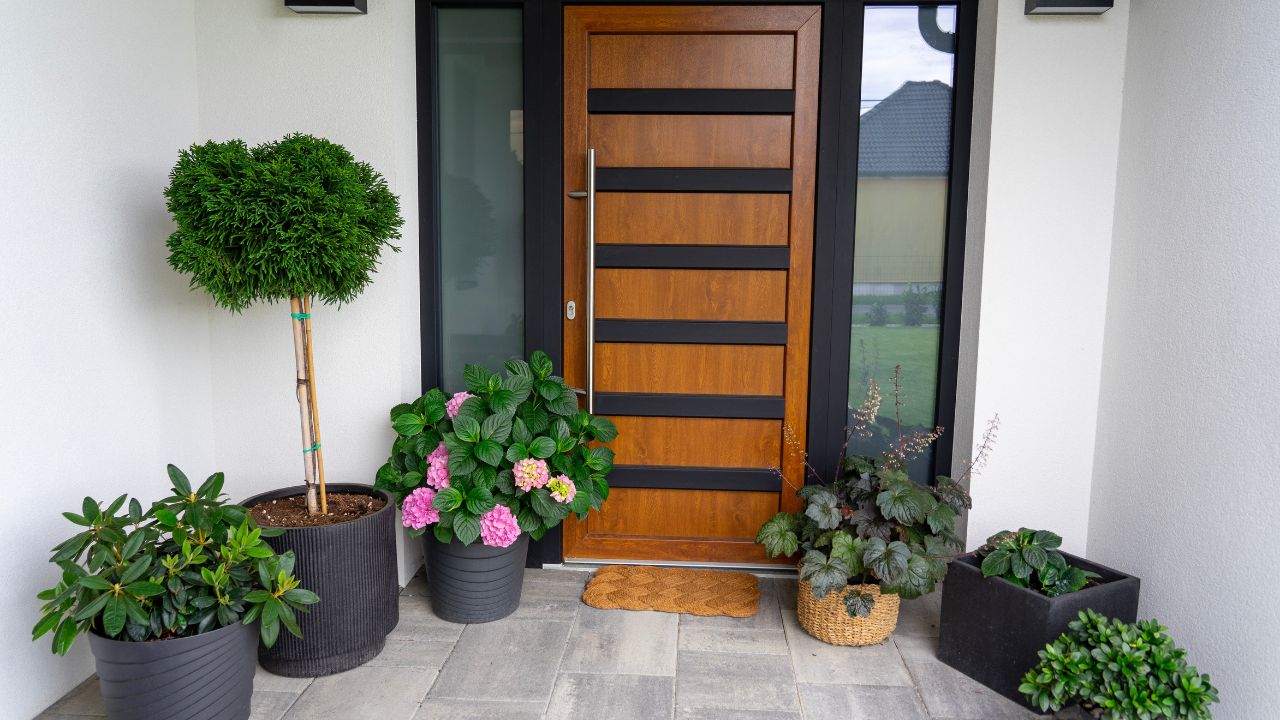
Locking yourself out is frustrating, but risking a break-in is far worse. The most secure option is to avoid hiding a spare on your property altogether. Instead, give a copy to a trusted neighbor, friend, or family member who lives nearby. This person can let you in during an emergency. This approach removes the risk of an intruder finding it.
If you absolutely must have a spare on-site, consider a high-quality lockbox. A push-button or combination lockbox, securely mounted to a solid surface, offers a much safer solution. Choose a complex code that is not easy to guess. Avoid using your address, birthdate, or other obvious numbers. By thinking beyond the common hiding spots, you can protect your home and still have a backup plan for those forgetful moments.