
Do You Still Have These? 12 Things to Get Rid of After 40
Life moves through distinct phases, each with its own style, priorities, and belongings. The person you were at 20 or 30 had different needs and tastes than the person you are today. As the years accumulate in our 4th decade, so does our stuff. These items once served a purpose, held meaning, or represented a part of our identity. Now, they may just be taking up space, silent reminders of a past that no longer aligns with our present.
Entering your forties often brings a desire for clarity and simplicity. This isn’t just a new decade; it’s an opportunity to redefine your environment to match your current self. Holding onto items that no longer serve you can create a subtle, constant weight. Letting go of this physical clutter can free up mental and emotional space.
This article will guide you through a dozen categories of items that tend to accumulate over the decades (whether you’re 40 or 94). We will look at why these specific things might be cluttering your home and offer advice on how to decide what stays and what goes. The process is a practical way to curate a space that reflects your present life and future aspirations.
1. The Box of Mystery Cords
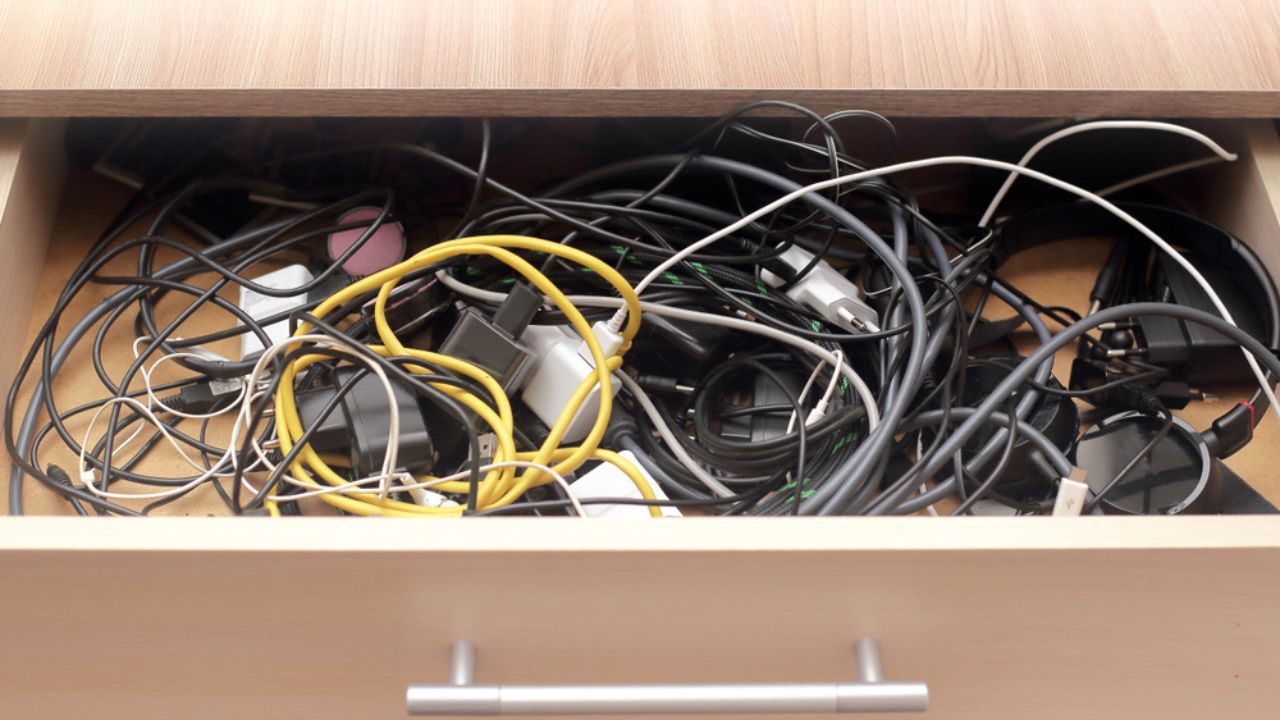
Every home seems to have a drawer or box filled with a tangled mess of electronic cables. You’ll find chargers for phones you no longer own, connectors for cameras that are long gone, and various other cords with no apparent purpose. You keep them “just in case,” but that case never seems to arrive. These cords represent outdated technology and a disorganized past.
To tackle this, dump the entire collection onto a clear surface. Methodically try to identify each cord. If you can immediately match it to a device you actively use, keep it. If a cord is a complete mystery, it’s time to let it go. Most electronic recycling centers will accept old cables, so you can dispose of them responsibly.
2. Books You Will Never Read Again

A full bookshelf can look impressive, but how many of those books do you truly love? Many shelves are filled with college textbooks, novels you read once and didn’t enjoy, or gifts that missed the mark. These books take up significant space and gather dust, serving more as monuments to past reading than as sources of joy or knowledge. Your literary tastes evolve, and your collection should reflect that.
Go through your books one by one. Keep the titles that hold special meaning, that you know you will reread, or that you use as references. For the rest, consider donating them to a local library, a school, or a secondhand bookstore. This clears your shelves for new favorites and shares the stories with someone who might appreciate them.
3. Inherited Items That Don’t Suit You
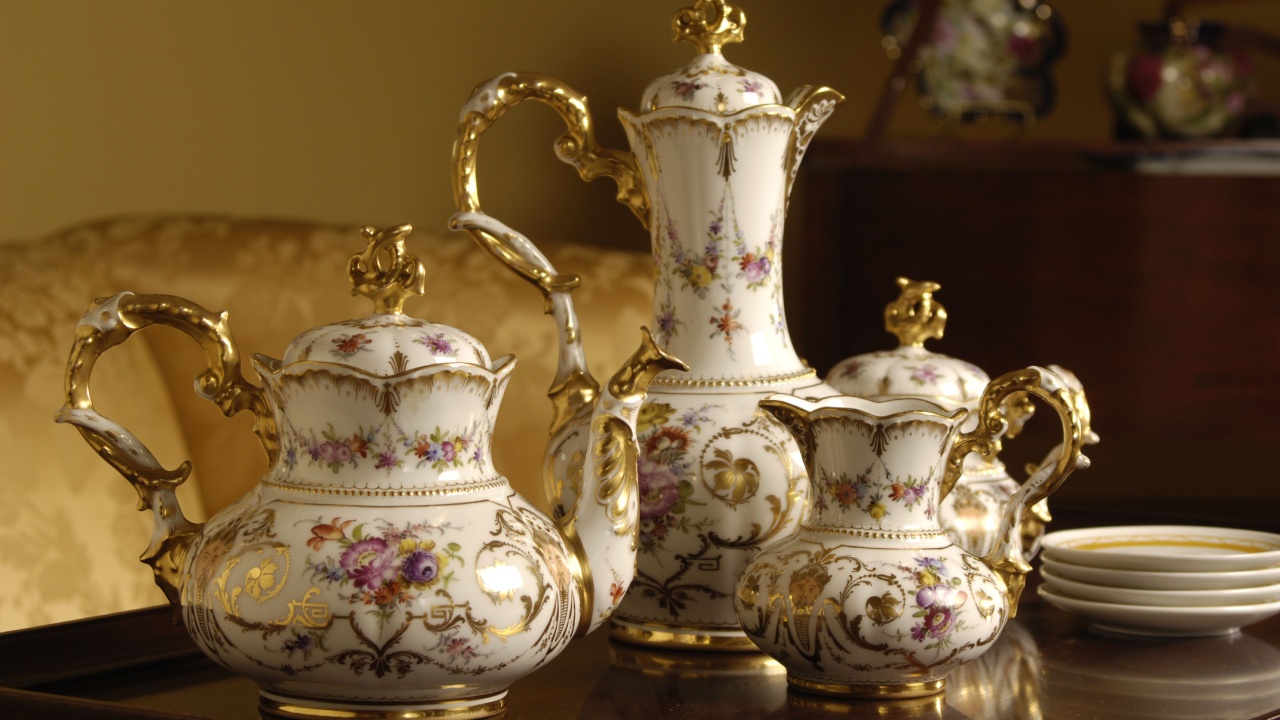
Receiving items from family members can be a meaningful gesture, but it can also be a burden. You may feel obligated to keep a piece of furniture, a set of dishes, or a piece of art out of guilt or sentimentality, even if it clashes with your personal style. Forcing these items into your home creates a space that feels more like a museum of someone else’s taste than your own.
It is possible to honor the memory without keeping the physical object. Take a photograph of the item to remember it by. If another family member would appreciate it, offer it to them. If not, you have permission to sell or donate it. The love and memory associated with the person are not contained within the object itself.
4. Old Cookware and Gadgets

The kitchen is a common place for clutter to build up. That specialty cake pan you used once, the spiralizer from a forgotten health kick, or the extra set of pots and pans you haven’t touched in years are all taking up valuable cabinet space. Kitchen tools should be functional and frequently used. Anything else is just an obstacle.
Review your kitchen cabinets and drawers. Be honest with yourself about what you actually use. If a gadget or piece of cookware has been sitting idle for more than a year, it’s a good candidate for donation. A streamlined kitchen makes cooking more efficient and enjoyable.
5. Stacks of Paper Manuals

When was the last time you consulted the paper manual for your microwave or television? Most user guides and instruction booklets are now easily accessible online with a quick search. Yet, many of us have a drawer or file folder overflowing with these paper documents, just in case. They are bulky, disorganized, and almost entirely redundant.
Take an afternoon to go through your collection of manuals. Recycle the paper copies for any appliance or electronic device you own. If you feel nervous, you can create a digital folder on your computer and save PDF versions of the manuals from the manufacturers’ websites. This simple step can clear out an entire drawer.
6. Unused Coats and Jackets
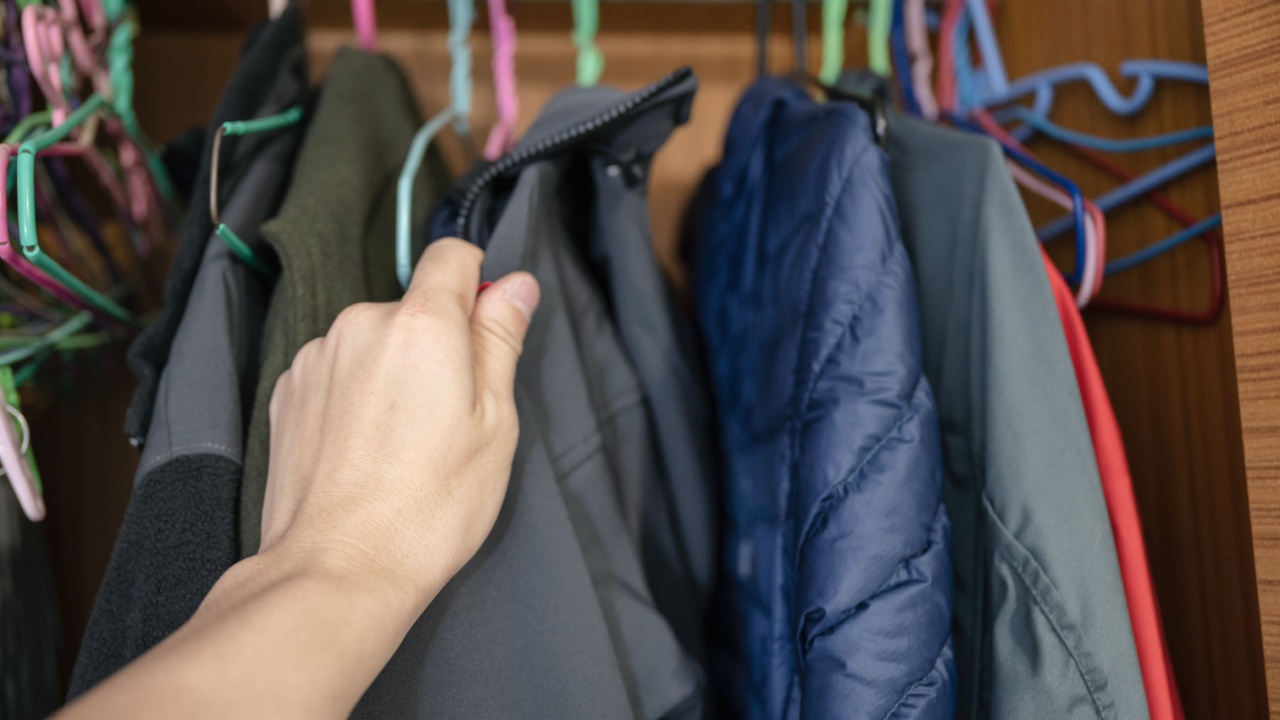
Outerwear can take up a surprising amount of closet space. You might have a stylish jacket that no longer fits, a heavy winter coat from a time you lived in a colder climate, or a raincoat that has been replaced by a better one. These items hang in the back of the closet, unworn and forgotten, making it harder to find the coats you actually wear.
Pull out all of your outerwear and try each piece on. If it doesn’t fit, is out of style, or hasn’t been worn in the last two seasons, it’s time to let it go. Coats in good condition are always in high demand at shelters and charitable organizations, especially before winter.
7. Supplies from a Past Hobby
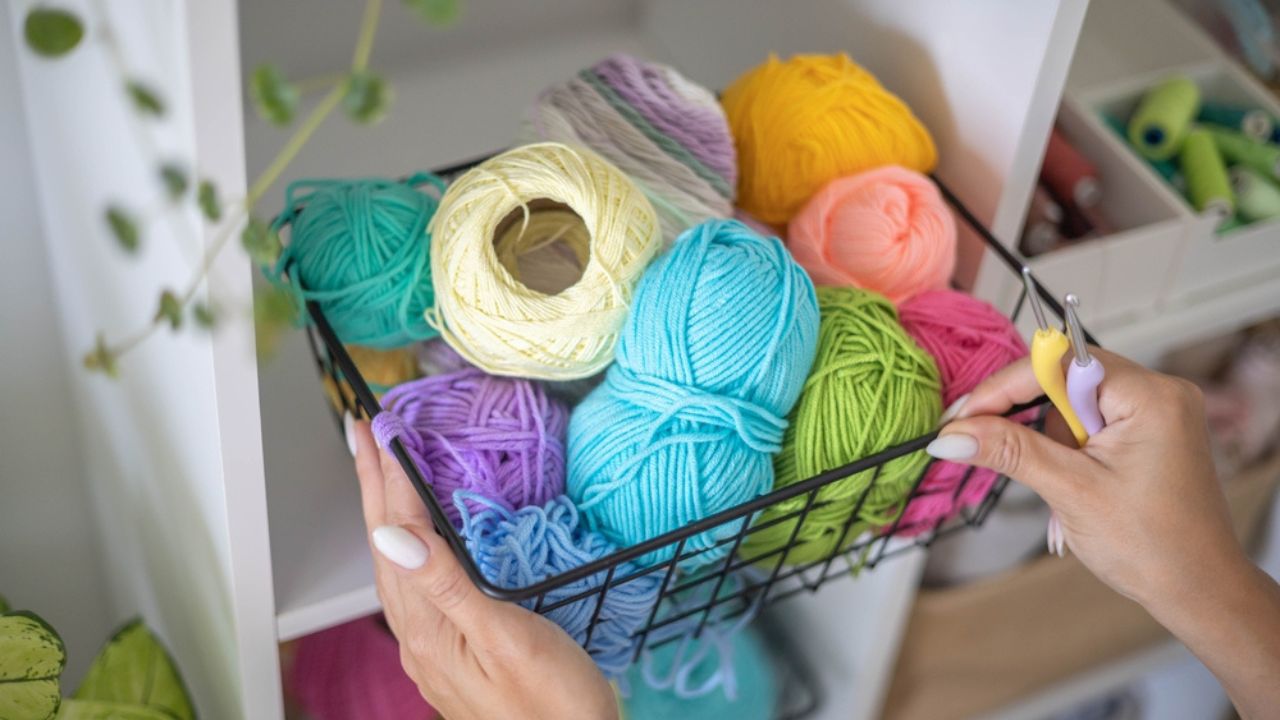
Many people pick up hobbies that they enjoy for a season and then move on. You might have a collection of yarn and knitting needles, a set of oil paints and canvases, or equipment for a sport you no longer play. These supplies represent a past interest, and keeping them can sometimes bring a sense of guilt for not following through.
Acknowledge that your hobbies and interests have changed. There is no shame in moving on from a hobby that has now bored you and no longer makes you happy. You can sell the supplies online, donate them to a community center or school, or give them to a friend who shares that interest. Clearing out these items makes room for new passions.
8. DVDs, CDs, and Old Media

In an age of streaming services, physical media collections have become largely obsolete. That tower of DVDs or binder of CDs likely hasn’t been touched in years. Technology has moved on, and these collections are now more decorative than functional. They take up shelf space and are a hassle to keep organized.
It’s time to embrace the digital age fully. Most movies and albums are available on demand through various platforms. You can sell your collection to a used media store or online. For items with sentimental value, consider digitizing them before letting go of the physical copies.
9. Personal Care Products You Don’t Use
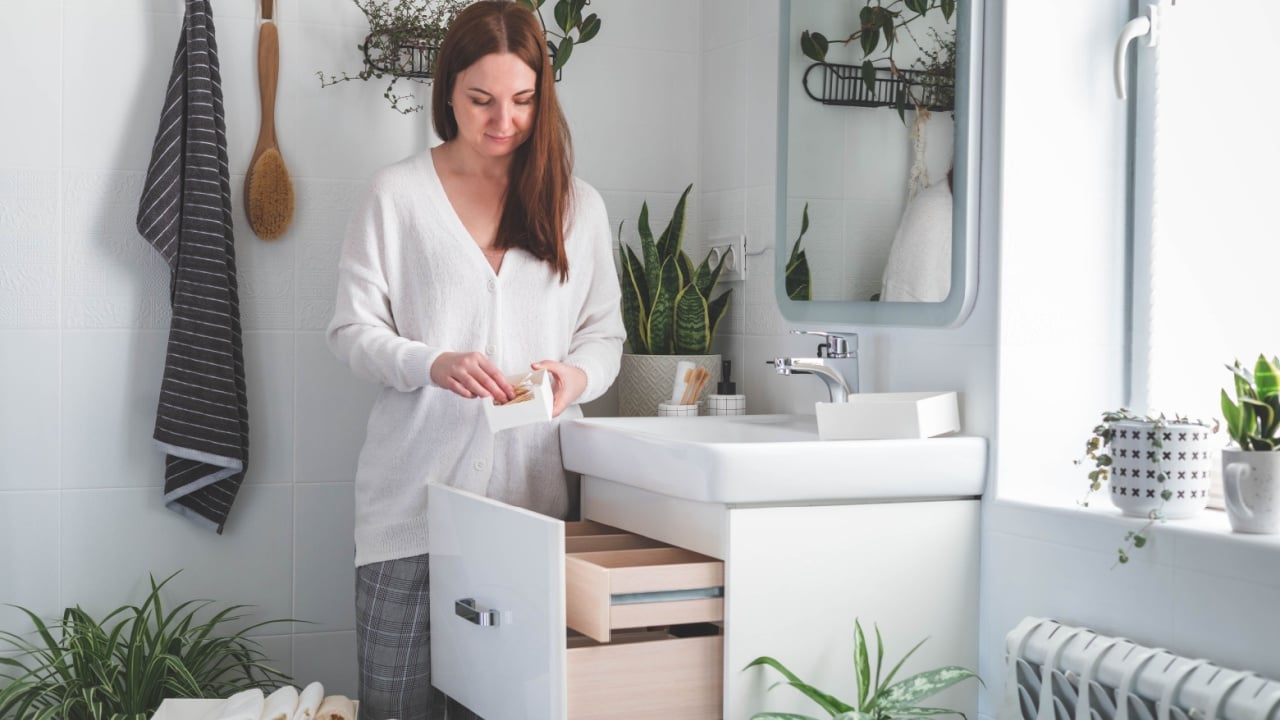
Bathroom cabinets are often cluttered with half-used bottles of lotion, expired sunscreens, and tiny hotel toiletries you brought home but never used. You may have sample-sized products from gift sets or makeup in shades you tried once and disliked. These items create a mess and make it difficult to find the products you use daily.
Go through your bathroom and medicine cabinet. Immediately discard any products that are expired, as they can be ineffective or even harmful. Consolidate any half-empty bottles of the same product. For anything that is still good but you know you won’t use, ask a friend or family member if they want it.
10. Decor You No Longer Need

Many homes have a closet, attic, or basement space dedicated to storing home decor that is not currently in use. This could be a lamp that doesn’t fit your current style, a set of curtains from your old apartment, or wall art you’ve grown tired of. If an item has been in storage for over a year, it’s unlikely you will find a place for it.
Instead of storing decor “just in case,” be decisive. If you don’t love it enough to display it in your home right now, you probably never will. Sell these items through an online marketplace or donate them to a thrift store. Your storage space should be reserved for things you truly need, not for items in decorative limbo.
11. Linens Past Their Prime
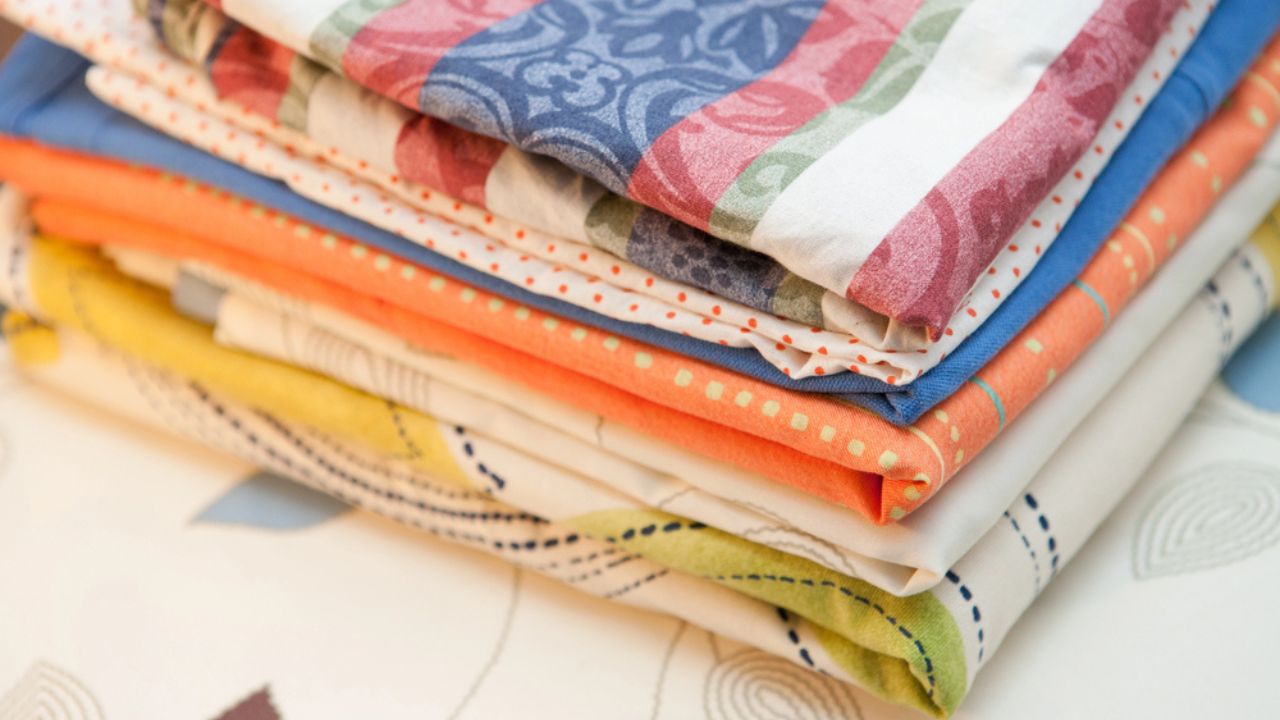
The linen closet is another area where items accumulate. You might have threadbare towels, stained tablecloths, or a set of sheets with worn elastic that no longer fits the bed properly. Using old, worn linens can make your home feel less comfortable and cared for. You deserve to have bedding and towels that are in good condition.
Inspect your linens for signs of wear and tear. Downgrade old towels to be used as cleaning rags, but get rid of any that are unusable. Many animal shelters accept donations of old towels and blankets. Invest in a few new sets of high-quality linens that reflect your new self-assured status.
12. Outdated Fitness Equipment

That treadmill serving as a clothes rack, the dusty ankle weights, or the yoga mat that hasn’t been touched in years often linger long after your workout habits have shifted. These items can carry a sense of guilt or nostalgia. Recognize that they once had a purpose, but now they may be holding you back from creating a home that reflects your current lifestyle.
Clearing out unused exercise gear can feel surprisingly freeing. Donate or sell equipment that is still in good condition so someone else can benefit. Recycle anything broken or obsolete. The space you reclaim can be used for activities that energize you today, from walking outdoors to joining a class, or simply enjoying a more open and breathable home.
Clearing the Way for Something New

Letting go of the extra things collected over forty years is an invitation to redefine your living space and your mindset. It gives you the freedom to shape your surroundings to match who you are today, not who you were in decades past. Every item you release creates more room for moments, experiences, and a sense of calm that truly support your priorities and bring comfort to your daily life.
Read More: