Ditch These 14 Household Clutter Culprits Immediately
Imagine your home as a stage, where every item has a role. Ideally, none of them should be a drag on the performance. However, clutter sneaks in with stealth: a free mug here, an ancient seasoning bottle there, a drawer full of who-knows-what. Suddenly, the stuff that was supposed to make life easier feels more like a riddle to solve every morning.
This guide is here to spotlight those lingering out-of-place things and help you show them the exit. Kick them out, and you set the scene for a calmer, more organized daily routine.
1. Free Promotional Items
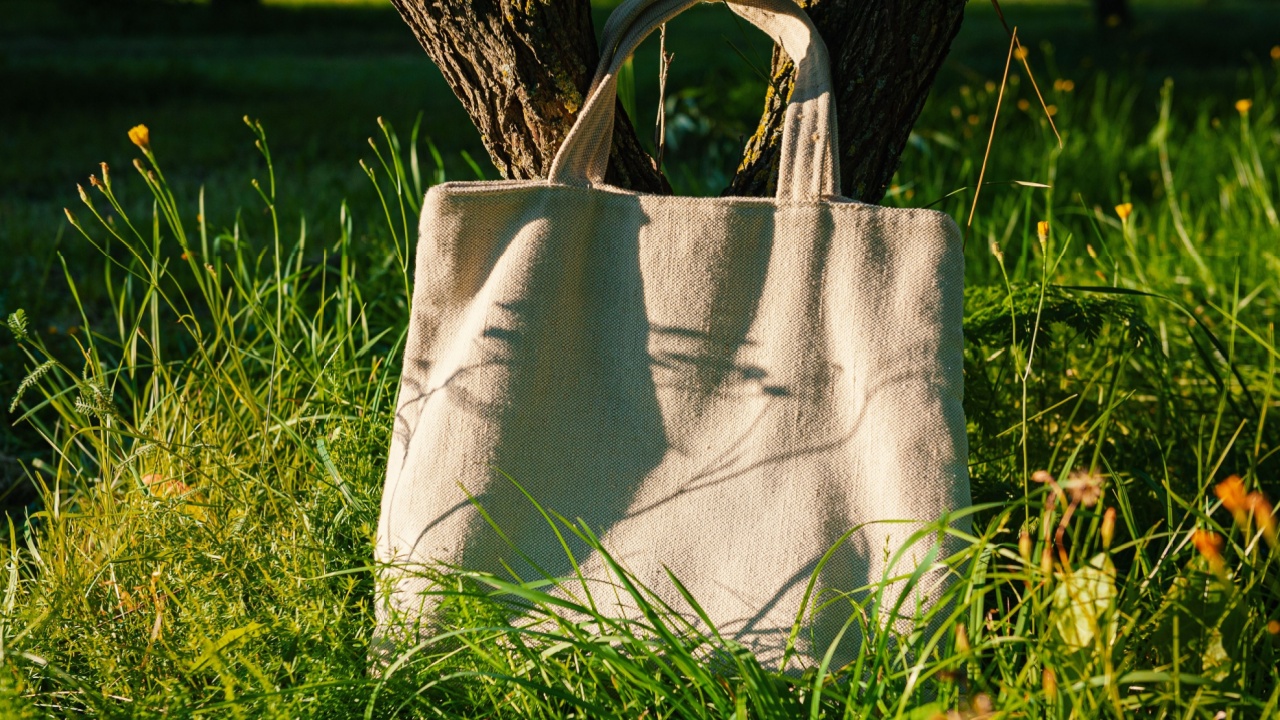
That free tote bag from a conference or the branded water bottle from a fun run can seem like a nice perk at the moment. But how many of them do you actually use? These promotional items tend to pile up in drawers and closets, rarely seeing the light of day. They are often not the best quality, and you likely have preferred versions of the same item that you reach for instead.
Be selective about the freebies you accept. If you know you won’t use it, it’s perfectly fine to politely decline. For the ones you’ve already brought home, go through and keep only the items you genuinely use and enjoy. Donate the rest. This prevents your home from becoming a storage unit for company logos and event mementos.
2. Old Spices and Seasonings
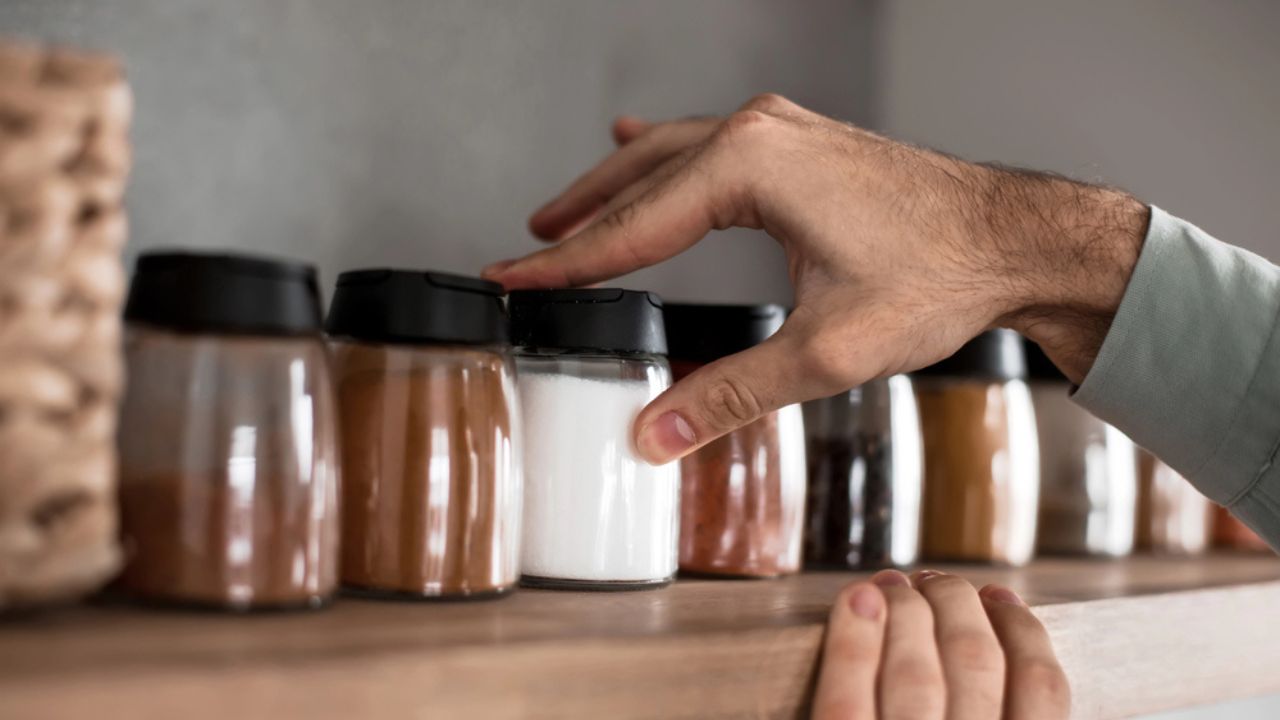
Spices don’t last forever. While they might not spoil like fresh food, they lose their potency and flavor. That paprika from five years ago won’t add much punch to your dinner. Many people hold onto old spices, thinking they might use them someday, but they just end up with a rack full of dusty, flavorless jars. These old seasonings are simply taking up space.
A good rule of thumb is to refresh your spice collection every year or two. Ground spices generally last about one to three years, while whole spices can last up to four. Take a moment to go through your collection, smell them, and if there’s no aroma, it’s time for them to go. This will improve your cooking and free up cabinet space for spices that will enhance your meals.
3. Duplicate Kitchen Tools
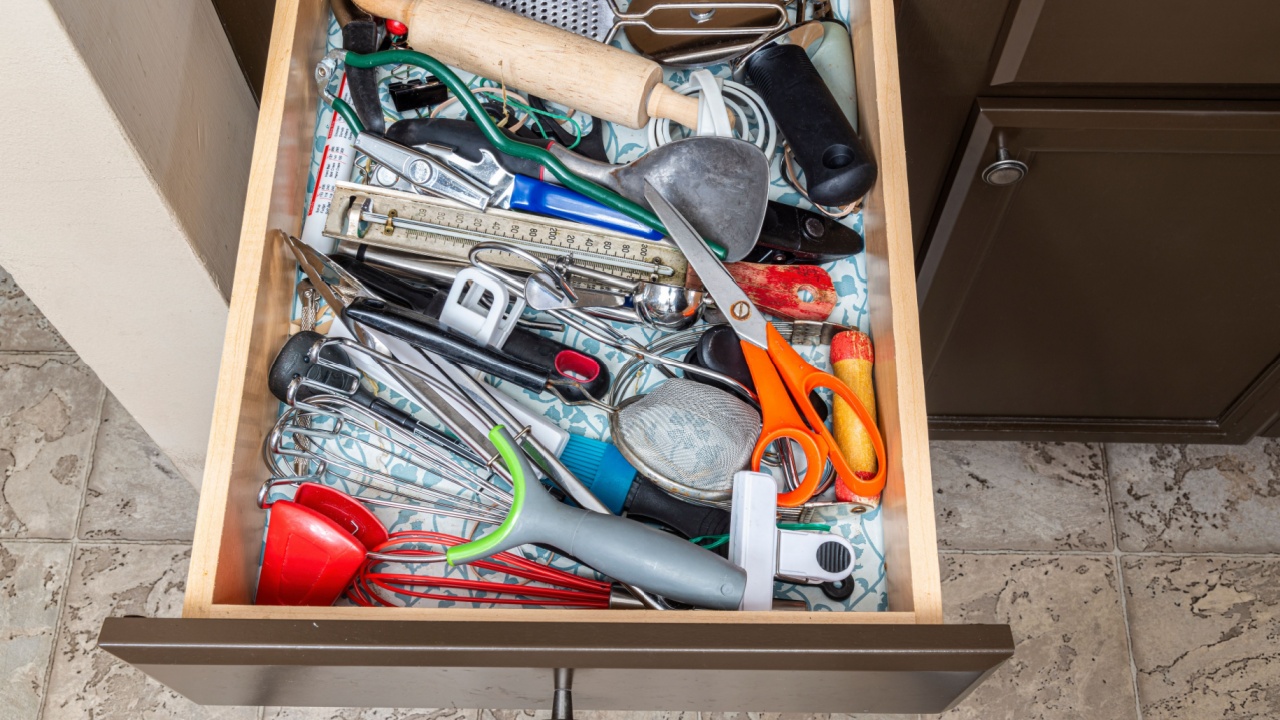
How many spatulas does one person really need? Kitchen drawers often become a jumble of duplicate utensils. Having three can openers or four nearly identical vegetable peelers doesn’t make meal prep any easier. It just makes finding the one you want a frustrating scavenger hunt. These extras are often impulse buys or gifts that accumulate without a real purpose.
Take an inventory of your kitchen drawers and be honest about what you use. Keep your favorite, most effective tool, and donate or discard the rest. You’ll be surprised at how much space you can free up. A streamlined tool collection makes cooking more efficient and enjoyable, and your drawers will close without a struggle for the first time in years.
4. Excess Mugs and Glassware
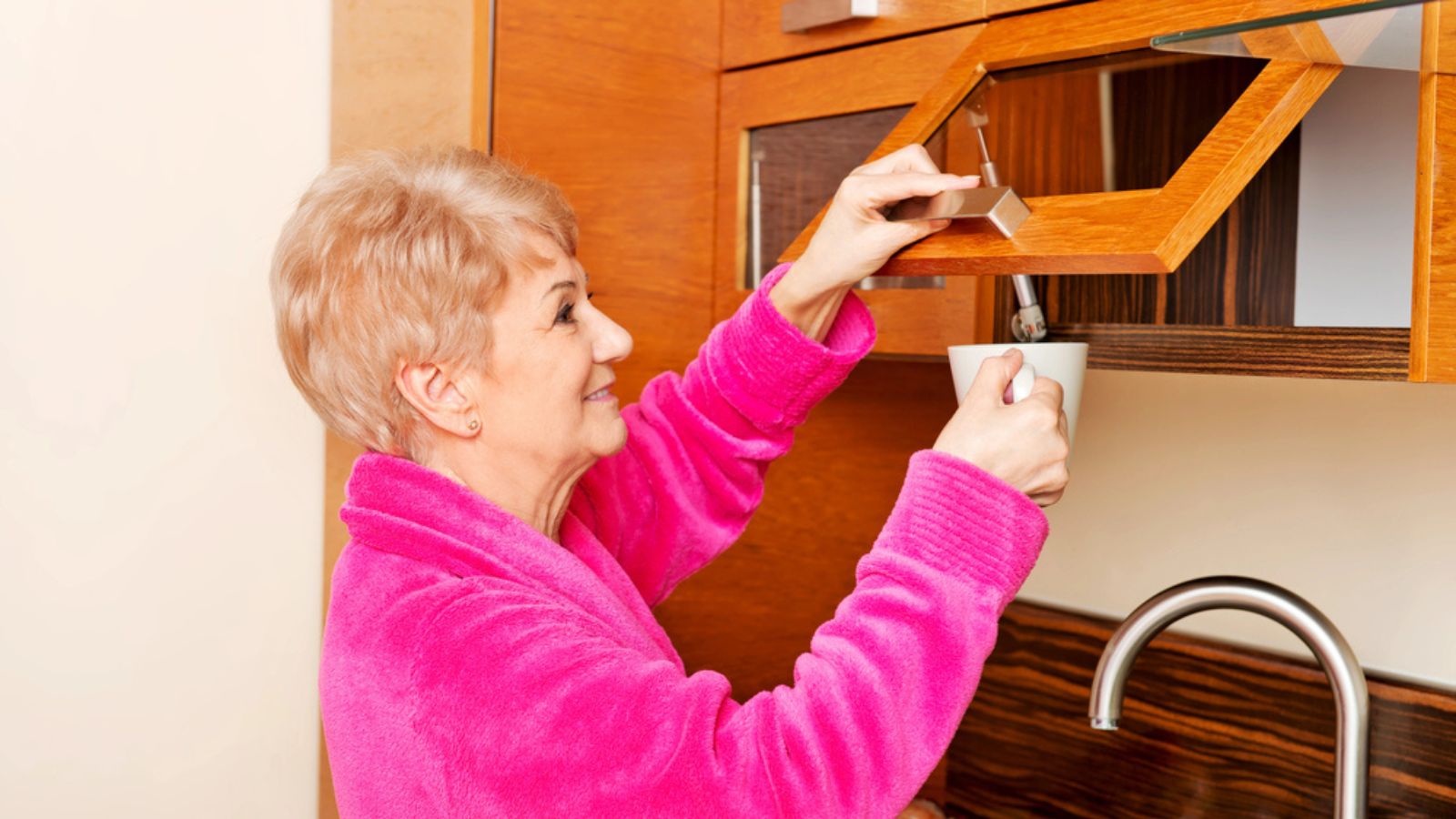
Everyone has a favorite mug. So what are those other twenty doing in the cabinet? Mugs and glassware seem to multiply on their own, coming from gifts, souvenirs, and impulse purchases. Holding onto a large collection “just in case” you host a huge party often means you’re sacrificing daily convenience for a rare event. The result is overflowing cabinets and a constant battle to find a matching set of glasses.
Limit your collection to what your family uses regularly, plus a small set for guests. Consider how many people are in your household and how often you run the dishwasher. Donating the surplus is a great way to declutter. This will create more breathing room in your cabinets and make it simpler to grab what you need each day.
5. Worn-Out Towels and Linens
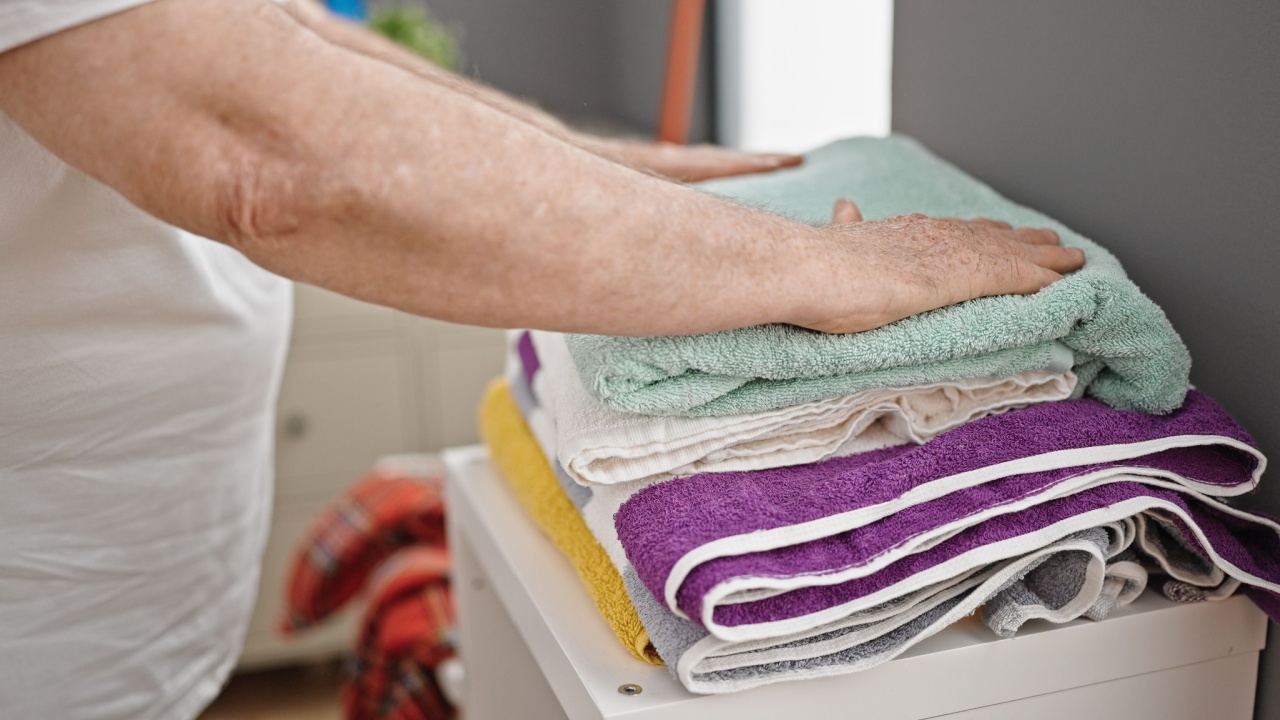
Towels that are thin, stained, or frayed have served their purpose. The same goes for bed linens that are pilled, faded, or torn. While it can feel wasteful to get rid of them, keeping threadbare linens doesn’t serve you well. They are less absorbent, less comfortable, and can make your bathroom and bedroom feel shabby.
Instead of letting them languish, give them a new life. Many animal shelters accept old towels and blankets for bedding. You can also cut them up to use as cleaning rags around the house. Once they’ve been repurposed, you can invest in a few high-quality sets of towels and sheets that will feel much better and look much nicer in your home.
6. Single-Use Appliances You Never Touch

That bread maker you used once, or the specialty ice cream machine still in its box, are classic examples of kitchen clutter. We often buy these novelty gadgets with the best intentions, picturing ourselves making artisanal loaves or gourmet desserts every weekend. The reality is that they are often bulky, difficult to clean, and see very little action, ultimately just gathering dust on a countertop or in a cabinet.
If you haven’t used an appliance in over a year, it’s probably time to part with it. Be realistic about your cooking habits. If a gadget doesn’t fit into your regular routine, it’s not adding value to your life. Sell it or donate it to someone who will actually use it. You will reclaim a significant amount of counter or storage space.
7. Broken or Mismatched Hangers
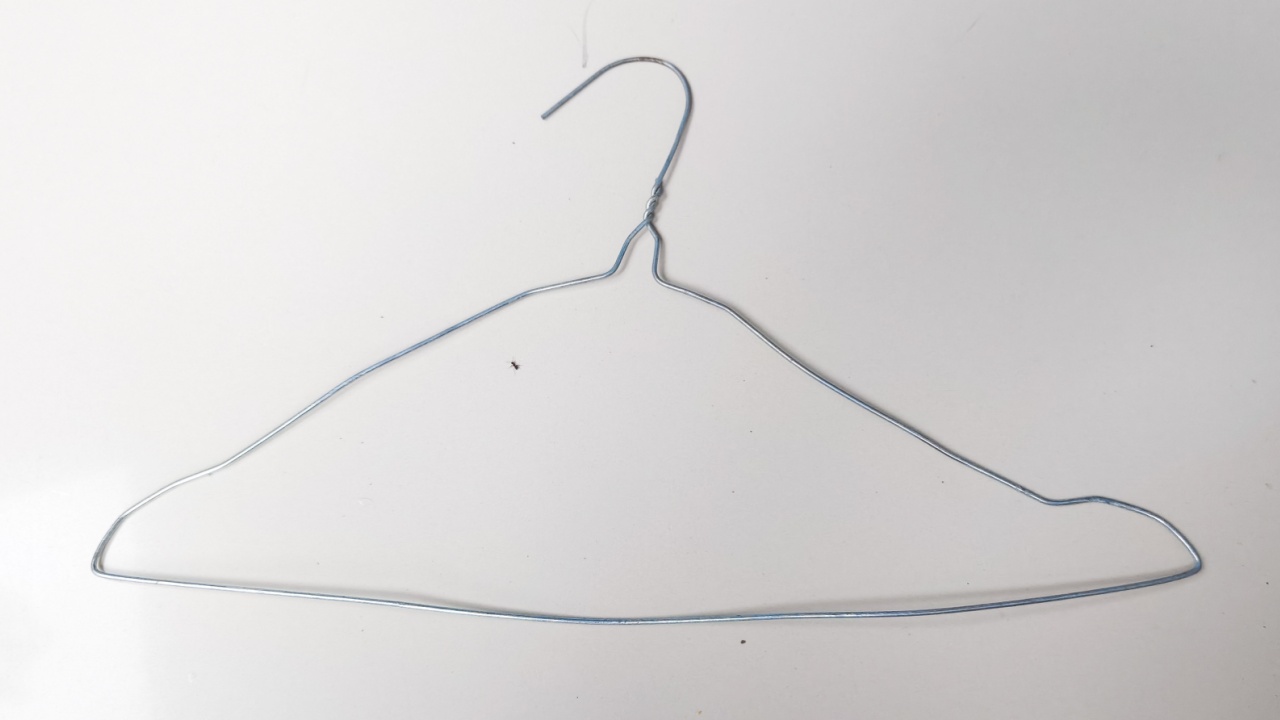
A closet filled with a random assortment of hangers creates visual chaos. You have flimsy wire ones, chunky plastic ones, and maybe a few nice wooden ones. This mix makes it hard to hang and find clothes, and some types of hangers can even damage your garments by stretching the fabric or leaving shoulder bumps. Broken hangers are even worse, as they are completely useless.
Investing in a uniform set of hangers is a small change with a big impact. Your closet will instantly look more organized and polished. Slim velvet hangers are a popular choice because they save space and prevent clothes from slipping. Go through your closet, toss the broken ones, and replace the mismatched collection.
8. Old Makeup and Expired Beauty Products

Like food, makeup, and skincare have expiration dates. Using old products can be ineffective at best and harmful at worst, leading to skin irritation or infections. It’s easy to accumulate a drawer full of half-used lotions, old lipsticks, and sample-sized products you never got around to trying. This collection just creates clutter in your bathroom and makes your morning routine more complicated.
Go through your beauty products every six months. Check for expiration dates, which are often indicated by a small symbol of an open jar with a number inside. If a product has changed in color, texture, or smell, it’s time to toss it. This will keep your collection fresh, safe, and manageable.
9. Expired Pantry Goods
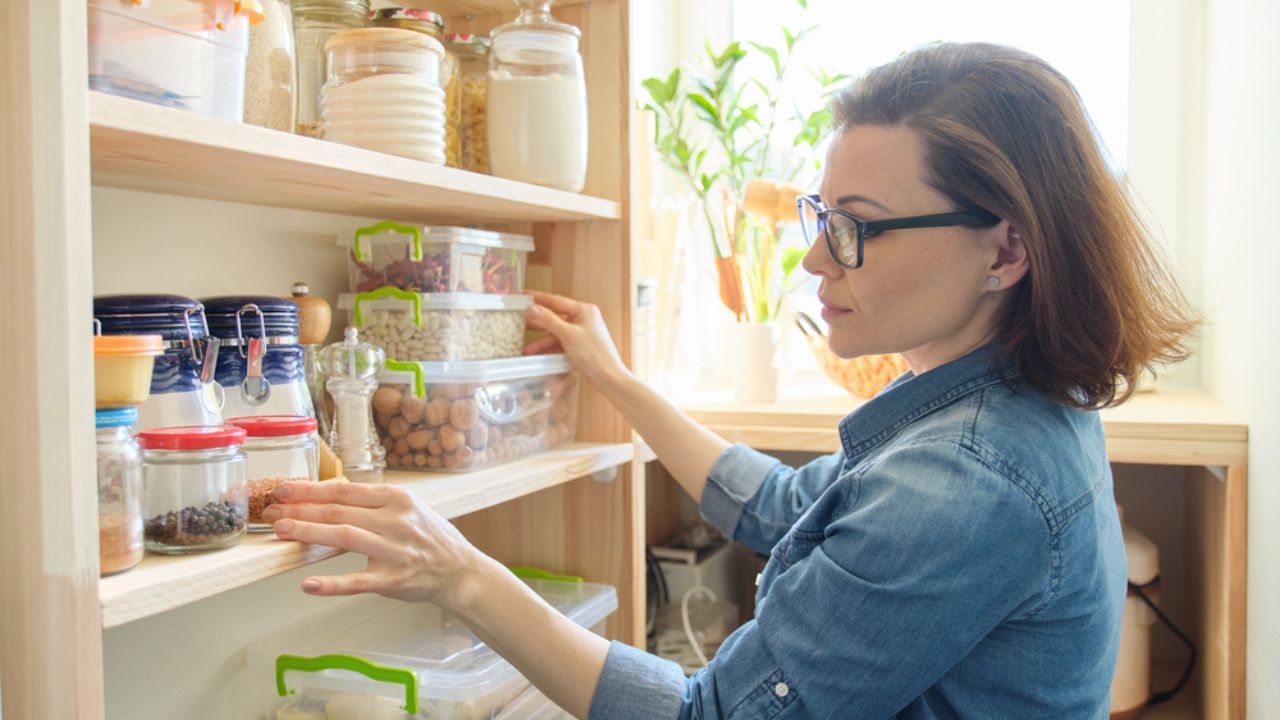
That can of beans from three years ago is not getting any better with age. Pantries often become a resting place for forgotten foods, long past their prime. It’s easy to push items to the back and forget them. Keeping expired goods in the pantry creates clutter and can pose a health risk if you accidentally use them.
Regularly check expiration dates. A quick monthly scan helps you toss what’s old and take stock of what you actually need. This practice prevents waste on future grocery trips and makes sure everything in your pantry is safe to eat.
10. Excess Paper Clutter
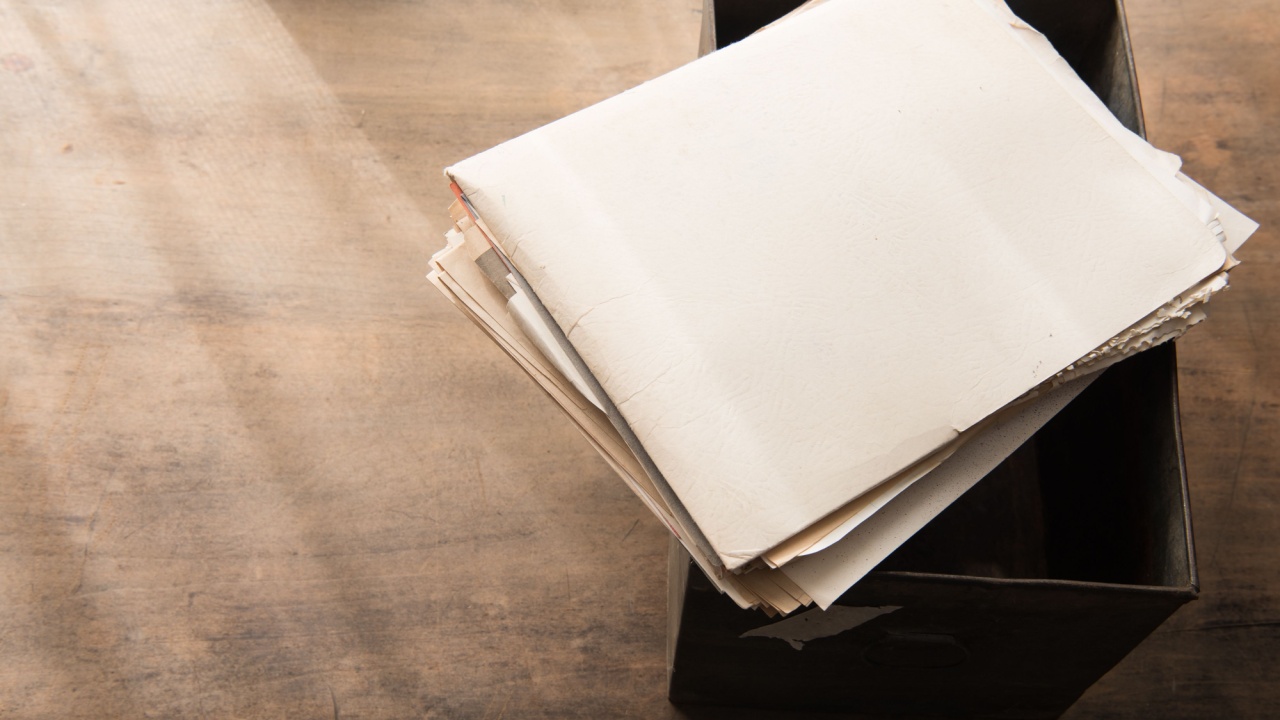
Despite living in a digital age, paper seems to find its way into our homes relentlessly. Junk mail, old magazines, bills you’ve already paid, and children’s school papers can create formidable piles. This paper clutter can make your space feel messy and disorganized, and important documents can get lost in the shuffle.
Create a system for managing paper. Designate one spot for incoming mail and sort it immediately. Recycle junk mail, file important documents, and scan papers you want to keep a digital record of. Set aside a few minutes each week to go through any papers that have piled up. A simple filing system can prevent paper from taking over your countertops and desks.
11. Broken Electronics and Cords
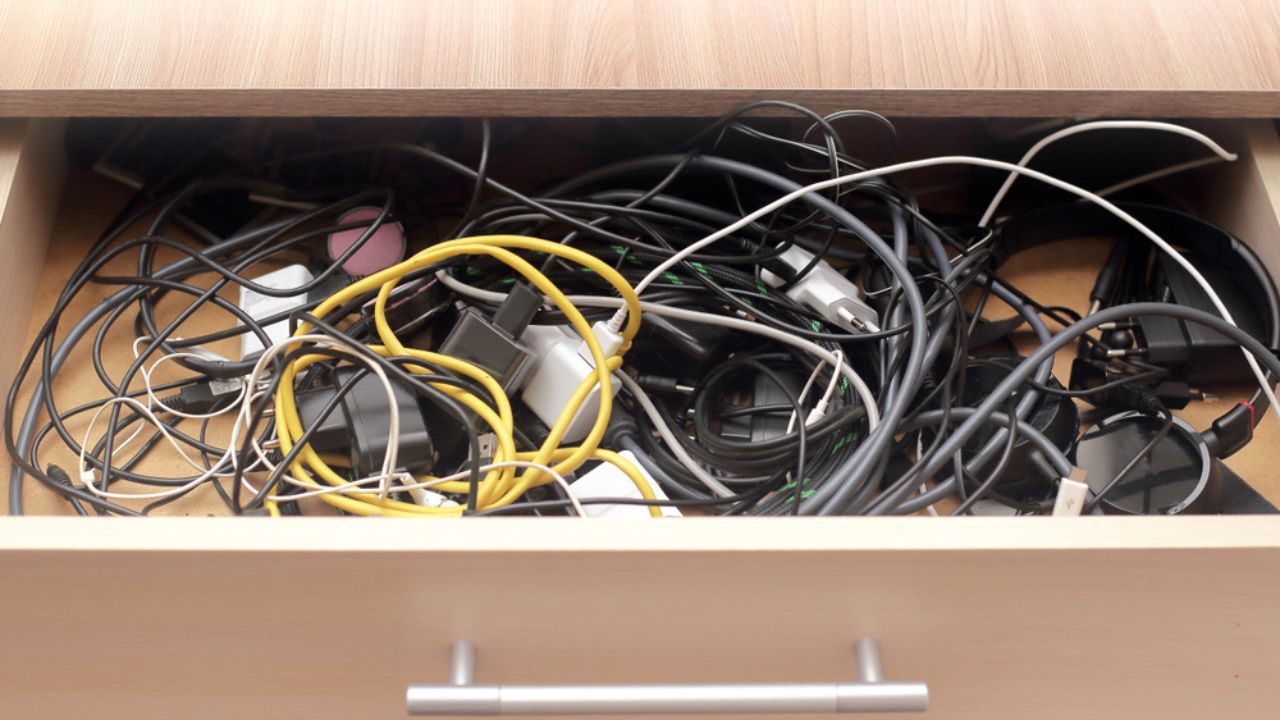
That drawer full of mysterious cords and old, broken electronics is a common household problem. You have chargers for phones you no longer own, tangled cables for unknown devices, and a cracked tablet that hasn’t turned on in years. We often hold onto these items thinking we might need them, but they just become a tangled mess of electronic waste.
It’s time to responsibly dispose of this e-waste. Gather all your broken electronics and unidentified cords. Many communities have special recycling programs for these items, and electronics stores often have take-back programs. For working cords you can’t identify, consider donating them.
12. Unused Cleaning Supplies

The cabinet under the sink often becomes a graveyard for half-used cleaning products you didn’t like. Maybe you bought a new all-purpose cleaner to try, but you hated the smell, so it sits there unused. Or perhaps you have multiple bottles of the same product because you forgot you already had one.
Consolidate your cleaning supplies. Take everything out and get rid of products that you know you won’t use. If they are still usable, ask friends or neighbors if they would like them. Moving forward, try to use up one product before buying another. Sticking to a few trusted, multi-purpose cleaners can also help reduce the number of bottles you have to store.
13. Clothes That Don’t Fit

Your closet should be filled with clothes that make you feel good right now, not clothes that might fit someday. Holding onto garments that are too small or too large can have a negative psychological effect, serving as a constant reminder of a body you don’t currently have. They also take up valuable closet space that could be used for clothes you actually wear.
Be honest with yourself and pack away or donate clothes that don’t fit. If you’re holding onto them for sentimental reasons, choose one or two special pieces to keep and let the rest go. A closet filled only with items that fit your current body makes getting dressed each morning a more positive and empowering experience.
14. Outdated Décor Pieces

Tastes change, and the decorative items that you once loved might no longer reflect your personal style. That piece of art you bought a decade ago, or the decorative pillows that match a long-gone sofa, might now feel out of place. Keeping décor that you’ve outgrown can make your home feel dated and prevent you from creating a space that feels truly yours.
Evaluate your home décor regularly. Ask yourself if each item still fits your current aesthetic. It’s okay to let go of things that no longer serve your vision for your home. You can sell them, donate them, or give them to someone who will appreciate them. This opens up space for you to introduce new pieces that better represent who you are today.
Fresh Start, Anyone?

Clearing out these items can feel like a weight has been lifted from your home and your shoulders. The goal is not to live in a barren, empty space, but to surround yourself only with things that are useful or loved. Begin with one small area, like a single drawer or cabinet. Tackle it, feel the accomplishment, and then move to the next. Building this momentum will help you create a more peaceful and functional home, one decluttered space at a time.