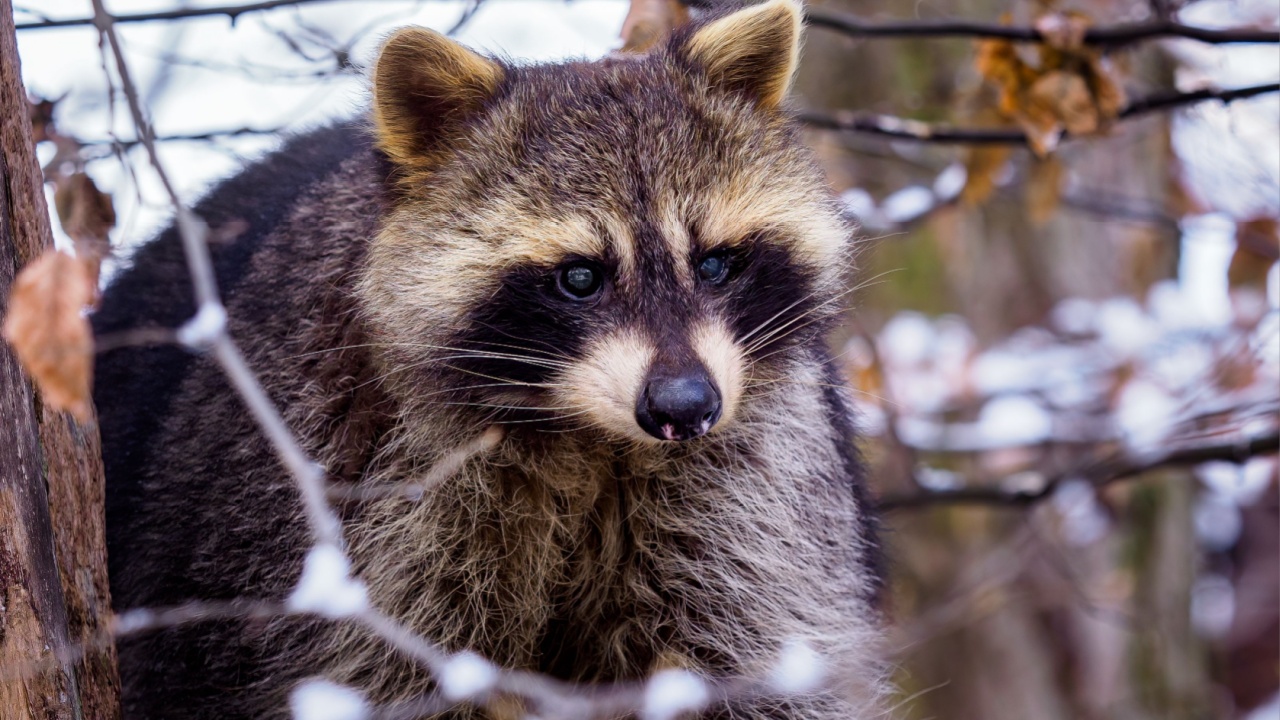
10 Reasons Raccoons in the Yard Are a Good Sign
When you think of garden pests, raccoons probably rank high on the list—those masked little bandits are famous for raiding bird feeders, knocking over compost bins, and digging through garden beds. But before you set up traps or block every potential entry point, take a breath. Raccoons aren’t always the villains they’re made out to be.
In fact, in many backyard ecosystems, raccoons can be more of a benefit than a burden. With their curious nature and surprisingly helpful habits, these clever critters might actually be pulling their weight in ways you haven’t noticed. From free pest control to natural soil aeration, here are a few reasons you might want to rethink your relationship with raccoons. They’re
Natural Pest Patrol
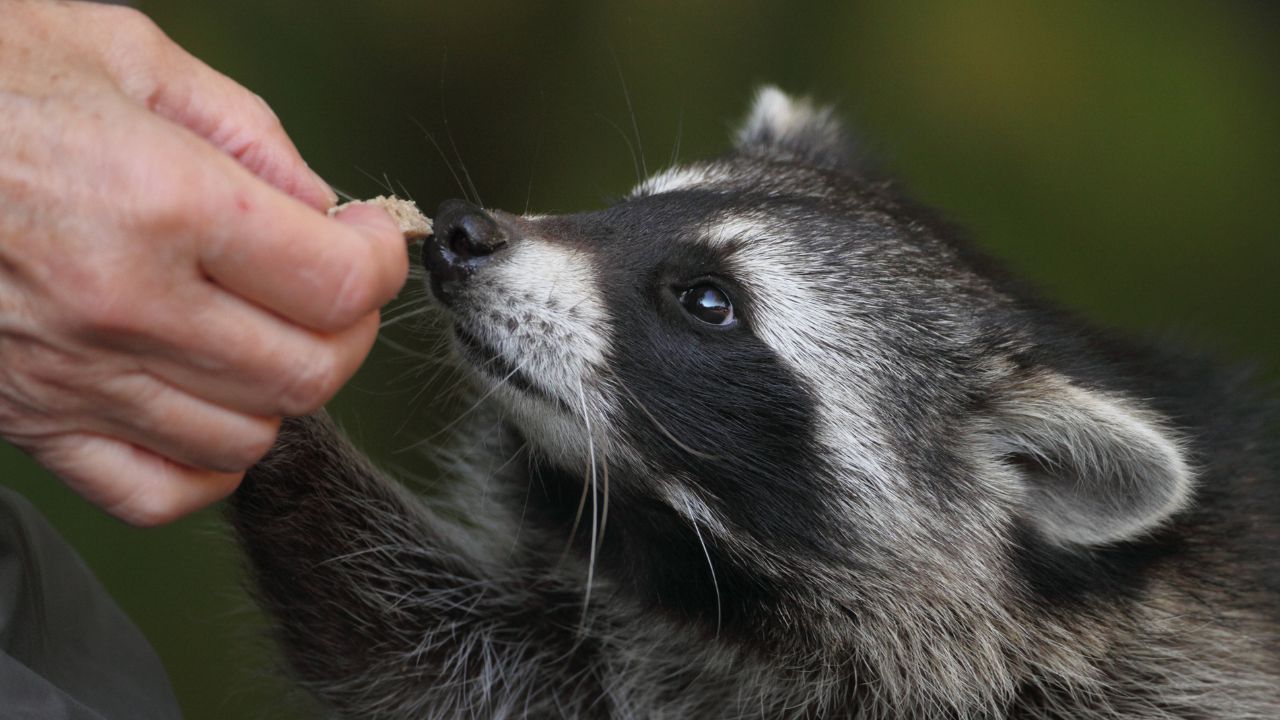
Raccoons eat grubs, beetles, snails, slugs, mice, and even wasp larvae—many of which are considered destructive garden pests. If you’ve ever battled Japanese beetles, you’ll appreciate a little nighttime help from these furry foragers. They actively seek out underground larvae and insects hiding in mulch or leaf litter, saving you from extra pesticide applications.
Fun Fact: Raccoons’ diet typically consists of about 40 % invertebrates, including insects, worms, and similar.
They Aerate Your Soil for Free
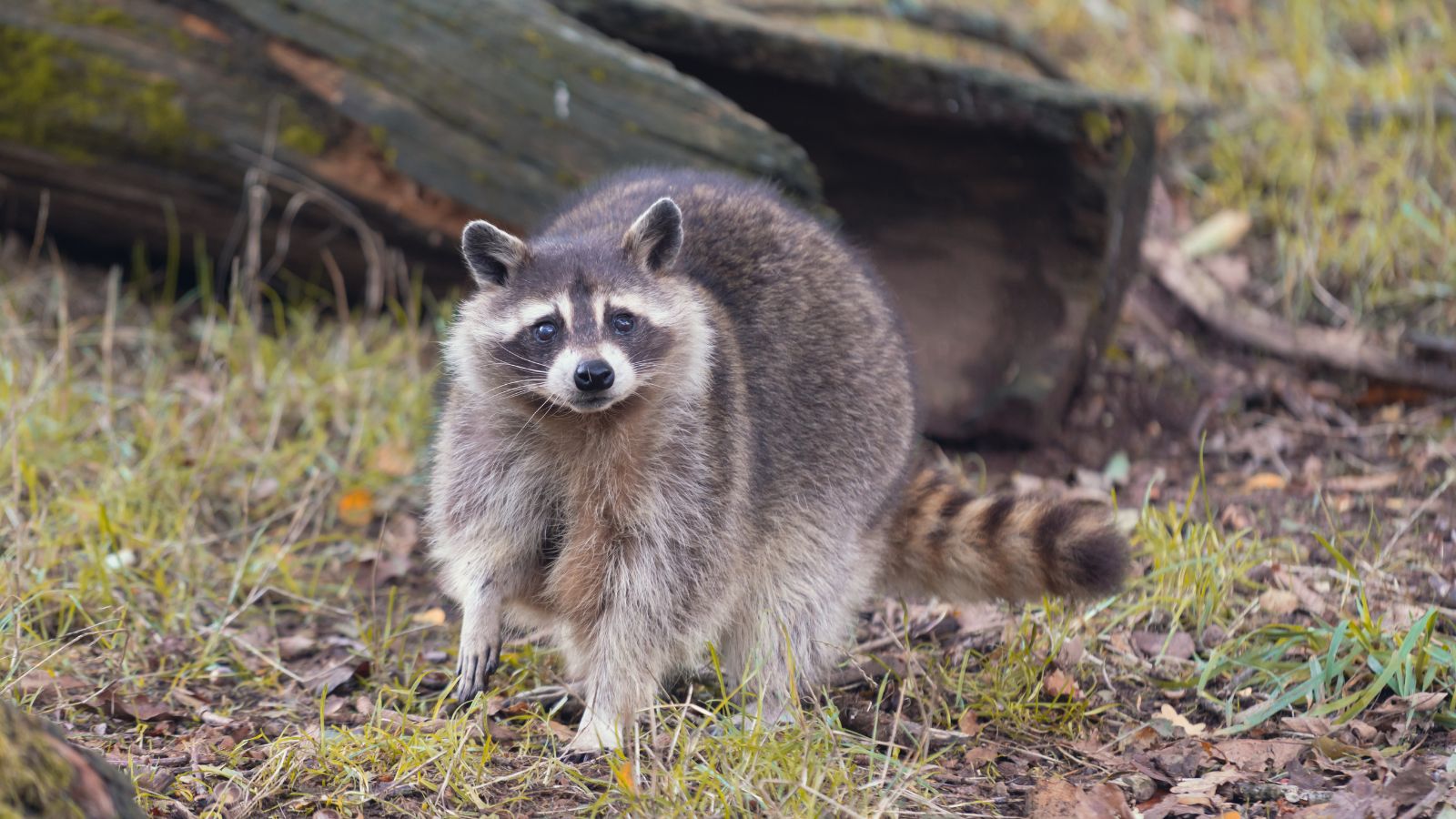
In their hunt for food, raccoons use their nimble paws to dig shallow holes—essentially aerating compacted soil and helping with water and nutrient absorption. It’s not as uniform as machine aeration, but it gets the job done in places that might otherwise be neglected.
Gardener’s Tip: If you notice little dug-up spots in your garden, don’t panic—check for signs of pests like grubs first. Chances are, your local raccoon is helping solve a problem before you even knew it existed.
Raccoon Waste = Organic Fertilizer

It’s not the most glamorous perk, but raccoon droppings contain nitrogen, phosphorus, and other nutrients that can enrich your soil. It’s similar to the benefits of bat guano or aged chicken manure, just delivered naturally (and sparingly) around the yard.
Safety Note: Like any wild animal waste, raccoon droppings should be handled with caution, as they can carry pathogens. But left undisturbed in wild areas or composted properly, they’re part of the natural nutrient cycle.
They Help Control Small Mammals
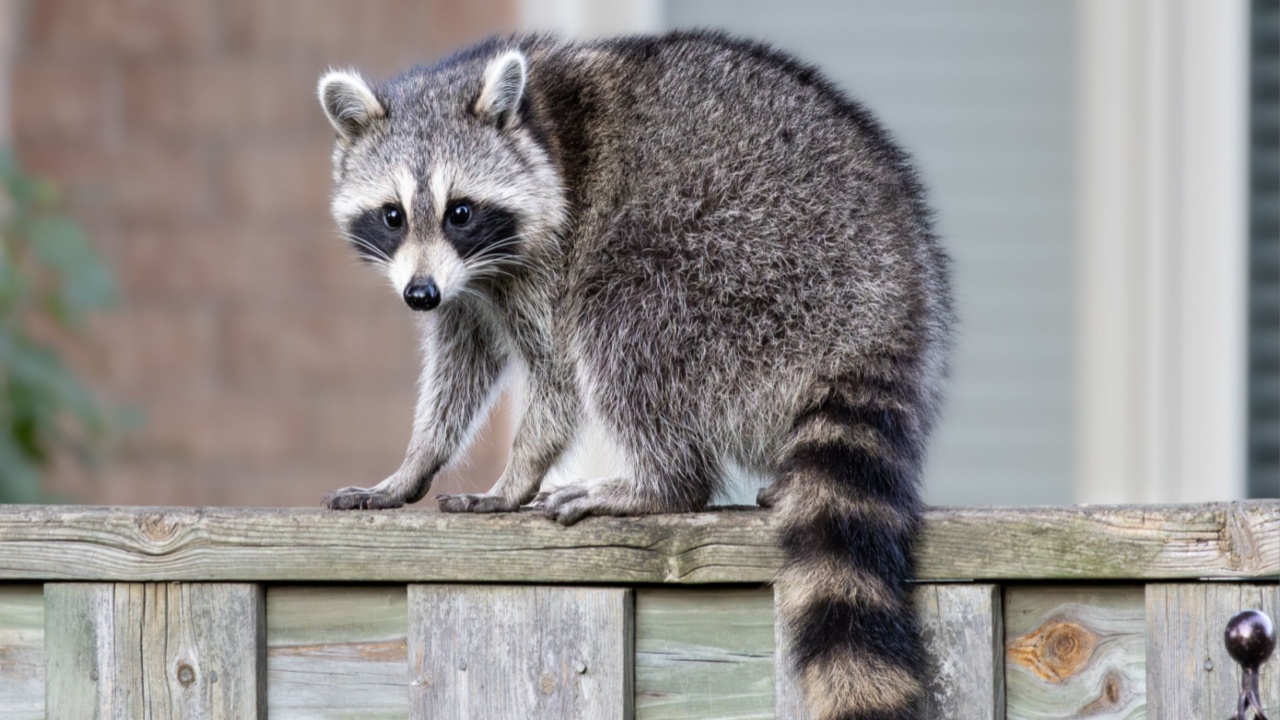
Voles, baby rabbits, and even chipmunks can do major damage to vegetable gardens and root systems. Raccoons are omnivores and opportunistic hunters, so they can theoretically help keep these smaller mammal populations in check.
Raccoons Support Biodiversity
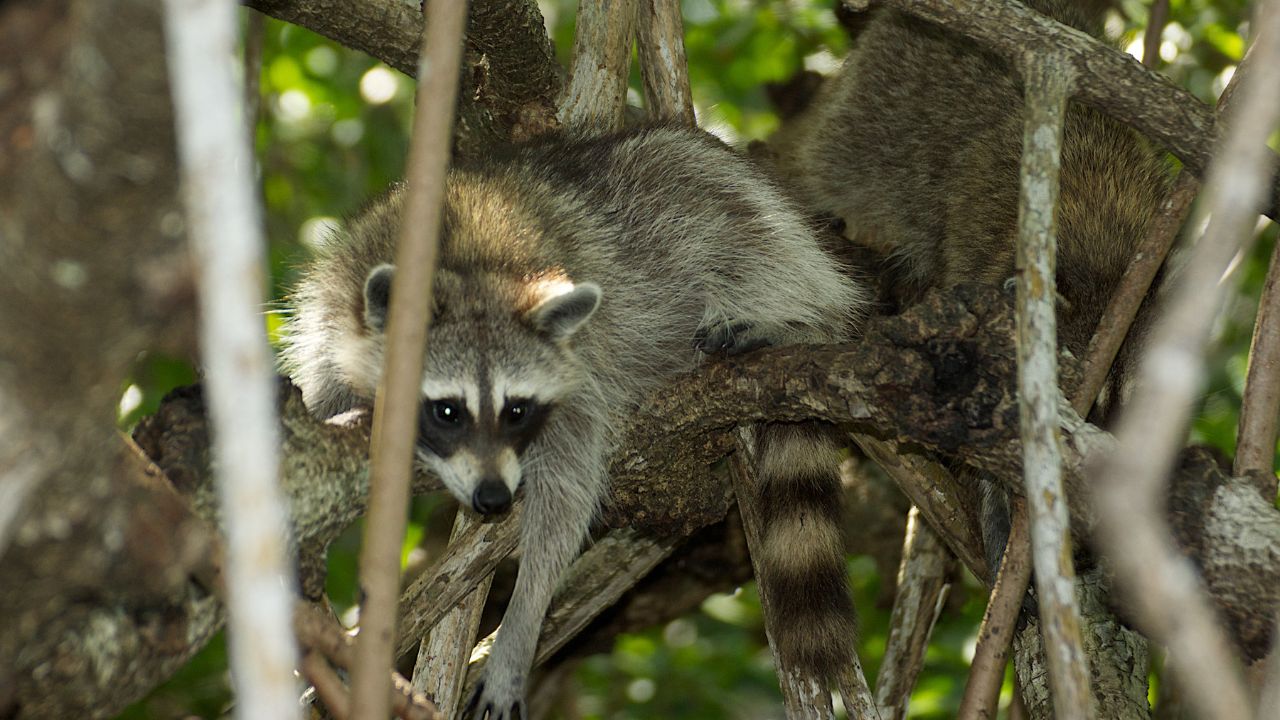
Raccoons aren’t loners. Their activity naturally creates microhabitats—trails through brush, overturned logs, and disturbed leaf litter—that provide shelter and food for insects, amphibians, and other small wildlife. If you’re striving for a biodiverse garden, their presence can add layers of ecological value.
By contributing to a more balanced local ecosystem, raccoons help ensure your garden is part of a healthier, more resilient environment.
They Clean Up After You
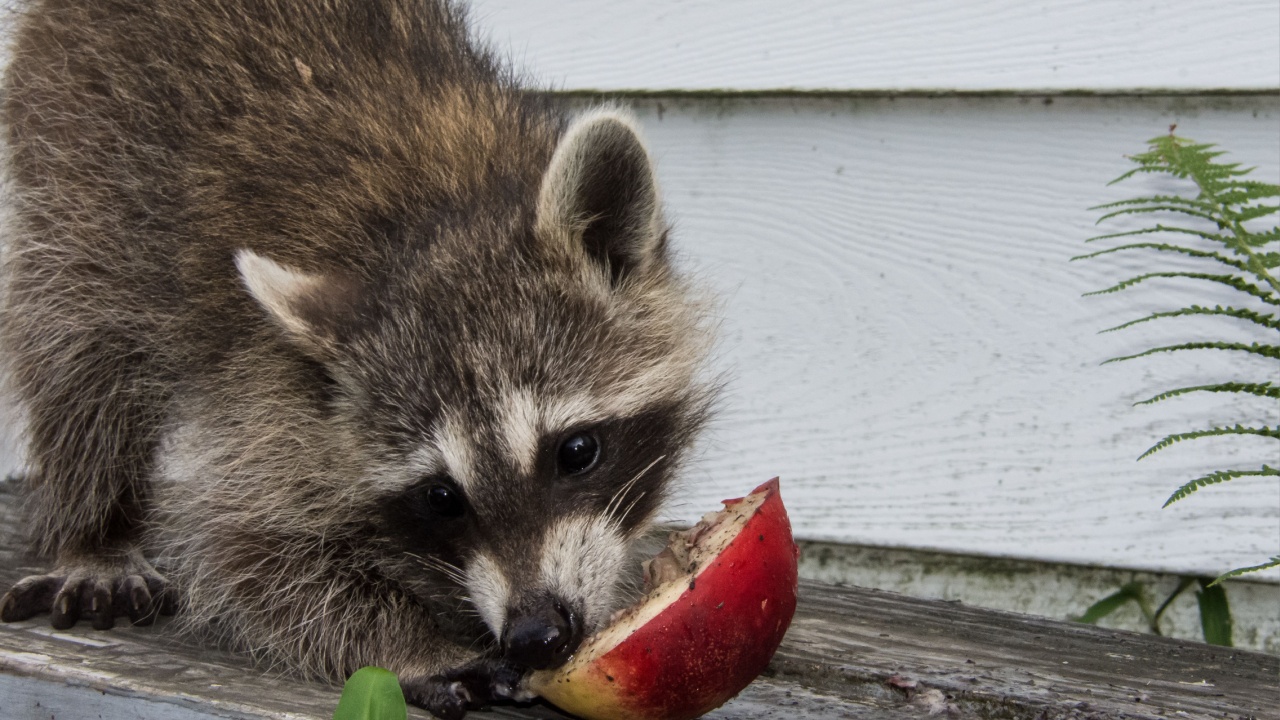
Leftover produce, fallen fruit, or scattered birdseed? Raccoons see a buffet. While their scavenging can seem messy, it often helps tidy up organic matter that would otherwise attract flies, rats, or mold. In this way, they’re like a night shift cleanup crew for your garden.
Tip for coexistence: Keep high-value crops like sweet corn and berries covered or fenced in, but consider leaving imperfect or overripe fruits on the ground as a “peace offering.”
They Disperse Seeds

Just like birds, raccoons play a role in seed dispersal. After snacking on berries or fruit, they can travel miles before depositing seeds (in their droppings) into new locations, helping spread native plants throughout your neighborhood.
This natural gardening service helps maintain genetic diversity and encourages plant propagation in places you wouldn’t expect.
They’re Fascinating to Observe
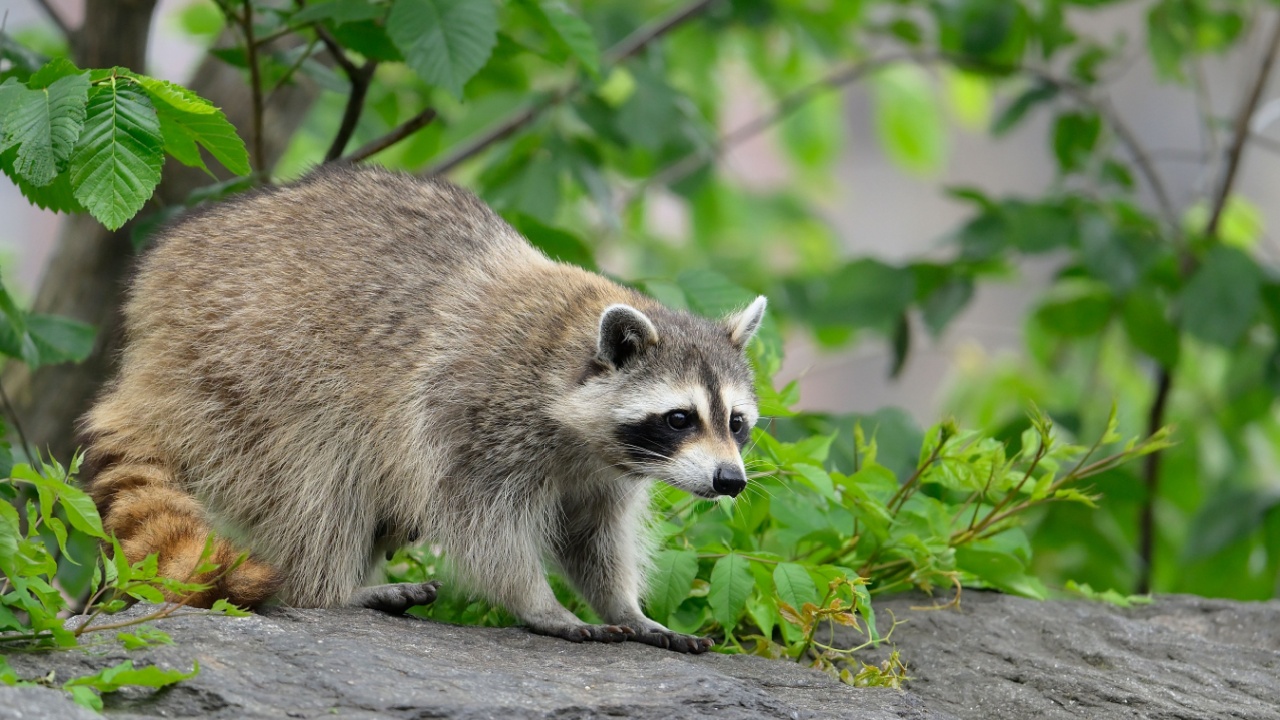
Raccoons are highly intelligent, social, and endlessly curious. Watching them can be surprisingly rewarding, especially for kids. Setting up a motion-activated wildlife camera can turn your garden into a backyard nature documentary.
Kids who learn about wildlife firsthand are more likely to become conservation-minded adults. Raccoons might just be your child’s first favorite naturalist lesson.
They’re an Indicator of a Thriving Ecosystem
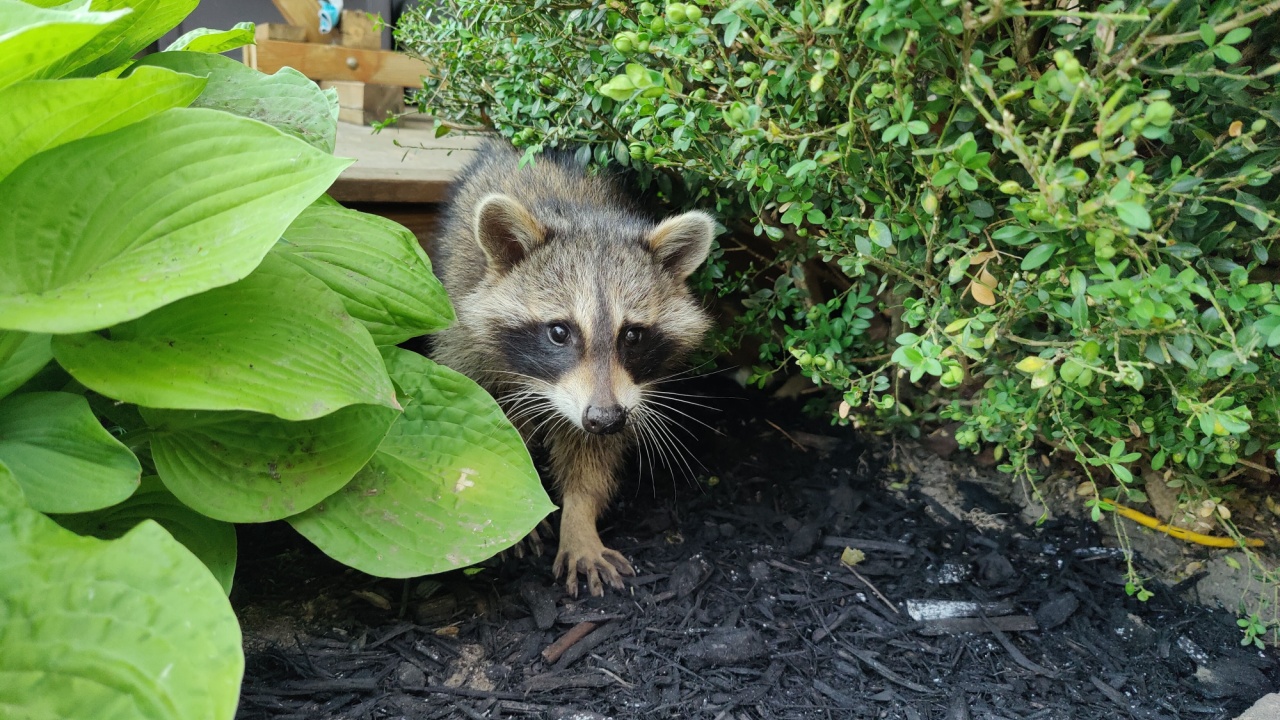
Raccoons tend to show up in places where water, cover, and food are readily available. If you’re seeing raccoons, it might mean your garden is doing something right—it’s supporting wildlife beyond just plants and pollinators.
Their presence is a sign that your space has enough biodiversity and natural resources to support complex food webs.
They’re Here to Stay (So Let’s Coexist)
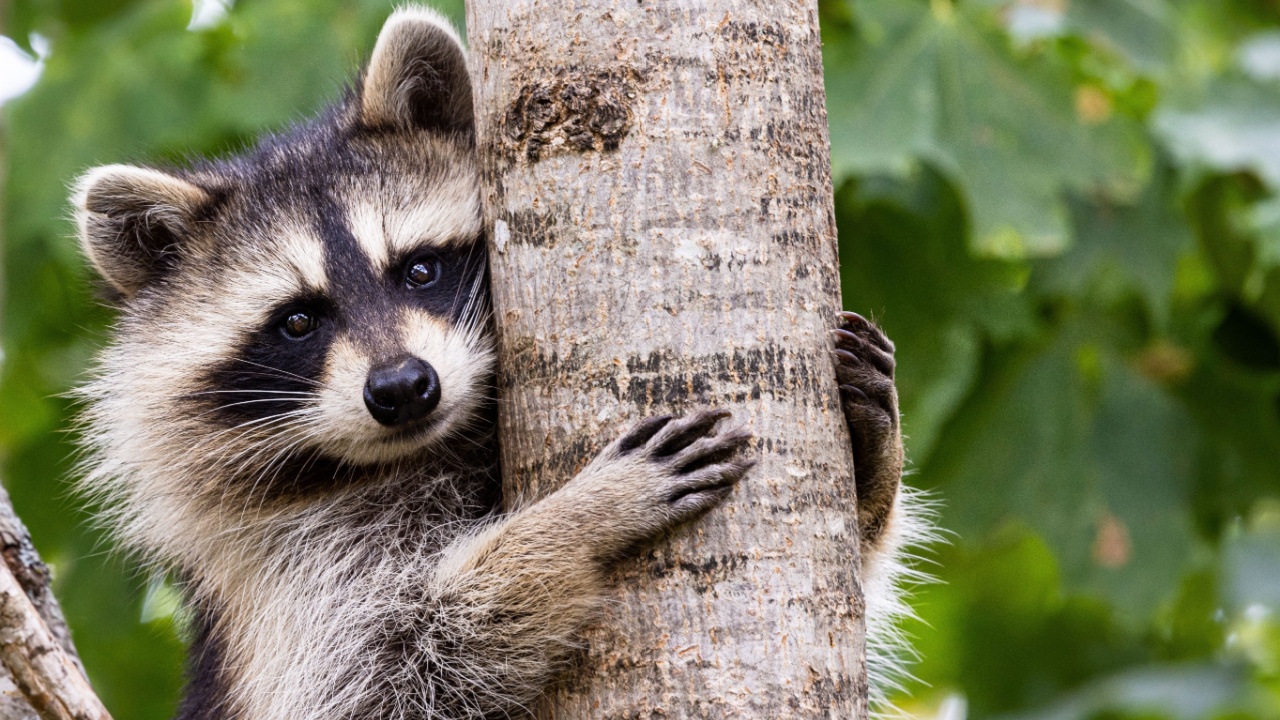
Let’s be honest—completely keeping raccoons out of your yard is nearly impossible. They can climb, dig, pry, and squeeze their way into places you didn’t think possible. Instead of fighting them at every turn, look for ways to coexist safely.
- Secure your compost and trash bins
- Harvest ripe fruit and veggies promptly
- Fence off prized plants
- Don’t intentionally feed them
With a little planning, you can minimize raccoon mischief while benefiting from their many ecological perks.
A Balanced Perspective
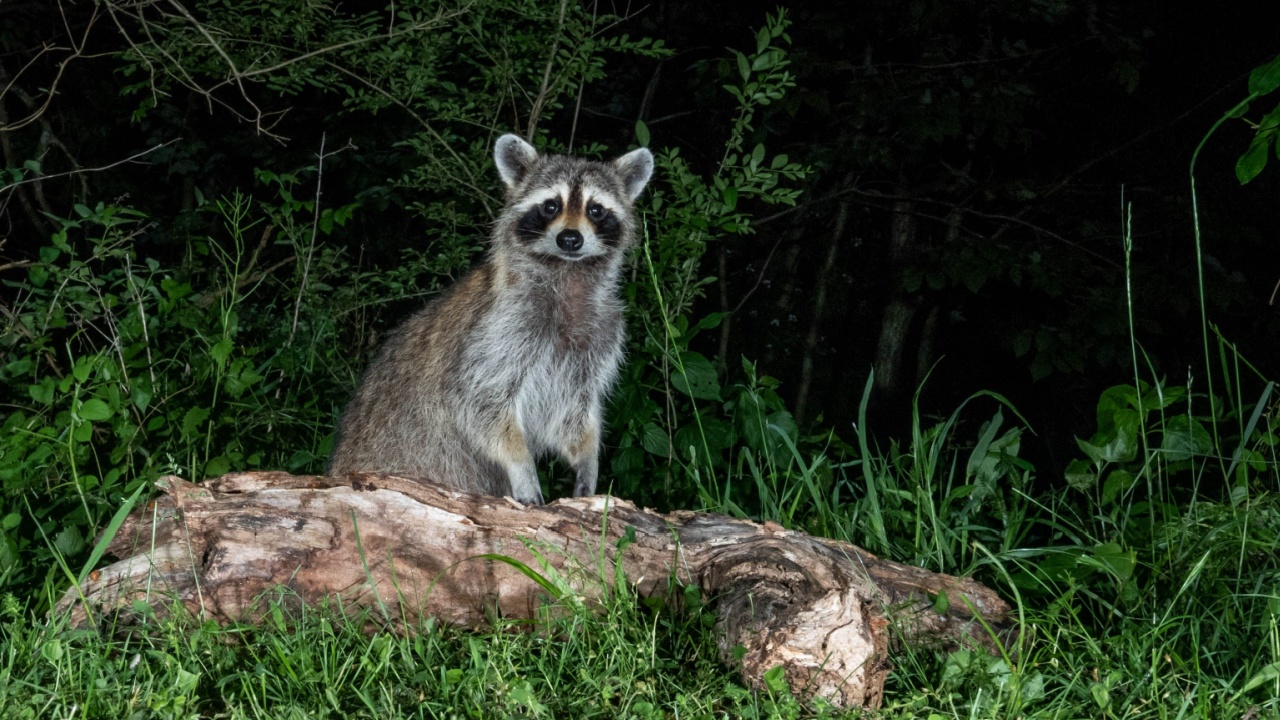
While raccoons do dig and forage—which can occasionally damage garden beds or potted plants—their overall impact can be beneficial. Their nocturnal habits also mean most activity happens when you’re asleep, keeping daytime garden use intact. However, if they start causing issues (e.g., excessive plant removal or trash tipping), targeted strategies can help reduce conflict without eradication.
Raccoons may never win the “Gardener’s Best Friend” award, but they’re far from garden villains. In fact, these misunderstood mammals are playing a quiet but important role in your garden’s health, resilience, and biodiversity.
By embracing a more holistic view of your backyard ecosystem, you might just find that raccoons—tricky as they can be—deserve a little more credit.