
Dark Chocolate Has Great Health Benefits, But Only If Eaten Correctly
Dark chocolate often gets treated like a health food with a candy wrapper. That idea is partly true, and partly marketing. Chocolate lovers are not complaining.
Real dark chocolate does contain plant compounds that can support heart health, brain function, and blood sugar control. Still, those benefits depend on the cocoa content, the portion size, and what else is in the bar.
Many products sold as dark chocolate are loaded with sugar, low in cocoa, or easy to overeat. When that happens, the health perks shrink fast.
This is what dark chocolate can do for your body, how much to eat, and how to choose a bar that is actually worth it.
Dark Chocolate Can Support Heart Health
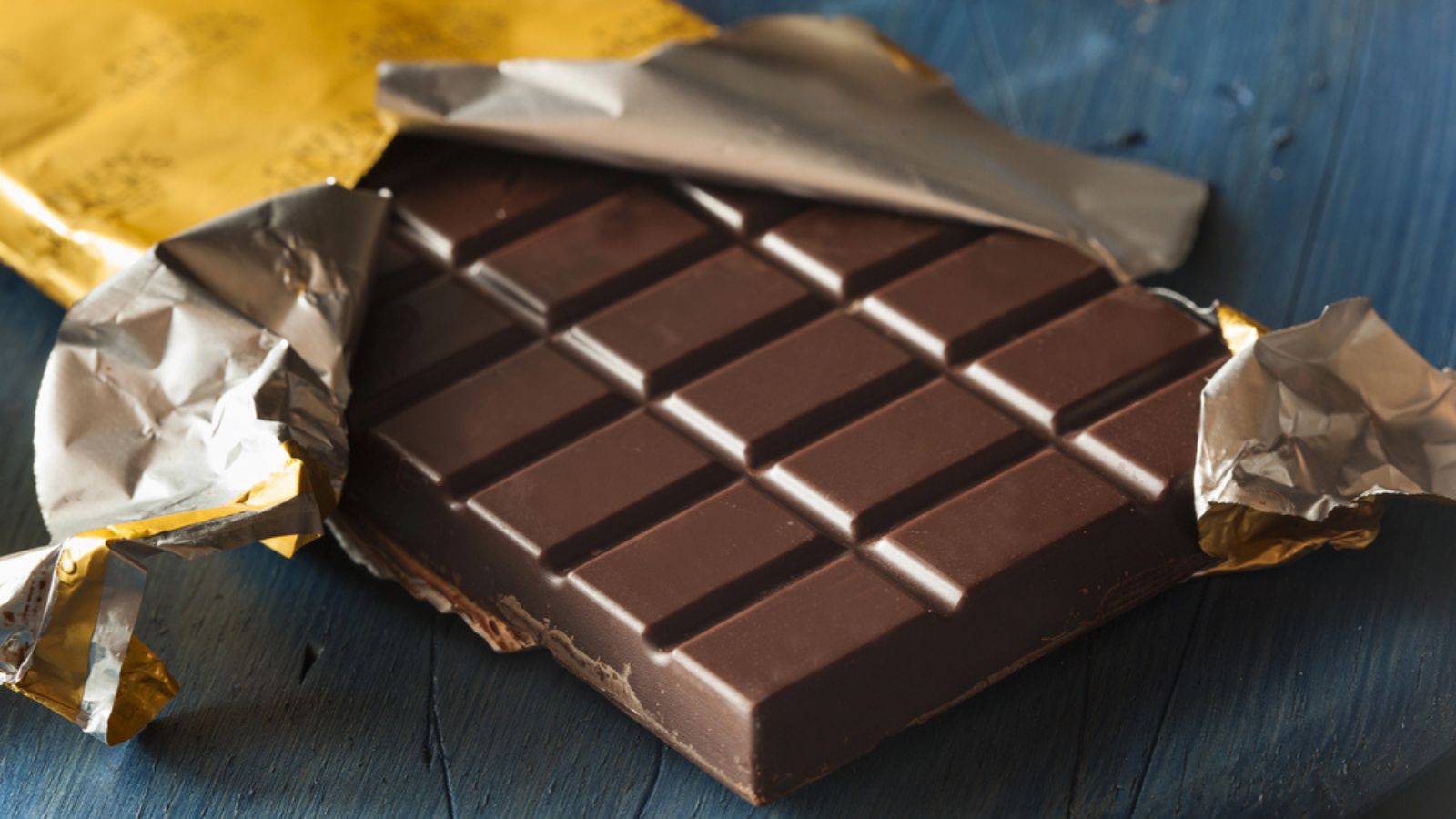
Dark chocolate is rich in flavanols, which are natural compounds found in cocoa. Medical experts say that flavanols can help blood vessels relax, improve blood flow, and support lower blood pressure in some people.
They may also help reduce LDL oxidation, which matters because oxidized LDL (low-density lipids, aka “bad fats”) is more likely to contribute to artery damage.
These effects are strongest in chocolate with a high cocoa content and lower sugar levels.
It May Help Your Brain Work Better
Cocoa flavanols may help the brain by improving circulation, including blood flow to areas tied to memory and focus.
Some studies suggest these compounds can support attention, mental speed, and short-term cognitive performance, especially in older adults or people with lower vascular health.
Cocoa also contains small amounts of caffeine and theobromine, two natural stimulants that can make you feel more alert. That mix helps explain why a modest piece of dark chocolate can feel mentally lifting.
Still, dark chocolate is not a cure for brain fog or age-related decline. You are more likely to notice a mild boost than a dramatic shift, and that boost depends on portion size and cocoa quality.
Dark Chocolate Can Lift Mood

Research suggests that dark chocolate can affect mood in several ways. It contains compounds that may support the release of feel-good brain chemicals such as serotonin and endorphins, and the sensory pleasure of eating it can lower stress in the moment.
Cocoa also provides magnesium, a mineral tied to nerve function and mood regulation.
That mix may help explain why many people feel calmer or more satisfied after a small serving.
Large portions can leave you with a sugar rush, extra calories, and an upset stomach, which undercuts the pleasant effect.
It Is Packed With Antioxidants
Dark chocolate is one of the richest food sources of polyphenols, including flavonoids that act as antioxidants. These compounds help protect cells from damage caused by free radicals, which are unstable molecules linked with inflammation and chronic disease.
Cocoa powder and high-cocoa dark chocolate tend to contain more of these compounds than milk chocolate.
In simple terms, the darker and less diluted the chocolate is, the more likely it is to carry useful plant nutrients. Even so, antioxidants do not cancel out a poor ingredient list.
It May Improve Blood Sugar Response
This may sound odd, since chocolate is often linked with sweets, but dark chocolate may help insulin sensitivity in small amounts. Cocoa flavanols appear to support better blood vessel function and lower inflammation, both of which matter for how the body handles glucose.
Some research suggests that moderate intake of high-cocoa chocolate may be linked with a lower risk of type 2 diabetes. The catch is that this does not apply to oversized portions or heavily sweetened bars.
Pairing a small piece with nuts or having it after a meal may help limit a quick blood sugar rise. If you already have diabetes or insulin resistance, dark chocolate should stay a treat, not a health strategy on its own.
How to Eat Dark Chocolate the Right Way
Enjoying dark chocolate starts with picking the right kind. Choose bars made with at least 70% cocoa content for the highest concentration of healthy flavanols and the least added sugar.
Simple ingredient lists are a good sign, with cocoa mass or cocoa liquor appearing before sugar. Take a moment to compare labels and try a few brands until you find one you like for both taste and quality.
Pay attention to how much you eat. A serving the size of one to three small squares (about one ounce) is usually enough to enjoy both flavor and health perks.
A Better Way to Enjoy It
Dark chocolate can be a healthy food, but only when the type and amount make sense. The sweet spot is a small serving of high-cocoa chocolate with modest sugar and simple ingredients.
You can add dark chocolate to your routine in creative ways, such as with fruit, mixed nuts, or in a homemade trail mix. By making it a planned part of your day rather than a spontaneous treat, you keep your habits steady and make it easier to balance nutrition and enjoyment.
Read More:
14 Healthy Snacks That Actually Lower Cholesterol
14 “Healthy” Foods That Actually Make Your Blood Sugar Spike Like Candy