14 “Healthy” Foods That Actually Make Your Blood Sugar Spike Like Candy
Ever eaten a “healthy” breakfast only to feel sluggish and ready for a nap an hour later? That sudden energy crash often happens when certain foods cause a rapid spike in your blood sugar.
Keeping your blood sugar stable is key, as any nutritionist will tell you. According to the Glycemic Index Research Service at the University of Sydney, foods high on the glycemic index (ranking 70-100) are the main culprits. They flood your body with sugar all at once.
When your body gets too much sugar too quickly, your blood sugar soars. But what goes up must come down, and that dramatic spike is usually followed by a harsh crash, leaving you feeling tired, hungry, and irritable. Experts also warn that frequent blood sugar rollercoasters can increase long-term health risks.
So, which “healthy” foods are secretly sending your blood sugar on a wild ride? We’ve compiled a list of 14 popular health foods that can cause a spike. We’ll explore why they do it and offer some simple swaps to help you maintain steady energy throughout the day.
1. Oat Milk
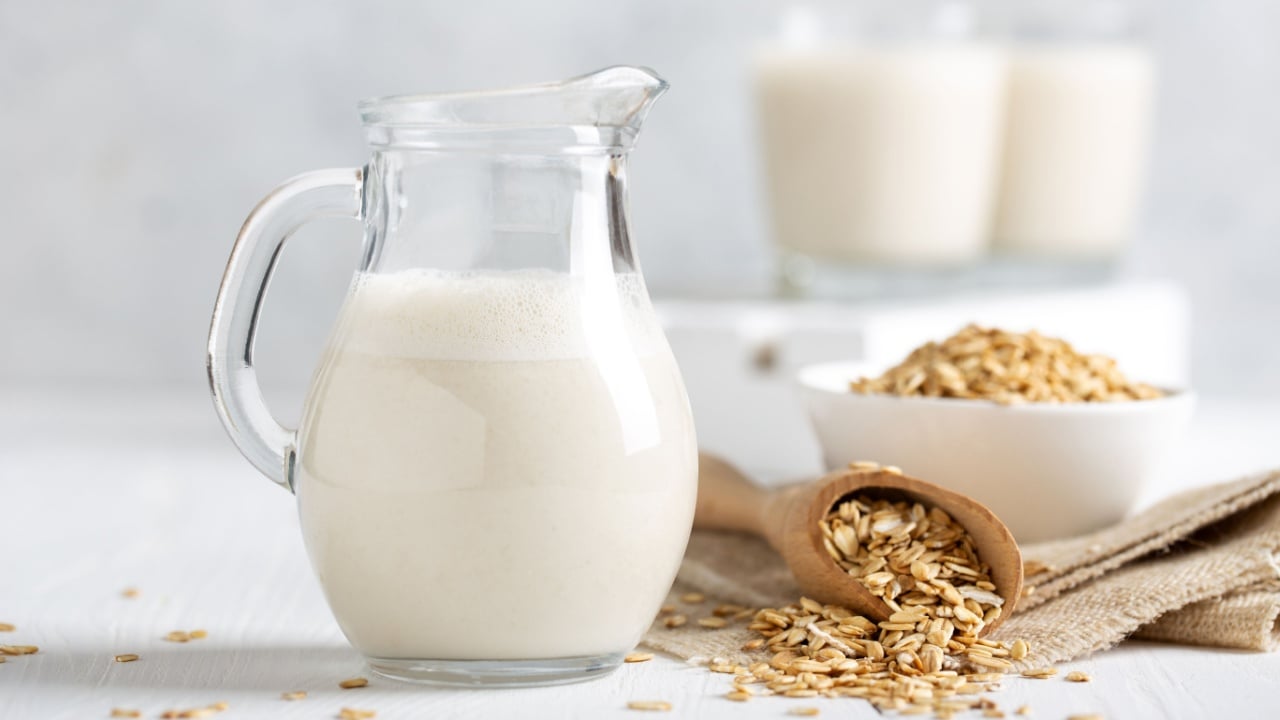
Many plant-based milks contain naturally occurring or added sugars that can significantly raise blood sugar levels. Oat milk often ranks at 49 on the glycemic index. This number climbs even higher in sweetened commercial varieties.
Drinking a full oat milk latte delivers a large dose of liquid carbohydrates directly into the digestive system. Because liquid calories lack fiber, the body absorbs them rapidly. This rapid absorption leads to a quick spike in glucose levels followed by a sharp drop in energy.
Choosing unsweetened almond milk or regular dairy milk can help stabilize glucose levels. A small splash of oat milk in regular coffee will also minimize the glycemic impact.
2. Sports Drinks

Athletes often rely on sports drinks to replenish electrolytes after intense workouts. These beverages regularly score between 65 and 100 on the glycemic index.
These drinks are intentionally designed to deliver fast-acting carbohydrates to fatigued muscles. For an average person doing a light workout, this massive influx of sugar is completely unnecessary and leads to a harsh glucose spike. The sugar enters the bloodstream almost instantly.
Drinking plain water with a pinch of sea salt provides adequate hydration for light exercise. For more intense workouts, adding a squeeze of fresh lemon to water offers flavor without the heavy sugar load.
3. Kombucha

Fermented teas often carry a health halo due to their probiotic content. Some small studies suggest kombucha might lower the glycemic impact of certain meals. However, many commercial brands add excessive fruit juice and cane sugar to improve the taste.
The added sugars turn a probiotic beverage into a sweet treat that rapidly elevates blood sugar. Because kombucha is carbonated and refreshing, people tend to drink it quickly. This fast consumption overwhelms the body with carbohydrates.
Reading the nutrition label helps identify brands with low sugar content. Selecting raw and unflavored kombucha provides the probiotic benefits without the negative glucose impact.
4. Snack Bars

Snack bars often masquerade as fitness fuel while hiding dessert-level sugar content. Research studies of popular snack bars (often touting their protein levels) have found glycemic indexes ranging from 43 to 58. Some top-selling bars contain more carbohydrates than a chocolate candy bar.
Many of these bars lack an adequate balance of proteins and fats to prevent a rapid blood sugar rise. The heavy reliance on syrups and dates for binding creates a dense carbohydrate load. The body digests these simple sugars fast.
Selecting bars with less than five grams of added sugar helps maintain energy stability. Looking for ingredient lists that feature whole nuts and seeds provides the necessary fats to slow digestion.
5. Instant Oatmeal
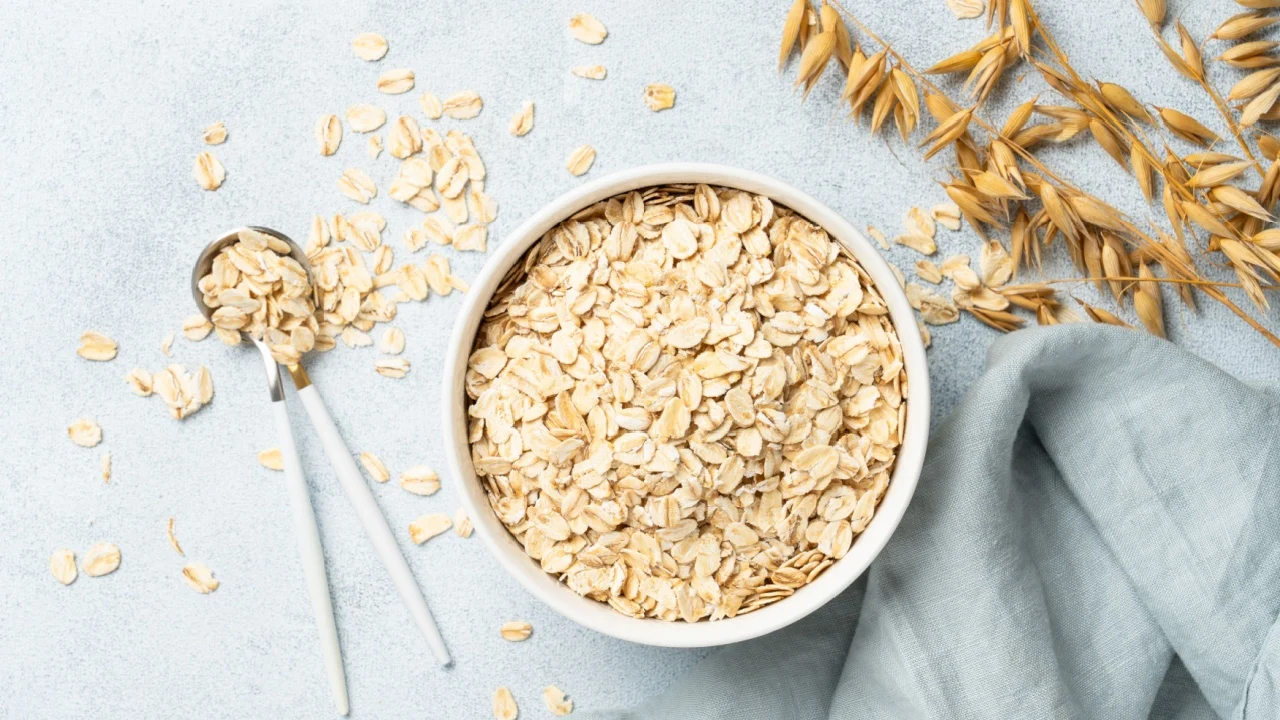
Whole oats are generally nutritious, yet instant oatmeal tells a different story. Rolled oats sit around 55 on the glycemic index, while instant or quick oats jump up to 74.
The heavy processing required to make oats cook quickly strips away much of their structural integrity. This processing allows the digestive tract to break down the carbohydrates rapidly. When brands add brown sugar and maple flavoring, the glucose impact multiplies.
Opting for steel-cut oats keeps the glycemic response much lower. Adding a source of lean protein, like eggs or nuts, slows the digestion process significantly.
6. Sushi

A sushi roll wrapped in seaweed and filled with fish appears incredibly healthy. A single serving of sushi rice alone has a glycemic index of 85.
Sushi rice is a short-grain variety prepared with sugar and rice vinegar to achieve its signature sticky texture. The stickiness and lack of fiber make it exceptionally easy to digest. This results in blood glucose levels rising very quickly after a meal.
Requesting sashimi or rolls wrapped in cucumber slices removes the carbohydrate burden entirely. Swapping traditional sushi rice for brown rice offers a slight improvement in fiber content.
7. Pasta Sauce

Tomato sauce contains beneficial antioxidants and vitamins. Unfortunately, store-bought pasta sauces often hide surprising amounts of added sugar to balance the acidity of the tomatoes.
Some commercial sauces rank between 23 and 35 on the glycemic index. When poured generously over a large bowl of refined pasta, the total glycemic load becomes substantial. The hidden sugars quietly contribute to a post-dinner energy crash.
Checking the nutrition facts for sauces with one gram of sugar or less per serving prevents this issue. Making homemade sauce using crushed tomatoes and fresh herbs guarantees complete control over the ingredients.
8. Salad Dressings
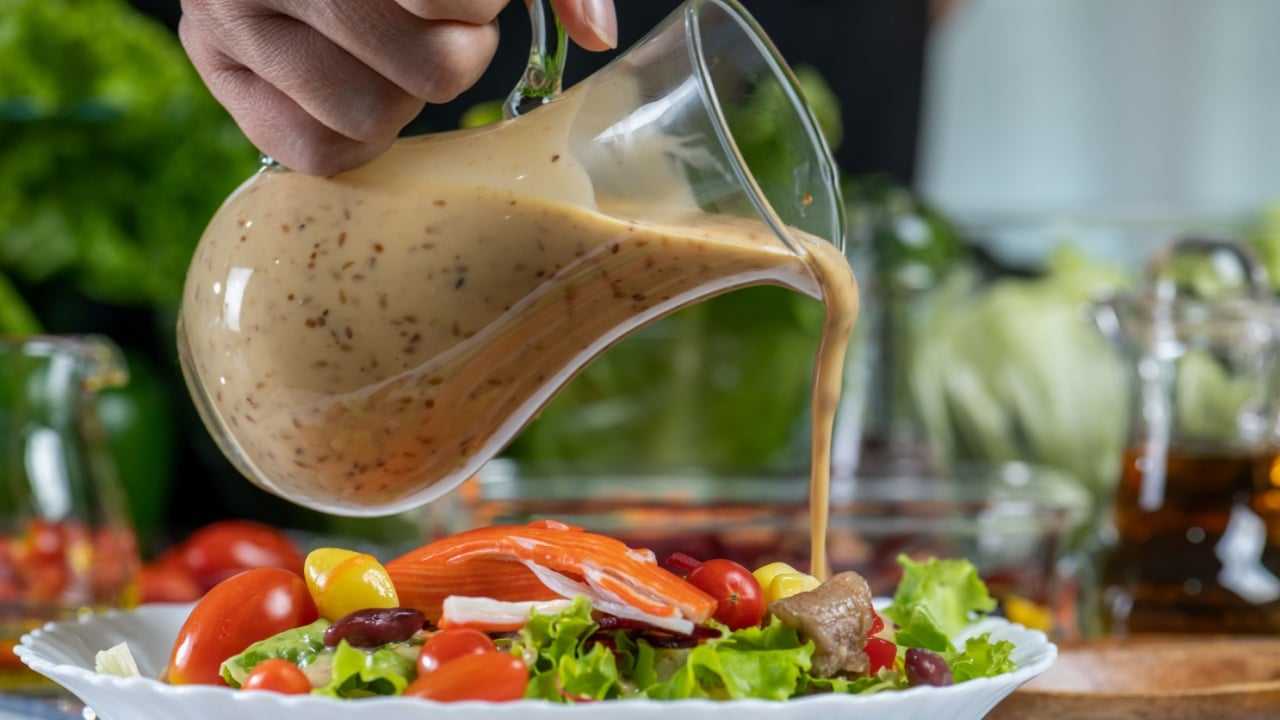
A large bowl of leafy greens offers an excellent nutritional profile until it gets drenched in a sweet dressing. Certain popular salad dressings score between 55 and 69 on the glycemic index.
Fat-free dressings are particularly problematic because manufacturers replace the missing fat with sugar to maintain flavor. This turns a vegetable dish into a sugary meal. The lack of dietary fat also means the sugar is absorbed into the bloodstream rapidly.
Mixing olive oil with balsamic vinegar creates a simple and stabilizing alternative. Using mashed avocado or tahini provides healthy fats that keep glucose levels perfectly steady.
9. Fruit Smoothies

Blending fresh fruit seems like the ultimate healthy breakfast choice. Research shows that commercial smoothies can range heavily in their glycemic impact due to concentrated fruit sugars.
Blending destroys the insoluble fiber found in whole fruits. Without that intact fiber to slow digestion, the blended fruit sugars hit the bloodstream rapidly. Adding sweetened yogurt or fruit juices to the blender exacerbates the sugar spike.
Building a smoothie with a base of spinach and unsweetened almond milk creates a better nutritional profile. Adding a scoop of plain protein powder slows the absorption of any included fruit.
10. Protein Shakes

Liquid protein supplements offer convenience for busy individuals. Many popular shakes use sweetened powders or blend in bananas and honey to improve the taste profile.
These added ingredients transform a simple protein supplement into a heavy carbohydrate load. Because the meal is entirely liquid, the stomach empties quickly. The sugars reach the bloodstream in a matter of minutes.
Choosing an unsweetened protein powder and mixing it strictly with water keeps the carbohydrate count near zero. Avoiding flavored yogurts in the mix prevents unexpected sugar additions.
11. Rice Cakes

Rice cakes are famous for being light and extremely low in calories. They also have a glycemic index of approximately 85.
Puffed rice is essentially pure starch with almost no fiber, protein, or fat to slow its digestion. Eating a rice cake is functionally similar to eating a spoonful of plain sugar. The body processes it instantly and spikes blood glucose immediately.
Spreading almond butter or putting sliced turkey on top of a rice cake adds necessary fat and protein. This combination significantly slows down the digestive process and stabilizes energy.
12. Flavored Yogurt

Dairy products naturally contain some carbohydrates in the form of lactose. Flavored yogurts take this a step further by adding fruit jams and cane syrups directly into the cup.
A single cup of strawberry or vanilla yogurt can contain as much added sugar as a serving of ice cream. The combination of simple sugars and liquid texture means rapid digestion. This quickly leads to a surge in blood sugar.
Buying plain Greek yogurt provides a massive dose of stabilizing protein without the sugar rush. Stirring in a few fresh blueberries offers natural sweetness and intact fiber.
13. Agave Nectar

Marketed as a natural alternative to refined white sugar, agave nectar appears in many health foods. Agave is highly processed and contains exceptionally high levels of fructose.
While fructose does not spike blood glucose immediately in the same way glucose does, it places a heavy burden on the liver. The liver converts this fructose into fat, which eventually contributes to insulin resistance. Insulin resistance ultimately leads to higher baseline blood sugar levels.
Using stevia or monk fruit sweetener provides sweetness without any caloric or glycemic impact. Enjoying foods in their naturally unsweetened state is always the safest approach.
14. Dried Fruit
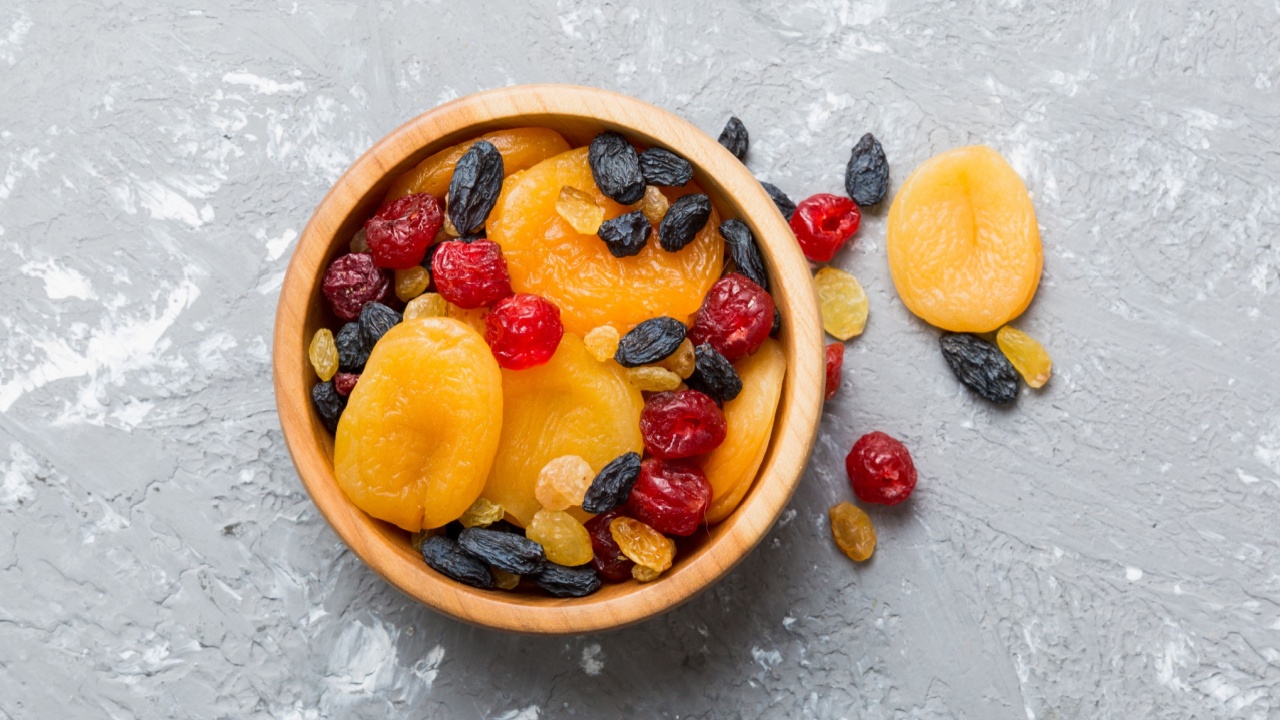
Dehydrated fruits like raisins, cranberries, and apricots offer a concentrated source of vitamins. The dehydration process also concentrates the natural sugars into a very small package.
People tend to eat dried fruit in much larger quantities than fresh fruit. A handful of raisins contains significantly more sugar than a single cup of fresh grapes. Many commercial brands also coat their dried fruits in extra sugar to prevent sticking.
Sticking to fresh, whole fruits guarantees a higher water content and intact fiber to slow digestion. Pairing a small piece of fruit with a handful of raw almonds provides a perfectly balanced snack.
Take Charge of Your Daily Nutrition

Maintaining steady energy levels requires a sharp eye and a willingness to read nutrition labels carefully. Understanding how hidden sugars affect the body empowers individuals to make smarter choices at the grocery store.
Swap out those high-glycemic snacks for balanced alternatives and enjoy sustained energy throughout the entire day.