Should He Have Scrubbed His Outdoor Covers Before Throwing Them in the Washer? His Wife is Disgusted
A simple household decision can spark a surprising debate. The question is, should an outdoor cover, left to face bird droppings and falling debris, be put in the washing machine?
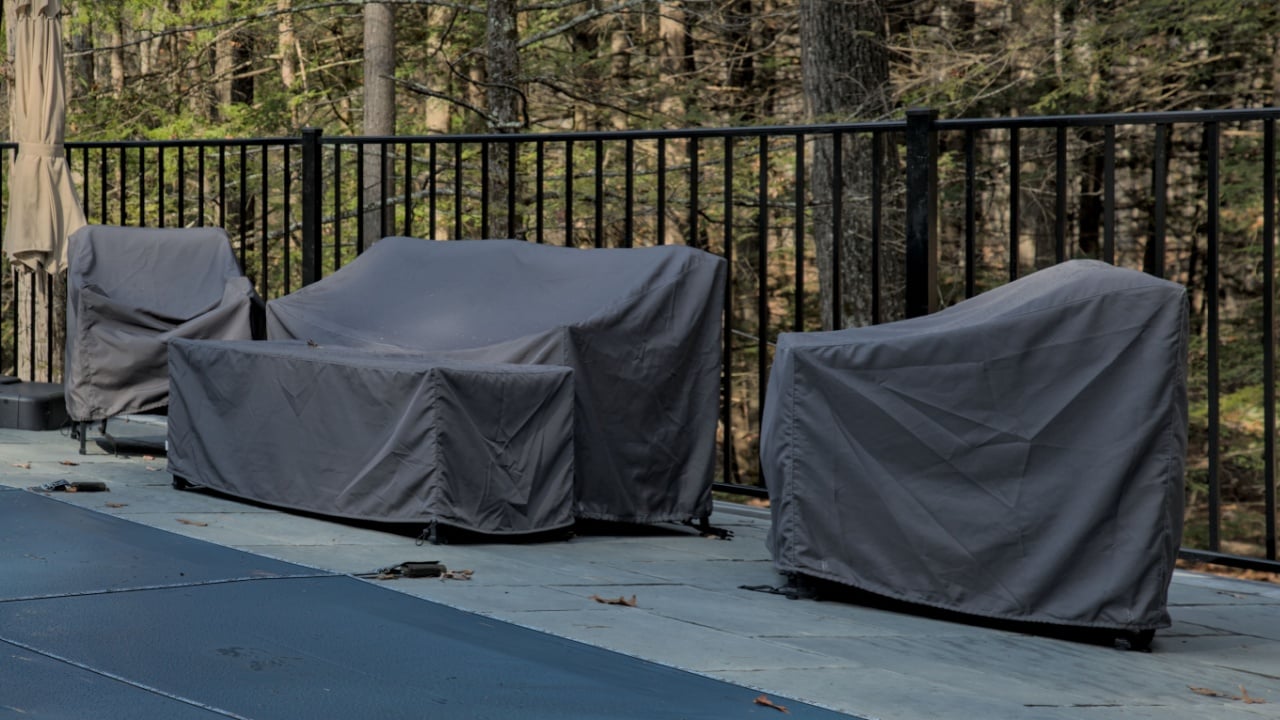
That exact scenario was posted on Mumsnet, where the husband put filthy furniture covers (that had been sitting out all winter and early spring) into the washing machine without scrubbing them first. Does skipping a proper scrub cross a line, or is it just fine?
A large portion of responses, around 85 percent, clearly saw the husband’s choice as reasonable, albeit risky due to both hygiene and care concerns. This situation brings out practical worries and personal standards in equal measure.
This article looks at the Mumsnet debate and takes a detailed look at what matters most when cleaning outdoor furniture covers, or any other dirty pieces of fabric around the house.
Bird Droppings Raise Serious Hygiene Concerns
Bird poop is toxic in most cases because it contains bacteria. Breathing in dust or consuming water droplets containing bird droppings can target the immune system and lead to several diseases.
The wife’s instinct was not irrational. Experts recommend pre-treating bird-dropping-affected fabrics before machine washing, and cleaning the machine itself afterward to prevent cross-contamination with regular laundry.
A warm or cool cycle may not fully eliminate the bacteria present, especially when the load is heavily contaminated, and the cycle runs short. The concern raised on Mumsnet was not squeamishness.
Sorting and loading contaminated textiles can result in cross-contamination of surfaces and hands, as well as the aerosolization of pathogen-associated particles.
The Washing Machine Filter Was Not Built for This
The lint filter in a domestic washing machine is designed to catch fibers, hair, and small debris from regular clothing. Compacted organic matter, leaf tannins, and months of dried outdoor waste are a different story.
When a heavily soiled cover goes in without any prior rinsing, the filter clogs faster than it should, and a blocked filter reduces drainage, creates bad smells, and can trigger error codes that need a service call to sort out.
Several Mumsnet commenters flagged that the husband should at least check the filter after the wash, and that is fair. A clogged filter after a single cycle is a signal that the pre-clean should have happened first, outdoors, with a hose, before the machine was ever involved.
Clearing the filter afterward fixes the symptom but does not reverse the wear the appliance absorbed while running that load.
Many Outdoor Covers are Not Meant for the Machine At All
One of the sharpest observations in the Mumsnet thread was simple. What are the covers actually made from?
Many outdoor furniture covers carry care labels that read sponge clean only, and manufacturers are not being conservative without reason. Waterproof-coated fabrics and vinyl covers are typically unsuitable for machine washing, as they can damage both the material and its waterproof properties.
Polyester covers coated with a layer of plastic or acrylic to enhance water and UV resistance should not be machine-washed, as this will degrade the coating.
Without checking the label first, there is no way to know what category the covers fall into. A cover that has been machine-washed when it should not have been may come out misshapen, puckered, or noticeably smaller, and none of that can be undone.s.
Machine Washing Strips Weatherproof Coatings
Outdoor furniture covers are often treated with a water-resistant or weatherproof coating, which keeps rain from soaking through to the furniture underneath.
Harsh cleaning methods or the wrong wash cycle can strip away these coatings, which compromises the covers’ ability to repel water effectively. After one heavy machine wash, water may stop beading on the surface entirely, meaning the cover is no longer performing the function it was made for.
Signs that a waterproof coating has been compromised include water no longer beading on the surface and the fabric absorbing moisture instead of repelling it.
Waterproofing sprays exist, but they do not fully replicate what the factory applied. Hand washing, hosing down, and spot-treating stubborn stains preserves the coating from the start, which is a much easier position to be in than trying to restore it after the damage is done.
Protecting The Machine Matters Too
One dirty load is manageable for a well-maintained washer, but frequent heavy use can put undue strain on the appliance.
Worst-case scenarios include clogged filters, blocked pumps, and buildup inside the drum, each causing extra maintenance and unwelcome smells.
Treating outdoor covers as a special cleaning job, separate from routine laundry, prevents much of this.
Running a maintenance cycle on the washer after a very messy item and wiping out visible debris helps keep the machine running smoothly and extends its reliable performance.
The Public Largely Sided With The Husband
The most common response in the Mumsnet thread was direct. Washing machines are built to wash dirty things, and outdoor covers covered in bird waste and winter debris are exactly the kind of item they were made for.
Eighty-five percent of respondents voted that the wife was being unreasonable, and the bulk of the comments reflected that.
Several pointed out that if the filter needed checking afterward, that was a minor inconvenience, not a reason to avoid the machine altogether.
Hose it Down, Then Decide
Outdoor furniture covers go through a proper battering between autumn and spring. Months of weather, birds, and tree debris leave them in a state that needs more consideration than a straight drop into the drum.
A pre-rinse outdoors, a quick check of the care label, and a wash method suited to the fabric type are what stand between a clean cover and a ruined one.
The wife’s concern had merit, despite most of the Mumsnet community siding with the husband. Washing machines are built to handle dirt, but outdoor covers deserve a little extra care. Rinse first, then wash if the fabric allows.