
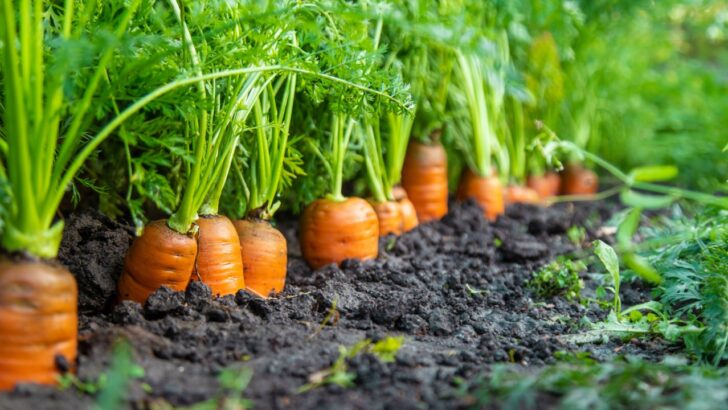
If you’re at all familiar with companion planting, you have likely heard that carrots love tomatoes. But why is that? And what other plants do carrots love? Keep reading to learn the answers to these questions in our list of the best companion plants for carrots. Because not all plants get along well together, this post ends with a short list of the vegetables and herbs that should not be grown with carrots.
What is companion planting?
Image Credit: Shutterstock.
Whether you call it intercropping, polyculture, or companion planting, the practice involves growing different plants together for mutual benefit. Some companion plants deter harmful pests, while others provide cooling shade, suppress weeds, or encourage healthy growth of certain plants.
Best Companion Plants for Carrots- 1. Beans

Image Credit: Shutterstock.
Like many garden vegetables, carrots need nitrogen to grow. Beans fix nitrogen, enriching the soil and feeding the hungry carrots growing nearby.
Check out how to grow beans in containers.
2. Cabbage

Image Credit: Shutterstock.
Cabbage, broccoli, and other members of the brassica family appreciate growing near carrots. Thanks to their large taproots, carrots help loosen and aerate the soil, allowing the roots of nearby brassicas to grow stronger.
3. Chives

Image Credit: Shutterstock.
Chives have been known to encourage healthy growth in carrots and even make them sweeter. Plus, chives repel nasty pests like aphids and Japanese beetles.
4. Leeks
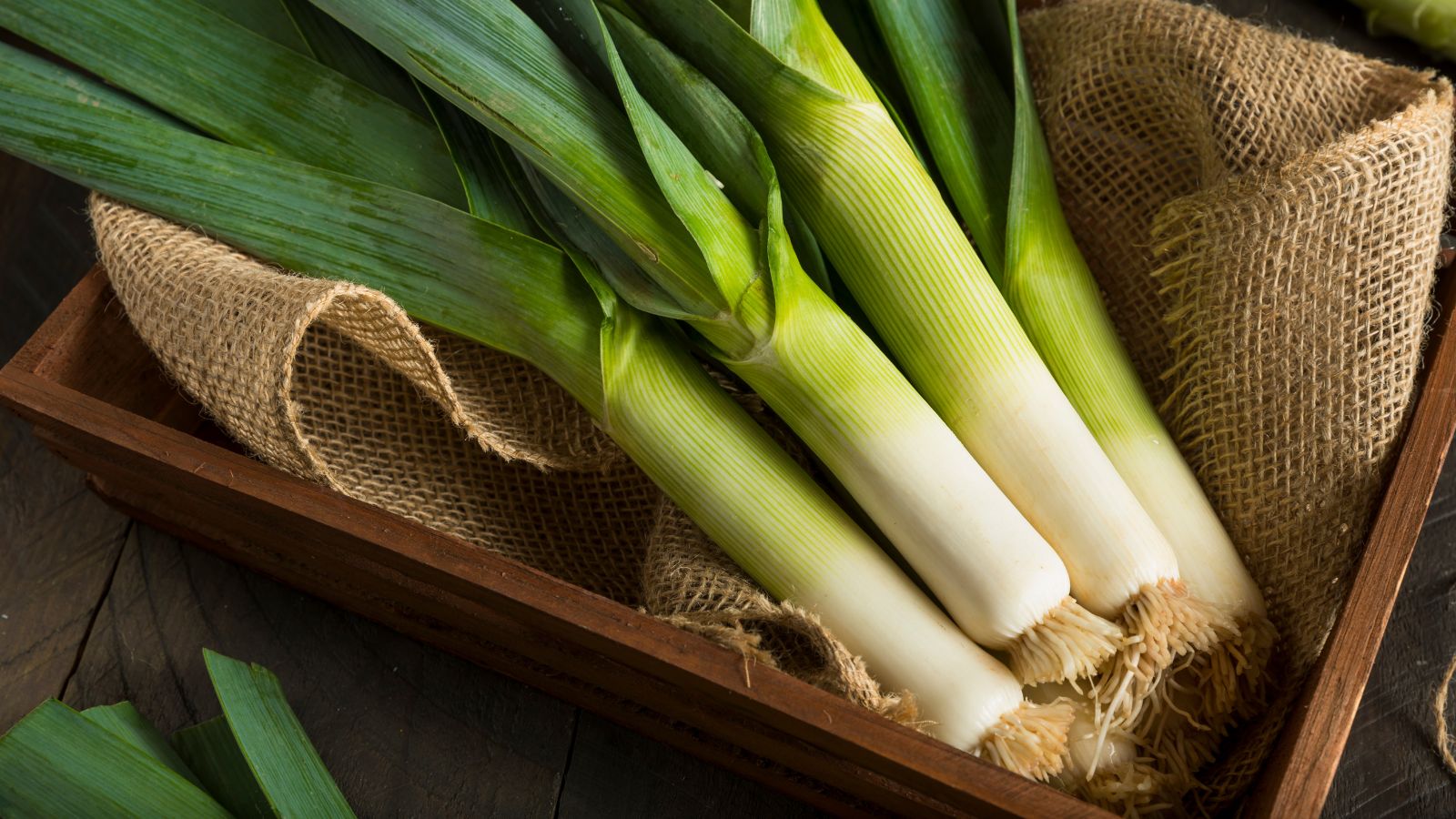
Image Credit: Depositphotos.com.
Leeks and other members of the allium family repel the dreaded carrot fly, so you’ll definitely want to grow some near your carrots! Keep leeks separate from beans and other legumes, though, as alliums can stunt the growth of legumes.
Learn how easy it is to grow leeks.
5. Lettuce

Image Credit: Shutterstock.
While carrots grow vertically, both into the soil and upward, lettuce has large, leafy foliage that shades the ground. This helps prevent soil compaction (carrots love loose soil!), retain moisture, and prevent weed growth.
Get tips on how to grow lettuce.
6. Nasturtium
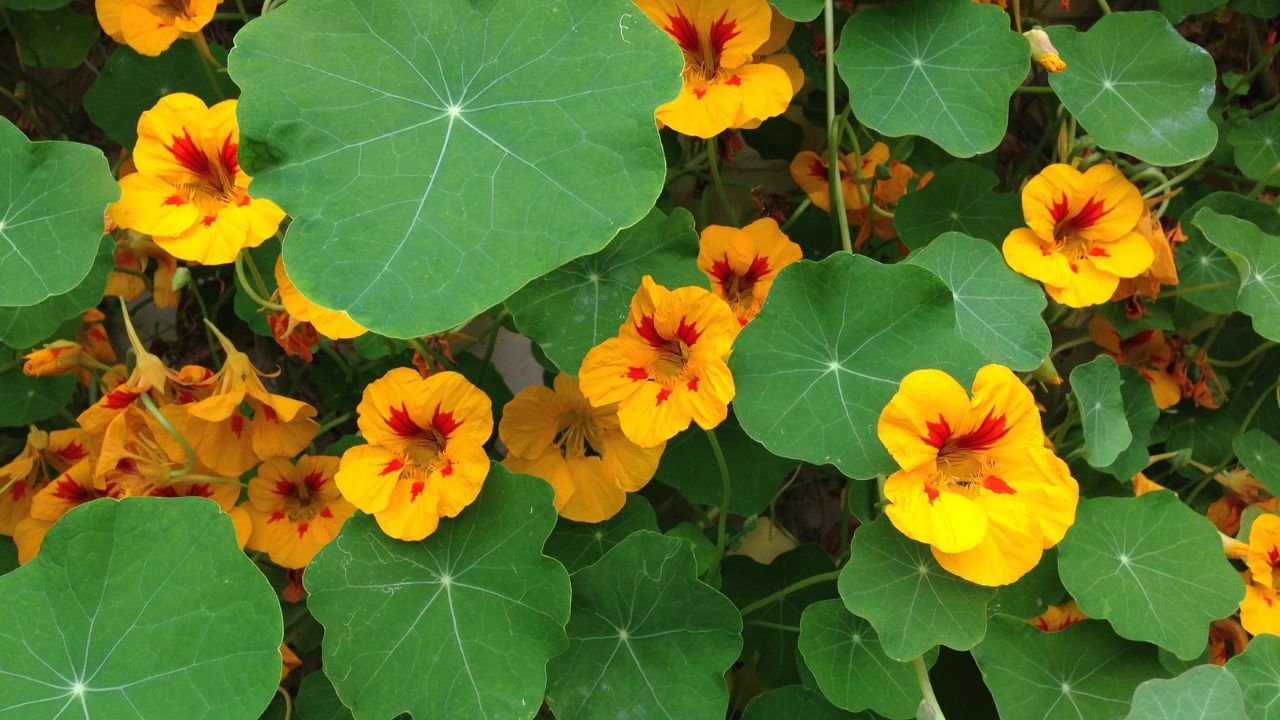
Image Credit: Mary Hutchison – Own work, CC0/Wiki Commons.
Both beautiful and edible, nasturtiums also offer benefits to carrots. Their vining habit provides ground cover, and their bright flowers attract beneficial insects while deterring pests like aphids and whiteflies.
Check out our guide to growing nasturtiums.
7. Onions
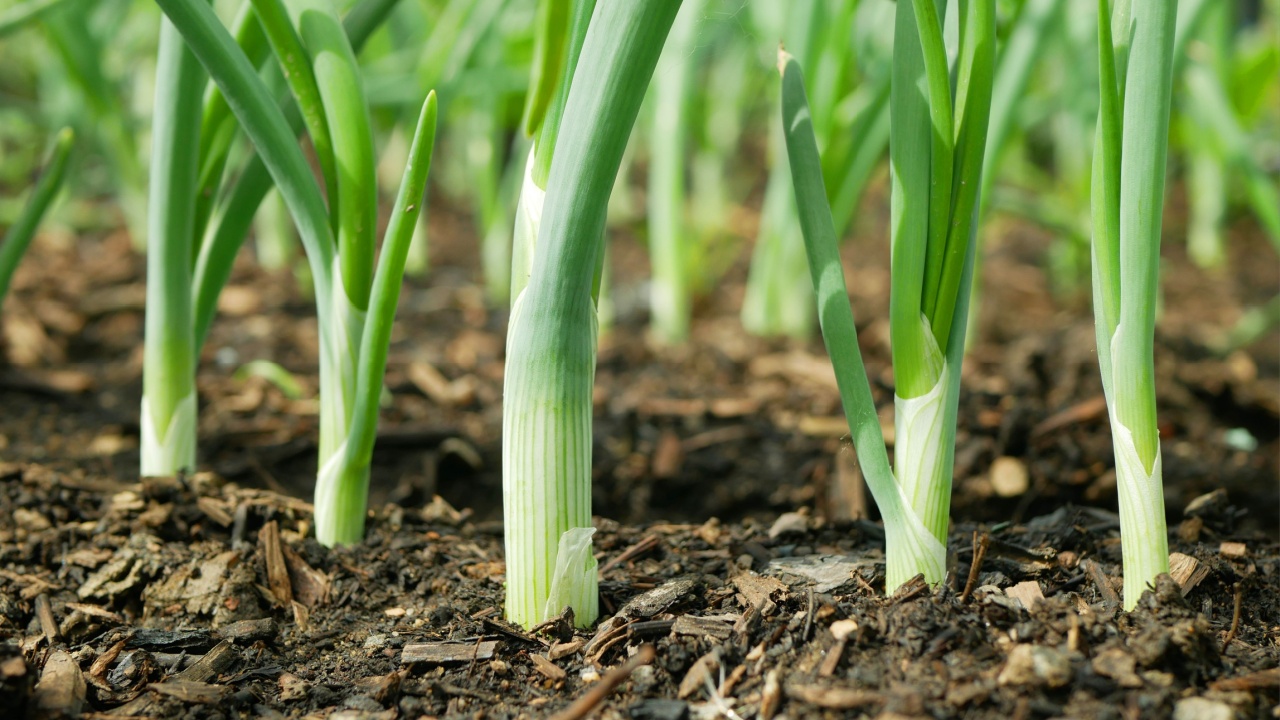
Image Credit: Shutterstock.
Another member of the allium family, onions repel carrot flies. Whether you grow green onions or bulbing onions, your carrots will benefit. Just remember to keep alliums away from legumes.
8. Peas

Image Credit: Shutterstock.
Peas, like their bean cousins, are nitrogen fixers. By fixing nitrogen and nourishing the soil, peas help boost the growth of carrots and other plants.
Peas are easy to grow: check out our quick guide to growing peas.
9. Peppers
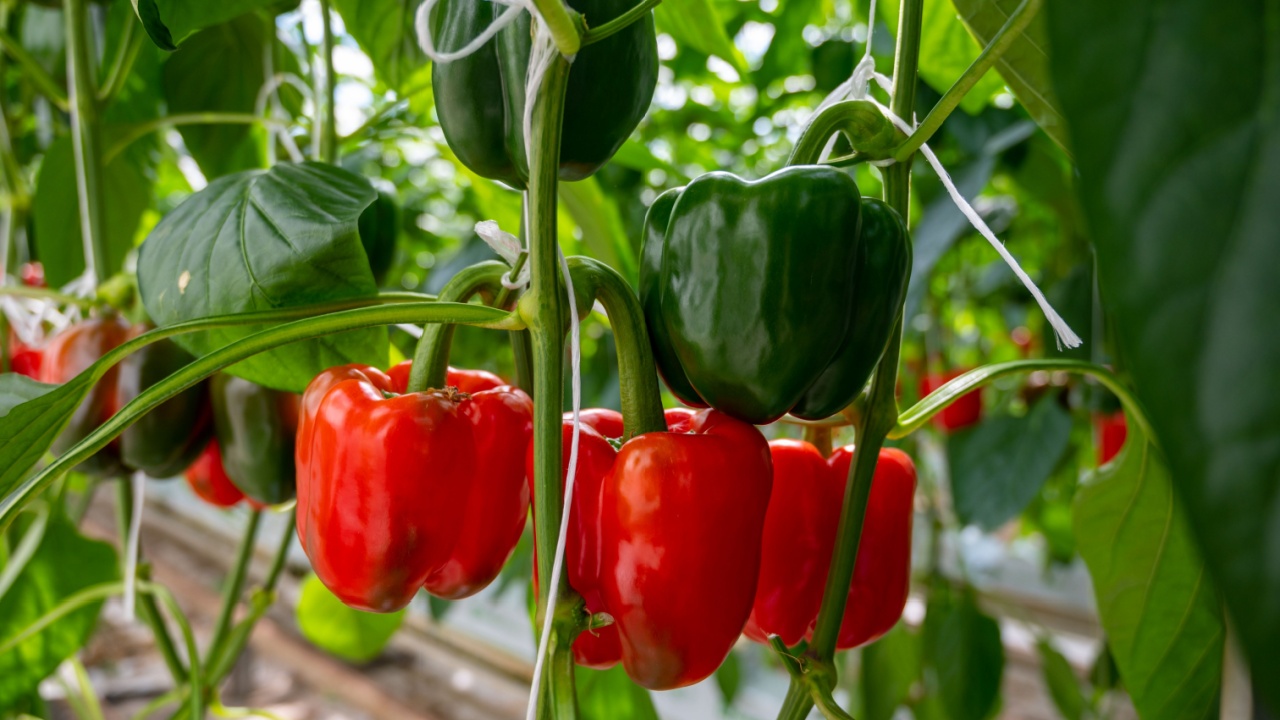
Image Credit: Shutterstock.
While peppers prefer heat and carrots cooler weather, the taller pepper plants can provide shade for carrots grown nearby, possibly extending the growing season a bit. Plus, carrots will make use of the otherwise empty space between pepper plants.
Fun fact: are peppers fruits or vegetables? The answer might surprise you 😉
10. Radishes
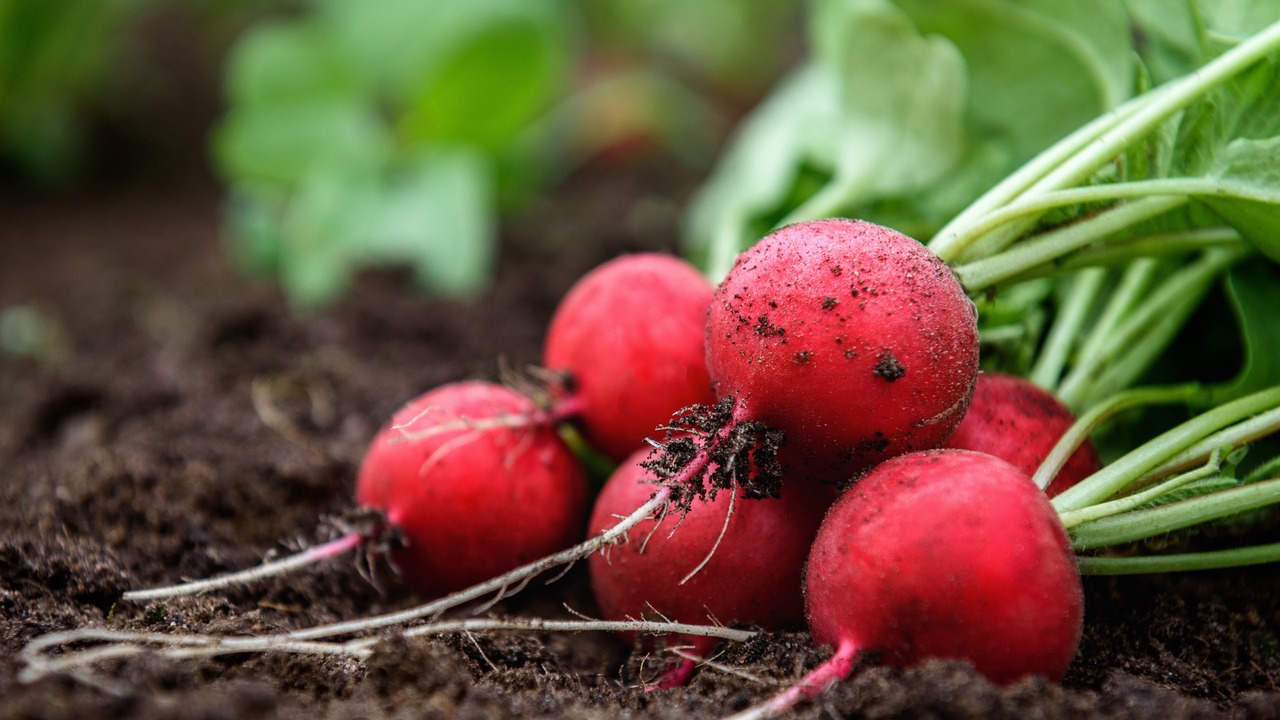
Image Credit: Shutterstock.
Many gardeners like to sow radish seeds with their carrots, mostly because radishes germinate faster and act as natural row markers for the slower carrots. They also mature more quickly, allowing you to harvest a crop of radishes before the carrots start getting big.
Here are more veggies you can plant with radishes.
11. Rosemary
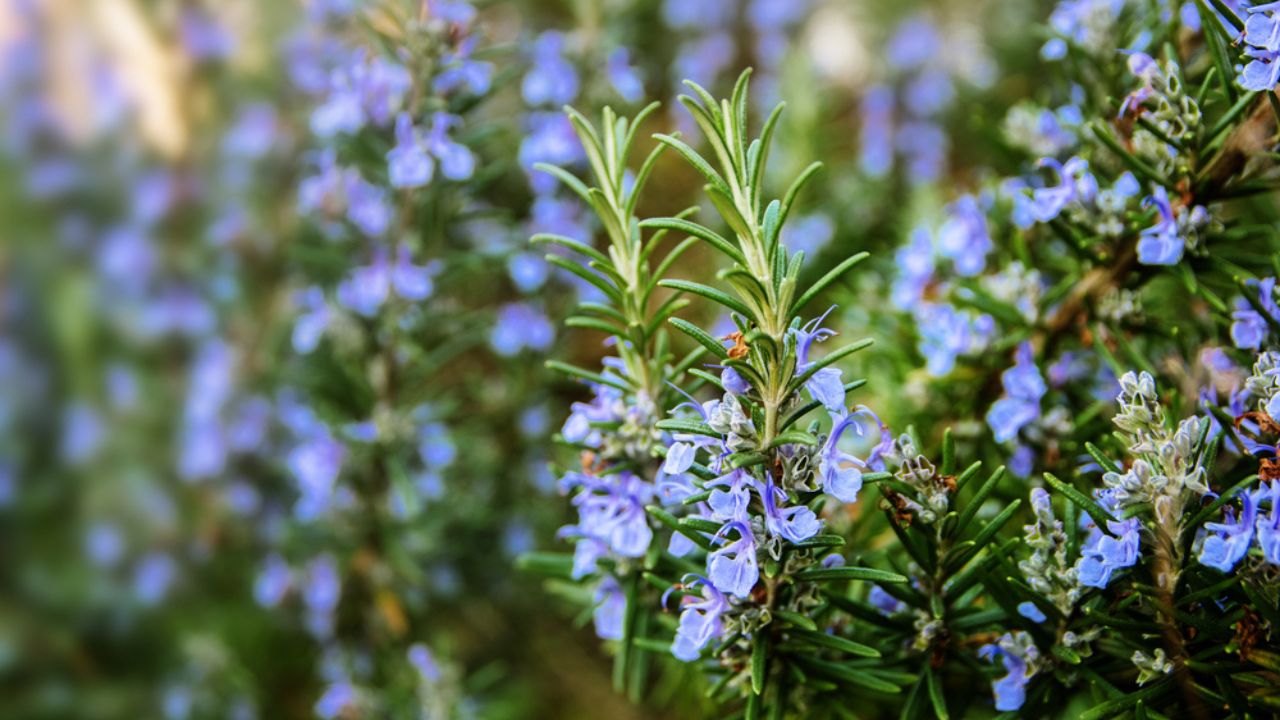
Image Credit: Shutterstock.
With its strong, pleasing aroma, rosemary deters carrot flies and other pests. Keep in mind, though, that rosemary is a tender perennial and can get quite large. Given this, you may want to plant your carrots in the herb garden and not the other way around.
12. Sage
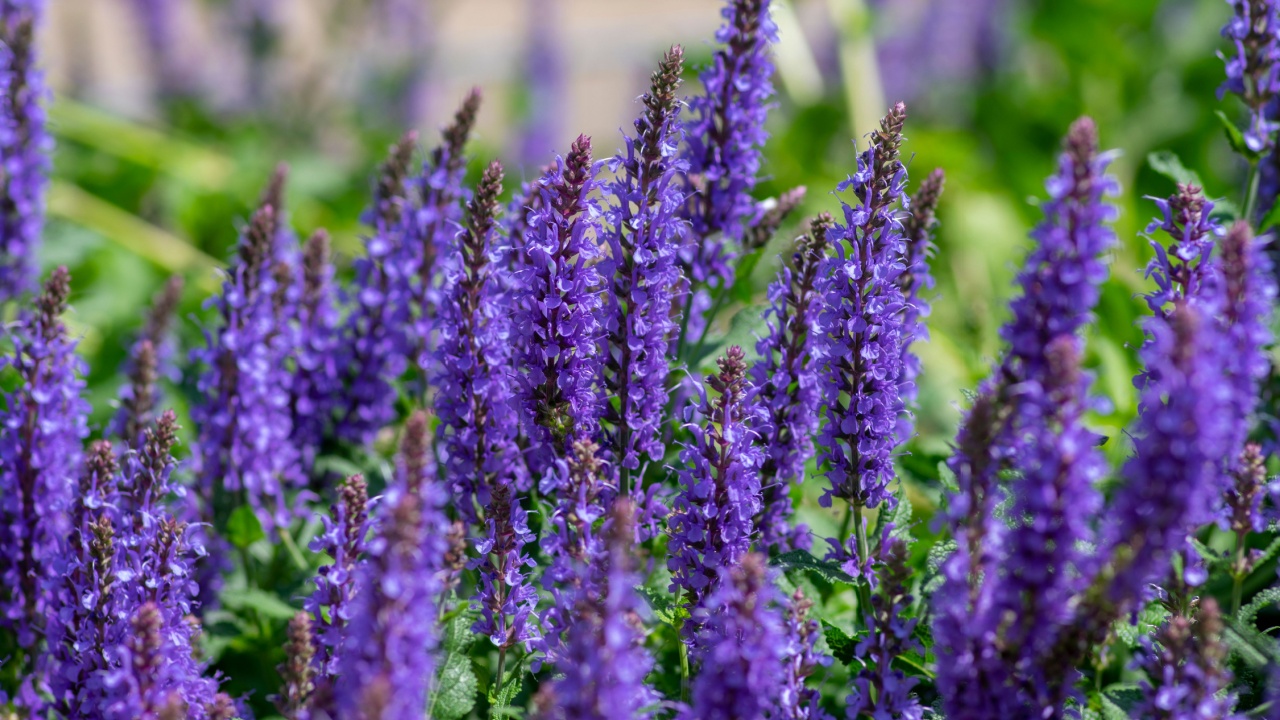
Image Credit: Shutterstock.
Like rosemary, sage has a strong fragrance that repels pests like carrot flies. Sage is also a perennial herb, so consider sowing carrots among your herbs rather than in the vegetable garden if you want to utilize the benefits of sage (and rosemary).
13. Tomato
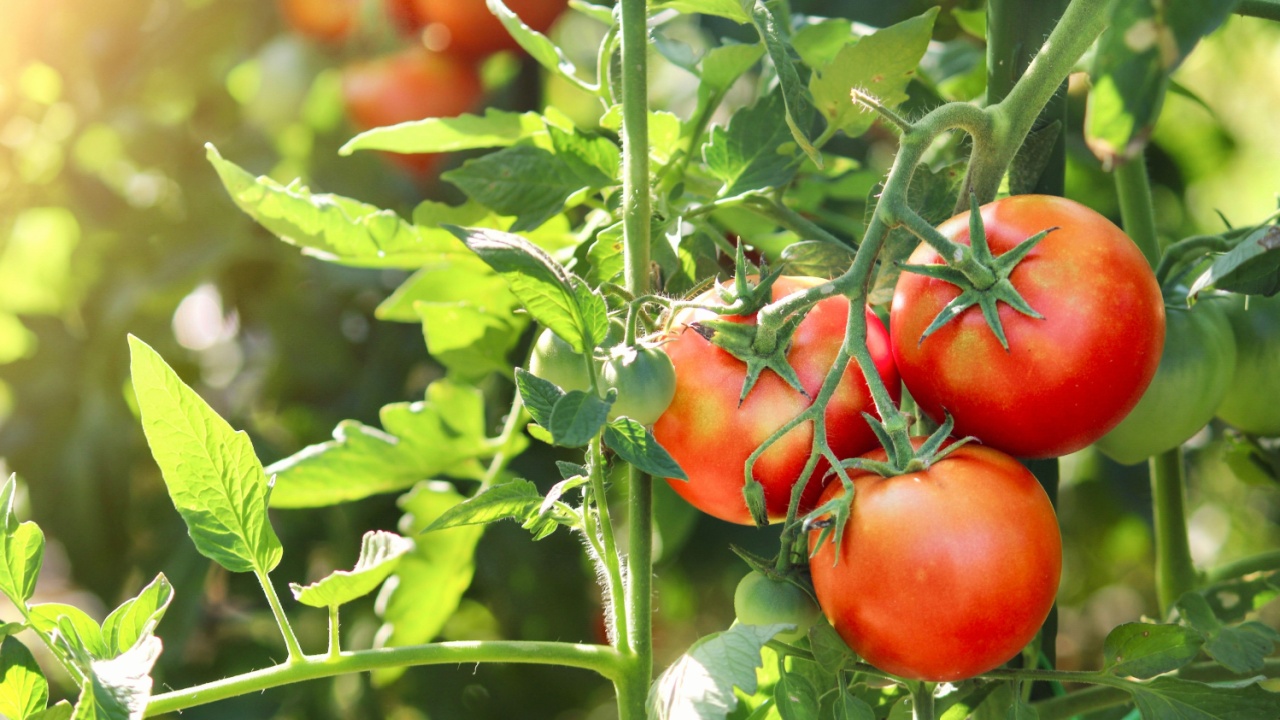
Image Credit: Shutterstock.
Finally, we come to the famous assertion that carrots love tomatoes. Actually, tomatoes can stunt the growth of carrots, but some gardeners claim that they also make carrots sweeter. In return, carrots loosen the soil for tomatoes with their taproots.
Worst Companion Plants for Carrots- 1. Dill

Image Credit: Shutterstock.
Now that you are familiar with some of the many plants that grow well with carrots, let’s explore a few that are not good carrot companion plants and should be grown in another part of the garden.
While dill is an excellent companion plant for many vegetables, it can actually impede the growth of carrots, so it is best paired with other plants that enjoy the company of dill.
2. Fennel
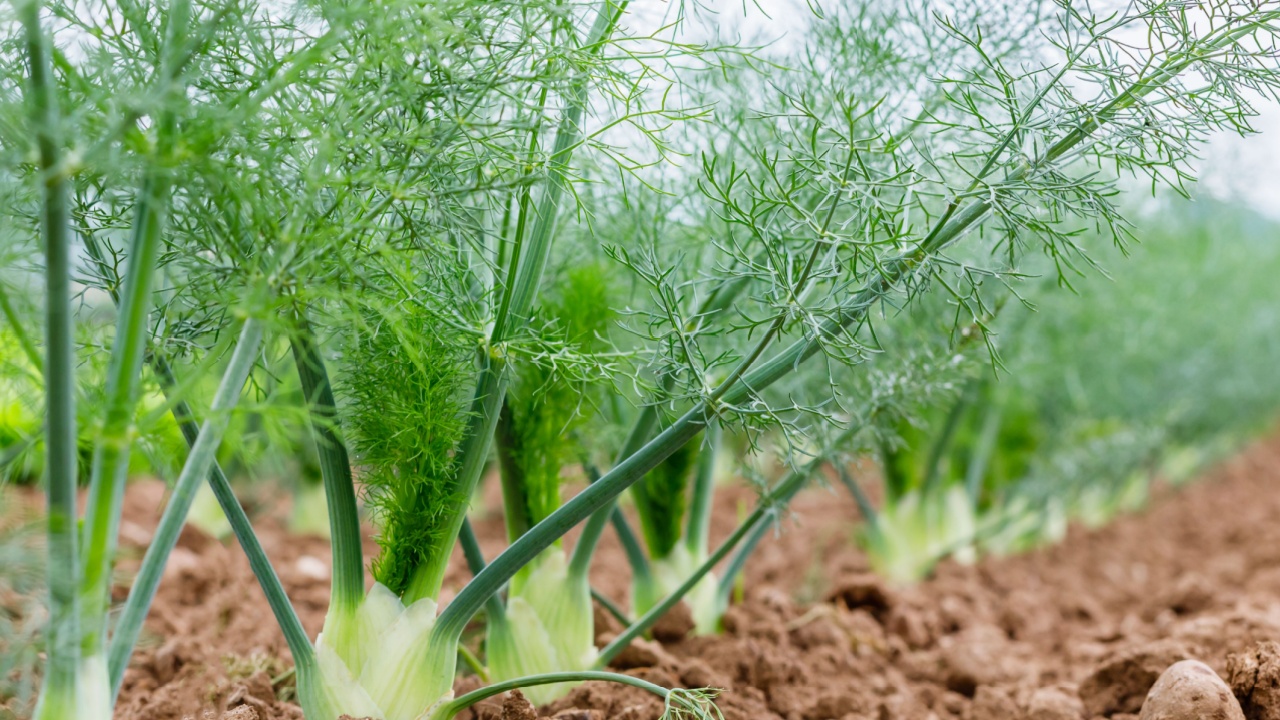
Image Credit: Shutterstock.
The fennel really should have its own space away from not only carrots but all other vegetables as well. This is because it attracts insect pests that will come munch on all of your plants.
3. Parsnips
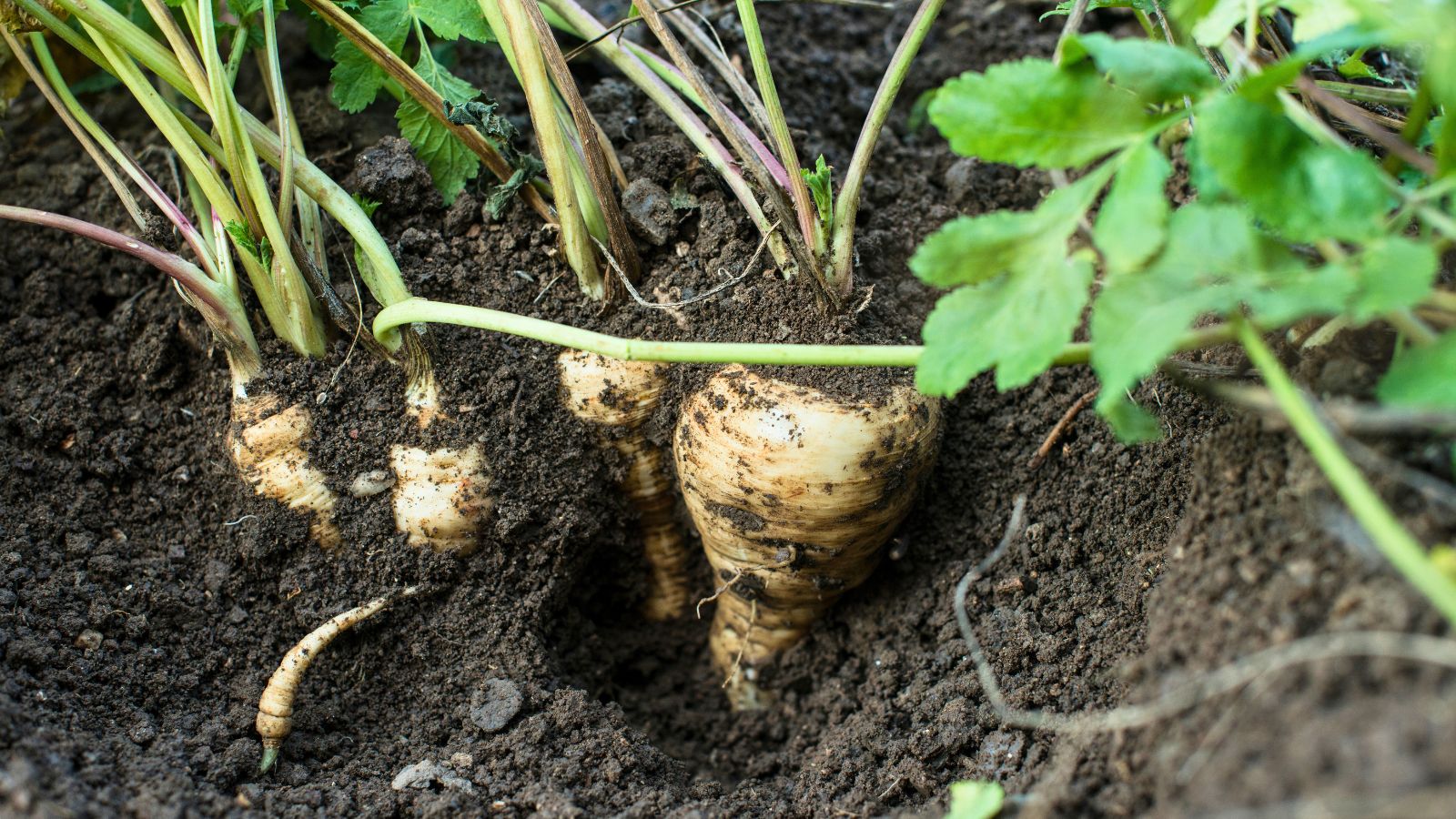
Image credit: YAY Images.
With their similar growing habit, parsnips will compete with carrots for nutrients and space. They also share many diseases and pests, so growing them separately will help prevent the spread of any maladies from one to the other.
4. Potato
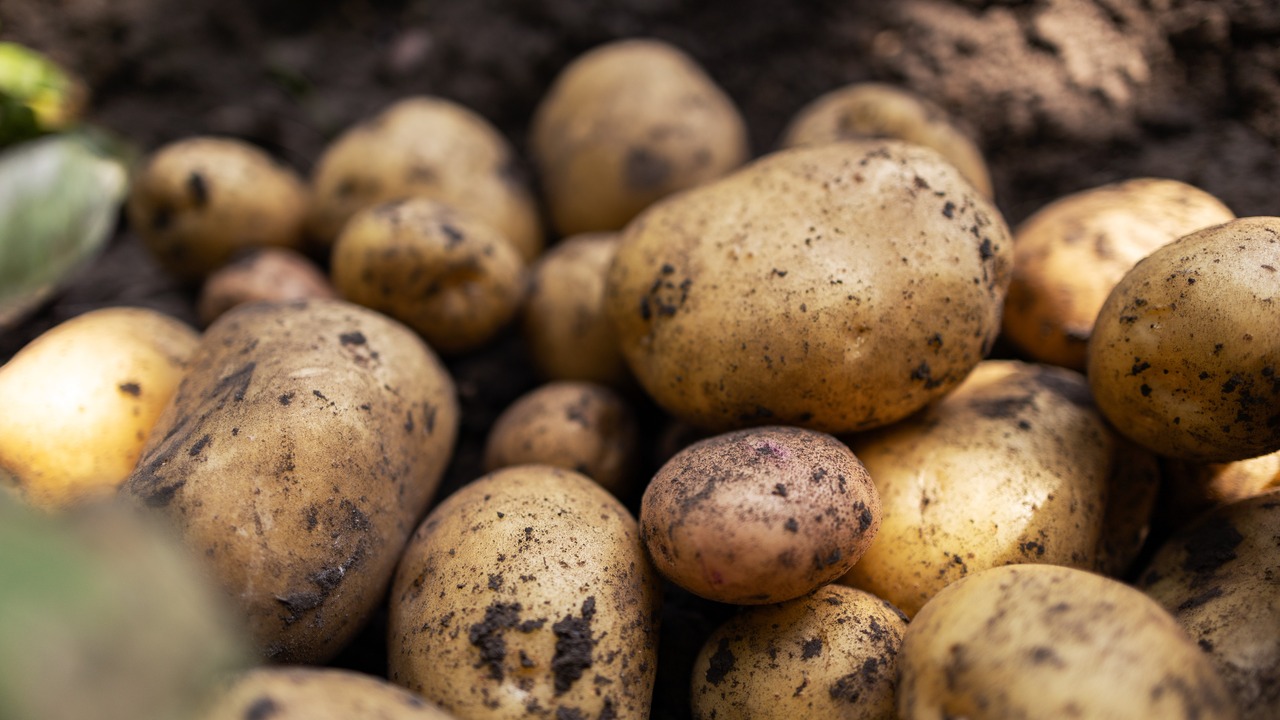
Image Credit: Shutterstock.
Another root crop, potatoes can also compete with carrots for space and nutrients. When planning the vegetable garden, it’s important to consider what happens in the soil as well as above it.
Carrots may have a more complicated relationship with tomatoes than popular wisdom suggests, but they also have many other friends in the garden. Plant them together and watch your vegetables flourish.