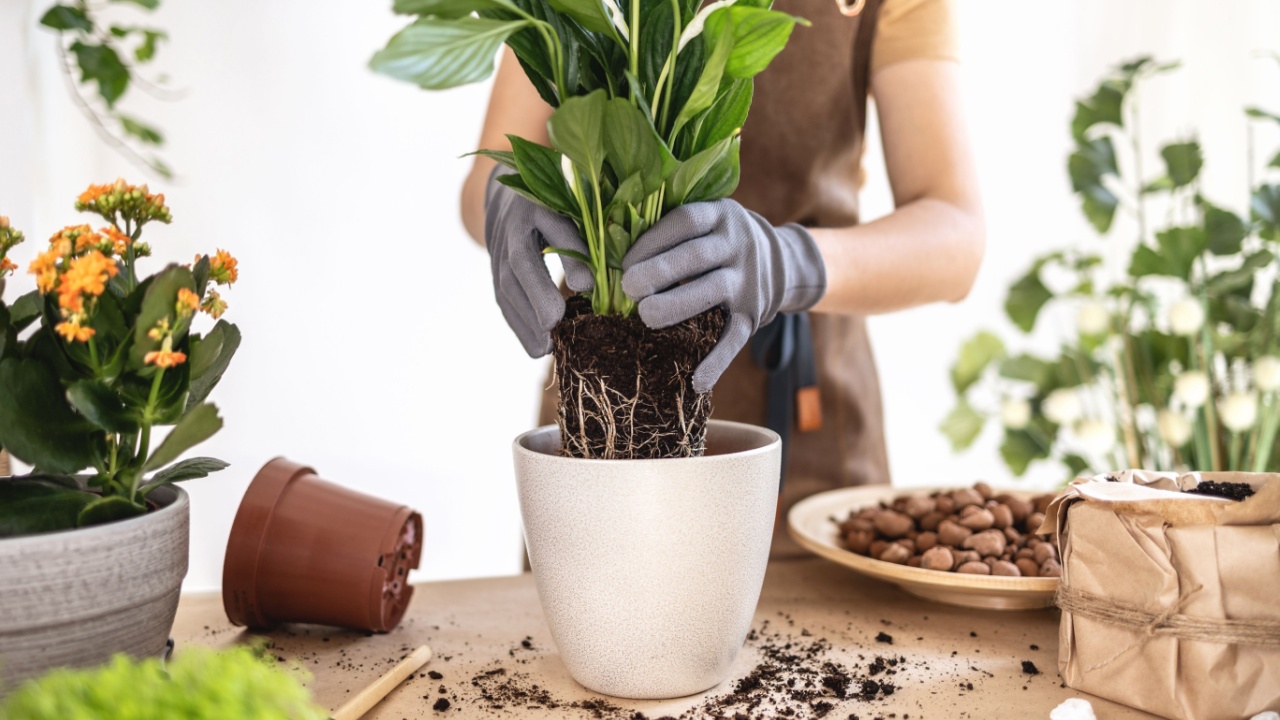
6 Clues a Houseplant Truly Needs a Bigger Pot
This scenario is more common than you might expect. You wake up on Monday to a leafy roommate who is the picture of health, blowing merrily in the wind. Wednesday morning, Priscilla, the peace lily, is drooping and looking less vibrant, and you can’t figure out what you did wrong. Did you overwater? Underwater? Was the music too loud? Do they not like reggae? The sudden lack of vibrance leaves you puzzled.
Usually, it’s not a personal slight; your plant may just be squeezed for space. Giving a houseplant a new home can seem daunting, but spotting the signs early helps things go smoother. Instead of worrying about what went awry, scan for these 6 clear indicators that your plant needs more room to thrive.
1. The Great Root Escape
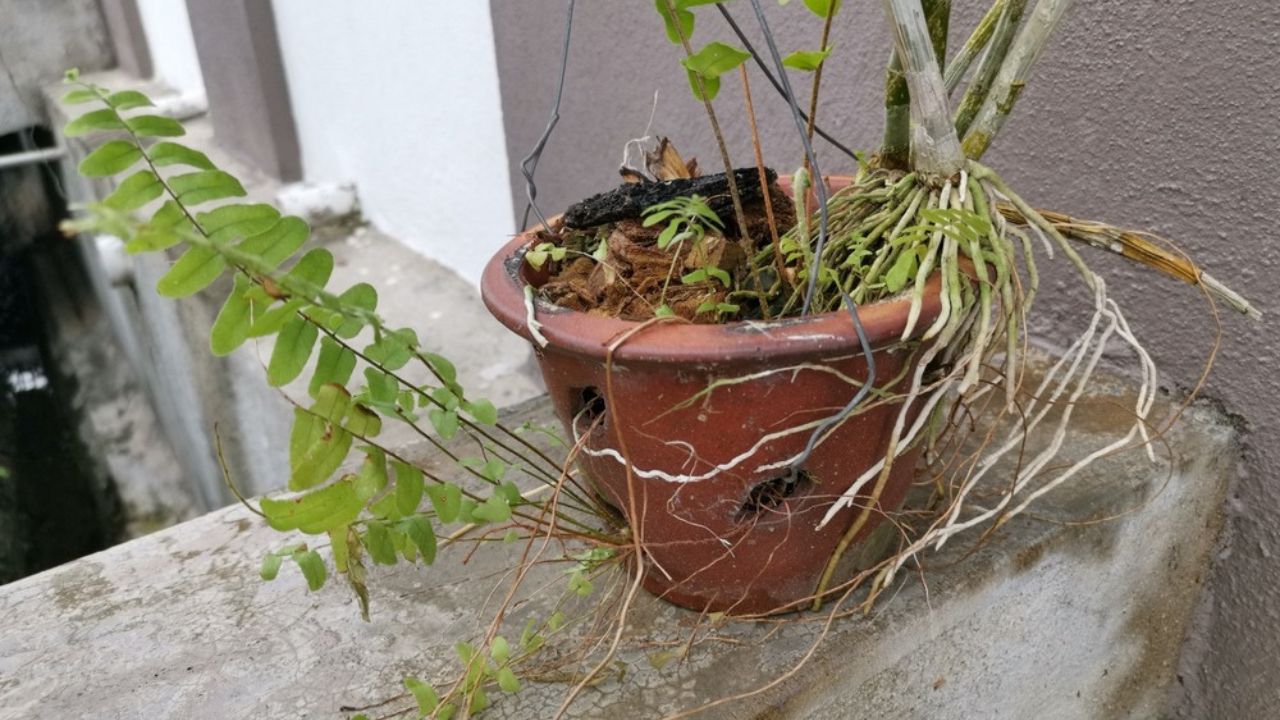
If you see roots coming out of the drainage holes at the bottom of your plant’s pot, it’s a sign the plant has outgrown its space. The roots aren’t just being adventurous; they’re trying to find more room because the pot is too small. This is called being “root-bound.” When this happens, the roots start circling inside the pot, creating a tight, tangled mess. This makes it harder for the plant to absorb water and nutrients, which can slow its growth and make it unhealthy over time. It is time to repot to a larger container, but be careful not to damage the roots.
What to look for:
- Visible Roots: White or light-colored roots are actively growing out of the drainage holes.
- Surface Roots: You may also spot roots pushing up through the topsoil, trying to find any available space.
- Next Steps: When you see this, it’s time to gently ease the plant out of its pot to confirm. A solid mass of circling roots confirms the diagnosis. Choose a new pot that is only one to two inches wider in diameter.
2. Water Runs Through It
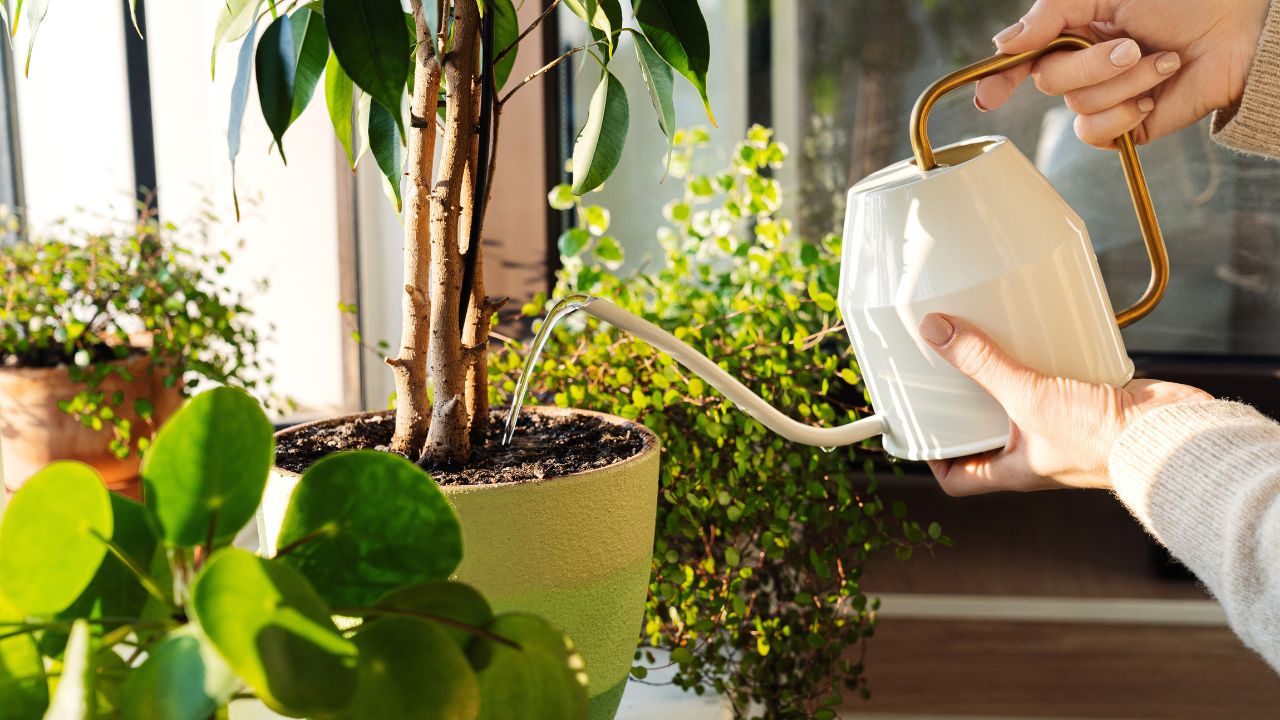
You just gave your plant a thorough watering, but a moment later, the water is gushing out of the drainage holes like it’s fleeing the scene of a crime. If the water seems to pass straight through the pot without stopping to say hello, you have a problem. This rapid drainage often means there’s very little soil left to actually hold onto the moisture.
It means the pot has become more root than soil. The roots have displaced so much of the potting mix that there’s no longer a sufficient medium to retain water for the plant to drink later. In other cases, the soil itself might have become hydrophobic, meaning it actively repels water after drying out completely too many times. Either way, your plant is left thirsty, even after you’ve diligently watered it.
What to look for:
- Fast Drainage: Water drains from the bottom almost immediately after you pour it on top.
- Light Pot: The pot feels unusually light, even after a watering, because it’s not holding any moisture.
- Next Steps: Repotting with fresh, high-quality potting mix is the solution. This new soil will act like a sponge, holding onto water and releasing it to the roots as needed. It also replenishes the depleted nutrients.
3. Growth Has Ground to a Halt
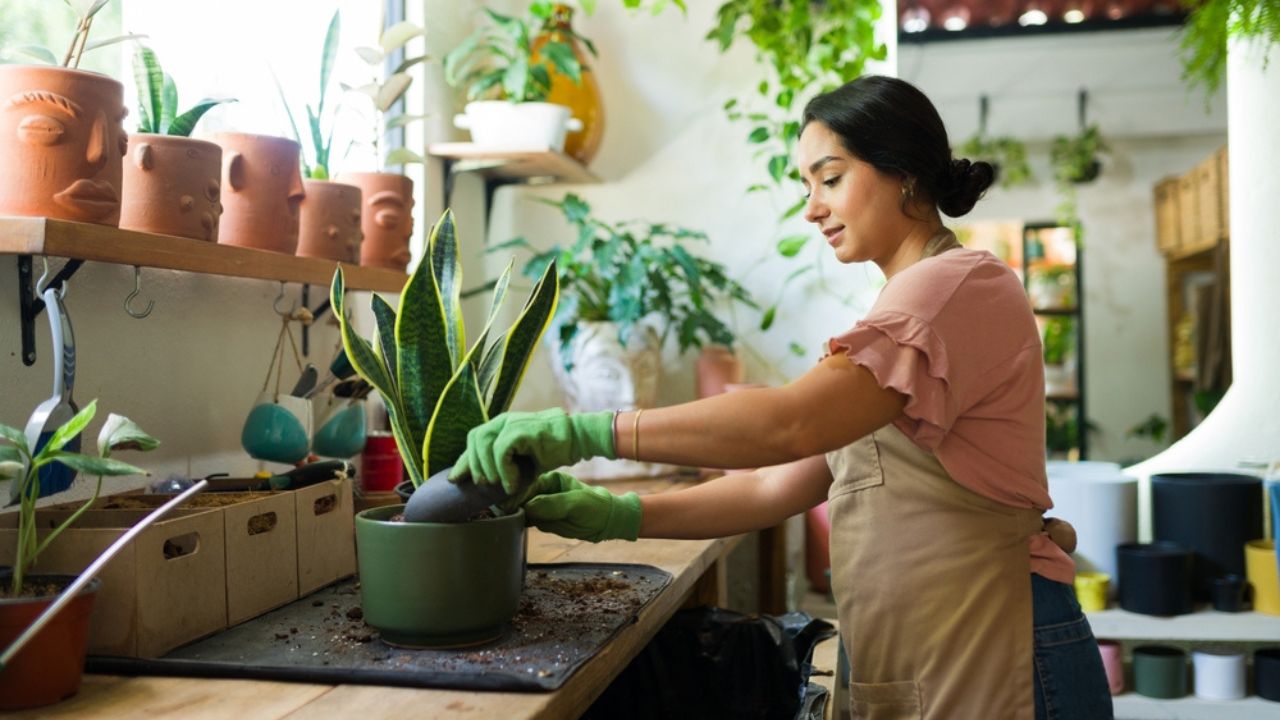
Remember when your plant was pushing out new leaves left and right, growing with youthful abandon? If those glory days are a distant memory and your plant seems stuck in time, its pot might be the culprit. Stunted growth is a classic symptom of a root-bound plant. When the root system can no longer expand, it can’t support the development of new foliage, stems, or flowers.
The plant enters a state of survival, conserving its limited resources just to maintain its current size. You might notice that any new leaves that do appear are noticeably smaller than older ones, or that the plant has stopped producing new growth altogether, despite receiving adequate light and fertilizer.
What to look for:
- No New Leaves: A significant slowdown or complete stop in the production of new foliage during the growing season.
- Small Foliage: New leaves are smaller and less impressive than the ones that came before.
- Next Steps: Giving the plant a larger pot provides the roots with the space they need to grow, which in turn fuels the growth of the rest of the plant. A dose of fresh soil also delivers a much-needed nutrient boost to kickstart its growth spurt.
4. Unexplained Yellowing or Dropping Leaves
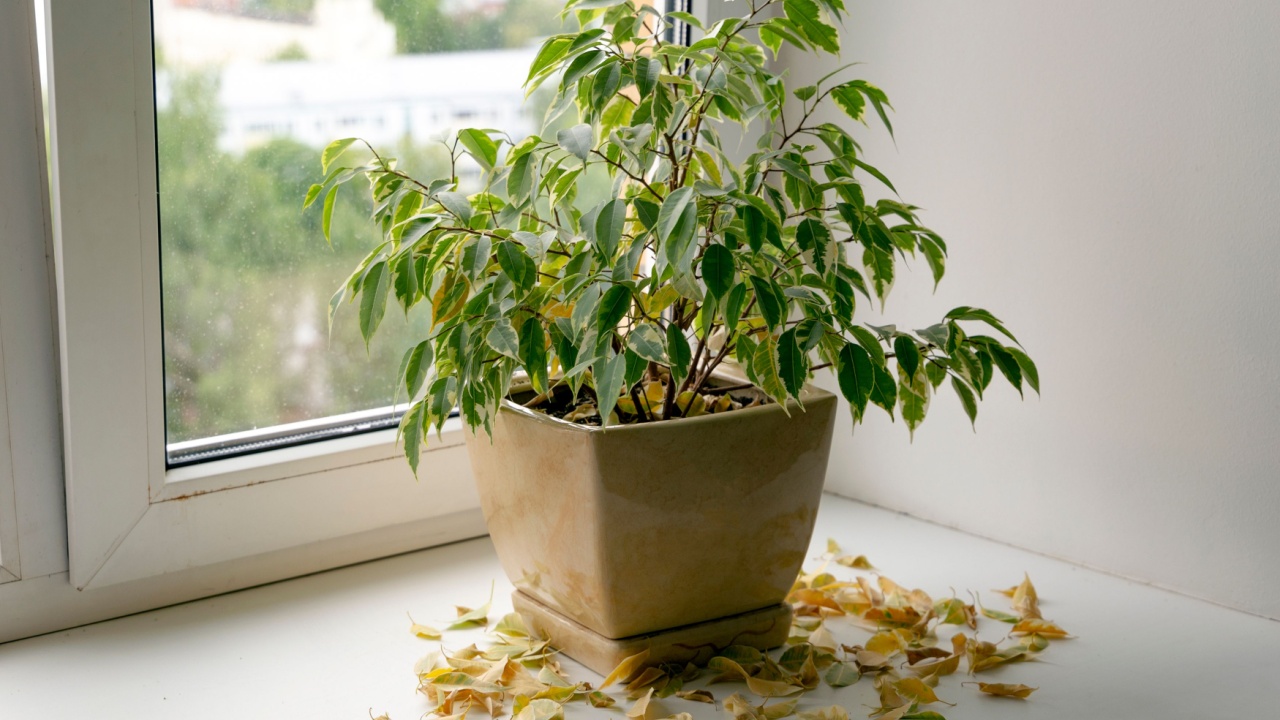
A few yellow leaves here and there are a normal part of a plant’s life cycle. But if your plant is starting to look like it’s perpetually autumn, with leaves turning yellow and dropping at an alarming rate, it may be sending out an S.O.S. When roots are crammed together in a tight space, they struggle to deliver enough water and nutrients to sustain all the foliage.
In response, the plant will start to sacrifice its older, lower leaves to conserve resources for new growth. This is its way of downsizing its needs to match its limited resources. Of course, yellowing leaves can also be caused by overwatering, underwatering, or pest issues, so it’s important to look at the whole picture. If you’re seeing yellow leaves in combination with other signs on this list, a cramped pot is a likely suspect.
What to look for:
- Consistent Leaf Drop: The plant is shedding leaves, particularly older ones, more frequently than usual.
- Pale or Yellow Color: Leaves lose their vibrant green color and turn a washed-out yellow before falling off.
- Next Steps: Check the root system. If it’s a tangled mess, repotting is in order. After repotting, it’s normal for a plant to drop a few more leaves as it adjusts to its new environment, so don’t panic.
5. The Plant Becomes a Wobbly Mess
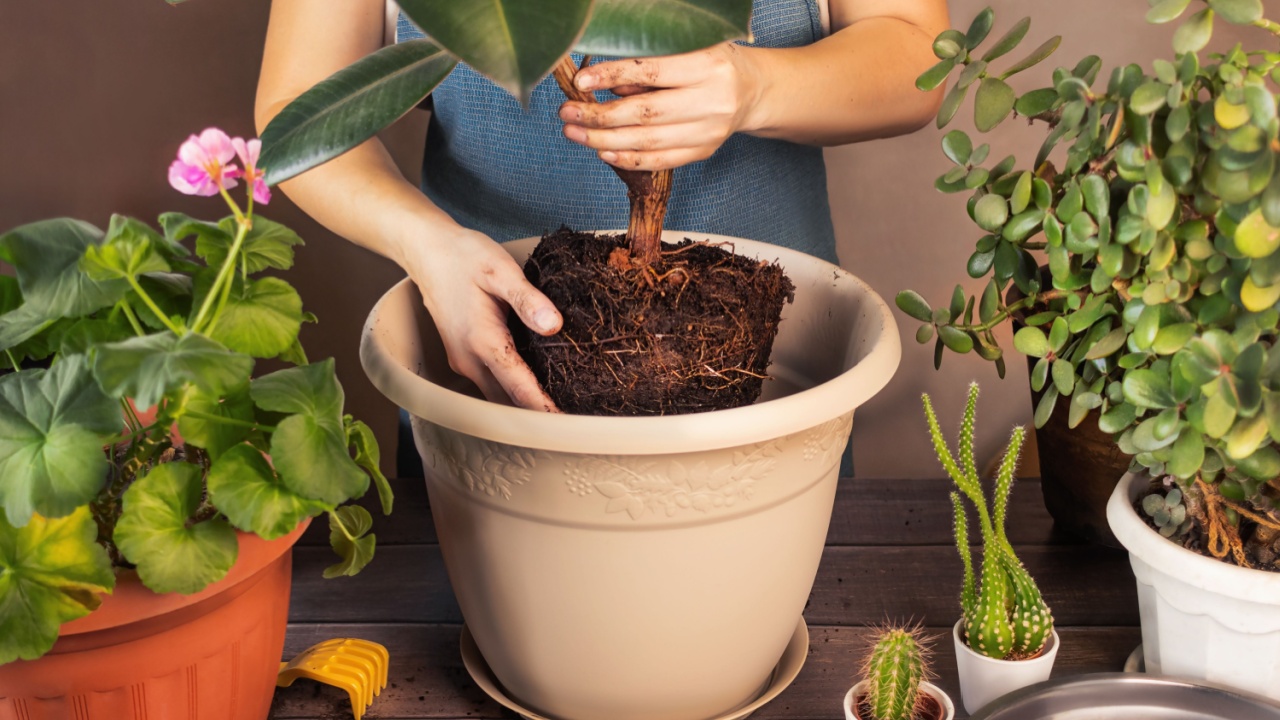
Does your plant look like it could be knocked over by a strong breeze or a passing kitten? A top-heavy, unstable plant is often a sign that its root system is too small to anchor its growing size. The pot is meant to act as a counterweight, providing a stable base.
When the plant’s foliage and stems grow much larger and heavier than what the small pot and root ball can support, the whole operation becomes precarious. The plant might lean dramatically to one side or simply topple over with the slightest nudge. This is not just an aesthetic issue; a fall can damage leaves and stems, stressing the plant.
What to look for:
- Leaning Tower of Flora: The plant consistently leans to one side, no matter how you rotate it.
- Frequent Tipping: The pot and plant fall over easily.
- Next Steps: Moving the plant to a larger, heavier pot will provide the stability it needs to stand tall and proud. A wider base is more important than depth here. This gives the roots more room to spread out and create a solid anchor.
6. It’s Been Over a Year (or Two)
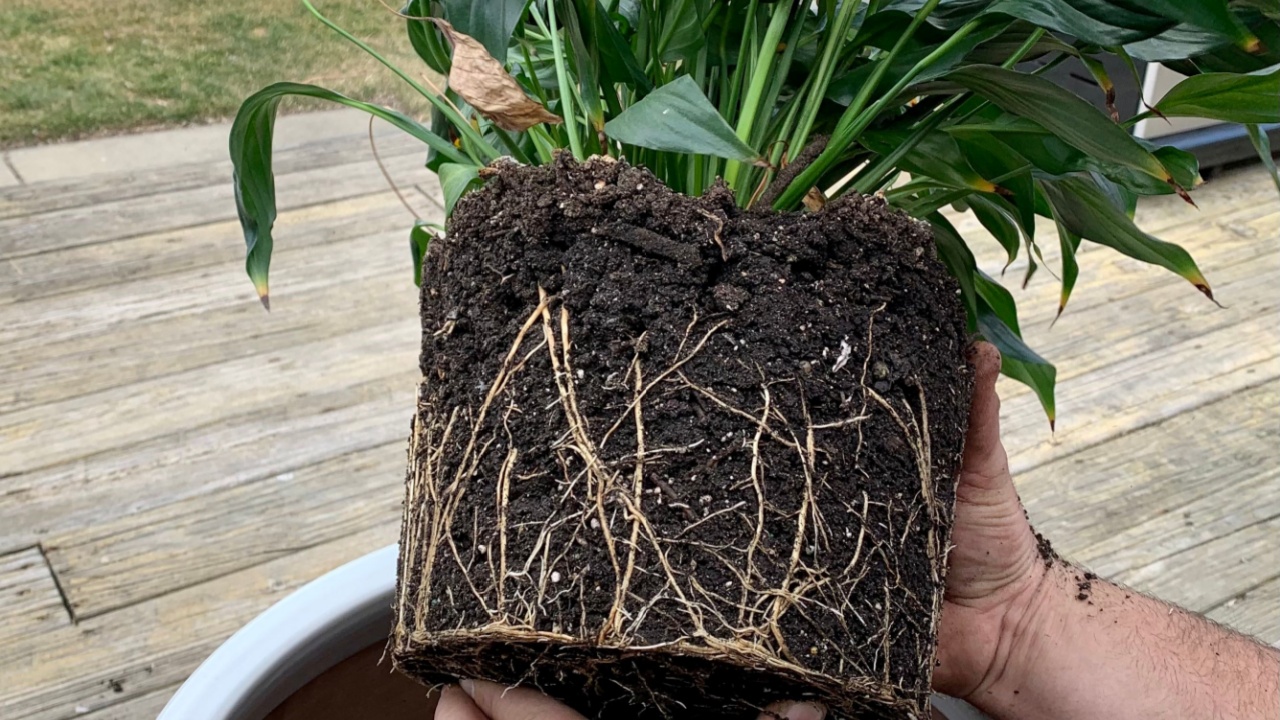
Sometimes, the best clue is simply the calendar. Most houseplants benefit from being repotted every 12 to 18 months, or at least every two years for slower-growing varieties. Over this period, two things happen. First, the plant’s roots grow and gradually fill the pot, as we’ve discussed. Second, the potting soil itself breaks down and becomes depleted of its essential nutrients.
The soil can become compacted, reducing aeration and making it harder for roots to breathe. Even if the plant isn’t severely root-bound, a refresh of its growing medium can provide a significant boost to its overall health and vitality. It gives it a fresh environment and a new supply of food.
What to look for:
- Time Passed: You genuinely can’t remember the last time you repotted the plant.
- Compacted Soil: The soil surface is hard, crusty, or pulling away from the sides of the pot.
- Next Steps: If it’s been a while, it’s worth taking a peek at the roots. Gently slide the plant out of its pot. If you see more roots than soil, or if the soil looks old and tired, it’s time for a change. Proactively repotting can prevent many of the other issues on this list from ever developing.
Moving on Up
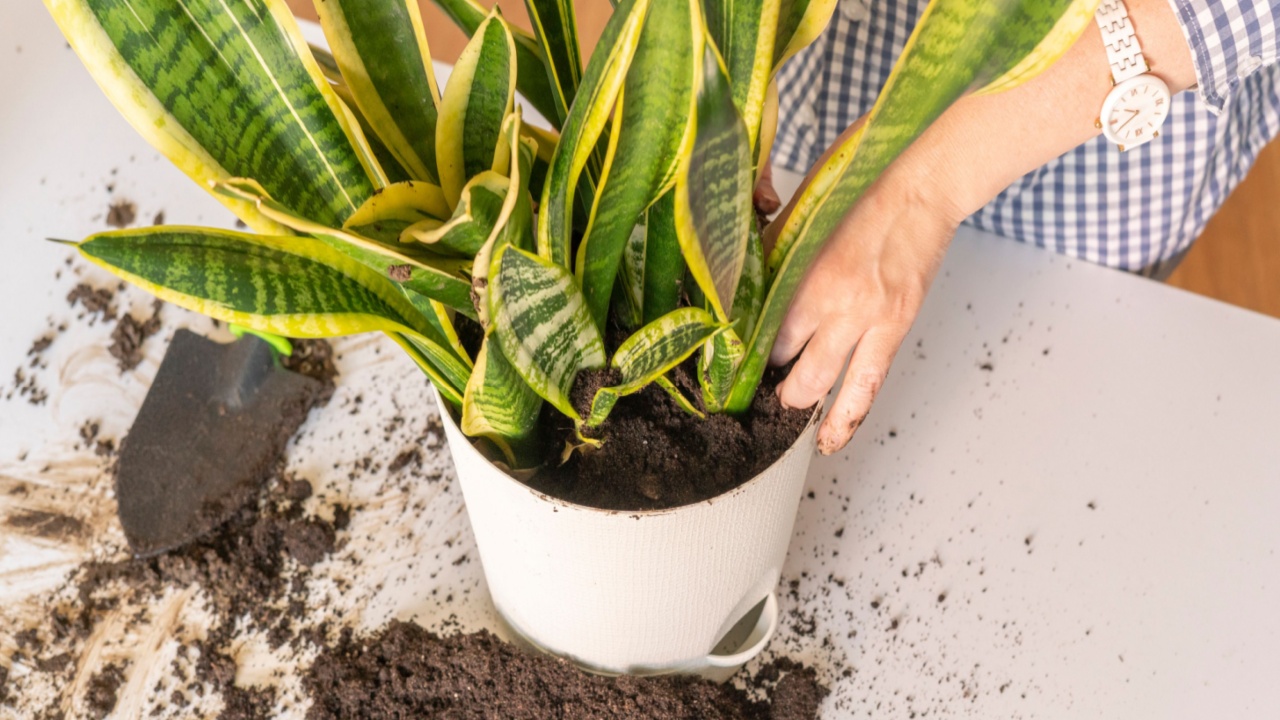
Repotting is a reset for your plant’s well-being. After spotting the signs, select a pot just a touch bigger, an extra inch or two in diameter does the trick for most houseplants. Oversized pots can cause their own headaches, so a smaller step up is all you need. Some plants don’t like containers, so check that you are not potting a plant that would be happier in the garden.
During the process, take a moment to loosen those compacted roots so they can start exploring their new home. Use a high-quality potting mix that matches your plant’s needs, nestle it in, and fill around the sides, pressing the soil gently so it’s cozy but not smothered. Water well to help your plant settle and give it a spot with the right light. It may need a little time to adjust, but soon, those stretched-out roots will get busy supporting new leaves.